

Caldene Jacket: Heritage, Quality & What Riders Need
Sep 17, 2026
When you hear experienced riders mention a Caldene jacket, you're hearing about decades of British equestrian heritage. Since the 1970s, Caldene has been synonymous with competitive riding wear across the UK and beyond. Understanding what made these jackets a staple in tack rooms tells you quite a bit about what matters in riding apparel: durability, proper fit, and meeting the exacting standards of competition environments. Whether you're assessing vintage pieces or considering modern alternatives, knowing the Caldene story helps you make better choices about your own riding wardrobe.
The Caldene Legacy in British Riding
Caldene Limited established itself as a cornerstone of British equestrian manufacturing, building a reputation on consistency and understanding what riders actually need. The brand gained particular recognition for competition jackets that met strict dress codes while withstanding the rigours of regular use.
What set the Caldene jacket apart during its peak years was attention to construction details that mattered in the saddle. Reinforced seams where stress concentrates during riding. Vents positioned to allow movement without restriction. Fabric weights that provided structure for the show ring without causing discomfort during warm-up sessions.
The company's longevity in a competitive market reflected genuine understanding of rider requirements. When you examine older Caldene pieces, you'll often find they've outlasted more recent purchases from other brands, testament to manufacturing standards that prioritised durability over quick turnover.
Competition Standards and Jacket Requirements
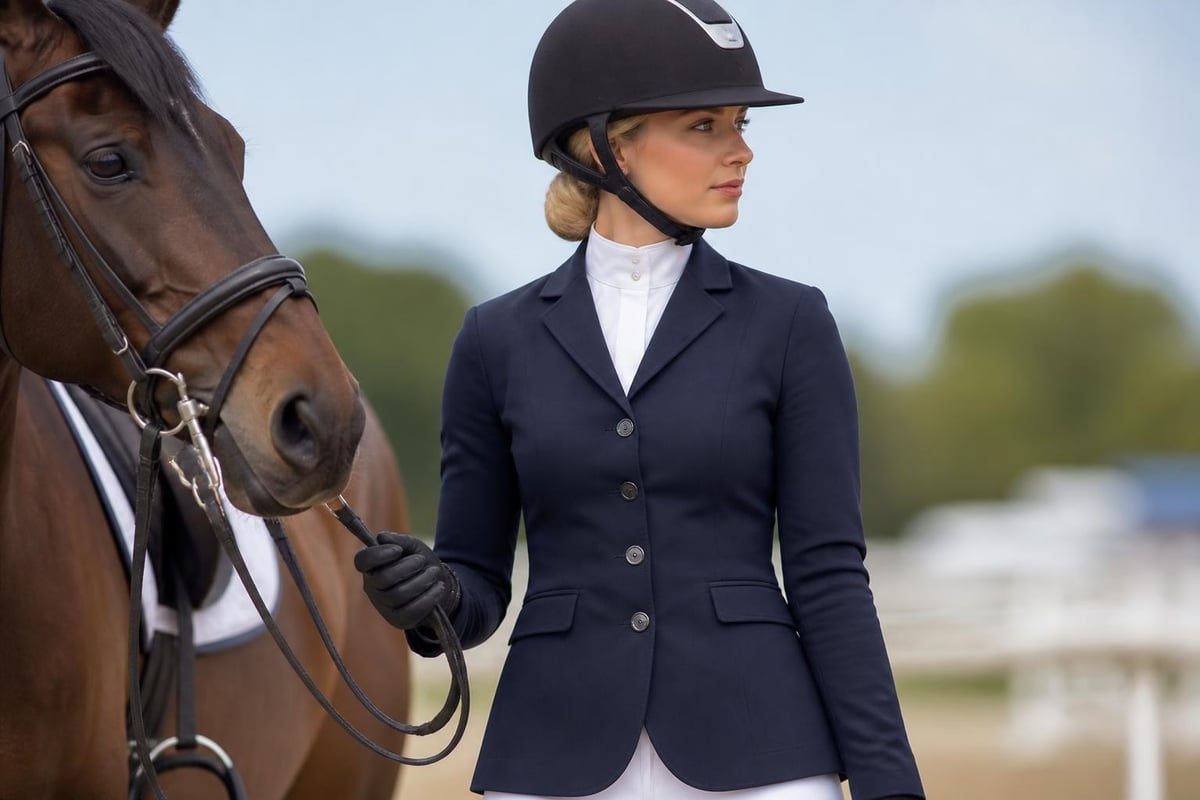
The British Horse Society provides clear guidance on appropriate dress for riding assessments and activities, standards that shaped how brands like Caldene approached jacket design. Competition environments demand specific features: conservative colours, proper length, appropriate button placement, and collar styles that project professionalism.
These weren't arbitrary rules. They evolved from practical considerations about safety, tradition, and maintaining consistent standards across competitive disciplines. A well-made Caldene jacket addressed these requirements while allowing riders to focus on performance rather than worrying about presentation.
For modern riders, understanding these standards remains relevant. Even as equestrian wear evolves toward more contemporary styling, competition environments still maintain dress codes. Whether you're riding dressage, showing hunters, or pursuing qualifications, your jacket needs to meet established expectations whilst providing the comfort and mobility you need to ride well.
What Made Caldene Jackets Distinctive
The Caldene jacket earned its reputation through specific design choices that addressed real riding challenges. Understanding these helps you evaluate any riding jacket, whether vintage, contemporary, or from emerging brands.
Construction and Durability
Traditional Caldene jackets featured wool-blend fabrics that held their shape through countless rides. The blend ratio mattered: enough natural fibre for breathability and structure, sufficient synthetic content for shape retention and easier care. Seam construction used techniques borrowed from traditional tailoring, creating garments that could withstand the repeated stress of mounting, dismounting, and hours in the saddle.
Linings received particular attention. A quality riding jacket needs an interior that allows easy movement over layers, doesn't catch on shirts or base layers, and withstands the friction created by riding positions. Caldene achieved this through careful selection of lining materials and construction methods that prevented the bunching and twisting that plague cheaper alternatives.
Button quality and placement reflected understanding of how riders actually use their jackets. Buttons needed to withstand stress without pulling free from fabric. Placement had to allow proper closure without gaping or restricting breathing. These details seem minor until you're dealing with a jacket that fails on any of these points.
Fit Philosophy for Male Riders
Men's riding jackets face different fit challenges than women's designs. Shoulder breadth, chest depth, and arm length proportions require different pattern cutting. The Caldene approach recognised these differences, creating patterns that accommodated athletic builds without excessive fabric or restriction.
Proper shoulder construction matters enormously in riding wear. Your jacket needs to move with your shoulder rotation without hiking up or pulling tight across the back. Caldene jackets typically featured shoulder construction that allowed this movement whilst maintaining clean lines when viewed from the ground.
Waist suppression presented another consideration. Too much, and the jacket restricts breathing and movement. Too little, and you lose the tailored appearance expected in competition environments. Finding this balance required understanding male body proportions and how they interact with riding positions.
Modern Alternatives and What to Consider
The equestrian wear market has evolved considerably since Caldene's peak years. Today's riders have access to technical fabrics, improved construction methods, and design approaches that build on traditional foundations whilst addressing contemporary needs.
Gallant Equestrian represents this evolution, creating performance-driven pieces that understand both heritage standards and modern expectations. When selecting riding wear, whether you're drawn to traditional brands or contemporary alternatives, certain considerations remain constant.
Performance Features Worth Prioritising
Modern riding jackets should offer genuine performance advantages over older designs. Technical fabrics provide weather resistance without sacrificing breathability. Strategic stretch panels allow movement without compromising structure. Contemporary construction techniques create durability through engineering rather than simply adding weight.
Consider how each feature serves your actual riding. Water resistance matters if you hack out in unpredictable weather or compete in outdoor arenas. Four-way stretch in strategic areas improves comfort during long rides without affecting the jacket's professional appearance from the ground. Moisture-wicking linings prevent the clammy discomfort that comes from extended wear during active riding.
These features weren't available when many classic Caldene jackets were produced. Evaluating modern alternatives means weighing heritage quality standards against genuine technical improvements.
Balancing Tradition and Innovation
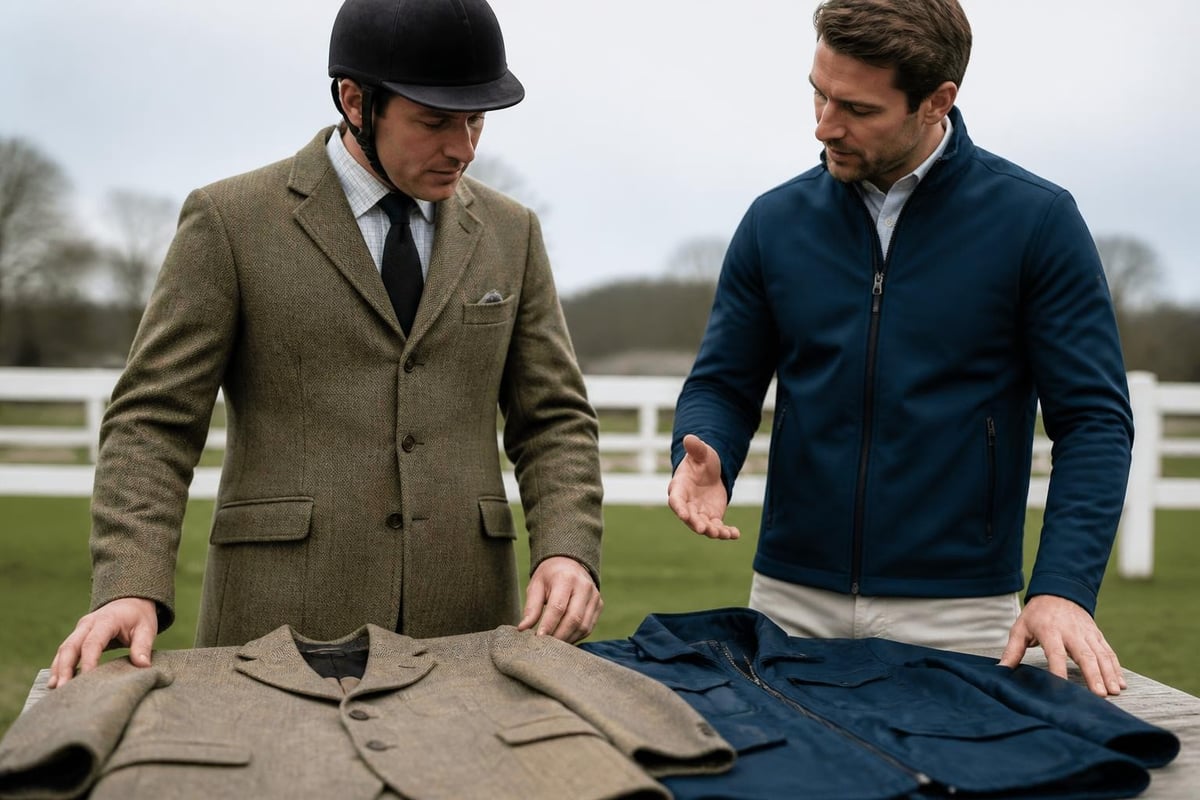
Some riders feel torn between respecting traditional aesthetics and embracing contemporary performance features. This needn't be an either-or choice. The best modern riding wear maintains the professional appearance and durability standards established by brands like Caldene whilst incorporating technical improvements that genuinely enhance the riding experience.
Look for jackets that use technical fabrics in ways that aren't immediately obvious. A softshell exterior might incorporate stretch and weather resistance whilst maintaining the structured appearance expected in formal riding contexts. Interior construction can leverage modern moisture management without affecting traditional silhouettes.
Colour and styling choices allow personal expression within competition standards. Navy, black, and traditional tweeds remain appropriate across most disciplines. Subtle details in pocket styling, collar construction, or button choice let you express individual taste whilst maintaining proper presentation.
Selecting Riding Wear That Lasts
Whether you're considering vintage Caldene pieces or investing in contemporary alternatives, certain evaluation criteria help ensure you're getting genuine quality rather than marketing promises.
Assessing Construction Quality
Examine seam construction carefully. Quality riding jackets use flat-felled or French seams in stress areas, creating smooth interiors that won't chafe or come apart under use. Check collar construction: it should maintain structure without feeling stiff or uncomfortable against your neck.
Pay attention to how the jacket hangs. Proper pattern cutting creates garments that drape correctly both on the hanger and when worn. Inferior construction often reveals itself in pulling, twisting, or gaping that no amount of adjustment can resolve.
Button and fastener quality matters more than you might expect. Inspect how buttons attach to the fabric. Quality construction uses reinforced attachment methods that prevent buttons pulling free. Zips, if present, should operate smoothly without catching or sticking.
Fit Considerations for Men
Proper fit in riding wear differs from everyday clothing fit. Your jacket needs to accommodate the riding position: shoulders rolled slightly forward, arms extended, back engaged. Try on jackets whilst mimicking riding positions, not just standing straight.
Understanding proper sizing prevents the frustration of returns and exchanges. Different brands cut patterns differently, so measurements matter more than label sizes. Chest, shoulder, and sleeve measurements should all align with your proportions.
Consider how the jacket accommodates layers. You'll wear different base layers depending on season and discipline. Your jacket should fit well over a light shirt for summer competition and still allow comfortable movement over warmer layers during winter riding.
| Fit Element | What to Check | Why It Matters |
|---|---|---|
| Shoulder Seam | Sits at natural shoulder point | Prevents restriction during arm movement |
| Sleeve Length | Covers wrist bone when arms extended | Maintains coverage in riding position |
| Chest Room | Comfortable with deepest breath | Allows unrestricted breathing whilst riding |
| Waist | Follows natural line without pulling | Creates clean silhouette without restriction |
| Back Length | Covers lower back when mounted | Prevents exposure in riding position |
Competition Compliance and Dress Codes
Understanding dress requirements prevents the disappointment of purchasing inappropriate gear. Different disciplines maintain specific standards, and competition organisations publish detailed guidance.
The CHAPS handbook details requirements for showing classes, including specific coat colours, styles, and accessories. These standards maintain consistency across competitions and reflect long-standing traditions within particular disciplines.
Dressage, show jumping, eventing, and showing each maintain distinct expectations around jacket choice. Dressage typically requires dark colours with subtle details. Show jumping allows more flexibility. Showing emphasises traditional styling and conservative colours. Understanding these distinctions helps you build a wardrobe that serves your specific competitive interests.
Some riders purchase separate jackets for different contexts: a formal show jacket for competition, a more relaxed piece for everyday riding, and weather-resistant options for hacking out. This approach makes sense if you ride across multiple disciplines or environments. Others prefer versatile pieces that serve multiple purposes, prioritising quality and fit over specialisation.
Sustainability Considerations in Riding Wear
The equestrian industry faces increasing pressure to address environmental impact. The FEI has outlined sustainability initiatives affecting international competition, and broader industry trends influence how brands approach manufacturing.
When Caldene dominated the market, sustainability wasn't a primary consideration. Today's riders often evaluate purchases through this lens. Buying quality pieces that last years rather than seasons represents one form of sustainable choice. Supporting brands that prioritise responsible manufacturing and material sourcing represents another.
Industry reports on textile materials reveal growing adoption of recycled fibres, organic materials, and improved manufacturing processes. Forward-thinking equestrian brands incorporate these materials whilst maintaining the performance standards riders require.
Durability matters as much as material sourcing. A jacket that lasts ten years has considerably less environmental impact than three cheaper alternatives purchased over the same period. This argues for investing in quality construction even when initial costs seem higher.
Care and Maintenance for Longevity
Proper care extends jacket life considerably, protecting your investment whilst maintaining performance and appearance. Whether you own vintage Caldene pieces or contemporary alternatives, maintenance practices remain largely consistent.
Cleaning and Storage
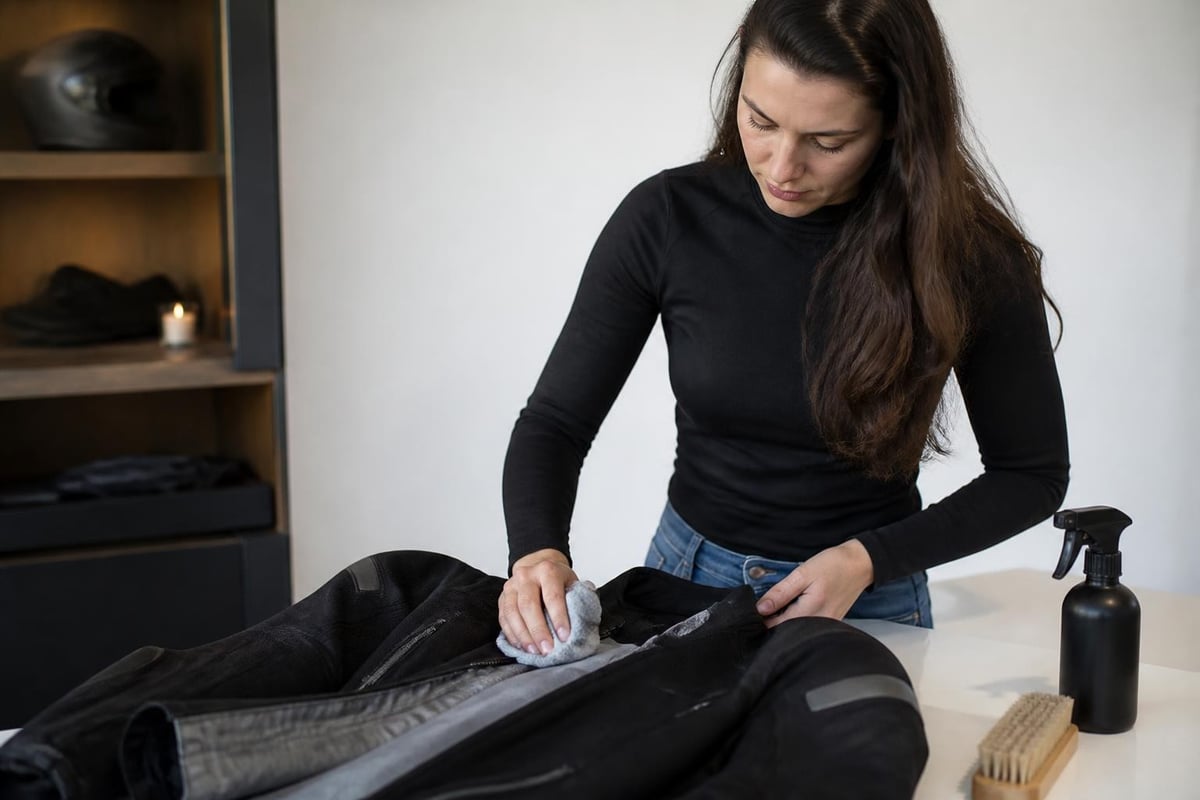
Follow care instructions precisely, but understand general principles. Most riding jackets benefit from minimal washing. Spot clean minor marks promptly before they set. When full cleaning becomes necessary, use appropriate methods for the fabric composition.
Wool and wool-blend jackets typically require professional cleaning or very careful hand washing. Technical fabrics often tolerate machine washing but need specific detergents and temperature settings. Never assume; always check labels and manufacturer guidance.
Storage matters more than many riders realise. Hang jackets properly on shaped hangers that support shoulders without stretching fabric. Avoid crushing jackets in overfilled wardrobes. Allow jackets to air after riding before returning to storage, preventing moisture and odour buildup.
Addressing Wear and Repairs
Quality jackets justify professional repairs when needed. Button replacement, lining repairs, and seam reinforcement cost considerably less than new jackets whilst extending useful life significantly. Establish relationships with tailors who understand riding wear and can execute repairs that maintain proper fit and function.
Some wear patterns indicate fit issues rather than simple use. If you're consistently seeing fabric stress in particular areas, reassess whether the jacket truly fits your proportions. Continuing to wear poorly fitting pieces accelerates damage whilst creating discomfort during rides.
Building a Functional Riding Wardrobe
The Caldene jacket represented one element in a complete riding wardrobe. Today's riders benefit from thinking systematically about how different pieces work together across seasons, disciplines, and contexts.
Layering for Different Conditions
Your jacket forms the outer layer in a system that needs to function across temperature ranges and weather conditions. Base layers manage moisture next to skin. Mid layers provide insulation when needed. Your jacket protects against weather whilst allowing the system to breathe.
Winter riding might combine a moisture-wicking base layer, an insulating mid layer, and a weather-resistant jacket. Summer competition might need only a light shirt under your show jacket, with the jacket removed between classes. Variable spring conditions require versatile layering you can adjust throughout the day.
Consider how pieces from Gallant Equestrian's collection coordinate to create functional systems. Their approach to men's riding wear recognises that individual pieces need to work both independently and as part of coordinated ensembles.
Transitioning Beyond the Yard
Modern riding wear increasingly serves double duty, functioning in the stable environment whilst remaining appropriate for everyday contexts. This versatility matters for riders who move between yard, office, and social settings throughout the day.
Some jackets work exclusively in riding contexts. Show jackets, for instance, rarely translate to non-equestrian environments. Other pieces blur these boundaries effectively. A well-designed riding jacket in appropriate colours and styling might serve equally well for casual business settings or weekend activities.
This versatility appeals particularly to riders balancing equestrian pursuits with professional and personal commitments. Investing in pieces that serve multiple contexts provides better value whilst reducing the wardrobe volume needed to function across different areas of life.
Heritage Lessons for Contemporary Choices
The Caldene jacket story offers lessons beyond simple nostalgia for a particular brand. Understanding what made certain pieces successful helps you evaluate contemporary options more effectively.
Durability trumps trends. Jackets built to last provide better long-term value than pieces designed for single-season relevance. Classic styling ages better than trend-driven designs, maintaining appropriate appearance across years rather than months.
Fit matters more than features. A perfectly fitting jacket with basic features outperforms a poorly fitting jacket loaded with technical specifications. Prioritise proper pattern cutting and construction over marketing claims about revolutionary fabrics or innovations.
Purpose drives selection. Your specific riding disciplines, competition goals, and usage patterns should guide jacket choices. A professional rider competing weekly needs different features than a recreational rider focused on weekend hacks. Neither choice is wrong; they simply reflect different priorities and requirements.
The equestrian wear market continues evolving. New brands emerge. Established names adapt to changing expectations. Technical innovations create genuine improvements. Through all this change, certain fundamentals remain constant: quality construction, proper fit, appropriate styling, and durability that justifies initial investment.
Understanding the Caldene jacket heritage provides valuable perspective on quality riding wear, even as the market evolves beyond any single brand. What mattered in those classic pieces remains relevant today: proper construction, appropriate fit, and durability that withstands serious use. Gallant Equestrian builds on these foundations whilst incorporating contemporary design and performance features that serve modern riders. Whether you're establishing your riding wardrobe or refining existing choices, focusing on these timeless qualities ensures you invest wisely in gear that genuinely serves your riding.

