

Equestrian Men: Style, Performance & Modern Riding Culture
Apr 21, 2026
The equestrian world has long celebrated skilled horsemen, from the Roman equites who held esteemed positions in ancient society to today's competitive riders commanding arenas worldwide. Yet for too long, the conversation around riding apparel has leaned heavily towards women's collections, leaving equestrian men searching for gear that truly fits their needs. That's changing in 2026, as more riders demand clothing that balances heritage with modern performance, style with substance, and functionality with a refined aesthetic.
The Modern Landscape for Equestrian Men
Today's male riders occupy every corner of the sport. Whether you're training young horses, competing at regional shows, or simply enjoying weekend hacks through countryside trails, your clothing needs are specific and non-negotiable.
The challenge has always been finding pieces that work as hard as you do. Traditional riding wear often sacrificed comfort for appearance, whilst modern athletic gear lacked the tailored look appropriate for equestrian settings. This gap has driven innovation in men's equestrian clothing, creating a new standard that refuses to compromise.
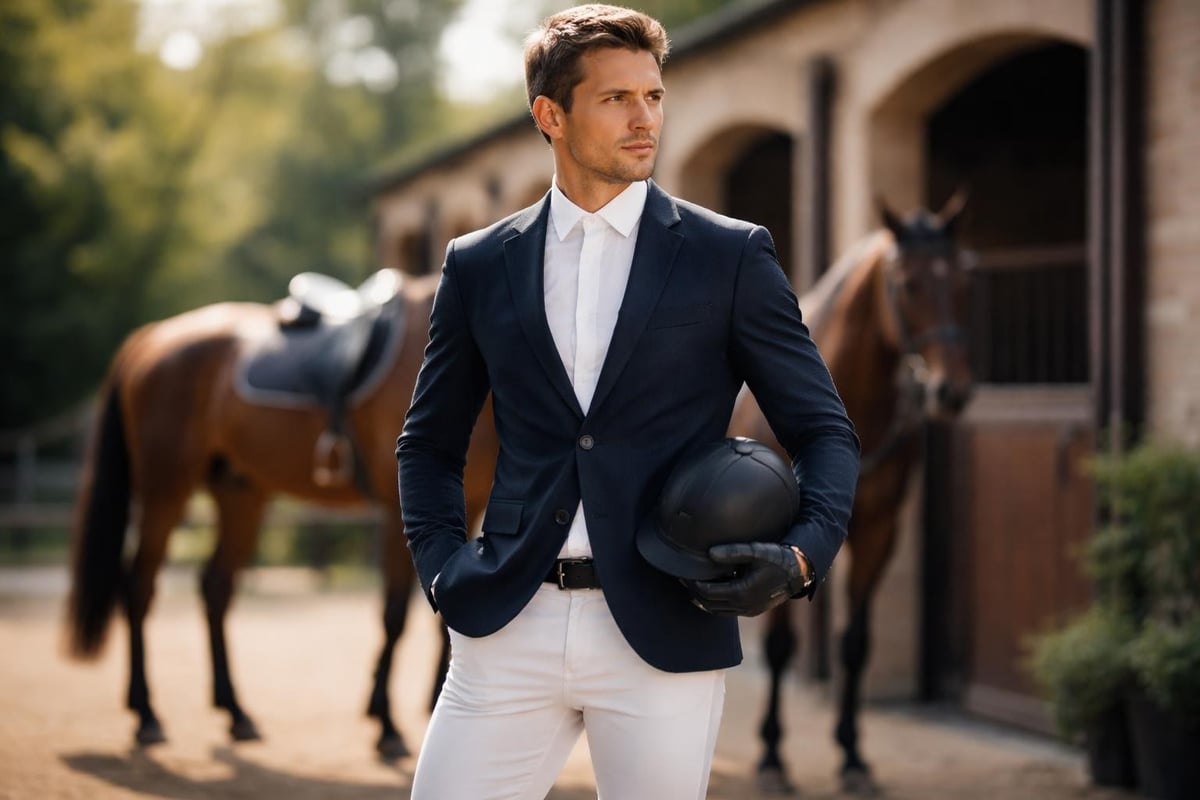
Performance fabrics now integrate moisture-wicking properties, four-way stretch, and reinforced stitching whilst maintaining the clean lines expected in riding environments. This evolution recognises that equestrian men need clothing that transitions seamlessly from stable work to afternoon meetings, from early morning training to evening social occasions.
Why Traditional Options Fall Short
Classic riding wear often fits poorly across the shoulders and chest, designed with outdated sizing that doesn't account for athletic builds. Breeches gape at the waist or bind at the thighs. Jackets restrict shoulder movement during mounting or posting. Shirts bunch uncomfortably under body protectors.
These aren't minor inconveniences. Poor fit affects your riding position, limits your communication with your horse, and undermines confidence in competitive settings. The discomfort becomes a distraction when you need complete focus on your partnership with your mount.
Furthermore, many traditional pieces require extensive care routines that don't fit modern lifestyles. Dry-clean-only jackets and hand-wash breeches simply aren't practical when you're riding five or six days weekly. Equestrian men need gear built to withstand regular machine washing whilst maintaining shape and performance.
Essential Pieces Every Male Rider Needs
Building a functional wardrobe starts with understanding your riding discipline and personal requirements. Different styles demand different approaches, but certain fundamentals apply across the board.
Breeches That Actually Fit
The foundation of any riding outfit begins with properly fitting breeches designed for male proportions. Look for options featuring:
Technical Construction: Flat-lock seams prevent chafing during long rides. Reinforced inner leg panels withstand stirrup leather friction. Strategic stretch panels at the knee allow full range of motion without bagging.
Grip Technology: Whether you prefer full-seat or knee-patch designs depends on your discipline and personal preference. Full-seat options provide maximum security in the saddle, particularly beneficial for jumping or cross-country work. Knee patches offer targeted grip whilst maintaining a traditional aesthetic.
Practical Details: Secure zip or button closures that actually stay fastened. Pockets positioned where they won't interfere with saddle contact. Ankle closures that work with various boot heights without creating bulk.
The debate between full-seat versus knee-grip options often comes down to riding style. Dressage riders typically favour full-seat for enhanced connection with their horse's movement. Show jumpers might prefer knee patches for that clean, traditional line in the arena.
Shirts Built for Movement
Competition shirts need to maintain crisp appearance throughout long show days whilst allowing unrestricted movement. Technical fabrics combat perspiration without visible dampness, crucial during warm-weather competitions or intense schooling sessions.
Training shirts embrace more relaxed styling but shouldn't sacrifice quality. Quarter-zips provide ventilation control without the formality of full buttons. Performance polo shirts bridge the gap between technical wear and classic equestrian aesthetic, working equally well for morning training and afternoon stable visits.
Jackets for Every Season
Weather protection becomes critical when you're spending hours outdoors daily. A proper waterproof riding jacket keeps you dry without the rustling noise that disturbs sensitive horses. Look for longer back hems that provide coverage in the saddle, vented shoulders that don't restrict mounting, and pockets designed for smartphone and essential gear storage.
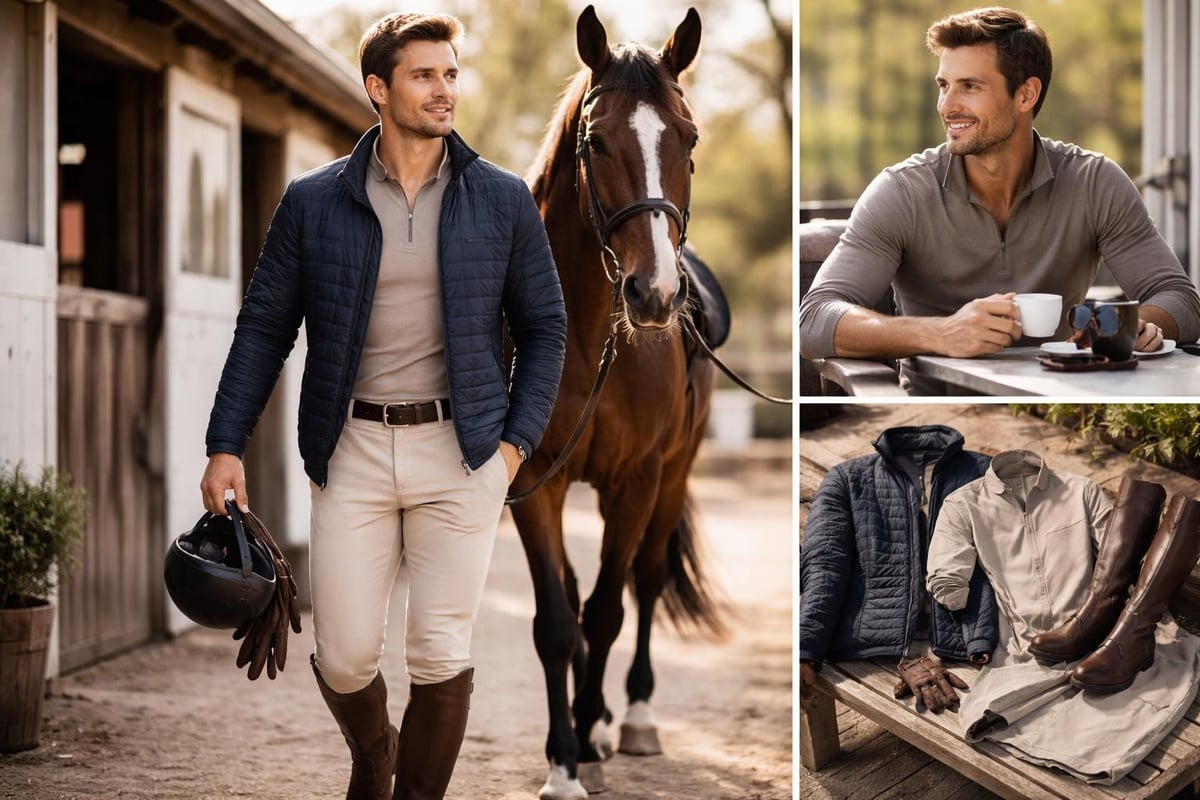
Competition jackets require different considerations entirely. Tailoring matters significantly here, as poorly fitted shoulders or restricted waist movement affects your position and therefore your performance. Modern show jackets incorporate hidden stretch panels and lighter-weight fabrics that maintain traditional appearance whilst improving comfort substantially.
Style Meets Substance in Contemporary Riding Wear
The evolution of equestrianism as a sport has influenced how we approach riding clothing. Historical traditions still inform modern design, but performance requirements now drive innovation.
Colour and Pattern Choices
Traditional equestrian palettes favour navy, black, grey, and neutral tones for good reason. These colours coordinate easily, maintain professional appearance, and hide inevitable stable dirt better than lighter shades. That doesn't mean your entire wardrobe needs to be monotone, however.
Contemporary collections introduce subtle pattern variations and accent colours that add personality without compromising sophistication. A navy breech with charcoal contrast stitching. A grey shirt with understated check pattern. These details distinguish your look whilst maintaining appropriate aesthetics for competitive environments.
Training wear allows more freedom. Burgundy, forest green, or deep teal pieces inject variety into daily riding without appearing unprofessional. The key lies in choosing colours that complement your complexion and coordinate with your existing pieces.
The Heritage Factor
Understanding equestrian tradition enriches your appreciation for proper attire. Equestrian portraits throughout history depicted riders as figures of authority and refinement, establishing visual standards that persist today. This heritage informs why certain silhouettes and details remain relevant in modern competition settings.
Yet heritage shouldn't mean stagnation. The most successful contemporary brands honour tradition whilst embracing innovation. They understand that equestrian men respect the sport's history but demand clothing engineered for current performance standards.
Practical Considerations for Working Riders
Theory matters less than real-world functionality when you're managing multiple horses daily. Your clothing faces genuine challenges that desk-based athletes never encounter.
Durability Requirements
Quality construction determines whether breeches last one season or five years. Double-stitched seams withstand repeated stress. Reinforced stress points at pocket corners and waistbands prevent premature failure. Proper fabric weight balances comfort with longevity, heavy enough to resist wear but light enough for extended riding sessions.
Consider your specific riding environment when assessing durability needs. Working with young horses increases wear rates significantly. Regular jumping creates different stress patterns than flatwork. Match your investment to usage patterns, prioritising durability for high-frequency pieces.
Care and Maintenance
Technical fabrics perform best when properly maintained. Most modern riding wear tolerates machine washing on gentle cycles with specialist sports detergent. Avoid fabric softeners, which compromise moisture-wicking properties and can damage grip materials.
Air drying extends garment life considerably compared to tumble drying. UV exposure gradually degrades elastic fibres, so indoor drying preserves stretch properties longer. Proper storage between seasons, particularly for show jackets and formal wear, prevents creasing and maintains shape.
| Garment Type | Washing Frequency | Special Care Notes |
|---|---|---|
| Daily Training Breeches | After 2-3 wears | Turn inside out, cold wash |
| Competition Breeches | After each use | Hand wash grip areas first |
| Technical Shirts | After each wear | Avoid high heat drying |
| Show Jackets | Spot clean as needed | Professional cleaning seasonally |
| Waterproof Jackets | Monthly or when dirty | Reproofing treatment annually |

Investment Strategy
Building a functional wardrobe doesn't require purchasing everything simultaneously. Strategic investment prioritises pieces you'll wear most frequently, gradually adding specialised items as needs arise.
Start with two quality pairs of training breeches that you can rotate throughout the week. Add a single competition pair if you show regularly. Invest in versatile shirts that work for both training and casual wear. Acquire weather-appropriate outerwear based on your climate and riding schedule.
This approach spreads costs whilst ensuring you're never caught without appropriate gear. As pieces wear naturally through regular use, replace them individually rather than facing complete wardrobe overhauls every few years.
Competition Standards and Expectations
Show environments maintain specific dress codes that vary by discipline. Understanding these requirements prevents last-minute scrambles and potential elimination for incorrect attire.
Discipline-Specific Requirements
Dressage competitions typically demand the most formal presentation. Dark breeches, light-coloured shirts, tailored jackets in conservative colours, and polished boots create the expected aesthetic. Upper-level competitions may require additional formality such as top hats and shadbelly jackets.
Show jumping allows slightly more flexibility, particularly in lower-level competitions where competition shirts without jackets may be acceptable. However, proper turnout still matters, as presentation counts in tied situations.
Eventing combines all three phases, each with different clothing requirements. Dressage phases follow dressage standards. Cross-country allows technical jerseys and safety vests. Show jumping typically mirrors show jumping standards. Check specific competition rules, as requirements vary between organisations and levels.
The Professionalism Factor
Proper attire signals respect for the sport, your fellow competitors, and the judges evaluating your performance. It demonstrates that you take your riding seriously and understand equestrian culture. This matters particularly when building relationships with trainers, potential sponsors, or barn owners.
Beyond competitions, professional presentation at clinics, training sessions with respected coaches, and equestrian social events creates positive impressions that advance your riding career. Quality clothing that fits properly and maintains good condition communicates attention to detail that extends to your horsemanship.
The Global Perspective on Male Riders
Equestrian men contribute significantly across international competition levels, as evidenced by the United States Equestrian Team's decorated history in global championships. This international presence drives demand for clothing that meets varied climate requirements whilst maintaining consistent performance standards.
Riders in New Zealand face different conditions than those in Southern Europe or North America. Temperature ranges, humidity levels, and seasonal variations all influence clothing requirements. The most effective pieces adapt to these differences through layering systems and versatile design.
Modern brands recognise this diversity, creating collections that perform across environments. Moisture management matters as much in cool, damp climates as in hot, dry conditions, just addressing different challenges. Breathability prevents overheating in summer whilst also managing perspiration during winter riding when heavy layering might otherwise trap moisture.
Finding Your Personal Style
Within the framework of appropriate equestrian attire exists considerable room for personal expression. Your clothing choices communicate aspects of your personality and riding philosophy.
Balancing Tradition and Innovation
Some riders gravitate towards classic aesthetics that honour equestrian heritage. Others embrace contemporary designs that prioritise cutting-edge performance features. Neither approach is inherently superior, as both serve different preferences and needs.
The sweet spot often lies in pieces that successfully marry both perspectives. A traditionally styled jacket incorporating modern stretch fabrics and ergonomic seaming. Classic navy breeches featuring advanced grip technology and moisture management. These hybrid pieces respect equestrian tradition whilst delivering modern performance.
Quality Over Quantity
A smaller collection of well-made pieces serves you better than extensive wardrobes of mediocre quality. This philosophy particularly suits equestrian men, as proper riding wear represents significant investment. Three pairs of excellent breeches outlast and outperform ten pairs of budget options.
Quality manifests in details. Precise stitching that won't unravel. Fabrics that maintain shape after dozens of washes. Hardware that functions reliably season after season. These elements combine to create clothing that genuinely enhances your riding experience rather than merely covering your body.
The Path Forward
The landscape for equestrian men continues evolving as more brands recognise this underserved market. Increased options mean better fit, improved performance features, and greater style variety than ever before. This progress benefits all male riders, from weekend enthusiasts to professional competitors.
As you evaluate clothing options, prioritise pieces that align with your specific needs. Consider your riding discipline, frequency, climate, and personal style preferences. Test different brands to find which fits your body type best, as sizing varies considerably between manufacturers.
Don't hesitate to invest in quality when you find pieces that truly work. The difference between adequate and excellent riding wear becomes evident after your first hour in the saddle. Comfort, confidence, and performance all improve when your clothing supports rather than hinders your riding.
Remember that your appearance matters beyond vanity. Proper attire demonstrates professionalism, supports optimal riding position, and protects you from environmental elements. These practical considerations justify the investment in quality equestrian clothing designed specifically for men.
The modern equestrian man demands more from his clothing because he expects more from his riding. This drive towards excellence, whether in competitive arenas or personal horsemanship development, deserves apparel that matches that ambition.
Equestrian men deserve clothing that honours the sport's traditions whilst delivering uncompromising modern performance. When your gear fits properly, performs reliably, and looks refined, you're free to focus entirely on your partnership with your horse and your development as a rider. Gallant Equestrian creates precisely this balance through performance-driven designs built in New Zealand for riders who refuse to compromise on quality or style. Discover collections engineered to transition seamlessly from stable to everyday life, because your standards shouldn't drop when you dismount. Look the Part. Enjoy the Ride.

