

Equestrian Show Clothes: The Complete Guide for Men
Jun 30, 2026
When you enter the competition arena, your appearance speaks before you do. The right equestrian show clothes communicate respect for the sport, confidence in your abilities, and attention to detail. For men, building a proper show wardrobe means understanding the balance between tradition and performance, between looking polished and feeling comfortable during those crucial moments in the ring.
The expectations vary depending on your discipline, the level of competition, and regional preferences, but certain fundamentals remain constant. Quality matters. Fit matters. And understanding what's appropriate for your specific events can make the difference between blending in and standing out for the right reasons.
Understanding Show Standards Across Disciplines
Different equestrian disciplines maintain distinct dress codes, and knowing these requirements saves you from turning up inappropriately dressed. Understanding what to wear for a horse show requires familiarity with your specific discipline's expectations.
Dressage Presentation Standards
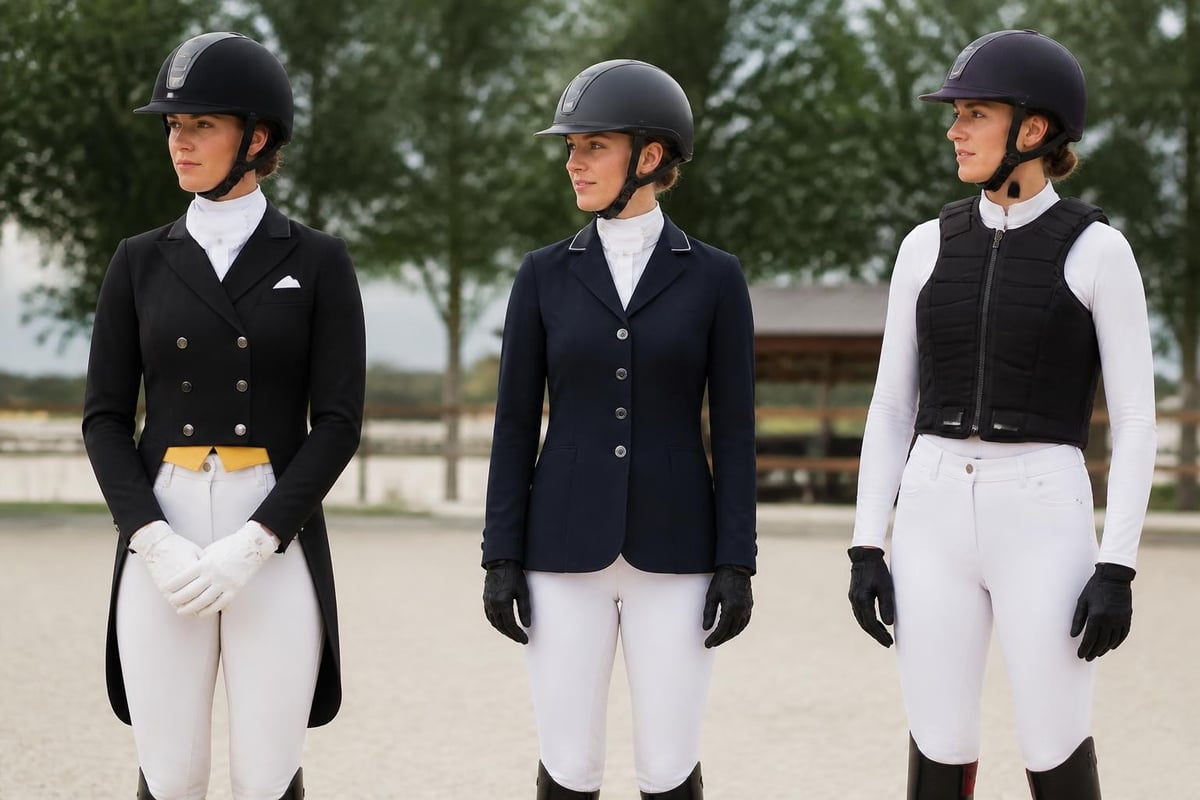
Dressage demands formality and precision in appearance. At lower levels, a dark jacket with light breeches works perfectly well. As you progress to higher levels, shadbelly coats and top hats become the standard. White or cream breeches pair with black boots, and your shirt should be white with a stock tie properly pinned. The entire presentation aims for classical elegance without drawing attention away from your horse's movement.
Show Jumping Expectations
Show jumping allows slightly more personality whilst maintaining professionalism. Navy, black, or dark grey jackets work well, paired with tan, grey, or white breeches. Your competition wear should allow complete freedom of movement without compromising on appearance. Many riders choose technical fabrics that breathe well during intensive rounds.
Eventing Variables
Eventing presents unique challenges because you're dressing for three distinct phases. Dressage follows traditional standards. Show jumping maintains those expectations. Cross-country, however, prioritizes safety and function, with body protectors and medical armbands becoming part of your visible equipment. Your base layers and shirts need to work across all three phases.
Essential Pieces Every Rider Needs
Building a functional show wardrobe doesn't require buying everything at once. Start with versatile foundation pieces that work across multiple situations, then expand as your competition schedule grows.
The Foundation Jacket
Your show jacket represents your most significant investment. Choose a well-tailored piece in navy or black that fits properly through the shoulders and allows movement through your back. Technical fabrics with stretch panels maintain their shape whilst giving you the flexibility modern riding demands. A quality jacket should last several seasons with proper care.
Breeches That Perform
Competition breeches differ significantly from your daily riding pairs. They're cut for precision fit, with strategically placed seams that won't show under your jacket. Full-seat or knee-patch options depend on your discipline and personal preference. Men's breeches designed specifically for performance combine technical fabrics with traditional styling.
Quality breeches shouldn't bag at the knees after one wear or fade after a few washes. They should maintain compression without restricting movement, and the seat should stay put throughout your test or round.
Competition Shirts
White competition shirts form the backbone of your show wardrobe. Look for fabrics that resist yellowing, wick moisture effectively, and maintain their crisp appearance throughout the day. Some disciplines allow subtle patterns or colours at lower levels, but white remains universally acceptable.
Long sleeves work for most traditional competitions, though current equestrian trends show increased acceptance of technical short-sleeve shirts for warmer weather events. Your shirt needs to tuck cleanly without bunching and should provide enough length to stay put during riding.
Fit and Tailoring Considerations
Off-the-rack equestrian show clothes work well for many riders, but understanding how pieces should fit ensures you look polished and professional. Poor fit undermines even the highest quality garments.
Jacket Fit Fundamentals
Your jacket should button comfortably without pulling across the chest or back. The shoulder seams should sit at your natural shoulder line, not drooping down your arm. Sleeve length matters tremendously. When your arms hang naturally at your sides, the sleeve should end where your hand meets your wrist. When you hold the reins, it shouldn't ride up to expose your shirt cuff excessively.
The jacket length should cover your seat when mounted, providing a clean line without excessive fabric bunching behind you. Modern cuts often feature shorter fronts and longer backs specifically for this purpose.
Breeches Precision
Breeches should fit snugly without creating pressure points. The waistband needs to sit comfortably at your natural waist, not your hips. This prevents gapping when you're in the saddle. The seat should provide coverage without excess fabric, and the legs should follow your leg line closely without restricting circulation.
Check the ankle fit carefully. Too tight and they'll be uncomfortable with boots. Too loose and they'll bunch inside your boot, creating pressure points during long days. The knee patches or full seat should align properly with your position in the saddle.
Building a Seasonal Show Wardrobe
Competitions happen year-round, and your show wardrobe needs to accommodate varying weather conditions whilst maintaining appropriate standards. Layering becomes essential, particularly for early morning dressage tests or late-season events.
Summer Considerations
Summer shows test your clothing's breathability and moisture management. Technical fabrics outperform traditional materials in heat, wicking sweat away from your body whilst maintaining a professional appearance. Light colours in breeches help reflect heat, though white requires more frequent washing to maintain that crisp look.
Consider show shirts with mesh panels under the arms or across the back. These ventilation zones aren't visible under your jacket but significantly improve comfort during warm-up and between classes. Your jacket should have similar considerations, with breathable linings and potentially perforated leather or technical fabrics.
Winter Preparation
Winter showing demands strategic layering without bulk. Base layers should fit close to your body, providing warmth without adding visible thickness under your show clothes. Essential riding pieces that transition between training and showing give you more versatility across seasons.
Your show jacket might need a subtle lining upgrade, or you might invest in a second winter-weight version. Some riders prefer heated vests under their jackets, removing them just before entering the ring. Whatever your approach, test your layering system during training so you're not adjusting unfamiliar bulk during competition.
Maintenance and Care Protocols
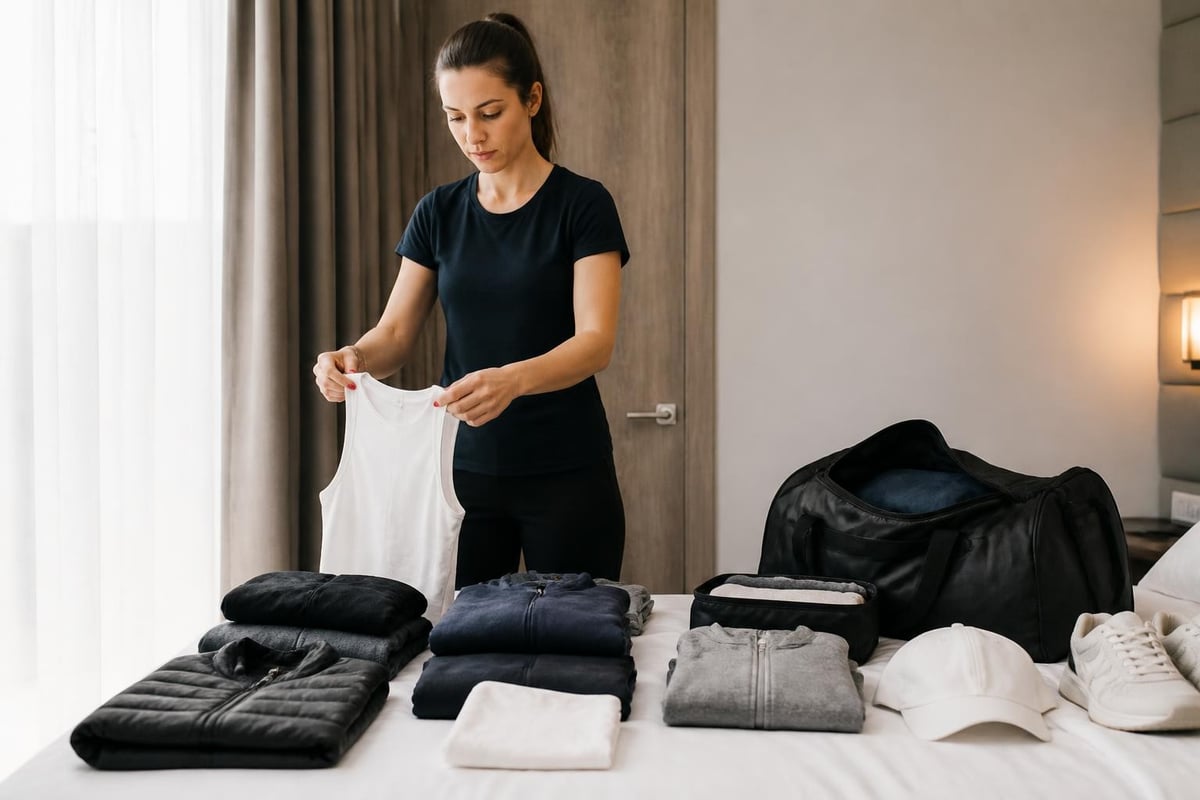
Equestrian show clothes represent a significant investment, and proper care extends their lifespan considerably. Most damage comes from improper cleaning or storage rather than normal wear.
Cleaning Best Practices
| Garment Type | Washing Frequency | Method | Special Notes |
|---|---|---|---|
| Show Jacket | After 3-4 wears | Professional cleaning preferred | Spot clean between full cleans |
| Breeches | After each wear | Cold machine wash, inside out | Hang dry, never tumble |
| Show Shirts | After each wear | Warm machine wash | Use oxygen-based stain remover |
| Stock Ties | After each wear | Hand wash or delicate cycle | Iron whilst slightly damp |
Always check care labels before cleaning. Many modern technical fabrics require specific treatments to maintain their performance properties. Fabric softeners often damage moisture-wicking capabilities, whilst excessive heat breaks down stretch fibres.
Storage Solutions
Proper storage prevents wrinkles, maintains shape, and protects your investment between shows. Jackets need proper hangers that support the shoulder structure. Breathable garment bags protect from dust without trapping moisture. Breeches should be hung by the waistband or folded carefully along their seams, never creased through the knee area.
Show shirts benefit from proper folding or hanging on shirt hangers. If you starch your competition shirts, do so just before the show rather than storing them starched, which can damage fibres over time. Keep leather goods conditioned and stored in climate-controlled spaces when possible.
Modern Trends in Men's Show Attire
Equestrian show clothes evolve gradually, respecting tradition whilst incorporating modern performance innovations. Understanding current trends helps you stay current without abandoning classical standards.
Technical Fabric Integration
Traditional show attire used natural fibres almost exclusively. Wool jackets, cotton shirts, and leather breeches defined the standard. Modern competition clothing increasingly incorporates technical synthetics that outperform traditional materials in key areas.
Four-way stretch fabrics maintain professional appearance whilst allowing unrestricted movement. Moisture-wicking capabilities keep you comfortable during intensive warm-ups. Quick-dry properties mean your show clothes recover faster between classes or consecutive day competitions.
These innovations appear in jackets and breeches particularly, where performance demands meet traditional expectations. The key lies in technical fabrics that look traditional whilst performing at modern standards.
Subtle Colour Expansion
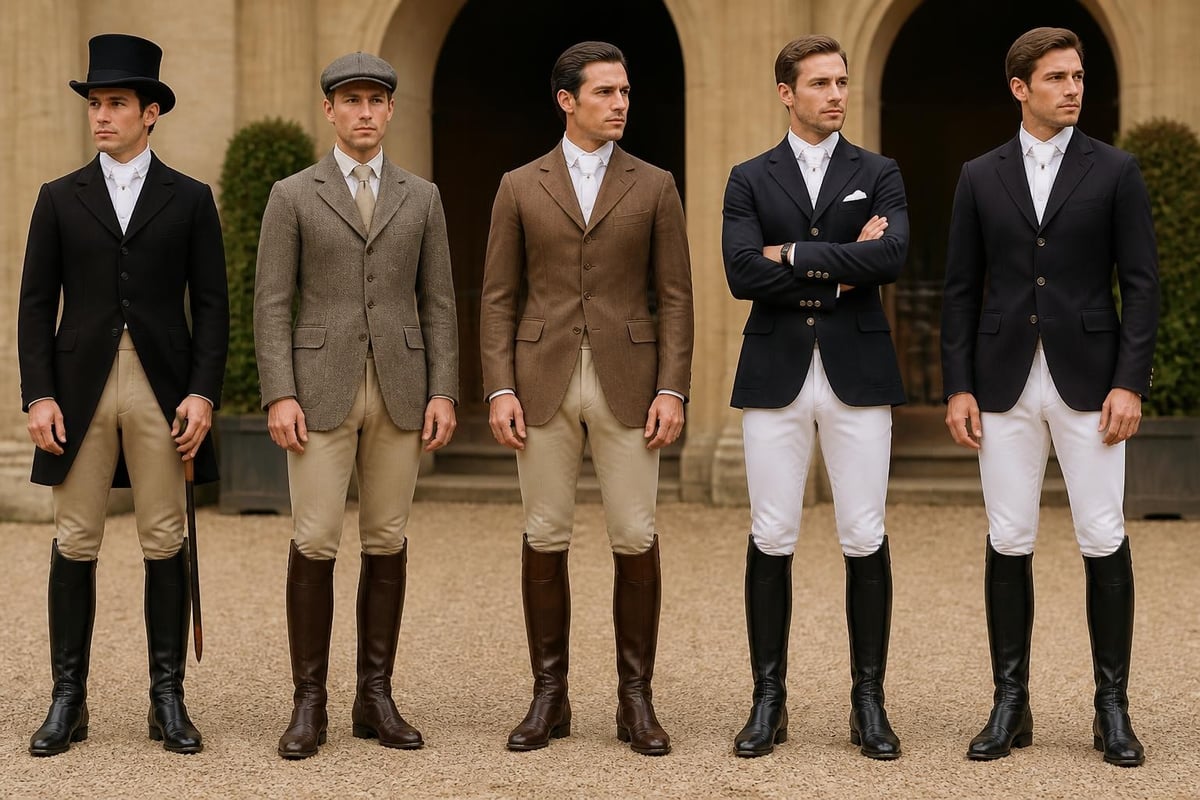
Whilst black, navy, and grey dominate show rings, subtle colour variations gain acceptance in certain disciplines and levels. Charcoal, midnight navy, and hunter green appear more frequently in show jumping and eventing. Some lower-level competitions welcome burgundy or subtle patterns, particularly in less traditional equestrian regions.
The equestrian fashion trends for 2026 show increased acceptance of technical fabrics in traditional silhouettes. Your safest approach remains conservative colouring for formal competitions, saving subtle variations for schooling shows or lower-level events where you want to test new pieces.
Competition Day Preparation
Having the right equestrian show clothes means nothing if they're not properly prepared for competition day. Your preparation routine should become systematic, eliminating last-minute stress.
The Night Before Check
Lay out your entire outfit the evening before, checking each piece for cleanliness, proper fit, and any needed repairs. This includes your boots, which should be cleaned and polished, your show clothes pressed and ready, and all accessories like stock pins, gloves, and your number holder prepared.
Try on your complete outfit, including boots and helmet. This catches any fit issues with time to address them. Check that your breeches sit properly with your specific boots, that your jacket buttons comfortably over your shirt and base layers, and that everything moves as expected.
Morning of System
Competition mornings bring enough stress without wardrobe complications. Dress systematically, starting with your base layers and working outward. Keep your show jacket on a hanger until just before mounting. Many riders bring a protective cover or wear a raincoat over their show clothes when moving between stable and warm-up areas.
Pack a small emergency kit with safety pins, stain removal wipes, a lint roller, and a spare stock pin. These items solve most last-minute wardrobe issues without drama. Include a clothes brush for removing loose hair and dust before entering the ring.
Investment Strategy for Show Wardrobes
Building a comprehensive show wardrobe represents significant investment. Strategic purchasing spreads costs whilst ensuring you're properly equipped for your competitive goals.
Priority Purchases
Start with pieces you'll wear most frequently. Quality breeches in versatile colours form your foundation. A well-fitted show jacket in navy or black covers most competitive situations. Professional show shirts in white provide the base for proper turnout.
As your competitive schedule expands, add discipline-specific items, backup pieces for multi-day shows, and seasonal variations. Having two sets of show clothes means you're never caught without clean, pressed options.
Quality Versus Quantity
One exceptional jacket outperforms three mediocre ones. The same principle applies across your wardrobe. Well-made equestrian show clothes maintain their appearance through repeated wearing and cleaning. Poor quality items lose shape, fade, or develop issues quickly, requiring replacement sooner than expected.
Consider cost per wear rather than initial price. A jacket you wear for three seasons at regular competitions represents better value than a cheaper alternative needing replacement after one season. The same calculation applies to technical breeches, quality shirts, and proper boots.
Regional and Cultural Variations
Show standards vary somewhat by region and local tradition. Understanding these variations prevents awkward situations when competing in new areas or at different levels.
British Versus Continental Standards
British show traditions tend toward conservatism, with strict colour expectations and traditional styling. Continental European shows sometimes allow more flexibility in colour choices and modern styling, particularly in show jumping. These differences appear most noticeably at lower levels, with FEI-level competitions maintaining more universal standards.
North American Preferences
North American show standards blend British tradition with practical adjustments for climate and regional preferences. Western United States competitions might show more flexibility with seasonal adjustments than Eastern events. Canadian competitions generally align closely with British standards, reflecting Commonwealth traditions.
Understanding essential competition clothing requirements helps you prepare appropriately regardless of where you're competing. When uncertain about regional expectations, conservative choices rarely cause issues.
Beyond the Arena
Quality equestrian show clothes shouldn't live exclusively in your competition bag. Many pieces transition effectively to other aspects of your equestrian life and beyond.
Training Applications
Your show jacket might stay reserved for competitions, but show shirts work perfectly for lessons with clinicians or special training sessions. Quality breeches designed for showing often outperform daily riding tights in technical situations. This versatility maximizes your investment whilst maintaining those pieces in excellent condition for competition.
Off-Horse Versatility
Well-designed equestrian clothing increasingly bridges riding and everyday wear. Technical fabrics that perform in the saddle work equally well in active lifestyles. The refined aesthetic of quality riding wear translates to smart casual situations beyond the stable.
This dual-purpose approach informs modern design philosophy at Gallant Equestrian, where pieces move seamlessly between riding contexts and daily life. Your competition breeches might stay ring-specific, but other pieces in your wardrobe can work harder across multiple situations.
Final Fit Check
Before any competition, perform a systematic check of your complete outfit. Mount up in your warm-up area and move through your typical range of motion. Your jacket should stay in place without riding up excessively. Your breeches shouldn't bind or create pressure points. Your shirt should remain tucked smoothly without bunching.
Check your appearance from all angles. Photography at shows captures every detail, and you'll want to look properly turned out in those images. Loose threads, pulling buttons, or ill-fitting pieces show clearly in pictures and to judges.
Pay attention to colour coordination. Your entire outfit should present a cohesive appearance, with complementary tones rather than jarring contrasts. This doesn't mean everything matches perfectly, but navy with grey or tan creates a more polished look than random colour combinations.
Equestrian show clothes represent more than competition requirements. They're an investment in your presentation, your confidence, and your respect for the sport. The right pieces support your riding whilst projecting professionalism and attention to detail. Gallant Equestrian creates performance-driven show clothing designed specifically for men who ride with purpose, combining New Zealand craftsmanship with modern technical innovation. From competition-ready breeches to versatile jackets that transition from ring to everyday life, our collection ensures you're properly equipped for any showing situation. Look the Part. Enjoy the Ride.

