

Equestrian Show Wear: The Complete Guide for Men
Aug 15, 2026
Walking into the ring demands more than skill and partnership with your horse. The right equestrian show wear communicates respect for tradition, attention to detail, and a commitment to the sport that runs deeper than surface appearance. For male riders, understanding what's expected, what's practical, and what represents genuine quality makes the difference between looking prepared and actually being prepared. This isn't about following fashion trends. It's about selecting pieces that perform under pressure whilst maintaining the standards every serious competitor recognizes.
Understanding the Foundation of Show Ring Attire
Equestrian show wear serves a dual purpose that separates it from everyday riding kit. First, it signals your understanding of the sport's heritage and your respect for the judges, fellow competitors, and the tradition itself. Second, it needs to function flawlessly during demanding physical performance.
The basics haven't changed significantly over decades because they work. A well-fitted show jacket allows full range of motion without bunching or restricting your seat. Properly constructed breeches provide grip where you need it whilst remaining comfortable through extended classes. Tall boots offer the leg contact and support required for precise communication with your mount.
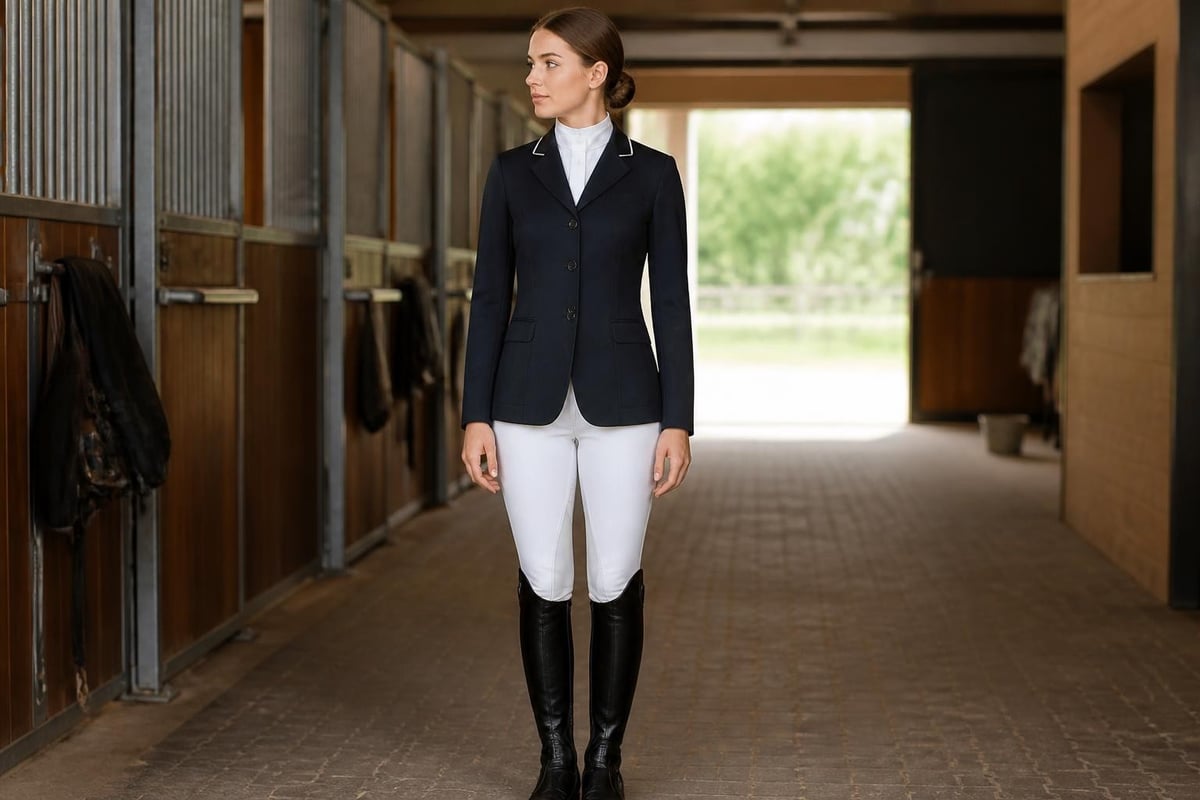
What has evolved is the technology embedded within these traditional silhouettes. Modern performance fabrics manage moisture whilst maintaining their appearance. Strategic stretch panels accommodate movement without compromising the clean lines judges expect. These improvements make a noticeable difference when you're riding multiple classes in warm weather or maintaining your position through a challenging dressage test.
Discipline-Specific Requirements Matter
Different disciplines maintain distinct standards for equestrian show wear, and understanding these nuances prevents costly mistakes. Show jumping allows slightly more flexibility in color and style compared to dressage, though the fundamentals remain consistent. What to wear for affiliated showjumping competitions outlines the traditional expectations that still govern most rings.
Dressage Precision
Dressage demands formality that reflects the discipline's emphasis on refinement and classical technique. Black or navy jackets predominate, paired with white shirts, white or pale breeches, and black boots. Ties or stocks complete the traditional picture, though some lower-level competitions accept conservative shirts without stocks.
The fit becomes particularly critical in dressage. Judges assess your position and aids, making any bunching fabric or poorly fitted jacket immediately visible. Your clothing should move with you, never against you or ahead of you.
Show Jumping Standards
Show jumping permits slightly more personality whilst maintaining professionalism. Navy, black, or dark hunting colors remain standard for jackets, but the atmosphere tends toward practical elegance rather than formal presentation. Understanding complete outfit requirements for show jumping helps ensure you meet both affiliated and unaffiliated standards.
Breeches in tan, grey, or white pair with tall black boots. The emphasis falls on looking polished without unnecessary embellishment. Your clothing shouldn't distract from your round, but it should convey competence and preparation.
Eventing Versatility
Eventing's three phases create unique demands. Dressage phase follows dressage standards. Cross-country allows colored shirts and protective vests over your competition attire. Show jumping typically mirrors show jumping standards, though some events permit cross-country colors to continue through jumping.
Planning your wardrobe around eventing means selecting pieces that transition between phases whilst maintaining appropriate standards for each. Competition-specific guidance clarifies what's expected across all three phases.
Selecting Quality Over Trends
The equestrian show wear market offers everything from budget basics to bespoke tailoring. Understanding what differentiates genuine quality from clever marketing protects your investment and your performance.
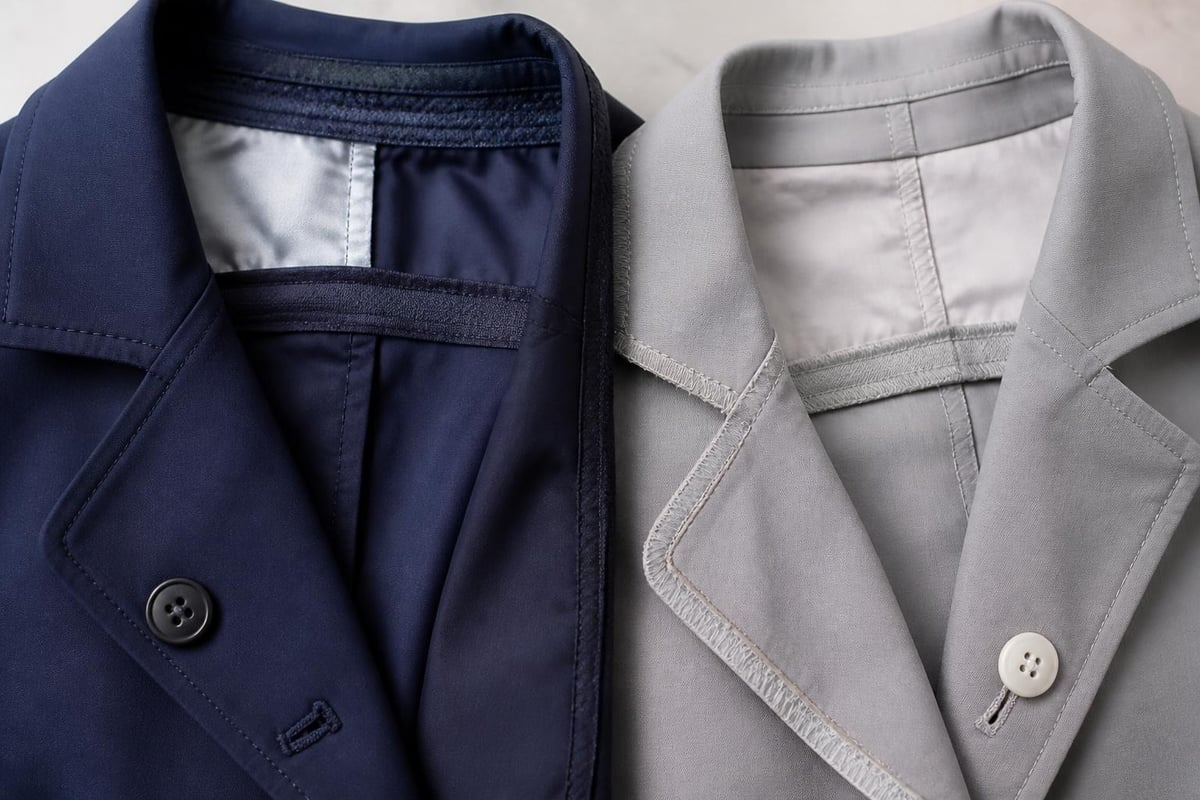
Fabric quality determines both appearance and longevity. Premium show jackets use materials that resist fading, maintain their shape through repeated wear, and shed horse hair efficiently. Cheaper alternatives might look acceptable initially but quickly develop shine on pressure points or lose their structure after cleaning.
| Quality Indicator | Premium Standard | Budget Alternative |
|---|---|---|
| Fabric composition | Technical blends with 4-way stretch | Basic polyester with limited give |
| Seam construction | Reinforced stress points, flat-felled seams | Standard stitching, potential weak points |
| Button attachment | Shank buttons, securely attached | Sewn-through buttons, prone to loss |
| Liner quality | Moisture-wicking, breathable | Basic polyester, heat-retaining |
| Shape retention | Maintains structure after cleaning | Requires constant pressing |
Breeches demand particular attention to construction details. The seat should feature reinforcement that provides grip without bulk. Knee patches or full seats need secure attachment that won't separate or shift during riding. Quality brands invest in anatomically designed panels that follow your leg's natural position rather than fighting against it.
Boot selection involves balancing tradition with practicality. Leather boots require significant break-in time and regular maintenance but offer unmatched appearance and longevity. Modern synthetic options provide immediate comfort and easier care whilst achieving increasingly convincing aesthetics. Neither choice is inherently superior. Your decision should reflect your riding schedule, maintenance preferences, and budget reality.
The Modern Approach to Traditional Standards
Contemporary equestrian show wear maintains traditional appearance whilst incorporating performance innovations that previous generations couldn't access. This evolution respects the sport's heritage without being bound by outdated limitations.
Technical fabrics now achieve the crisp appearance of traditional materials whilst offering breathability and stretch previous riders never experienced. A well-designed show jacket in 2026 looks identical to its predecessor from 1996, but the rider inside enjoys significantly improved comfort and freedom of movement.
Color trends shift subtly within acceptable parameters. Navy has gained ground against traditional black in many disciplines. Pewter and charcoal occasionally appear in less formal classes. These variations allow personal expression without abandoning the professionalism judges expect. Current trends in equestrian fashion demonstrate how the industry balances innovation with tradition.
Customization has become more accessible. Personalized details and bespoke elements allow riders to order pieces tailored to their measurements and preferences without commissioning entirely custom garments. This middle ground delivers better fit than off-the-rack options at more accessible price points than traditional bespoke tailoring.
Practical Considerations for Competition Day
Owning appropriate equestrian show wear represents only half the challenge. Presenting it properly on competition day requires planning and attention to detail that separates polished competitors from those who merely own the right clothes.
Preparation starts days before the event. Clean your boots thoroughly, condition the leather, and polish to a subtle shine rather than aggressive gloss. Check all buttons on your jacket and shirt. Examine breeches for loose stitching or developing weak points. Address any issues whilst you still have time to repair or replace items.
Pack systematically to prevent crushing or wrinkling. Jackets travel on hangers inside garment bags. Breeches fold carefully to minimize creases. Shirts benefit from tissue paper between folds. Your competition outfit deserves the same careful handling you give your tack.
Morning Preparation Timeline
Allow significantly more time than you think necessary. Rushing creates mistakes, forgotten items, and unnecessary stress that affects your riding. A methodical approach ensures you arrive at the ring prepared and confident.
- Begin grooming and tacking your horse first
- Change into breeches and boots once tacking is complete
- Add shirt and tie approximately 30 minutes before your scheduled time
- Don jacket only after final equipment check
- Gloves go on immediately before mounting
This sequence keeps your show wear clean and crisp whilst accommodating the inevitable last-minute adjustments every competition requires. Your competition wear should look as fresh in the ring as it did leaving your vehicle.
Transitioning Between Schooling and Showing
Quality equestrian show wear shouldn't spend its entire life in a garment bag between competitions. Pieces designed with genuine performance in mind transition effectively between schooling and showing, maximizing their value whilst maintaining their competition-ready appearance.
Show jackets certainly require more care than daily riding coats, but wearing yours during serious schooling sessions serves multiple purposes. You become accustomed to its feel and fit, eliminating any awkwardness in the competition ring. Your horse adjusts to the slightly different silhouette and any sound differences compared to your regular jacket. This familiarity prevents surprises when it matters most.
Breeches benefit even more from regular rotation. Selecting the best riding pants involves finding pieces that perform equally well in daily work and weekend competition. Premium construction means they maintain their appearance through frequent washing and extended wear. Relegating show breeches to competition-only use wastes this capability.
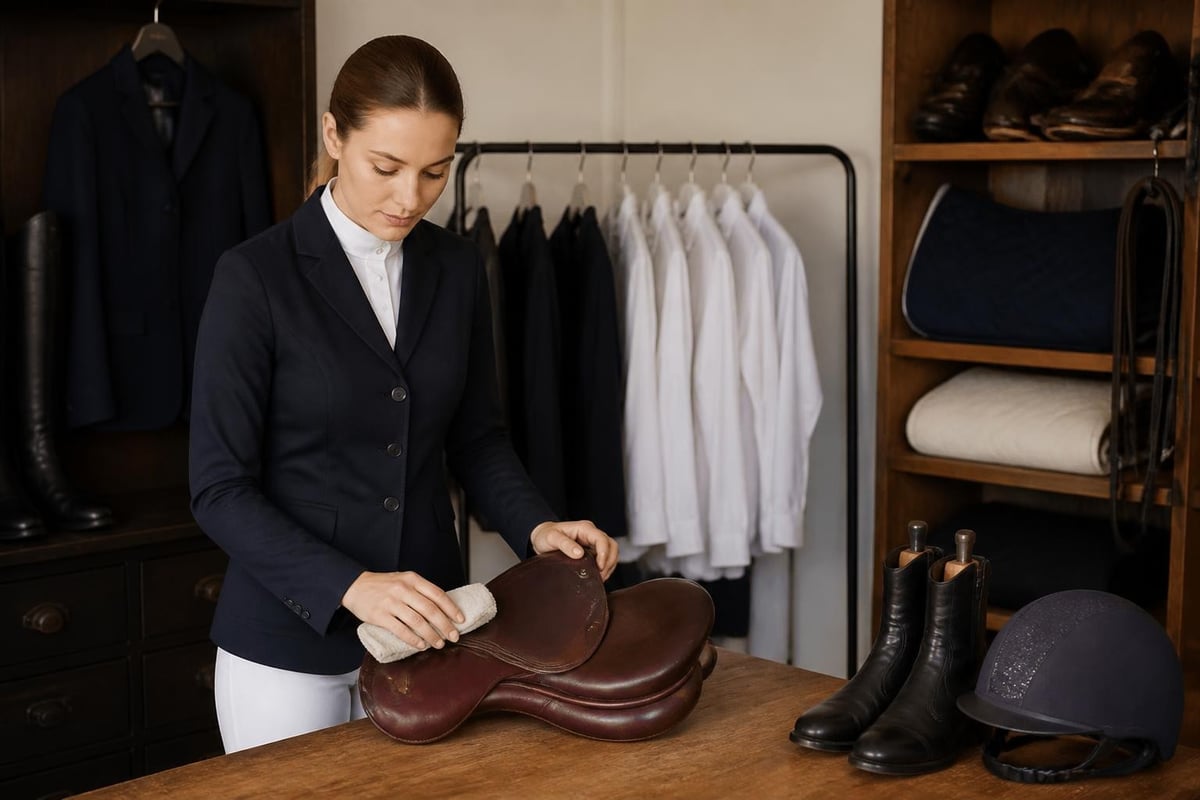
Shirts occupy middle ground. White show shirts obviously show dirt quickly, making them impractical for daily schooling. However, rotating several quality shirts through both schooling and showing extends their useful life whilst ensuring they remain comfortable and well-fitted when you compete. Restricting them to show-only use often means they feel unfamiliar and slightly awkward in the ring.
Investment Strategy for Building Your Show Wardrobe
Assembling complete equestrian show wear requires financial planning, particularly when you're committed to quality that lasts rather than disposable fast fashion. A strategic approach spreads investment across time whilst ensuring you're never caught without essential items.
Start with the foundation: breeches and boots. These pieces see the most use and endure the most stress. Investing in quality here pays immediate dividends in comfort, durability, and performance. A single pair of premium breeches outlasts three or four budget alternatives whilst fitting better and maintaining appearance longer.
Jackets represent your second priority. You need one competition-appropriate jacket that fits properly and meets standards for your primary discipline. Additional jackets in different colors or styles can wait until your foundational wardrobe is complete. Quality here matters tremendously. A properly constructed jacket lasts years with appropriate care.
| Purchase Priority | Essential Investment | Upgrade Timeline | Budget Allocation |
|---|---|---|---|
| First 6 months | Premium breeches (2), tall boots, basic show jacket | Immediate | 60-70% of budget |
| 6-12 months | Second jacket, additional breeches, quality shirts (3) | As budget allows | 20-30% of budget |
| Year 2+ | Specialized pieces, discipline-specific requirements | Ongoing refinement | 10-15% of budget |
Shirts, ties, and accessories follow once your major pieces are sorted. These items cost less individually and allow you to refresh your look without major expense. Rotating through several shirts prevents excessive wear on any single piece.
Understanding equestrian show attire requirements helps prioritize spending toward items your discipline demands whilst avoiding unnecessary purchases that might suit other riding styles but not your own.
Regional Variations and Affiliated Requirements
Equestrian show wear standards exhibit surprising consistency across regions and governing bodies, but meaningful variations exist. Understanding what's universal and what's specific to your competition environment prevents awkward surprises.
British show rings maintain particularly formal standards that influence competition dress worldwide. The conservative approach values traditional appearance and proven performance over innovation for its own sake. American competitions often permit slightly more flexibility, particularly in color choices and accessory details. Australian and New Zealand riders balance both influences whilst adapting to climate demands that European standards sometimes overlook.
Affiliated competitions impose stricter requirements than unaffiliated events. Governing bodies publish detailed rules regarding acceptable colors, mandatory safety equipment, and prohibited items. Reviewing these regulations before purchasing new show wear prevents investing in pieces you can't actually use in your target competitions.
Local variations sometimes surprise riders competing in unfamiliar territory. Some regions expect shadbelly coats at certain dressage levels whilst others reserve them for upper-level competition only. Show jumping attire that passes unremarked in one area might draw scrutiny elsewhere. Observing competitors at new venues before your first class there provides valuable intelligence.
The Role of Fit and Tailoring
Perfect fit transforms adequate equestrian show wear into genuinely effective competition attire. Off-the-rack pieces rarely fit every rider optimally, making tailoring knowledge essential for serious competitors.
Jackets require the most critical fitting. Shoulder seams should sit precisely at your shoulder point, neither dropping down your arm nor pulling up toward your neck. Sleeve length should allow your shirt cuff to show approximately one centimetre below the jacket sleeve when your arms hang naturally. The back should lie smooth without horizontal wrinkles or vertical pulling. When mounted, your jacket should remain smooth across your shoulders without hiking up your back.
Professional tailoring can address many fit issues, but understand its limitations. Shoulders are difficult and expensive to alter. Sleeve length adjustments are straightforward. Taking in the body represents moderate difficulty. If a jacket requires multiple significant alterations, you're better served finding a different size or cut.
Breeches demand equally precise fitting. The rise should sit comfortably at your natural waist without requiring a belt for support. The seat should follow your body's contours without excess fabric bunching when mounted. Leg length should break slightly at your boot top without creating bulk or uncomfortable tension. Quality brands offer multiple inseam lengths, eliminating the need for hemming alterations that often compromise the original design.
Care and Maintenance for Longevity
Proper care extends the life of quality equestrian show wear significantly whilst maintaining the crisp appearance competition demands. These pieces represent substantial investment. Treating them accordingly protects that investment.
Washing frequency balances cleanliness against fabric stress. Show jackets rarely require full washing. Spot cleaning and airing after use handles most situations. When full cleaning becomes necessary, professional dry cleaning preserves the structure and finish better than home washing. Breeches tolerate regular machine washing in cold water with mild detergent. Air drying prevents the shrinkage and fabric damage heat causes.
Storage conditions matter more than most riders realize. Hanging jackets on proper hangers maintains shoulder shape and prevents wrinkles. Breeches fold carefully or hang from waist clips. Climate-controlled storage protects against humidity damage and temperature extremes that degrade materials. Avoid plastic garment bags for long-term storage. They trap moisture and promote mildew. Breathable fabric bags or well-ventilated wardrobes serve better.
Boots demand regular attention. Clean them after every use, even if they don't appear dirty. Condition leather monthly during active season, less frequently during storage. Polish maintains appearance whilst protecting the leather surface. Trees preserve shape during storage and prevent the creasing that becomes permanent over time.
Presenting yourself properly in the competition ring demonstrates respect for the sport, your competitors, and the years of tradition that make equestrian disciplines unique. Starting with quality pieces that fit well and perform reliably sets you up for success whilst building a wardrobe that serves you for years rather than seasons. When you're ready to invest in show wear that balances traditional appearance with modern performance, Gallant Equestrian offers pieces designed specifically for men who ride seriously. Look the Part. Enjoy the Ride.

