

Horse Riding Trousers for Men: Essential Guide 2026
Jul 13, 2026
Finding the right horse riding trousers for men transforms your riding experience. Whether you're schooling in the arena, competing at shows, or hacking through countryside trails, proper riding trousers deliver grip, flexibility, and durability that regular athletic wear simply cannot match. The right pair supports your position, protects your legs, and maintains comfort during hours in the saddle. Modern equestrian trousers have evolved far beyond traditional jodhpurs, incorporating technical fabrics and performance features that serve serious riders.
Understanding Different Types of Horse Riding Trousers for Men
The terminology around equestrian legwear can confuse newcomers, but understanding the distinctions helps you select appropriate gear for your riding style.
Breeches vs Jodhpurs
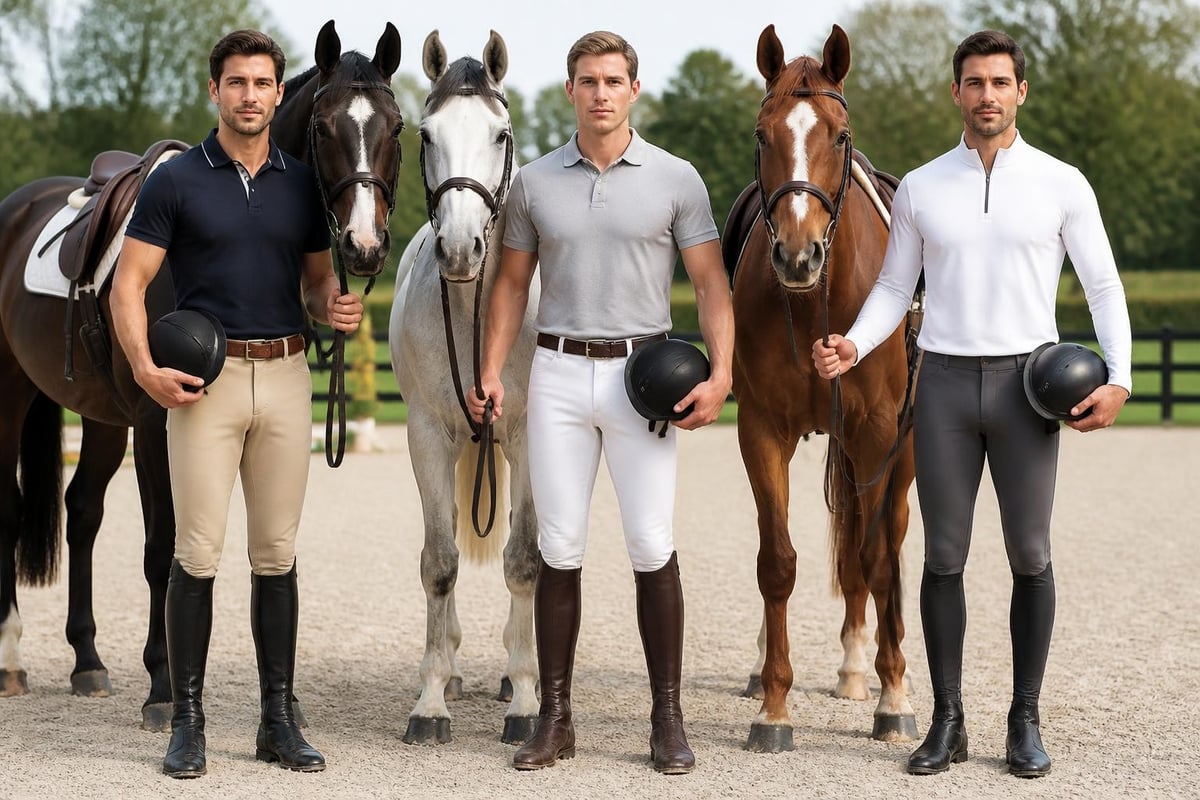
Breeches represent the most common choice for contemporary riders. These riding trousers extend just below the knee and are designed to be worn with tall boots. The snug fit from hip to ankle prevents bunching inside boots whilst providing unrestricted movement through the hip and thigh. Modern men's riding breeches feature four-way stretch fabrics that move with your body rather than against it.
Jodhpurs extend to the ankle and typically include reinforced cuffs designed to protect boots from wear. Originally developed for polo players, jodhpurs work well with paddock boots and half chaps. They suit riders who prefer versatility or those working in warmer climates where tall boots become uncomfortable.
Technical Riding Tights
A relatively recent development, technical riding tights combine the stretch and comfort of athletic compression wear with equestrian-specific features. These form-fitting options appeal to riders who value unrestricted movement and temperature regulation. Quality riding tights feature strategic grip panels and reinforced stitching that withstand the demands of riding whilst maintaining their shape.
The choice between these styles depends on your discipline, climate, and personal preference. Dressage riders typically favour full-seat breeches, whilst eventers might choose knee-patch options for better feel through the leg. Understanding how different riding pants suit various styles helps narrow your selection.
Material Science: What Makes Quality Riding Trousers
The fabric composition of horse riding trousers for men directly impacts performance, durability, and comfort during riding sessions.
Performance Fabric Blends
Most premium riding trousers combine synthetic fibres to achieve specific performance characteristics:
Polyamide (Nylon) provides exceptional durability and abrasion resistance, essential for areas that contact the saddle repeatedly. It maintains shape even after extensive washing and dries quickly after rain or sweat exposure.
Elastane (Spandex/Lycra) delivers four-way stretch that allows your legs to move independently whilst maintaining supportive compression. Quality trousers typically contain 15-25% elastane for optimal flexibility without excessive bagginess.
Cotton blends offer breathability and a traditional feel, though pure cotton lacks the performance benefits of technical synthetics. Small percentages of cotton (under 20%) can improve comfort without sacrificing functionality.
Advanced Fabric Technologies
Beyond basic composition, modern riding trousers incorporate several technical features:
| Feature | Benefit | Best For |
|---|---|---|
| Moisture-wicking | Pulls sweat away from skin | Summer riding, intense training |
| UV protection | Shields skin from sun exposure | Outdoor riding, warm climates |
| Anti-bacterial treatment | Reduces odour between washes | Multi-day competitions, frequent use |
| Water-resistant coating | Sheds light rain and arena dust | All-weather riding |
The complete guide to selecting riding trousers explores how these technologies integrate into functional designs that serve male riders across disciplines.
Fit Fundamentals: How Riding Trousers Should Feel
Proper fit distinguishes uncomfortable makeshift solutions from trousers that enhance your riding. Horse riding trousers for men should feel supportive without restricting movement.
Waist and Hip Considerations
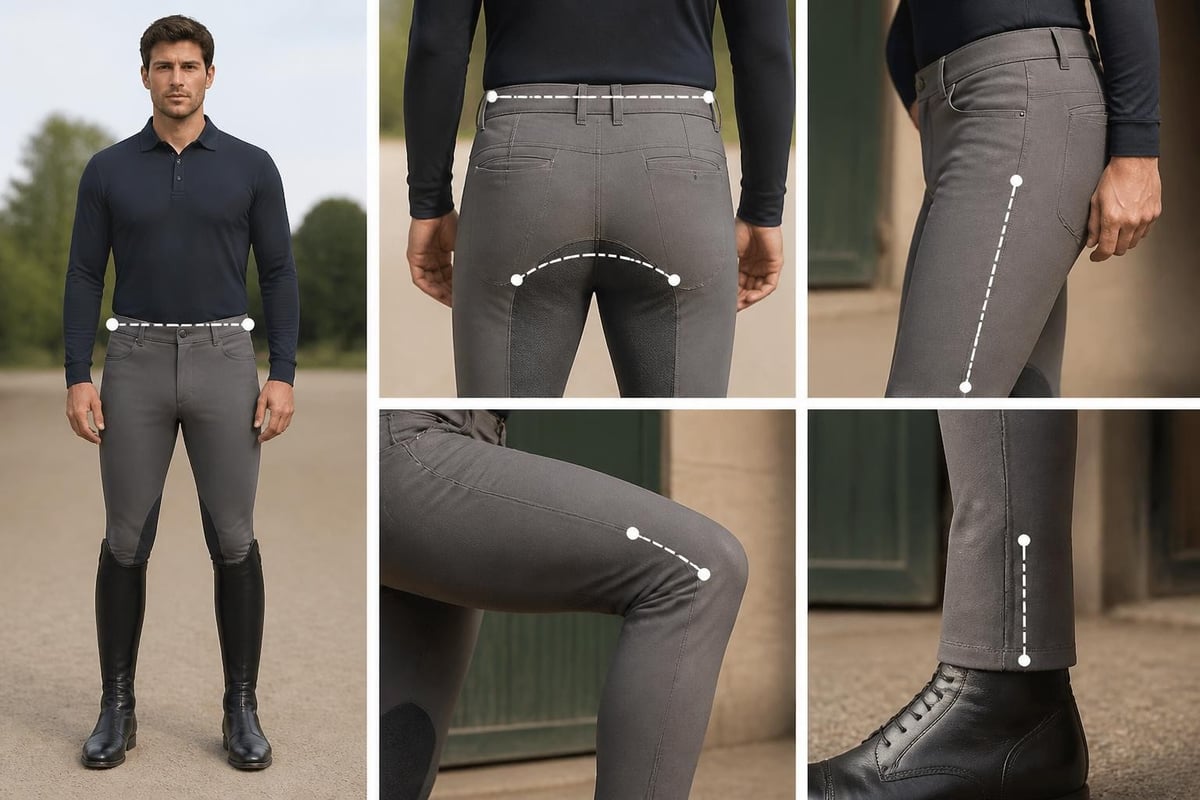
The waistband should sit comfortably at your natural waist (typically higher than where jeans sit) without requiring a belt to stay in place. Quality riding trousers feature anatomically curved waistbands that follow your body's contours rather than creating pressure points.
Rise measurements matter significantly. A mid-to-high rise prevents gaping at the lower back when you assume riding position. Men with athletic builds should ensure sufficient room through the seat and thigh whilst maintaining a streamlined silhouette that prevents fabric bunching.
Leg Length and Ankle Fit
Breeches should end just below your knee bone, allowing tall boots to overlap slightly without creating bulk. Too long creates uncomfortable bunching inside boots; too short rides up during posting and leaves skin exposed to boot tops.
For jodhpurs, the ankle should fit snugly without cutting circulation. Reinforced ankle cuffs should protect your paddock boots from premature wear whilst allowing easy boot entry.
Seat Coverage and Saddle Contact
The seat area requires particular attention. Full-seat designs feature grip material extending from waist to mid-thigh on both the inside and outside of your legs. This maximizes security but can feel warm during summer riding.
Knee-patch configurations place grip material only where your leg contacts the saddle flap. This option suits riders who rely on balance and position rather than grip, particularly in disciplines like eventing where you frequently shift your position.
Grip Technology: Staying Connected to Your Horse
Grip panels have evolved substantially from the leather patches of traditional breeches. Modern horse riding trousers for men employ various grip technologies, each with distinct characteristics.
Silicone and Synthetic Grips
Silicone prints create tacky surfaces that enhance saddle adhesion without bulk. Patterns range from subtle dots to aggressive geometric designs. Full silicone seats provide maximum security for riders developing their position or working young horses.
Synthetic suede offers a more traditional appearance whilst delivering reliable grip. This material breathes better than solid silicone and typically lasts longer before showing wear.
Grip Placement Strategies
Strategic grip placement affects both security and feel:
Full-seat grip covers the entire contact area, offering maximum security during transitions, lateral work, and jumping. This suits dressage riders and those learning advanced movements.
Knee-patch grip provides targeted adhesion at the primary contact points whilst allowing subtle weight shifts. Eventers and hunters often prefer this configuration for its balance of security and freedom.
Minimal grip uses small strategic patches or relies on fabric texture rather than added grip material. This approach suits experienced riders who prioritize feel over security.
Seasonal Considerations for Year-Round Riding
British weather demands versatility from horse riding trousers for men. Temperature regulation becomes crucial when riding across seasons.
Summer Riding Solutions
Warm weather riding requires fabrics that manage moisture and heat effectively. Lightweight technical materials with mesh panels at the calves promote airflow without compromising structure. UV-protective fabrics shield your legs during extended outdoor sessions.
Consider slightly looser fits during summer months to allow air circulation, though maintain enough structure to prevent bunching. Light colours reflect heat more effectively than dark shades, though they require more frequent washing to maintain appearance.
Winter Performance Features
Cold-weather riding demands insulation without bulk. Thermal riding trousers incorporate fleece-backed fabrics that trap warmth whilst maintaining the four-way stretch essential for riding. These work best as standalone trousers rather than base layers, as excessive layering restricts movement.
Water-resistant treatments become particularly valuable during winter, shedding rain and snow before moisture penetrates to your skin. This feature complements your waterproof riding jacket to create comprehensive weather protection.
Transition Season Adaptability
Spring and autumn present fluctuating conditions that challenge single-purpose gear. Mid-weight riding trousers with moderate insulation serve most conditions when paired appropriately with base layers or long riding socks. Versatile options prove more economical than maintaining separate summer and winter wardrobes.
Maintenance Practices That Extend Trouser Lifespan
Proper care preserves the technical properties and appearance of your riding trousers, protecting your investment.
Washing Guidelines
Always follow manufacturer specifications, as technical fabrics require specific care. General best practices include:
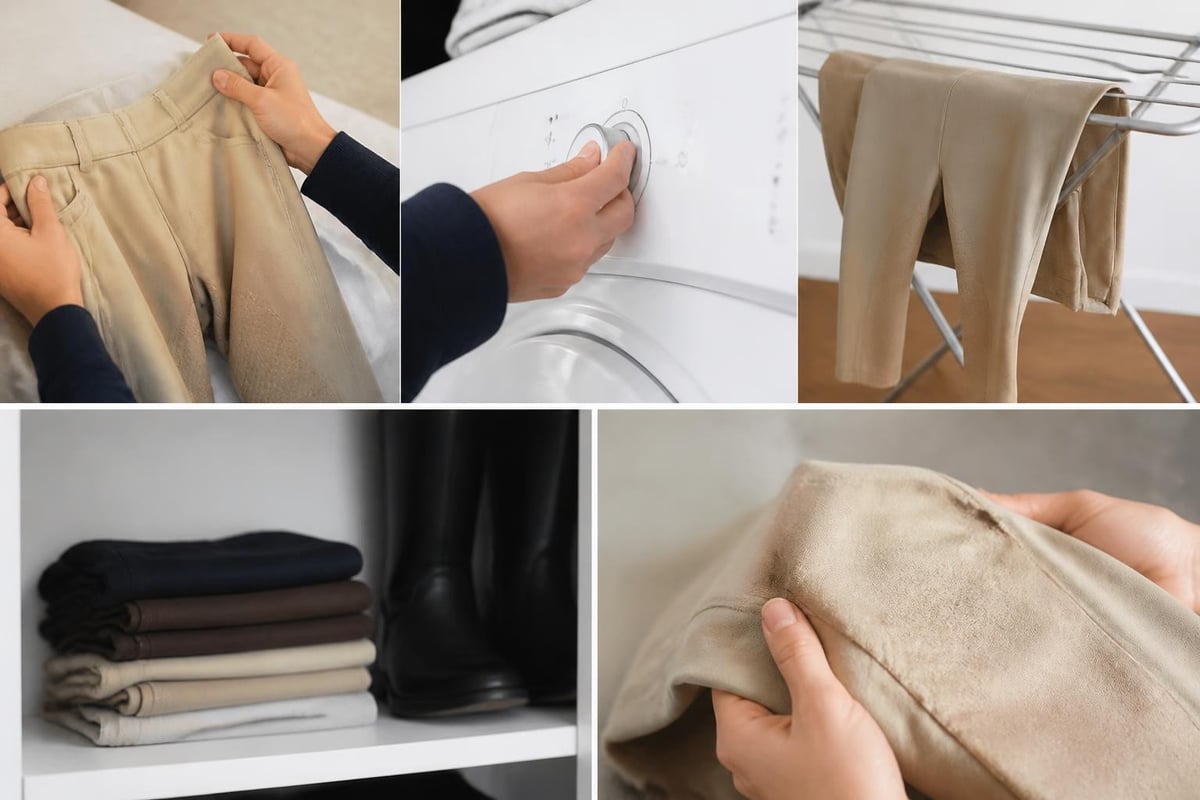
Turn trousers inside-out before washing to protect grip panels and exterior fabric from abrasion. Use cool water (30°C maximum) to preserve elastane fibres that provide stretch. Select gentle cycles that minimize mechanical stress on seams and elastic components.
Avoid fabric softeners, which coat moisture-wicking fibres and reduce their effectiveness. Softeners also degrade silicone grip panels, reducing their tackiness over time. Use sport-specific detergents designed for technical fabrics when possible.
Drying and Storage
Air-dry riding trousers whenever possible, as heat damages elastane and can warp grip materials. If using a dryer, select the lowest heat setting and remove trousers whilst slightly damp to finish air-drying.
Store riding trousers folded or on hangers in a cool, dry location away from direct sunlight, which degrades synthetic fibres. Avoid storing in tack rooms or barns where humidity and temperature fluctuations accelerate material breakdown.
The comprehensive guide to caring for riding breeches provides detailed maintenance protocols that preserve your gear across seasons.
Competition Standards and Show Ring Requirements
Different disciplines maintain specific expectations regarding riding attire, including trouser style and colour.
Dressage Specifications
Dressage competitions typically require white or light-coloured breeches below certain levels, with dark colours permitted at upper levels. The clean, traditional appearance remains paramount. Full-seat breeches suit this discipline, as they provide security during extended sitting work whilst maintaining the elegant silhouette judges expect.
Jumping and Eventing Conventions
Show jumping and eventing allow greater flexibility in trouser colour and style. Neutral tones (navy, tan, grey, black) predominate, though some riders choose subtle patterns or contrasting details. Knee-patch breeches remain popular for the improved feel they provide during jumping phases.
Understanding competition attire expectations ensures you present appropriately whilst focusing on performance rather than wardrobe concerns.
Everyday Riding Freedom
Schooling and leisure riding permit complete freedom in style and colour choices. This flexibility allows you to express personal style whilst testing different trouser types to determine which features serve your riding best. Many riders maintain show-specific trousers for competitions whilst wearing more adventurous options during daily training.
Price Points and Value Assessment
Horse riding trousers for men span a wide price range, from budget options under £50 to premium performance trousers exceeding £200.
Entry-Level Options
Budget trousers (£40-£70) typically use simpler fabric blends with basic grip panels. These serve beginners adequately whilst they develop their riding and determine which features matter most. Expect shorter lifespans and fewer technical features compared to mid-range offerings.
Mid-Range Performance
The £80-£140 range represents the sweet spot for most regular riders. These trousers incorporate quality four-way stretch fabrics, effective grip systems, and thoughtful design details. Reputable brands in this category deliver reliable performance across multiple seasons with proper care.
Premium Investment Pieces
High-end riding trousers (£150+) justify their cost through superior fabrics, advanced grip technologies, and exceptional construction. These often feature Italian or Japanese technical textiles, laser-cut seamless construction, and innovative pocket configurations. For riders who spend significant time in the saddle, the enhanced comfort and durability prove worthwhile.
| Price Range | Expected Features | Best For |
|---|---|---|
| £40-£70 | Basic stretch fabric, simple grip panels | Beginners, occasional riders |
| £80-£140 | Four-way stretch, quality grip, reinforced seams | Regular riders, multiple disciplines |
| £150+ | Premium fabrics, advanced grip, seamless construction | Serious competitors, daily riders |
Design Details That Enhance Functionality
Beyond basic construction, specific design elements distinguish exceptional riding trousers from adequate alternatives.
Pocket Configuration
Strategically placed pockets accommodate essentials without interfering with saddle contact. Zippered thigh pockets secure phones and keys during riding, whilst traditional front pockets work for groundwork and stable duties. Avoid excessive pocket bulk that creates pressure points against the saddle.
Ankle Closures
Hook-and-loop ankle straps on breeches prevent trouser legs riding up inside boots during mounting and dismounting. This small detail significantly improves comfort during long riding sessions. Quality implementations use low-profile fasteners that create minimal bulk inside boots.
Belt Loops and Waistband Construction
Reinforced belt loops accommodate traditional riding belts without tearing, though well-designed riding trousers should fit securely without requiring a belt. Wide, elastic waistbands with silicone grippers prevent shirts untucking during riding whilst avoiding the rigid discomfort of traditional waistbands.
The evolution of horse breeches design demonstrates how these details have developed to serve male riders more effectively over time.
Transitioning Beyond the Stable
Modern horse riding trousers for men increasingly serve dual purposes, functioning well during riding whilst remaining appropriate for post-ride activities.
Style Integration
Contemporary designs emphasize clean lines and subtle details that read as athletic wear rather than overtly equestrian-specific. Neutral colours and minimal branding allow smooth transitions from stable to casual settings. This versatility particularly benefits riders who travel directly from work to the yard or those who appreciate gear that serves multiple purposes.
Fabric Choices for Versatility
Technical riding trousers using premium stretch denim or cotton-synthetic blends blur the line between riding-specific and lifestyle wear. These options maintain the grip and flexibility essential for riding whilst offering the appearance of casual trousers suitable for running errands or meeting friends after riding.
Quality riding trousers integrate seamlessly with other men's horse riding clothes to create cohesive looks that transition effortlessly between environments.
Making Your Selection: Decision Framework
With numerous options available, a structured approach helps identify the ideal horse riding trousers for your specific needs.
Assess Your Riding Frequency and Discipline
Daily riders benefit from investing in multiple pairs of premium trousers that rotate through washing cycles whilst maintaining consistent performance. Weekend riders might choose fewer pairs from the mid-range category.
Your primary discipline influences grip type, fit preferences, and colour choices. Dressage specialists prioritize different features than eventers or leisure riders. Consider whether you compete regularly or focus primarily on training and pleasure riding.
Evaluate Climate and Season
British riders face varied weather requiring either multiple seasonal options or versatile mid-weight trousers that layer effectively. Those in consistently warm or cold climates can optimize for their specific conditions rather than maintaining comprehensive wardrobes.
Consider Budget and Value Timeline
Calculate cost per wear rather than absolute price. Premium trousers costing £180 but lasting three years with frequent use represent better value than £60 trousers requiring replacement annually. Quality construction, superior fabrics, and thoughtful design details justify higher initial investment for serious riders.
Test Fit and Movement
Whenever possible, try riding trousers before purchasing. Mount a saddle or assume riding position to assess how fabric moves and whether grip panels function as intended. Different brands employ varying sizing standards, so your usual size might require adjustment.
Selecting proper horse riding trousers for men significantly impacts your comfort, performance, and enjoyment in the saddle. The right trousers support your position, adapt to your discipline, and withstand the demands of regular riding whilst maintaining their appearance and functionality across seasons. Whether you're developing your skills or competing at advanced levels, investing in quality riding trousers delivers tangible benefits every time you ride. Gallant Equestrian creates performance-driven riding trousers designed specifically for men who refuse to compromise on quality or style. Look the Part. Enjoy the Ride.

