

Horseback Riding Fashion for Men in 2026
Mar 12, 2026
Horseback riding fashion has evolved considerably over the past decade, particularly for men who demand both functionality and style. What once meant choosing between traditional, stiff formal wear and purely practical gear has transformed into a landscape where performance fabrics meet refined aesthetics. Today's riders expect clothing that performs under pressure whilst looking sharp enough for everyday wear. This shift reflects a broader understanding that proper riding attire isn't just about appearance but about comfort, safety, and confidence in the saddle.
The Foundation of Modern Riding Style
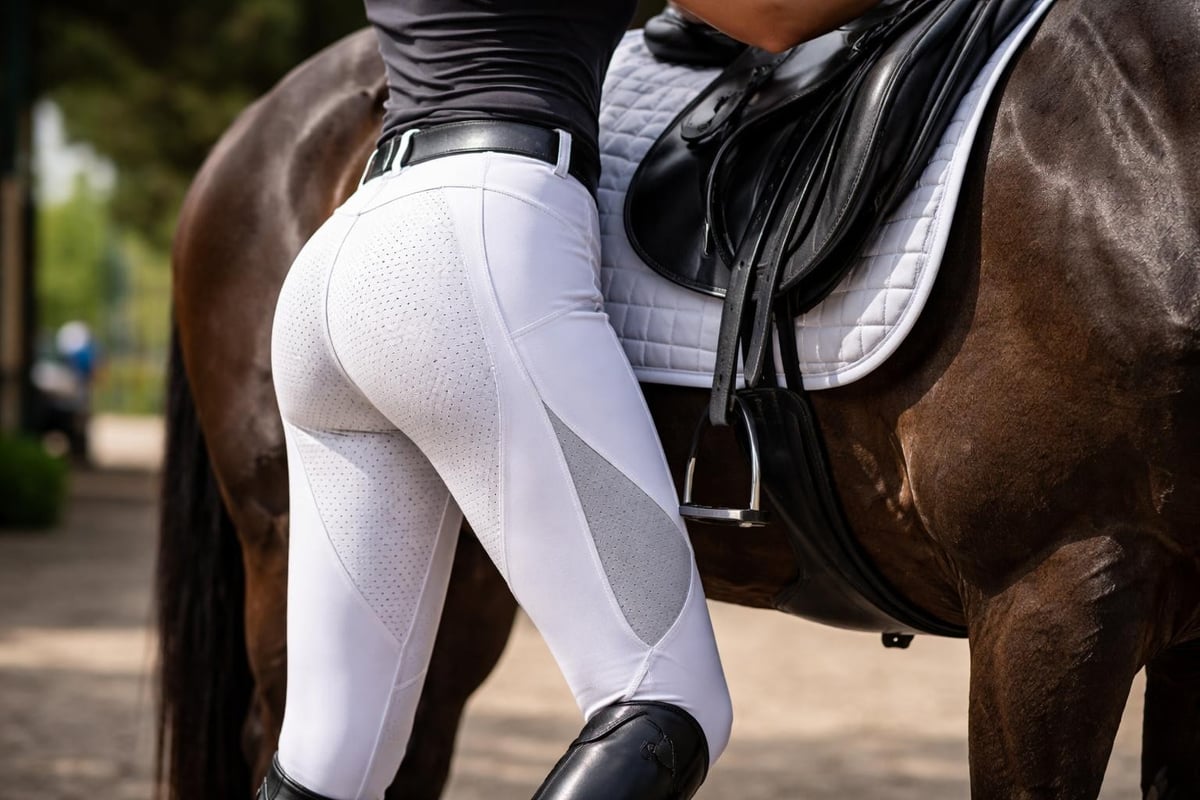
Quality breeches remain the cornerstone of any rider's wardrobe. Unlike general athletic wear, proper riding breeches feature strategic grip panels, reinforced seams, and fabrics that move with your body whilst maintaining their shape. The difference becomes apparent after your first hour in the saddle.
Modern horseback riding fashion prioritizes technical construction without sacrificing clean lines. Four-way stretch fabrics allow full range of motion during mounting and posting. Moisture-wicking properties keep you comfortable during intense training sessions. Flatlock seams prevent chafing on long rides.
The color palette has expanded beyond traditional beige and white. Navy, black, and olive tones offer versatility for riders who move between the stable and social settings. These contemporary shades resist showing dirt whilst maintaining a polished appearance that works both in and out of the arena.
Performance Fabrics That Actually Perform
The materials used in contemporary riding wear have advanced significantly. Synthetic blends now outperform traditional cotton in nearly every metric that matters to riders. Breathability, durability, and shape retention all benefit from modern textile engineering.
Technical fabrics regulate temperature more effectively than natural fibers. During summer rides, they wick sweat away from skin and dry quickly. In cooler months, they provide insulation without bulk. This adaptability makes quality pieces suitable for year-round riding across varying conditions.
Sustainable practices in equestrian fashion have gained traction as brands recognize the importance of environmental responsibility. Recycled polyester, eco-friendly waterproofing, and reduced water consumption during manufacturing reflect values that resonate with conscious consumers. Performance doesn't require compromising on environmental impact.
Water resistance matters more than many riders initially realize. A proper rain jacket designed for riding accounts for arm mobility when holding reins. Extended back coverage protects you in the saddle. Breathable waterproof membranes prevent the clammy feeling that comes with inferior materials.
Layering Strategy for All Conditions
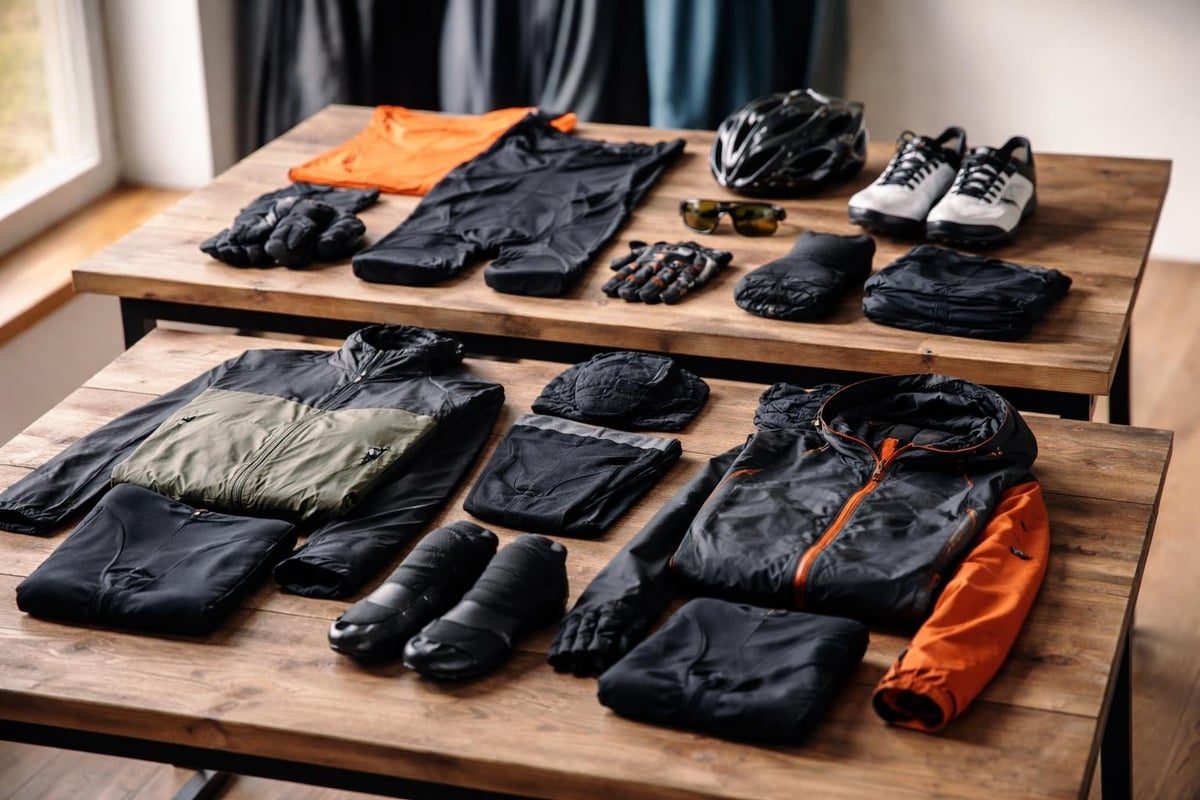
Understanding how to layer properly separates experienced riders from beginners. Base layers should sit close to skin without restricting movement. Mid-layers provide insulation. Outer layers protect against wind and precipitation.
Quality polo shirts and performance tees serve as excellent base layers during warmer months. Look for fabrics that resist odor buildup and dry quickly between wears. Raglan sleeves or gusseted construction allow unrestricted shoulder movement.
Sweatshirts and hoodies bridge the gap between base and outer layers. The right mid-layer provides warmth without adding bulk that interferes with your position. Fitted silhouettes work better than oversized cuts that bunch under jackets or get caught on equipment.
Transitional pieces that work across multiple settings offer the best value. A well-designed sweatshirt looks appropriate at the stable, during casual meetings, and whilst running errands. This versatility reduces the need for separate wardrobes for riding and everyday life.
Weather changes quickly, especially during early morning or late evening rides. Packable layers that compress into small pouches ensure you're prepared without cluttering your kit. Lightweight construction doesn't mean sacrificing warmth when designs incorporate modern insulation technologies.
Competition Wear Without Compromise
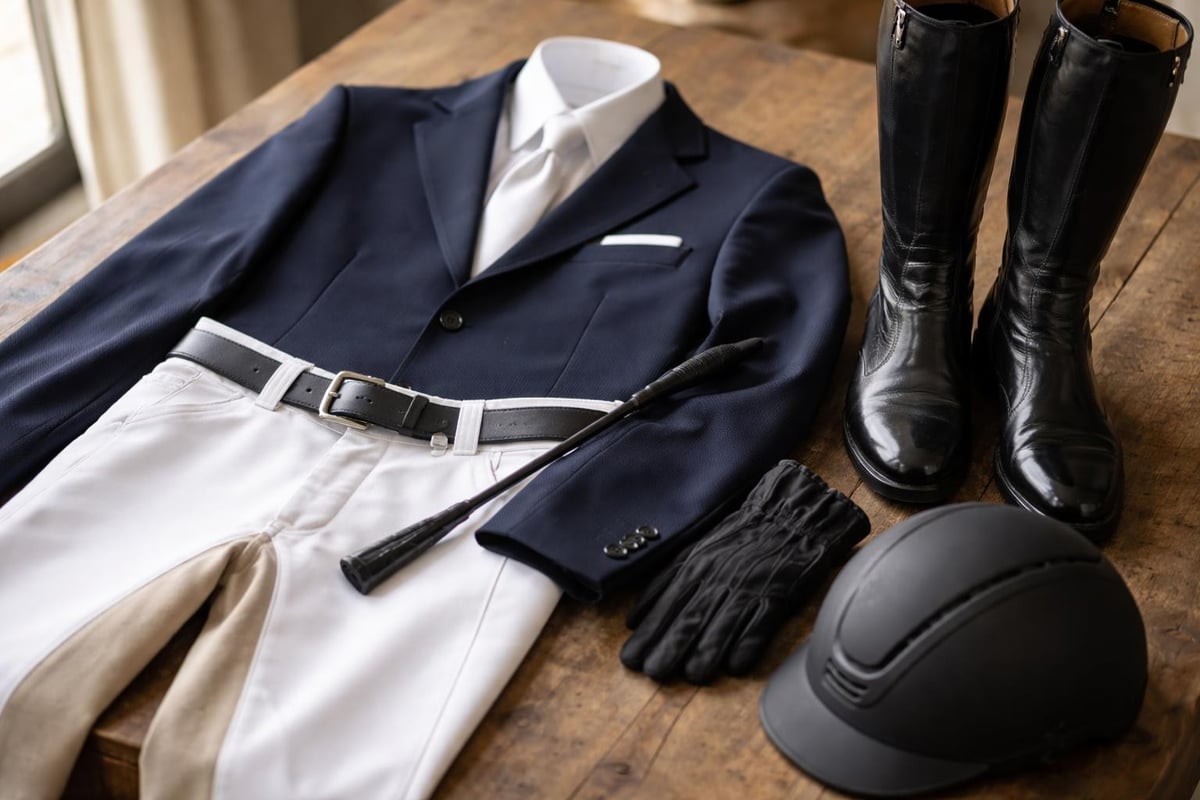
Show ring requirements present unique challenges for horseback riding fashion. Traditional dress codes haven't disappeared, but modern interpretations allow for improved comfort and performance whilst maintaining appropriate formality.
Competition wear now incorporates the same technical fabrics found in training gear. Breathable show jackets prevent overheating during summer competitions. Stretch panels in critical areas allow natural movement without compromising the tailored appearance judges expect.
Color restrictions in certain disciplines mean navy, black, and grey dominate formal riding attire. Within these parameters, subtle details like contrasting piping, quality buttons, and precise tailoring distinguish premium pieces from basic alternatives.
Proper fit matters enormously in competition settings. Jackets should allow full arm extension whilst maintaining clean lines through the shoulders and torso. Breeches need to be fitted without pulling or creating unwanted wrinkles that draw attention in the ring.
Stock ties, show shirts, and other traditional elements remain relevant but benefit from modern materials. Moisture-wicking show shirts keep you fresh during long competition days. Easy-care fabrics reduce preparation time without looking cheap or poorly made.
From Stable to Street
The growing influence of athleisure in equestrian fashion reflects broader lifestyle changes. Riders increasingly expect their gear to transition seamlessly between settings. Quality riding wear accomplishes this through thoughtful design that doesn't scream "horse person" to casual observers.
Clean lines and neutral colors form the foundation of versatile riding style. A well-cut polo shirt in navy or olive works equally well at the barn, the pub, or weekend gatherings. The key lies in selecting pieces that reference equestrian heritage without relying on obvious branding or riding-specific details.
Jackets designed for riding often feature longer backs and articulated sleeves. These practical elements don't detract from street style when executed properly. A quality riding jacket simply looks like excellent outerwear to those unfamiliar with equestrian specifics.
Footwear bridges the gap between riding requirements and everyday style. Whilst tall boots remain necessary for certain disciplines, modern riding trainers and casual boots expand options for stable work and lessons. Choosing versatile styles in classic colors extends their usefulness beyond the barn.
The equestrian-inspired fashion trend demonstrates how riding style influences mainstream menswear. Tall boots, fitted breeches silhouettes, and structured jackets appear regularly in high-street fashion. Actual riders benefit by choosing authentic performance pieces that happen to align with current style preferences.
Details That Distinguish Quality
Hardware quality separates pieces that last from those requiring frequent replacement. YKK zippers resist corrosion from sweat and environmental exposure. Reinforced button holes prevent loosening. Double-stitched seams withstand repeated stress in high-movement areas.
Grip technology has advanced beyond simple leather patches. Silicone grip patterns offer superior purchase without the maintenance requirements of traditional suede or leather. Strategic placement in the seat and inner legs enhances security without creating bulk or stiffness.
Pockets deserve consideration beyond mere convenience. Secure zip pockets prevent losing items during active riding. Positioned correctly, they don't interfere with saddle contact or create uncomfortable pressure points. Phone pockets with moisture barriers protect devices from sweat and weather.
Performance-driven design accounts for how riders actually move and work. Gusseted crotches prevent binding during mounting. Articulated knees maintain their shape even after hours of posting. These functional details contribute to comfort that becomes apparent over time.
Flat seams throughout garments prevent rubbing and chafing during extended wear. This matters more in riding than many other activities due to sustained contact with the saddle and constant leg contact with the horse. Quality construction prioritizes rider comfort at every touchpoint.
Building a Practical Wardrobe
Starting with essentials provides the best foundation. Two pairs of quality breeches, several performance shirts, one versatile jacket, and appropriate base layers handle most riding situations. This core wardrobe works for regular training whilst remaining suitable for casual competitions.
| Wardrobe Essential | Quantity | Priority Features |
|---|---|---|
| Breeches | 2-3 pairs | Grip, stretch, quick-dry |
| Performance Tees | 3-4 | Moisture-wicking, odor control |
| Polo Shirts | 2-3 | Collar, breathability |
| Mid-Layer | 1-2 | Warmth, packability |
| Rain Jacket | 1 | Waterproof, breathable |
| Show Jacket | 1 | Tailored fit, stretch panels |
Investing in fewer high-quality pieces outperforms buying multiple budget items. Proper riding wear withstands frequent washing and demanding use. Cost per wear decreases significantly when garments maintain their performance and appearance across seasons.
Rotating pieces extends their lifespan. Allowing breeches to rest between wears helps fabrics recover their shape. Washing too frequently degrades technical properties faster than necessary. Most riding wear can be aired and spot-cleaned between proper washes unless genuinely soiled.
Seasonal rotation makes sense in regions with distinct weather patterns. Lightweight, breathable pieces for summer. Insulated, weather-resistant options for winter. Transitional pieces that layer effectively for spring and autumn. This approach ensures comfort year-round without excessive spending.
Breeches in versatile colors like navy and black integrate more easily into varied outfits. Whilst bone and tan remain traditional, darker tones hide dirt better during daily riding. They also transition more naturally into casual settings outside the stable.
Fit Considerations for Active Riding
Proper fit transforms good horseback riding fashion into exceptional riding wear. Too loose creates excess fabric that bunches and chafes. Too tight restricts movement and creates pressure points. The ideal fit allows full range of motion whilst maintaining clean lines.
Try breeches in riding position, not just standing. Squat deeply, lift your knees, and simulate mounting movements. Waistbands should sit comfortably without gapping or digging in. Knee patches or grip panels should align precisely with your anatomy when seated.
Jacket sleeves require particular attention. Full arm extension straight forward and upward shouldn't pull the jacket body out of position. Shoulder seams should sit at your natural shoulder point. Back vents or pleats allow the jacket to drape properly when seated.
Size charts provide starting points, not definitive answers. Body proportions vary significantly between individuals. Athletic builds require different fits than standard sizing assumes. Some riders need longer inseams or broader shoulders. Understanding your measurements helps identify which pieces work best for your build.
Modern stretch fabrics offer more forgiveness than traditional materials. However, they shouldn't compensate for poor initial fit. Fabrics stretched to their limit lose shape quickly. Starting with proper fit ensures garments maintain their intended performance characteristics over time.
Care and Maintenance Practices
Technical fabrics require specific care to maintain their performance properties. High heat damages stretch fibers and waterproof membranes. Fabric softeners coat fibers, reducing moisture-wicking effectiveness. Following care labels prevents premature degradation of expensive riding wear.
Washing in cold water preserves colors and extends fabric life. Turn garments inside out to protect outer surfaces from abrasion. Zip all closures to prevent snagging. Use sport-specific detergents designed for technical fabrics when possible.
Air drying works best for most riding wear. Tumble drying subjects fabrics to unnecessary stress and heat. Hang items by the waistband or lay flat to dry. Direct sunlight can fade colors over time, so indoor drying preserves appearance better.
Spot cleaning between wears reduces washing frequency. A damp cloth removes most surface dirt and sweat residue. This approach maintains fabric integrity whilst keeping garments fresh. Reserve full washing for genuinely soiled items or after several wears.
Storage matters more than many realize. Folding breeches along natural creases prevents permanent wrinkles. Hanging jackets on proper hangers maintains shoulder shape. Ensure garments are completely dry before storing to prevent mildew in humid climates.
Investment Value in Quality Pieces
Premium horseback riding fashion costs more initially but delivers superior value over time. Construction quality, fabric technology, and thoughtful design contribute to longevity that budget alternatives can't match. The difference becomes clear after six months of regular use.
| Quality Factor | Budget Option | Premium Option |
|---|---|---|
| Fabric Life | 6-12 months | 2-3 years |
| Shape Retention | Poor | Excellent |
| Moisture Management | Basic | Advanced |
| Comfort | Adequate | Superior |
| Versatility | Limited | High |
| Total Cost of Ownership | Higher | Lower |
Calculating cost per wear reveals the true value proposition. A £40 pair of breeches worn 50 times before failing costs £0.80 per wear. A £120 pair worn 200 times costs £0.60 per wear whilst providing better performance throughout. The mathematics favor quality.
Resale value for premium brands remains surprisingly strong. Well-maintained quality pieces find ready buyers in second-hand markets. Budget items typically hold no resale value, making them a complete loss when replaced. This factor often goes unconsidered in initial purchase decisions.
Warranty coverage and customer service distinguish established brands from newcomers. Responsive support teams and reasonable warranty terms protect your investment. Manufacturing defects get addressed promptly. This peace of mind matters when spending significant amounts on riding gear.
Building your wardrobe gradually with quality pieces makes more sense than buying everything at once from budget sources. Start with the items you'll wear most frequently. Add pieces as budget allows. This approach creates a functional wardrobe that improves over time rather than requiring constant replacement.
Current Influences Shaping Men's Riding Style
Cultural influences continue shaping how riders approach horseback riding fashion. Equestrian-inspired aesthetics appear increasingly in mainstream menswear, creating crossover appeal. This visibility benefits actual riders by expanding market options and driving innovation.
Heritage brands reimagine classic pieces using contemporary materials and fits. Traditional riding coats gain stretch panels and moisture-wicking linings. Classic breeches incorporate grip technology and ergonomic seaming. This fusion respects equestrian history whilst embracing modern performance requirements.
Bold colors and patterns have entered riding fashion beyond the conservative palette that dominated for decades. Whilst competition rules limit options in formal settings, training wear offers more freedom. Subtle patterns and richer colors add personality without compromising professionalism.
Personalization options allow riders to customize their gear. Embroidered initials, custom color combinations, and tailored fits create unique pieces. This trend reflects broader consumer expectations for products that feel specifically designed for their needs rather than mass-produced commodities.
Minimalist design philosophy increasingly influences equestrian wear. Clean lines, limited branding, and focus on function over decoration appeal to riders who appreciate understated quality. This aesthetic aligns well with versatile pieces that transition between riding and everyday contexts.
Practical Considerations Beyond Aesthetics
Safety remains paramount despite aesthetic considerations. Proper riding attire includes appropriate footwear, fitted clothing that won't catch on equipment, and layers that don't impede movement. Fashion choices should enhance rather than compromise safe riding practices.
Visibility during early morning or evening rides requires thoughtful planning. Reflective details, bright accent colors, or dedicated high-visibility layers ensure you remain seen by traffic. These elements can integrate tastefully without dominating your overall aesthetic.
Weather preparation prevents discomfort and potential health issues. Understanding your region's typical conditions helps identify necessary pieces. Coastal riders need different gear than those in continental climates. Desert riders face distinct challenges from those in temperate zones.
Budget allocation should prioritize items you'll use most frequently. Daily training wear deserves investment before specialized competition pieces. A rider training three times weekly needs quality everyday breeches more urgently than an expensive show jacket worn quarterly.
Personal riding discipline influences wardrobe requirements. Dressage riders need different pieces than those focused on show jumping or eventing. Understanding your primary activities ensures you're building a wardrobe suited to actual needs rather than theoretical possibilities.
Horseback riding fashion for men has matured into a sophisticated blend of performance and style that serves riders across all disciplines. By focusing on quality construction, technical fabrics, and versatile designs, you build a wardrobe that enhances both your riding experience and everyday comfort. Gallant Equestrian offers performance-driven pieces designed specifically for men who ride with purpose, combining New Zealand-crafted quality with styles that work from stable to street. Look the Part. Enjoy the Ride.

