

Horseback Riding Uniform: What Men Need to Know
Mar 02, 2026
Getting your horseback riding uniform sorted isn't about following fashion trends. It's about choosing gear that keeps you safe, comfortable, and capable in the saddle. Whether you're heading to your first lesson or preparing for competition, understanding what you actually need saves time and money. The right clothing works with your body and your horse, not against them. Let's look at what makes sense for men who ride.
Understanding the Horseback Riding Uniform Basics
Your horseback riding uniform serves three purposes: safety, function, and presentation. Safety comes first, always. A properly fitted helmet protects your head. Long sleeves reduce friction and sun exposure. Appropriate riding boots prevent your foot from slipping through the stirrup.
Function follows close behind. Breeches stretch where you need them to stretch and grip where you need stability. Jackets allow shoulder movement without riding up. Gloves give you better contact with the reins without blisters.
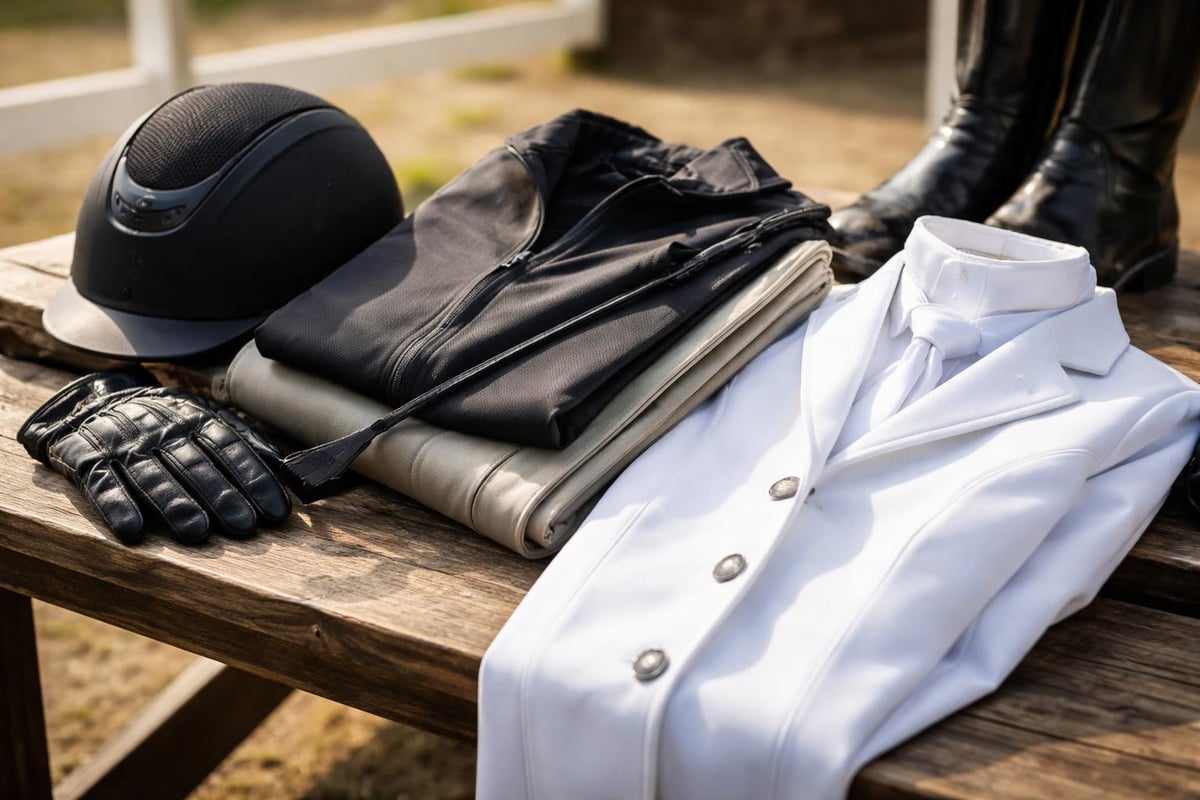
Presentation matters too, though perhaps not how you'd think. Looking put together in the saddle isn't vanity. It shows respect for the discipline and signals that you take riding seriously. A clean, well-fitted horseback riding uniform tells trainers, judges, and fellow riders that you're committed.
Core Components Every Rider Needs
Start with breeches. They're not optional. Regular trousers bunch, chafe, and lack the grip you need. Modern men's riding breeches use four-way stretch fabrics that move with you while providing knee and seat reinforcement. Look for flat seams and proper rise, especially if you're spending hours in the saddle.
Boots come next. Tall boots or paddock boots with half chaps both work. Tall boots give a cleaner line and better protection. Paddock boots offer more flexibility and easier care. Either way, choose boots with a defined heel to prevent your foot sliding through the stirrup. Leather or synthetic depends on your budget and maintenance preference.
Your helmet isn't negotiable. Get one that meets current safety standards and fits properly. It should sit level on your head, not tipped back. Replace it after any impact, even if it looks fine.
Shirts need long sleeves for sun protection and reduced friction. Polo shirts work well for everyday riding. For competition, you'll need something more formal. Technical fabrics that wick moisture keep you comfortable longer than cotton ever will.
Gloves complete your basic horseback riding uniform. They protect your hands from reins, improve grip, and reduce fatigue. Leather offers durability and feel. Synthetic options dry faster and often cost less.
Everyday Riding Kit Versus Competition Standards
Your everyday riding kit prioritizes comfort and practicality. Dark breeches hide dirt better. Breathable shirts in neutral colors work everywhere. Performance riding clothing designed for men typically features longer torsos, broader shoulders, and a fit that accounts for athletic builds.
Competition adds formality and specific requirements. Dressage competitions require white or light-colored breeches, white shirts with stock ties, and dark coats. Show jumping allows more flexibility but still expects polished presentation. Cross-country demands safety equipment like body protectors alongside your standard uniform.
Building Your Competition Wardrobe
Start with versatile pieces. A quality show coat in navy or black works across multiple disciplines. White breeches for dressage, tan or grey for hunters. Stock ties and pins for formal occasions, regular ties for less formal events.
Don't buy everything at once. Borrow or hire specialized items until you know which disciplines you'll pursue seriously. Focus your budget on pieces that affect performance, such as well-fitted breeches and proper boots. You can upgrade your show coat later.
Competition wear collections designed specifically for men account for different body proportions than unisex or women's clothing. Jackets that actually fit your shoulders make a noticeable difference in comfort and appearance.
Seasonal Adjustments to Your Riding Uniform
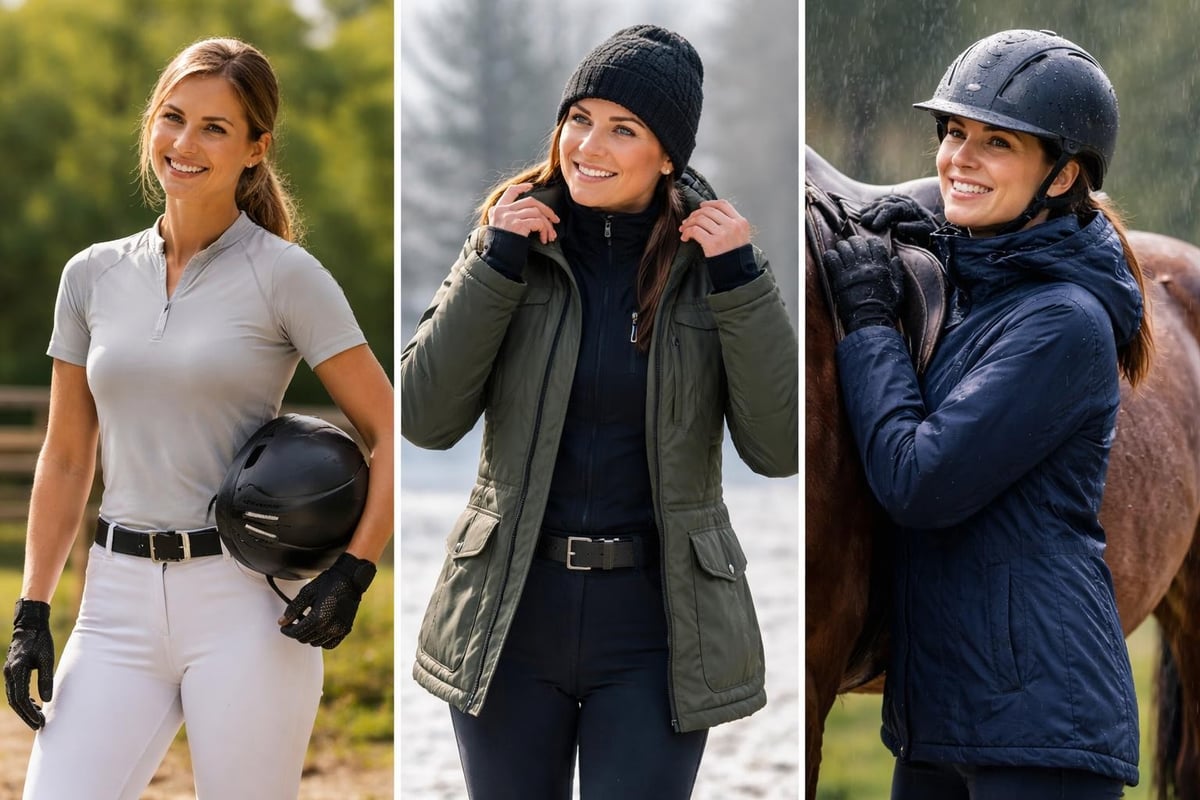
Summer riding demands moisture-wicking fabrics and sun protection. Light-colored breeches reflect heat better than dark ones, though they show dirt faster. Mesh panels in strategic locations improve airflow. Consider UV-protective shirts that keep you covered without overheating.
Winter requires layering without bulk. Base layers that wick moisture prevent that clammy feeling. Mid-layers provide insulation. Your outer layer needs to block wind while allowing movement. Avoid heavy jumpers that restrict your arms. Technical jackets designed for riding keep you warm without limiting your position.
Wet weather means waterproof layers that don't crinkle or flap. Your coat needs to be long enough to keep your seat dry but short enough not to interfere with your leg position. Waterproof gloves become essential, though they can reduce feel.
Layering Without Compromising Position
Your horseback riding uniform should fit close enough to avoid bulk but not so tight it restricts movement. Test each layer on horseback, not just standing in a shop. Can you reach forward to your horse's ears without the jacket riding up? Does the base layer stay smooth or bunch at your waist?
Avoid loose scarves or flowing layers that could catch on equipment. Everything should stay put and move with you, not against you.
Fabric Technology That Actually Matters
Modern riding clothing uses technical fabrics for good reason. Four-way stretch allows movement in all directions. Two-way stretch only goes so far before it fights your position. Quality breeches need genuine stretch, not just elastic waistbands.
Moisture-wicking fabrics pull sweat away from your skin. This matters more than you'd think during a long ride or competition day. Cotton absorbs moisture and stays wet, making you cold in winter and sticky in summer.
Antimicrobial treatments reduce odor. If you ride daily, this extends the life of your clothing between washes. Durability matters too. Reinforced seat and knee areas handle constant friction better than standard fabric weights.
| Fabric Feature | Why It Matters | Where You Need It |
|---|---|---|
| Four-way stretch | Freedom of movement | Breeches, shirts |
| Moisture-wicking | Temperature control | All layers |
| Antimicrobial | Odor resistance | Base layers, breeches |
| Reinforcement | Durability | Seat, knees, inner legs |
| UV protection | Sun safety | Shirts, long sleeves |
Fit Considerations for Male Riders
Men's riding clothing should account for broader shoulders, longer torsos, and different hip-to-waist ratios than unisex designs. Breeches need proper rise and leg length. Too short and they pull uncomfortably. Too long and they bunch in your boots.
Jackets require shoulder room for movement without excess fabric through the body. A well-fitted show coat shouldn't gap at the back or pull across your chest. Sleeve length matters more than you'd think. Too long and they bunch at your wrists. Too short looks sloppy and restricts movement.
Shirts designed for men provide length through the torso without excess width. Quality equestrian fashion recognizes these differences and cuts accordingly. Check sizing guides carefully, as European and American sizing varies significantly.
Getting the Right Measurements
Measure yourself properly before ordering. Waist measurement for breeches should be taken where you'll actually wear them, usually at your natural waist, not your hips. Inseam length needs to account for boots. Shoulder width and chest measurements determine jacket fit.
Many riders size up in breeches for comfort, then wonder why they sag in the seat. Proper technical fabrics should fit snug initially. They'll give slightly with wear and movement.
Maintaining Your Riding Wardrobe
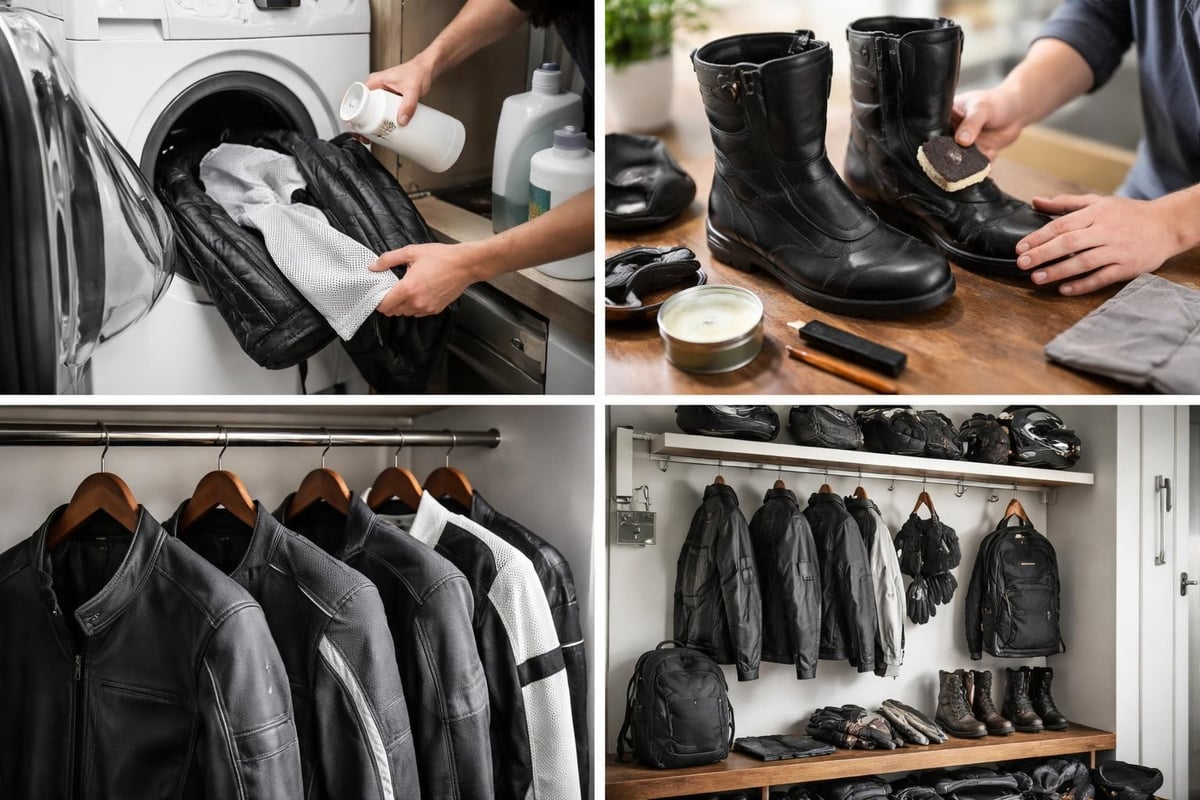
Your horseback riding uniform represents an investment. Proper care extends its life significantly. Wash breeches inside out to protect the seat and knee grip. Use cool water and mild detergent. Avoid fabric softener, which can break down technical fabrics and reduce moisture-wicking properties.
Leather boots need regular cleaning and conditioning. Synthetic boots require less maintenance but still benefit from proper storage. Keep them on boot trees to maintain shape. Store helmets in a cool, dry place away from direct sunlight.
| Item | Washing Method | Storage Tips |
|---|---|---|
| Breeches | Cool wash, inside out, no softener | Hang or fold, avoid creasing knee patches |
| Shirts | Follow care label, typically cool wash | Hang to prevent wrinkles |
| Show coats | Dry clean or hand wash depending on fabric | Hang on shaped hangers |
| Gloves | Hand wash leather, machine wash synthetic | Reshape while damp, air dry |
| Boots | Clean and condition leather regularly | Boot trees, upright storage |
Hang jackets properly between uses. Folding creates creases that resist pressing. Air out clothing after riding before storing. Sweat and moisture trapped in fabric promotes odor and breaks down materials faster.
Smart Shopping for Quality and Value
Start with basics from reliable sources. One pair of excellent breeches beats three mediocre pairs. Quality boots that fit properly serve you better than bargain boots that hurt after an hour. Your helmet should be the best you can afford.
Look for sales on previous season's colors rather than compromising on fit or quality. Navy, black, grey, and tan never go out of style. Avoid trendy colors that might date your wardrobe quickly.
Consider cost per wear rather than initial price. Breeches that last five years and wear comfortably cost less per ride than cheap pairs that need replacing annually. Quality horseback riding uniform pieces often resale well too, if you maintain them properly.
Building Your Wardrobe Strategically
| Priority Level | What to Buy First | Why |
|---|---|---|
| Essential | Safety helmet, breeches, boots | Required for every ride |
| Important | Quality shirts, gloves, everyday jacket | Daily comfort and function |
| Useful | Show coat, white breeches, stock ties | Competition requirements |
| Optional | Multiple color options, extra pairs | Convenience and variety |
Buy the essentials right the first time. Upgrade optional items as budget allows. Watch for bundle deals from quality collections that offer better value than buying pieces separately.
How Your Uniform Affects Your Riding
Proper clothing impacts your position and effectiveness. Breeches that fit correctly don't fight your leg position. Boots with the right heel height keep your foot stable. Gloves that actually fit improve your contact with the reins.
Uncomfortable clothing distracts you from riding. Breeches that slide down need constant adjustment. Shirts that ride up break your concentration. Boots that pinch make you shift your weight unconsciously. Your horseback riding uniform should disappear into the background, letting you focus on your horse.
Confidence matters too. When you know you look put together, you ride with more assurance. That translates to clearer aids and better communication with your horse. Judges notice presentation, certainly, but more importantly, you notice how you feel.
Dress for the Ride You Want
If you're serious about improving, dress like someone who takes riding seriously. That doesn't mean spending a fortune. It means wearing appropriate, clean, well-maintained kit that fits properly. Performance-driven clothing supports better riding through thoughtful design and quality construction.
Your uniform tells a story about how you approach the sport. Make sure it's the story you want to tell.
Moving Beyond the Basics
Once you've established your core wardrobe, you can refine based on your specific needs. Eventers might invest in cross-country colors and body protectors. Dressage riders might add multiple show coats for different levels. Show jumpers might focus on appropriate hunter or jumper attire.
Specialty items like shadbellies, top hats, and formal competition wear come later, when you need them for specific levels or competitions. Don't rush these purchases. Requirements vary by discipline and level.
Your everyday riding kit can expand too. Multiple pairs of breeches in different weights suit different seasons. Technical shirts in various styles give you options without sacrificing performance. The key is building thoughtfully rather than accumulating randomly.
Regional Considerations and Climate Adaptation
Where you ride affects what you need. Riders in hot climates prioritize ventilation and sun protection. Those in cold regions need effective layering systems. Wet climates demand waterproof solutions that actually work.
Your horseback riding uniform adapts to local conditions while maintaining core functionality. Australian riders in summer need very different solutions than Canadian riders in winter, yet both need breeches that fit properly and boots that work safely with stirrups.
Indoor arena riders face different challenges than those riding primarily outdoors. Dust in indoor schools means darker colors make more sense. Outdoor riders need weather protection built into their wardrobes. Consider your typical riding environment when building your kit.
Your horseback riding uniform directly affects your safety, comfort, and performance in the saddle. The right pieces work together to support better riding while lasting through years of use. Start with quality essentials that fit properly, then build your wardrobe as your riding develops. Gallant Equestrian creates performance-driven clothing specifically designed for men who ride, combining New Zealand craftsmanship with technical fabrics that transition seamlessly from stable to everyday life. Look the Part. Enjoy the Ride.

