

Knee Breeches: History, Style & Modern Riding
Jul 19, 2026
Knee breeches have shaped men's fashion and riding wear for centuries, bridging the gap between historical elegance and modern performance. Originally worn by gentlemen across Europe, these distinctive garments fastened just below the knee and represented status, practicality, and refined taste. Today, the term connects us to riding heritage whilst modern breeches have evolved into the technical essentials riders depend on. Understanding this evolution helps riders appreciate what they wear and why contemporary equestrian clothing maintains certain traditional elements whilst embracing new materials and construction techniques.
The Historical Foundation of Knee Breeches
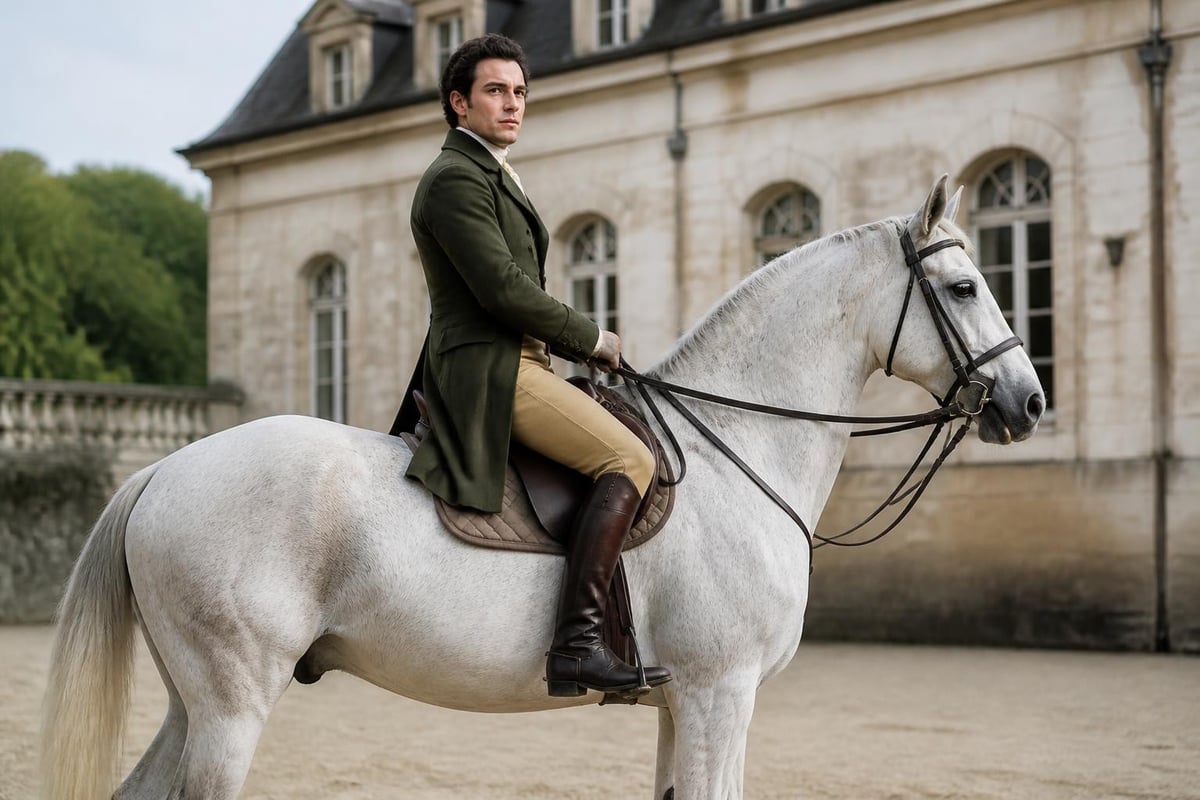
The definition of knee breeches reveals their origins as short trousers fastening below the knee, typically worn with stockings. Throughout the 18th century, these garments defined masculine dress codes across social classes. Gentlemen paired them with waistcoats and frock coats, whilst riders discovered their practical advantages in the saddle.
The design wasn't arbitrary. Knee breeches allowed freedom of movement whilst protecting legs from chafing against saddles and stirrup leathers. The close fit from hip to knee meant fabric wouldn't bunch or interfere with leg aids. This functional approach to riding wear established principles that remain relevant in 2026.
The Breeching Tradition
Historically, knee breeches played a significant role in boys' fashion, particularly during the 18th century when young boys transitioned from dresses to breeches in a ceremony called 'breeching.' This marked their progression toward manhood and represented an important social milestone. The ceremony often occurred between ages four and eight, signifying the boy's readiness for more masculine attire and responsibilities.
This tradition reinforced knee breeches as symbols of maturity and capability. Riders inherited this cultural weight alongside the practical garments. Understanding this context adds depth to modern equestrian clothing choices, connecting today's riders with centuries of tradition.
Design Elements That Defined the Style
Traditional knee breeches featured specific construction details that distinguished quality garments from ordinary ones. The closure typically consisted of buttons or buckles positioned just below the knee, allowing adjustment for proper fit over stockings or boots. Some designs included button flies, whilst others used fall fronts, which were common in 18th-century menswear.
Fabric choices varied by purpose and season. Wool dominated for everyday wear and riding, offering durability and weather resistance. Leather knee breeches, particularly buckskin, became favorites among serious riders because the material's natural grip helped maintain position in the saddle. Silk and velvet versions appeared in formal contexts, demonstrating the garment's versatility across occasions.
Construction and Fit
The cut of knee breeches required skilled tailoring. Patterns accommodated the natural shape of male legs whilst allowing the close fit needed for riding. Seam placement avoided pressure points that would cause discomfort during extended time in the saddle. Reinforcement at stress points, particularly the inner leg and seat, extended garment life under demanding conditions.
Quality knee breeches included features that modern riders would recognize. Adjustable closures at the knee ensured proper fit regardless of boot height or leg shape. Strategic venting prevented overheating, whilst the snug fit eliminated excess fabric that might catch on equipment or interfere with communication between rider and horse.
The Evolution Toward Modern Riding Breeches
As equestrian sports became more specialized throughout the 19th and 20th centuries, riding wear evolved accordingly. The fundamental principles of knee breeches remained, but materials and construction methods advanced significantly. The broader history of breeches shows how these garments adapted to changing riding styles and technological innovations.
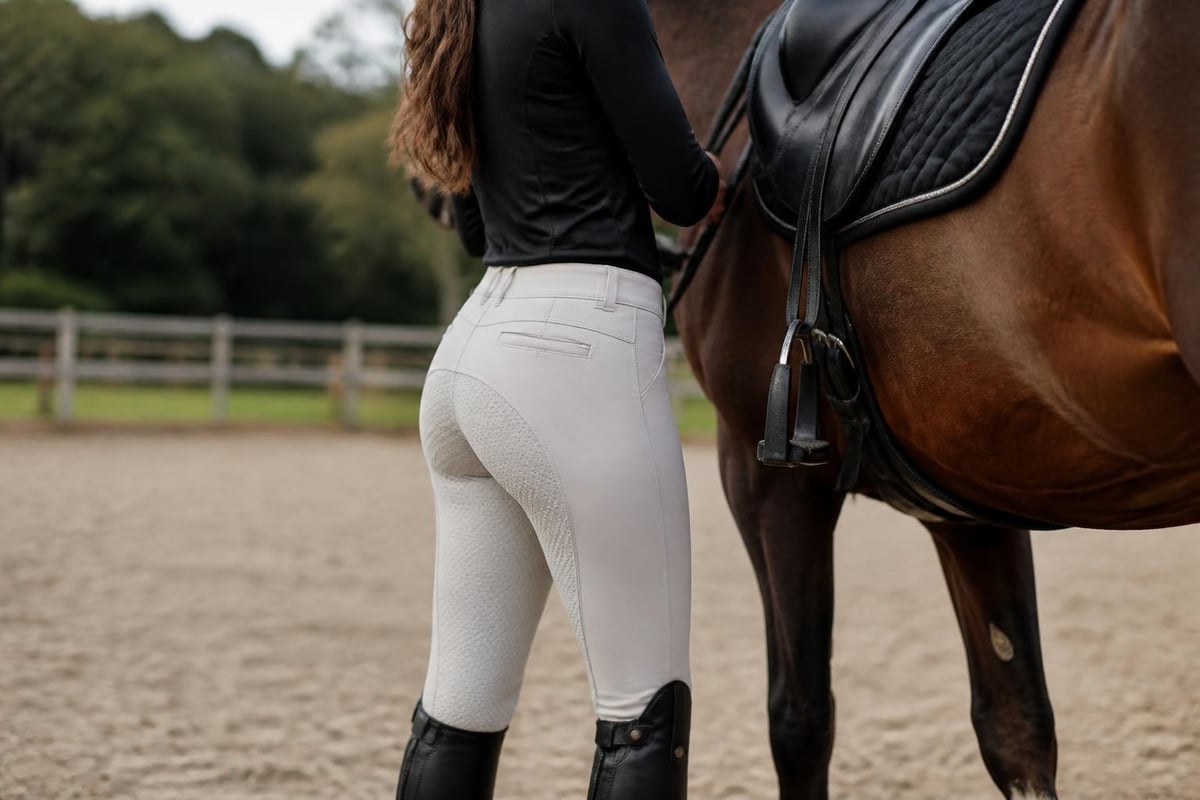
Modern riding breeches maintain the essential characteristics that made knee breeches effective. The close fit from waist to ankle serves the same purpose as the original knee-length design. Contemporary riders benefit from stretch fabrics that move with the body whilst maintaining their shape. Technical materials wick moisture and regulate temperature, addressing comfort issues that historical riders managed through multiple layers.
Technical Advancements in Contemporary Design
Today's riding breeches incorporate features impossible in traditional knee breeches. Silicone grip patterns replace the natural grip of buckskin, offering consistent performance without the maintenance requirements of leather. Four-way stretch fabrics provide freedom of movement whilst maintaining compression that supports muscles during long rides. Flatlock seams eliminate chafing, solving a problem riders have battled for centuries.
The range of modern men's breeches demonstrates how far design has progressed. Contemporary options include full-seat grip for maximum security, knee-patch configurations for riders who prefer traditional styling, and varying rises to suit different body types and riding disciplines. Each innovation builds on principles established when knee breeches first entered riding wardrobes.
Choosing the Right Style for Your Riding
Selecting appropriate riding breeches requires understanding how different designs support various disciplines. Dressage riders often prefer full-seat breeches because the continuous grip helps maintain position during precise movements. Show jumpers and eventers might choose knee-patch styles that allow slightly more movement whilst providing security over fences. Understanding your needs guides better choices.
Fit remains paramount. Well-fitting breeches should feel like a second skin without restricting movement or causing pressure points. The waistband should sit comfortably at your natural waist, neither digging in nor sliding down during mounted work. Leg length matters too. Modern breeches should reach the ankle bone when standing, ensuring they won't ride up when seated in the saddle.
Material Considerations
Different fabrics serve different purposes. Lightweight technical fabrics excel during warm weather, offering breathability and quick-drying properties. Heavier materials with thermal properties suit winter riding, maintaining warmth without bulk. Some riders prefer different breeches for schooling versus competition, just as traditional riders maintained separate knee breeches for everyday wear and formal occasions.
| Fabric Type | Best For | Key Benefits | Maintenance |
|---|---|---|---|
| Technical Stretch | Year-round riding | Four-way stretch, moisture-wicking, quick-drying | Machine washable, retains shape |
| Winter Weight | Cold weather | Thermal properties, wind resistance, fleece lining | Requires gentle cycle, air dry |
| Competition Grade | Shows and events | Premium appearance, superior grip, long-lasting | Follow care labels, avoid harsh detergents |
| Everyday Performance | Daily training | Durable, affordable, comfortable | Easy care, frequent washing |
Styling Beyond the Saddle
Modern riding breeches have transcended their purely functional origins, much like knee breeches once served both riding and social purposes. Today's designs work equally well in the stable, during training sessions, and around the barn. Quality construction and refined styling mean riders needn't change clothes between activities.
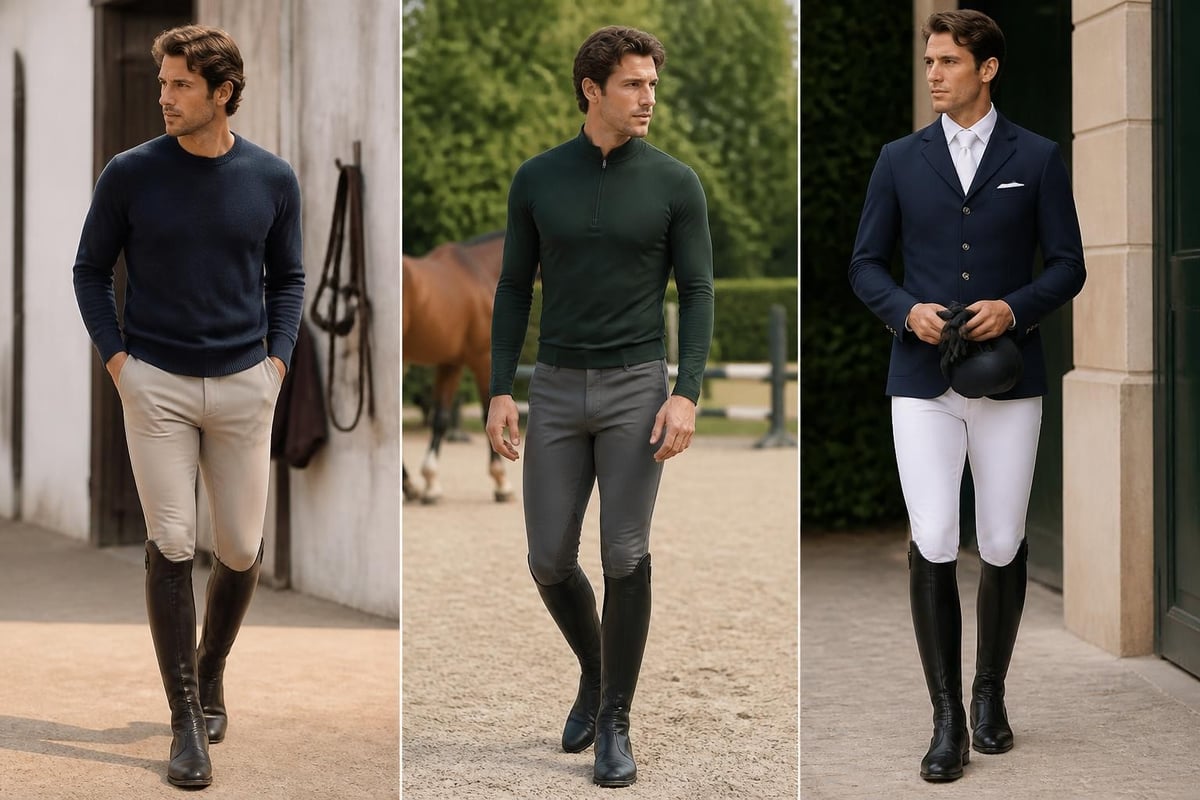
Pairing breeches with appropriate tops creates polished looks suitable for various equestrian contexts. A well-fitted polo shirt offers classic styling for barn work or casual riding. Layer with a quality sweatshirt during cooler months. For competition, proper show shirts and horse show jackets complete the traditional turnout judges expect.
Color and Detail Selection
Traditional knee breeches appeared primarily in neutral tones: buff, tan, grey, and black. Modern riders enjoy broader choices whilst maintaining classic sophistication. Navy, olive, and bone offer versatility across contexts. Black remains popular for competition, whilst lighter shades suit warmer weather. Choose colors that coordinate with your existing equestrian wardrobe and reflect your personal style.
Details distinguish quality breeches from basic options. Look for reinforced belt loops that withstand daily use. Zippered pockets secure essentials without creating bulk. Contrast stitching adds visual interest whilst highlighting construction quality. These elements echo the attention to detail that characterized fine knee breeches centuries ago.
Practical Care and Maintenance
Proper care extends the life of quality breeches, protecting your investment whilst maintaining performance. Most modern riding breeches tolerate machine washing, unlike historical knee breeches that required careful hand cleaning. However, following manufacturer guidelines preserves fabric integrity and grip effectiveness.
Wash breeches inside out to protect exterior fabrics and grip materials. Use gentle detergents without fabric softeners, which can reduce grip performance. Cold or warm water prevents shrinkage and color fading. Air drying proves gentler than machine drying, though many technical fabrics tolerate low heat settings.
Storage matters too. Hanging breeches properly prevents creasing and maintains shape. Avoid folding grip areas, which can damage silicone patterns over time. Dedicated equestrian clothing storage keeps riding wear separate from everyday garments, making preparation easier and extending garment life.
When to Replace Your Breeches
Even quality breeches eventually require replacement. Signs include reduced grip effectiveness, visible fabric wear particularly on inner legs, stretched waistbands that no longer provide secure fit, and seam failure. Addressing these issues promptly prevents minor problems from affecting riding performance.
Consider maintaining multiple pairs in rotation. This approach reduces wear on individual garments whilst ensuring you always have clean breeches ready. Different pairs for different purposes-schooling, competing, and casual riding-parallels how historical riders maintained various knee breeches for different occasions.
Finding Your Perfect Fit
The relationship between rider and breeches resembles the bond between rider and horse: both require proper fit to perform optimally. Take accurate measurements before purchasing. Waist size, inseam length, and rise all affect comfort and function. Many brands offer specific sizing charts, and understanding your measurements ensures better selections.
Try breeches in riding position when possible. Sit on a mounting block or chair, simulating how fabric behaves when mounted. Bend, stretch, and move through typical riding motions. Proper breeches should move with you without restriction whilst maintaining their position and shape. This practical approach to fitting echoes how historical riders assessed knee breeches functionality.
Modern retailers like Gallant Equestrian recognize that men's equestrian clothing requires specific cuts and proportions. Standard sizing often fails to accommodate athletic builds or longer inseams common among male riders. Brands focusing on men's riding wear understand these needs, offering fits that actually work for masculine physiques.
Competition Versus Training Considerations
Your riding schedule influences breeches selection. Regular competitors benefit from dedicated competition breeches that maintain pristine appearance for the show ring. Full-seat competition breeches offer security during high-pressure performances. Reserve these for actual competition, extending their lifespan whilst maintaining their best appearance.
Training breeches take harder wear. Daily schooling, ground work, and general stable activities demand durable construction. Investing in quality training breeches proves economical over time. They withstand frequent washing and regular use whilst maintaining the performance features that support your riding development.
| Occasion | Recommended Style | Key Features | Priority Factors |
|---|---|---|---|
| Daily Training | Everyday performance breeches | Durable fabric, easy care, comfortable fit | Cost-effectiveness, longevity |
| Competition | Full-seat or knee-patch grip | Premium materials, refined appearance | Grip security, traditional styling |
| Barn Work | Casual riding breeches | Relaxed fit, practical pockets | Versatility, movement freedom |
| Year-round Use | Technical all-weather | Temperature regulation, moisture management | Adaptability, quick-drying |
The Modern Connection to Tradition
Understanding knee breeches history enriches appreciation for modern equestrian clothing. The principles that made these garments essential centuries ago remain relevant today. Freedom of movement, secure fit, and durability matter as much now as they did when gentlemen riders first adopted knee breeches for mounted pursuits.
Contemporary riders benefit from technological advances whilst honoring tradition. Modern materials outperform historical fabrics in measurable ways, yet the fundamental design philosophy persists. This balance between innovation and heritage defines quality equestrian clothing in 2026.
The evolution of breeches from formal wear to specialized riding equipment demonstrates how functional design endures. Riders who understand this context make informed choices about their equestrian wardrobe. They recognize quality construction, appreciate thoughtful details, and value garments that perform across multiple contexts.
Whether you're drawn to the heritage of knee breeches or focused on modern performance, understanding both perspectives helps you choose riding wear that truly works. Quality breeches combine historical principles with contemporary innovation, supporting your riding whilst looking refined in any equestrian setting. When you're ready to invest in breeches that deliver both performance and style, Gallant Equestrian offers men's riding wear designed in New Zealand and built to last, seamlessly transitioning from stables to everyday life. Look the Part. Enjoy the Ride.

