

Mens Horse Riding: Essential Guide for Style & Performance
Apr 23, 2026
Mens horse riding has evolved significantly over the past decade, transitioning from a pursuit often associated with tradition and formality to a modern sport that values performance, comfort, and authentic style. Whether you're a competitive rider, a weekend enthusiast, or someone just discovering the saddle, understanding the fundamentals of mens horse riding means recognizing that success comes from equal parts technique, proper kit, and confidence. The riding world has historically catered to a broader audience, but men's specific needs-from fit and function to aesthetic preferences-deserve dedicated attention. This guide addresses what actually matters when you're spending hours in the saddle: how to ride better, what to wear, and how to approach the sport with the right mindset.
Understanding the Fundamentals of Mens Horse Riding
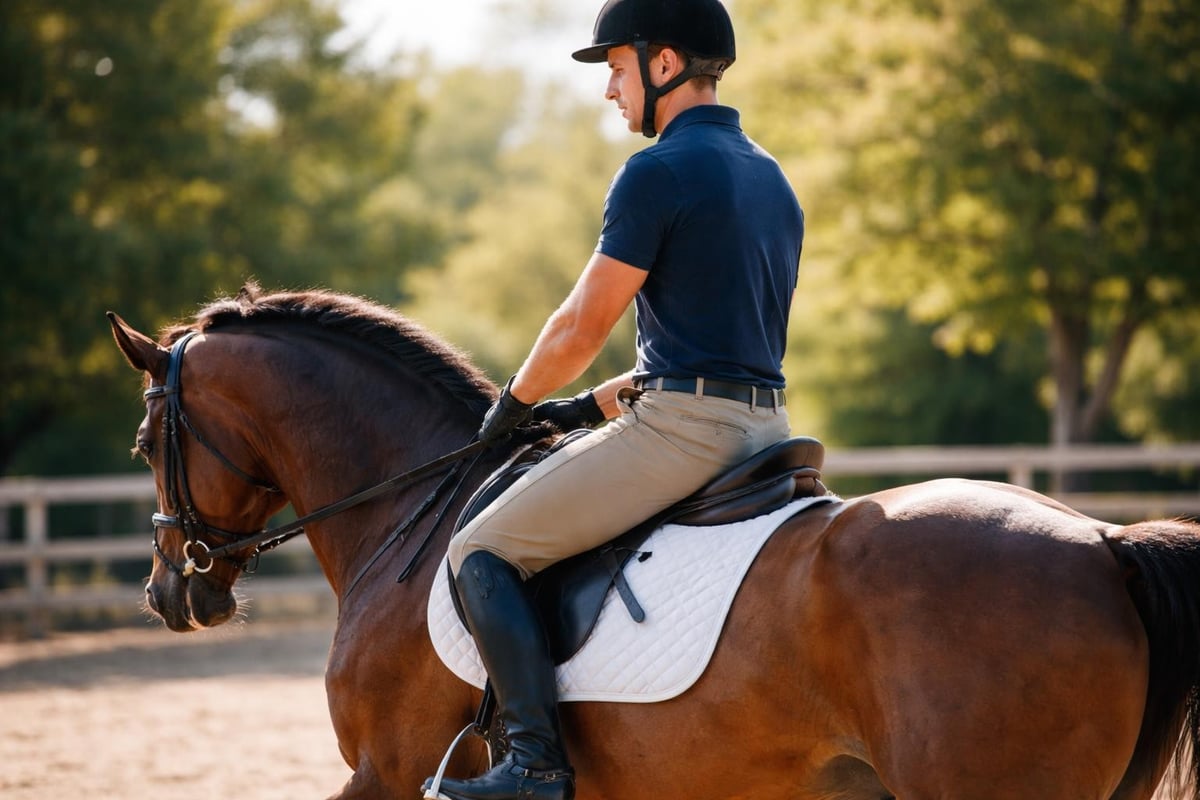
The foundation of effective mens horse riding starts with body position and awareness. Unlike many sports where strength dominates, riding requires balance, subtle communication, and controlled movement. Your seat forms the primary connection with your horse, transmitting intentions through weight shifts and postural adjustments that precede any hand or leg cues.
Position begins with alignment. Your ear, shoulder, hip, and heel should form a straight line when viewed from the side. This isn't about rigidity but about creating a balanced framework that moves with the horse rather than against it. Many new riders make the mistake of gripping with their knees or thighs, which ironically reduces stability and tires you quickly.
Core Engagement and Movement
Your core stabilizes your upper body whilst allowing your hips to follow the horse's motion. Think of your lower back and pelvis as a suspension system that absorbs movement. Stiff hips create bouncing, which disrupts the horse and exhausts the rider. Developing this independent seat-where your upper body remains quiet whilst your lower body moves-takes time but transforms your riding.
Breathing matters more than most riders realize. Tension restricts breathing, which creates more tension-a cycle that affects both you and your horse. Conscious, deep breathing keeps your body supple and your mind focused, particularly during challenging moments.
Essential Techniques Every Male Rider Should Master
Mastering mens horse riding requires deliberate practice of specific skills that build upon each other. These techniques form the vocabulary through which you communicate with your horse.
The Walk: Foundation of All Gaits
Walking seems straightforward, but it reveals everything about a rider's balance and effectiveness. A proper walk allows the horse to move freely through the shoulder, with a relaxed neck and rhythmic stride. Your hands should maintain a soft, elastic contact-not rigid or restrictive. Proper riding technique emphasizes the importance of establishing good habits at the walk before progressing to faster gaits.
Your legs hang naturally, making contact with the horse's sides without gripping. When you need more energy, a gentle squeeze or light tap should suffice. Constant nagging with your legs dulls the horse's responsiveness and creates unnecessary tension.
Trotting with Purpose
The trot tests your position and fitness. Rising or posting trot requires timing and core strength to lift your seat in rhythm with the horse's diagonal pairs of legs. Sitting trot demands a supple lower back and relaxed hip joints to absorb the bounce without stiffening.
Most riders struggle initially with sitting trot because they try to stay still rather than following the motion. The key lies in allowing your pelvis to tilt forward and back with each stride whilst keeping your upper body stable. This takes practice, but proper riding attire designed specifically for men makes a significant difference in comfort and grip during extended trot work.
| Trot Type | Key Challenge | Solution |
|---|---|---|
| Rising Trot | Timing and balance | Focus on the horse's outside shoulder, rise as it moves forward |
| Sitting Trot | Absorbing bounce | Relax lower back, allow pelvis to follow motion naturally |
| Extended Trot | Maintaining rhythm | Increase energy without rushing tempo |
Cantering with Confidence
Canter introduces rotation-the horse's body rocks side to side as well as forward. Your hips must move with this three-beat gait, following the rolling motion whilst your upper body stays centred. The common mistake involves leaning forward, which puts you ahead of the movement and compromises balance.
Asking for canter requires coordination. The outside leg moves back slightly whilst the inside leg remains at the girth, combined with a subtle shift of weight to encourage the horse to strike off on the correct lead. Clean transitions come from preparation and timing rather than force.
Building Strength and Stamina for Mens Horse Riding
Physical conditioning directly impacts riding performance. Whilst you don't need to be an athlete to enjoy mens horse riding, targeted fitness work improves your endurance, prevents injury, and enhances your ability to influence the horse effectively.
Lower Body and Core Work
Squats, lunges, and single-leg exercises build the leg strength needed for maintaining position and giving clear aids. Your inner thighs and hip flexors work constantly whilst riding, so strengthening these areas reduces fatigue. However, flexibility matters as much as strength. Tight hip flexors restrict your seat's ability to follow motion.
Planks, Russian twists, and other core exercises develop the stability that keeps your upper body quiet. A strong core also protects your lower back during long rides or when handling unexpected movements from the horse.
Cardiovascular Fitness
Riding demands sustained effort, particularly during jumping, cross-country, or intensive schooling sessions. Running, cycling, or swimming builds the cardiovascular base that allows you to maintain focus and effectiveness throughout a ride. Better fitness also means better breathing control, which directly affects your relaxation and the horse's responsiveness.
Stretching and mobility work prevent the stiffness that develops from repetitive movements and asymmetrical loads. Yoga or dedicated stretching routines for riders address common tight areas: hip flexors, hamstrings, shoulders, and lower back.
Choosing the Right Kit for Mens Horse Riding
What you wear affects how you ride. Proper equestrian clothing for men isn't about fashion-it's about function that enables better performance whilst looking the part.
Breeches: The Foundation Layer
Quality breeches designed for men make an immediate difference. They need to fit properly through the seat and thigh without excess fabric that bunches or creates pressure points. The right pair provides grip where you need it-either full seat or knee patch-without restricting movement.
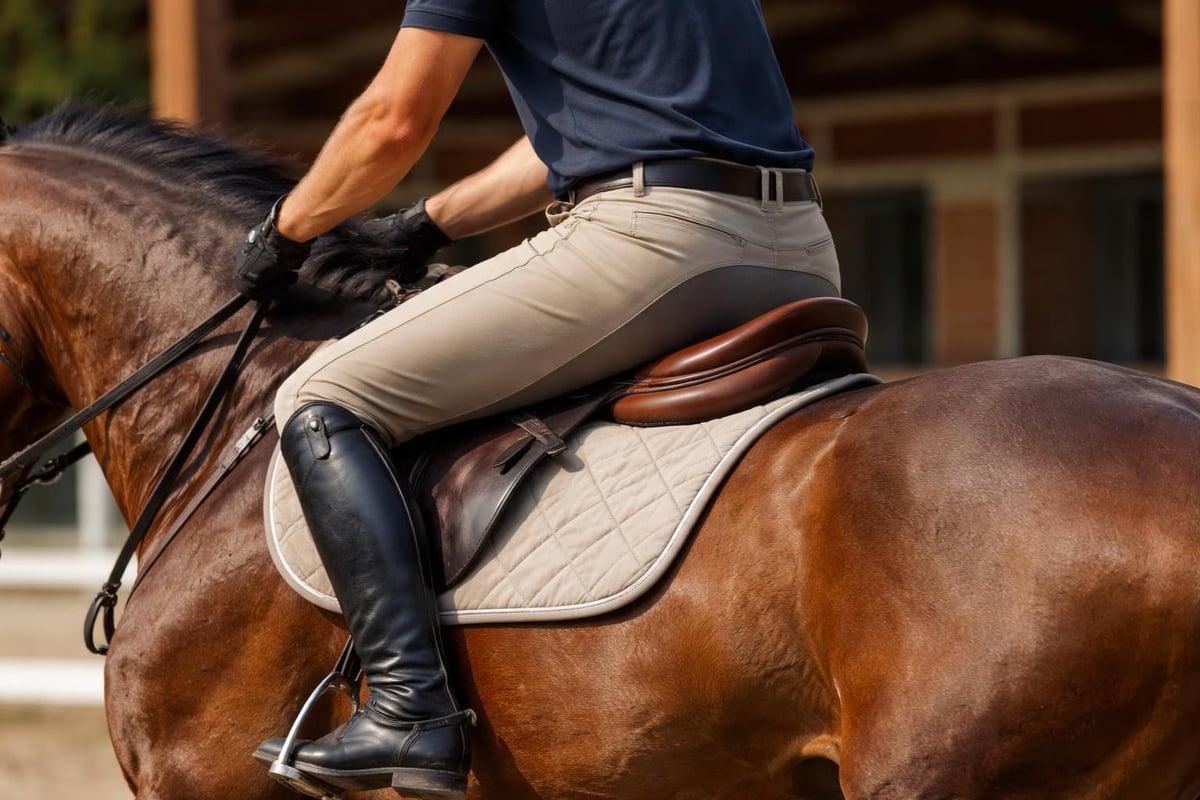
Stretch fabrics that move with you whilst maintaining their shape throughout a ride separate good breeches from inadequate ones. Moisture-wicking properties keep you comfortable during warm weather or intense work. Understanding full-seat versus knee-grip options helps you choose based on your discipline and preferences.
Shirts and Jackets
Technical shirts handle sweat whilst allowing freedom of movement through the shoulders and arms. Polo-style designs work well for training, combining functionality with a clean aesthetic that transitions easily from barn to casual settings. In cooler weather or for competition, jackets need to fit properly through the shoulders without restricting your arm movement.
Waterproof riding jackets designed for men account for broader shoulders and longer torsos compared to unisex options. Breathability matters as much as water resistance-you'll generate heat whilst riding, so a jacket that traps moisture inside defeats the purpose.
Boots and Footwear
Riding boots serve multiple functions: protecting your legs, providing grip in the stirrup, and enabling clear leg aids. Tall boots offer the most comprehensive coverage and a polished appearance, whilst paddock boots with half chaps provide versatility and easier care.
The heel height matters for safety-enough to prevent your foot from sliding through the stirrup but not so much that it affects your ankle position. Soles should grip the stirrup without being so sticky that your foot can't release in an emergency.
| Footwear Type | Best For | Key Features |
|---|---|---|
| Tall Boots | Competition, dressage | Full leg coverage, polished appearance |
| Paddock Boots + Chaps | Training, versatility | Easy on/off, adjustable fit |
| Field Boots | All-purpose, jumping | Lacing for ankle flex, protective |
Developing Feel and Communication
Effective mens horse riding transcends physical technique-it requires developing feel, which is the ability to sense what the horse is doing and about to do, then respond appropriately. This sensitivity comes through experience but can be cultivated consciously.
Reading Your Horse
Horses communicate constantly through their body language, tension patterns, and energy levels. Learning to notice subtle changes-ears flickering back, a slight hollowing of the back, a quickening of steps-allows you to address small issues before they become problems. This awareness develops over time but accelerates when you ride different horses and consciously observe their responses.
Mental preparation matters as much as physical readiness. Horses respond to your emotional state, so approaching each ride with focused calm produces better results than bringing stress or distraction to the barn. This doesn't mean suppressing emotions but rather acknowledging them and choosing to focus on the present moment.
Timing and Consistency
Effective aids depend on timing. A leg aid given half a stride too late confuses the horse rather than clarifies your request. Developing this sense of timing requires repetition and attention. Start with simple requests at walk, where you have more time to think and feel, before progressing to faster gaits.
Consistency in your aids-using the same cues for the same requests-builds clear communication. Horses learn patterns quickly, so maintaining steady expectations helps them understand and respond reliably. This doesn't mean rigidity but rather thoughtful application of aids that the horse can understand.
Common Challenges in Mens Horse Riding
Every rider faces obstacles. Recognizing common challenges helps you address them constructively rather than getting frustrated.
Balance and Asymmetry
Most people have a dominant side that affects their riding. You might sit slightly heavier on one seat bone, carry one shoulder higher, or have more strength in one leg. These asymmetries influence the horse, creating crookedness or resistance. Regular assessment by an instructor and targeted exercises help minimize these patterns.
Taking lessons from experienced instructors provides external observation that identifies issues you can't feel yourself. Video recording your rides offers valuable feedback on position and effectiveness.
Mental Barriers
Confidence issues affect riders at all levels. Whether recovering from a fall, facing a new challenge, or dealing with a difficult horse, mental barriers can limit progress as much as physical limitations. Addressing these requires honest self-assessment, potentially working with a sports psychologist, and choosing appropriate challenges that build success gradually.
Physical Limitations and Adaptation
Injuries, age, or physical conditions don't necessarily prevent enjoyable mens horse riding. Adaptation might involve different equipment, modified techniques, or choosing horses suited to your needs. The riding community includes successful riders across all physical conditions-what matters is finding what works for your situation.
Discipline-Specific Considerations
Different riding disciplines emphasize various aspects of mens horse riding, though fundamental skills apply across all styles.
Dressage and Flatwork
Dressage focuses on precision, rhythm, and developing the horse's athletic ability through systematic training. Success requires subtle aids, independent seat, and deep understanding of biomechanics. The aesthetic demands attention to turnout-both horse and rider should present a polished image that reflects the discipline's refinement.
Jumping and Eventing
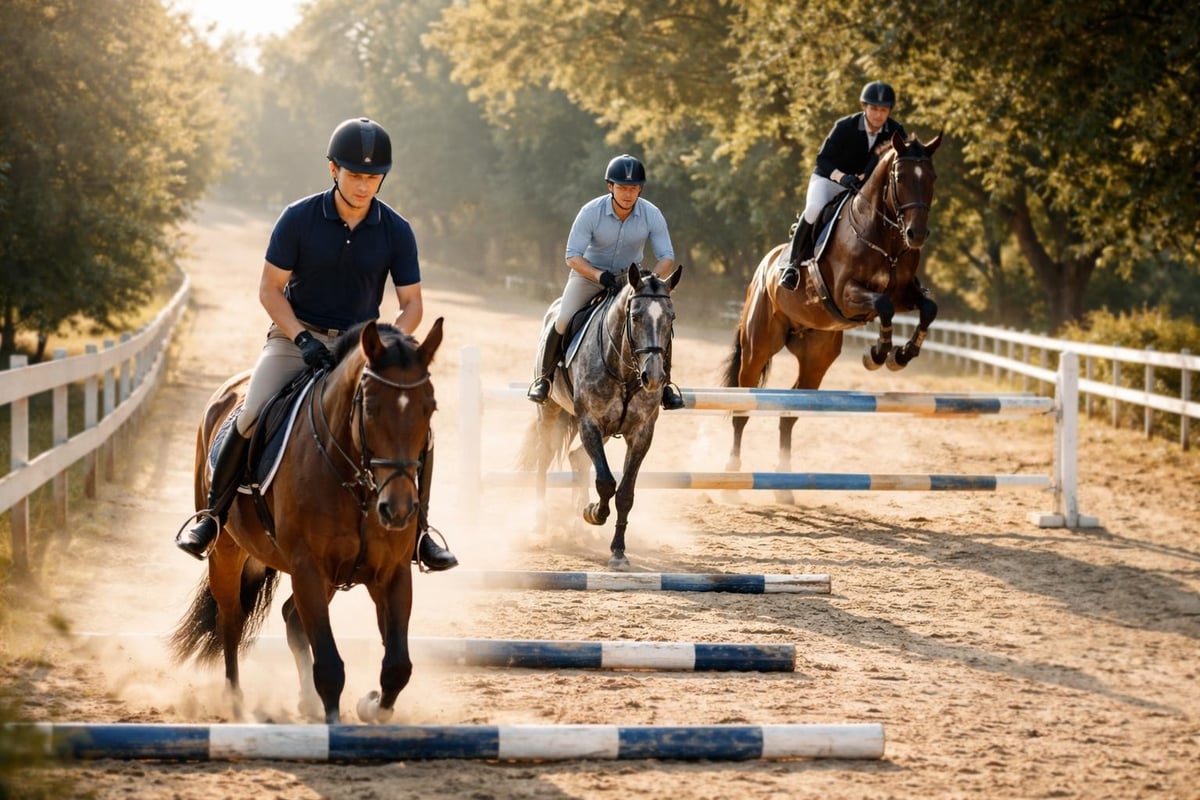
Jumping adds the dimension of obstacle navigation, requiring timing, courage, and an automatic release over fences. Your position shifts slightly-lighter seat, following hands-to allow the horse freedom whilst maintaining security. Cross-country further tests bravery and adaptability across varied terrain and solid obstacles.
Western Riding
Western disciplines emphasize different position elements: deeper seat, longer stirrups, and rein handling that differs from English styles. The principles of balance, communication, and harmony remain constant despite the stylistic differences. Many riders benefit from exposure to multiple disciplines, as each offers unique insights.
Trail and Pleasure Riding
Recreational riding offers freedom from the constraints of competition whilst still benefiting from good technique. Proper position prevents fatigue and allows you to handle unexpected situations safely. Long trail rides demand particular attention to comfort and endurance, both for you and your horse.
Safety and Risk Management
Mens horse riding involves inherent risks that require acknowledgment and mitigation rather than dismissal.
Protective Equipment
Helmets aren't optional. Modern riding helmets designed to current safety standards significantly reduce head injury risk. Replace helmets after any impact or every five years regardless of visible damage. Body protectors add another layer of protection, particularly for jumping or young horses.
Gloves protect your hands and improve grip, especially in wet conditions. They also prevent rope burn if a horse pulls away unexpectedly. Safety stirrups that release under pressure provide an additional safety margin.
Horse Handling Safety
Much of riding safety happens before you mount. Approaching horses correctly, using appropriate tack, and conducting pre-ride safety checks prevent many incidents. Understanding horse behavior and body language helps you anticipate and avoid potentially dangerous situations.
Emergency Preparedness
Knowing basic first aid for both humans and horses, riding with others when possible, and carrying communication devices during solo rides demonstrate responsible risk management. Having a plan for what to do if something goes wrong reduces panic and improves outcomes.
Progressing Your Skills
Improvement in mens horse riding follows a non-linear path. Some days feel like breakthroughs; others seem like steps backward. Consistent, mindful practice over time produces results.
Setting Realistic Goals
Specific, measurable goals give your riding purpose and direction. "Improve my sitting trot" becomes more actionable when defined as "sit the trot for one full circle without bouncing within six weeks." Breaking larger ambitions into smaller milestones maintains motivation and allows you to track genuine progress.
Diversifying Your Experience
Riding different horses exposes you to varied responses and challenges, accelerating your learning. Each horse teaches something different-one might help you refine your leg aids, another demands softer hands. Clinics, training sessions with different instructors, and exposure to various disciplines broaden your understanding.
Recording and Reflection
Keeping a riding journal captures insights, tracks progress, and identifies patterns. Notes about what worked, what didn't, and how the horse felt provide valuable data for adjusting your approach. Video analysis reveals details that you can't feel whilst riding, offering objective feedback on position and technique.
The Lifestyle Beyond the Arena
Mens horse riding extends beyond the time spent in the saddle. The community, the care relationships with horses, and the lifestyle elements all contribute to the experience.
Building Riding Communities
Connections with other riders provide support, knowledge exchange, and motivation. Whether through your barn, competitions, or online communities, these relationships enrich your riding journey. The equestrian world values respect, horsemanship, and continuous learning-qualities that transcend competitive success.
Style and Practicality
The evolution of men's equestrian style reflects changing attitudes toward riding apparel. Modern riders want kit that performs in the saddle but doesn't look out of place elsewhere. Quality pieces that transition from stable to everyday settings offer practical value whilst maintaining the aesthetic standards the sport deserves.
Technical fabrics, thoughtful design, and attention to fit have transformed what's available for male riders. This shift recognizes that men deserve clothing designed specifically for their proportions and preferences rather than adapted from women's lines.
Balancing Commitment and Life
Horses demand regular attention, which can challenge work schedules, family commitments, and other pursuits. Finding sustainable approaches-whether through part-ownership, riding school horses, or setting realistic frequency expectations-helps maintain long-term engagement without burnout.
The mental health benefits of time with horses shouldn't be underestimated. The focus required whilst riding, the connection with another being, and the outdoor environment combine to provide a counterbalance to modern life's pressures.
Investment and Value
Mens horse riding requires financial investment, but understanding where to allocate resources helps manage costs whilst maintaining quality.
Prioritizing Expenditure
Safety equipment and proper instruction represent non-negotiable investments. Quality basics that last outperform cheaper alternatives that need frequent replacement. As your riding develops, upgrading key items like breeches, boots, and potentially tack makes sense, but starting with reasonable entry-level options works fine for beginners.
Understanding the complete costs-including lessons, horse care if you own, travel to facilities, and ongoing equipment maintenance-helps set realistic budgets. Many riders find leasing or riding school horses provides the experience they want without full ownership responsibilities.
Choosing Quality Over Quantity
A smaller wardrobe of well-made pieces outperforms a larger collection of mediocre items. Performance riding clothing designed for men should last through years of regular use whilst maintaining fit, function, and appearance. This approach proves more economical long-term whilst ensuring you always have appropriate, comfortable kit available.
Mens horse riding rewards commitment with skills that develop over a lifetime, experiences that challenge and fulfill, and connections that enrich your life both in and out of the saddle. The fundamentals never change-balanced position, clear communication, and respect for the horse-but how you apply them evolves with experience and understanding. Whether you're just starting or refining advanced skills, having the right approach and proper kit makes every ride more effective and enjoyable. Gallant Equestrian creates performance-driven clothing designed specifically for men who ride, combining New Zealand craftsmanship with materials and fits that work as hard as you do. Look the Part. Enjoy the Ride.

