

The Mens Horse Riding Coat: Performance Meets Style
Feb 21, 2026
Choosing the right mens horse riding coat isn't just about looking sharp in the saddle. It's about finding a piece that performs when you need it, moves with you through transitions, and represents the way you approach riding. Whether you're schooling at dawn, competing under pressure, or heading to the pub after a long ride, your coat says something about your standards. The modern rider needs gear that works as hard as they do, without compromising on style or comfort. That balance between function and form defines what makes a truly exceptional riding coat in 2026.
Understanding Traditional Riding Coat Heritage
The riding coat has evolved significantly over centuries, shaped by practical needs and refined by tradition. Originally designed to protect riders from weather and brambles during hunts, these garments developed distinct features that still influence modern designs. The tailcoat became standard formal wear precisely because its rear tails prevented fabric bunching when seated on horseback.
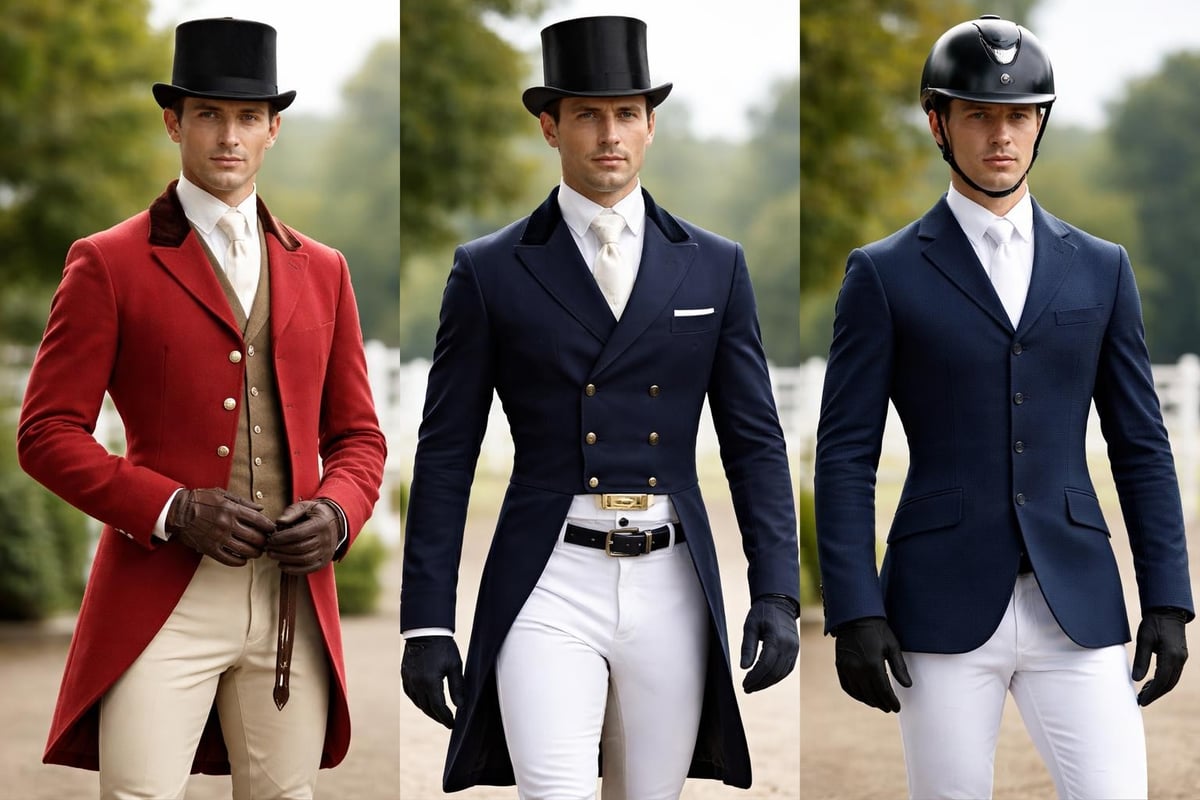
Traditional styles like the shadbelly emerged for specific disciplines. This formal coat, with its distinctive cutaway front and tails, remains the gold standard for upper-level dressage competitions. The covert coat, meanwhile, developed as a gentleman's overcoat specifically for hunting and riding, featuring a short length that cleared the saddle and reinforced pockets for carrying essentials.
Understanding this heritage matters because it informs the features you'll find in quality modern designs. The best contemporary mens horse riding coat options draw on these time-tested elements whilst incorporating advanced fabrics and construction methods.
Competition Coats: Discipline-Specific Requirements
Different equestrian disciplines demand different coat specifications. Getting this right matters when you're under scrutiny in the competition arena.
Dressage Standards
The USEF dressage attire guidelines outline specific requirements for competition coats. For lower levels, a conservative dark coat with subtle details typically suffices. As you progress through the levels, expectations evolve. Upper-level riders often choose shadbelies or tailcoats, though modern interpretations allow for some individual expression within traditional frameworks.
Modern dressage coats prioritise stretch fabrics that maintain a tailored appearance whilst allowing complete freedom of movement. Look for four-way stretch in key areas, particularly across the shoulders and through the back panel. This ensures your position remains unrestricted during extended movements and collected work.
Show Jumping Requirements
Show jumping allows slightly more flexibility in style. Many riders opt for shorter jackets that don't interfere with the forward jumping position. The coat needs to stay put during tight turns and over fences without riding up or restricting arm movement.
Technical fabrics that wick moisture prove essential during intense rounds. Competitions often run long, and a coat that manages body temperature effectively keeps you comfortable and focused. Reinforced seams and robust closures withstand the athletic demands of the discipline.
Working Equitation and Western Disciplines
Working equitation presents unique requirements that blend traditional Spanish and Portuguese riding culture with contemporary performance needs. Acceptable coats range from bolero-style jackets to traditional hunting coats, depending on the specific class and level.
Similarly, cowboy dressage regulations specify suitable coat options that honour Western heritage whilst meeting modern competition standards. These disciplines often permit more individual expression, allowing riders to showcase personal style within established guidelines.
Fabric Technology and Performance Features
The materials in your mens horse riding coat determine how it performs across varying conditions. Modern technical fabrics have revolutionised what's possible in equestrian outerwear.
Stretch fabrics now dominate performance riding wear. Four-way stretch moves with your body, eliminating the restrictive feel of older coat designs. This elasticity proves particularly valuable during mounting, posting, and reaching forward over fences. Quality stretch fabrics maintain their shape after repeated wear and washing, returning to their original fit rather than sagging or losing structure.
Water resistance varies significantly between coat styles and intended uses. Competition coats typically prioritise breathability over waterproofing, as most competitions postpone or cancel during heavy rain. Training coats, conversely, need serious weather protection. Look for coats with DWR (durable water repellent) finishes on technical shell fabrics. These shed light rain and morning dew whilst remaining breathable enough for active riding.
Breathability matters more than many riders initially recognise. A coat that traps heat and moisture becomes uncomfortable quickly, particularly during warm-up sessions or physically demanding work. Technical mesh linings, laser-cut ventilation panels, and moisture-wicking inner layers all contribute to better temperature regulation.
Fit and Tailoring Considerations
Proper fit transforms a decent coat into exceptional riding wear. Unlike casual jackets, a mens horse riding coat must accommodate specific riding positions whilst maintaining a refined silhouette.
Shoulder Construction
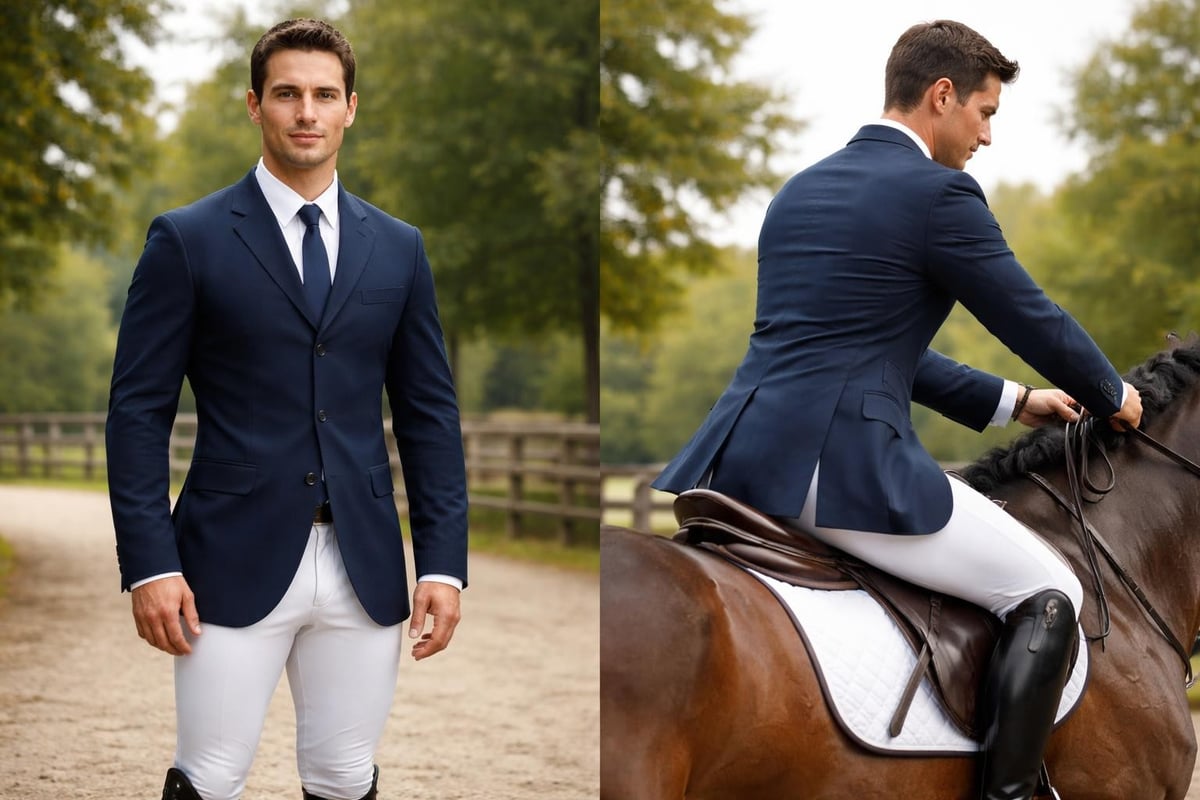
Shoulder design proves critical. The coat must allow full arm mobility for rein work without excess fabric bunching across the back. Raglan sleeves or bi-swing back panels provide this movement. Try raising your arms forward and upward as if posting or riding over fences. The coat should move smoothly without pulling across your shoulders or restricting range.
Length and Proportions
Traditional riding coat length sits just below the hip, long enough to create a clean line whilst clearing the saddle when mounted. Longer coats can bunch uncomfortably when seated. Shorter cuts work for active disciplines but may appear casual for formal competitions.
Sleeve length requires particular attention. Too short looks unfinished and exposes shirt cuffs excessively. Too long creates bulk at the wrist and interferes with rein contact. The sleeve should end at your wrist bone, allowing a quarter to half inch of shirt cuff to show.
Torso Fit
Through the torso, you want a tailored appearance without tightness. The coat should close comfortably over your competition shirt without gaping or straining at the buttons. When mounted, sit in your normal riding position. The coat shouldn't pull across your chest or ride up excessively at the back.
Modern designs often incorporate stretch panels at strategic points, particularly along the side seams and across the upper back. These allow for natural body movement and breathing whilst maintaining the structured appearance expected in quality riding wear.
Training and Everyday Riding Options
Not every ride requires formal competition attire. Practical training coats balance protection, mobility, and durability for daily stable work.
The duster coat tradition continues in modern riding wear, particularly for riders in dusty or variable weather conditions. Contemporary versions use technical fabrics rather than traditional oilcloth, providing superior weather protection without the weight and stiffness of historical designs.
Softshell jackets have become increasingly popular for training and casual riding. These offer excellent weather resistance, breathability, and freedom of movement. Quality softshells resist wind and shed light precipitation whilst remaining flexible enough for active riding. They transition seamlessly from saddle to daily wear, making them practical choices for riders who value versatility.
Insulated options matter for winter riding. Look for coats with removable insulation layers or packable warmth that doesn't restrict movement. Synthetic insulation typically performs better than down in equestrian applications, as it maintains warmth even when damp and dries more quickly after exposure to moisture or sweat.
Styling Beyond the Arena
A quality mens horse riding coat should function beyond competition and training. The best designs transition naturally into everyday situations, representing value and versatility.
Colour selection influences versatility. Traditional navy, black, and dark grey work across competitive and casual contexts. These colours pair easily with most wardrobes and maintain professional appearance whether you're schooling or meeting friends. More distinctive colours, whilst permitted in some disciplines, limit where you'll comfortably wear the coat outside riding contexts.
Detail work distinguishes exceptional coats from adequate ones. Subtle design elements like tonal stitching, quality hardware, and refined pocket placement elevate appearance without appearing fussy. These details catch the eye of those who understand quality whilst remaining understated enough for varied settings.
Modern equestrian jacket collections demonstrate this crossover appeal. Brands increasingly recognise that riders want garments that serve multiple purposes. A well-designed riding coat works equally well for stable mornings, country walks, and casual dinners.
Construction quality determines longevity. Reinforced seams, robust zippers, and quality button placement ensure your coat withstands regular use. Check seam finishing, particularly at stress points like armholes and shoulders. Quality coats use flat-felled or double-stitched seams that resist fraying and separation even after years of wear and cleaning.
Care and Maintenance
Proper care extends the life of your mens horse riding coat considerably. Different fabrics require specific approaches.
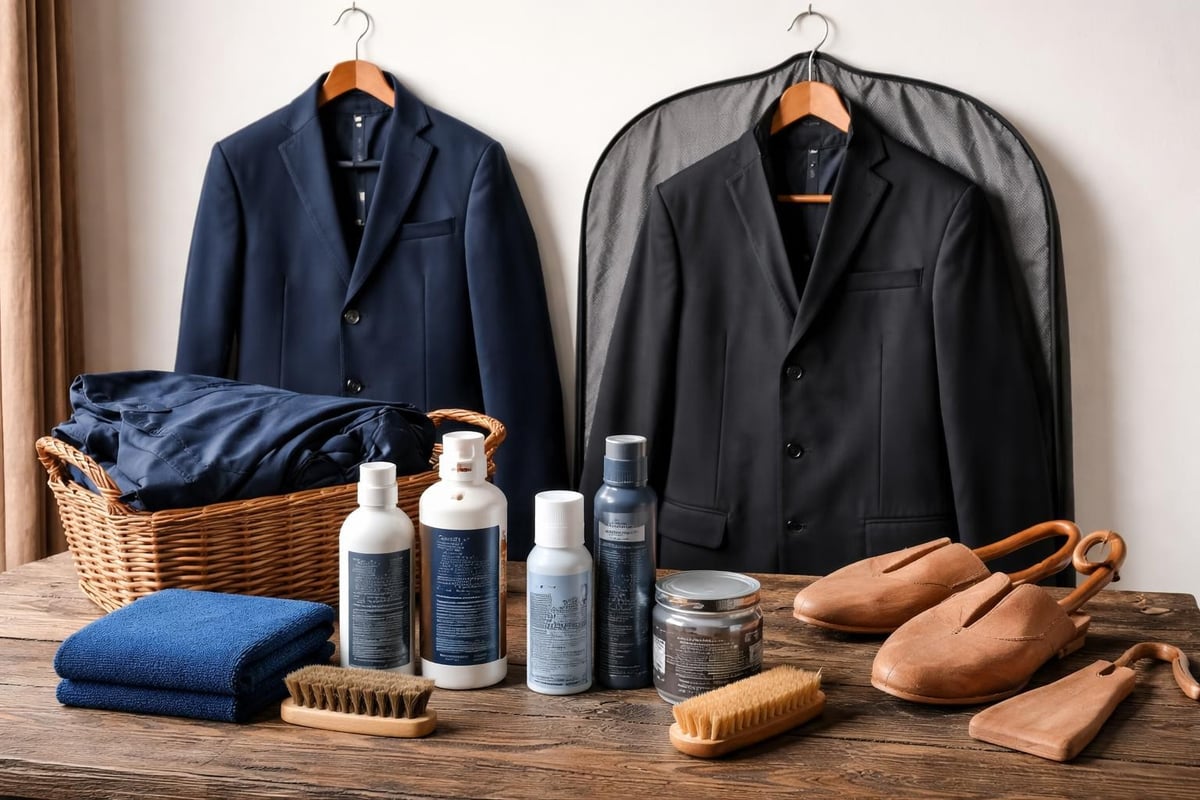
Technical fabrics typically handle machine washing well, though always check manufacturer guidelines. Use mild detergent without fabric softeners, which can impair technical fabric performance by clogging fibres. Wash in cool water on gentle cycles to preserve fabric elasticity and finishes.
Water-resistant coatings benefit from periodic reactivation. Tumble drying on low heat can restore DWR finishes, as can purpose-made reactivation sprays. This maintains weather protection as coatings gradually wear through normal use.
Structured competition coats often require professional cleaning to maintain their shape and appearance. The internal construction and padding that creates their tailored silhouette can distort with improper washing. Steam pressing helps restore crisp lines between wears.
Storage matters as much as cleaning. Hang coats properly using shaped hangers that support the shoulders. Avoid wire hangers that create permanent creases and distort shoulder lines. Store in breathable garment bags rather than plastic, which can trap moisture and promote mildew in stored fabrics.
Investment Pieces and Budget Considerations
Quality mens horse riding coat options span considerable price ranges. Understanding what drives these differences helps you invest wisely.
Entry-level competition coats typically start around £150 to £250. These provide acceptable appearance and basic functionality for occasional competitors or riders just entering showing disciplines. Fabrics tend toward poly-cotton blends with limited stretch. Construction remains adequate but may not withstand intensive daily use over multiple seasons.
Mid-range options from £300 to £600 offer significantly improved fabrics, better cut, and enhanced durability. This bracket typically includes four-way stretch fabrics, better tailoring, and thoughtful design details. For regular competitors and serious enthusiasts, this range represents the sweet spot of value and performance.
Premium coats exceed £700, with top-end options reaching £1,500 or more. These justify their cost through exceptional fabric technology, superior construction, and refined fit. Custom tailoring, exclusive materials, and brand heritage contribute to premium pricing. For professional riders or those competing at upper levels where presentation matters significantly, these investments make sense.
Consider cost per wear when evaluating options. A £500 coat worn weekly for several years proves more economical than a £150 coat requiring replacement every season. Quality construction and materials outlast budget alternatives considerably.
When exploring riding clothes brands, consider how their design philosophy aligns with your needs. Brands focused on performance-driven clothing for active riders approach construction differently than those emphasising traditional styling alone.
Seasonal Adaptability
Your mens horse riding coat needs change with seasons and climate. Smart riders build layering systems rather than relying on single garments.
Spring and autumn demand versatile mid-weight options. Temperatures fluctuate significantly between early morning rides and midday sessions. Coats with removable linings or those designed for layering over vests and jumpers offer flexibility. Look for designs that accommodate thermal base layers without becoming restrictive or bulky.
Summer competitions present unique challenges. Lightweight competition coats in breathable fabrics prevent overheating during warm-weather shows. Mesh linings, moisture-wicking properties, and light colours all help manage heat. Some riders maintain separate summer and winter competition coats, recognising the distinct requirements.
Winter riding requires serious weather protection. Insulated coats with wind-resistant outer shells protect during harsh conditions. However, avoid excessive bulk that restricts movement or interferes with saddle fit and position. Layering typically works better than single heavy garments, allowing you to adjust insulation as conditions and activity levels change.
Rain protection varies by discipline and competition rules. Training coats should offer genuine waterproofing for all-weather riding. Competition regulations sometimes restrict waterproof outer layers in the ring, requiring riders to warm up in rain gear then remove it before entering. Understanding your discipline's specific requirements prevents last-minute surprises.
Modern Design Innovation
Contemporary mens horse riding coat design has evolved dramatically in recent years. Brands increasingly recognise male riders' distinct needs and preferences.
Traditional equestrian clothing often adapted women's designs for men, resulting in fits that didn't account for broader shoulders, longer torsos, and different proportions. Modern collections now build from male-specific patterns, creating garments that fit properly from the outset.
Minimalist design trends influence current riding wear aesthetics. Clean lines, reduced embellishment, and subtle branding appeal to riders seeking refined appearance without fussiness. This approach aligns well with the understated confidence many male riders prefer in their presentation.
Technical innovation continues advancing. Smart fabrics that adapt to temperature, antimicrobial treatments that reduce odour, and increasingly durable water-resistant finishes all enhance performance. These technologies filter down from high-end outdoor and athletic wear into equestrian applications.
Sustainability considerations increasingly influence purchasing decisions. Riders concerned about environmental impact seek brands using recycled materials, responsible manufacturing, and durable construction that reduces replacement frequency. Quality that lasts inherently proves more sustainable than disposable alternatives requiring frequent replacement.
Colour innovation moves beyond traditional navy and black, though conservative hues remain dominant for competitions. Charcoal, deep greens, and subtle patterns appear in training and casual riding wear. These options let riders express personality whilst maintaining the refined aesthetic appropriate to the sport.
Finding Your Signature Style
Your mens horse riding coat should reflect how you approach riding and life beyond the stable. This isn't about following trends blindly, but rather finding pieces that genuinely suit your needs and preferences.
Consider your primary discipline and how formal your typical riding contexts are. Dressage riders need different solutions than eventers or casual trail riders. Your coat collection might include a formal competition piece, a versatile training coat, and a weather-focused option for harsh conditions.
Personal style matters even within traditional parameters. Some riders prefer classic cuts that echo historical designs, whilst others lean toward contemporary minimalism. Both approaches prove valid when executed with quality materials and construction.
Brand values increasingly influence purchasing decisions. Riders appreciate companies that understand their specific needs, source responsibly, and stand behind their products. Investigating a brand's background, manufacturing approaches, and customer service helps identify those worth supporting.
Fit trumps fashion every time. An impeccably constructed coat that doesn't fit properly never looks or performs as well as a simpler design tailored to your body. If standard sizing doesn't work well, consider brands offering multiple fit options or explore made-to-measure services.
The relationship between performance and aesthetics defines modern riding wear. You shouldn't compromise function for appearance or vice versa. The best mens horse riding coat options deliver both, supporting your riding whilst presenting the image you want to project.
The right mens horse riding coat combines heritage, performance, and personal style into a garment that serves you well across varied contexts. Whether you're preparing for competition, schooling through winter mornings, or simply want clothing that transitions seamlessly between stable and social settings, quality matters. Gallant Equestrian creates performance-driven riding wear designed specifically for men who take their riding seriously. Built in New Zealand to withstand demanding conditions, their collection delivers the functionality and refined style that modern riders deserve. Look the Part. Enjoy the Ride.

