

Men's Horse Riding Wear: The Complete Guide for 2026
Jul 10, 2026
Choosing the right mens horse riding wear isn't just about looking sharp in the saddle. It's about finding kit that performs when it matters, lasts through countless rides, and transitions seamlessly from stable yard to everyday life. The right clothing enhances your connection with your horse, supports proper riding position, and gives you the confidence to focus on what truly matters: the ride itself. Whether you're competing at show level, training daily, or enjoying weekend hacks, your wardrobe needs to work as hard as you do.
Understanding the Foundations of Mens Horse Riding Wear
The evolution of equestrian attire reveals how function and tradition have shaped what we wear today. Modern mens horse riding wear balances centuries-old standards with contemporary performance fabrics and ergonomic design. The basics remain consistent: proper breeches, appropriate footwear, and layering pieces that protect without restricting movement.
Your foundation starts with understanding the demands of your discipline. Dressage riders need a different cut than show jumpers, whilst everyday training requires durability over formal presentation. The key is selecting pieces that respect tradition whilst embracing modern materials that actually make riding more comfortable.
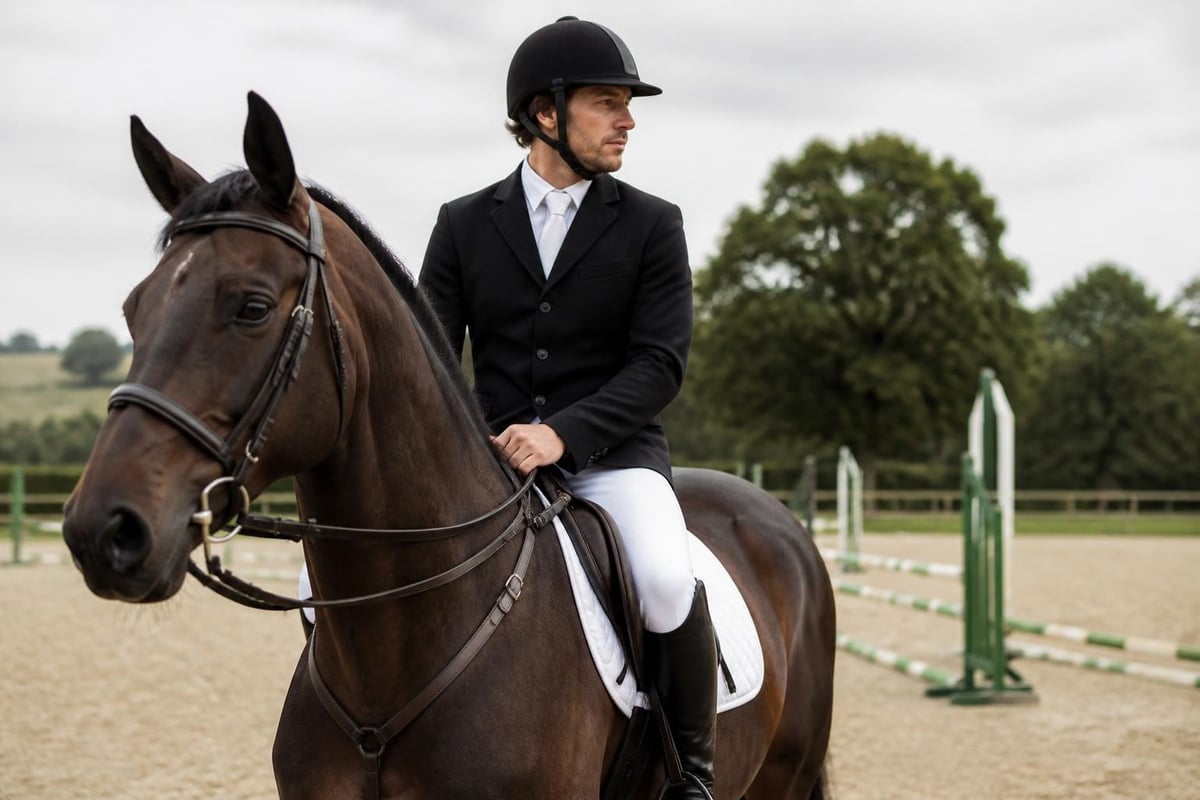
Performance fabrics have revolutionized mens horse riding wear. Technical materials wick moisture, stretch in four directions, and maintain their shape ride after ride. These innovations mean you're not choosing between comfort and durability anymore. Quality pieces handle the demands of serious riding whilst looking refined enough for any setting.
Breeches: The Core of Your Riding Kit
Breeches define your riding experience more than any other single piece. The right pair provides grip where you need it, flexibility through your hips and knees, and durability in high-wear zones. Modern mens horse riding clothes incorporate stretch panels, reinforced seams, and moisture-wicking technology that keeps you comfortable through long sessions.
Fit and Function in Modern Breeches
Proper breeches sit at your natural waist, not your hips. This positioning ensures they stay put during posting and jumping whilst providing the core support serious riders need. The seat should be smooth without excess fabric that bunches or creates pressure points. Quality construction means flatlock seams that won't chafe and gusseted crotches that allow unrestricted movement.
Full-seat breeches offer maximum grip for dressage and training, whilst knee-patch designs suit show jumping and general riding. The choice depends on your discipline and personal preference, though many riders keep both styles in rotation. Silicone or leather grips provide security without adding bulk, and modern designs ensure these elements remain effective wash after wash.
| Breeches Feature | Benefit | Best For |
|---|---|---|
| Full Seat Grip | Maximum stability and position control | Dressage, training, flatwork |
| Knee Patch | Targeted grip with lighter feel | Show jumping, general riding |
| Four-Way Stretch | Unrestricted movement and comfort | All disciplines, daily training |
| Mid-Rise Waist | Proper position, stays secure | All riding styles |
| Reinforced Inner Leg | Extended durability in high-wear zone | Frequent riders, training |
Colour matters more than you might think. Navy and bone remain timeless choices that work across disciplines and pair effortlessly with any jacket or shirt. Black offers versatility for both riding and casual wear. These neutral tones ensure your mens horse riding wear maintains a cohesive, refined appearance regardless of how you mix and match pieces.
Jackets and Outerwear: Protection Meets Performance
Your riding jacket serves multiple roles: weather protection, temperature regulation, and in competition settings, adherence to equestrian dress codes. The right jacket moves with you, breathes during intense work, and maintains its structure ride after ride. Modern designs have moved beyond heavy, restrictive cuts to embrace technical fabrics that actually enhance performance.
Competition jackets demand precise tailoring. They should fit close through the body without restricting your shoulders or arms, with sleeves that stay put when you're reaching forward over jumps or maintaining contact through lateral work. Traditional colours (navy, black, dark grey) remain standard, though subtle details distinguish quality pieces from basic alternatives.
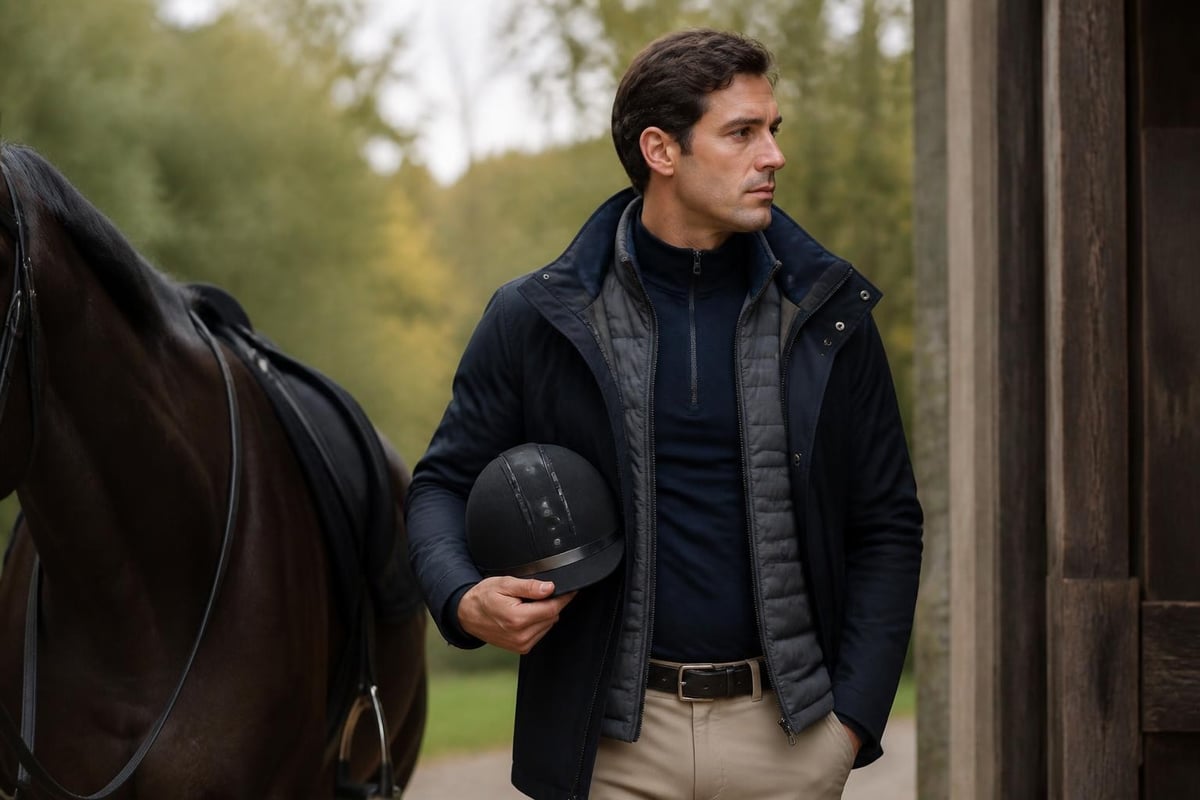
For everyday riding, versatility becomes paramount. A quality waterproof riding jacket for men handles changeable weather whilst looking sharp enough for life beyond the stable. Features like adjustable cuffs, longer back hems, and breathable membranes distinguish riding-specific designs from standard athletic wear.
Shells and Weather Protection
Technical shells represent the pinnacle of practical mens horse riding wear. These pieces shield you from wind and rain without trapping heat and moisture inside. Look for pit zips or back vents that provide airflow during active riding, waterproof zippers that won't leak during prolonged exposure, and ergonomic cuts that accommodate the riding position.
Three-layer construction offers the best protection and durability, though it comes at a premium price point. Two-layer shells balance performance and value, particularly for riders who don't face extreme conditions regularly. Either way, sealed seams and adjustable hoods provide the weatherproofing serious riders require.
Shirts and Base Layers: The Details That Matter
What you wear under your jacket influences comfort and performance more than most riders realize. Proper base layers wick moisture, regulate temperature, and create a foundation for your entire outfit. Essential mens horse riding wear starts with pieces that work close to your skin, managing perspiration and maintaining comfort regardless of intensity or weather.
Technical shirts designed for riding incorporate stretch, breathability, and cuts that account for forward-leaning postures and raised arms. Collar styles matter too. Traditional show shirts feature button-down collars that maintain a refined appearance under competition jackets, whilst polo-style designs offer casual versatility for training and everyday riding.
| Shirt Type | Key Features | Ideal Use |
|---|---|---|
| Technical Base Layer | Moisture-wicking, seamless, compression fit | Year-round foundation under all clothing |
| Long-Sleeve Competition Shirt | Structured collar, tailored fit, performance fabric | Shows, formal riding, competitions |
| Polo Shirt | Casual collar, breathable, easy care | Training, casual riding, warm weather |
| Quarter-Zip Mid-Layer | Temperature regulation, versatile, layerable | Cool weather training, transitions |
Fabric weight changes with seasons and riding intensity. Lightweight materials suit summer training and high-intensity work, whilst mid-weight options handle spring and autumn conditions. Winter riding demands proper base layers under mid-layers, creating systems that trap warmth without adding bulk or restricting movement.
Colour coordination extends beyond simple matching. Navy, white, and neutral tones form the backbone of a versatile riding wardrobe, allowing pieces to work together across multiple combinations. This approach maximizes your investment in quality mens horse riding wear whilst ensuring you always look intentional and put-together.
Show Wear: Understanding Competition Standards
Competition settings elevate expectations for mens horse riding wear considerably. Each discipline maintains specific standards outlined in equestrian competition dress codes, from jacket styles and colours to permitted shirt choices and accessory details. Understanding these requirements ensures you're prepared for any event without last-minute scrambling.
Dressage competitions typically require dark jackets (black or navy), white or light-coloured breeches, and conservative shirts with stock ties or plain white stocks at higher levels. Show jackets for horse riding should fit impeccably, with clean lines that enhance your position rather than distract from it. The cut should allow full range of motion whilst maintaining structure and formality.
Show jumping permits slightly more flexibility in colour and style, though traditional navy or black jackets remain most common at serious levels. Proper show attire includes polished boots, subtle belts, and shirts that coordinate without drawing excessive attention. The goal is refined presentation that respects tradition whilst showcasing your personal attention to detail.
Tailoring and Fit for Competition
Off-the-rack pieces rarely achieve the precision fit required for top-level competition. Quality mens horse riding wear should be tailored to your specific measurements, ensuring sleeves end at your wrist bone, jacket length covers your seat, and breeches provide compression without restriction. These details matter in the show ring, where judges assess overall presentation alongside riding performance.
Investment in proper alterations transforms good pieces into exceptional ones. A skilled tailor familiar with riding wear understands where adjustments enhance both appearance and function. Sleeve pitch, jacket length, and trouser breaks all influence how polished you appear mounted and unmounted.
Casual Riding Wear: Beyond the Arena
Not every ride demands competition-level formality. Casual horseback riding attire should still prioritize safety and functionality whilst allowing personal style to emerge. Quality mens horse riding wear designed for everyday use transitions effortlessly from morning training to afternoon errands without requiring a complete wardrobe change.
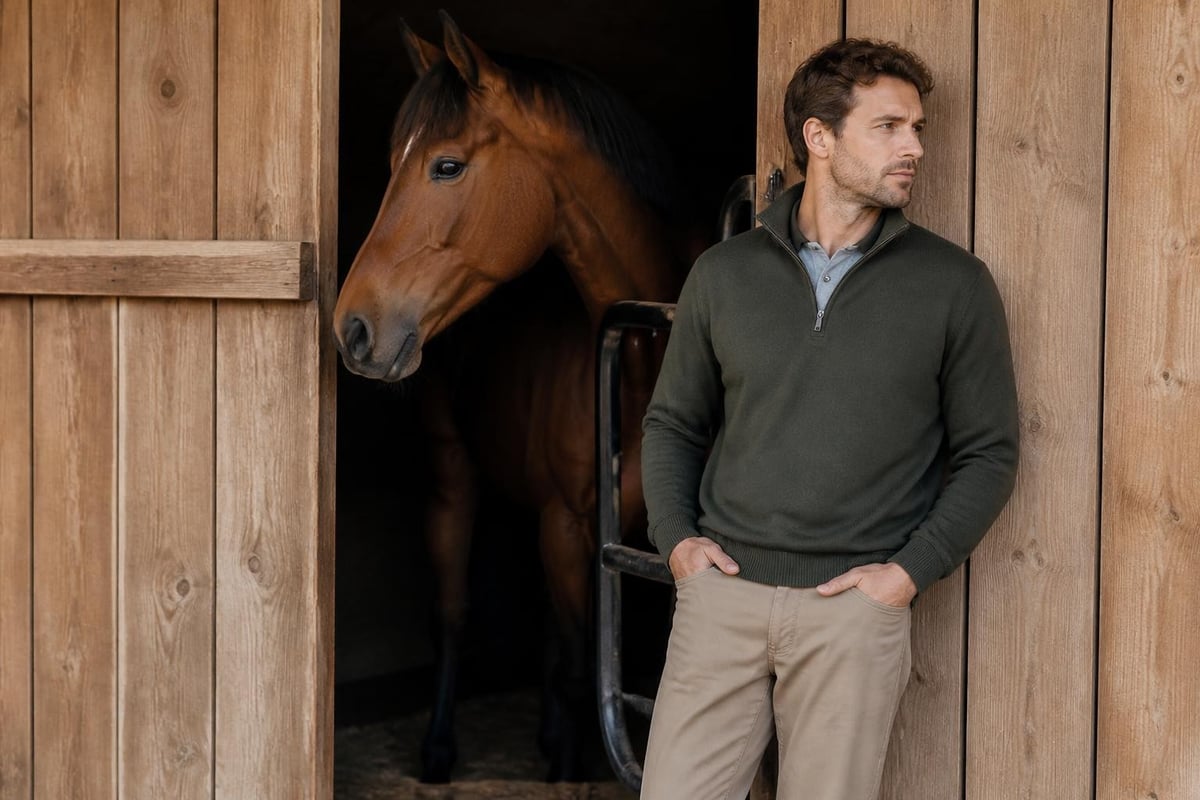
The distinction between riding-specific and athletic wear becomes important here. Riding creates unique demands: abrasion resistance on inner legs, longer back rises that stay put in the saddle, and fabrics that handle barn environments without showing every speck of dust. Purpose-built pieces address these needs whilst maintaining the clean lines and refined aesthetic you want in everyday clothing.
Sweatshirts, hoodies, and casual jackets round out a practical riding wardrobe. These pieces should layer smoothly under shells when weather demands extra warmth, fit comfortably over base layers without restricting movement, and look intentional rather than purely utilitarian. Navy, black, and neutral tones ensure versatility across your entire wardrobe.
Footwear: The Foundation of Proper Riding
Whilst not strictly clothing, boots deserve serious consideration in any discussion of mens horse riding wear. Proper riding boots provide the heel depth required for stirrup safety, the smooth interior and exterior surfaces needed for effective leg aids, and the ankle support essential for maintaining position and balance. Tall boots remain the gold standard for serious riding, offering maximum protection and the most refined appearance.
Paddock boots paired with half chaps provide flexibility for riders who need to walk significant distances or prefer easier on-and-off convenience. This combination works well for training and casual riding, though it's less appropriate for most competition settings. Quality construction matters regardless of style – leather that breaks in without breaking down, welted soles that can be replaced, and craftsmanship that extends the life of your investment.
| Boot Style | Advantages | Considerations |
|---|---|---|
| Tall Field Boots | Traditional appearance, maximum protection, competition-ready | Higher cost, break-in period, less walking comfort |
| Tall Dress Boots | Formal elegance, dressage-specific, sleek profile | Limited flexibility, requires boot jack, investment piece |
| Paddock Boots + Chaps | Versatile, easier walking, adjustable fit | Less formal, potential gap issues, chap maintenance |
| Riding Sneakers | Casual comfort, flexible, affordable | Limited protection, not competition-legal, reduced support |
Boot care extends their usable life significantly. Regular cleaning, proper storage with boot trees, and periodic conditioning keep leather supple and prevent cracking. This maintenance represents time well spent, protecting investments that should last years with proper attention.
Fit, Fabric, and Investment Pieces
Understanding fabric technology transforms how you evaluate mens horse riding wear. Four-way stretch materials move with you rather than against you, maintaining shape and support through thousands of repetitions. Moisture-wicking treatments pull perspiration away from skin, where evaporation happens faster and more efficiently. UV protection built into technical fabrics shields exposed skin during long summer rides.
Durability comes from both material selection and construction quality. Flatlock seams lie flat against skin without chafing or creating pressure points. Reinforced high-wear zones like inner legs and seat areas extend garment life considerably. Quality hardware – zippers, snaps, buttons – should function smoothly ride after ride without failing prematurely.
The practical guide to mens riding attire emphasizes investing in fewer, higher-quality pieces over accumulating cheaper alternatives. This approach proves more economical long-term whilst ensuring every item in your wardrobe actually performs. Three pairs of excellent breeches serve you better than seven mediocre ones that wear out, lose shape, or never fit quite right.
Building a Core Wardrobe
Start with essentials: two pairs of quality breeches in complementary colours, one competition-ready jacket, several technical shirts suitable for layering, and proper footwear for your discipline. This foundation handles daily training and most competition requirements whilst providing flexibility as your needs evolve.
Add specialty pieces as your riding progresses and specific demands emerge. A waterproof shell becomes essential for all-weather training. Additional show shirts allow rotation through multi-day events without requiring laundry mid-competition. Casual pieces that transition from stable to street extend the value of your investment beyond purely riding applications.
Seasonal considerations influence wardrobe development too. Modern technical fabrics regulate temperature across surprising ranges, but you'll still need dedicated winter and summer pieces for extreme conditions. Mid-weight options bridge shoulder seasons and handle most moderate weather comfortably.
Care and Maintenance: Protecting Your Investment
Quality mens horse riding wear demands proper care to deliver long-term performance. Technical fabrics require specific washing protocols that preserve their moisture-wicking and stretch properties. Hot water, fabric softener, and harsh detergents break down performance treatments and elastic fibers prematurely. Cold water washing with sport-specific detergents maintains fabric integrity whilst effectively removing barn dirt and perspiration.
Air drying proves gentler on technical materials than machine heat. Tumble drying at high temperatures damages elastic fibers in breeches and can shrink even pre-shrunk fabrics. The time investment in line drying pays dividends in extended garment life and maintained fit. Proper storage – hanging jackets, folding breeches along natural creases – prevents unnecessary wear between rides.
Boots and leather goods require dedicated maintenance routines. Regular cleaning removes dirt and salts that dry leather and cause cracking. Conditioning treatments restore moisture and maintain suppleness. This ongoing care prevents the deterioration that eventually requires expensive replacement rather than simple maintenance.
When to Replace vs. Repair
Even quality pieces eventually wear out. Knowing when to replace items versus investing in repairs saves money whilst maintaining your kit's performance and appearance. Worn knee patches, separated seams, and failed zippers often merit professional repair, particularly on premium pieces where the base garment remains sound.
Fabric thinning, permanent staining, or structural breakdown signal replacement time. Breeches that no longer provide adequate grip, jackets that've lost their weather resistance, or shirts that've stretched beyond recovery should be retired regardless of sentimental attachment. Maintaining standards in your wardrobe ensures you always ride with confidence.
Style Principles for the Modern Rider
Mens horse riding wear has evolved beyond purely functional gear to encompass genuine style. The key lies in understanding how traditional elements combine with contemporary cuts and fabrics to create refined, intentional appearances. Proper riding attire respects discipline-specific expectations whilst allowing personal preferences to emerge through subtle details.
Fit trumps fashion every time. Well-fitted basics in timeless colours outperform trendy pieces that don't quite work with your build or riding style. Navy, black, white, and neutral tones form the foundation of versatile wardrobes that remain current regardless of passing trends. These colours pair effortlessly, simplify decision-making, and ensure your investment pieces remain relevant for years.
Details distinguish adequate mens horse riding wear from exceptional pieces. Consider collar construction on shirts, button quality and placement on jackets, and how waistbands on breeches actually function during riding. These elements separate garments that merely look appropriate from those that perform brilliantly whilst maintaining refined aesthetics.
The New Zealand Approach to Riding Wear
Design philosophy matters as much as construction quality. Riding wear developed in demanding environments brings particular perspective to performance and durability. The New Zealand approach emphasizes functionality that doesn't compromise style, creating pieces that handle serious riding whilst transitioning naturally to everyday contexts.
This philosophy recognizes that modern riders need wardrobes that work beyond purely equestrian settings. Technical fabrics and ergonomic cuts derived from riding requirements translate brilliantly to active lifestyles off the horse. The result is mens horse riding wear that serves multiple purposes without appearing obviously sport-specific.
Building wardrobes around this versatility maximizes value from every piece. When your riding breeches work equally well for morning training and afternoon appointments, when jackets transition from stable to street seamlessly, your investment delivers returns far beyond single-purpose alternatives. This approach simplifies life whilst maintaining the performance standards serious riding demands.
Selecting proper mens horse riding wear requires understanding how tradition, technology, and personal style intersect to create wardrobes that actually work. The pieces you choose influence not just appearance but comfort, confidence, and ultimately your connection with your horse. Gallant Equestrian creates performance-driven riding wear specifically for men who take both their riding and their style seriously, with New Zealand-designed pieces built to last through countless rides whilst looking refined in any setting. Look the Part. Enjoy the Ride.

