

Mens Riding Apparel: Performance Meets Style in 2026
Mar 30, 2026
The evolution of mens riding apparel has shifted dramatically over recent years. What was once limited to rigid show jackets and traditional jodhpurs has expanded into a comprehensive wardrobe that respects heritage while embracing modern performance fabrics and contemporary design. Today's male rider expects clothing that functions flawlessly during training sessions, looks sharp at competitions, and transitions seamlessly to daily life. This isn't about compromise. It's about refusing to accept that functional riding gear can't also be genuinely stylish.
Understanding Modern Mens Riding Apparel
The fundamentals haven't changed. You need breeches that move with you, outerwear that protects against the elements, and shirts that breathe during intense work. What has changed is how these pieces are engineered and styled.
Performance fabrics now dominate the landscape. Four-way stretch materials provide freedom of movement without bagging at the knees. Moisture-wicking technology keeps you dry whether you're schooling in summer heat or layering during winter sessions. Recent equestrian fashion trends show a clear shift toward technical fabrics that balance performance with sustainability, reflecting broader changes in how riders approach their wardrobes.
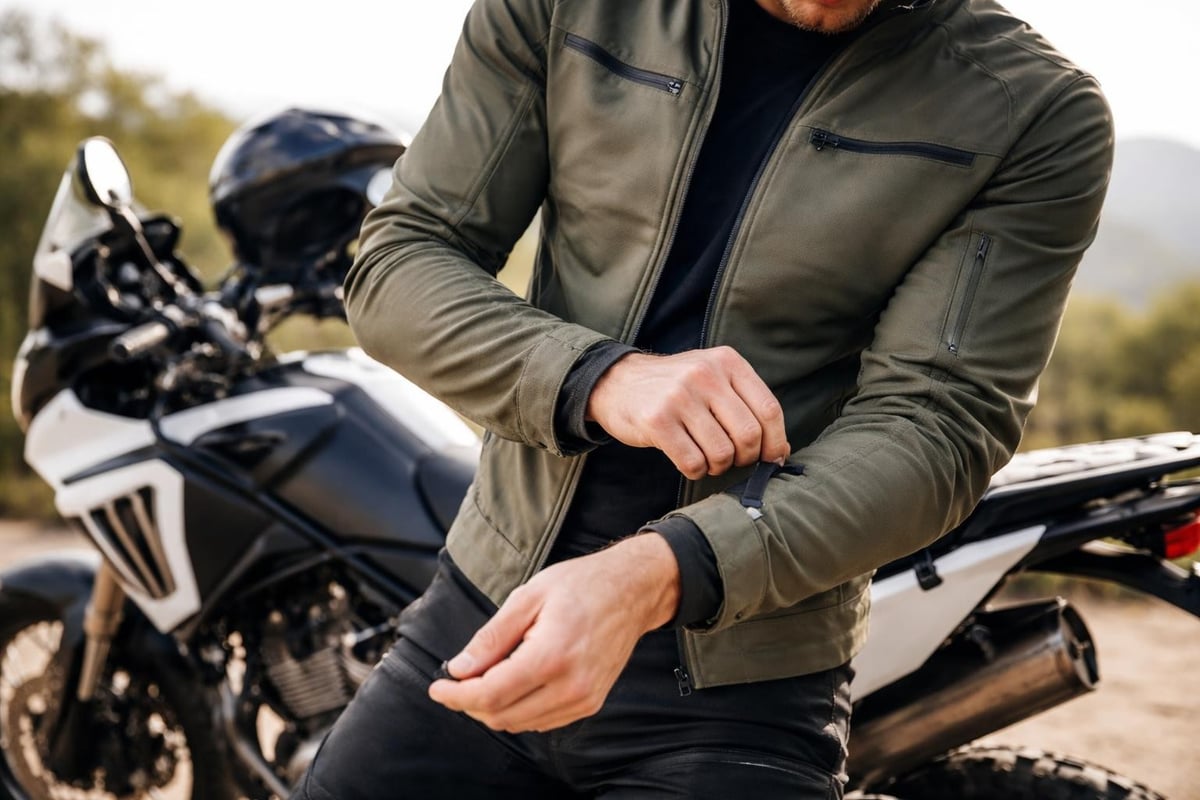
Fit deserves particular attention. Mens riding apparel requires a different cut than generic athletic wear. The seat needs to be reinforced and shaped to prevent bunching in the saddle. Sleeves should allow full range of motion for reining or jumping without excess fabric. Trouser legs must sit correctly over boots without riding up during mounting.
The best pieces are those you forget you're wearing. They simply work.
Essential Pieces Every Rider Needs
Building a functional wardrobe doesn't require purchasing everything at once. Start with core pieces that deliver maximum versatility.
Breeches That Actually Perform
Your breeches face more abuse than any other piece in your wardrobe. They need to withstand daily riding, frequent washing, and constant friction.
Full-seat silicone grip has become standard for good reason. It keeps you secure during lateral work and provides confidence over fences. Knee-patch alternatives offer more breathability for disciplines where maximum grip isn't essential. Understanding which style suits your needs starts with honest assessment of your riding style.
Quality breeches feature reinforced inner leg seams, secure pocket construction, and waistbands that stay put without constant adjustment. Colours matter too. Navy and black remain professional standards, while bone and olive provide fresh alternatives that still read as refined rather than casual.
Shirts and Polos for Everyday Riding
The daily training shirt needs to balance presentability with hard work capability. Cotton blends offer comfort but modern technical polos provide superior moisture management and odor control.
Long sleeves protect your arms during outdoor riding. Short sleeves work for arena sessions and warmer weather. Quality polo shirts transition directly from stable to lunch without looking out of place. This versatility matters when your day includes early morning training followed by afternoon meetings or errands.
Construction details separate adequate from excellent. Flat-locked seams prevent chafing during long rides. Reinforced buttons withstand repeated washing. Collars maintain their shape rather than curling after a few wears.
Outerwear for All Conditions
Weather doesn't care about your training schedule. Proper outerwear keeps you riding through conditions that would otherwise send you inside.
Rain jackets need to be truly waterproof, not just water-resistant. Sealed seams and quality zips prevent moisture creeping in during prolonged exposure. Breathability matters equally. A jacket that keeps rain out but traps sweat inside has failed half its job.
Hoodies and sweatshirts provide essential layering options. They work under rain jackets during cold wet weather or standalone during crisp autumn mornings. The right weight allows freedom of movement without bulk that interferes with riding.
Technical soft-shells bridge the gap between lightweight rain protection and heavier winter jackets. They're what you reach for most days during transitional seasons.
The Style and Performance Balance
The perceived tension between looking good and riding well is largely outdated. Modern mens riding apparel delivers both without compromise.
Contemporary equestrian fashion increasingly draws from broader menswear trends while maintaining the technical requirements riding demands. Clean lines, quality materials, and thoughtful details create clothing that looks intentional rather than purely functional.
Colour plays a significant role here. While black and navy dominate competition wear, training wardrobes benefit from considered expansion. Olive, bone, and charcoal provide visual interest while maintaining the refined aesthetic serious riders prefer. Avoid anything that reads as costume or overly casual.
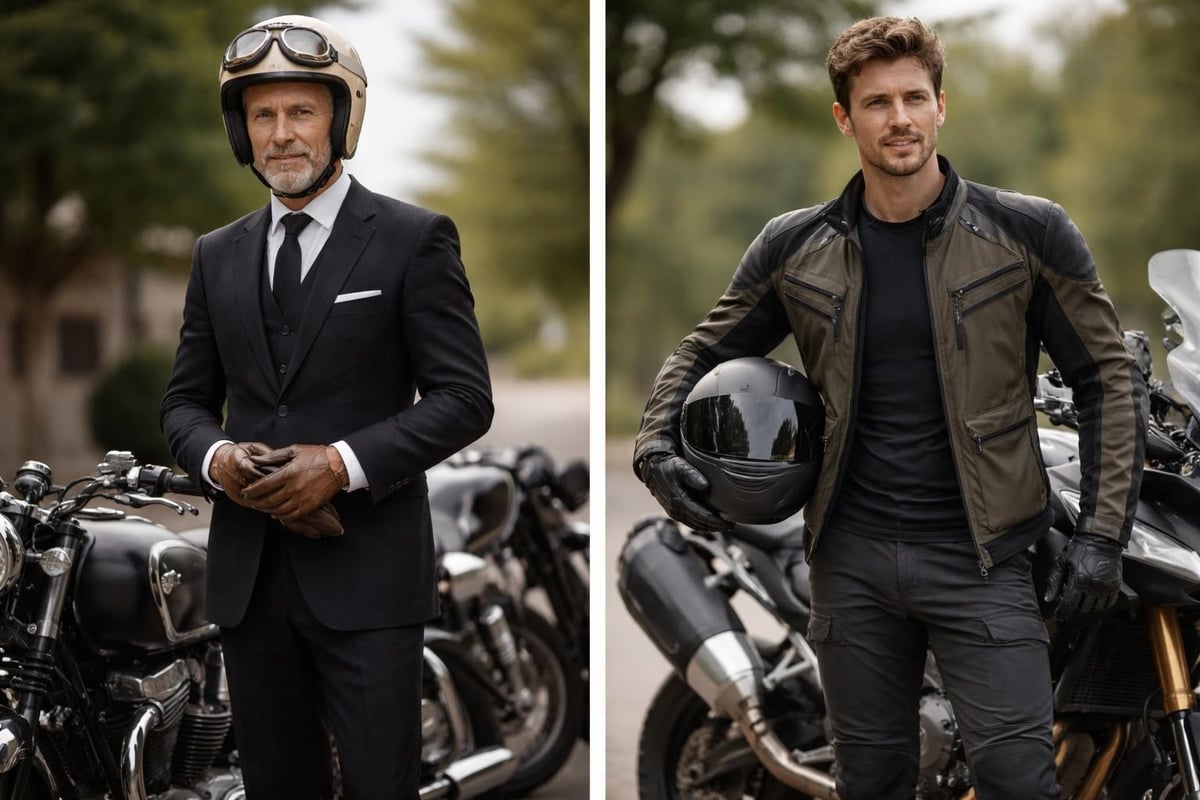
Details matter more than logos. Quality stitching, durable hardware, and fabric that maintains its appearance through regular use signal genuine quality. Excessive branding often indicates lower quality construction hiding behind marketing.
Choosing Gear for Your Discipline
Different riding disciplines place different demands on your clothing. Understanding these requirements helps build an appropriate wardrobe.
Dressage riders prioritize a polished appearance and freedom of movement through precise aids. Breeches need to be absolutely smooth under white or buff competition wear. Training attire should support hours in the saddle with minimal distraction.
Showjumpers require gear that moves during dynamic riding. Full-seat grip becomes more important. Outerwear needs to accommodate back protectors if used during training. Durability matters when you're riding multiple horses daily.
Eventers face the broadest range of demands. Your wardrobe needs to handle dressage precision, cross-country weather exposure, and showjumping movement. Versatility becomes the key criterion. Pieces that work across all three phases deliver better value than specialized items with limited application.
Western riders have different considerations entirely, though quality construction and appropriate fit remain universal requirements.
Investment Versus Cost
Price alone doesn't indicate quality, but genuinely good mens riding apparel requires investment. Understanding what you're paying for helps make informed decisions.
Quality fabrics cost more to source and process. Four-way stretch materials with genuine durability command higher prices than basic polyester blends. Technical innovations in equestrian clothing often carry development costs that get reflected in retail pricing.
Construction methods affect longevity dramatically. Flat-locked seams, reinforced stress points, and quality zips add to manufacturing costs but extend useful life substantially. A £90 pair of breeches that lasts three years represents better value than £40 breeches requiring replacement every eight months.
Consider cost per wear rather than absolute price. Daily training pieces justify higher investment than occasional competition wear. Calculate how often you'll use an item and over what timeframe.
That said, starting your riding journey doesn't require maxing out your budget immediately. Build gradually, prioritizing fit and function over brand names. Explore what works for your needs before committing to expensive pieces.
Caring for Your Riding Wardrobe
Proper care extends the life of quality mens riding apparel significantly. Most damage comes from incorrect washing and storage rather than actual wear.
Read care labels and follow them. Technical fabrics often require cold water washing and air drying to maintain their properties. Hot water and tumble drying can damage stretch fibres and degrade moisture-wicking treatments.
Wash riding clothes separately from heavily soiled stable wear. Horse hair and arena dust embedded in breeches will transfer to other items. Use gentle detergents without fabric softeners, which can clog technical fabric pores and reduce breathability.
Store breeches flat or properly hung rather than crumpled in gym bags. This prevents permanent creases and maintains fabric structure. Allow wet outerwear to dry completely before storage to prevent mould and material degradation.
Inspect items regularly for wear signs. Small repairs made promptly prevent larger failures. A loose button stitched immediately saves replacing an entire shirt when it tears off during riding.
Seasonal Wardrobe Adjustments
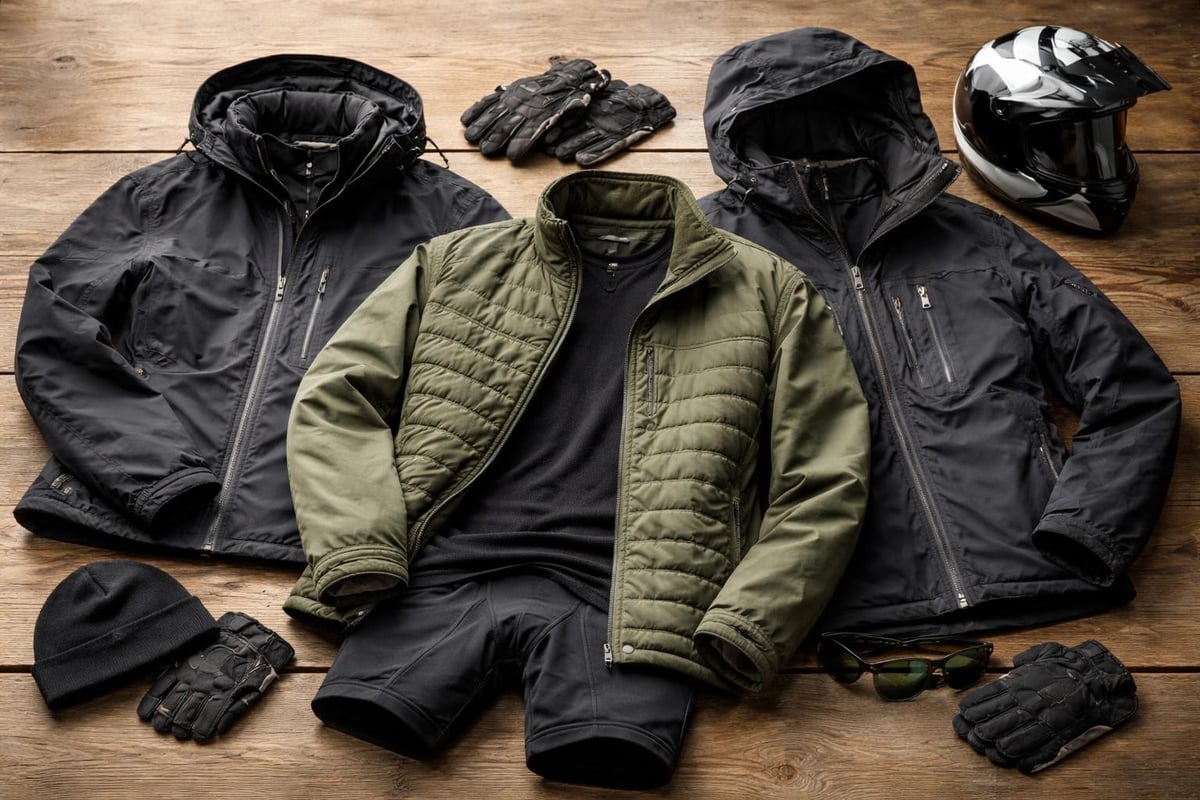
Your riding doesn't stop when seasons change. Your wardrobe shouldn't either. Building appropriate options for each season keeps you comfortable and performing well year-round.
| Season | Essential Items | Key Features | Priority Considerations |
|---|---|---|---|
| Summer | Lightweight breeches, short-sleeve polos, breathable base layers | Maximum ventilation, UV protection, moisture-wicking | Light colours, mesh panels, quick-dry fabrics |
| Autumn | Mid-weight breeches, long-sleeve shirts, hoodies, light jackets | Layering capability, weather versatility | Adaptable pieces that layer well |
| Winter | Thermal base layers, insulated breeches, waterproof jackets, warm mid-layers | Wind resistance, insulation, waterproofing | Core warmth without bulk |
| Spring | All-season breeches, versatile outerwear, layering pieces | Adaptability to variable conditions | Pieces that transition across temperature ranges |
Base layers become crucial during colder months. Quality thermal pieces worn under regular breeches provide warmth without the bulk of insulated riding tights. They allow you to use your existing breeches across more of the year.
Summer demands the opposite approach. Lightweight fabrics with maximum breathability prevent overheating during intense work. Light colours reflect heat better than dark shades, though they require more frequent washing to maintain appearance.
Transition seasons test your wardrobe most severely. Morning sessions might require full winter gear while afternoon rides need only a light layer. Having versatile pieces that adapt to changing conditions throughout the day proves invaluable.
The Market Landscape in 2026
The equestrian apparel industry continues evolving rapidly. Market analysis suggests sustained growth driven by increasing participation and rising quality expectations. Male riders now represent a significant market segment with specific preferences and requirements.
Brands increasingly recognize that mens riding apparel requires dedicated design rather than adapted unisex pieces. Cut, proportions, and styling that work for male riders differ fundamentally from women's clothing. Companies investing in proper mens-specific development are seeing strong market response.
Sustainability has moved from niche concern to mainstream expectation. Riders want gear that performs without excessive environmental impact. Brands using recycled materials, reducing water consumption, and implementing ethical manufacturing practices are gaining market share.
Direct-to-consumer models have disrupted traditional retail channels. This allows brands to offer better value by eliminating middleman margins while maintaining quality. Understanding where and how to shop helps you access better products at more reasonable prices.
Functionality Beyond the Arena
Modern mens riding apparel increasingly serves double duty. Pieces that work in the saddle should also function in daily life. This versatility delivers better value and simplifies your overall wardrobe.
Quality breeches can pair with boots and a jumper for a refined casual look. Technical polos work equally well for weekend errands as training sessions. Rain jackets protect you commuting to the stable and running daily errands.
This crossover functionality requires thoughtful design. Overly equestrian-specific styling limits wearability outside riding contexts. The best pieces incorporate subtle riding-specific features within designs that read as quality casual wear.
Consider how items fit into your broader wardrobe. If a piece only works for riding, it needs to be genuinely necessary for that purpose. Multi-use items deliver better return on investment and reduce overall wardrobe complexity.
Building Your Personal Style
Within the framework of functional mens riding apparel, there's substantial room for personal expression. Your riding wardrobe should reflect your preferences while meeting practical requirements.
Colour provides the easiest differentiation point. Beyond standard navy and black, consider how olive, charcoal, or bone might work for your colouring and preferences. Coordinated pieces in complementary colours create a cohesive look without requiring exact matching.
Fit preferences vary among riders. Some prefer closer-fitting pieces that eliminate excess fabric. Others want slightly more relaxed fits for comfort during long training days. Neither approach is wrong, provided the fit doesn't interfere with riding function.
Quality over quantity remains the guiding principle. Five excellent pieces that work together create more outfit combinations than fifteen mediocre items. Focus on building a core wardrobe of genuine quality, then expand gradually as needs and budget allow.
Your riding style influences appropriate clothing choices. A professional training multiple horses daily has different needs than someone riding recreationally several times weekly. Build your wardrobe around your actual riding life, not an aspirational version that doesn't match reality.
Making Informed Purchases
Smart shopping for mens riding apparel requires research beyond browsing pretty marketing photos. Understanding what actually matters helps avoid expensive mistakes.
Fabric composition tells you most of what you need to know. Look for specific percentages of performance materials. "Technical fabric" without details often means basic polyester. Quality pieces specify exact fabric blends and performance characteristics.
Reviews from actual riders provide valuable insight, particularly regarding fit consistency and long-term durability. Look for reviews from people riding similar disciplines to yours. A five-star review from a casual trail rider may not indicate suitability for intensive arena work.
Return policies matter significantly. Clothes that look perfect online might not fit your body or meet your expectations in person. Brands confident in their products offer straightforward returns. Complicated return processes often indicate quality concerns.
Measure yourself properly before ordering. Consult detailed size guides rather than assuming you know your size. Mens riding apparel sizing varies between brands. Five minutes with measuring tape prevents ordering incorrect sizes.
Looking Forward
The trajectory for mens riding apparel continues toward increased performance, better styling, and improved sustainability. Riders in 2026 have access to gear that would have seemed remarkable just a decade ago.
Fabric technology keeps advancing. Next-generation materials will offer even better moisture management, durability, and comfort. Innovation in technical riding apparel continues pushing boundaries of what's possible.
Customization options are expanding. Some brands now offer made-to-measure services at accessible price points. This addresses fit challenges that plague off-the-rack purchasing, particularly for riders with athletic builds or non-standard proportions.
The market will continue maturing. As more brands recognize the distinct requirements and preferences of male riders, product quality and variety will improve. Competition benefits consumers through better products and more reasonable pricing.
Your riding wardrobe should evolve with your progression as a rider and changes in available technology. What worked perfectly five years ago might be due for upgrading. Stay informed about genuine improvements without chasing every trend.
Quality mens riding apparel delivers performance, durability, and style that supports your riding across all conditions and contexts. The right pieces work hard during training, present well at competitions, and transition seamlessly into daily life. Gallant Equestrian specializes in performance-driven clothing designed specifically for male riders, combining New Zealand design heritage with modern technical innovation. Built to last and styled to impress, their collection covers everything from daily training essentials to competition-ready pieces. Look the Part. Enjoy the Ride.

