

Riding Coat Essentials for the Modern Equestrian
Mar 10, 2026
A proper riding coat does more than protect you from the elements. It defines your presence in the saddle, carries centuries of equestrian tradition, and adapts to the demands of modern riding. Whether you're training in the arena, hacking through countryside trails, or competing at the highest level, the right coat balances function with refined style. For men who take their riding seriously, understanding what makes an exceptional riding coat matters as much as knowing your horse's stride.
The Heritage Behind Riding Coats
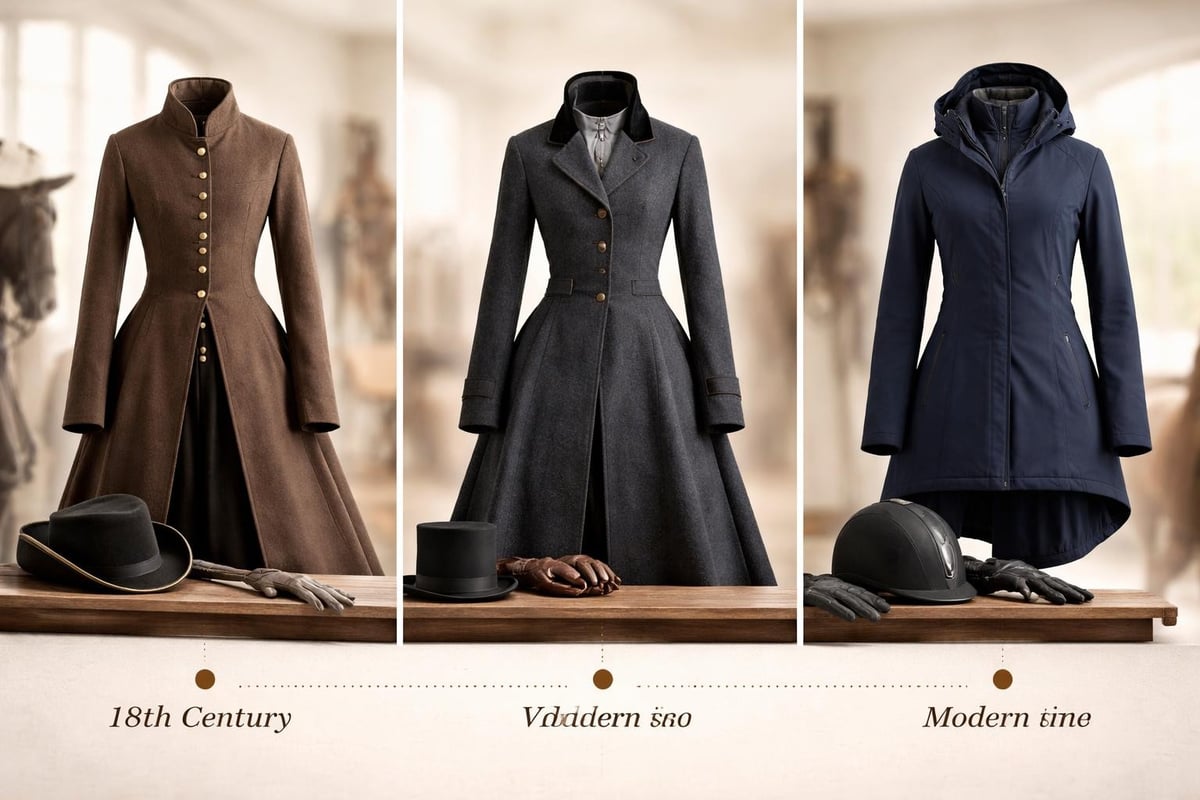
The riding coat's history stretches back centuries, evolving from practical necessity into a garment that reflects skill, discipline, and taste. Early versions prioritised protection during long journeys on horseback, with tailors crafting coats that allowed freedom of movement whilst shielding riders from wind, rain, and dust.
By the 18th century, the riding coat had become a statement piece. British examples from 1760 demonstrate sophisticated tailoring techniques that influenced men's fashion beyond the equestrian world. These garments featured strategically placed vents, reinforced shoulders, and carefully cut tails that sat properly when mounted.
The silhouette has remained remarkably consistent because the fundamentals haven't changed. You still need full shoulder mobility for rein work, protection from weather, and a cut that looks sharp both in and out of the saddle. Modern materials and construction methods have enhanced these traditional designs, but the core principles endure.
Types of Riding Coats for Different Disciplines
Show Coats and Competition Wear
Competition demands precision in presentation. Show coats follow strict guidelines depending on your discipline, with dressage and show jumping having distinct requirements. The shadbelly, whilst formal and traditional, represents the pinnacle of competition attire for higher-level dressage tests.
Most riders, however, need versatile show coats that meet standard requirements without compromising comfort. These coats typically feature a tailored fit through the shoulders, a length that covers your seat when mounted, and conservative colours that maintain tradition whilst allowing subtle personal expression. Modern technical fabrics have transformed show coats from stiff, uncomfortable garments into breathable pieces that move with you.
Everyday Riding Jackets
Your daily training coat needs different qualities than competition wear. Durability trumps formality. Weather resistance matters more than perfect presentation. You'll want something that handles stable work, multiple rides per day, and frequent washing without losing shape or function.
The best everyday riding jackets combine practical features with enough style to wear beyond the yard. Look for reinforced stress points, stretchy panels for movement, and pockets placed where you'll actually use them. These coats should feel like a second skin after a few rides, not restrict your natural position.
All-Weather Protection
British weather doesn't care about your riding schedule. A proper all-weather riding coat handles rain, wind, and cold without adding bulk that interferes with your aids. The duster coat tradition lives on in modern long-length designs that protect your legs whilst mounted.
Technical waterproof materials now allow genuine breathability, solving the old problem of getting drenched from internal condensation rather than external rain. Sealed seams, adjustable cuffs, and high collars create reliable weather barriers whilst maintaining the fitted silhouette riders require.
Essential Features in Modern Riding Coats
Movement defines everything. Your coat must allow full shoulder rotation, proper elbow positioning, and unrestricted torso movement without pulling or bunching. Traditional tailoring achieved this through careful pattern cutting and strategic vents. Today's performance fabrics add stretch zones that enhance natural movement patterns.
Fit matters more in riding coats than almost any other garment. Too tight restricts your aids and creates tension through your back and shoulders. Too loose catches on saddle components and creates visual bulk. The ideal fit feels barely noticeable when you're riding, allowing you to focus entirely on your horse rather than adjusting your coat.
Proper length ensures your coat covers appropriately when seated. Tails or back vents should sit flat across your saddle without riding up or creating pressure points. Front closures must remain secure without gapping or pulling across the chest when you reach forward for your horse's neck or adjust equipment.
Fabric Technology and Performance
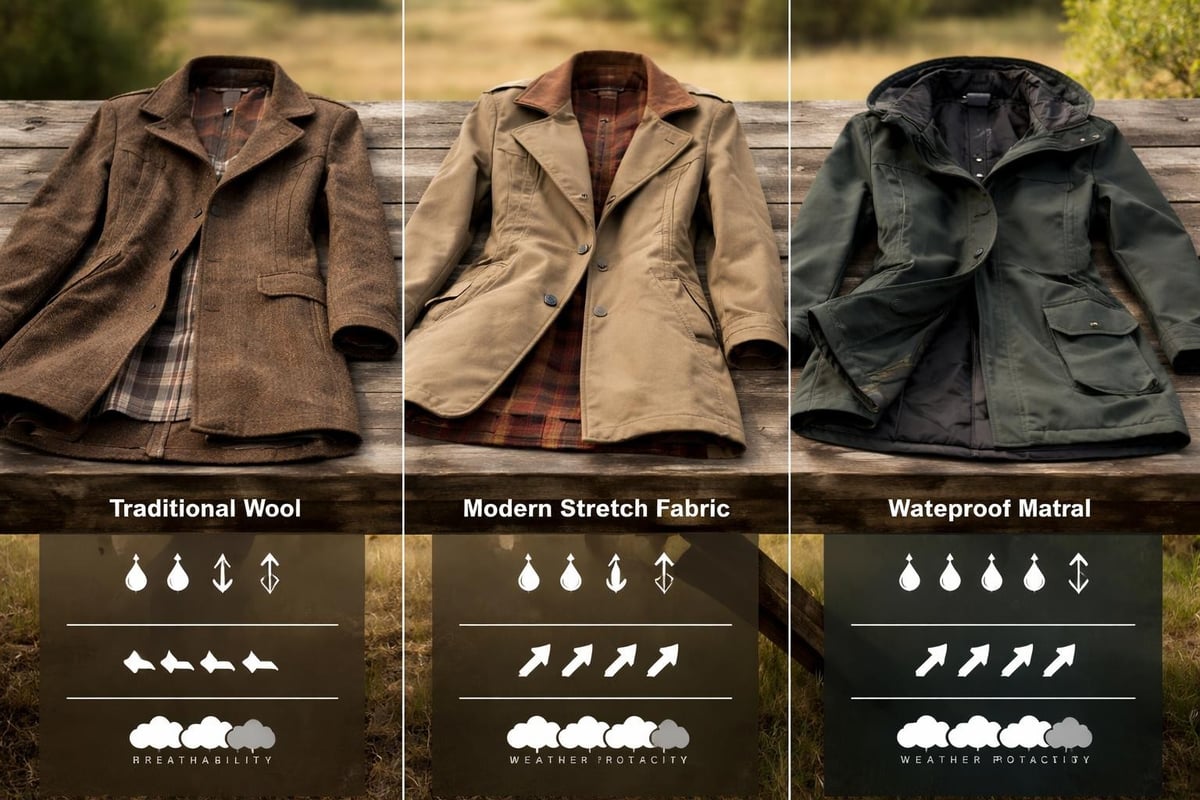
Modern riding coats leverage technical fabrics that would astonish traditional tailors. Four-way stretch materials move with your body whilst maintaining their shape ride after ride. Moisture-wicking finishes keep you dry during intensive training sessions. Abrasion-resistant zones extend garment life in high-wear areas.
Breathability has transformed from marketing buzzword to genuine performance factor. Quality fabrics regulate temperature naturally, preventing the overheating that plagues riders in traditional wool coats during warmer months. This matters more than most realise because temperature regulation affects your focus, stamina, and ultimately your riding quality.
Water resistance comes in degrees. Light shower protection suits most training scenarios. Full waterproofing becomes essential for serious weather or long hacks. Understanding your needs prevents buying either insufficient protection or unnecessarily heavy garments. The best approach involves layering options rather than one coat attempting to handle every condition.
Choosing the Right Riding Coat for Your Needs
Start with your primary discipline. Show jumpers need different features than dressage riders. Event riders require versatility that pure disciplines don't demand. Your coat should match your riding reality, not aspirational scenarios. If you train five days weekly and compete monthly, prioritise training coat quality over show coat perfection.
Climate considerations shape practical choices. New Zealand riders face different weather patterns than European counterparts. Year-round riding in variable conditions demands different solutions than seasonal riding in predictable climates. Honest assessment of your typical riding environment prevents wardrobe mistakes.
Budget matters, but cost-per-wear thinking reveals true value. An expensive coat worn twice weekly for five years costs less per ride than cheap coats replaced annually. Quality construction, durable materials, and timeless design justify higher initial investment. The jackets collection demonstrates how modern equestrian wear balances performance with longevity.
Maintaining Your Riding Coat Investment
Proper care extends riding coat life dramatically. Most quality coats handle machine washing, but checking specific care labels prevents expensive mistakes. Cold water preserves technical fabric properties. Gentle cycles reduce stress on seams and closures. Air drying maintains shape better than tumble drying.
Regular inspection catches minor issues before they become major repairs. Loose buttons, small tears, or zipper problems fix easily when caught early. Waiting until your coat fails during a competition creates unnecessary stress and expense. Five minutes checking after every few rides prevents most problems.
Storage affects condition more than many riders realise. Hanging coats properly prevents creasing and maintains shape. Avoid damp environments that encourage mould. Clean coats before storage prevents dirt from setting or attracting pests. These simple steps preserve your investment between seasons.
Transitioning from Stable to Street
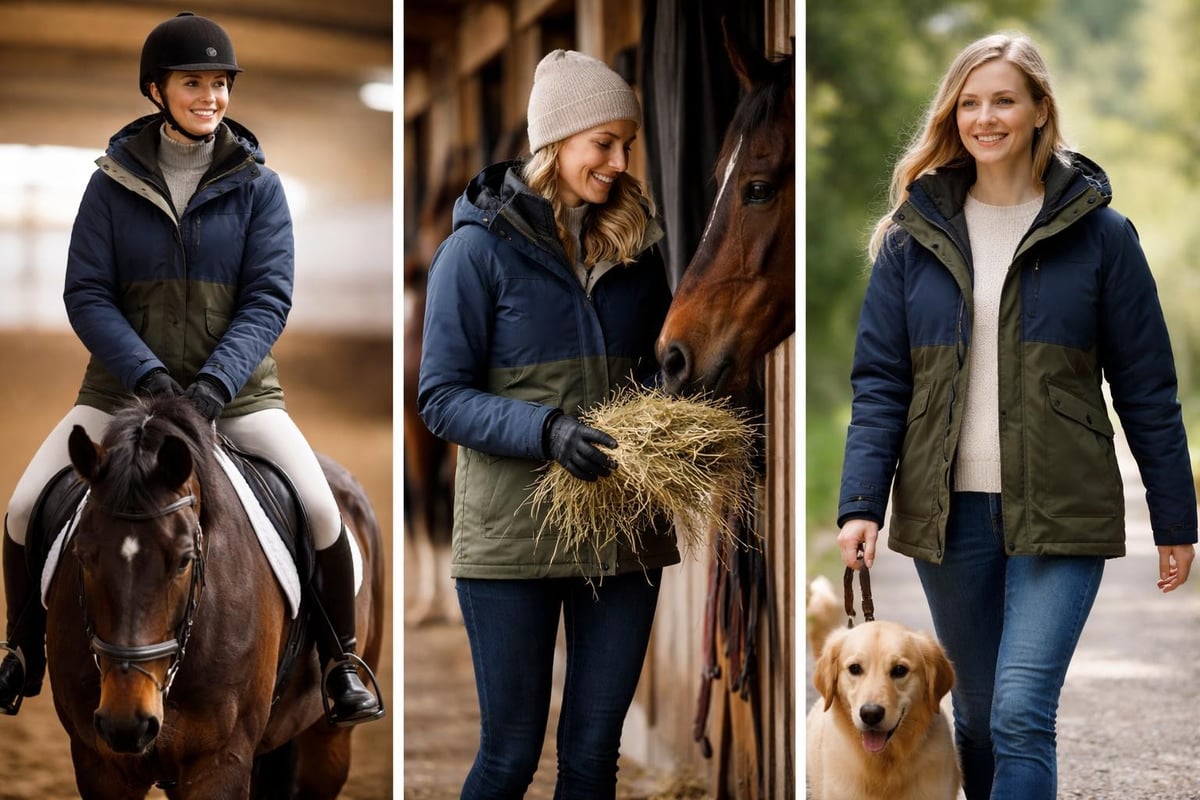
The best riding coats work beyond the yard. Designs that balance equestrian function with everyday wearability offer genuine versatility. You shouldn't need to change clothes between morning training and afternoon appointments. Modern cuts achieve this balance naturally.
Subtle details distinguish quality equestrian outerwear from obvious costume. Thoughtful design creates pieces that feel appropriate in the saddle without looking out of place elsewhere. This matters increasingly as riders integrate equestrian activities into busy professional lives rather than treating riding as separate from daily routine.
The competition wear approach extends to everyday riding coats. Professional appearance matters whether you're schooling at home or representing your stable at shows. Consistency in presentation reflects discipline and attention to detail that extends beyond clothing into horsemanship itself.
Fit Considerations for Male Riders
Men's riding coats require different proportions than unisex or women's designs. Broader shoulders, longer torsos, and different hip-to-waist ratios demand specific pattern adjustments. Generic sizing creates fit problems that affect both comfort and appearance. Purpose-designed men's equestrian wear solves these issues naturally.
Sleeve length matters more than casual observation suggests. Too short restricts reaching forward. Too long bunches at wrists and interferes with rein contact. Proper sleeve length allows full arm extension whilst keeping cuffs clear of your hands when arms are bent at riding position.
The shoulder seam placement determines how well your coat moves with you. This seam should sit precisely at your shoulder point, not drooping toward your arm or pulling across your back. Achieving this fit often requires trying multiple sizes or cuts rather than assuming your usual jacket size translates directly to riding coats.
Consulting the size guides before purchasing prevents common fitting mistakes. Measurements reveal more than size labels. Accurate chest, shoulder, and arm measurements matched to specific garment specifications ensure proper fit. This approach eliminates guesswork and reduces return rates significantly.
Building a Complete Riding Coat Wardrobe
Most serious riders need at least three coats: competition, everyday training, and all-weather protection. This trilogy covers nearly every scenario without unnecessary redundancy. Starting with one exceptional everyday coat makes sense for newer riders, adding specialised pieces as needs emerge.
Layering strategies extend wardrobe versatility without requiring extensive collections. A quality shell coat over appropriate base and mid-layers handles wider temperature ranges than single heavy coats. This approach also simplifies packing for competitions or clinics where conditions vary throughout the day.
Colour choices balance personal preference with practical considerations. Navy, black, and grey remain conservative standards that meet most competition requirements whilst hiding dirt better than lighter colours. These shades also transition more naturally to non-riding contexts than obviously equestrian colours.
The essentials collection philosophy applies to outerwear as much as base layers. Focus on quality fundamentals that work reliably rather than trendy pieces with limited applications. Building slowly with considered purchases creates more functional wardrobes than hasty bulk buying.
Current Trends in Men's Riding Coats
Technical innovation continues reshaping riding coat design. Laser-cut ventilation creates airflow without traditional mesh panels. Bonded seams eliminate bulk whilst improving weather resistance. These advances enhance function without compromising the clean lines riders expect.
Sustainable materials increasingly feature in quality riding coats. Recycled fabrics, responsible manufacturing, and durable construction align with environmental awareness without sacrificing performance. This trend reflects broader shifts in consumer values whilst addressing legitimate concerns about garment industry impacts.
Classic silhouettes remain dominant because they work. Minor updates to collar shapes, pocket placement, or closure systems refresh traditional designs without abandoning proven functionality. This evolutionary approach serves riders better than radical redesigns that prioritise novelty over practical improvement.
Subtle branding appeals to riders who value quality without wanting obvious logos. Understated details demonstrate craftsmanship to those who notice whilst maintaining clean aesthetics for those who don't. This approach respects both the garment's heritage and modern preferences for sophisticated simplicity.
Your riding coat represents more than protective outerwear. It embodies your approach to horsemanship, balances tradition with modern performance, and serves you reliably through countless rides. Quality matters because your coat affects comfort, movement, and ultimately how well you ride. Gallant Equestrian creates performance-driven riding wear designed specifically for men who demand both functionality and style. From training sessions to competition days, the right coat ensures you're properly equipped for whatever your riding demands. Look the Part. Enjoy the Ride.

