

Dressage Show Clothes: The Modern Man's Guide | 2026
Oct 27, 2026
Walking into your first affiliated dressage show can feel like stepping onto a film set where everyone knows the dress code except you. The arena is a place of precision, and your attire needs to reflect that same attention to detail. Getting your dressage show clothes right isn't about vanity. It's about respecting the discipline, presenting yourself professionally, and ensuring you're comfortable enough to focus on your test. The rules have evolved significantly in recent years, and understanding what's permitted at different levels makes all the difference between confidence and confusion.
Understanding the Dressage Dress Code Framework
Dressage has always maintained formal standards, but the rules aren't as rigid as they once were. The Official FEI Dressage Rules provide the international framework, whilst national federations like US Equestrian and British Dressage adapt these guidelines for their competitions. What you wear depends largely on your competitive level and the organizing body.
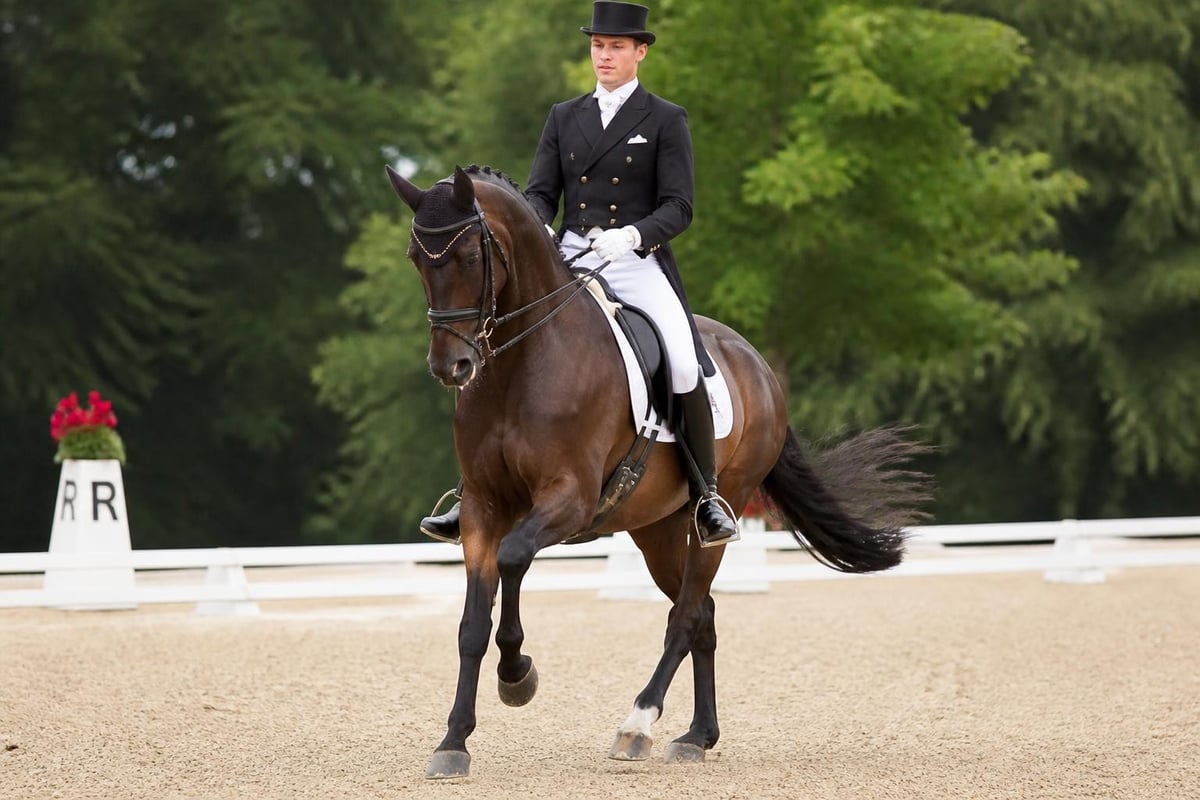
At lower levels, you'll typically see short jackets paired with light-coloured breeches. As you progress through the grades, the shadbelly or tailcoat becomes standard at Prix St Georges and above. The USDF Visual Guide to the Dressage Attire Rules breaks down these distinctions with helpful illustrations that clarify exactly what's expected.
Level-Specific Requirements
Different competitive levels carry different expectations for dressage show clothes. Training through Second Level generally permits a short show coat in conservative colours. Black, navy, dark grey, and dark brown are your safest choices. Third Level and Fourth Level continue this pattern, though you'll notice more riders opting for shadbellies even when not required.
Once you reach FEI levels, the tailcoat becomes mandatory for certain tests. The formality increases, and presentation matters even more. Your competition arena attire needs to align with these standards whilst still allowing freedom of movement.
The Core Components of Competition Turnout
Building a functional dressage wardrobe starts with understanding the essentials. You need pieces that work together, meet regulations, and perform under pressure. Let's break down each component.
Show Jackets and Tailcoats
Your show jacket is the most visible element of your turnout. A well-fitted coat should allow your shoulders to move freely without excess fabric bunching at the back. Sleeve length matters. When your arms hang naturally at your sides, the cuff should reach your wrist bone.
Short coats typically feature a three-button front, though some modern designs offer a more streamlined silhouette. The fabric needs enough stretch to accommodate your riding position without pulling across the shoulders or gapping at the waist. Many riders now choose technical fabrics that wick moisture and resist wrinkling. Research on technical fabrics in riding clothing shows these materials offer genuine performance benefits, particularly during long show days.
Tailcoats demand even more precision in fit. The tails should fall to mid-thigh, lying flat against your body without flaring out. Points should sit neatly at your natural waist. Traditional wool remains popular, but modern blends incorporating elastane provide better comfort and recovery.
Breeches That Actually Work
Breeches are where comfort meets regulation. White or light beige breeches are standard for most levels, though some lower-level competitions permit other conservative colours. The fit should be close but never restrictive. When mounted, the fabric shouldn't pull across your thighs or create excess material at the knee.
Full-seat breeches offer maximum grip and are increasingly popular in dressage. The silicone or leather seat provides stability in the saddle, helping maintain position during extended work. Knee-patch breeches remain acceptable at most levels and some riders prefer the slightly less formal appearance for training-level shows.
Fabric technology has transformed breeches in recent years. Four-way stretch materials move with you whilst maintaining their shape. Moisture-wicking properties keep you comfortable even in warm weather. When you're choosing the right breeches, consider both the technical performance and the visual presentation.
Shirts, Stocks, and Finishing Details
The elements beneath your jacket matter just as much as what's visible. Show shirts need to be crisp, well-fitted, and appropriate for the formality level. Most dressage competitors wear a white or cream shirt with a removable collar, paired with a stock tie.
Getting Your Neckwear Right
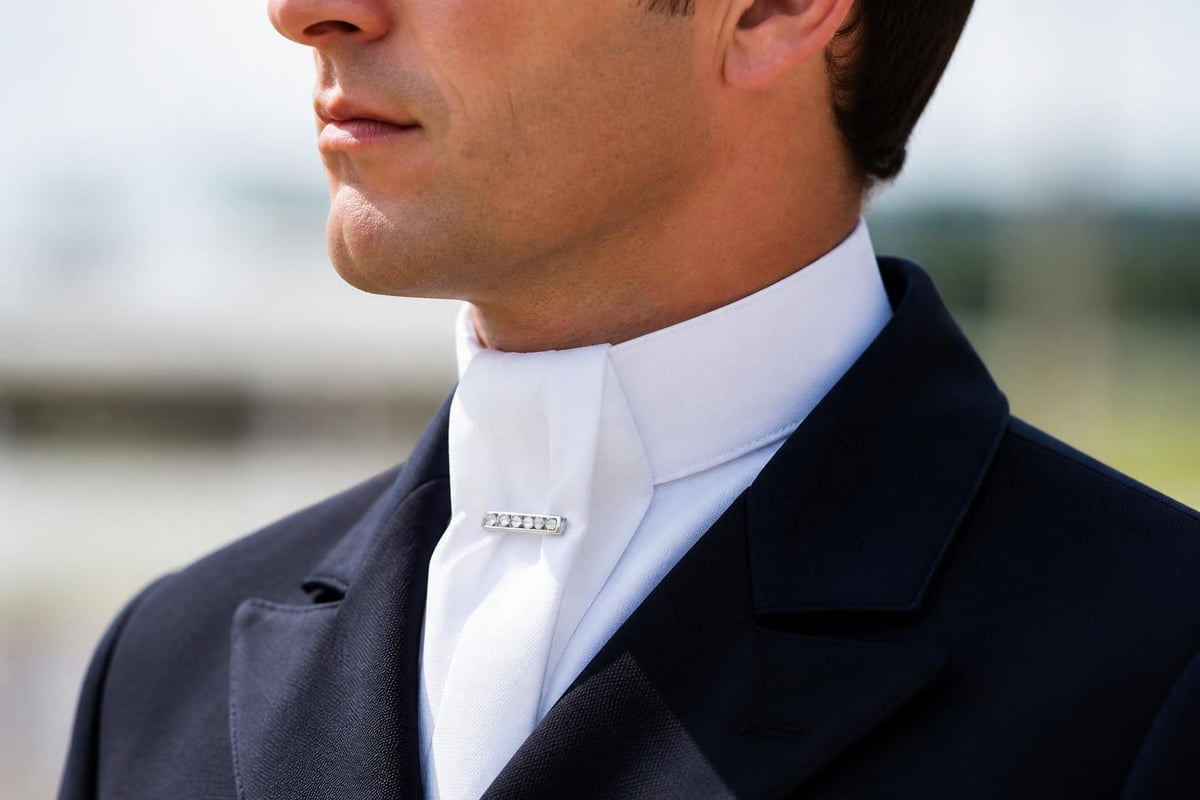
The stock tie remains a traditional element of dressage show clothes. It should sit flat against your throat without gapping or twisting. The pin holds everything in place, but it shouldn't be so large that it becomes a distraction. A simple, tasteful design works best.
Some lower-level competitions now permit stocks with integrated collars, which simplify the morning routine. However, traditional separate stock ties still dominate at higher levels. Learning to tie a proper stock takes practice, but it's a skill worth mastering.
Gloves, Boots, and Headgear
White or cream gloves complete your hand presentation. They should fit snugly without restricting finger movement. Leather offers the best grip and durability, though some technical fabrics now provide comparable performance with easier care.
Tall boots remain the standard footwear. Black leather boots with a modest heel and smooth finish are universally acceptable. The shaft should reach just below your knee when standing. Polish matters. Scuffed or dusty boots undermine an otherwise immaculate turnout.
Your helmet must meet current safety standards. The ASTM F1163 standard is widely recognized, and most competitions require SEI certification. Black helmets are standard, though some rules now permit navy to match navy jackets. The harness should fasten securely without visible gaps.
Navigating Colour and Style Variations
Whilst traditional black dominates dressage arenas, the rules have opened slightly to accommodate personal preference and practicality. Navy jackets are now widely accepted at most levels. Dark grey and brown appear occasionally, particularly at smaller shows.
The British Dressage Tack & Equipment Guide illustrates these colour variations clearly. Understanding what's permitted versus what's conventional helps you make informed choices. Some riders prefer navy during warmer months as it shows less dust and appears slightly less formal whilst still meeting requirements.
Your choice of colours should create a cohesive appearance. If you wear a navy jacket, your helmet should match. Breeches remain light regardless of jacket colour. This consistency creates a polished impression that judges appreciate, even if they're not consciously noting every detail.
Cultural and Medical Exceptions
Modern dressage rules increasingly accommodate religious and cultural requirements. Head coverings, modified stock arrangements, and alternative jacket styles may be permitted with advance notification to show management. The British Dressage Members' Handbook outlines these provisions in detail.
Medical exceptions also exist for riders who cannot wear traditional attire due to health conditions. Documentation may be required, but the sport has become more inclusive without compromising standards. Speak with the Technical Delegate before your ride to ensure compliance.
Practical Considerations for Show Day
Theory meets reality when you're loading the lorry at 5 AM. Your dressage show clothes need to survive travel, last through multiple rides, and still look sharp in the arena. Planning ahead prevents last-minute disasters.
Travel and Storage
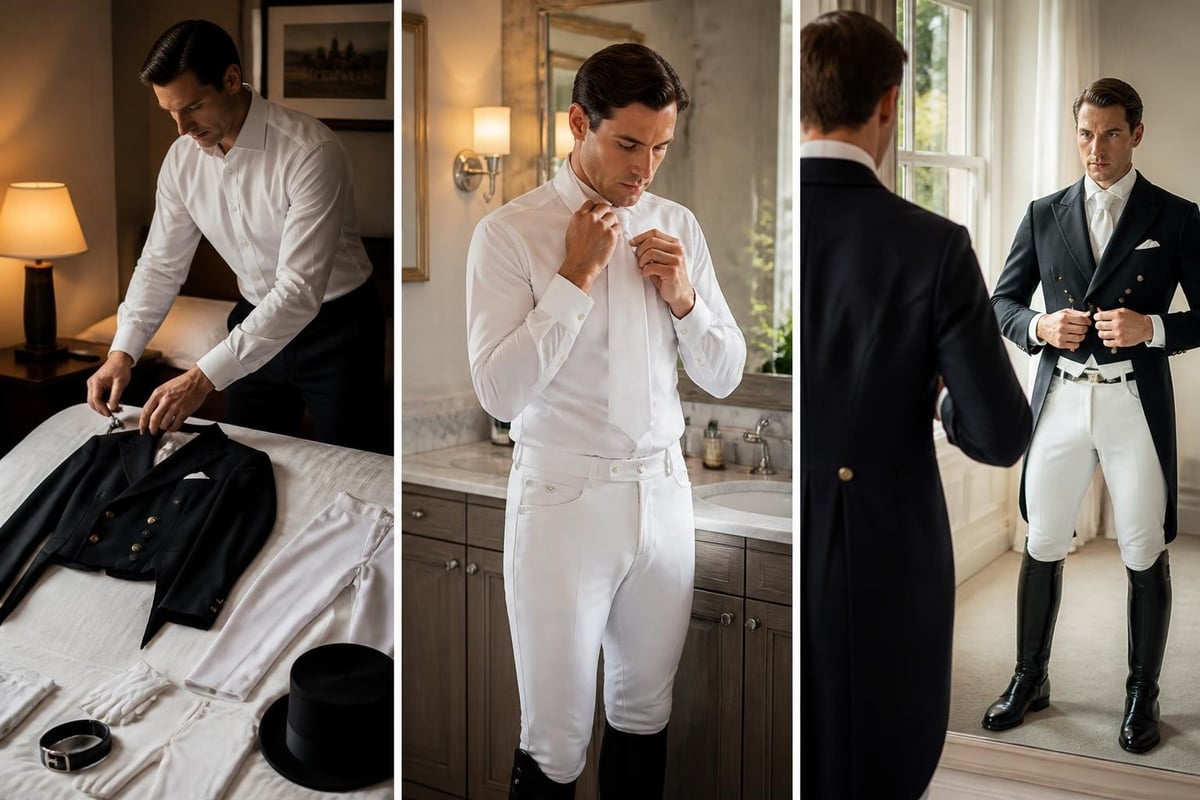
Invest in a proper garment bag for your jacket. Folding creates creases that take hours to release. Hang your coat in the lorry or trailer where air can circulate around it. Breeches should be folded carefully at the seams or rolled to minimize wrinkles.
A portable steamer is worth its weight. Even the best fabrics crease during transport, and a quick steam in the lorry park can restore your jacket's appearance. Many show grounds now provide changing facilities with hanging space, but don't count on it.
Pack your stock ties pre-tied if you've perfected a good knot at home. You can loosen and retighten them on show day without starting from scratch. Keep spare pins in your grooming kit. They have a habit of disappearing when you need them most.
Maintenance Between Competitions
Proper care extends the life of your investment. Most show jackets can be dry-cleaned, but check the label before assuming. Some technical fabrics perform better with gentle hand washing. Air your jacket thoroughly after each use before storing it.
Breeches require more frequent washing. Turn them inside out to protect the outer fabric and any silicone seat. Use a gentle cycle with cold water and mild detergent. Avoid fabric softener as it can break down technical fibres and reduce their performance. Line drying preserves elasticity better than tumbling.
Boots need regular cleaning and conditioning. Wipe them down after each ride to prevent dirt from settling into the leather. Use a quality conditioner monthly to maintain suppleness. Store boots with trees or rolled magazines inside to help them keep their shape.
Building Your Competition Wardrobe Strategically
You don't need everything at once. Start with the essentials and add pieces as your competitive career progresses. A well-chosen capsule wardrobe serves you better than a cluttered collection of mediocre items.
| Priority Level | Item | Why It Matters | Investment Range |
|---|---|---|---|
| Essential | Quality breeches (2 pairs) | Daily workhorse, needs rotation | £150-300 each |
| Essential | Short show coat | Required for most levels | £300-600 |
| High | Tall boots | Foundation of presentation | £400-800 |
| High | Show shirts (2-3) | Need clean options for multi-day shows | £60-120 each |
| Medium | Shadbelly/Tailcoat | Level-dependent, plan ahead | £500-1200 |
| Medium | Quality gloves (2 pairs) | One pair always clean | £30-60 each |
This framework lets you compete successfully whilst building toward a complete wardrobe. Many riders find that developing a capsule wardrobe approach reduces stress and improves their overall presentation.
When to Upgrade
Your first show jacket doesn't need to be your forever jacket. As you progress through the levels and your riding position becomes more established, investing in a bespoke or semi-bespoke coat makes sense. The fit will be superior, and the garment will last longer with proper care.
The same applies to breeches. Off-the-rack breeches work perfectly well for most riders, but if you struggle with fit or ride frequently, custom breeches eliminate common pressure points and sizing compromises. The investment pays for itself in comfort and durability.
Modern Alternatives and Performance Innovations
The traditional dressage aesthetic hasn't changed dramatically, but the fabrics and construction methods have evolved considerably. Modern dressage show clothes incorporate technical innovations that would have seemed impossible a decade ago.
Moisture-wicking show shirts keep you dry during warm-up and competition. Stretch show coats move with your body instead of fighting against it. Breeches with targeted compression support muscle recovery during long show days. These aren't gimmicks. They're genuine improvements that enhance both comfort and performance.
Men's equestrian clothing has particularly benefited from these innovations. Historically, performance fabrics focused on women's lines, but brands are now developing technical solutions specifically for male riders. The fit is better, the features are more relevant, and the overall quality has improved across the board.
Balancing Tradition and Function
You can embrace modern fabrics without abandoning traditional aesthetics. A show coat might look entirely conventional whilst incorporating four-way stretch panels in the shoulders and back. Breeches appear classic but use advanced moisture management systems.
The key is choosing pieces that meet regulations whilst giving you every possible advantage. Judges notice crisp presentation and comfortable, confident riding. They don't notice whether your jacket uses traditional wool or a technical blend. What matters is the final impression.
Common Mistakes to Avoid
Even experienced riders occasionally get their dressage show clothes wrong. Understanding common pitfalls helps you avoid them.
Poor fit is the most frequent issue. A jacket that's too tight restricts your position. One that's too loose looks sloppy and can interfere with your aids. The same applies to breeches. They should feel like a second skin, not a compression garment or a pair of slouchy trousers.
Neglecting details undermines an otherwise good turnout. Scuffed boots, wrinkled shirts, or poorly tied stocks signal carelessness. Judges form impressions quickly, and these details contribute to your overall presentation score, particularly in tests where marks are given for rider position and turnout.
Ignoring the rules costs you more than marks. Some violations result in elimination. Before entering any competition, verify the current dress code with the organizing body. Rules change periodically, and what was acceptable last season might not be permitted in 2026.
Learning From Others
Watch how successful riders present themselves. Notice how their clothes fit, how they coordinate their turnout, and how they carry themselves. Judges' perspectives on turnout reveal what actually matters in the competition arena versus what riders sometimes worry about unnecessarily.
You'll notice that the best-turned-out riders keep things simple. They don't rely on expensive brands to do the work for them. They focus on fit, cleanliness, and attention to detail. These are achievable standards regardless of budget.
Planning for Different Weather Conditions
British weather being what it is, you'll likely compete in every possible condition throughout the season. Your dressage show clothes need to accommodate this variability without compromising regulations.
Most venues now permit riders to remove their jackets during warm-up if temperatures are high. You'll still need to wear it for your test unless the competition offers a jacket waiver due to extreme heat. A well-ventilated show shirt becomes crucial in these situations. Look for fabrics that breathe effectively and dry quickly.
Cold weather presents different challenges. Layering is difficult under a fitted show coat, so your base layer needs to provide adequate warmth without bulk. Thermal show shirts designed for equestrian use offer better fit and movement than standard thermal wear.
Rain creates the most complications. Your jacket will get wet, and there's little you can do about it. Focus on protecting your coat during travel and storage. Some riders keep a waterproof cover in their lorry to throw over their jacket between warm-up and competition. It's not glamorous, but it's practical.
The Investment in Quality
Dressage show clothes represent a significant financial commitment. Understanding where to invest and where you can economize helps you build a functional wardrobe without overspending.
Your show coat is worth the investment. A well-made jacket from a reputable manufacturer will last years if properly maintained. Cheaper alternatives might save money initially but often need replacing within a season or two. The fit is typically inferior, and the fabrics don't hold up to regular use.
Breeches deserve similar consideration. You'll wear them frequently, they'll be laundered often, and they need to maintain their shape and performance. Quality riding breeches pay for themselves through longevity and consistent comfort.
Boots are another area where quality matters. Cheap boots break down quickly, become uncomfortable, and often look poor after minimal use. Good leather boots require an initial investment but improve with age when properly cared for. They mold to your leg, develop character, and continue performing for years.
Accessories offer more flexibility. Stock ties, gloves, and show shirts don't need to be the most expensive options. Focus on fit and function. A well-fitted mid-range show shirt outperforms an ill-fitting premium option every time.
Finding Value Without Compromising Standards
Sales and end-of-season clearances offer opportunities to acquire quality pieces at reduced prices. Many retailers discount show clothing after major competition seasons. Join mailing lists for brands you trust and watch for these opportunities.
Second-hand markets can work for certain items, particularly show coats. If you find a jacket in excellent condition that fits well, the previous owner's use doesn't diminish its value to you. Be cautious with breeches and boots, as these items conform to the original wearer's shape and may not work as well for you.
Regional Variations and International Considerations
If you compete internationally or follow multiple rule sets, understand that requirements vary slightly between governing bodies. FEI rules provide the international standard, but national federations add their own specifications.
Horse & Hound's guide to dressage attire covers British-specific requirements clearly. American riders should reference USEF guidelines, which sometimes differ in subtle ways. These differences rarely affect core elements like jacket and breeches, but they can impact accessories, helmet specifications, and colour permissions.
When competing abroad, contact the organizing committee well in advance to verify requirements. Some venues enforce rules more strictly than others. Having the correct information prevents problems on competition day.
Adapting Your Wardrobe for Travel
If you're competing internationally, pack strategically. Your show clothes need to survive flights and unfamiliar accommodations. A proper garment bag with reinforced construction protects your jacket better than standard luggage. Roll breeches instead of folding them to minimize creases.
Bring backup options when traveling. A spare show shirt, extra gloves, and additional stock ties take minimal space but provide insurance against accidents or damage. International competitions are expensive. Don't let a missing button or torn stock compromise your preparation.
Getting your dressage show clothes right combines understanding regulations, choosing quality pieces, and maintaining everything properly. It's about presenting yourself professionally whilst ensuring comfort and confidence in the arena. Gallant Equestrian creates performance-driven show clothing designed specifically for men who take their riding seriously, combining technical innovation with the traditional aesthetics the discipline demands. Look the Part. Enjoy the Ride.

