

Equestrian Jodhpurs: The Complete Guide for Men in 2026
Jul 23, 2026
The right riding trousers define your comfort and performance in the saddle. Equestrian jodhpurs have earned their place as a distinctive choice for riders who value tradition, functionality, and a refined aesthetic. Unlike conventional breeches, jodhpurs extend to the ankle with a unique cut that pairs perfectly with short riding boots. For men seeking versatile riding wear that transitions from stable to social settings, understanding jodhpurs matters. This guide explores what makes these garments essential, how they differ from other riding trousers, and what to look for when choosing your next pair.
The Heritage Behind Equestrian Jodhpurs
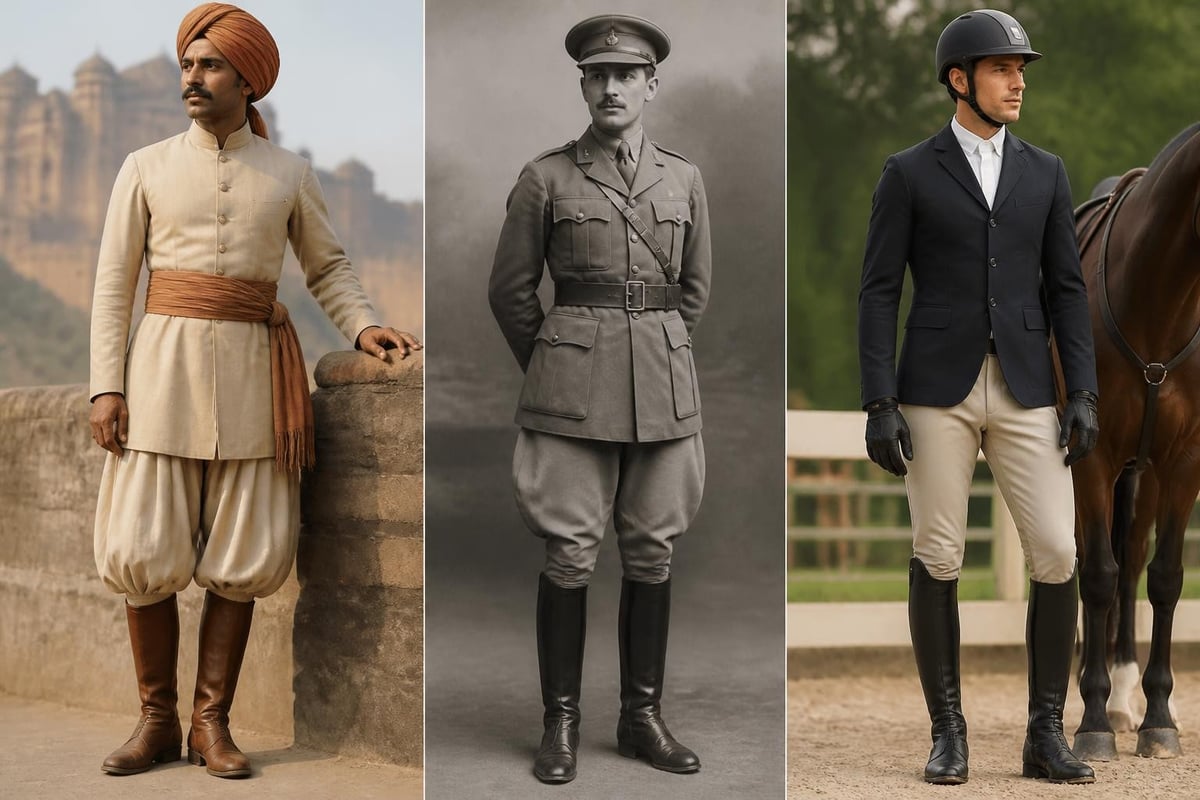
Equestrian jodhpurs originated in the Indian city of Jodhpur during the 19th century, where Maharaja Pratap Singh commissioned tailors to create riding trousers suited to polo and military equestrian activities. The design featured a looser fit through the thigh that tapered dramatically below the knee, allowing freedom of movement whilst maintaining contact with the horse. British officers and polo players brought these garments back to England in the late 1800s, where they quickly became standard riding attire.
The transformation from traditional Indian garments to Western equestrian essentials reflects a fascinating cultural exchange. By the early 20th century, jodhpurs had become synonymous with equestrian sport and military cavalry units worldwide. Their practicality and distinctive silhouette made them indispensable for riders who needed durability without sacrificing mobility.
Why Jodhpurs Remain Relevant Today
Modern equestrian jodhpurs combine historical design principles with contemporary fabric technology. The extended length eliminates the need for tall boots, making them ideal for riders who prefer paddock boots or shorter riding boots. This versatility extends beyond the arena - jodhpurs work equally well during stable management, casual riding sessions, or country walks.
The refined appearance of well-fitted jodhpurs offers an understated elegance that breeches sometimes lack. For men who appreciate classic equestrian attire, jodhpurs provide a timeless option that never feels dated. They suit both traditional and progressive riding styles, adapting to various disciplines from show jumping to recreational hacking.
Understanding the Anatomy of Proper Jodhpurs
The construction of quality equestrian jodhpurs involves several key design elements. The seat and inner leg typically feature reinforcement - either full seat, knee patch, or stick seat configurations. This reinforcement provides grip and protection during extended riding sessions. Modern reinforcements use suede, leather, or synthetic alternatives that balance traction with flexibility.
The thigh area allows natural movement without excess fabric bunching. A well-designed pair tapers smoothly from hip to ankle, creating clean lines that complement rather than restrict your riding position. The ankle cuff should fit snugly without cutting circulation, typically fastening with buttons, elastic straps, or hook-and-loop closures.
Fabric Technology in Modern Jodhpurs
Contemporary jodhpurs employ technical fabrics that traditional cotton versions never could. Performance blends incorporating elastane or spandex offer four-way stretch that moves with your body. Moisture-wicking properties keep you comfortable during intense riding sessions, whilst breathability prevents overheating in warmer conditions.
| Feature | Traditional Cotton | Modern Performance Blend |
|---|---|---|
| Stretch | Minimal | Four-way stretch |
| Moisture Management | Low | High wicking capability |
| Durability | Moderate | Enhanced with synthetic fibres |
| Recovery | Poor (bags at knees) | Excellent shape retention |
| Breathability | Good | Optimized ventilation zones |
Premium jodhpurs from brands focused on men's riding wear prioritize fabrics that withstand frequent washing without losing shape or colour. The investment in quality materials pays dividends through extended garment life and consistent performance. When selecting your pair, feel the fabric - it should have substantial weight without stiffness, offering both structure and give.
Jodhpurs Versus Breeches: Making the Right Choice
Understanding the differences between jodhpurs, breeches, and riding tights helps you select appropriate riding trousers for your activities. Breeches end at mid-calf and require tall boots, creating a sleek silhouette favoured in formal competition settings. Jodhpurs extend to the ankle, pairing with paddock boots or jodhpur boots for a practical yet refined appearance.
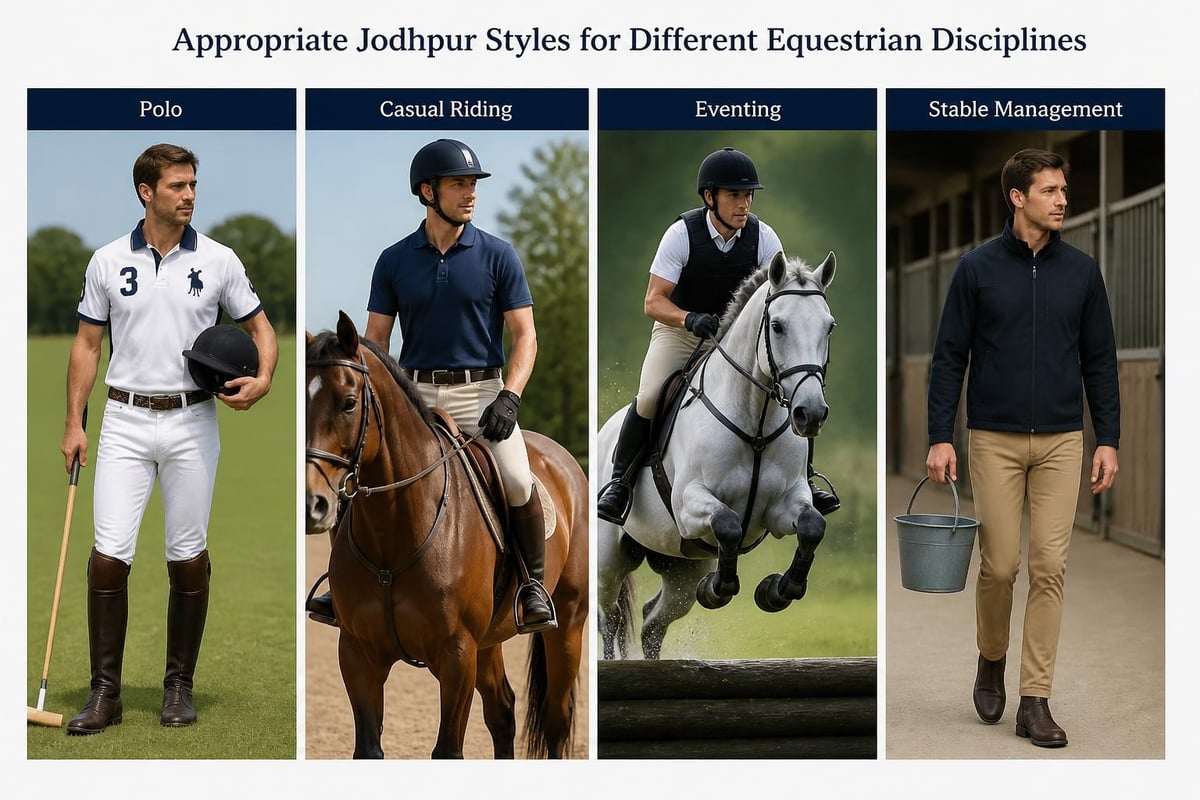
The choice often depends on your riding discipline and personal preference. Dressage and show jumping traditionally favour breeches, whilst polo, eventing, and casual riding suit jodhpurs perfectly. Some riders keep both styles in their wardrobe, selecting based on the day's activities.
Practical Considerations for Different Disciplines
For show ring appearances, check your discipline's dress code. Most hunter and jumper classes accept jodhpurs in lower-level competitions, though advanced divisions typically require breeches and tall boots. Polo players almost universally choose jodhpurs - the sport's heritage makes them the natural choice.
Everyday riding and stable management favour jodhpurs for their convenience. Pulling on paddock boots takes seconds compared to wrestling with tall boots. This efficiency matters when you're managing multiple horses or squeezing riding into a busy schedule. The ankle coverage also provides additional protection from stirrup leather friction and weather exposure.
Achieving the Perfect Fit in Equestrian Jodhpurs
Proper sizing and fit transform adequate jodhpurs into exceptional ones. Start with your natural waist measurement, not your jean size. Equestrian jodhpurs typically sit higher than casual trousers, designed to remain secure during riding without constant adjustment. The waistband should feel comfortably snug - not tight - with room to breathe but no gapping.
The seat requires particular attention. Too loose creates excess fabric that bunches uncomfortably; too tight restricts movement and causes pressure points. When trying jodhpurs, sit in a riding position. Squat, lift your knees, and move through typical mounting motions. Quality jodhpurs accommodate these movements without pulling or straining seams.
Length and Ankle Fit Specifications
Inseam length matters considerably with equestrian jodhpurs. The ankle cuff should rest just above your boot top without riding up during movement. Standing, the cuff sits at or slightly below your ankle bone. When mounted, it shouldn't pull up your leg, exposing skin or sock.
The ankle closure mechanism affects both fit and longevity. Button closures offer a classic appearance but require more maintenance. Elastic straps provide flexibility and accommodate slight swelling during long rides. Hook-and-loop fasteners deliver convenience though they may wear faster. Consider your priorities - tradition, functionality, or ease of use.
For men specifically, pay attention to rise and crotch construction. Well-designed men's jodhpurs feature appropriate proportions that accommodate male anatomy comfortably. Brands specializing in men's equestrian clothing understand these nuances, creating patterns that actually fit rather than adapting women's designs.
Style Elements That Define Quality Jodhpurs
The visual refinement of equestrian jodhpurs stems from subtle design choices. Clean lines, minimal exterior stitching, and thoughtful colour selection create garments that look purposeful rather than fussy. Traditional colours - tan, beige, navy, black, and grey - remain staples for good reason. They complement various boot colours and coordinate effortlessly with jackets, shirts, and riding accessories.
Modern interpretations occasionally introduce contemporary colours or patterns, though conservative styling generally serves riders better. A neutral palette ensures your jodhpurs work across multiple outfits and occasions. Quality over flash never goes out of style.
Hardware and Finishing Details
Button quality, zipper construction, and pocket placement reveal manufacturing standards. Metal buttons should attach securely with reinforced stitching. Zippers need smooth operation and durable pulls that withstand frequent use. Front pockets should sit flat without adding bulk, whilst back pockets - if included - maintain slim profiles.
Belt loops matter more than many riders realize. They should accommodate standard belt widths whilst sitting flush against the waistband. Reinforced belt loops prevent tearing, especially at stress points. Check stitching at all attachment points - quality construction shows consistent, tight stitching with no loose threads or skipped sections.
| Detail | Quality Indicator | Warning Sign |
|---|---|---|
| Stitching | Even, tight, reinforced at stress points | Loose threads, irregular spacing |
| Buttons | Metal, securely attached, functional | Plastic, wobbly attachment |
| Zippers | Smooth operation, sturdy pulls | Sticking, flimsy construction |
| Seams | Flat-felled or reinforced | Raw edges, puckering |
| Waistband | Structured, maintains shape | Rolls, twists, or collapses |
Caring for Your Jodhpurs to Maximize Longevity
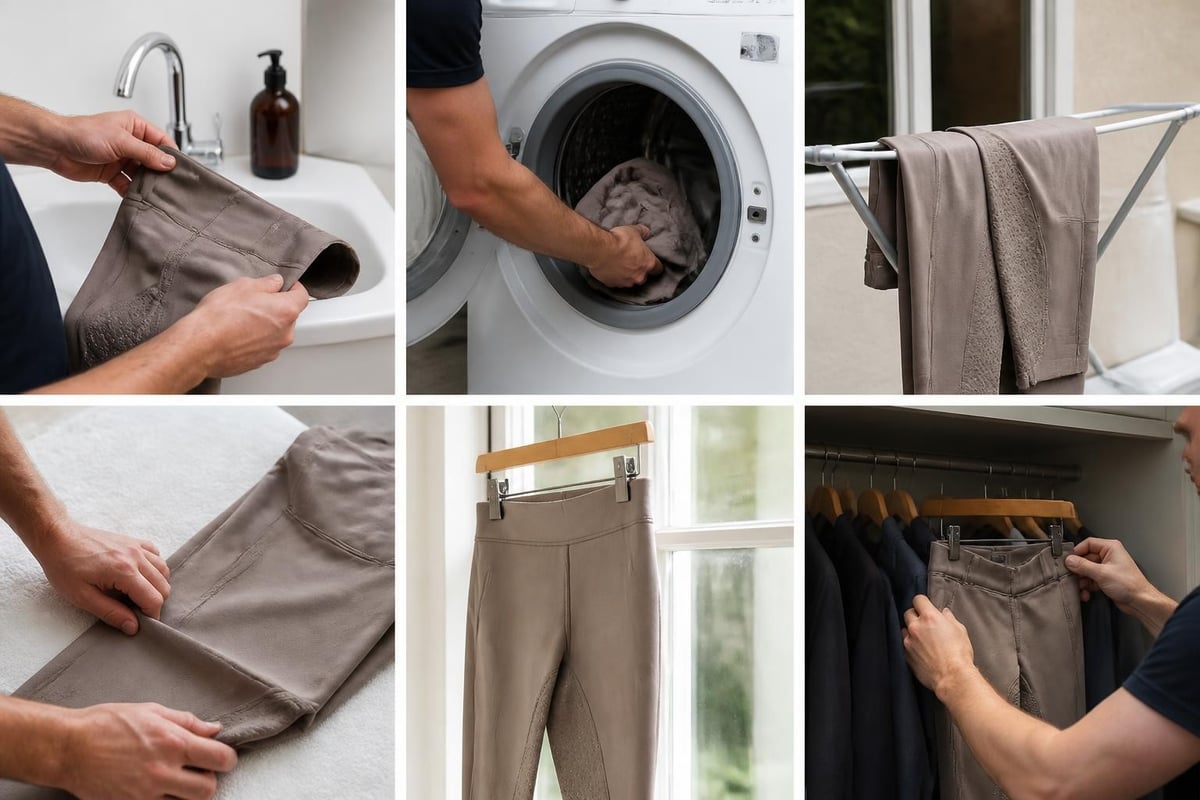
Proper maintenance extends jodhpur life significantly. Most modern performance fabrics tolerate machine washing, though always check manufacturer instructions. Use cool or warm water rather than hot, which can degrade elastic fibres and set stains. Turn jodhpurs inside out to protect exterior surfaces and reduce colour fading.
Avoid fabric softeners - they coat technical fibres, reducing moisture-wicking capabilities and breathability. Similarly, skip chlorine bleach, which weakens fabric structure and causes discolouration. For stubborn stains, treat spots before washing with gentle stain removers designed for technical fabrics.
Drying and Storage Best Practices
Air drying preserves fabric integrity better than machine drying. High heat can shrink jodhpurs, damage elastic components, and set creases that become permanent over time. Hang jodhpurs by the waistband or lay flat on a drying rack. Avoid direct sunlight, which fades colours and weakens fibres.
Storage requires a bit more thought than simply tossing jodhpurs in a drawer. Fold along natural creases or hang from proper trouser hangers that support the waistband. Cedar or lavender sachets deter moths whilst keeping stored jodhpurs fresh. Rotate multiple pairs if possible - wearing the same jodhpurs daily accelerates wear patterns and prevents proper recovery between uses.
Selecting Jodhpurs for Different Seasons
Year-round riding demands seasonal wardrobe adjustments. Summer jodhpurs prioritize lightweight fabrics with maximum breathability. Look for mesh panels or ventilation zones that promote airflow without compromising structure. Lighter colours reflect heat better than dark shades, keeping you cooler during intense summer sessions.
Winter riding requires different considerations. Heavier-weight fabrics provide warmth without bulk, whilst technical blends maintain moisture management even with thermal base layers underneath. Some riders prefer fleece-lined jodhpurs for particularly cold conditions, though layering standard jodhpurs over quality thermal tights often provides better versatility.
Transitional Weather Solutions
Spring and autumn present unpredictable conditions that challenge rigid seasonal wardrobes. Mid-weight equestrian jodhpurs with moderate stretch suit these transitional periods perfectly. They're warm enough for crisp mornings yet breathable for afternoon temperature increases. Pairing them with appropriate base layers adapts them to varying conditions without requiring multiple specialized pairs.
Water resistance matters during wet seasons. Whilst jodhpurs aren't typically waterproof, some feature water-repellent treatments that shed light rain and morning dew. This functionality proves invaluable during early stable chores or unexpected weather changes. For sustained wet riding, appropriate waterproof outerwear remains essential, but water-resistant jodhpurs add another layer of protection.
Investing in Quality Over Quantity
Budget-conscious riders often face the temptation to purchase multiple inexpensive pairs rather than investing in fewer quality items. Experience suggests the opposite approach serves better. Two pairs of exceptional jodhpurs outlast and outperform five cheap alternatives whilst providing superior comfort and appearance throughout their service life.
Quality construction uses better materials, employs skilled manufacturing, and incorporates thoughtful design refinements. Reinforcements sit precisely where stress occurs. Seams align perfectly. Fabric weight balances durability with comfort. These details accumulate into garments that justify their cost through extended use and consistent performance.
Cost Per Wear Calculations
Consider jodhpur purchases through cost-per-wear analysis. Premium jodhpurs costing £200 that last five years with regular use (say, twice weekly) deliver exceptional value. That's approximately 520 wears over five years, or roughly 38 pence per wear. Cheap jodhpurs at £50 that last six months with similar use cost about 96 pence per wear before requiring replacement. Quality wins financially whilst providing better performance.
This calculation ignores intangible benefits - comfort, confidence, and appearance - that quality jodhpurs deliver consistently. When you look good and feel comfortable, riding improves. Distraction from poor-fitting or uncomfortable clothing affects your focus and position. Investing properly in foundational pieces like jodhpurs supports your development as a rider.
Building a Functional Jodhpur Wardrobe
Most riders benefit from owning two to four pairs of equestrian jodhpurs, depending on riding frequency and laundry habits. Start with one versatile neutral pair - tan or grey works across seasons and occasions. Add a second pair in a complementary colour or weight for variety and backup during washing cycles.
Serious riders or those competing regularly might expand to specialized pairs. Competition jodhpurs in formal colours like navy or black pair perfectly with show jackets and formal shirts. Training jodhpurs in practical shades withstand daily stable work and schooling sessions. This approach ensures appropriate attire for different situations whilst preventing premature wear on competition pieces.
Coordinating With Other Riding Wear
Jodhpurs form the foundation of cohesive riding outfits. Neutral jodhpur colours coordinate effortlessly with most shirt and jacket combinations. When building your wardrobe, consider how pieces work together. Understanding broader equestrian fashion principles helps create versatile combinations from fewer individual items.
Your jodhpur collection should complement rather than duplicate. If you own tan jodhpurs, consider navy or grey next rather than a second tan pair. This variety maximizes outfit options whilst maintaining a refined aesthetic. Quality over quantity applies to entire wardrobes - fewer excellent pieces that work together beat numerous mediocre items that clash or duplicate.
Performance Features That Matter
Beyond basic construction, several performance features distinguish exceptional equestrian jodhpurs from adequate ones. Articulated knees incorporate subtle shaping that accommodates bent-leg riding positions without creating excess fabric. This contouring improves comfort during extended sessions and eliminates bunching that causes chafing.
Grippy seat materials vary in composition and coverage. Full-seat provides maximum security, ideal for jumping or nervous horses. Knee-patch offers targeted grip whilst maintaining traditional aesthetics. Consider your riding style and security needs when selecting reinforcement extent and material.
Strategically placed stretch panels - often at the calf or behind the knee - enhance flexibility without compromising overall structure. These panels should integrate seamlessly rather than appearing as obvious additions. Quality jodhpurs balance stretch and stability across the entire garment, not just isolated sections.
Moisture and Temperature Management
Technical fabric treatments enhance comfort across varying conditions. Moisture-wicking finishes pull perspiration away from skin, allowing rapid evaporation that prevents clamminess. Anti-microbial treatments reduce odour development, particularly valuable during multi-day competitions or hot weather riding.
Some premium jodhpurs incorporate temperature-regulating technologies that adapt to conditions. These fabrics feel cooler when you're hot and warmer when temperatures drop. Whilst not necessary for everyone, riders in extreme climates or those particularly sensitive to temperature fluctuations appreciate this functionality.
The Future of Equestrian Jodhpurs for Men
Innovation continues advancing jodhpur design and functionality. Sustainable materials gain traction as riders increasingly prioritize environmental responsibility. Recycled polyester, organic cotton blends, and plant-based technical fabrics offer performance without environmental compromise. These materials perform comparably to traditional synthetics whilst reducing ecological impact.
Smart fabrics incorporating embedded sensors remain experimental but show promise. Imagine jodhpurs that monitor muscle engagement, track position consistency, or provide biometric data during training. Whilst mainstream adoption likely sits years away, technological integration will eventually influence equestrian wear as it has other athletic disciplines.
Traditional Values Meet Modern Innovation
Despite technological advances, fundamental jodhpur design principles remain constant. The distinctive silhouette, ankle length, and reinforced seats that defined original jodhpurs persist because they work. Modern improvements enhance rather than replace these proven elements. The best contemporary jodhpurs honour heritage whilst embracing thoughtful innovation.
For men seeking riding trousers that balance tradition, performance, and style, equestrian jodhpurs deliver. They represent purposeful design refined through generations of riders who demanded functionality without sacrificing appearance. Whether you're mounting for a casual hack or preparing for competition, properly selected jodhpurs support your riding whilst reflecting your commitment to quality.
Choosing the right equestrian jodhpurs transforms your riding experience through enhanced comfort, performance, and confidence. Quality construction, proper fit, and thoughtful design create garments that serve you reliably across seasons and disciplines. At Gallant Equestrian, we specialize in performance-driven riding wear designed specifically for men who take their equestrian pursuits seriously. Our New Zealand-designed collection combines lasting quality with refined style that transitions seamlessly from stable to everyday life. Look the Part. Enjoy the Ride.

