

Horse Riding Coats: The Ultimate Guide for Men in 2026
Aug 04, 2026
The right coat transforms your riding experience. Whether you're competing in the arena, heading out for a countryside hack, or simply working around the stables, horse riding coats serve a purpose beyond simple coverage. They're engineered for movement, designed to protect against the elements, and crafted to present a polished appearance that commands respect. For men who ride seriously, understanding the nuances of riding coats matters.
Understanding the Purpose Behind Riding Coats
Horse riding coats aren't just formal wear stored for show days. They're functional pieces that address specific challenges riders face.
The traditional riding coat evolved from military uniforms and hunting attire, designed with features that matter in the saddle. Long back vents prevent fabric bunching when mounted. Strategic seam placement reduces chafing during extended rides. These aren't decorative details. They're engineering solutions developed over centuries.
Modern horse riding coats maintain these classical elements whilst incorporating technical fabrics that wick moisture, repel water, and breathe during intense work. The best examples balance heritage with innovation.
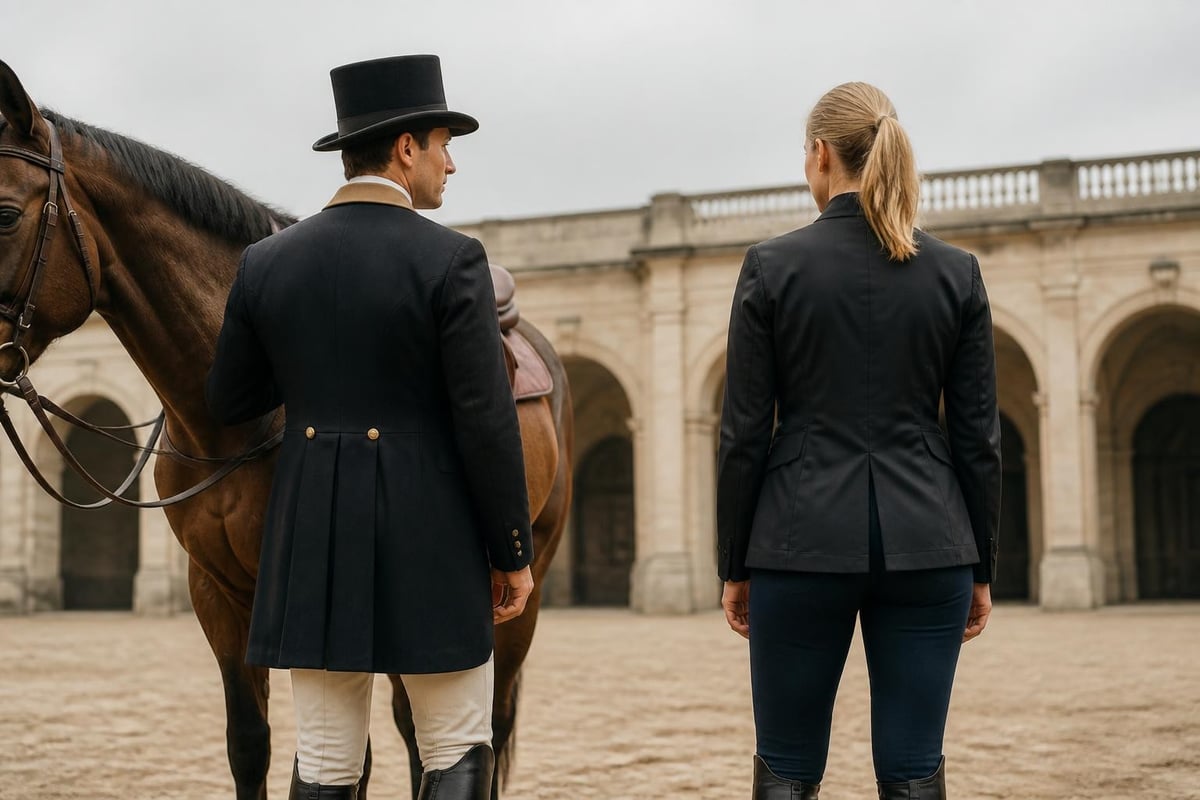
Technical Requirements for Performance
Consider what happens during a typical riding session. Your shoulders rotate during posting trot. Your arms extend for half-halts. Your back flexes and extends continuously. Standard jackets restrict these movements.
Proper riding coats use gusseted underarms, stretch panels at stress points, and carefully positioned darts that follow natural body movement. When you raise your arms to adjust reins or pat your horse's neck, the coat moves with you.
| Feature | Purpose | Why It Matters |
|---|---|---|
| Back vents | Prevents bunching when seated | Comfort during long rides |
| Stretch panels | Allows shoulder rotation | Freedom of movement |
| Extended back length | Protects lower back | Coverage in saddle position |
| Two-way zippers | Adjustable ventilation | Temperature regulation |
Temperature regulation becomes critical during active riding. You generate significant heat through physical exertion, yet you're often riding in cold conditions. Quality horse riding coats incorporate ventilation systems that let you adjust airflow without removing the garment entirely.
Formal Show Coats Versus Everyday Riding Jackets
The distinction between formal competition coats and practical riding jackets defines how you build a functional wardrobe.
The Shadbelly and Competition Standards
The shadbelly coat represents the pinnacle of formal riding attire in dressage and certain hunter classes. This distinctive style features tails and contrasting collar points, creating an elegant silhouette that emphasizes correct rider position.
Competition standards vary by discipline. Dressage typically requires black or navy shadbellies for upper-level tests. Show jumping allows more flexibility, with contemporary cuts and subtle pattern variations becoming acceptable. Understanding your discipline's dress code prevents awkward moments at the in-gate.
When selecting show coats for competitions, fit becomes paramount. A coat that's too tight restricts your aids. One that's too loose creates visual bulk that disrupts the clean lines judges expect. The shoulder seam should sit precisely at your shoulder point, sleeves should end at your wrist bone, and the back length should cover your belt when mounted.
Technical Riding Jackets for Daily Work
Your everyday riding coat handles different demands. Weather protection, durability, and ease of care matter more than perfect formal presentation.
Modern technical riding jackets incorporate features borrowed from outdoor sports. Waterproof membranes keep you dry during unexpected showers. Insulated versions provide warmth without bulk. Packable designs stuff into saddle bags when temperatures rise.
The best everyday horse riding coats transition seamlessly from stable to street. You shouldn't need to change jackets before heading to the feed store or grabbing lunch after a morning ride. This versatility defines proper design.
Materials and Construction Quality
Fabric choice determines how long your coat performs and how well it handles the rigours of riding.
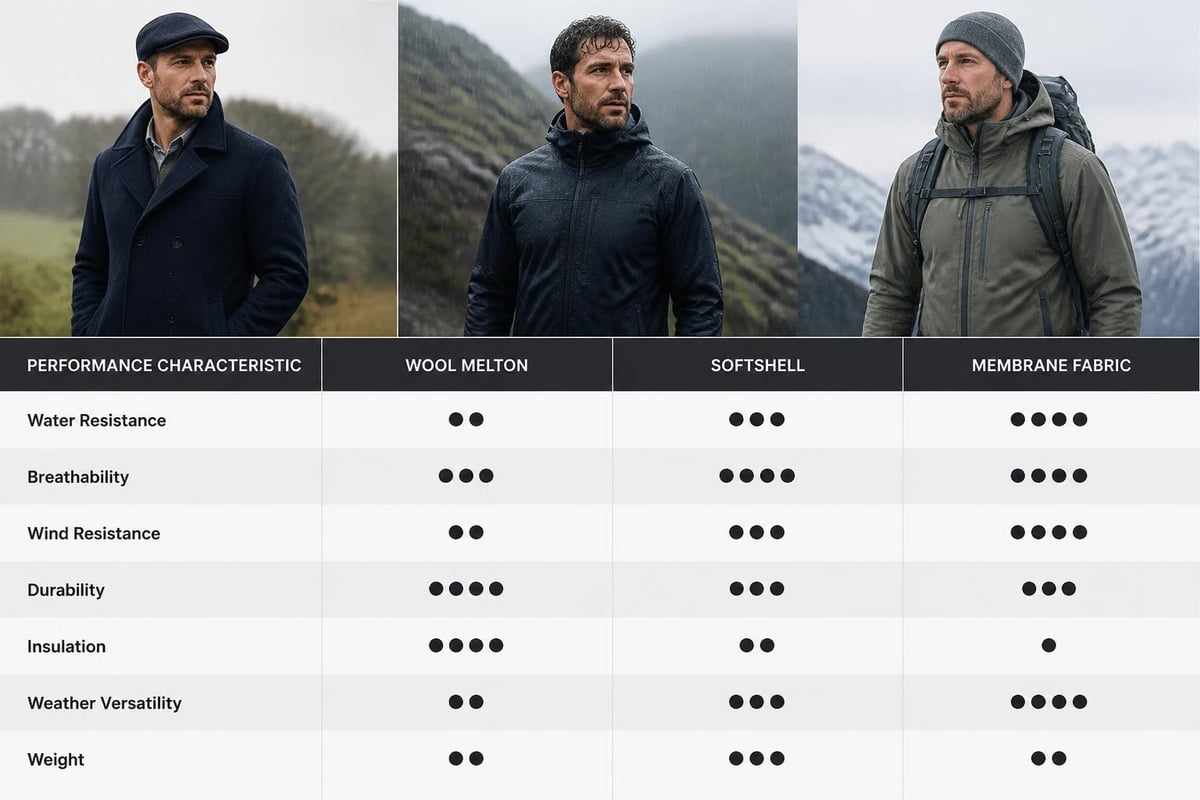
Traditional wool melton cloth dominated riding coats for generations. This tightly woven material sheds light rain, resists wind, and maintains shape over years of use. Quality wool coats develop character as they age, conforming to your body through repeated wear.
Modern Technical Fabrics
Contemporary materials expand possibilities. Softshell fabrics combine stretch, water resistance, and breathability in single layers. These work brilliantly for active riding in moderate conditions.
Membrane technologies like Gore-Tex and eVent provide complete waterproofing whilst allowing perspiration to escape. For riders in wet climates, waterproof riding jackets become essential kit rather than optional extras.
Construction details reveal quality. Inspect seam finishing. Properly finished seams in horse riding coats use flat-felled or bound techniques that prevent fraying and add strength. Check stress points like armholes and shoulder seams for reinforcement stitching.
Button quality matters more than you'd expect. Cheap buttons crack or break. Quality horn, corozo, or metal buttons last decades. They're also easier to replace when damaged.
Fit Considerations for Mounted and Unmounted Wear
A coat that fits perfectly standing in a shop might fail completely once you're in the saddle. This creates unique fitting challenges.
The Mounted Position Test
Always test coats whilst sitting in riding position if possible. Bend your elbows as if holding reins. Rotate your shoulders through typical riding movements. The coat should move with you, not against you.
Back length extends significantly in riding coats compared to standard jackets. When you sit in the saddle, your torso lengthens. Insufficient back length exposes your lower back or pulls the front hem upward.
Sleeve length requires similar adjustment. Mounted, your arms extend forward. Sleeves that seem adequate standing often reveal several centimetres of wrist when you're holding reins. Proper riding coat sleeves account for this extension.
| Measurement | Standard Jacket | Riding Coat | Difference |
|---|---|---|---|
| Back length | Hip bone | 5-7cm below hip | Extended coverage |
| Sleeve length | Wrist bone | Past wrist bone | Forward arm position |
| Shoulder width | Natural shoulder | Slightly wider | Movement allowance |
Layering Systems
Horse riding coats often serve as outer layers in a complete system. Consider what you'll wear underneath. A coat fitted over just a shirt becomes too tight with a fleece mid-layer added.
Smart riders choose coats that accommodate typical layering combinations. Your competition coat needs room for your show shirt. Your winter hacking jacket should fit over thermal base layers and a insulating mid-layer.
Seasonal Variations and Climate Adaptation
Climate determines which horse riding coats you'll actually use versus which hang unused in your wardrobe.
Winter Riding Requirements
Cold weather riding demands serious insulation without bulk. Puffy coats restrict movement. The solution lies in modern insulation technologies that provide warmth in thin profiles.
Primaloft, Thinsulate, and similar synthetic insulations trap heat efficiently whilst compressing easily. They also maintain insulating properties when damp, unlike down which fails when wet.
Waterproof riding coats become essential in winter. Rain combined with cold creates miserable riding conditions. A properly waterproof coat with taped seams and water-resistant zippers keeps you comfortable through extended sessions.
Don't overlook collar design. High collars protect your neck from wind and rain. Some winter riding coats include integrated hood storage, though many riders prefer separate rain hoods to avoid bulk.
Summer and Transitional Season Options
Warm weather requires different thinking. Heavy coats cause overheating. Yet competition rules still mandate jackets in many disciplines.
Lightweight show coats use tropical weight wool or breathable synthetic blends. These provide the required formal appearance whilst allowing heat dissipation. Some incorporate mesh linings that enhance airflow.
For casual summer riding, consider whether you need a coat at all. A quality riding shirt often suffices. When jackets are necessary, choose shells that pack small and provide wind or light rain protection without insulation.
Care and Maintenance for Longevity
Proper care extends the life of quality horse riding coats significantly. These garments represent substantial investments that reward good maintenance.
Cleaning Approaches
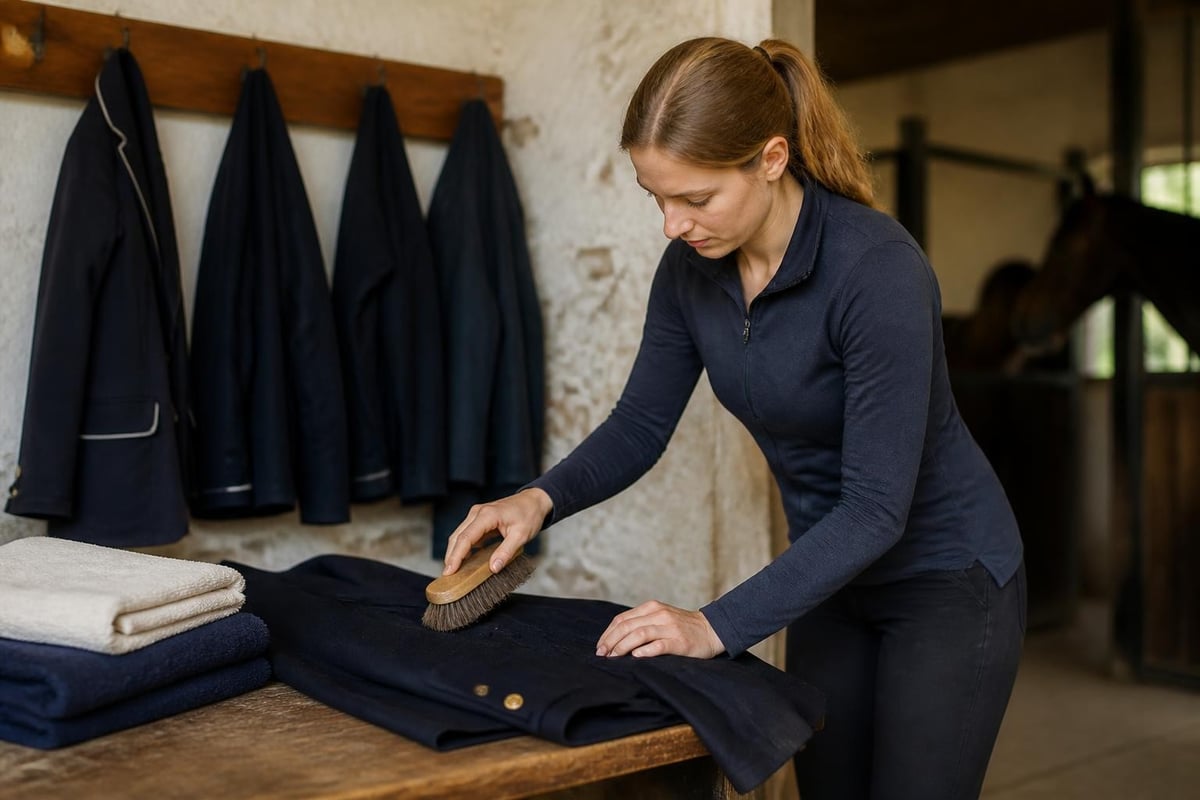
Wool coats generally require dry cleaning. Harsh detergents and agitation damage wool fibres. Find a cleaner experienced with equestrian wear. They understand the unique challenges horse hair, stable dust, and sweat present.
Technical fabric coats often tolerate machine washing, but check manufacturer guidelines carefully. Waterproof membranes require specific detergents. Standard detergents leave residues that clog membrane pores, destroying breathability.
After washing waterproof coats, restore water repellency with appropriate treatments. DWR (durable water repellent) coatings wear off with use. Regular reapplication maintains performance.
Storage Between Seasons
Store horse riding coats properly during off-seasons. Hanging maintains shape better than folding. Use proper wooden or padded hangers that support shoulder construction.
Keep coats in breathable garment bags. Plastic bags trap moisture, encouraging mildew. Cedar blocks deter moths in wool coats without chemical treatments.
Address damage promptly. Small tears become large rips. Loose buttons fall off and get lost. Minor repairs cost little. Major reconstruction costs significantly more.
Choosing Coats That Work Beyond the Arena
Modern riders demand versatility. Horse riding coats that only function in equestrian settings limit their value.
Quality men's equestrian apparel bridges this gap. Designs incorporate riding-specific features whilst maintaining clean aesthetics that work in normal life.
The Crossover Factor
A well-designed riding coat shouldn't announce itself as equestrian-specific. Subtle details rather than obvious branding create pieces you'll actually wear regularly.
Consider colour beyond traditional black and navy. Charcoal grey, olive, and tan expand wardrobe coordination options. These neutral tones work equally well over breeches or casual trousers.
Detail level matters. Excessive piping, contrasting patches, or overly technical styling limits non-riding use. Cleaner designs travel better between contexts.
Building a Practical Rotation
Most riders need multiple coats serving different purposes. A functional rotation might include a formal show coat for competitions, a technical jacket for daily riding, and a casual coat for stable work and general wear.
This approach prevents over-using any single garment. Your show coat stays pristine for competitions. Your work coat handles the messy reality of stable chores. Each piece lasts longer through appropriate use.
Quality pieces from riding clothes brands that understand men's needs deliver better long-term value than buying cheaper alternatives repeatedly. Proper construction and materials justify higher initial costs through extended lifespan.
Regional Styles and Cultural Traditions
Different riding cultures favour distinct coat styles, though globalisation increasingly blends these traditions.
British riding tradition emphasizes formal presentation. Tweed hacking jackets, black show coats, and country-inspired styling dominate. These reflect centuries of hunting and equestrian heritage.
European dressage culture brought the shadbelly into mainstream competition use. Continental styling tends toward slightly slimmer cuts and modern fabric integration.
American western riding developed entirely different coat traditions. Sport coats rather than riding-specific designs often serve in western pleasure classes. Trail riding emphasizes technical outdoor gear over formal equestrian pieces.
Understanding these traditions helps explain design choices in various horse riding coats. It also guides appropriate selection for your specific discipline and context.
Investment Versus Budget Considerations
Horse riding coats span dramatic price ranges. Understanding where money goes helps make informed decisions.
What Premium Pricing Delivers
Expensive coats typically offer superior fabric quality, better construction techniques, and enhanced durability. They also provide improved fit through better pattern-making and sizing options.
Quality riding coats often include details like genuine horn buttons, hand-finished buttonholes, and carefully matched fabric patterns at seams. These aren't merely aesthetic. They indicate overall construction quality.
Premium brands usually offer better customer service, including alterations, repairs, and fit consultations. This support adds value beyond the physical garment.
Finding Value in Mid-Range Options
Not every rider needs top-tier coats immediately. Mid-range options provide solid performance at accessible prices.
Focus on core features rather than brand prestige. A £200 coat with proper construction, adequate fabric, and correct cut serves better than a £500 coat with poor fit.
Sales and end-of-season clearances offer opportunities. Last year's colours or patterns perform identically to current season offerings at reduced prices.
Matching Coats to Riding Discipline
Different equestrian disciplines maintain distinct coat requirements and traditions.
Dressage Formality
Dressage competition coats follow strict guidelines. Black or navy shadbellies dominate upper levels. Lower levels allow standard show coats in conservative colours.
Fit precision matters enormously in dressage. Judges assess overall picture, including turnout. Ill-fitting coats detract from scores.
Show Jumping Flexibility
Show jumping embraces more style variation. Contemporary cuts, subtle patterns, and occasional colour variations appear at all levels.
Functionality increases in importance for jumping. Coats must allow extreme shoulder rotation for releases over fences. Restrict movement and you affect riding quality.
Eventing Versatility
Eventers need multiple coats. Dressage phases require formal presentation. Cross-country demands weather-appropriate technical wear. Show jumping brings another outfit change.
This creates wardrobe complexity. Many eventers prioritize their dressage coat quality, then choose functional technical pieces for other phases.
Casual Riding Freedom
Pleasure riding and hacking allow complete freedom. Choose coats that handle weather conditions you'll actually encounter. Comfort and durability trump formal presentation.
This context lets you explore casual horse riding clothes that express personal style whilst maintaining practical function.
Emerging Trends in Men's Riding Coats
The equestrian clothing industry evolves continuously. Several trends shape current offerings in horse riding coats.
Sustainability gains importance. Brands increasingly use recycled fabrics, responsible wool sources, and reduced chemical treatments. Riders appreciate knowing their gear minimizes environmental impact.
Technical integration expands. Features once limited to outdoor sports now appear in riding coats. Articulated sleeves, strategic stretch panels, and advanced waterproofing become standard rather than premium additions.
Slimmer cuts reflect modern tailoring trends whilst maintaining necessary movement allowance. Contemporary riders often prefer fitted silhouettes over traditional boxy shapes.
Versatility drives design thinking. Coats engineered to transition from stable to street respond to how riders actually live. Removable hoods, reversible designs, and packable constructions add flexibility.
These trends appear across price points, making modern features accessible to most budgets.
Choosing the right horse riding coat balances tradition, function, and personal style. The best options feel natural in the saddle whilst looking sharp everywhere else. At Gallant Equestrian, we understand what men who ride actually need. Our collection delivers performance-focused pieces built to last, designed in New Zealand for riders who refuse to compromise on quality or style. Look the Part. Enjoy the Ride.

