

Horse Riding Gear Australia: Essential Kit for Modern Riders
Feb 18, 2026
Finding the right horse riding gear Australia offers can feel overwhelming when you're starting out or upgrading your kit. The Australian equestrian landscape demands equipment that handles everything from scorching summers to wet winters, dusty arenas to muddy trails. Whether you're riding competitively, working stock, or enjoying weekend hacks, your gear needs to perform across diverse conditions while keeping you comfortable and looking sharp. This guide breaks down what matters most when selecting horse riding gear in Australia, focusing on practical choices that enhance your riding experience without compromising on style or function.
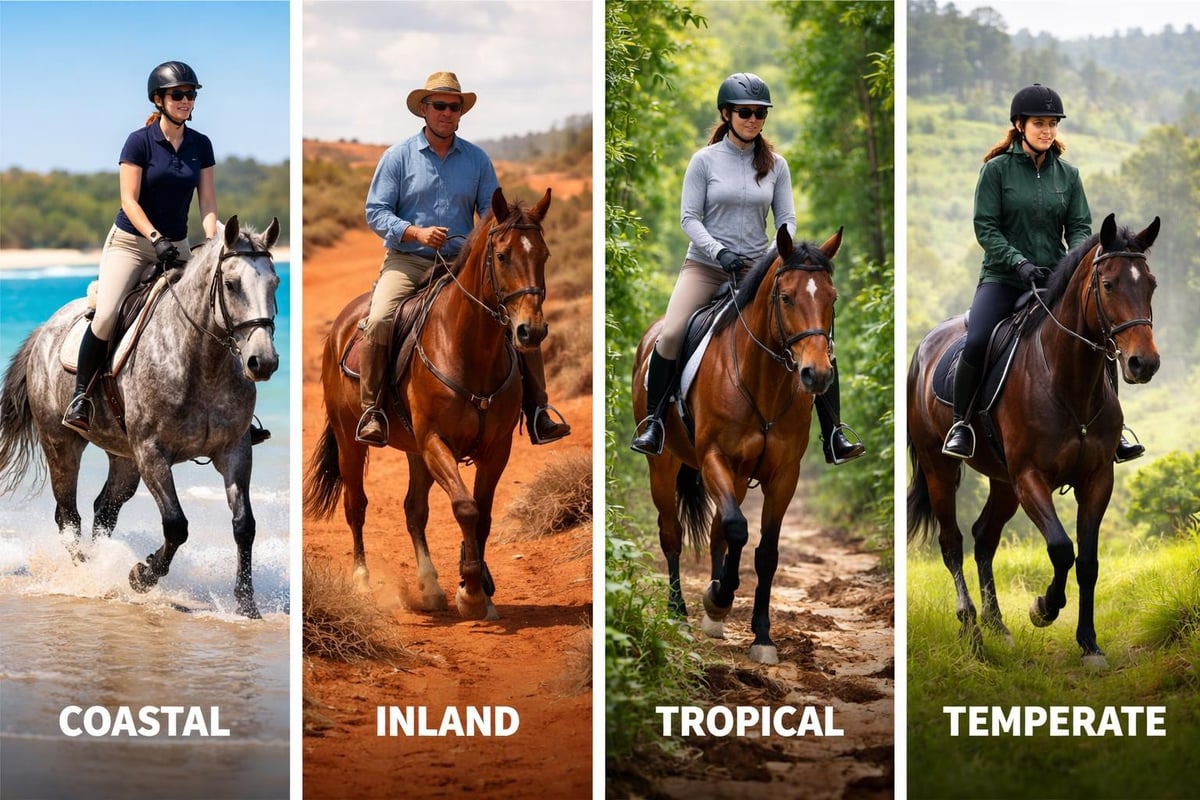
Understanding Australian Riding Conditions
Australia's climate puts unique demands on horse riding gear. You're dealing with intense UV exposure, temperature extremes, and conditions that swing from bone-dry to waterlogged within weeks.
The gear that works in European or American stables often falls short here. You need fabrics that breathe during 38-degree days, protect against harsh sun, and dry quickly after unexpected downpours. The Horse Safety Australia standards emphasize the importance of proper equipment for rider safety, particularly in our challenging environment.
Australian riders also tend to move between disciplines more fluidly than their international counterparts. You might school dressage in the morning and head out on trails in the afternoon. Your horse riding gear Australia selections need this versatility built in.
Essential Riding Breeches and Trousers
Your riding trousers form the foundation of any equestrian wardrobe. In Australia's heat, breathability isn't optional, it's essential.
Modern technical breeches use moisture-wicking fabrics that pull sweat away from your skin. Look for four-way stretch materials that move with you rather than against you. The difference becomes obvious during long rides or training sessions.
Full-seat versus knee-patch designs each serve different purposes. Full-seat breeches offer maximum grip and work well for dressage or jumping. Knee-patch versions provide breathability in hot weather while maintaining security in the saddle. Many Australian riders keep both styles on hand.
For those exploring different breech options, consider how each pair handles washing and wear. Quality breeches maintain their shape and grip through dozens of wash cycles, making them worthwhile investments.
Fit matters more than brand. Breeches should sit comfortably at your natural waist without gaping or pinching. The leg length needs to reach your ankle bone when you're standing, creating a clean line with boots without excess fabric bunching.
Footwear That Performs
Boots represent your most critical safety investment in horse riding gear Australia requires. Poor footwear compromises your security in the saddle and puts you at risk during ground work.
Tall boots remain the standard for competition and formal riding. They provide leg protection, support, and a polished appearance that meets show requirements. Quality leather boots mold to your leg shape over time, offering customized fit and comfort.
Paddock boots with half chaps give you flexibility and easier break-in periods. This combination works particularly well for Australian conditions where you might transition between riding and barn work throughout the day. The ability to remove chaps when temperatures soar makes this setup practical for summer riding.
Boot construction directly impacts longevity. Full-grain leather withstands Australian conditions better than synthetic alternatives, though modern synthetic boots have improved dramatically. Your choice depends on budget, riding frequency, and climate exposure.
Safety standards matter. Boots need a defined heel (at least 1.25cm) to prevent your foot sliding through the stirrup. The sole should provide grip without excessive tread that could catch. Avoid fashion boots, they lack the structural features that keep you safe.
Protective Headwear
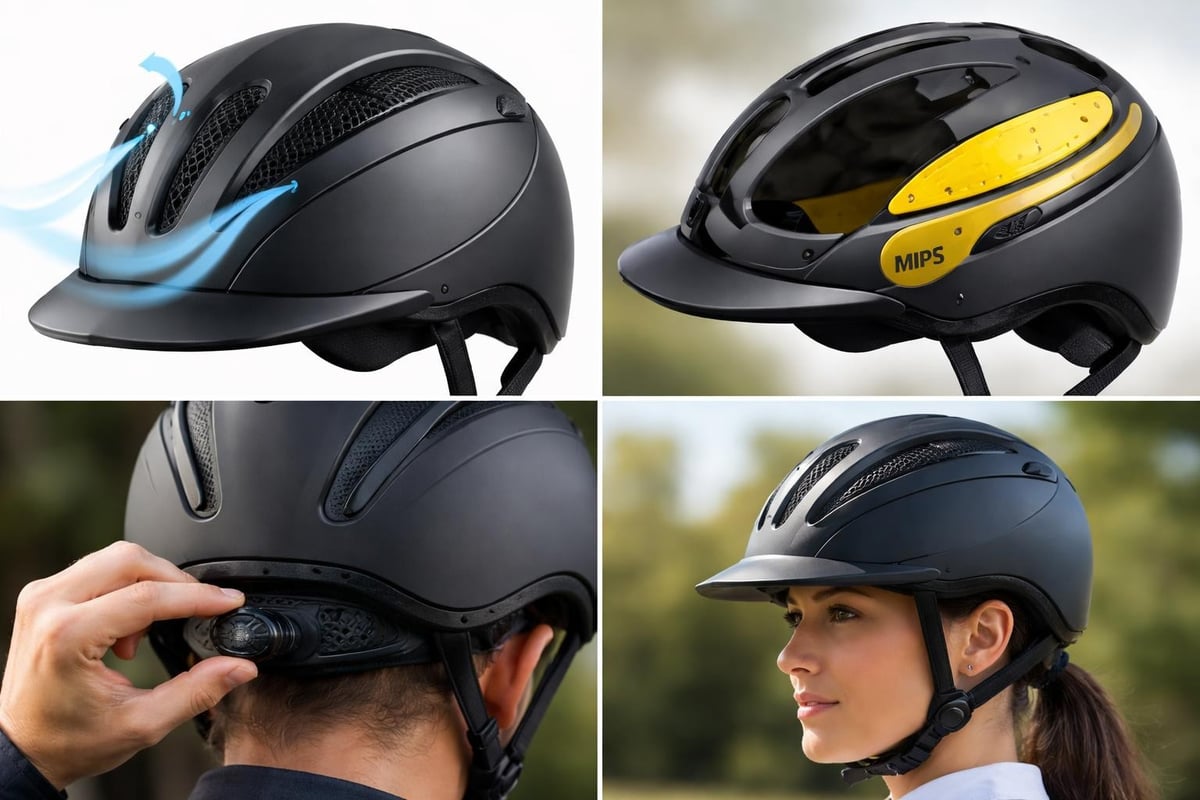
Helmet technology has advanced significantly, making older standards obsolete. In 2026, your helmet should meet current AS/NZS 3838 standards at minimum.
Modern helmets balance protection with ventilation. Australian riders need both. Look for designs with multiple vents that create airflow without compromising structural integrity.
MIPS technology (Multi-directional Impact Protection System) adds rotational impact protection. While more expensive, this feature provides enhanced safety during the most common types of riding falls.
Fit adjustability extends helmet lifespan and ensures proper protection. Dial-adjustment systems let you fine-tune the fit, accommodating different hairstyles or slight head swelling during hot rides. The helmet should sit level on your head, two fingers above your eyebrows, without rocking forward or backward.
Replace helmets after any significant impact, even if damage isn't visible. The protective foam compresses during impact, reducing effectiveness in future falls. Most manufacturers recommend replacement every five years regardless of visible wear.
Riding Jackets and Upper Body Wear
The right jacket transforms your riding experience in Australian weather. You need layers that adapt to morning chill and afternoon heat.
Softshell jackets offer weather resistance without the bulk of traditional riding coats. They repel light rain, block wind, and breathe well enough for active riding. This versatility makes them ideal for horse riding gear Australia demands across three seasons.
Competition jackets follow specific guidelines. The national show horse rules detail acceptable colors, styles, and fabrics for different disciplines. Classic navy, black, or grey remain safe choices that comply with most competition requirements.
For everyday riding, performance-driven jackets combine technical fabrics with clean styling. Look for features like underarm gussets that allow shoulder movement, stretch panels that move with you, and pockets positioned where they won't interfere with reins.
Base layers matter as much as outer shells. Merino wool regulates temperature naturally, wicks moisture, and resists odors better than synthetic alternatives. During Australian summers, lightweight merino keeps you cooler than cotton while preventing that clammy feeling during intense sessions.
Gloves for Grip and Protection
Quality riding gloves protect your hands while maintaining feel and control. Australian conditions demand gloves that handle sweat, sun exposure, and varied weather.
Leather gloves provide superior grip and durability. Full-grain leather develops character over time while maintaining performance. For hot weather, perforated leather gloves offer breathability without sacrificing grip.
Synthetic options excel in wet conditions where leather would become slippery. Modern synthetic gloves use silicone grip patterns that work even when soaked. Keep a pair in your kit for unexpected rain.
Fit determines function. Gloves should feel snug across your palm and fingers without restricting movement. Excess material bunches in your grip, creating blisters and reducing control. Quality gloves stretch slightly during break-in, so start with a firm fit.
Seam placement affects comfort during long rides. Look for gloves with external seams or seamless construction across high-contact areas. Internal seams create pressure points that turn painful over time.
Understanding Australian Tack Traditions
Australian riding traditions influence the horse riding gear Australia riders choose. The Australian stock saddle evolved specifically for our terrain and cattle work, creating a distinct riding culture.
This heritage affects modern gear choices. Australian riders often prefer practical, hard-wearing equipment over fashion-forward alternatives. Function drives decisions, with style following naturally from quality construction.
Regional variations matter. Queensland riders face tropical humidity requiring different gear than Victorian riders dealing with alpine winters. Coastal riders contend with salt air that accelerates wear on leather and metal fittings.
Australian manufacturers like Wintec developed innovative synthetic saddles that handle our climate extremes. This same innovation appears across horse riding gear categories, with local brands understanding our specific needs.
Building Your Essential Gear List
| Priority | Item | Purpose | Investment Level |
|---|---|---|---|
| Critical | Approved helmet | Safety compliance | High |
| Critical | Proper boots | Safety and control | Medium-High |
| Critical | Quality breeches | Comfort and performance | Medium |
| Important | Riding gloves | Hand protection | Low-Medium |
| Important | Base layers | Temperature regulation | Low-Medium |
| Important | Weather jacket | Protection from elements | Medium |
| Useful | Competition jacket | Show compliance | Medium-High |
| Useful | Spare breeches | Training frequency | Medium |
Start with safety essentials, then build based on your riding frequency and discipline. Quality basics outperform extensive cheap gear every time.
For riders considering what to wear in the competition arena, prioritize versatile pieces that work across multiple events. A well-fitted navy jacket serves you better than three poorly constructed alternatives in different colors.
Budget allocation should favor items that directly affect safety and comfort. Spend more on boots and helmets, less on accessories until you've established your core kit. Quality riding trousers justify their cost through durability and performance over multiple seasons.
Seasonal Considerations
Australian riding spans dramatic seasonal shifts. Your horse riding gear Australia selections need to adapt.
Summer demands lightweight, UV-protective fabrics with maximum breathability. Light colors reflect heat better than dark tones. Long sleeves actually keep you cooler than short sleeves while protecting against sun exposure.
Consider moisture-wicking materials in everything from breeches to shirts. Cotton holds sweat and heat, creating discomfort during extended rides. Technical fabrics dry quickly and regulate temperature more effectively.
Winter requirements shift toward layering systems rather than heavy single garments. Base layer, mid-layer for insulation, and weather-resistant outer shell give you flexibility as conditions change throughout your riding session.
Waterproofing becomes essential during wetter months. Quality waterproof jackets keep you dry without causing overheating through poor breathability. Look for jackets with pit zips or ventilation systems that dump excess heat.
Shopping Smart in Australia
Australian equestrian retailers range from large chains to specialized boutiques. Each offers advantages depending on your needs.
Specialist retailers like Greg Grant Saddlery provide expert fitting advice and premium selections. Their staff understand riding demands and can guide you toward appropriate choices for your discipline and level.
Online shopping expands your options but requires careful attention to sizing and return policies. Measure accurately using brand-specific size charts. Many Australian riders wear different sizes across brands due to varying cut and construction methods.
Local manufacturers like Delzani create gear designed specifically for Australian conditions. Their products often outperform international brands in our climate, though you might sacrifice some cutting-edge style for superior function.
Consider trying items in-store even if you ultimately purchase online. Understanding how different brands fit your body helps make better remote buying decisions later.
Maintenance Extends Gear Life
Australian conditions accelerate wear on horse riding gear. Proper care extends the life of quality pieces significantly.
Leather care starts with regular cleaning. Remove dirt and sweat after each ride using a damp cloth. Apply leather conditioner monthly or when leather feels dry. Store leather items away from direct sunlight and extreme temperatures.
Technical fabrics require specific washing approaches. Turn garments inside out, use gentle cycles with technical wash products, and avoid fabric softeners that damage moisture-wicking properties. Air dry rather than using machine dryers when possible.
Boot maintenance prevents premature breakdown. Use boot trees to maintain shape, apply leather treatments regularly, and replace worn soles before they compromise your safety. Quality boots can last decades with proper care.
Store seasonal gear properly during off-months. Clean everything thoroughly, ensure items are completely dry, and use breathable storage bags rather than plastic that traps moisture.
Fitting Gear to Your Build
Men's horse riding gear Australia offers should fit your frame properly. Poor fit compromises both safety and appearance.
Breeches need to accommodate male proportions without excess fabric or uncomfortable tightness. The rise should sit at your natural waist without sagging. Thigh and calf areas require enough room for muscle without looking baggy.
For guidance on choosing the right riding trousers, consider your leg shape and riding style. Athletic builds need different cuts than slim builds. Your breeches shouldn't create pressure points or restrict movement during posting or two-point position.
Jacket fit across shoulders determines comfort and range of motion. The shoulder seam should sit at your natural shoulder point. Sleeve length needs to reach your wrist bone when arms hang naturally, extending slightly when you reach forward in riding position.
Try on gear in riding position, not just standing straight. Sit as if mounted, reach forward for reins, and move through typical riding motions. Fabric should move with you without pulling or gapping.
Performance Versus Fashion
Horse riding gear Australia markets sometimes emphasize style over substance. Balance matters.
Quality riding apparel combines both elements seamlessly. Modern equestrian style doesn't require choosing between performance and appearance. The best gear looks sharp while functioning flawlessly.
Avoid pieces that prioritize fashion details at the expense of riding-specific features. Decorative elements shouldn't interfere with function. Non-functional zippers, excessive hardware, or impractical pockets add weight and bulk without benefit.
Classic styling outlasts trends. Navy, black, grey, and tan work across disciplines and seasons. These neutrals mix easily, simplifying your wardrobe while maintaining a polished appearance.
Investment pieces should deliver both immediate performance and long-term value. Well-constructed basics serve you better than trendy items that date quickly or wear poorly.
Transitioning Gear Off-Horse
Modern riding gear increasingly serves double duty beyond the stable. The line between riding clothes and everyday wear continues to blur.
Technical riding shirts work well for general outdoor activities. Their moisture-wicking and UV-protective properties translate perfectly to hiking, cycling, or casual wear. Clean styling means they don't scream "equestrian" in non-riding contexts.
Breeches remain riding-specific but quality pairs that fit well can work for other athletic activities in casual settings. The key is choosing subtle designs without obvious equestrian branding or excessive detailing.
Riding boots, particularly paddock boots, function as regular footwear with appropriate outfits. Their durability and comfort make them practical choices for farm work, outdoor events, or casual settings.
Choose gear with clean lines and minimal branding when you want pieces that transition seamlessly. Overly logo-heavy items limit versatility.
Regional Gear Specialists
Australia's vast geography creates regional specializations in horse riding gear. Understanding these helps you find exactly what you need.
Queensland suppliers often stock more tropical-weight gear and better selections for stock work and campdrafting. The climate drives different priorities than southern states.
Victorian and New South Wales retailers typically offer broader competition gear selections, reflecting higher concentrations of show riders and established competition circuits in these regions.
Western Australia has developed strong connections with custom tack makers like Bar3H Equine who create distinctive gear suited to local riding styles and preferences.
Online shopping has reduced some regional limitations, but local retailers still provide valuable fitting expertise and immediate availability when you need something urgently.
Safety Gear Beyond Basics
Helmets and boots form your core safety equipment, but additional protection deserves consideration depending on your riding activities.
Body protectors provide torso protection during jumping or cross-country work. While not mandatory for all disciplines, they significantly reduce injury risk during falls at speed or over obstacles.
Modern designs offer improved comfort and mobility compared to older rigid vests. Look for adjustable systems that fit over your base layers without restricting breathing or movement.
Riding gloves protect against rope burns, blisters, and provide grip security during unexpected moments. They're often overlooked as safety gear but prevent injuries during everyday riding.
Consider rider gear specialists for expert advice on protective equipment suited to your specific riding discipline and risk profile.
Finding the right horse riding gear Australia offers starts with understanding your specific needs, then choosing quality pieces that deliver both performance and durability. Focus on safety essentials first, build your wardrobe with versatile staples, and invest in items designed for Australian conditions. When you're ready to upgrade your riding wardrobe with gear that works as hard as you do, explore what Gallant Equestrian offers: performance-driven essentials designed for riders who demand both function and style. Look the Part. Enjoy the Ride.

