

Horse Riding Jodhpurs: The Complete Guide for Men
Jun 29, 2026
The right riding trousers make all the difference between a comfortable session in the saddle and an uncomfortable distraction. Horse riding jodhpurs have served riders for over a century, evolving from military necessity to a staple of contemporary equestrian wardrobes. Whether you're new to riding or looking to upgrade your gear, understanding what makes quality jodhpurs essential helps you make choices that serve both performance and style.
The Heritage Behind Horse Riding Jodhpurs
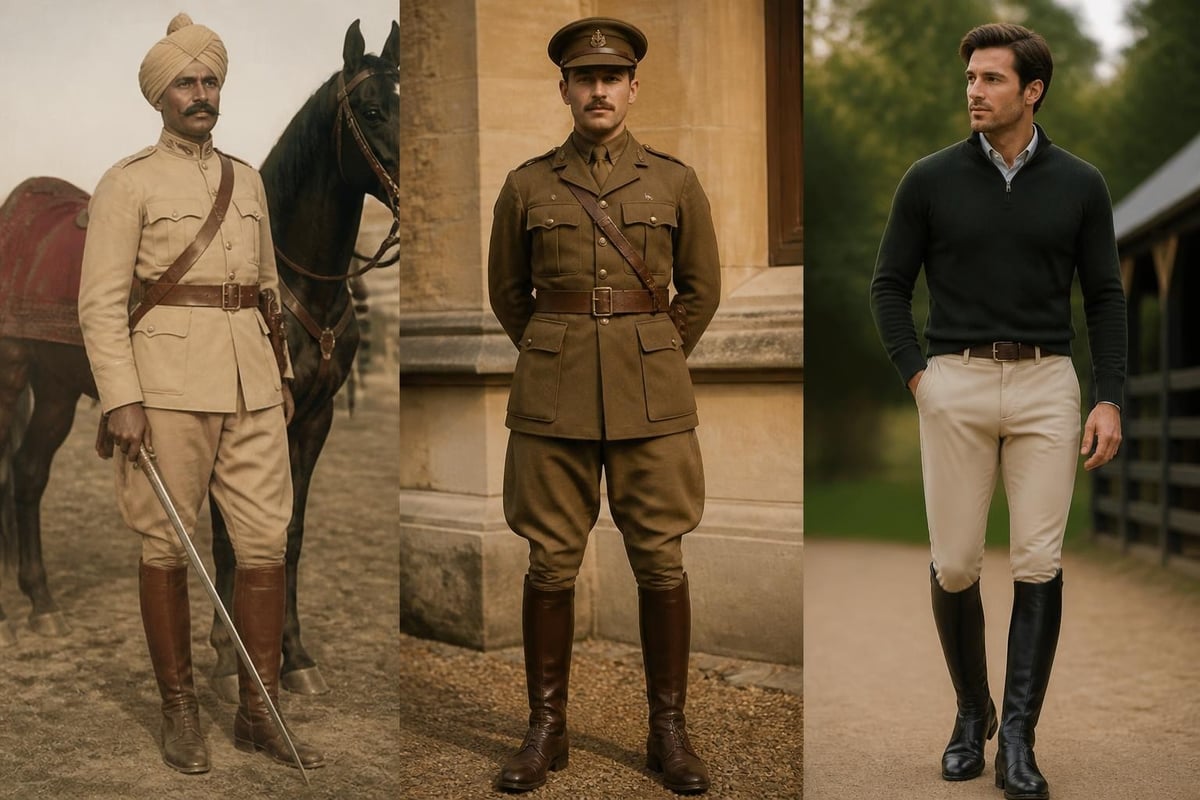
The term "jodhpurs" comes from the city of Jodhpur in Rajasthan, India, where polo-playing maharajas developed this distinctive garment in the late 19th century. Originally designed for cavalry officers who needed freedom of movement whilst maintaining a formal appearance, these trousers featured a unique cut that sat snug from knee to ankle.
British colonial officers adopted the design, bringing it back to England where it quickly became standard riding attire. The practical advantages were immediately clear: the close fit prevented fabric from bunching inside boots, the reinforced seat provided durability, and the tailored cut allowed full range of motion in the saddle.
Today's horse riding jodhpurs retain these core principles whilst incorporating modern materials and construction techniques. Understanding this heritage helps appreciate why certain design elements persist, even as fabrics and features continue evolving.
Understanding the Jodhpur Design
Horse riding jodhpurs differ from other riding trousers through specific design characteristics. They extend to the ankle, fitting closely around the lower leg and typically fastening with a strap and buckle beneath the calf. This distinguishes them from breeches, which end at the knee and are worn with tall boots.
The ankle-length design makes jodhpurs ideal for pairing with short paddock boots or jodhpur boots. This combination offers versatility, particularly for riders who want one set of footwear that works both in the saddle and on the ground. You'll find this practical for yard work, lessons, or casual riding where full-length boots might be excessive.
Modern jodhpurs maintain the traditional silhouette whilst incorporating performance fabrics. Four-way stretch materials move with your body, wicking moisture away whilst maintaining shape through hours of riding. Reinforced inner legs prevent wear from stirrup leathers, and strategically placed seams reduce chafing.
The fit should be snug but never restrictive. Quality jodhpurs feel like a second skin, providing support without limiting movement. This precision fit is what separates purpose-built riding gear from regular trousers adapted for equestrian use.
Choosing the Right Fit and Fabric
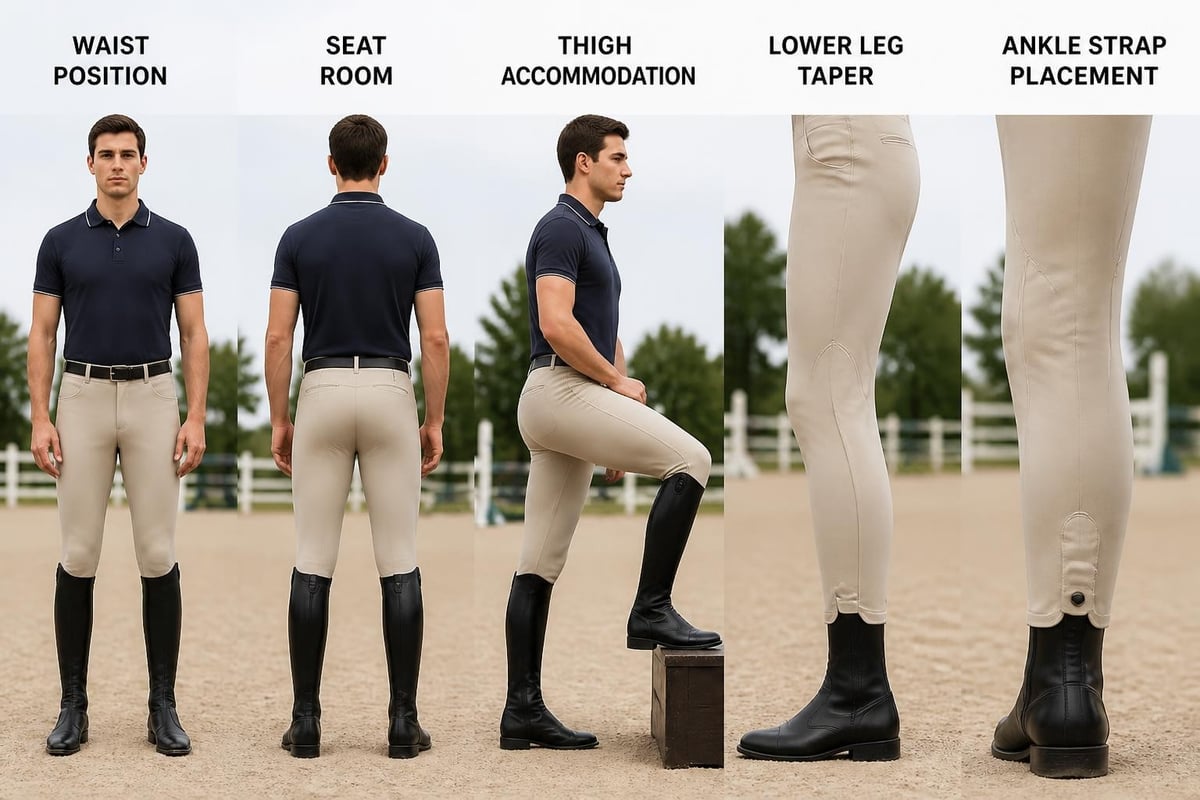
Proper fit determines both comfort and performance in horse riding jodhpurs. The waistband should sit comfortably at your natural waist without gapping or digging in when mounted. The seat needs enough room to avoid restriction whilst remaining close enough to prevent excess fabric from bunching beneath you.
When trying jodhpurs, always test the fit in a riding position. Squat down, lift your knees, and simulate mounting movements. Quality jodhpurs accommodate these motions without pulling or restricting. The knee patches or full seat should align precisely where your leg contacts the saddle.
Fabric Performance Considerations
Modern technical fabrics have transformed riding comfort. Look for materials that combine cotton's breathability with synthetic stretch and durability. The best performers typically blend natural and technical fibres, offering comfort in varied conditions.
| Fabric Type | Benefits | Best For |
|---|---|---|
| Cotton Blend | Breathable, comfortable, natural feel | Everyday riding, moderate climates |
| Technical Synthetic | Maximum stretch, quick-drying, durable | Intensive training, competition |
| Hybrid Weave | Balance of comfort and performance | All-round versatility |
Weight matters too. Lightweight jodhpurs suit warmer months and intensive sessions where heat management becomes crucial. Heavier fabrics provide warmth during winter riding and additional durability for demanding use.
Traditional Versus Modern Features
Traditional horse riding jodhpurs featured button flies, leather reinforcements, and natural fabrics. Whilst these elements offered their own advantages, modern designs have introduced improvements that genuinely enhance the riding experience.
Contemporary jodhpurs from Gallant Equestrian incorporate zip flies for convenience, synthetic grip panels that outperform leather in wet conditions, and engineered seams that eliminate pressure points. These aren't changes for the sake of novelty but practical refinements based on rider feedback.
Grip technology deserves particular attention. Full seat or knee patch jodhpurs now use silicone or rubberised materials that provide consistent traction regardless of conditions. Unlike leather, which can become slippery when wet, modern grip stays effective through rain, sweat, and extended use.
Pocket placement has also evolved. Traditional jodhpurs often featured minimal or poorly positioned pockets that proved useless when riding. Modern designs incorporate secure, accessible pockets that hold essentials without creating bulk or interfering with tack.
Jodhpurs Versus Breeches: Making the Choice
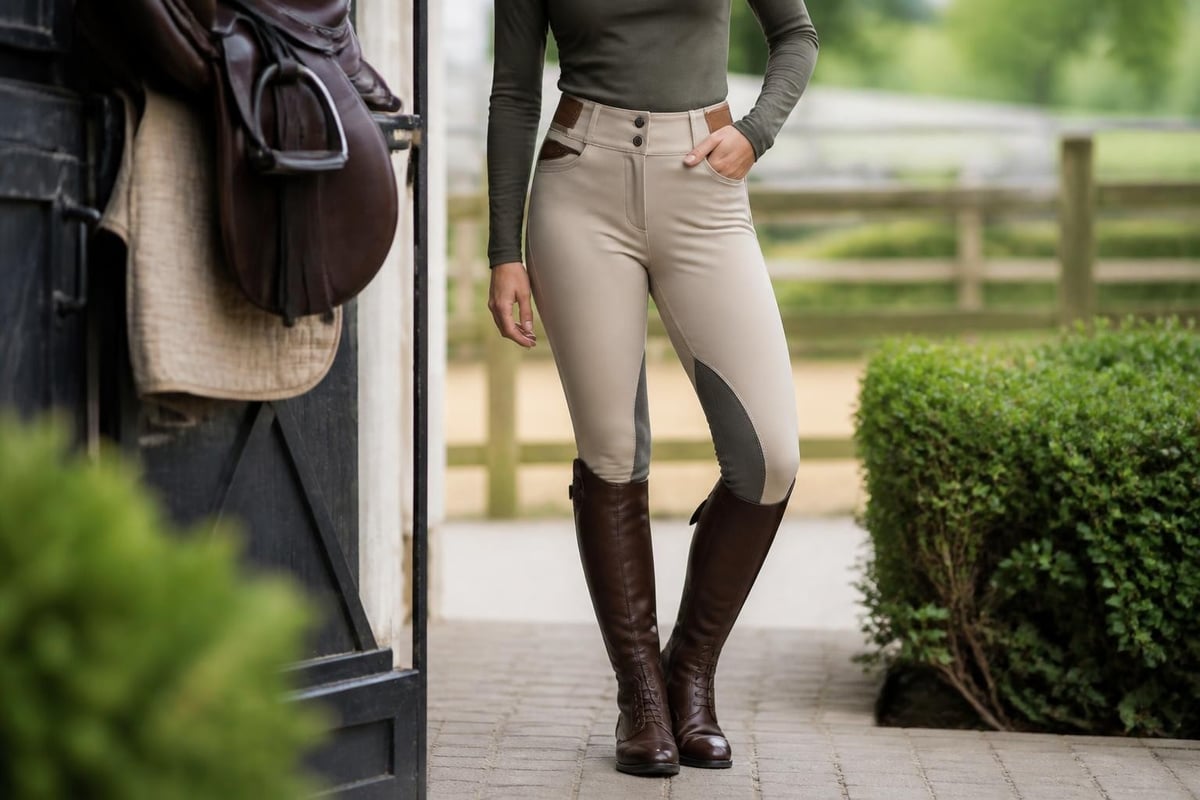
Many riders wonder about the practical differences between jodhpurs and breeches. Both serve the same fundamental purpose but suit different riding contexts and personal preferences.
Breeches end at the knee, designed for wearing with tall riding boots. This combination offers maximum protection and a traditional aesthetic favoured in formal disciplines. Jodhpurs extend to the ankle, pairing with short boots for a more versatile, accessible option.
For men building a practical riding wardrobe, jodhpurs offer distinct advantages. The short boot combination costs less than investing in quality tall boots. You can walk more comfortably around the yard without the restriction tall boots impose. The look transitions more easily from stable to everyday settings.
That said, certain disciplines and competitive environments expect breeches and tall boots. Understanding your primary riding context helps determine which style serves you best. Many riders maintain both, choosing based on the day's activities.
Colour and Style Considerations
Traditional riding culture favoured neutral colours: beige, tan, and cream for everyday riding, with white reserved for competition. Modern equestrian fashion has broadened these conventions, though understanding the basics helps you make appropriate choices.
Navy, black, and charcoal now dominate everyday riding wardrobes. These colours hide dirt better than traditional light shades whilst maintaining a refined appearance. They also transition more naturally into casual settings, aligning with the contemporary preference for gear that works both in and out of the saddle.
Matching Your Riding Context
Different riding environments carry different expectations. Hunt riding maintains traditional standards, typically requiring cream or buff-coloured jodhpurs. Dressage and show jumping have relaxed somewhat, though white or light colours remain standard for serious competition. Casual riding and training place no restrictions, letting practicality guide your choices.
Consider building your collection around versatile neutrals. A pair of quality navy or black jodhpurs from men's equestrian clothing specialists works for training, lessons, and casual outings. Add lighter colours only if your riding schedule includes formal events that require them.
Care and Maintenance for Longevity
Quality horse riding jodhpurs represent a significant investment. Proper care extends their lifespan whilst maintaining performance features that make them worth owning.
Always check care labels before washing. Most modern jodhpurs tolerate machine washing on gentle cycles with cold water. Turn them inside out to protect grip panels and outer fabric. Avoid fabric softeners, which can degrade technical materials and reduce grip effectiveness.
Air drying preserves elasticity better than machine drying. Hang jodhpurs by the ankle straps or waistband, allowing gravity to maintain their shape. Direct sunlight can fade colours over time, so indoor drying or shade works best for maintaining appearance.
Stains require prompt attention. Mud and manure come with riding territory, but letting them set makes removal difficult. Rinse heavy soiling before washing, and treat stubborn stains with gentle, colour-safe removers designed for technical fabrics.
Sizing Guidance for Men
Men's horse riding jodhpurs follow different sizing conventions than regular trousers. Proper sizing guidance helps avoid the frustration of ill-fitting purchases.
Most manufacturers use waist and inseam measurements, similar to regular trousers. However, the cut differs significantly. Jodhpurs sit higher on the waist and feature more room through the seat and thigh to accommodate riding position. What fits perfectly standing may feel tight or restrictive when mounted.
When possible, try before buying. If ordering online, carefully review size charts and return policies. Many riders find they need a size larger than their regular trousers to achieve the proper fit through the seat whilst maintaining the close fit through the lower leg.
Body Type Considerations
Athletic builds with developed thighs require particular attention to fit. Look for brands offering athletic cuts or consider sizing up through the waist to gain needed room through the leg. Quality jodhpurs from performance-focused brands like Gallant Equestrian's breeches collection account for athletic proportions in their design.
Longer inseams present challenges with ankle-length jodhpurs. The ankle strap should sit just above the ankle bone. If jodhpurs bunch at the ankle, they're too long and will create uncomfortable folds inside your boots. Some brands offer multiple inseam lengths within each waist size, worth seeking if you fall outside average proportions.
Performance Features Worth Seeking
Not all horse riding jodhpurs offer the same level of performance. Specific features separate adequate from exceptional, particularly for riders who spend serious time in the saddle.
Full seat grip provides maximum security, covering the entire seat and inner thigh area. This suits riders focusing on dressage, jumping, or any discipline requiring secure positioning through complex movements. Knee patch grip offers less coverage but greater breathability, preferred by riders in warmer climates or those who prefer minimal restriction.
Ergonomic seaming follows natural body contours, placing seams away from high-friction areas. This reduces chafing during long rides and improves overall comfort. Look for flatlock stitching, which creates smoother seams than traditional construction methods.
Compression elements support muscles during intensive riding whilst promoting recovery afterwards. Graduated compression through the calf improves circulation, reducing fatigue during long sessions. This feature particularly benefits riders training multiple horses daily or competing across extended events.
Building a Practical Jodhpur Wardrobe
Rather than accumulating numerous pairs of horse riding jodhpurs, focus on quality pieces that serve specific purposes. Start with two pairs in versatile colours, allowing you to rotate whilst one is being washed. This foundation handles most riding situations whilst ensuring you always have clean gear available.
Add specialised pairs based on your riding schedule. If you compete regularly, dedicated competition jodhpurs maintain their appearance and performance by avoiding daily training wear. If you ride through winter, heavier-weight jodhpurs provide necessary warmth without requiring layers that bunch uncomfortably.
| Purpose | Recommended Features | Colour Choices |
|---|---|---|
| Daily Training | Durable fabric, full seat grip, easy care | Navy, black, charcoal |
| Competition | Premium appearance, precise fit, traditional styling | White, cream, buff |
| Summer Riding | Lightweight fabric, maximum breathability | Light neutrals, navy |
| Winter Sessions | Heavier weight, wind resistance, thermal properties | Darker neutrals |
Quality matters more than quantity. Two pairs of well-constructed jodhpurs outlast and outperform five pairs of budget alternatives. They maintain their shape, retain grip effectiveness, and continue looking presentable season after season.
Common Fit Issues and Solutions
Even experienced riders sometimes struggle with jodhpur fit. Understanding common issues and their solutions prevents discomfort and helps you identify when alterations might be necessary.
Gapping at the waist occurs when jodhpurs fit properly through the seat and legs but remain too large at the waistband. This typically affects riders with athletic builds who carry more muscle through the thighs relative to waist size. A quality belt helps, though if gapping exceeds an inch or two, consider trying different brands with varied rise measurements.
Pulling behind the knees indicates insufficient length or inadequate stretch through that area. This creates discomfort during mounting and restricts leg position when riding. The solution lies in sizing up or choosing brands with more generous knee room and better stretch recovery.
Bunching at the ankle suggests excess length. Jodhpurs should follow the leg smoothly without creating folds that press against your ankle inside boots. Some bunching is normal when standing, but excessive fabric causes discomfort and looks untidy. Consider shorter inseams or brands offering petite/regular/long length options.
Transitioning from Casual to Performance Jodhpurs
Riders often start with entry-level horse riding jodhpurs before recognising the value of investing in performance-focused options. This transition reflects growing commitment and understanding of how proper gear enhances the riding experience.
Entry jodhpurs typically use cotton-rich fabrics with basic construction. They're adequate for occasional riding but lack the durability, stretch, and technical features serious riders appreciate. As your skills develop and time in the saddle increases, limitations become apparent.
Performance jodhpurs incorporate engineered fabrics that move with your body, wick moisture efficiently, and maintain shape through intensive use. The difference becomes obvious during your first ride. Better stretch accommodates movement without restriction. Superior moisture management keeps you comfortable through demanding sessions. Enhanced durability means they look presentable longer despite regular use.
This doesn't mean immediately replacing your entire wardrobe. Add one quality pair, use it for important rides and training, and compare the experience. Most riders quickly recognise the value, making performance jodhpurs their standard choice going forward.
The Role of Jodhpurs in Modern Riding Style
Contemporary men's equestrian fashion balances tradition with modern sensibilities. Horse riding jodhpurs embody this evolution, respecting heritage whilst embracing innovations that improve the riding experience.
Today's riders expect their gear to perform beyond basic functionality. Jodhpurs should look sharp in the saddle, feel comfortable through hours of use, and transition naturally into casual settings. This versatility reflects how riding integrates into broader lifestyles rather than existing as a completely separate activity.
The best modern jodhpurs achieve this balance. They maintain the refined silhouette and quality construction that signal serious riding, whilst incorporating subtle styling that works beyond the stable. Clean lines, quality hardware, and thoughtful details create gear that feels equally appropriate at the barn, running errands, or meeting friends afterwards.
This approach to riding style recognises that how you feel in your gear affects how you ride. Confidence comes from knowing you look the part, comfort enhances focus, and quality construction ensures your gear performs when it matters. These elements combine to support better riding, which is ultimately what proper equipment should deliver.
Making Your Investment Count
Quality horse riding jodhpurs represent more than just riding trousers. They're tools that directly impact your comfort, performance, and confidence in the saddle. Approaching this investment thoughtfully ensures you select options that serve your riding well into the future.
Consider your primary riding activities, climate conditions, and how often you ride when making selections. Honest assessment prevents overspending on features you won't use whilst ensuring you don't compromise on elements that matter for your specific situation.
Research brands that specialise in men's riding gear. Companies focusing on men's equestrian clothing understand the different fit requirements and style preferences male riders bring. Their patterns, proportions, and design choices reflect this knowledge, typically resulting in better-fitting, more appropriate options than brands primarily serving women riders.
Read reviews from other male riders. Their experiences with fit, durability, and performance provide valuable insights that marketing materials can't match. Pay particular attention to comments about sizing accuracy, as this helps avoid return hassles when ordering online.
Take time with your selection. Quality jodhpurs last years when properly chosen and cared for. Rushing the decision or compromising on fit leads to gear that sits unused whilst you continue searching for better options. Get it right initially, and you'll have riding trousers that serve you reliably across countless sessions.
Horse riding jodhpurs combine heritage, performance, and style in ways that genuinely enhance your riding experience. Selecting the right pair means understanding fit, fabric, and features whilst choosing options that align with how you actually ride. When you're ready to invest in jodhpurs built for performance and designed for men, Gallant Equestrian offers gear crafted in New Zealand with the durability and refinement serious riders demand. Look the Part. Enjoy the Ride.

