

Horse Riding Products: Essential Gear for Men in 2026
Sep 29, 2026
The right horse riding products make every difference between an uncomfortable hack and a confident, enjoyable ride. Whether you're schooling dressage movements, competing at affiliated shows, or simply enjoying a weekend trail ride, what you wear and use directly affects your performance and comfort. Quality gear isn't about collecting kit for the sake of it - it's about selecting pieces that work together, last through seasons of use, and support you in the saddle. This guide walks through the essential categories of horse riding products that matter most to male riders in 2026, from foundational clothing to tack considerations and practical maintenance.
Performance Riding Apparel: The Foundation
Your riding clothes are working tools, not fashion statements. They need to move with you, regulate temperature, and hold up to daily wear across stables, arenas, and open ground.
Breeches and riding trousers form the core of any rider's wardrobe. Modern fabrics offer four-way stretch, moisture-wicking properties, and reinforced knee patches or full seats that grip without restricting movement. When selecting breeches, consider your primary discipline and riding frequency. Competition riders benefit from tailored, technical fabrics that meet dressage competition requirements, whilst everyday riders might prioritize durability and easy care. Gallant Equestrian's approach focuses on breeches that transition seamlessly between schooling sessions and post-ride errands - practical pieces built to last.
Temperature regulation matters more than riders often realize. Layering systems work better than single heavy garments. Technical base layers manage moisture during intensive schooling, mid-layers provide insulation without bulk, and outer shells protect from wind and rain. The best horse riding products in this category feature breathable membranes that prevent overheating whilst blocking weather.
Shirts and polo styles need particular attention. Look for fabrics that resist odour, dry quickly, and maintain shape after repeated washing. Collars should lie flat under safety vests and jackets. Sleeve length and underarm gussets affect freedom of movement when reaching forward or working from the ground. These details separate adequate shirts from genuinely useful ones. Gallant Equestrian's polo shirts exemplify this principle - designed specifically for male riders who need performance without compromise.
Essential Safety Equipment
Safety gear represents the most critical category of horse riding products. Technology has advanced significantly, and 2026 standards reflect substantial research into impact protection and comfort.
Body protectors and safety vests deserve proper investment. Current regulations, detailed in US Equestrian's safety equipment guidance, specify minimum protection levels for different disciplines. Fit matters enormously - a protector that shifts during movement provides inadequate coverage. Modern designs incorporate flexible panels and breathable materials that reduce the heat burden whilst maintaining structural integrity during impacts.
Riding helmets require replacement after any significant impact and typically every five years regardless of visible wear. Internal foam degrades over time, reducing protective capability. Look for helmets meeting current ASTM/SEI or equivalent certifications. Adjustable fitting systems, ventilation channels, and weight distribution affect comfort during long rides. Some riders find MIPS technology (Multi-directional Impact Protection System) worth the additional investment for rotational force management.
Footwear combines safety and functionality. Riding boots need smooth soles that won't catch in stirrups, heels that prevent foot sliding through, and ankle support for stability. Leather boots require regular conditioning to maintain suppleness and waterproofing. Synthetic alternatives offer easier maintenance and often better initial water resistance. Short boots paired with half chaps provide versatility - a practical option for riders who want to wear different footwear for stable work versus riding.
| Safety Equipment | Key Features | Lifespan | Maintenance |
|---|---|---|---|
| Body Protector | BETA Level 3, flexible panels, breathable | 3-5 years or after impact | Regular fit checks, clean per manufacturer specs |
| Riding Helmet | ASTM/SEI certified, MIPS optional | 5 years or after impact | Replace padding, check retention system quarterly |
| Riding Boots | Smooth sole, defined heel, ankle support | 2-5 years depending on use | Regular conditioning, waterproofing treatments |
Tack and Equipment Considerations
Whilst personal horse riding products focus on the rider, understanding tack fundamentals helps you make informed decisions and maintain equipment properly.
Saddle fit affects both horse welfare and rider position. The British Horse Society's saddle fit guidance emphasizes that poorly fitted saddles create pressure points, restrict movement, and cause behaviour issues. Even if you don't own your saddle, recognizing fit problems helps you communicate with instructors and saddle fitters. Regular checks become essential as horses change shape through fitness work, seasonal weight fluctuations, and age.
Bridles and bits require attention to detail. Browbands should sit comfortably without pinching ears or pulling the headpiece forward. Nosebands need proper adjustment - too tight restricts breathing and jaw movement, whilst too loose serves no purpose. Bit selection depends on horse mouth conformation, training level, and rider skill. FEI equipment regulations provide useful frameworks even for non-competitors, outlining permitted tack and reasoning behind restrictions.
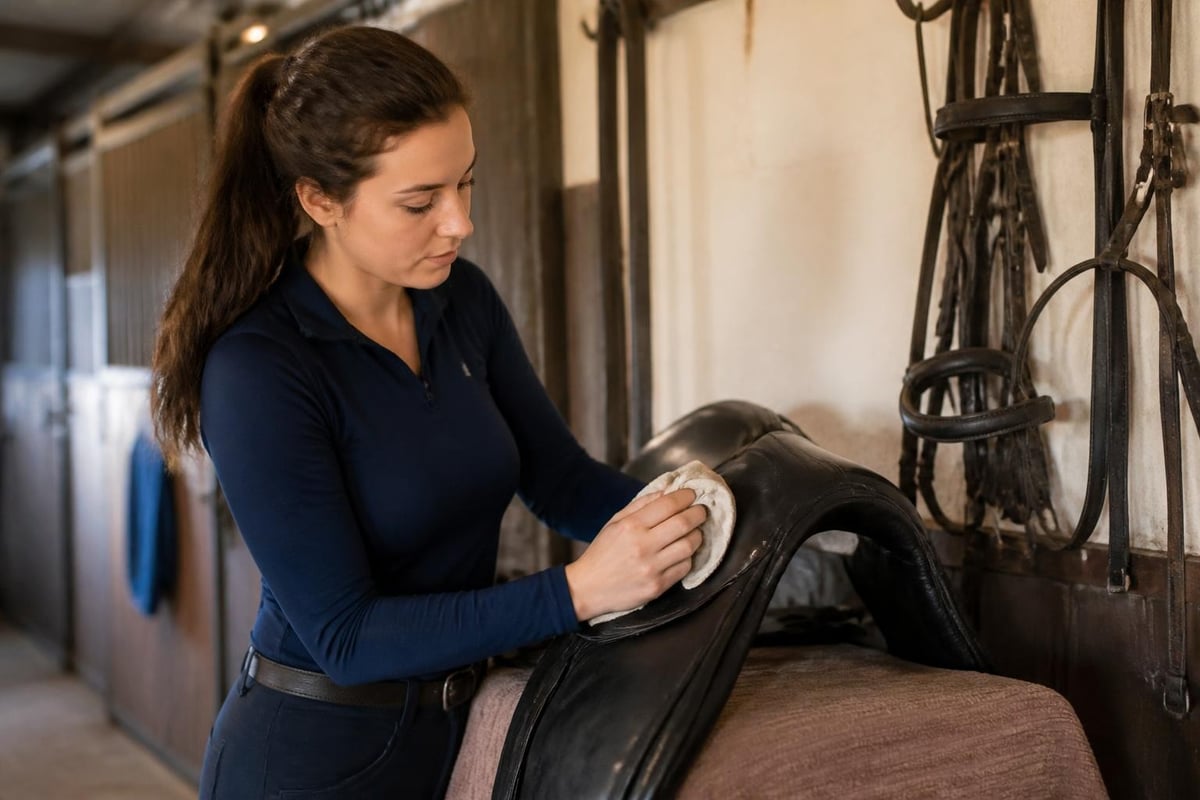
Leather care prevents expensive replacements. Clean tack after every ride removes sweat, dirt, and moisture that degrade stitching and leather fibres. Quality saddle soap and leather conditioner form the foundation of tack maintenance. Penn State Extension's guidance on tack management offers research-backed approaches to storage and routine checks. Metal components need regular inspection for rust, wear, and structural integrity. Synthetic tack requires different care - usually simpler cleaning but careful attention to UV degradation and stress points.
Grooming and Horse Care Products
Effective grooming relies on appropriate tools and consistent technique. The right horse riding products in this category improve coat health, strengthen your bond with your horse, and allow early detection of injuries or skin conditions.
Curry combs initiate the grooming process, loosening dirt and stimulating circulation. Rubber curries work well for most coat types, whilst metal curries suit thick winter coats (used carefully, never on bony areas or sensitive skin). Curry in circular motions, following the direction of hair growth on most areas.
Body brushes remove the dirt raised by currying, distributing natural oils through the coat. Natural bristles generally outperform synthetic versions for finishing work. Brush with firm, sweeping strokes in the direction of hair growth. Clean brushes regularly - dirty brushes simply redistribute grime.
Hoof picks prevent thrush, abscesses, and stone bruises. Pick hooves before and after every ride, working from heel to toe to avoid damaging the frog. A brush attachment helps remove packed mud and debris. This simple task prevents numerous problems and provides opportunity to check for heat, cracks, or loose shoes.
Specialist products address specific needs. Detanglers simplify mane and tail care without requiring extensive brushing that breaks hair. Fly spray becomes essential during warmer months, protecting horses from biting insects that cause stress and potential disease transmission. Wound care supplies - antiseptic wash, gauze, and wraps - belong in every grooming kit for minor injury management before veterinary attention.
Seasonal Adjustments and Weather Protection
British weather demands adaptable horse riding products. Conditions change rapidly, and rigid approaches leave you uncomfortable or inadequately protected.
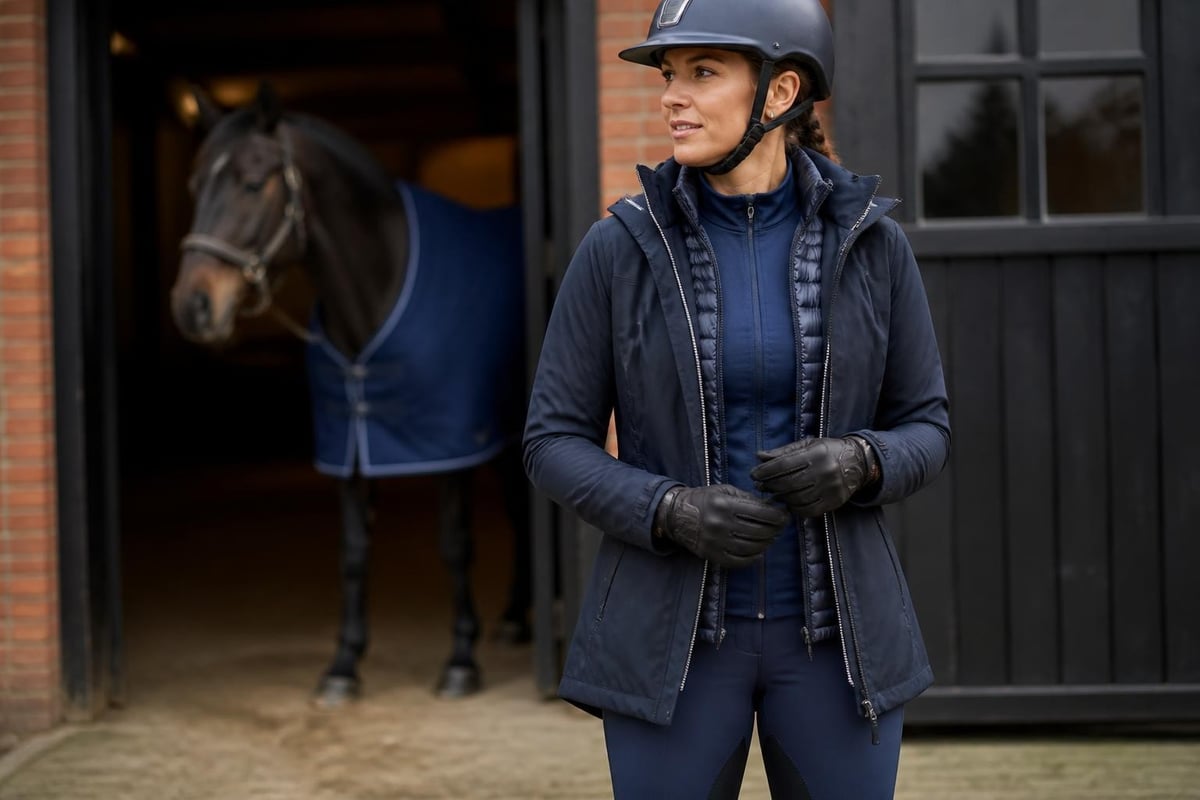
Winter riding requires thermal regulation without restricting movement. Quality riding jackets combine insulation with breathability - you'll generate significant heat during active riding even in cold conditions. Look for jackets with adjustable ventilation, waterproof outer shells, and articulated sleeves that accommodate riding position. Underlayers matter equally. Merino wool base layers manage moisture better than cotton alternatives, reducing the clammy feeling that develops during intensive schooling sessions.
Gloves present particular challenges. You need protection from cold whilst maintaining feel and control. Thin, technical gloves work well for most conditions, allowing precise rein contact and tack adjustment. Insulated winter gloves suit extreme cold but reduce sensitivity - consider mittens for stable work paired with thinner gloves for actual riding.
Summer brings different requirements. Lightweight, moisture-wicking fabrics prevent overheating. Light colours reflect heat better than dark shades. Sun protection matters - long sleeves in UV-protective fabrics often prove more comfortable than short sleeves and sunscreen, which can make hands slippery on reins. Ventilated helmets with removable liners allow better airflow whilst maintaining safety standards.
| Season | Primary Challenges | Essential Products | Key Features |
|---|---|---|---|
| Winter | Cold, wet, reduced daylight | Insulated jacket, thermal base layers, waterproof boots | Breathability, layering capability, reflective elements |
| Spring | Variable temperatures, rain | Lightweight waterproof, versatile mid-layers | Quick-dry fabrics, packable designs |
| Summer | Heat, sun exposure, insects | Technical shirts, sun protection, fly spray | UV protection, moisture-wicking, ventilation |
| Autumn | Mud, early darkness, cooling temperatures | Waterproof boots, reflective gear, transitional layers | Grip, visibility, temperature adaptability |
Competition Preparation and Turnout
Competition horse riding products require additional consideration beyond everyday riding gear. Presentation standards vary by discipline, but certain principles apply universally.
Competition wear for men emphasizes clean lines, proper fit, and appropriate colours. Most affiliated competitions specify white or light-coloured breeches, conservative shirt colours, and specific jacket requirements. Check discipline-specific rules well before competition day - last-minute shopping rarely yields optimal results. Quality competition clothing justifies its cost through better appearance, comfort during long competition days, and durability across multiple events.
Boot care intensifies before competitions. Leather boots need thorough cleaning, conditioning, and polishing. Many riders maintain dedicated competition boots, preserving their appearance by using older boots for daily riding and stable work. Tall boots require particular attention to creasing and shaft alignment. Boot trees help maintain shape between uses.
Stock ties, show jackets, and accessories follow strict conventions in traditional disciplines. Learn proper stock tie tying well in advance - competition morning isn't the time for practice. Gloves should be spotless, and spare pairs prevent last-minute panic over mud splashes or tears. Hair nets and helmet covers complete turnout for disciplines requiring them.

Some riders benefit from competition-specific kit lists. Organizations like Sideline Sport Supply offer practical equipment solutions for various sporting contexts, including accessories useful for equestrian competitions. Having dedicated competition bags pre-packed with essentials - spare gloves, stock pins, polish, emergency tack repair supplies - reduces stress and prevents forgotten items.
Building Your Essential Kit Strategically
Acquiring horse riding products requires strategic thinking rather than impulsive purchasing. Quality pieces cost more initially but deliver better value across years of use.
Start with fundamentals. Proper breeches, a well-fitted helmet, and appropriate footwear form your foundation. Add layers gradually, selecting pieces that work together across multiple contexts. A versatile technical shirt suits everyday riding, lessons, and informal competitions. A quality waterproof jacket serves across seasons and conditions. Men's equestrian apparel designed with this versatility in mind offers better return on investment than highly specialized pieces with limited applications.
Consider care requirements before purchasing. Delicate fabrics requiring specialist cleaning add ongoing costs and inconvenience. Machine-washable, quick-dry materials suit most riders better, particularly those riding multiple times weekly. Colour choices affect longevity - light-coloured breeches show dirt more readily but often suit competition requirements, whilst darker everyday colours hide stains and extend time between washes.
Storage and maintenance extend product lifespan significantly. Hang jackets properly rather than folding them. Store boots with trees or stuffed with paper to maintain shape. Keep leather items away from direct heat sources that cause cracking. Wash technical fabrics according to manufacturer specifications - high heat and fabric softeners often damage performance properties.
Quality indicators vary by product category. For clothing, examine stitching quality, reinforcement at stress points, and fabric hand feel. Heavy, quality fabrics feel substantial without being stiff or restrictive. For safety equipment, certifications and fit systems matter most. For leather goods, consistent colour, supple feel, and tight stitching indicate quality construction.
Practical Maintenance Routines
Establishing maintenance routines protects your investment in horse riding products and ensures equipment remains safe and functional.
Daily tasks take minimal time but prevent larger problems. Brush mud off boots before it dries and stains leather. Hang wet clothing to dry rather than leaving it crumpled in kit bags where mildew develops. Wipe down stirrups and bits after riding, removing sweat and saliva before they corrode metal.
Weekly maintenance includes thorough tack cleaning, washing riding clothes, and boot conditioning. Set aside specific time rather than attempting sporadic care when items look particularly dirty. Consistent attention prevents buildup that requires intensive restoration work. Inspect safety equipment during weekly care - check helmet retention systems, examine body protector shells for cracks, and ensure boot soles maintain adequate grip.
Seasonal reviews address deeper maintenance and replacement planning. Assess what performed well, what caused issues, and what needs replacing. Clean and store off-season items properly - moths damage woolens, and leather dries out in uncontrolled storage conditions. Plan purchases during sale periods for non-urgent replacements, but never compromise on safety equipment quality to save money.
Professional servicing applies to certain items. Saddles benefit from annual checks by qualified fitters, addressing both fit changes and wear issues. Boot repairs - replacing heels, resoling, or fixing zips - often prove more economical than new boots. Build relationships with reliable repair services before emergencies arise.
Modern Innovations Worth Considering
Horse riding products continue evolving through material science and design innovation. Some advances offer genuine improvements whilst others provide marginal benefits at substantial cost premiums.
Technical fabric development leads current innovation. Four-way stretch materials with compression properties support muscles during riding whilst allowing full range of motion. Advanced moisture management systems move sweat away from skin through capillary action rather than simple absorption, keeping riders more comfortable during intensive work. Antimicrobial treatments reduce odour development, though effectiveness varies between products and degrades over time with washing.
Smartphone integration appears in some newer products. Apps track ride metrics, monitor position through wearable sensors, and provide training feedback. These tools suit riders focused on specific performance goals, though many riders find traditional methods equally effective. Consider your actual needs before investing in technology-dependent solutions - reliability and simplicity often trump features.
Sustainability considerations influence purchasing decisions increasingly. Durable products that last years reduce overall environmental impact despite higher initial resource use in manufacturing. Some manufacturers now offer repair services and take-back programs, extending product lifecycles. Recycled and organic materials appear in growing numbers of horse riding products, though performance still varies. Quality remains paramount - sustainable products that fail quickly serve no one well.
Custom and made-to-measure options provide superior fit for riders who struggle with standard sizing. Whilst expensive, properly fitted breeches and jackets improve comfort and appearance significantly. This investment makes particular sense for competition riders where presentation matters and for riders at size extremes poorly served by standard ranges.
The horse riding products you choose shape every ride, from casual hacks to serious competition work. Quality gear that fits properly, suits your discipline, and receives proper maintenance supports your development as a rider whilst making time in the saddle more enjoyable. Whether you're building your first complete kit or refining what you already own, focus on versatile, well-constructed pieces that work together across contexts. At Gallant Equestrian, we've built our collection around exactly this principle - performance-driven riding wear for men that transitions seamlessly from arena to everyday life, designed to last and refined to help you look the part whilst enjoying the ride.

