

Long Riding Coat Waterproof: Performance & Style for Men
Sep 11, 2026
A proper long riding coat waterproof enough to handle hours in the saddle transforms how you experience riding in wet conditions. Whether you're working in the yard on a drizzly morning, schooling through sudden downpours, or hacking out across open countryside, the right coat keeps you dry, comfortable, and focused on the ride rather than the weather. For men who ride regularly, a long waterproof coat isn't luxury kit-it's essential protection that needs to perform without compromising movement or style.
What Makes a Long Riding Coat Truly Waterproof
The difference between "water-resistant" and genuinely waterproof matters when you're spending hours exposed to British weather. A long riding coat waterproof rating depends on measurable performance standards, not marketing claims.
Hydrostatic head measurement tells you precisely how much water pressure a fabric can withstand before it leaks. The test applies increasing water column pressure to the fabric until moisture penetrates. Understanding hydrostatic pressure testing standards helps you interpret the numbers manufacturers cite. For serious riding use, look for ratings of 10,000mm or higher-anything less won't hold up to persistent rain while you're active in the saddle.
The construction method matters as much as the fabric itself. Taped or welded seams prevent water sneaking through stitch holes, which are natural weak points in any sewn garment. A coat might use brilliant waterproof fabric, but if the seams aren't sealed, you'll get wet.
Membrane Technology and DWR Treatments
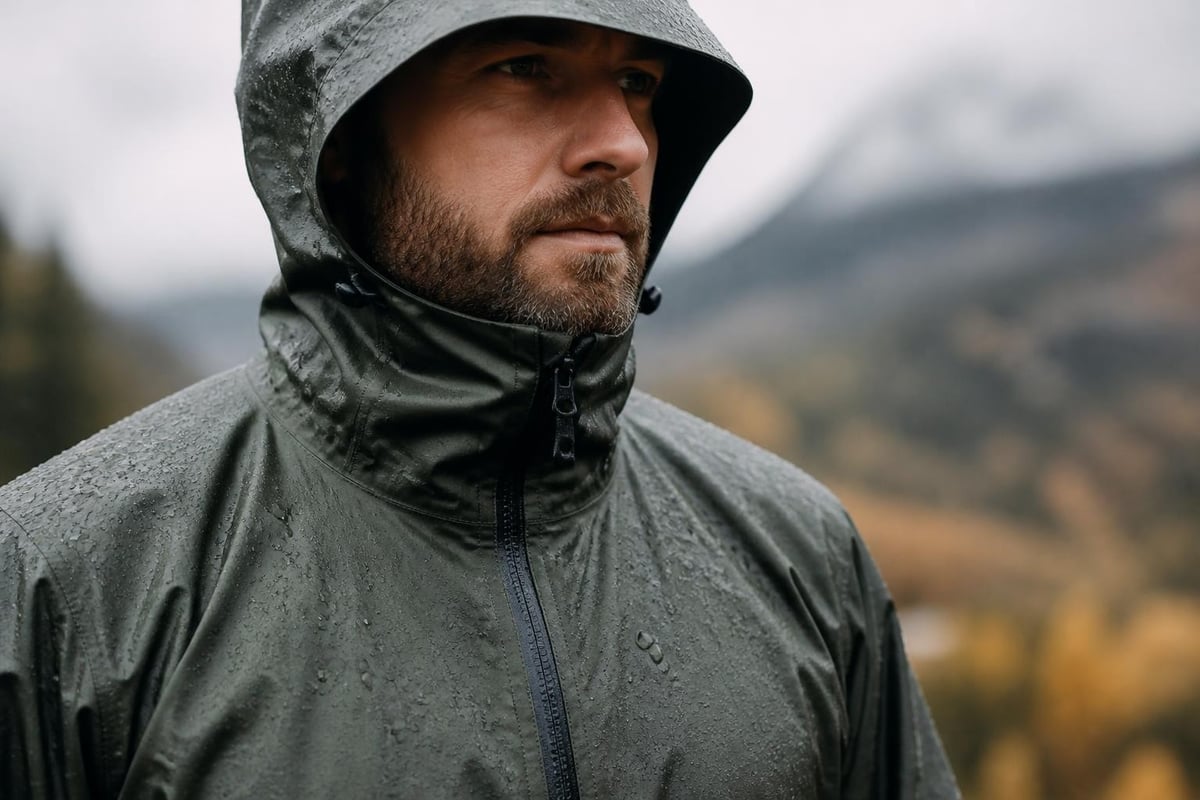
Modern waterproof coats typically use a laminated membrane beneath the outer fabric. These membranes create a physical barrier that liquid water cannot penetrate while allowing water vapour to escape. The outer fabric receives a durable water repellent (DWR) treatment that causes water to bead and roll off rather than saturating the material.
When DWR wears off-which it will with use and washing-the outer fabric "wets out," becoming saturated. This blocks breathability even though the membrane beneath remains waterproof. You stay dry from rain but can end up soaked from your own perspiration. Maintaining that DWR finish becomes crucial for long-term performance.
Recent regulations around PFAS chemicals have changed DWR formulations. Washington State's phase-out of PFC-based waterproofing reflects growing environmental and health concerns. Newer fluorine-free DWR treatments work well when fresh but may require more frequent reapplication than older chemistry.
Breathability: Why It Matters for Riders
A long riding coat waterproof but not breathable becomes a portable sauna the moment you start working. Riding generates significant body heat through constant core engagement and active movement, even in cold weather. Moisture vapour builds rapidly inside a non-breathable coat, leaving you clammy and uncomfortable.
Moisture vapour transmission rate (MVTR) quantifies breathability. Higher MVTR numbers mean more breathable fabrics. The challenge is that breathability in waterproof clothing faces real limitations that manufacturers don't always acknowledge. No waterproof membrane breathes as well as a non-waterproof fabric, and performance drops significantly when you're generating high levels of perspiration.
Testing conditions rarely match real-world riding. Laboratory MVTR measurements use controlled temperature gradients that don't reflect what happens when you're cantering across wet fields on a cold morning. Understanding how breathability is actually measured helps set realistic expectations.
For equestrian use, prioritize coats with MVTR ratings above 10,000 g/m²/24hr. Look for pit zips or ventilation panels that let you dump excess heat quickly when needed. A long coat waterproof rating of 15,000mm paired with 15,000 g/m² breathability offers solid all-round performance for most riding conditions.
Fit and Movement Considerations
Length matters for riding. A coat that falls below mid-thigh provides better saddle coverage but needs careful tailoring to avoid bunching or restricting hip movement. Raglan or gusseted sleeves allow full range of motion for rein work. Adjustable cuffs seal out weather without binding when you're reaching forward.
The best long riding coat waterproof designs include specific riding features: longer rear drop for saddle coverage, articulated elbows, and enough room through the shoulders to layer over a jacket or fleece without restricting movement.
Technical Specifications That Matter
When evaluating different coats, certain specifications reliably indicate quality and performance. Don't just trust marketing descriptions-look for measured data.
| Specification | Minimum for Riding | Premium Performance | Why It Matters |
|---|---|---|---|
| Hydrostatic Head | 10,000mm | 20,000mm+ | Direct measure of waterproof capability |
| MVTR (Breathability) | 10,000 g/m²/24hr | 20,000 g/m²/24hr+ | Comfort during active riding |
| Seam Sealing | Critical seams | Fully taped | Prevents leakage through stitch holes |
| DWR Treatment | Factory applied | PFAS-free renewable | Maintains breathability, beading |
Weight and packability matter less for riders than for hikers or cyclists. You're wearing the coat while riding, not stuffing it in a pack. Prioritize durability and performance over minimal packed size.
Understanding Testing Standards
Textile testing standards provide the framework for evaluating waterproof performance. The American Association of Textile Chemists and Colorists (AATCC) publishes recognized test methods for water resistance, spray testing, and moisture management that reputable manufacturers use to validate their claims.
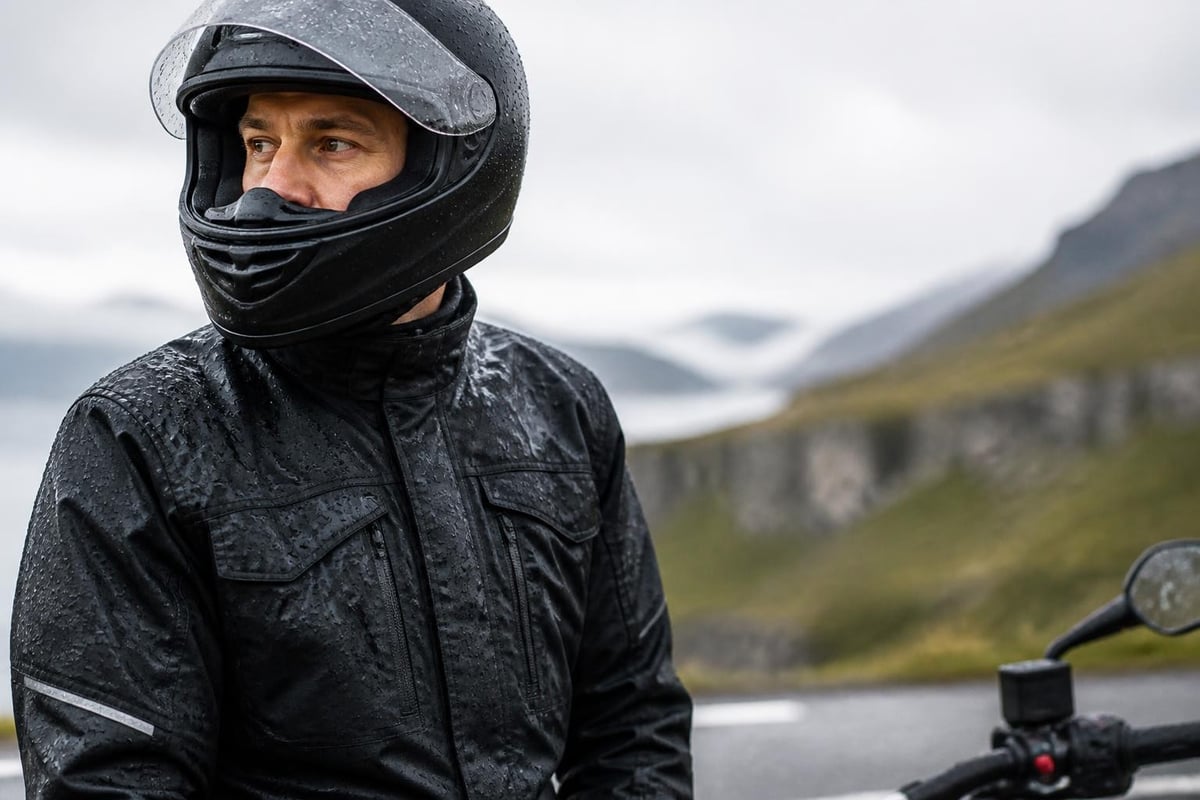
Different test methods measure different aspects of water resistance. Waterproof jacket jargon can be confusing, but understanding the basics helps you compare products accurately. Spray tests measure DWR performance, while hydrostatic head measures the membrane's waterproof capability. Both matter for overall coat performance.
Length Versus Versatility
A long riding coat waterproof enough for serious weather naturally raises questions about practicality off the horse. Can you wear it for yard work, dog walking, or general outdoor use without looking like you're dressed for Arctic exploration?
The right design balances equestrian functionality with everyday wearability. Clean lines, neutral colours, and quality detailing create a coat that works across contexts. Navy, olive, and charcoal work better than bright technical colours if you want genuine versatility.
Three-quarter length or just-below-hip designs offer more flexibility than full-length options. They provide reasonable saddle coverage while remaining practical for walking, driving, or general outdoor activities. If you primarily need the coat for riding, proper length matters more than off-horse styling.
Layering and Temperature Range
A long waterproof coat functions as an outer shell in a layering system rather than a standalone jacket. The coat handles weather protection while base layers and mid-layers manage insulation and moisture wicking. This modular approach works better than relying on a single heavy waterproof jacket trying to do everything.
In mild weather, wear the coat over a technical shirt or lightweight fleece. When temperatures drop, add an insulated mid-layer underneath. The waterproof shell blocks wind and wet while your layering system handles warmth. This flexibility extends the coat's useful temperature range from autumn drizzle to winter storms.
Quality jackets designed for riders consider this layering approach with appropriate sizing through the body and arms. Too trim and you can't fit proper mid-layers underneath; too generous and the coat feels sloppy when worn alone.
Care and Maintenance for Longevity
A long riding coat waterproof performance degrades predictably over time without proper care. The good news: maintenance is straightforward and significantly extends the coat's useful life.
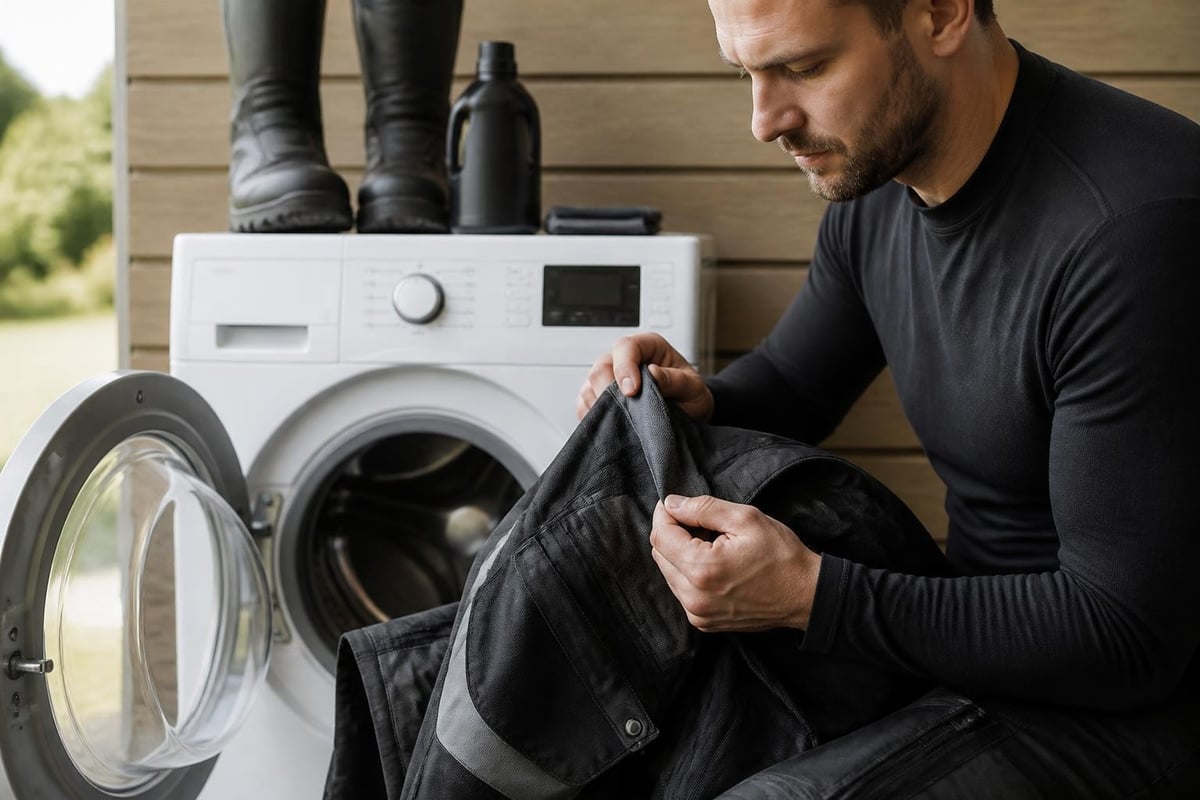
Washing your coat regularly actually improves performance by removing dirt, sweat, and oils that interfere with DWR and breathability. Use technical wash designed for waterproof garments-regular detergent leaves residues that damage both DWR and membrane function.
Washing process: Close all zips and fastenings. Wash on gentle cycle with technical cleaner. Rinse thoroughly-detergent residue reduces breathability. Tumble dry on low heat to reactivate DWR, or follow manufacturer's drying instructions.
Restoring Water Repellency
When your coat starts wetting out despite proper washing, the DWR needs renewal. Restoring waterproofing to rain jackets involves applying aftermarket DWR treatment via wash-in or spray-on products.
Spray-on treatments offer more control and work well for spot treatment or refreshing specific high-wear areas. Wash-in products provide even coverage across the entire garment. Both work when applied correctly. The key is starting with a clean coat-DWR won't bond properly to dirty fabric.
Heat activation matters. After applying DWR treatment, tumble drying on medium heat or careful ironing (with a cloth between iron and garment) helps the treatment cure and bond to the fabric. You'll see immediate improvement in water beading.
Caring for water-resistant gear requires attention to seam tape as well. Check sealed seams periodically for lifting or damage. Seam sealant is available for repairs, though extensive seam damage usually indicates it's time for a new coat.
Storage Between Seasons
Proper storage prevents damage during off-season months. Hang the coat on a proper hanger in a cool, dry location away from direct sunlight. Don't compress waterproof garments for long-term storage-this can damage membranes and coatings.
Before storing, clean the coat thoroughly and ensure it's completely dry. Trapped moisture encourages mildew growth that damages both fabric and waterproof treatments. A quick inspection of zips, seams, and general condition helps catch minor issues before they become major problems.
Choosing the Right Long Waterproof Coat
Your riding discipline, climate, and how often you ride in wet weather all influence which long riding coat waterproof specification makes sense. Someone hacking out daily in Scottish weather needs different performance than someone who only rides in light rain occasionally.
For frequent wet-weather riding: Prioritize maximum waterproof ratings (20,000mm+), excellent breathability (20,000g+), and proven durability. You're using this coat hard and often. Premium performance pays off in comfort and longevity.
For occasional wet rides: Solid mid-range specifications (10,000mm/10,000g) provide adequate protection without premium pricing. Focus on fit and features that enhance usability.
For competition and travel: Consider packability and presentation alongside performance. A coat that stuffs reasonably small travels better, while clean styling suits competition environments.
Fit Testing Before Purchase
Try the coat while simulating riding positions. Reach forward as if holding reins. Twist at the waist. Raise your arms overhead. Sit on a stool or saddle if possible. The coat should move with you without binding, riding up excessively, or restricting shoulder rotation.
Check sleeve length carefully. Cuffs should extend to the base of your thumb when arms are extended forward in riding position, not hanging at your sides. Underarm gussets or raglan construction allow better range of motion than set-in sleeves.
The rear drop should cover your lower back and saddle area when seated. Too short and water runs down your back; too long and excess fabric bunches awkwardly. The ideal length varies by torso proportion and personal preference, but generally extends to mid-thigh or slightly below when standing.
Integrating With Your Riding Wardrobe
A long riding coat waterproof capability makes it a key piece in your overall equestrian wardrobe, but it works best as part of a coordinated system. Pair it with appropriate breeches that handle moisture well and technical base layers that wick perspiration efficiently.
Colour coordination matters if you care about appearance beyond pure function. Navy, black, and earth tones pair easily with most riding gear. Brighter colours make you more visible in poor weather but may limit versatility.
Quality counts throughout your riding wardrobe. Performance pieces designed specifically for equestrian use-like those available through Gallant Equestrian-integrate better because they're engineered around riding movement and requirements from the start.
Beyond the Basics
Once you've secured a reliable long riding coat waterproof enough for serious weather, consider complementary pieces that enhance your wet-weather capability. Waterproof over-trousers protect your legs during particularly foul conditions. Quality gloves that maintain grip when wet prove invaluable. A peaked cap under your helmet helps keep rain off your face.
The complete wet-weather system lets you ride comfortably regardless of conditions rather than checking forecasts anxiously before heading to the yard.
Value Over Time
A proper long riding coat waterproof construction represents significant investment, but the cost per wear drops dramatically over years of reliable use. A £200 coat that performs well for five seasons of regular use costs less per ride than a £75 coat that fails after one winter.
Quality indicators include:
Robust main fabric that resists abrasion and snagging. Areas like shoulders, elbows, and lower back see heavy wear from saddle contact and barn work.
Hardware that functions reliably even when wet, cold, or covered in mud. YKK zips, substantial snaps, and reinforced zip garages separate quality from budget construction.
Thoughtful design details like storm flaps behind main zips, adjustable cuffs with hook-and-loop plus snap closures, and helmet-compatible hoods that actually stay in place.
Repairable construction that lets you address minor damage before it becomes major failure. Reinforced stress points and accessible seams extend usable life.
When to Replace Rather Than Repair
Even quality coats eventually wear out. Membrane delamination, extensive seam failure, or catastrophic fabric damage generally mean replacement time. Zips can be replaced, DWR can be renewed, and small tears can be patched-but fundamental structural failure indicates the coat has given its service.
Real-World Performance Expectations
Marketing claims about waterproof performance often exceed real-world results. A long riding coat waterproof rating of 20,000mm should keep you dry in heavy rain, but that assumes properly maintained DWR, intact seam sealing, and appropriate layering underneath.
In practice, you'll notice performance degradation well before the waterproof membrane actually fails. The coat "wets out" more quickly. Condensation increases inside. You feel damp after rides even though water hasn't penetrated the membrane. These symptoms usually indicate DWR failure rather than compromised waterproofing.
Addressing maintenance promptly restores performance. Ignoring these early signs leads to comfort issues that might convince you the coat has failed when it actually just needs proper care.
Temperature and Activity Matching
No single coat handles every condition perfectly. A long waterproof coat excels in cold, wet weather with moderate activity levels. In warm, humid conditions, even excellent breathability struggles to manage moisture vapour. In extreme cold, you need serious insulation underneath that may compromise mobility.
Understanding these limitations helps you choose the right gear for specific conditions rather than expecting one coat to handle everything from August drizzle to February storms.
The right long riding coat waterproof enough for your conditions transforms wet weather from something to endure into just another day at the yard. Focus on measurable performance specifications, maintain the coat properly, and integrate it thoughtfully with the rest of your riding wardrobe for years of reliable protection. When you're ready to invest in performance-driven equestrian wear built to handle serious use, Gallant Equestrian offers carefully designed pieces that balance function, durability, and style for men who ride with purpose. Look the Part. Enjoy the Ride.

