

Men's Horse Riding Shirts: Performance & Style Guide
Sep 18, 2026
Choosing the right shirt for riding isn't just about looking sharp in the saddle. The right mens horse riding shirts combine technical performance with refined style, whether you're schooling at home, competing at championship level, or simply enjoying a weekend hack. From moisture-wicking fabrics to UPF protection and competition-legal collars, today's riding shirts are engineered for the demands of equestrian sport whilst maintaining the classic elegance the discipline demands. Understanding what separates a quality riding shirt from ordinary sportswear helps you invest in pieces that enhance your performance and comfort, ride after ride.
The Technical Foundation of Performance Riding Shirts
Modern mens horse riding shirts have evolved far beyond the traditional cotton button-downs of decades past. Today's fabrics integrate moisture management, breathability, and stretch in ways that directly improve your riding experience.
The science behind performance fabrics is straightforward. When you're working with a horse, your body generates significant heat. Research published in Sports Medicine - Open demonstrates how fabric choice, ventilation, and moisture transport affect athletic performance during physical exertion. Riding may look effortless from the ground, but maintaining posture, balance, and effective aids for an hour or more creates genuine physical demands.
Quality riding shirts use technical weaves that pull moisture away from your skin to the fabric's outer surface where it evaporates quickly. This wicking process keeps you dry and regulates body temperature, whether you're riding through a warm summer afternoon or layering beneath a jacket during winter schooling sessions.
Fabric Choices That Matter
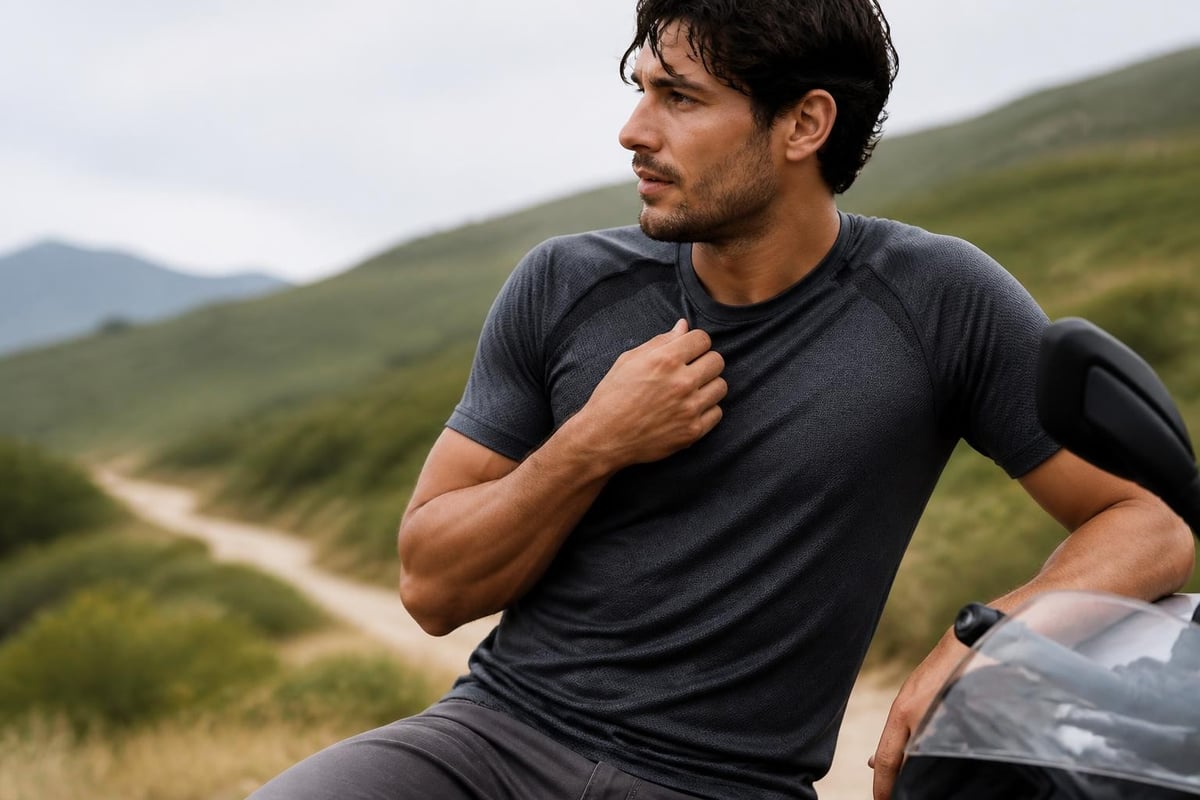
Natural fibres, synthetics, and blends each offer distinct advantages. Cotton feels soft and breathable but retains moisture and takes longer to dry. Pure synthetic fabrics excel at moisture management but can feel less refined. The sweet spot often lies in technical blends that combine natural comfort with synthetic performance.
Performance cotton blends typically mix cotton with polyester or elastane, delivering the comfortable hand feel of natural fibre with added durability and stretch. These work brilliantly for everyday riding and training sessions.
Technical synthetics like polyester microfibre or nylon blends shine in hot weather or intense work. They dry quickly, resist odours better than cotton, and often incorporate four-way stretch for unrestricted movement.
Merino wool blends provide natural temperature regulation and odour resistance. Merino works in both warm and cool conditions, making it ideal for riders who train in varying climates or throughout the day.
The Textile Exchange materials portfolio offers detailed guidance on sustainable fibre choices, an increasingly important consideration as riders seek gear that performs well whilst minimising environmental impact.
Competition Standards and Show Ring Requirements
When selecting mens horse riding shirts for competition, understanding the rules matters as much as personal preference. Different disciplines and levels maintain specific attire requirements that directly affect which shirts you can wear.
The FEI Jumping Rules specify that riders must wear a shirt with collar and sleeves, coupled with a tie, choker, or stock. These regulations ensure a traditional, professional appearance in international competition. Similarly, the USEF rulebook outlines detailed requirements for hunter, jumper, and equitation divisions that riders must follow.
Show Shirt Construction Details
Competition shirts differ from training shirts in several key ways:
Collar styles range from traditional pointed collars that accommodate a tie to stand collars designed for stock ties or chokers. The collar must maintain its shape throughout your class, so quality construction with interfacing or stays proves essential.
Cuff design affects both appearance and practicality. Button cuffs look sharp but can feel restrictive. Stretch cuffs or those with additional button positions accommodate different wrist sizes and layering beneath jackets.
Placket construction determines how cleanly the shirt front lies beneath your jacket. A well-made placket sits flat without gaping or pulling, maintaining a polished line from your collar to your belt.
| Feature | Training Shirts | Competition Shirts |
|---|---|---|
| Collar style | Soft, relaxed, or collarless | Structured, formal, collar required |
| Fabric weight | Medium to light | Light, crisp, holds shape |
| Colour options | Wide variety | White, cream, pale blue typically |
| Stretch content | High (15-20% elastane) | Moderate (5-10% elastane) |
| Price range | £45-£95 | £85-£180 |
Understanding these distinctions helps you build a wardrobe that serves both your everyday riding and competitive needs without unnecessary overlap or gaps.
Sun Protection and Long Hours Outdoors
Riders spend considerable time in direct sunlight, making UV protection a legitimate performance concern rather than marketing hype. The Skin Cancer Foundation provides clear guidance on how fabric construction affects sun protection.
UPF (Ultraviolet Protection Factor) ratings measure how much UV radiation penetrates fabric. A UPF 50 fabric blocks 98% of UV rays, offering excellent protection during long rides or full days at shows. Dark colours generally provide better protection than light colours, and tightly woven fabrics outperform loose weaves.
Research published in PMC/NCBI details how fabric treatments and construction methods affect UPF ratings and durability. Quality mens horse riding shirts with UPF protection maintain their sun-blocking properties through repeated washing and wear, provided you follow care instructions.
Practical Sun Protection Features
Beyond fabric UPF ratings, design elements enhance a shirt's protective capabilities. Extended collars shield your neck when standing up. Long sleeves with thumb loops prevent riding up, ensuring consistent arm coverage. Light colours reflect heat whilst darker colours may offer better UV blocking, creating a balance consideration based on your climate and riding schedule.
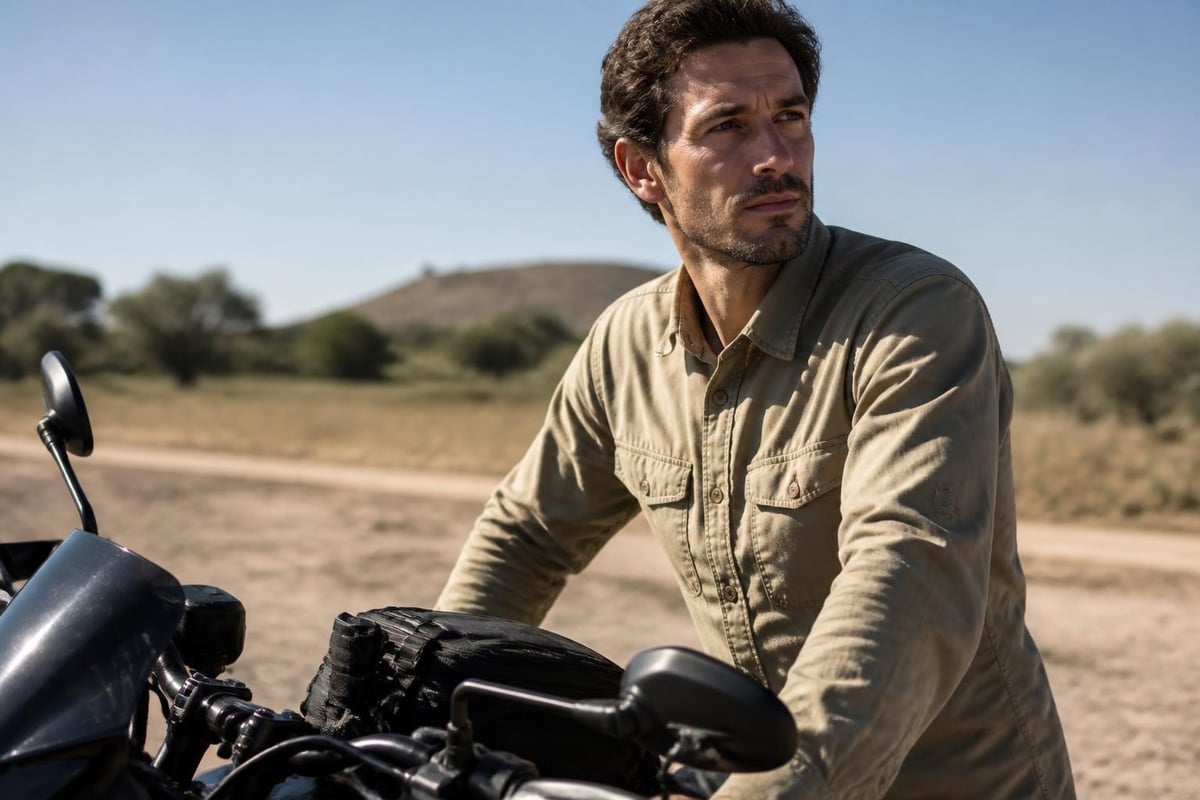
For summer riding, consider technical shirts from Gallant Equestrian's polo collection that combine UPF protection with moisture management and a refined aesthetic suitable for both riding and casual wear.
Fit Considerations for Movement and Comfort
A riding shirt's fit dramatically affects both your comfort and appearance. Too tight restricts your shoulder and arm movement when reaching forward or posting. Too loose creates excess fabric that bunches under your jacket or catches on equipment.
Shoulder fit matters most. When mounted, your shoulders move forward and up slightly compared to standing position. Quality mens horse riding shirts account for this with raglan sleeves, articulated shoulders, or cut patterns that accommodate riding posture without pulling.
Torso length prevents the dreaded untucked-shirt appearance mid-ride. Riding shirts should be slightly longer than casual shirts, staying tucked even when you're in two-point position or reaching forward to adjust your horse's mane.
Sleeve length should allow full arm extension without pulling the cuff back from your wrist. When trying shirts, raise your arms overhead and extend them forward as if holding reins to test whether sleeves maintain proper length.
Size Variation Across Brands
European sizing typically runs smaller than American or British sizing. New Zealand brands like Gallant Equestrian often split the difference, creating fits that work well for various body types. Always check specific size charts rather than assuming your standard size translates directly.
Athletic fits suit riders with broader shoulders and narrower waists. Classic fits accommodate a wider range of body types with a less tailored silhouette. Slim fits work for leaner frames but can restrict movement if cut too aggressively.
Training Shirts vs Competition Shirts
Your riding wardrobe benefits from separating everyday training pieces from competition-specific garments. This isn't about excess; it's about having the right tool for each job.
Training shirts prioritise durability and practicality. You'll wash these frequently, wear them in dusty arenas, and potentially snag them on rough surfaces. Fabrics that resist pilling, maintain colour through repeated washing, and recover their shape matter more than achieving perfect competition aesthetics.
Competition shirts emphasise appearance and compliance with show regulations. These pieces may be more delicate, requiring careful laundering and storage, but they deliver the polished presentation judges and spectators expect.
| Training Needs | Competition Needs |
|---|---|
| Frequent washing durability | Crisp, pristine appearance |
| Stain resistance | Regulation compliance |
| Maximum breathability | Professional presentation |
| Value per wear | Investment piece longevity |
| Relaxed styling | Traditional aesthetic |
This division allows you to invest appropriately in each category. A collection of three quality training shirts rotates easily through your weekly riding schedule, whilst two well-chosen competition shirts handle show season demands without excessive wardrobe expansion.
Seasonal Adaptations and Layering
Climate and season dramatically affect which mens horse riding shirts work best. Winter riding often requires layering shirts beneath jumpers or jackets, whilst summer demands maximum breathability and sun protection.
Base layer integration starts with your riding shirt. Technical fabrics that sit comfortably against skin work as standalone pieces in warm weather and first layers in cold conditions. Quarter-zip designs let you adjust ventilation quickly without removing layers entirely.
Mid-layer compatibility matters when temperatures drop. Your riding shirt should fit comfortably beneath performance sweatshirts or technical hoodies without creating bulk or restricting movement.
Outer layer coordination ensures your complete outfit works together. If you regularly ride in a particular jacket, try it on over your riding shirt before purchasing to confirm layering compatibility and range of motion.
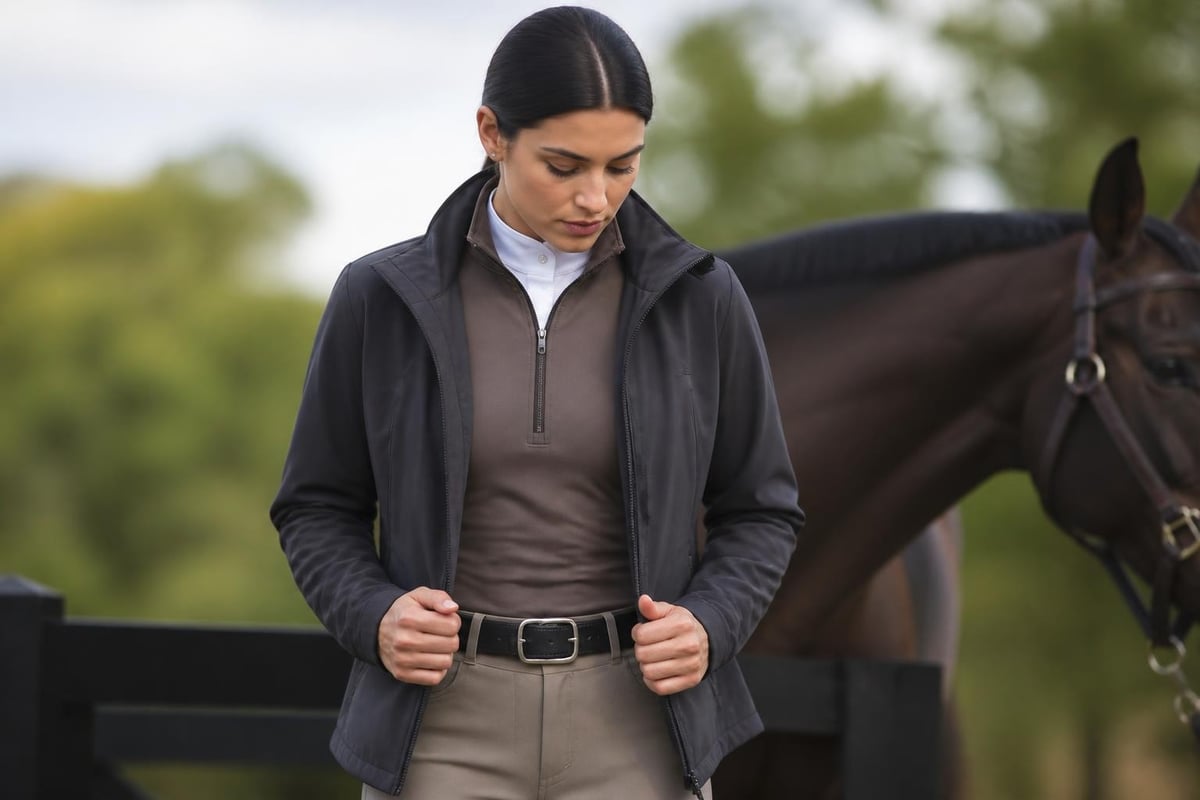
Spring and autumn present variable conditions where a versatile riding shirt paired with a lightweight rain jacket adapts to changing weather throughout your riding day.
Colour and Style Choices Beyond White
Whilst white remains the traditional choice for formal competition, modern riding encompasses diverse settings where colour and style express personality whilst maintaining appropriate presentation.
Navy and dark colours hide dirt better than light shades, making them practical for everyday training. They also provide superior UV protection and look sharp in both casual riding settings and less formal competitions.
Neutral tones like bone, stone, or light grey offer versatility. These colours coordinate easily with breeches in various shades whilst maintaining a refined appearance suitable for clinics, lessons, or informal shows.
Earth tones including olive and brown work beautifully for western disciplines, trail riding, or casual equestrian activities where traditional hunt seat aesthetics don't apply.
The Pony Club UK rulebooks provide useful guidance on acceptable colours and styles for various activities and levels, offering a foundation even adult amateur riders can reference when building appropriate wardrobes.
Pattern Considerations
Subtle patterns like micro-checks or fine stripes can add visual interest to training shirts without appearing too casual. Save these for everyday riding rather than formal competition, where solid colours typically prove safer choices.
Logos and branding should be minimal. A small, tasteful logo doesn't detract from appearance, but large graphics or obvious branding undermine the refined aesthetic that characterises quality equestrian attire.
Care and Maintenance for Longevity
Quality mens horse riding shirts represent meaningful investments. Proper care extends their lifespan and maintains their performance properties through seasons of regular use.
Washing frequency should balance hygiene with fabric preservation. After each wear is ideal, but if you've only ridden briefly or stayed particularly clean, you might wear a shirt twice before washing. Use cool water and mild detergent, avoiding harsh chemicals that degrade technical fabrics or UPF treatments.
Drying methods affect fabric integrity significantly. Air drying preserves elasticity and prevents shrinkage better than tumble drying. If you must use a dryer, choose low heat and remove items whilst slightly damp to finish air drying.
Storage practices prevent unnecessary wear. Hang shirts on proper hangers rather than folding them, which can create permanent creases in some fabrics. Store competition shirts in breathable garment bags to protect them from dust between shows.
Treat stains promptly, particularly sweat, mud, or manure. The longer a stain sets, the harder it becomes to remove without aggressive treatment that may damage fabric. A small brush and cold water tackle most fresh stains effectively before they require stronger intervention.
Building a Functional Riding Shirt Wardrobe
Rather than accumulating random pieces, intentional wardrobe building ensures you have appropriate shirts for every riding situation without unnecessary duplication.
Foundation pieces for most riders include two to three training shirts in colours that coordinate with your breeches and jackets. Navy, black, and white or bone provide maximum versatility. These workhorses handle daily riding, lessons, and casual schooling.
Competition additions depend on your show schedule and discipline. Serious competitors need at least two formal show shirts to ensure a fresh option if one becomes soiled or damaged at multi-day events. Casual competitors might start with one quality piece and expand as needed.
Specialty items address specific requirements. A long-sleeve technical shirt manages sun protection for summer trail rides. A quarter-zip provides ventilation control during variable weather. The Gallant Equestrian Arena Rider Kit demonstrates how curated pieces work together to address common riding scenarios efficiently.
Consider your actual riding patterns rather than theoretical needs. If you train four times weekly but compete twice yearly, weight your wardrobe accordingly toward durable training pieces with just enough competition gear to meet those specific requirements.
Transitional Style from Stable to Street
Modern mens horse riding shirts increasingly blur the line between technical riding gear and everyday casual wear. This versatility adds value and reduces the need for complete clothing changes between riding and other activities.
Polo shirts designed for riding function equally well for post-ride errands or casual dining. Quality polo designs in neutral colours pair with jeans or chinos as easily as breeches, extending their usefulness beyond the stable yard.
Performance tees with subtle equestrian details transition smoothly into athletic or casual contexts. The technical fabrics that manage moisture during riding perform equally well during other physical activities or warm weather.
Button-down riding shirts in fine fabrics can dress up slightly when paired with quality trousers and leather shoes, particularly if you choose classic patterns or solid colours without obvious riding-specific details.
This crossover functionality doesn't mean compromising riding performance. It means selecting pieces designed thoughtfully enough to serve multiple purposes without excelling at none.
Investment vs Budget Considerations
Price variation in mens horse riding shirts reflects real differences in fabric quality, construction methods, and design sophistication. Understanding where premium pricing delivers genuine value helps you allocate budget effectively.
Fabric cost directly correlates with performance and durability. Technical synthetics from established mills cost more than basic polyester but last longer and perform better. Certified UPF fabrics, moisture-wicking treatments, and four-way stretch materials all add to manufacturing expense but deliver tangible riding benefits.
Construction quality separates shirts that maintain their shape and appearance through seasons from those that deteriorate quickly. Reinforced seams, quality zippers, and properly interfaced collars require more skilled labour but prove worthwhile over time.
Design expertise matters particularly for riding-specific cuts. Brands that understand equestrian movement patterns create shirts that fit better and perform more reliably than general athletic wear adapted for riding.
| Price Point | Expected Features | Best Use |
|---|---|---|
| £35-£55 | Basic wicking, simple cut | Occasional riders, beginners |
| £55-£95 | Quality fabrics, riding-specific design | Regular training, daily wear |
| £95-£150 | Premium materials, detailed construction | Competition, serious training |
| £150+ | Designer fabrics, tailored fit, advanced features | High-level competition, investment pieces |
Budget-conscious riders might buy premium competition shirts whilst selecting mid-range training pieces. This strategy ensures you look your best where appearance matters most whilst managing overall wardrobe costs sensibly.
Choosing mens horse riding shirts involves balancing technical performance, competition requirements, personal style, and practical considerations. The right pieces enhance your comfort in the saddle, meet formal standards when competition demands it, and transition seamlessly into everyday life. Whether you're building your first proper riding wardrobe or refining an established collection, focusing on quality fabrics, proper fit, and versatile styling ensures your investment delivers value across all your equestrian activities. Gallant Equestrian designs performance-driven shirts specifically for men who ride, combining New Zealand craftsmanship with technical fabrics that work as hard as you do, from training sessions to championship rounds. Look the Part. Enjoy the Ride.

