

Men's Jodhpurs: A Guide to Riding Style & Heritage
Aug 16, 2026
When most riders think about traditional riding attire, mens jodhpurs immediately come to mind. These distinctive riding trousers, characterised by their reinforced inner legs and flared thighs tapering to fitted ankles, represent more than just functional equestrian wear. They embody a rich heritage that spans continents and centuries, whilst remaining remarkably relevant in modern riding culture. Whether you're competing in the show ring, schooling at home, or simply appreciating classic riding style, understanding jodhpurs helps you appreciate why they've endured as an essential piece of equestrian clothing for men.
The Historical Journey of Riding Jodhpurs
The story of mens jodhpurs begins in nineteenth-century India, specifically in the city of Jodhpur in Rajasthan. British military officers stationed in India observed local cavalry riders wearing comfortable, practical trousers designed for long hours in the saddle. These garments featured a unique cut with extra fabric at the thigh and hip for freedom of movement, tapering down to a snug fit at the ankle that worked perfectly with traditional riding boots.
The cultural exchange between Britain and India brought jodhpurs back to Britain, where they were quickly adopted by polo players and eventually spread throughout equestrian disciplines. The British refined the design, adding reinforced inner legs and adjusting the cut to suit Western riding styles. By the early twentieth century, jodhpurs had become standard riding attire across the English-speaking world.
What's particularly fascinating about mens jodhpurs is how they bridged practical necessity with cultural adaptation. Indian riders needed clothing that wouldn't interfere with their riding while providing protection and comfort. British riders recognised these same needs and transformed the design into what we recognise today.
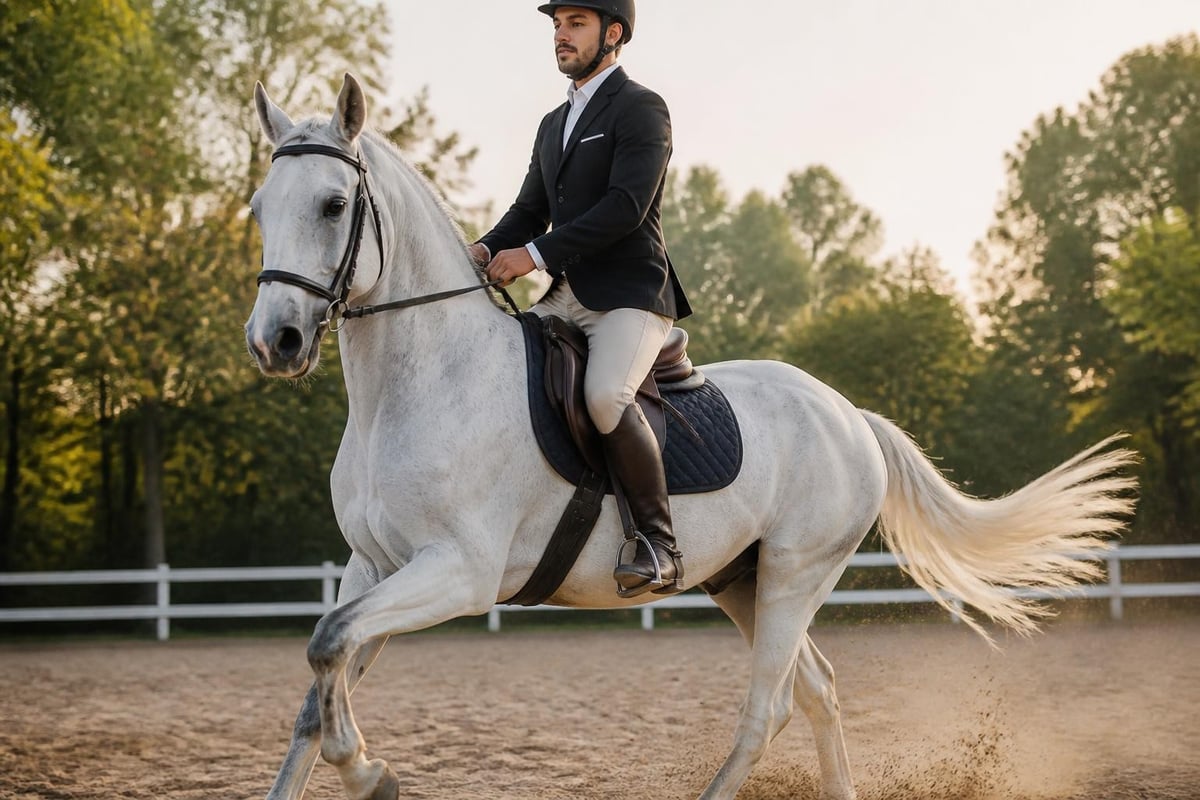
Design Elements That Define Jodhpurs
The Distinctive Silhouette
Mens jodhpurs feature a recognisable silhouette that sets them apart from other riding trousers. The extra fullness through the hip and thigh provides unrestricted movement when mounting and riding. This generous cut gradually tapers from mid-thigh down to a close fit at the ankle, creating the characteristic shape that makes jodhpurs instantly identifiable.
The ankle design deserves particular attention. Traditional jodhpurs end just below the ankle bone, designed to be worn with short paddock boots and leather straps called jodhpur straps or clips. These straps wrap under the boot arch, keeping the trouser leg in place during riding. Modern versions often include stirrup straps sewn into the ankle, eliminating the need for separate fastenings.
Functional Features for Riding
The practical elements of mens jodhpurs reflect decades of refinement based on riders' needs. Reinforced inner legs, typically made from suede or synthetic grip materials, prevent chafing and improve stability in the saddle. These panels extend from the inside knee down through the calf, providing consistent contact with the horse.
High-rise waistbands sit comfortably above the hip bone, staying in place during riding without digging in when seated. Well-designed jodhpurs include strategically placed seams that avoid pressure points, particularly along the inner leg where constant contact with the saddle occurs. Understanding the differences between various riding trouser styles helps you choose the right garment for your discipline.
Jodhpurs Versus Breeches: Understanding the Difference
Many riders use the terms interchangeably, but mens jodhpurs and breeches serve different purposes and pair with different footwear. Jodhpurs extend to the ankle and are designed to be worn with short paddock boots, also called jodhpur boots. These boots typically reach just above the ankle, creating a clean line when worn together.
Breeches, by contrast, end at the knee and are worn with tall riding boots. The shorter length of breeches means they tuck completely inside the boot, avoiding any excess fabric that might create pressure points or discomfort. This makes breeches the preferred choice for many disciplines, particularly dressage and show jumping where tall boots are standard.
| Feature | Jodhpurs | Breeches |
|---|---|---|
| Length | Ankle | Knee |
| Boot pairing | Short paddock boots | Tall riding boots |
| Common disciplines | Polo, casual riding | Dressage, jumping, eventing |
| Ankle design | Fitted with straps or stirrups | Open at knee |
The choice between mens jodhpurs and breeches often comes down to discipline requirements and personal preference. Polo players almost exclusively wear jodhpurs, valuing the ankle protection and the practicality of paddock boots that are easier to run in during chukkas. Riders in disciplines requiring formal attire typically choose breeches with tall boots for a more traditional appearance.
Modern Applications and Discipline-Specific Choices
Polo and Field Sports
Polo remains the discipline most closely associated with mens jodhpurs. The fast-paced nature of the sport demands clothing that moves with the rider whilst providing protection. White jodhpurs have become the standard for polo, creating the crisp, clean appearance synonymous with the sport. The fitted ankle works perfectly with low polo boots, allowing players to dismount quickly and move freely on foot when necessary.
Field sports riders appreciate jodhpurs for similar reasons. The combination of paddock boots and jodhpurs offers flexibility during long days outdoors, providing easier movement on foot compared to tall boots whilst maintaining the protective qualities needed for riding.
Casual Riding and Training
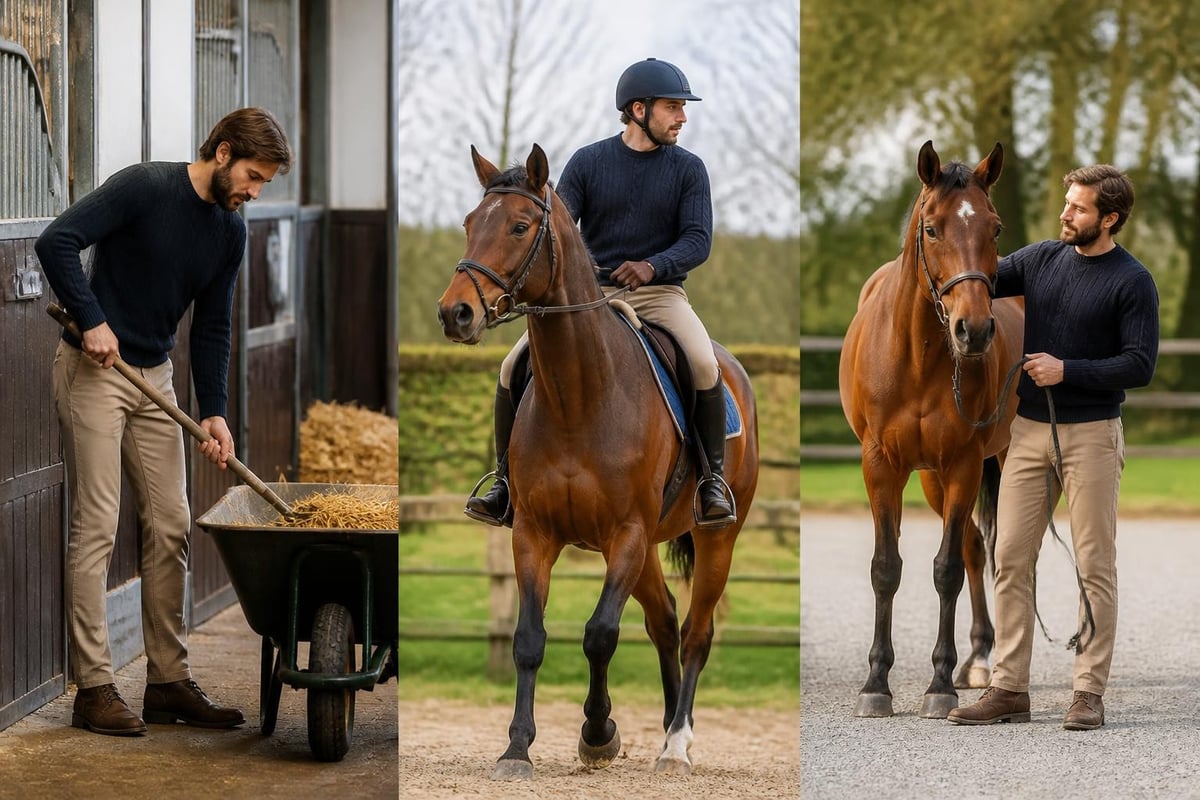
For everyday riding and training sessions, mens jodhpurs offer practical advantages. Paddock boots are generally more comfortable for extended periods of barn work, making the jodhpur-and-boot combination ideal for riders who spend considerable time on their feet between riding sessions. The ease of getting boots on and off compared to tall boots makes jodhpurs particularly appealing for multiple daily rides or teaching scenarios.
Fabric Technology and Performance Features
Traditional Materials
Classic mens jodhpurs were constructed from sturdy cotton twill or cavalry twill, fabrics chosen for durability and structure. These materials held their shape well and provided adequate stretch through the weave rather than elastic fibres. Wool blends offered warmth for winter riding, whilst lighter cotton kept riders comfortable in warmer conditions.
Traditional fabrics remain popular among riders who value heritage styling and prefer natural fibres. The origins of jodhpur design inform modern choices, with many riders seeking authentic materials that reflect the garment's historical roots.
Contemporary Performance Fabrics
Modern mens jodhpurs incorporate technical fabrics that enhance comfort and performance. Four-way stretch materials move naturally with the body, reducing restriction during riding. Moisture-wicking properties draw perspiration away from the skin, maintaining comfort during intense training or competition.
Breathable fabrics regulate temperature, particularly important for riders in varying climates. Some manufacturers include UV protection for outdoor riding, whilst others focus on quick-drying properties for riders who face unpredictable weather. The integration of these technologies into traditional jodhpur designs demonstrates how classic styles evolve whilst maintaining their essential character.
| Material Type | Benefits | Best For |
|---|---|---|
| Cotton twill | Durability, breathability, classic feel | Traditional styling, moderate activity |
| Wool blend | Warmth, natural stretch, moisture management | Cold weather riding |
| Technical synthetics | Four-way stretch, quick-dry, moisture-wicking | High-performance training |
| Cotton-synthetic blend | Balance of comfort and performance | All-around riding |
Styling Mens Jodhpurs Beyond the Arena
The versatility of mens jodhpurs extends beyond purely equestrian settings. Their refined appearance makes them suitable for semi-formal occasions related to riding, from stable tours to equestrian social events. Paired with a quality polo shirt or tailored jacket, jodhpurs present a polished look that signals both riding competence and attention to detail.
Some riders incorporate jodhpurs into their everyday wardrobes, particularly when their lifestyle revolves around horses. The key lies in thoughtful styling that acknowledges the garment's heritage whilst adapting it to contemporary contexts. Neutral colours like navy, bone, or olive work particularly well for versatile wear, transitioning seamlessly from barn to casual settings.
Equestrian show attire standards provide guidance on appropriate combinations for formal riding contexts. Understanding these conventions helps you make informed choices about when jodhpurs suit the occasion and how to wear them with confidence.
Fitting and Sizing Considerations
Achieving the Proper Fit
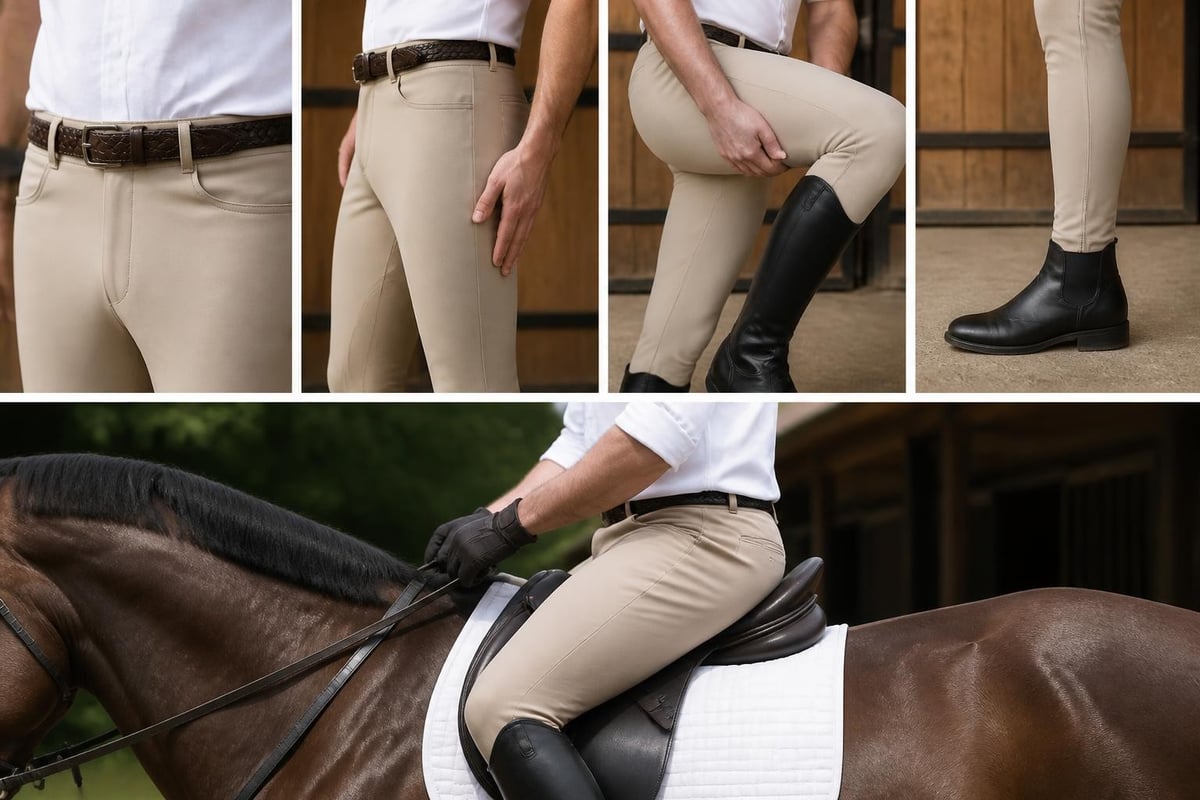
Mens jodhpurs should fit snugly through the seat and thighs without restricting movement or creating uncomfortable pressure points. The waistband should sit comfortably at your natural waist, high enough to stay in place during riding but not so high that it digs in when seated in the saddle. When standing, you should have adequate room through the hip and thigh to move freely.
The ankle fit requires particular attention. Jodhpurs should taper to a close fit around the ankle without being uncomfortably tight. When wearing paddock boots, the trouser leg should sit smoothly without bunching or creating excess fabric that might cause rubbing. If using ankle straps, ensure they hold the fabric in place without cutting into your ankle.
Length and Rise
Proper length matters significantly with mens jodhpurs. They should reach just to the top of your ankle bone or slightly below when standing. Too short, and they'll ride up uncomfortably during riding; too long, and excess fabric bunches around the ankle, creating pressure points and an untidy appearance.
The rise (the measurement from crotch to waistband) affects both comfort and how the jodhpurs sit during riding. A higher rise prevents the waistband from slipping down and provides better coverage when leaning forward in the saddle. Modern cuts often offer mid to high rise options, accommodating different body types and preferences.
Care and Maintenance for Longevity
Washing and Cleaning
Proper care extends the life of mens jodhpurs significantly. Most modern jodhpurs tolerate machine washing, though checking manufacturer guidelines ensures you don't damage technical fabrics or grip materials. Washing inside out protects outer surfaces and grip panels from excessive wear during the wash cycle.
Cold or warm water typically suffices for cleaning jodhpurs, whilst hot water can cause shrinkage in natural fibres and damage elastic components. Mild detergents preserve fabric integrity better than harsh chemicals, particularly important for maintaining the suppleness of suede or leather reinforcements.
Storage and Long-Term Care
Hanging mens jodhpurs properly prevents creasing and maintains their shape. Trouser hangers with clips work well, hanging from the ankle straps or waistband depending on the design. Avoid folding jodhpurs for long-term storage, as this can create permanent creases that affect appearance and comfort.
Rotating between multiple pairs extends the overall life of your jodhpurs. Allowing garments to rest between wears helps fabrics recover their shape and prevents premature wear from constant use. This approach proves particularly valuable for riders who train daily or compete frequently.
Selecting Quality Jodhpurs for Your Needs
When choosing mens jodhpurs, consider your primary riding discipline and how often you'll wear them. Competition riders need jodhpurs that meet specific dress codes whilst offering maximum comfort during extended wear. Training-focused riders might prioritise durability and ease of care over formal appearance standards.
Fabric choice significantly impacts performance and comfort. Natural fibres offer breathability and a traditional feel, whilst technical fabrics provide enhanced stretch and moisture management. Understanding different riding trouser options helps you make informed decisions based on your specific requirements.
Quality construction details separate exceptional jodhpurs from average ones. Reinforced seams, particularly along the inner leg and seat, withstand the demands of regular riding. Well-finished hems at the ankle prevent fraying, whilst quality fastenings (buttons, zips, or hooks) maintain their function through repeated use.
The Contemporary Relevance of Traditional Design
Mens jodhpurs demonstrate how traditional designs remain relevant when they successfully balance heritage with modern needs. The fundamental silhouette hasn't changed dramatically since the early twentieth century, testament to the effectiveness of the original design. What has evolved is the integration of contemporary materials and construction techniques that enhance the wearer's experience without compromising the garment's essential character.
This balance between tradition and innovation appeals to riders who value authenticity but demand performance. You don't need to choose between looking the part and riding comfortably. Well-designed mens jodhpurs deliver both, honouring the garment's rich history whilst meeting the expectations of today's riders.
The continued popularity of jodhpurs across multiple equestrian disciplines proves their enduring utility. From polo fields to training arenas, these distinctive trousers serve riders who appreciate clothing designed specifically for their sport. The definition and etymology of jodhpurs reveals how deeply embedded they've become in riding culture and language.
Building Your Riding Wardrobe Around Jodhpurs
Mens jodhpurs integrate naturally into a comprehensive riding wardrobe. They pair well with various tops depending on the context, from technical polo shirts during training to more formal options for competitions. The key lies in maintaining consistency of quality and style across your riding clothing, creating a cohesive appearance that reflects attention to detail.
Neutral colours offer maximum versatility. Navy, bone, and olive jodhpurs coordinate effortlessly with most shirt colours and jacket options, simplifying wardrobe choices whilst maintaining a polished appearance. Black jodhpurs work well for formal occasions, though they may show dust and horsehair more readily during everyday riding.
Consider seasonal needs when building your collection. Lightweight jodhpurs in breathable fabrics suit warmer months, whilst heavier materials or layering with thermal undergarments addresses cold-weather riding. Having options allows you to dress appropriately for conditions without compromising comfort or style.
Mens jodhpurs represent the perfect intersection of heritage, function, and style in equestrian clothing. Their distinctive design continues serving riders well over a century after their introduction to Western riding culture, proving that thoughtful design endures. Whether you're drawn to their historical significance, practical advantages, or refined appearance, jodhpurs remain an essential consideration for any serious rider's wardrobe. Gallant Equestrian creates performance-driven riding clothing for men who value both tradition and innovation, offering pieces designed to perform in the saddle and beyond. Look the Part. Enjoy the Ride.

