

Men's Riding Jacket Equestrian: Your Essential Guide
Apr 10, 2026
Choosing the right mens riding jacket equestrian makes a tangible difference to your time in the saddle and beyond. It's not just about looking sharp at the stables, though that certainly matters. A properly selected jacket supports your movement, shields you from the elements, and transitions seamlessly from arena to everyday life. Whether you're hacking out on a brisk morning or schooling in the arena, your jacket should move with you, not against you. The right piece becomes an extension of your riding routine, reliable enough that you stop thinking about it and simply enjoy the ride.
What Makes a Quality Mens Riding Jacket Equestrian
Performance starts with fabric. Modern riding jackets use technical materials that balance breathability with weather resistance. You'll encounter softshell constructions that flex as you move, hardshell options that repel heavy rain, and hybrid designs that combine both approaches. The best fabrics wick moisture away from your body whilst blocking wind and light precipitation.
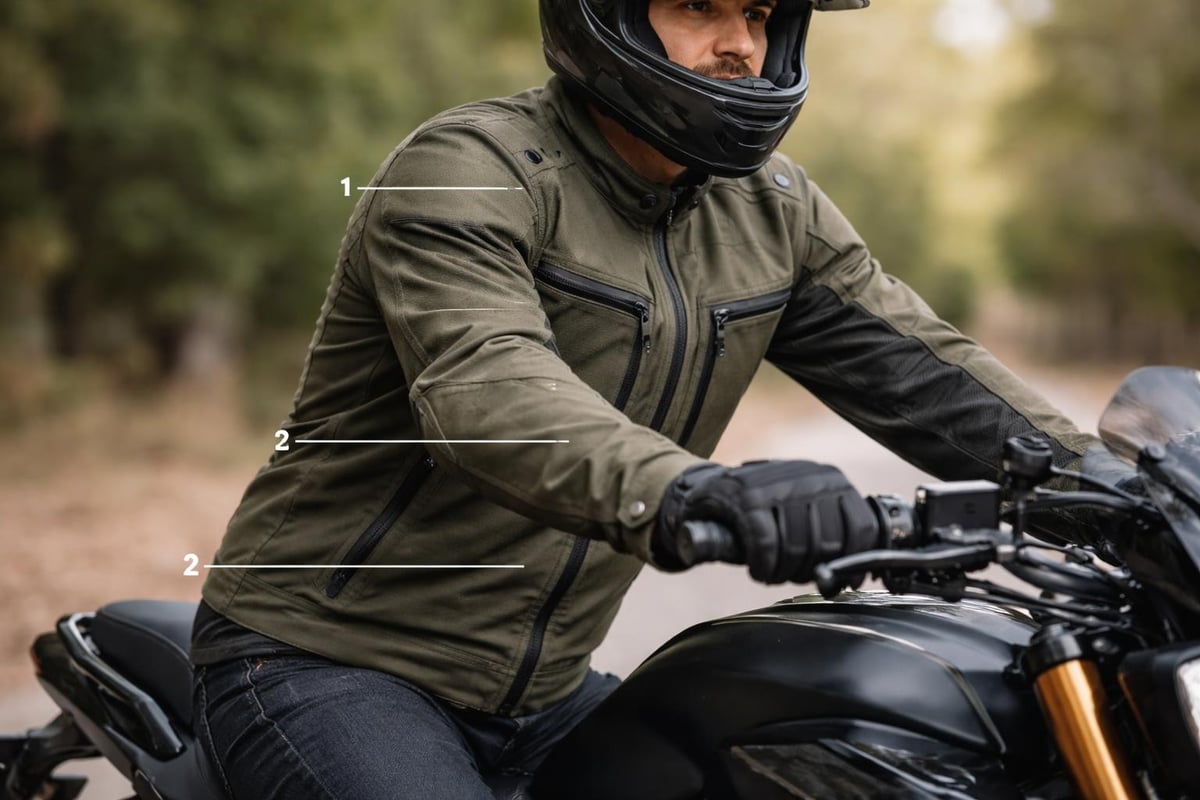
Fit through the shoulders and arms determines how well you can reach forward into riding position without restriction. A jacket designed for equestrian use typically features articulated sleeves and strategic panelling that follows your natural movement. This differs significantly from standard casual jackets, which often pull tight across the back when you adopt a forward seat.
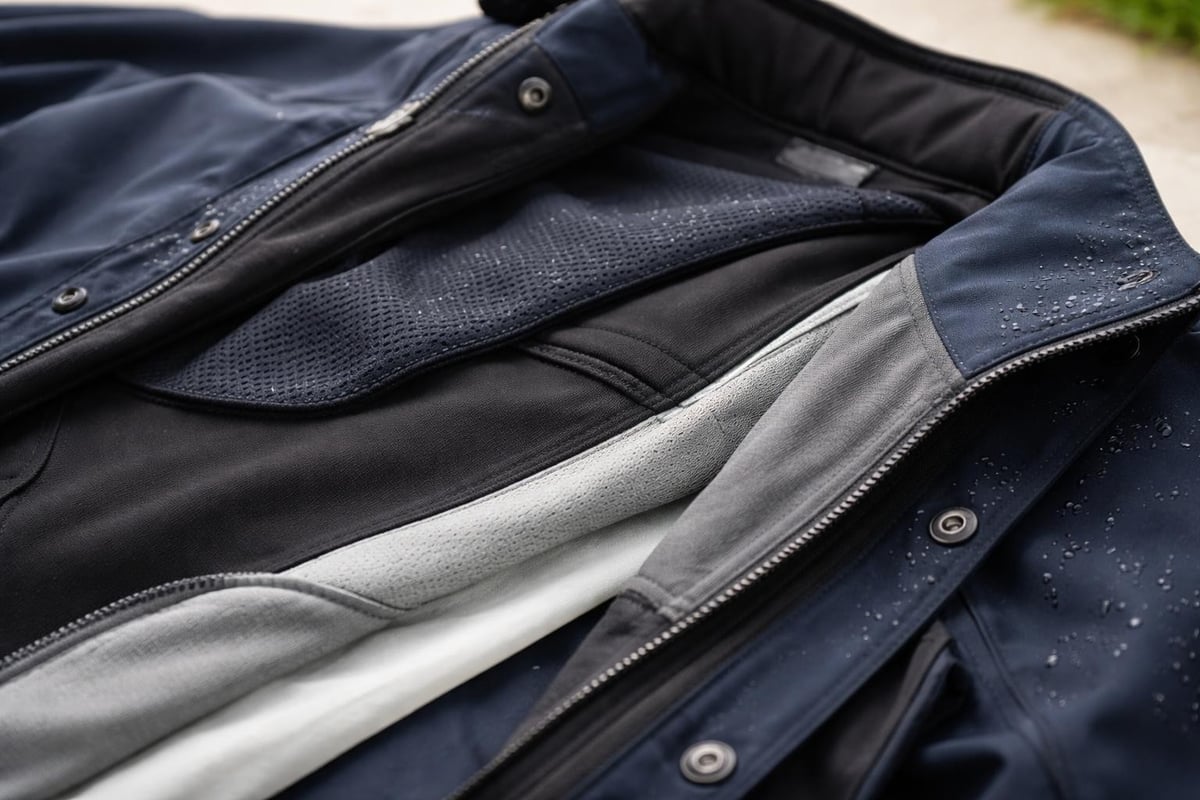
Practical details separate adequate jackets from exceptional ones. Two-way zips allow you to open the bottom whilst keeping your chest protected. Interior pockets keep essentials secure without adding bulk at your hips. Adjustable cuffs seal out wind without restricting wrist movement. These elements work together quietly, each contributing to overall comfort during long hours at the yard.
Understanding these fundamentals helps when evaluating options. A mens riding jacket equestrian that excels in all three areas, fabric, fit, and features, becomes a reliable companion season after season. When you're selecting gear for your complete equestrian wardrobe, prioritize jackets that demonstrate attention to these core principles.
Seasonal Variations and Weather Considerations
Spring and autumn demand versatile layers. A mid-weight softshell jacket serves well during transitional months when morning temperatures hover near freezing but midday sun brings warmth. Look for jackets with underarm ventilation or full-length zips that let you regulate temperature without removing the entire garment. These seasons test a jacket's adaptability more than any other time of year.
Summer riding requires minimal coverage but maximum breathability. Lightweight rain shells that pack into their own pockets prove invaluable when weather turns unpredictable. Even a thin layer can shield you from sudden showers whilst allowing heat to escape. Some riders prefer short-sleeved technical fabrics for warm weather training, though a proper jacket remains essential for early morning sessions or cooler climates.
Winter demands serious insulation without sacrificing mobility. Heavier mens riding jacket equestrian options incorporate fleece linings or synthetic insulation that maintains warmth even when damp. Longer back panels prevent cold air from reaching your lower back in riding position. High collars protect your neck from biting wind. Storm flaps over zips eliminate cold spots where closures meet fabric.
Understanding your local climate shapes smart purchasing decisions. Riders in temperate regions might invest in one excellent three-season jacket and supplement with base layers. Those facing harsh winters may need dedicated cold-weather options with more substantial insulation. Assessing your actual riding conditions, not aspirational ones, leads to practical choices that serve you well.
Competition Versus Everyday Riding Jackets
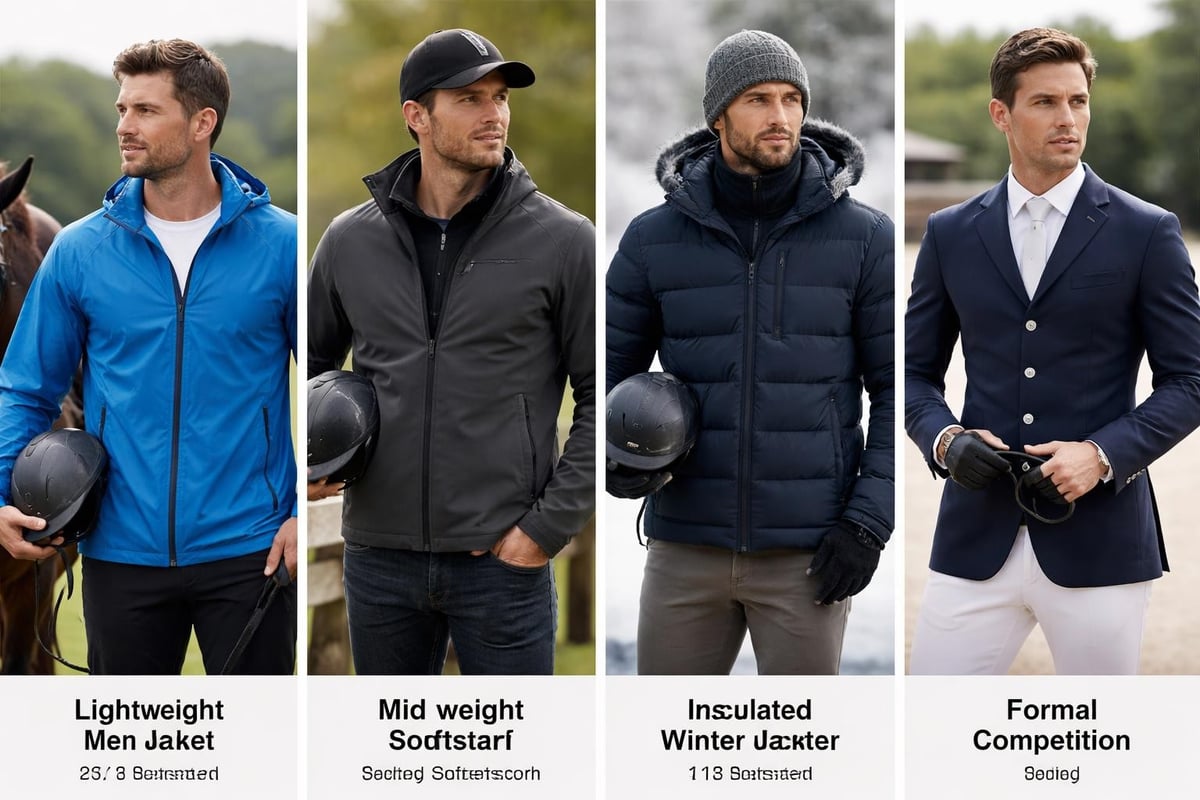
Competition jackets follow specific discipline requirements. Dressage, show jumping, and eventing each have established norms for fabric, cut, and color. Traditional show jackets in navy, black, or tweed remain standard across many competitions. These garments prioritize a clean silhouette and formal appearance over weather protection or technical features. They're purpose-built for arena performance where presentation matters as much as skill.
Training jackets embrace functionality without formal constraints. You'll find bold colors, reflective details for visibility, and aggressive weather protection that would be inappropriate in competition. These jackets often incorporate features like removable hoods, multiple pockets, and adjustable hems. They're designed for the daily grind, from mucking out in drizzle to lunging in wind.
Most serious riders maintain both types. Your competition jacket stays pristine for show days whilst your training jacket absorbs the wear of regular use. This approach extends the life of both garments and ensures you're always appropriately dressed. It's similar to maintaining proper breeches for different occasions, where competition and training pieces serve distinct purposes.
The investment in competition-specific attire pays dividends in presentation. Judges notice details, and a well-fitted show jacket demonstrates respect for the sport and your competitors. Training jackets, meanwhile, earn their keep through durability and weather resistance. Both deserve consideration in a complete riding wardrobe, each excelling in its intended environment.
Proper Fit and Sizing Considerations
Shoulder seams should sit precisely at the edge of your shoulders, not droop down your arms or pull tight across your back. This positioning allows full range of motion without excess fabric bunching under your armpits. When you reach forward as if holding reins, the jacket should move with you smoothly. Any pulling or restriction indicates a fit issue that will frustrate you every ride.
Sleeve length matters more than many riders realize. Cuffs should reach your wrist bones when your arms hang naturally but not extend onto your hands when you bring your arms into riding position. Too short and you'll expose wrists to cold wind. Too long and fabric bunches at your hands, interfering with rein contact. Most quality jackets offer adjustable cuffs to fine-tune this critical measurement.
Body length through the torso affects both comfort and coverage. A mens riding jacket equestrian should extend slightly past your belt line in front whilst dropping several centimeters lower in back. This extended rear panel prevents the jacket from riding up when you're in the saddle. Stand in riding position, not upright, when evaluating length. What feels long whilst standing often proves perfect when mounted.
| Fit Element | Correct Standard | Common Issue | Impact on Riding |
|---|---|---|---|
| Shoulders | Seam at edge | Too wide or narrow | Restricted movement, bunching |
| Sleeves | At wrist bone | Too long or short | Cold exposure, rein interference |
| Body length | Below belt, longer back | Rides up | Lower back exposure |
| Chest | Room for layers | Too tight | Restricted breathing |
Chest and torso should allow for base layers without excess bulk. You'll typically layer a technical shirt under your jacket during cooler months, so account for this when sizing. The jacket should fasten comfortably over a long-sleeve base layer with room to move but without billowing fabric that catches wind. Current trends in equestrian fashion favor streamlined silhouettes that work equally well in riding and casual contexts.
Material Technology and Performance Features
Softshell fabrics dominate the modern riding jacket market for good reason. These materials stretch in four directions, following your body through complex movements. They typically incorporate a DWR (durable water repellent) finish that causes light rain to bead and roll off. Whilst not fully waterproof, they handle most riding conditions whilst maintaining excellent breathability. You won't overheat during intensive schooling sessions.
Hardshell constructions use fully waterproof membranes sealed at every seam. These jackets excel during prolonged exposure to heavy rain or snow. The trade-off comes in breathability, as even advanced membranes struggle to release heat as effectively as softshells. Hardshells work best for riders facing serious weather or those who prefer a single jacket that handles the worst conditions without question.
Hybrid designs strategically place different fabrics where they perform best. You might find waterproof panels across shoulders and arms where rain hits hardest, combined with breathable softshell across your back for heat release. These jackets attempt to capture the benefits of both approaches. They're increasingly popular among riders seeking one versatile option rather than multiple specialized pieces.
Insulation varies from none in shell jackets to substantial in winter options. Synthetic fills like PrimaLoft maintain warmth even when wet, unlike down which loses insulating properties with moisture. For riders frequently working outdoors in damp conditions, synthetic insulation proves more practical despite being slightly heavier. Consider your typical riding environment when evaluating insulation needs rather than simply choosing maximum warmth.
Care and Maintenance for Longevity
Regular cleaning extends jacket life significantly. Remove surface dirt and stable dust after each use with a soft brush or damp cloth. This prevents grime from working into fabric fibers where it degrades technical coatings. For deeper cleaning, follow manufacturer instructions precisely. Most technical fabrics require specific detergents that won't damage DWR treatments or membrane performance. Standard laundry products often leave residues that compromise breathability.
Reproofing treatments restore water resistance as DWR finishes wear down. You'll notice performance declining when water stops beading on the surface and instead soaks into the fabric. Spray-on or wash-in reproofing products reactivate this protection. Apply these treatments to clean jackets only, as dirt prevents proper bonding with fabric. Heat activation, typically from a tumble dryer on low or careful ironing, helps reproofing products cure properly for maximum effectiveness.
Storage between seasons protects your investment. Clean jackets thoroughly before long-term storage to remove oils, sweat, and dirt that attract insects and promote mildew. Hang jackets on broad hangers that support shoulders without creating pressure points. Avoid compressed storage in bags or boxes that can damage technical fabrics and membranes. A breathable garment bag in a cool, dry location provides ideal conditions.
Professional care makes sense for competition jackets or high-value pieces. Specialist cleaners understand technical fabrics and can address stains or damage that home treatment might worsen. Whilst more expensive than home cleaning, professional service ensures your best jackets receive appropriate attention. For comprehensive guidance on maintaining all your riding apparel, review these detailed care practices that apply across your entire equestrian wardrobe.
Transitioning from Stables to Street
Modern mens riding jacket equestrian designs intentionally blur the line between arena and everyday wear. Clean lines, minimal branding, and versatile colors allow jackets to function in multiple contexts. A navy softshell that performs brilliantly during morning training looks equally appropriate for errands in town. This versatility justifies investment in quality pieces that serve double duty rather than single-purpose garments that hang idle.
Styling for off-horse wear requires minimal adjustment. Swap riding boots for casual footwear and breeches for jeans, and your riding jacket integrates seamlessly. The technical fabrics that serve you well in the saddle, moisture-wicking, wind-resistant, stretchy, also prove advantageous in daily life. You're prepared for unexpected weather changes and comfortable whether walking to the shops or meeting friends for coffee.
Color selection influences versatility. Navy, black, charcoal, and olive green transition effortlessly across contexts. Brighter colors or heavily logo-branded jackets read more specifically as riding gear. Neither approach is wrong, but understanding how your choices affect wearability helps maximize the value of each purchase. Neutral tones typically offer broader application beyond the stables.
This dual-purpose approach reflects changing attitudes toward specialized athletic wear. Just as technical running jackets became acceptable street wear, equestrian pieces now function in broader wardrobes. Quality construction and thoughtful design make this possible. When your jacket performs well and looks sharp, you'll naturally reach for it beyond riding occasions.
Investment Considerations and Value Assessment
Price ranges span dramatically in mens riding jacket equestrian options. Entry-level pieces start around £80-120 and typically use simpler fabric constructions with fewer technical features. Mid-range jackets between £150-250 incorporate advanced materials and more refined fits. Premium options exceed £300 and showcase the latest fabric technology, meticulous construction, and thoughtful design details throughout.
Value emerges from matching jacket capabilities to your actual needs. A rider training five days weekly in variable weather requires different features than someone riding weekends in temperate conditions. The most expensive jacket delivers poor value if its capabilities exceed your requirements. Conversely, a budget option that can't handle your typical conditions proves expensive through repeated replacement.
Durability factors heavily into long-term value. Quality construction, reinforced stress points, and premium fabrics withstand years of regular use. A £200 jacket lasting five years costs £40 annually. A £80 jacket requiring replacement every 18 months costs £53 annually. Initial price tells only part of the story. Maintenance requirements and expected lifespan complete the value calculation.
| Price Range | Typical Features | Best For | Expected Lifespan |
|---|---|---|---|
| £80-120 | Basic weather resistance, standard fit | Occasional riders, mild climates | 1-2 years regular use |
| £150-250 | Technical fabrics, tailored fit | Regular riders, variable conditions | 3-5 years regular use |
| £300+ | Advanced materials, premium details | Serious riders, demanding use | 5+ years regular use |
Consider cost per wear rather than absolute price. An expensive jacket used daily quickly justifies its cost. A cheaper option worn occasionally may represent better value despite shorter lifespan. Honest assessment of your riding frequency and conditions guides smart purchasing that maximizes value regardless of budget.
Building a Complete Jacket Collection
Most dedicated riders eventually accumulate several jackets serving specific purposes. This evolution happens naturally as you encounter limitations in any single garment. Your first jacket might be a versatile softshell handling most situations adequately. Over time, you add a lightweight rain shell for summer and a heavier insulated option for winter. Each addition addresses specific gaps in your existing collection.
Prioritization depends on your riding schedule and climate. Riders in consistently cold regions benefit from investing early in quality insulation. Those in temperate areas with variable weather might prioritize a good softshell and rain shell combination. Competition riders need show-appropriate jackets before expanding casual options. Your circumstances dictate the sensible order for building out your jacket wardrobe.
Versatility in early purchases makes sense. Your first or second mens riding jacket equestrian should handle the widest range of conditions you typically encounter. Specialized pieces come later, after you've established solid core options. This approach ensures you're never without appropriate outerwear whilst gradually expanding capabilities through targeted additions.
Maintaining variety prevents any single jacket from excessive wear. Rotating between pieces extends the life of your entire collection. It also ensures you always have appropriate options regardless of weather or occasion. Like maintaining both competition and training breeches, a diverse jacket selection serves you better than relying on one piece for all situations.
Common Mistakes and How to Avoid Them
Sizing up for layering often backfires. Excessively large jackets create bulk that interferes with movement and catches wind. Modern riding jackets account for base layers in their standard sizing. Select your normal size and trust that proper designs accommodate reasonable layering without going larger. The result is a cleaner silhouette and better performance.
Neglecting specific riding features when shopping general outdoor jackets leads to frustration. A hiking jacket might seem similar and cost less, but it won't incorporate articulated sleeves for forward riding position or extended back panels for saddle coverage. Purpose-built equestrian designs address the specific demands of mounted riding. The small cost premium delivers meaningful performance benefits.
Overlooking maintenance requirements shortens jacket life unnecessarily. Technical fabrics need specific care to maintain their properties. Treating an expensive riding jacket like a casual hoodie, tossing it in standard detergent and high heat, degrades performance rapidly. Five minutes reviewing proper care guidelines protects your investment and ensures years of reliable performance.
Impulse purchases based on appearance rather than function rarely satisfy long-term. A jacket might look fantastic but use unsuitable fabric for your climate or lack essential features for your riding style. Methodical evaluation of your actual needs, weather patterns, riding frequency, competition requirements, prevents buyer's remorse and leads to purchases you'll value for years.
Regional Considerations and Climate Adaptation
Coastal riders face salt air and persistent moisture. Jackets for these environments benefit from corrosion-resistant hardware and fabrics that maintain performance despite constant dampness. Regular rinsing after rides near the sea prevents salt accumulation that degrades both fabric and fastenings. Hardshell constructions often prove more practical than softshells in perpetually damp conditions.
Inland and high-altitude riders contend with extreme temperature swings. Morning sessions might start below freezing whilst afternoon sun brings warmth. Layering systems work better than single heavy jackets in these environments. A good base layer under a versatile mens riding jacket equestrian provides adjustable warmth that matches changing conditions throughout the day.
Tropical and subtropical climates require minimal insulation but maximum breathability. Ultralight shells that block sun whilst promoting airflow serve these riders best. Some opt for long-sleeve technical shirts rather than proper jackets for most of the year, adding lightweight rain protection only when needed. Understanding your specific climate prevents investing in unnecessary features.
Urban riders balancing stable time with daily commuting benefit from jackets that transition seamlessly. Designs without obvious equestrian styling serve better when moving between distinctly different contexts. Performance features remain valuable, you still need weather protection and mobility, but the aesthetic skews more general athletic than specifically riding-focused.
Matching Jackets to Riding Disciplines
Dressage riders spend extensive time in formal arenas where traditional styling prevails. Tailored show jackets in conservative colors remain essential for competition. Training jackets for dressage riders often prioritize refined appearance even in casual contexts, reflecting the discipline's emphasis on presentation. Fit through the torso matters enormously, as slouchy or loose jackets compromise the clean lines judges expect.
Show jumping and eventing permit slightly more casual styling whilst still maintaining professional standards. These disciplines involve more dynamic movement, so stretch fabrics and athletic cuts prove particularly valuable. Riders often layer technical vests over shirts for competition, making their training jackets more focused on weather protection than formal appearance. Durability becomes paramount given the physical demands of these disciplines.
Western riders, whilst less common in traditional British equestrian contexts, require different jacket characteristics. Longer cuts that don't ride up over Western saddles, snap closures rather than zips, and reinforcement at specific wear points define these pieces. The styling differs substantially from English riding jackets, though the fundamental need for weather protection and mobility remains constant across all riding styles.
Recreational and trail riders enjoy the most flexibility in jacket selection. Without competition requirements dictating style, these riders can prioritize pure functionality and personal preference. Many discover that versatile outdoor jackets from quality manufacturers serve them perfectly well. Others prefer riding-specific designs for the tailored fit and equestrian-focused features. Both approaches work when matched to individual priorities.
The Role of Brand Heritage and Innovation
Established equestrian brands bring decades of experience to jacket design. They understand rider needs intimately and have refined patterns through countless iterations. This expertise shows in details that newer entrants might miss, like specific pocket placements that don't interfere with saddle contact or collar heights that protect without restricting head movement. Heritage brands also typically maintain extensive size ranges and offer alterations to ensure proper fit.
Newer brands often drive innovation by bringing fresh perspectives to traditional gear. They might incorporate fabric technologies from other sports or challenge conventional styling with modern aesthetics. Some riders appreciate this progressive approach, particularly those seeking mens riding jacket equestrian options that integrate seamlessly with contemporary wardrobes. Innovation can deliver genuine improvements when grounded in understanding actual rider needs.
Direct-to-consumer brands increasingly compete with traditional retail channels. By eliminating middlemen, these companies often deliver better value at given price points. Gallant Equestrian exemplifies this approach, offering performance-driven designs crafted in New Zealand and shipped globally without traditional markup structures. The model allows investment in quality materials and construction whilst maintaining accessible pricing.
Reputation matters in equestrian markets where word-of-mouth remains influential. Riders share experiences at stables and competitions, building consensus around which brands deliver on promises. Poor-performing jackets get discussed as quickly as exceptional ones. This organic feedback loop helps separate marketing from reality, guiding buyers toward genuinely capable options regardless of advertising budgets.
Finding the right mens riding jacket equestrian transforms your experience both in the saddle and beyond. Quality construction, thoughtful features, and proper fit work together to support your riding whilst providing versatile performance for daily life. Whether you're building your first complete wardrobe or refining an established collection, focusing on your actual needs rather than trends leads to purchases that serve you well for years. Gallant Equestrian creates performance-driven jackets and riding essentials designed to transition seamlessly from stables to street, combining New Zealand craftsmanship with practical style that works as hard as you do. Look the Part. Enjoy the Ride.

