

Mens Riding Pants: Essential Guide for Style & Performance
Mar 17, 2026
Finding the right riding trousers changes everything about your time in the saddle. Whether you're schooling a young horse, competing at weekend shows, or simply enjoying a countryside hack, what you wear below the waist directly impacts your comfort, performance, and confidence. The best mens riding pants combine technical fabrics with thoughtful design, offering flexibility where you need it whilst maintaining structure and protection throughout long hours of riding. They should feel like a natural extension of your riding position, never restricting movement or causing distraction when you need to focus on your horse.
Understanding What Makes Quality Riding Trousers
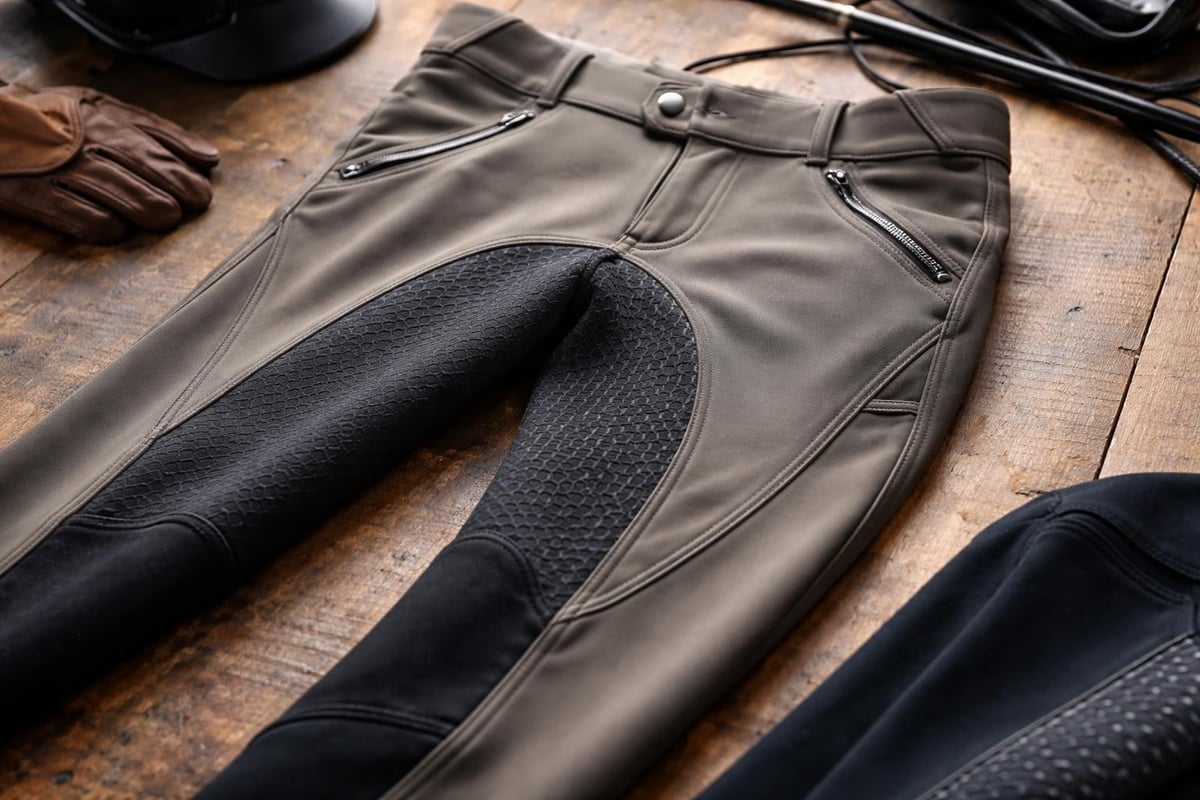
The difference between standard trousers and proper riding pants comes down to engineering. Quality mens riding pants feature reinforced inner legs to prevent wear from stirrup leathers and saddle contact. Full-seat or knee-patch designs provide grip exactly where you need it, helping maintain position without excessive tension. The waistband sits higher at the back to prevent gaps when you're in riding position, whilst strategic seam placement eliminates pressure points that cause discomfort during extended rides.
Modern riding trousers incorporate four-way stretch fabrics that move with your body rather than against it. This elasticity matters most during mounting, posting trots, and transitions where restricted fabric can throw off your balance or limit your effectiveness. Look for materials that maintain their shape after repeated washing and riding sessions. Cheaper alternatives often bag out at the knees or lose their recovery, creating an unprofessional appearance and reduced functionality.
Fabric Technology and Performance
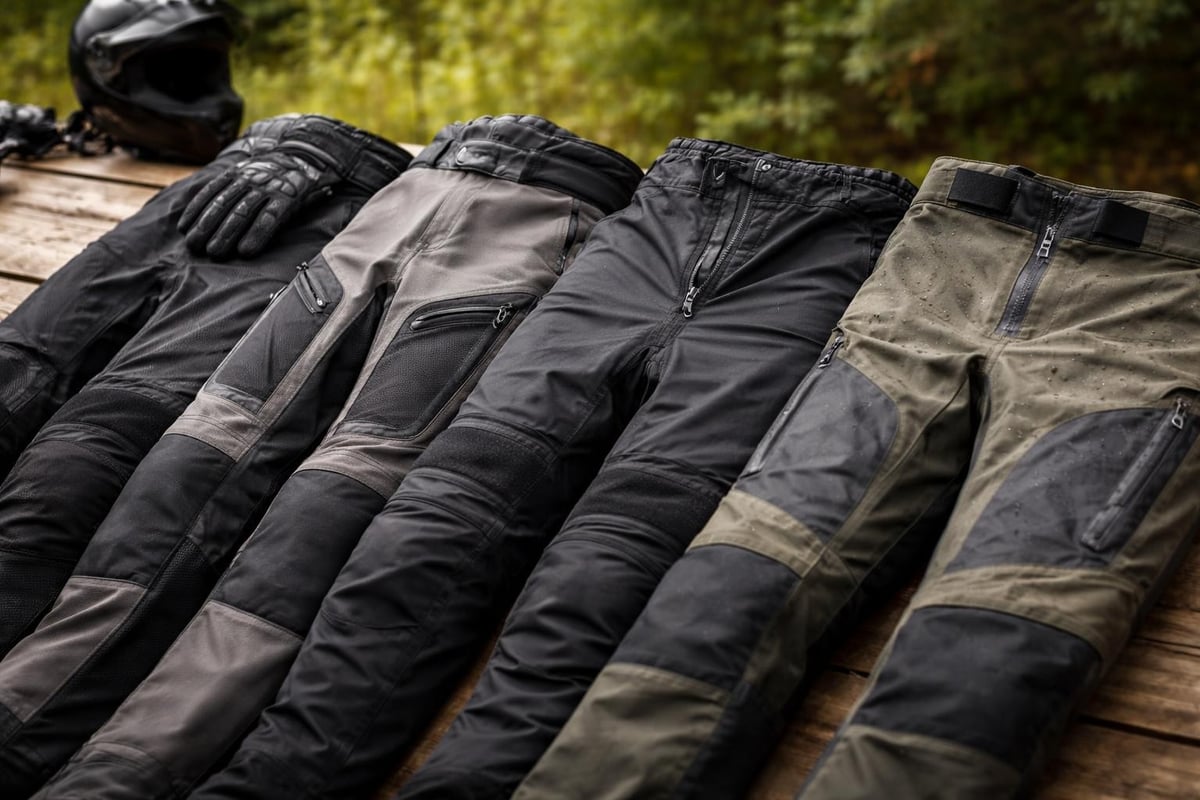
Technical fabrics separate functional riding trousers from basic alternatives. Quality materials manage moisture, regulate temperature, and provide the right amount of compression without restriction. Breathable weaves prevent overheating during intense schooling sessions, whilst maintaining enough weight to drape properly and look sharp. Similar considerations apply to protective features in motorcycle riding pants, though equestrian needs prioritize flexibility and close contact over armored protection.
The best mens riding pants utilize blended fabrics that combine natural and synthetic fibers. Cotton provides comfort and breathability. Elastane delivers stretch and recovery. Polyester adds durability and quick-drying properties. This combination creates trousers that perform across different conditions whilst requiring minimal special care. Many riders appreciate fabrics that transition seamlessly from stable to street, eliminating the need for complete wardrobe changes between riding and other activities.
Water-resistant treatments extend usability during unpredictable weather. These finishes repel light rain and morning dew without compromising breathability or adding bulk. They're particularly valuable for riders who hack out regularly or work horses in outdoor arenas where conditions change rapidly throughout the day.
Fit Considerations for Riders
Proper fit transforms adequate riding trousers into exceptional ones. Mens riding pants should feel snug through the thigh and calf without creating pressure points or restricting circulation. The rise needs sufficient length to prevent gaping at the back when you're in riding position, yet shouldn't bunch uncomfortably when standing. Ankle openings must accommodate boots cleanly, sitting either just above the ankle bone for paddock boots or extending slightly lower for tall field boots.
Sizing Beyond Basic Measurements
Standard sizing charts provide starting points, but individual proportions matter significantly. Riders with athletic builds often need more room through the seat and thigh whilst maintaining structure at the waist. Those with longer torsos benefit from extended rises that prevent the constant adjusting that disrupts focus and position. The size guides at Gallant Equestrian account for these variations, helping you identify the right fit without endless trial and error.
Pay attention to how trousers fit in riding position, not just standing. Sit in a chair with your feet forward and knees bent at riding angles. The waistband should remain comfortable without digging in. Fabric across the thighs and knees should stretch smoothly without pulling or creating excess material. Inner leg seams should lie flat against your skin rather than twisting or bunching.
| Fit Element | What to Check | Why It Matters |
|---|---|---|
| Waist Rise | Back sits higher than front | Prevents gapping in riding position |
| Thigh Room | Comfortable flex without excess | Allows leg movement whilst maintaining contact |
| Knee Articulation | Fabric moves with joint | Reduces restriction during posting and transitions |
| Ankle Opening | Clean boot interface | Professional appearance, prevents fabric bunching |
| Seat Coverage | Full coverage when mounted | Maintains modesty and proper grip placement |
Grip Technology and Placement
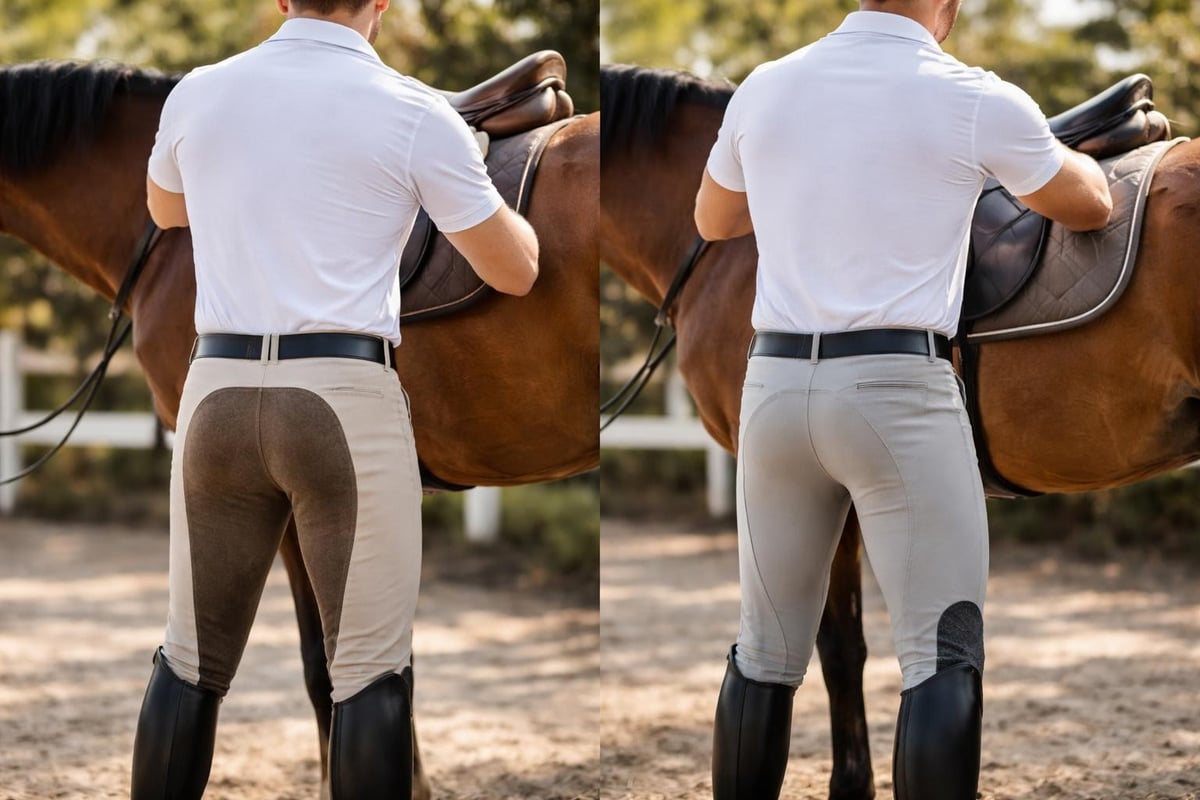
The debate between full-seat and knee-patch designs continues among riders, though both serve specific purposes effectively. Full-seat mens riding pants provide maximum security in the saddle, particularly valuable for jumping, young horse work, or riders developing their independent seat. The continuous grip surface helps maintain position without excessive gripping, allowing your leg to relax whilst staying stable.
Knee-patch alternatives offer a more traditional aesthetic with targeted grip where most riders need it. They're often preferred for dressage and flatwork where subtle leg aids matter most. The reduced grip material also makes these trousers more versatile for wearing outside the stable, as they lack the obviously specialized full-seat appearance.
Grip materials themselves vary in texture and performance. Silicone treatments provide substantial hold with minimal bulk, though they require careful washing to maintain effectiveness. Synthetic suede patches offer traditional appearance with modern durability and easier care than genuine leather alternatives. Some advanced designs incorporate strategic grip patterns that maximize hold whilst improving breathability compared to solid grip panels.
Caring for Grip Surfaces
Proper maintenance extends the life and effectiveness of grip technology. Always wash riding trousers inside-out in cool water to protect grip surfaces from direct agitation. Avoid fabric softeners, which coat fibers and reduce grip effectiveness significantly. Air drying preserves elasticity and grip materials better than machine drying, though many quality trousers tolerate low tumble drying when time matters. Consider the protective materials discussed in motorcycle gear, which require similar careful maintenance to preserve their functional properties.
Versatility Beyond the Arena
The best mens riding pants function effectively in multiple contexts. Modern designs eliminate the obviously equestrian appearance that limited earlier riding trousers to stable-only wear. Neutral colors, refined detailing, and performance fabrics create bottoms that work equally well for morning schooling sessions and afternoon errands. This versatility matters significantly for riders who integrate horses into busy lives rather than maintaining completely separate wardrobes.
Look for details that enhance versatility without compromising riding function. Zip pockets keep essentials secure whether you're tacking up or stopping for supplies. Belt loops accommodate standard belts for more polished appearances off-horse, whilst many quality designs maintain proper fit without requiring belts during riding. Clean lines and minimal branding create sophisticated appearances that transition seamlessly across different environments.
The competition wear collection demonstrates how purpose-built riding trousers can maintain refined aesthetics suitable for formal occasions whilst delivering the technical performance serious riders require. Similarly, everyday riding trousers benefit from design approaches that prioritize both function and appearance rather than sacrificing one for the other.
Coordinating with Other Riding Kit
Mens riding pants work best as part of a coordinated wardrobe rather than standalone pieces. They should pair logically with your breeches collection, jackets, boots, and accessories to create cohesive looks across different riding activities. Neutral foundations in navy, black, charcoal, and tan provide maximum mixing potential, allowing you to vary your appearance with different tops whilst maintaining consistent quality and fit below the waist.
Consider how trousers interact with specific jacket styles. Shorter riding jackets look sharp with slightly tapered legs that create clean lines. Longer coats pair well with straighter cuts that balance proportions. Weather-resistant riding trousers complement technical rain jackets during unpredictable conditions, providing comprehensive protection without sacrificing mobility or style.
Seasonal Adaptations and Layering
Temperature variations throughout the riding year demand different approaches to lower body coverage. Summer riding requires maximum breathability and moisture management to prevent overheating during intense work. Lightweight mens riding pants in performance fabrics keep you comfortable without excess bulk, whilst maintaining the structure and grip necessary for effective riding. Mesh panels and ventilation zones enhance airflow without compromising modesty or professional appearance.
Winter riding presents opposite challenges. Cold weather demands insulation without adding restriction or excess layers that interfere with leg position. Quality winter riding trousers incorporate thermal linings or brushed inner surfaces that trap warmth whilst maintaining the sleek external appearance essential for proper boot fit. Some riders prefer wearing technical base layers under standard riding trousers rather than investing in separate cold-weather alternatives. This approach offers flexibility as temperatures fluctuate throughout transitional seasons.
| Season | Fabric Weight | Key Features | Primary Considerations |
|---|---|---|---|
| Summer | Lightweight (200-250gsm) | Moisture-wicking, ventilation zones | Breathability, UV protection |
| Spring/Autumn | Medium (250-300gsm) | Four-way stretch, water-resistance | Versatility, quick-drying properties |
| Winter | Heavyweight (300-350gsm) | Thermal lining, wind-blocking | Warmth without bulk, maintained flexibility |
Weather-Resistant Features
Unpredictable conditions require riding trousers that perform across varying weather. Water-resistant finishes repel light precipitation whilst maintaining breathability necessary for athletic activity. These treatments differ significantly from fully waterproof materials, which tend to trap heat and moisture, creating uncomfortable riding experiences. The balance between protection and comfort separates quality riding trousers from basic alternatives.
Wind-blocking panels in strategic locations enhance comfort during cold-weather riding without adding bulk throughout the entire garment. Front thighs and shins face the most direct wind exposure, making these prime locations for reinforced wind protection. Similar considerations apply when examining weather-adaptable motorcycle pants, though equestrian riders prioritize close contact and flexibility over the armor and protection motorcyclists require.
Investment Value and Longevity
Quality mens riding pants represent significant investments compared to casual trousers, though their specialized construction and performance justify premium pricing. Proper care extends their functional life substantially, making cost-per-wear calculations favorable compared to cheaper alternatives requiring frequent replacement. Reinforced inner legs resist the abrasion that destroys standard trousers within months of regular riding. Quality stitching at stress points prevents seam failures that sideline lesser garments prematurely.
Consider your riding frequency and intensity when budgeting for riding trousers. Daily riders benefit most from investing in multiple pairs of premium trousers that can rotate, allowing proper rest between wears and extending overall lifespan. Weekend riders might prioritize fewer pairs of exceptional quality rather than larger collections of adequate alternatives. Competition riders often maintain separate show and schooling wardrobes, protecting their best pieces whilst having functional trousers for daily training.
The relationship between price and performance isn't always linear. Mid-range options frequently deliver 90% of premium performance at 60-70% of top-tier pricing. Understanding which features matter most for your specific riding helps identify where to invest and where adequate suffices. Grip technology, fabric quality, and construction durability justify premium investments. Decorative details and brand cachet less so.
Building a Functional Wardrobe
A well-planned riding trouser collection serves diverse needs without excess. Start with two pairs of quality neutral mens riding pants suitable for everyday riding and casual competitions. Add specialized options as your riding evolves and specific needs become apparent. Competition riders eventually need dedicated show trousers. Those riding in extreme climates benefit from seasonal-specific alternatives. Riders managing multiple horses daily appreciate having sufficient rotation to avoid wearing the same trousers consecutive days.
Think about how riding trousers integrate with your broader equestrian wardrobe. They should complement your essential collection of tops, jackets, and accessories rather than existing as isolated pieces. Coordinated colors and consistent quality across your riding kit create cohesive appearances that demonstrate attention to detail and professionalism, whether you're schooling at home or competing away.
Contemporary Styling for Modern Riders
Traditional equestrian aesthetics continue influencing mens riding pants, though contemporary designs incorporate modern styling that appeals to riders who value both heritage and current fashion sensibilities. Tapered legs create cleaner lines than the loose fits common in older riding trouser designs. Refined detailing replaces excessive logos and embellishments. The result feels timeless rather than trendy, ensuring your investment remains stylish across multiple seasons.
Color choices extend beyond basic black and beige. Deep navy, charcoal, and rich browns provide sophisticated alternatives whilst maintaining versatility across different contexts. These colors resist showing dirt and wear better than lighter alternatives, practical considerations for clothing that regularly contacts horses, tack, and stable environments. Some riders appreciate subtle patterns or textures that add visual interest without compromising professional appearance or versatility.
Hardware and finishing details contribute significantly to overall aesthetic quality. Quality zippers operate smoothly and resist corrosion from sweat and weather exposure. Button closures sit flat against the body rather than creating bulky closures that show through fitted riding jackets. Even seemingly minor elements like belt loops should be properly proportioned and securely attached, demonstrating the comprehensive attention to detail that separates excellent riding trousers from merely adequate alternatives.
Balancing Tradition and Innovation
The best mens riding pants honor equestrian heritage whilst embracing performance innovations that improve the riding experience. Traditional elements like proper rise proportions and reinforced inner legs remain essential regardless of evolving fabric technologies and style preferences. Similarly, contemporary innovations in stretch fabrics and moisture management enhance comfort and performance without abandoning the fundamental design principles that make riding-specific trousers necessary in the first place.
This balance appears throughout quality equestrian collections. The new arrivals at specialized retailers demonstrate how technical advancement and refined aesthetics combine to create riding trousers that feel both familiar and forward-thinking. Whether examining abrasion-resistant motorcycle riding pants or equestrian-specific designs, the principle remains consistent: respect proven fundamentals whilst incorporating meaningful improvements.
Practical Considerations for Different Disciplines
Riding disciplines impose varying demands on mens riding pants, though quality fundamentals remain constant across specializations. Dressage riders prioritize trousers that allow subtle leg aids whilst maintaining impeccable appearance throughout extended test riding. Show jumpers need secure seats and flexibility for dynamic position changes over fences. Event riders require versatility that performs across dressage, cross-country, and stadium phases. Recreational trail riders value comfort during long hours and durability against brush and varied terrain.
Discipline-specific requirements influence grip placement, fabric weight, and styling details. Dressage trousers often feature knee patches rather than full seats, maintaining the traditional aesthetic valued in this classical discipline. Jumping riders appreciate full-seat designs that provide maximum security during approach, takeoff, and landing phases. Cross-country specialists need weather-resistant materials and reinforced construction that withstand challenging outdoor conditions across varied terrain and weather.
Understanding your primary riding focus helps identify which features deserve priority and which represent nice additions rather than necessities. Multi-discipline riders often choose versatile middle-ground options that perform adequately across their varied activities rather than maintaining separate trousers for each discipline. Specialists benefit from purpose-built designs optimized for their specific demands.
Competition Requirements and Regulations
Different competitive organizations impose varying standards for acceptable riding attire. Most disciplines require traditional colors and conservative styling during recognized competitions, though schooling shows and lower-level events typically allow broader interpretation. Understanding these requirements prevents investing in riding trousers that look fantastic but don't meet competitive standards for your chosen discipline.
Check current rules before purchasing competition-specific mens riding pants, as regulations evolve periodically. Some disciplines now permit broader color ranges and contemporary styling than traditional standards allowed. Others maintain strict requirements regarding colors, grip placement, and visible branding. When uncertain, conservative choices in neutral colors with minimal external detailing ensure compliance across most competitive contexts whilst maintaining versatility for everyday riding.
Quality mens riding pants transform your time in the saddle through superior comfort, performance, and confidence. They represent essential investments for serious riders who understand that proper kit enhances rather than distracts from the partnership between horse and rider. When you're ready to upgrade your riding wardrobe with trousers engineered for performance and refined enough for any setting, explore the purpose-built collection at Gallant Equestrian, where New Zealand design meets uncompromising quality. Look the Part. Enjoy the Ride.

