

Navy Jodhpurs: The Essential Guide for Men Who Ride
Jul 01, 2026
Navy jodhpurs represent one of those rare pieces in a man's wardrobe that bridges tradition and modern practicality without compromise. While jodhpurs have evolved significantly since their origins in nineteenth-century India, the navy variant has established itself as a cornerstone of refined equestrian dressing. The colour offers something tan and beige cannot quite match: a depth that conceals the realities of stable work whilst maintaining the formality required for competition and everyday riding. For men seeking clothing that performs across multiple settings, navy jodhpurs deliver versatility that extends well beyond the arena.
Why Navy Works Where Other Colours Fall Short
The practical benefits of navy fabric in riding wear become apparent after your first proper session. Dust, grass stains, and the inevitable marks from tack settle into lighter fabrics with stubborn permanence. Navy simply absorbs these occupational hazards without broadcasting them to everyone at the yard.
Versatility in the saddle and beyond
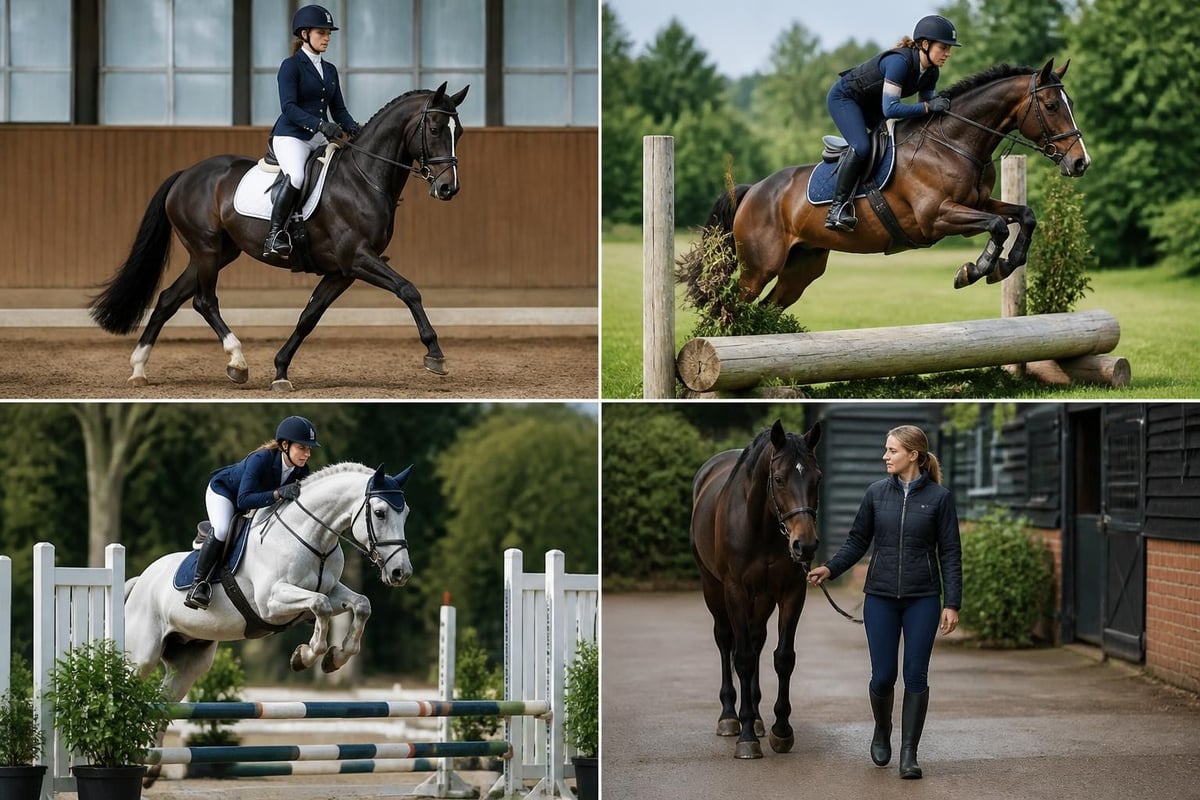
Navy jodhpurs transition seamlessly from morning schooling sessions to afternoon hacks, then straight to the pub without requiring a complete outfit change. This isn't about cutting corners. It's about choosing clothing that respects your schedule whilst maintaining standards. The neutral depth of navy pairs effortlessly with most jacket colours, from classic tweeds to modern technical shells, giving you more flexibility when assembling your riding wardrobe.
The psychological aspect deserves mention too. Dark colours project authority and competence. When you're working with horses, particularly in instructional or competitive environments, these subtle signals matter. Navy strikes the balance between approachable and professional without the severity of black or the casualness of lighter shades.
Understanding Construction and Fabric Choices
Modern navy jodhpurs for men incorporate technical fabrics that would have seemed impossible a generation ago. Four-way stretch materials now offer freedom of movement that traditional cotton blends simply cannot match. When evaluating options, consider how the fabric behaves under stress.
Performance Specifications That Matter
Stretch retention: Quality jodhpurs return to their original shape after extended wear. Lesser fabrics develop knees that bag and seats that sag within weeks. Navy hides this degradation better than lighter colours, but proper construction prevents it entirely.
Breathability ratios: Technical blends should wick moisture whilst maintaining structure. The best navy jodhpurs feature fabrics that regulate temperature across seasons without requiring multiple wardrobes.
Reinforcement placement: Strategic panelling at inner legs and seat areas extends lifespan dramatically. Check for double-layered fabric or alternative weaves in high-friction zones.
| Fabric Type | Stretch | Durability | Season | Best For |
|---|---|---|---|---|
| Cotton Blend | Moderate | Good | Spring/Autumn | Training, casual riding |
| Technical Synthetic | Excellent | Very Good | Year-round | Competition, intensive schooling |
| Ponte Roma | Good | Excellent | Autumn/Winter | Show jumping, dressage |
| Lightweight Performance | Excellent | Good | Summer | Hot weather, endurance |
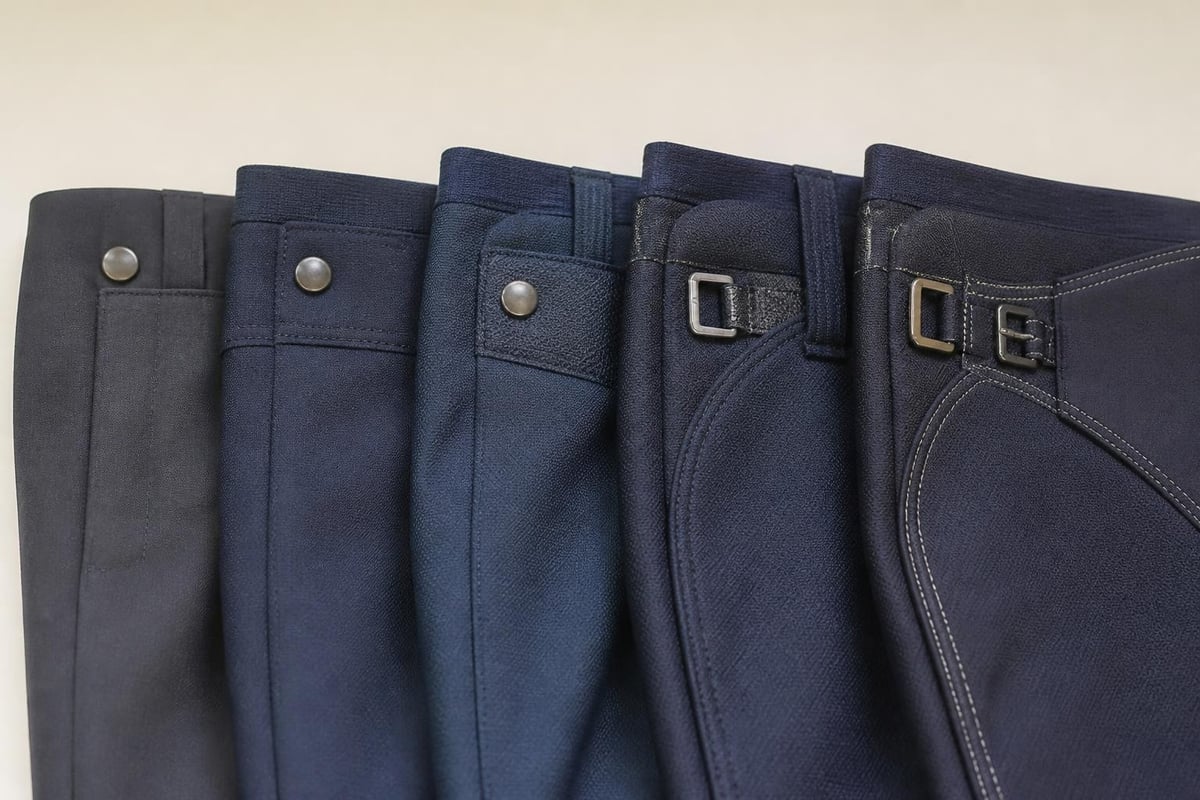
The construction details separate adequate jodhpurs from exceptional ones. Flat-locked seams prevent chafing during extended sessions. Zip quality determines whether your jodhpurs survive beyond a single season. Consider how the ankle closure system functions with your preferred boots. Some riders favour hook-and-loop straps whilst others prefer traditional button closures.
Sizing Considerations for Proper Fit
Getting the fit right matters more with jodhpurs than almost any other riding garment. Too tight restricts movement and creates pressure points. Too loose bunches fabric in all the wrong places, causing discomfort and interfering with leg aids.
When selecting jodhpurs for size and fit, measure yourself properly rather than guessing based on your everyday trouser size. Riding wear follows different proportions. Most quality manufacturers provide detailed measurement guides. Use them.
The rise determines comfort in the saddle
Standard rises often work for casual riding but competitive disciplines demand higher rises that prevent the waistband from digging into your lower back when posting or jumping. Navy fabric is forgiving here. The darker colour doesn't highlight the additional coverage needed for proper riding function.
Leg length requires particular attention. Jodhpurs should reach just above your ankle bone when standing. They'll rise slightly when mounted. Too short and they'll creep up your calf uncomfortably. Too long and fabric bunches inside your boots, creating blisters and reducing contact.
Exploring options within men's equestrian clothing helps establish baseline expectations for fit and finish. Quality pieces feel different from the first wear.
Styling Navy Jodhpurs Beyond the Arena
The real advantage of navy jodhpurs emerges when you start thinking beyond pure riding function. These aren't just technical garments. They're legitimate style pieces when approached correctly.
Footwear combinations expand your options
Matching jodhpurs with boots represents the traditional approach, but navy opens alternative possibilities. Brown leather jodhpur boots create classic contrast. Black boots offer formal precision. Tan suede introduces texture whilst maintaining sophistication.
For casual settings, consider quality leather trainers or desert boots. Navy jodhpurs possess enough structure to carry these combinations without appearing forced. The key lies in maintaining proportion. Avoid overly chunky footwear that disrupts the clean lines.
Layering Strategies for Different Contexts
Competition environments demand specific considerations
Navy jodhpurs pair naturally with competition jackets across disciplines. For dressage, traditional black or navy coats create monochromatic sophistication. Show jumping allows more flexibility with tweeds, checks, and contemporary cuts. The neutral base of navy jodhpurs supports these choices without competing for attention.
Training sessions benefit from practical layering
Technical base layers paired with quality polo shirts or quarter-zips create functional outfits that regulate temperature effectively. Navy jodhpurs ground these combinations, allowing you to experiment with colour in upper layers without risking visual chaos.
Post-ride transitions require minimal adjustment
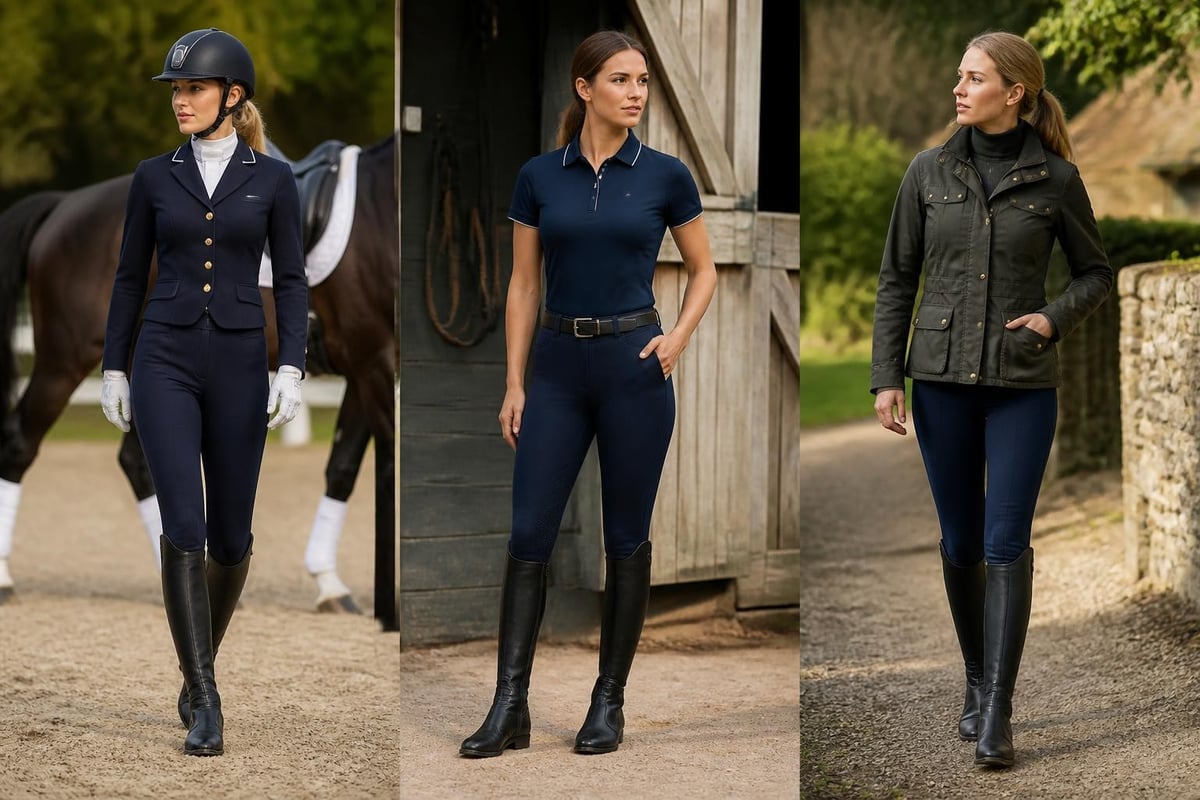
Swap riding boots for casual footwear, add a proper jacket or field coat, and navy jodhpurs carry you through most informal settings comfortably. This versatility justifies the investment in quality pairs that perform across contexts.
Care and Maintenance for Longevity
Navy jodhpurs require specific care to maintain their appearance and performance characteristics. The darker colour forgives minor stains but proper maintenance extends their functional life significantly.
Washing Protocols That Preserve Performance
Temperature matters more than you think
Cold water washing preserves fabric elasticity and colour fastness. Hot water breaks down technical fibres progressively, reducing stretch recovery and causing premature fading. Even navy shows this degradation eventually.
Detergent selection affects longevity
Standard detergents often contain optical brighteners and harsh chemicals that damage technical fabrics. Sport-specific or gentle formulations clean effectively whilst preserving the properties you purchased. Avoid fabric softeners entirely. They coat fibres, reducing breathability and moisture-wicking capabilities.
Drying methods influence shape retention
Air drying maintains the structural integrity of quality jodhpurs far better than machine drying. Hang them inside out by the waistband, allowing gravity to work with the fabric rather than against it. Direct sunlight can fade navy over time, so choose shaded drying areas when possible.
| Maintenance Task | Frequency | Why It Matters |
|---|---|---|
| Washing | After 3-4 wears | Removes sweat, dirt, prevents odour buildup |
| Inspection | Weekly | Identifies wear points before they become failures |
| Seam checking | Monthly | Catches loose threads before they unravel |
| Reinforcement review | Seasonally | Determines if professional repair needed |
Storage deserves attention too. Folding jodhpurs at the knee creates permanent creases that weaken fabric over time. Hang them properly or roll them loosely when packing for shows. Navy hides these wear patterns better than lighter colours but prevention remains superior to concealment.
Investment Value Across Price Points
Navy jodhpurs range dramatically in price, from budget pairs under fifty pounds to premium options exceeding three hundred. Understanding where your money goes helps make informed decisions.
Entry-level options serve specific purposes
Basic navy jodhpurs work perfectly fine for occasional riding or those testing whether equestrianism suits them long-term. Expect simpler construction, basic fabrics, and shorter lifespans. Nothing wrong with this approach for appropriate situations.
Mid-range selections balance features and cost
This tier typically delivers technical fabrics, better construction, and enhanced durability without premium pricing. Most serious amateur riders find their sweet spot here. Quality breeches in this category handle regular training schedules whilst maintaining professional appearance.
Premium jodhpurs justify their cost through performance
Top-tier navy jodhpurs feature advanced fabrics, meticulous construction, and thoughtful design details that enhance riding experience noticeably. The difference becomes apparent during intensive training or competition when inferior options cause distraction through discomfort or performance limitations.
Consider cost per wear rather than absolute price. A two-hundred-pound pair worn three times weekly for three years costs roughly twenty-five pence per use. A fifty-pound pair lasting six months at the same frequency costs nearly twice that per wear whilst delivering inferior performance throughout.
Seasonal Adaptations and Year-Round Wear
Navy jodhpurs function across seasons with appropriate adjustments. The colour itself maintains consistency year-round, but fabric weights and additional layers modify their practical applications.
Summer Riding Demands Lightweight Solutions
Breathable fabrics prevent overheating
Technical summer-weight navy jodhpurs feature lighter weaves that promote airflow whilst maintaining opacity and structure. Mesh panels in strategic locations enhance ventilation without compromising appearance. The darker colour absorbs more heat than lighter alternatives, making fabric technology crucial for comfortable warm-weather riding.
Pair summer-weight navy jodhpurs with moisture-wicking base layers when temperatures climb. This combination pulls perspiration away from skin whilst the outer layer maintains professional presentation. Short-sleeve technical shirts or polo designs complete practical summer setups.
Winter Conditions Require Thermal Management
Layering beneath jodhpurs extends comfort range
Quality thermal leggings worn under navy jodhpurs provide insulation without bulk. Choose options with flat seams to prevent pressure points during extended riding. The navy outer layer conceals these practical additions whilst maintaining clean lines.
Heavier-weight jodhpur fabrics offer natural warmth through denser weaves and brushed interior finishes. These versions work well in autumn and winter conditions, though extremely cold environments might require additional weather protection through riding tights or specialized thermal wear.
Competition Standards and Dress Codes
Understanding discipline-specific requirements ensures your navy jodhpurs meet regulatory standards whilst supporting performance. Different equestrian sports maintain distinct traditions regarding acceptable attire.
Dressage maintains formal traditions
Most dressage competitions accept navy jodhpurs at lower levels, though breeches become standard as riders progress. The formality of the discipline favours understated elegance. Navy delivers this without the stark contrast of white or the casualness of tan.
Show jumping allows greater flexibility
Jumper rings see wider variety in jodhpur colours and styles. Navy remains perpetually appropriate across all levels, from local shows to national competitions. The practical nature of show jumping appreciates how navy conceals the inevitable dirt and marks from setting fences and walking courses.
Eventing demands versatility across phases
The multi-discipline nature of eventing makes navy jodhpurs particularly valuable. They transition appropriately from dressage to cross-country to show jumping without requiring changes between phases at lower-level events.
Always verify specific show requirements before competing. Organizations occasionally update dress codes, and regional variations exist. Navy jodhpurs generally satisfy conservative interpretations whilst remaining stylish enough for progressive venues.
Heritage and Modern Evolution
The journey of jodhpurs from military origin to contemporary riding wear reflects broader changes in equestrian culture. Understanding this evolution provides context for current styling choices and helps anticipate future developments.
Traditional jodhpur design emphasized durability and function in challenging conditions. Polo players in India required clothing that withstood rigorous play whilst allowing unrestricted movement. The characteristic flared thighs and fitted calves addressed these needs specifically. Modern interpretations maintain these functional elements whilst incorporating contemporary fabrics and refined silhouettes.
Navy emerged as a practical choice that balanced military formality with sporting function. The colour concealed the realities of campaign life whilst maintaining martial smartness. This dual nature continues in modern equestrian contexts where navy jodhpurs serve both competitive formality and everyday practicality.
Contemporary riders benefit from this heritage through improved materials and construction methods that honour traditional designs whilst addressing modern expectations. Technical advances in fabric engineering mean today's navy jodhpurs outperform historical versions dramatically whilst maintaining aesthetic continuity with established traditions.
Exploring resources on men wearing jodhpurs reveals how these garments continue evolving to meet changing needs whilst respecting equestrian foundations.
Practical Considerations for Different Disciplines
Each riding discipline places unique demands on clothing. Navy jodhpurs adapt across these requirements through slight variations in cut, fabric, and styling details.
Flat Work Requires Freedom of Movement
Schooling sessions and flat work emphasize correct position and subtle aids. Navy jodhpurs for these disciplines typically feature higher rises and more generous thigh cuts that accommodate deep seats without restriction. Technical fabrics with four-way stretch support the repetitive movements inherent in training.
Jumping Demands Durability and Security
Show jumping and cross-country riding subject jodhpurs to greater stress through stirrup pressure and contact with obstacles. Reinforced knee patches or full-seat designs provide additional security and longevity. Navy hides the scuffs and marks from fences and natural obstacles that lighter colours broadcast prominently.
Polo and Fast-Paced Riding Values Comfort
High-speed disciplines require jodhpurs that stay in place without constant adjustment. Elastic hems, secure waistbands, and moisture-wicking fabrics keep riders focused on the game rather than their clothing. Navy provides the formality polo traditions expect whilst supporting aggressive riding demands.
Understanding how jodhpurs function for men across disciplines helps select appropriate options for your specific riding style and competitive aspirations.
Building a Functional Jodhpur Wardrobe
Most riders benefit from owning multiple pairs of navy jodhpurs rather than attempting to serve all purposes with a single pair. Strategic selection creates versatility without requiring excessive investment.
Start with a versatile mid-weight pair
Your first quality navy jodhpurs should handle most situations competently. Mid-weight technical fabric works across three seasons and transitions from training to casual competition. This foundation piece gets the most wear, justifying careful selection and proper investment.
Add seasonal specialists as riding intensifies
Once you've established regular riding patterns, lightweight summer pairs and heavier winter options extend comfort and performance. These specialized versions handle extreme conditions better than asking your all-purpose pair to stretch across broader ranges.
Competition-specific jodhpurs elevate presentation
Serious competitors benefit from dedicated show jodhpurs maintained specifically for competition. These pristine pairs deliver maximum confidence through perfect presentation and optimal performance when it matters most.
Quality options within curated collections like competition wear demonstrate how purpose-built garments enhance specific riding contexts without requiring complete wardrobe overhauls.
Navy jodhpurs deliver versatility, practicality, and timeless style that serves men across all riding disciplines and skill levels. The colour's ability to conceal wear whilst maintaining formality makes it an essential foundation for any serious rider's wardrobe. Whether you're schooling daily, competing regularly, or simply enjoying weekend hacks, quality navy jodhpurs perform reliably across these varied demands. Gallant Equestrian designs performance-driven riding wear for men who appreciate clothing that works as hard as they do, combining New Zealand craftsmanship with functional elegance that transitions seamlessly from stables to everyday life. Look the Part. Enjoy the Ride.

