

Riding Polo Shirts: Performance Meets Style
Apr 02, 2026
The riding polo shirt has evolved from its sporting roots into an essential piece for the modern equestrian wardrobe. Originally designed for the fast-paced game of polo, these shirts have become a staple for riders who value both performance and presentation. Today's riding polo shirts blend technical innovation with refined style, offering breathable fabrics, moisture management, and a polished appearance that transitions seamlessly from morning schooling to afternoon errands. For men who ride, choosing the right polo shirt means finding that sweet spot between functionality and understated elegance.
The Evolution of Equestrian Polo Shirts
The connection between polo shirts and equestrian sport runs deep. The original polo shirt emerged from the need for players to wear something more practical than traditional long-sleeved shirts during matches. Fast forward to 2026, and riding polo shirts have become sophisticated garments built with advanced materials that perform under pressure.
Modern riding polo shirts incorporate technical fabrics that wick moisture, regulate temperature, and maintain their shape through countless washes. The evolution mirrors what's happening in other performance sports, with golf polo shirts now featuring similar technology that translates well to equestrian settings.
What sets riding polo shirts apart is their dual nature. They need to perform during active riding yet maintain enough refinement for professional settings. This balance is what drives design innovation in men's equestrian apparel, where each piece must earn its place in a functional wardrobe.
Performance Features That Matter
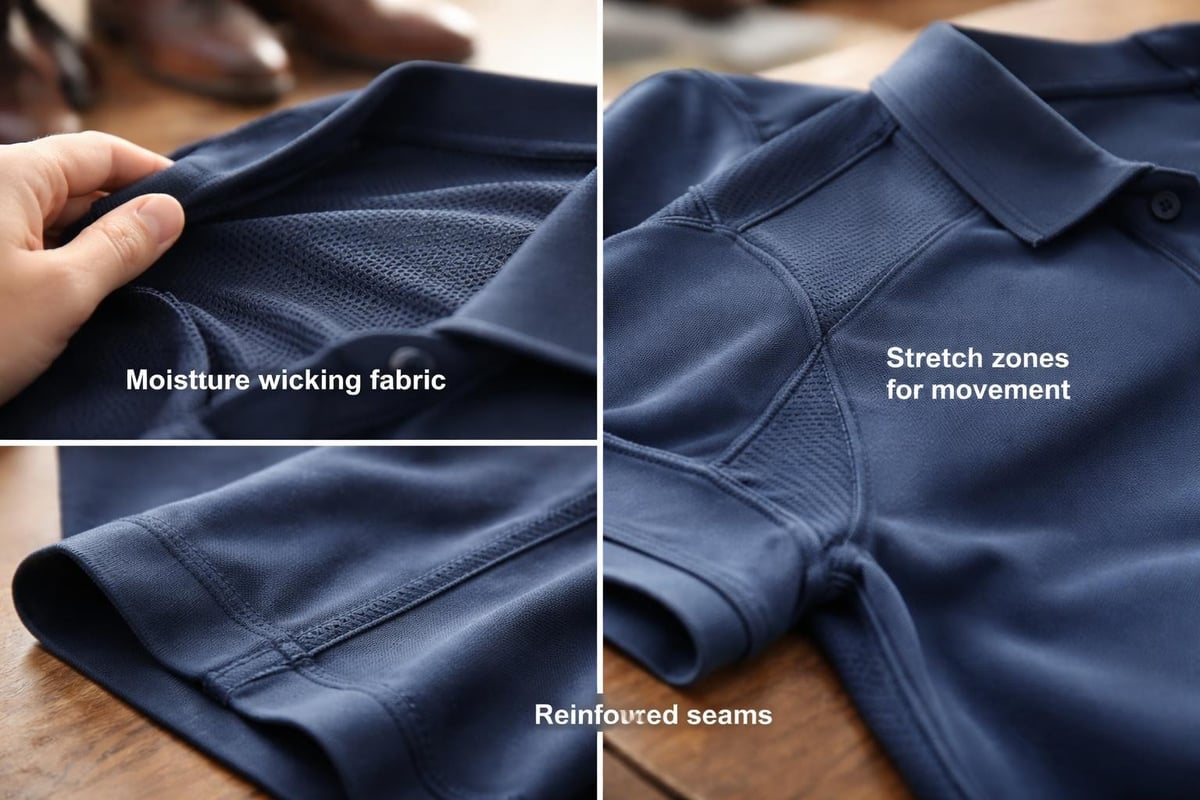
When you're selecting riding polo shirts, certain features make all the difference. Stretch fabric in the shoulders and across the back allows for natural movement when you're reaching forward in the saddle or working around the stable. Four-way stretch has become standard in quality riding polos, providing freedom without losing the shirt's structured appearance.
Moisture management separates basic polo shirts from proper riding gear. Technical fabrics pull sweat away from your skin and distribute it across the fabric surface for faster evaporation. This keeps you comfortable during intense summer rides and prevents that clammy feeling when you're moving between warm stables and cooler outdoor conditions.
The collar construction deserves attention too. A well-designed collar maintains its shape without becoming stiff or uncomfortable under a stock tie or against your neck during long hours in the saddle. Reinforced collar stays or fused interlining help the collar stand properly without looking overly formal or casual.
Seam placement matters more than most riders realize. Side seams positioned slightly forward reduce friction against the saddle and prevent bunching. Raglan sleeves or carefully positioned shoulder seams allow natural arm movement without restriction. These details might seem minor until you've spent hours riding in a poorly designed shirt.
Styling Beyond the Stable
The beauty of quality riding polo shirts lies in their versatility. The same shirt that performs during your morning ride works equally well for lunch or errands afterward. This transitions seamlessly is what capsule wardrobes are built on, reducing the need for constant outfit changes.
Contemporary styling trends have embraced the polo shirt's adaptability. Striped polo shirts have made a strong comeback in 2026, offering a fresh alternative to solid colours while maintaining a refined appearance. Traditional navy, white, and grey remain essential, but don't overlook muted earth tones that complement country settings.
Fit is everything when it comes to looking polished. Riding polo shirts should follow your natural shape without clinging or billowing. The hem should sit just below the waist, long enough to stay tucked during riding but short enough to wear untucked casually. Sleeve length typically ends mid-bicep, balancing coverage with freedom of movement.
Layering expands your options considerably. A quality polo works under a blazer for professional settings or beneath a technical jacket for challenging weather. This layering capability makes riding polo shirts remarkably efficient pieces that serve multiple purposes across different contexts.
Material Selection and Fabric Technology
Cotton blends remain popular for their natural feel and breathability, but modern riding polo shirts increasingly incorporate synthetic fibers for enhanced performance. Polyester blends dry faster and maintain their shape better than pure cotton. Merino wool blends offer natural temperature regulation and odour resistance, making them excellent choices for long days that involve both riding and social commitments.
Premium fabrics incorporate UV protection, blocking harmful rays during outdoor riding. This feature becomes increasingly important as you spend extended periods exposed to sun while working with horses. Antimicrobial treatments help fabrics stay fresher longer, reducing wash frequency and extending garment life.
Pilling resistance determines how a polo shirt ages. Quality fabrics maintain their smooth surface even after repeated wear and washing. Check fabric specifications for pilling ratings, particularly if you'll wear the shirt regularly or layer it under jackets where friction occurs.
Colour fastness ensures your riding polo shirts maintain their appearance over time. Well-constructed garments use quality dyes that resist fading from sun exposure, sweat, and washing. This durability justifies investment in better pieces that look professional season after season.
Practical Considerations for Regular Riders
Care requirements directly impact how often you'll actually wear a riding polo shirt. Machine-washable fabrics in standard temperatures make regular cleaning practical. Avoid shirts requiring special care unless you're genuinely committed to hand-washing or dry cleaning after every ride.
Stain resistance varies significantly between fabrics. Technical materials often shed dirt and water more effectively than natural fibers. This matters when you're working around horses, where dust, hay, and occasional muck are inevitable. A quick rinse often suffices for technical fabrics, while cotton might require more intensive treatment.
Storage considerations affect garment longevity. Hanging riding polo shirts on proper hangers helps maintain shoulder shape and prevents collar distortion. Folding works for casual storage but can create creases in certain fabrics. Consider how your storage setup will affect each shirt's appearance.

Seasonal rotation extends the life of your collection. Having enough riding polo shirts to rotate through the week reduces wear on individual pieces. Most riders find that five to seven quality polos provide sufficient variety while allowing proper rest time between wears.
Competition and Formal Settings
Understanding dress codes helps you select appropriate riding polo shirts for different contexts. Competition arena requirements often specify particular colours or styles. White or light colours remain standard for dressage and formal showing, while other disciplines allow more flexibility.
Collar styles influence formality levels. Traditional polo collars work across most settings, while button-down collars lean slightly more casual. Mandarin or band collars offer a contemporary alternative that sits comfortably under stock ties or chokers required in certain competitions.
Embroidery and branding should remain subtle in formal settings. Small logos positioned on the chest or sleeve maintain professional appearance while indicating quality. Oversized graphics or multiple logos compromise the refined look expected in competition environments.
Professional presentations demand attention to detail. Ensure riding polo shirts are properly pressed, with collars crisp and hems straight. Tucking should look deliberate, not haphazard. These finishing touches separate competent riders from those who truly understand presentation.
Design Elements and Personal Style
Colour psychology plays a role in how you're perceived. Navy conveys reliability and competence. White suggests precision and tradition. Grey offers modern sophistication. Earth tones connect with country heritage while remaining contemporary. Choose colours that align with your personal brand while meeting practical needs.
Stripe patterns add visual interest without overwhelming equestrian style. Thin horizontal stripes create a classic polo aesthetic. Tonal stripes offer subtle variation. Contrast collar and cuff details provide traditional sporting flair. Each option communicates slightly different style sensibilities.
Texture introduces depth to solid colours. Pique cotton creates the classic polo texture, offering visual interest and enhanced breathability. Jersey knits provide smoother finish and more stretch. Mesh panels combine solid fabric with ventilated sections for optimal temperature control.
Personalisation through monogramming adds refinement when executed properly. Subtle initials positioned on the chest or cuff elevate custom pieces without appearing ostentatious. Choose thread colours that complement rather than contrast with the base fabric for understated elegance.
Building Your Riding Polo Collection
Starting with foundational colours provides maximum versatility. Navy and white form the core of any collection, working across casual and formal settings. Add grey for modern variation, then introduce one or two accent colours that complement your existing wardrobe and riding gear.
Quality over quantity delivers better value long-term. Three exceptional riding polo shirts outperform ten mediocre ones. Well-made garments maintain appearance through countless wears, while cheap alternatives quickly look tired and require replacement.
Seasonal considerations influence fabric choices. Lighter-weight technical fabrics suit summer riding, while heavier blends provide warmth during cooler months. Building depth across different weights ensures appropriate options year-round without excessive wardrobe bloat.
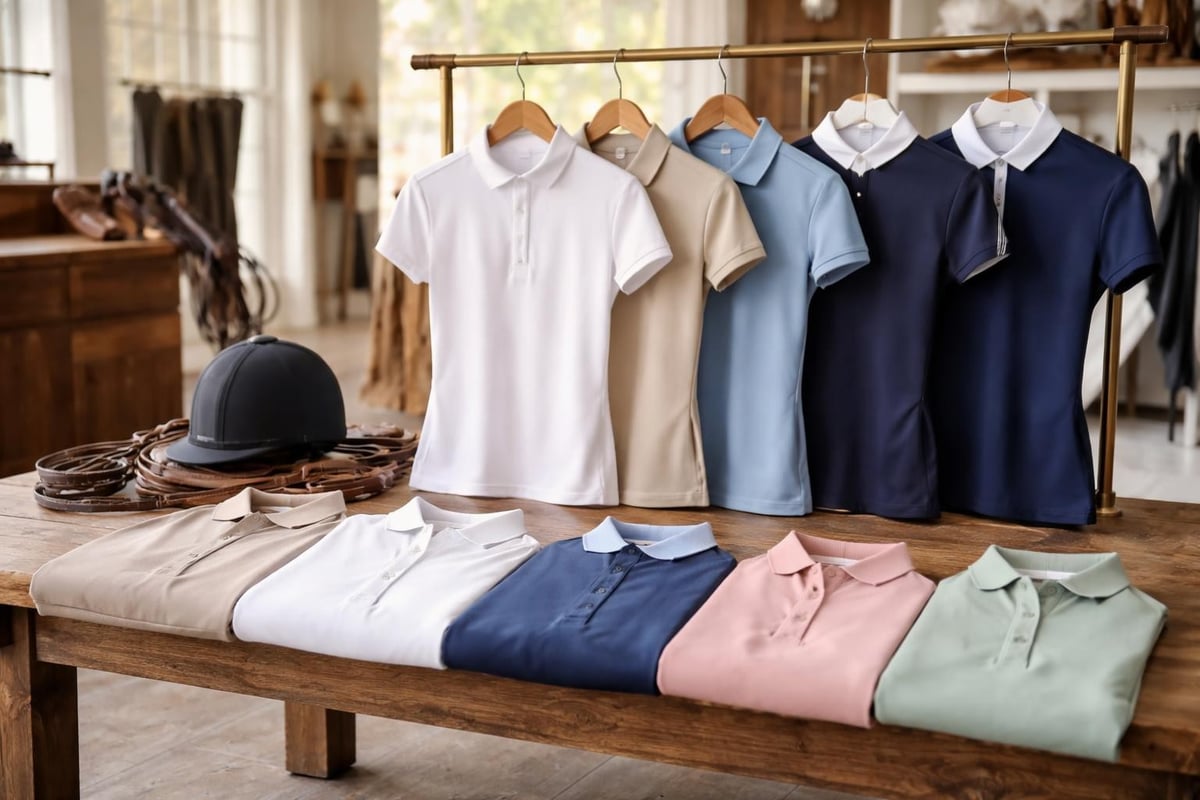
Budget allocation should prioritize pieces you'll wear most frequently. If you ride daily, invest heavily in quality riding polo shirts that withstand regular use. Occasional riders might allocate resources differently, perhaps focusing budget on competition pieces while keeping casual options more economical.
The Intersection of Fashion and Function
Contemporary equestrian fashion embraces polo shirts as foundational pieces. The traditional polo and rugby shirts maintain relevance by adapting to modern performance requirements while preserving classic aesthetics that define equestrian style.
Fashion trends influence riding wear more than some traditional riders acknowledge. The current movement toward casual sophistication aligns perfectly with what quality riding polo shirts offer: refined appearance without formality, performance without obvious technical styling.
Brand heritage matters to riders who value tradition and proven quality. Established equestrian brands bring decades of understanding what riders need. Meanwhile, contemporary brands introduce fresh perspectives and innovative materials that push the category forward. Both approaches have merit depending on your priorities.
Sustainable manufacturing increasingly influences purchase decisions. Quality construction naturally supports sustainability by producing garments that last years rather than seasons. Natural fiber content, responsible dyeing processes, and ethical manufacturing practices align with values many riders hold about land stewardship and responsible consumption.
Fit and Sizing Fundamentals
Proper fit starts with accurate measurements. Chest circumference determines overall size, but shoulder width and torso length affect how a riding polo shirt actually fits. Most brands provide detailed size charts, but measurements vary between manufacturers, making it essential to verify specifications rather than assuming consistency.
Athletic builds often require specific sizing considerations. Riders typically develop strong shoulders and backs, which might necessitate sizing up for shoulder room while accepting slight looseness through the torso. Modern athletic cuts address this by offering more room through the shoulders while maintaining tapered waists.
Sleeve length affects both comfort and appearance. Sleeves should end mid-bicep, neither creeping toward the elbow nor sitting too high on the shoulder. This placement balances coverage with freedom and maintains proper proportions whether you're mounted or standing.
Return policies matter when ordering riding polo shirts online. Fit variations between brands mean you might need to try multiple sizes or styles before finding your ideal match. Flexible return terms reduce risk when exploring new brands or styles.
Long-Term Value and Investment
Cost per wear provides better value assessment than purchase price alone. A £80 riding polo shirt worn twice weekly for three years costs roughly 50p per wear. A £20 shirt requiring replacement after six months costs significantly more per wear while delivering inferior performance and appearance.
Durability indicators include reinforced seams, quality buttons or zippers, and substantial fabric weight. Well-constructed riding polo shirts withstand repeated washing, hours in the saddle, and general stable work without showing premature wear. These quality markers justify higher initial investment.
Versatility multiplies value. Riding polo shirts that transition from stable to street reduce total wardrobe needs. Pieces suitable for both casual riding and competition settings eliminate the need for separate categories, streamlining your collection while maintaining appropriate options.
Timeless design ensures riding polo shirts remain relevant across seasons. Classic cuts in traditional colours avoid trend-driven obsolescence. While fashion-forward pieces have their place, core wardrobe elements should transcend temporary trends, providing reliable options year after year.
Riding polo shirts represent the sweet spot between performance and presentation, offering technical benefits that enhance your riding while maintaining the refined appearance modern equestrians expect. The right selection considers fabric technology, versatile styling, proper fit, and long-term value. Gallant Equestrian designs performance-driven polo shirts and essential riding pieces for men who demand both functionality and style, creating garments that transition seamlessly from stables to everyday life. Look the Part. Enjoy the Ride.

