

Used Horseback Riding Gear: Smart Buying Guide 2026
Aug 01, 2026
The equestrian world isn't cheap. Quality kit costs serious money, whether you're just starting out or adding to your stable wardrobe. That's why many riders turn to the secondhand market. Smart purchases of used horseback riding gear can save you considerable money without compromising performance or safety. The key lies in knowing what to look for, what to avoid entirely, and how to assess condition accurately. This guide cuts through the uncertainty and helps you make confident decisions when shopping for pre-owned riding equipment.
Why Consider Used Horseback Riding Gear
The price difference between new and secondhand equipment can be substantial. A well-maintained saddle might cost half its retail price. Quality boots, jackets, and breeches often appear barely worn yet command prices 40-60% below shop tags.
Beyond cost savings, buying used makes environmental sense. Extending the life of quality gear reduces waste and manufacturing demand. The equestrian industry produces durable products designed to last decades when properly cared for. Giving these items a second life aligns with sustainable practices without sacrificing standards.
The secondhand market also offers access to discontinued styles and premium brands that might otherwise sit beyond your budget. Many riders discover high-end European manufacturers or specialised pieces through estate sales and online marketplaces. That Heritage jacket or those Italian-made field boots become accessible when you're willing to shop pre-owned.
Risk exists, naturally. Not everything in the used market deserves your money. Safety equipment requires particular scrutiny. Clothing might hide structural damage. Tack could have dangerous wear patterns. Success in the secondhand market demands knowledge and careful inspection.
What's Worth Buying Secondhand
Certain categories of used horseback riding gear represent smart investments when properly vetted. Others should never be purchased pre-owned due to safety concerns.
Clothing and Apparel
Quality equestrian attire holds up remarkably well. Breeches made from premium fabrics often show minimal wear even after years of regular use. Look for reinforced knee patches intact, elastic still firm at ankles, and fabric free from excessive pilling.
Jackets, particularly waxed cotton or technical rain shells, can serve multiple owners without degradation. Check zips function smoothly, waterproof coatings remain effective, and seams show no separation. A waterproof riding jacket in excellent condition offers tremendous value secondhand.
Shirts and base layers present lower risk. Inspect for staining, fabric thinning at elbows, and button security. Competition shirts with minimal wear can save you 50% or more. When considering pants for horse riding, verify the grip material hasn't worn smooth and seams remain strong.
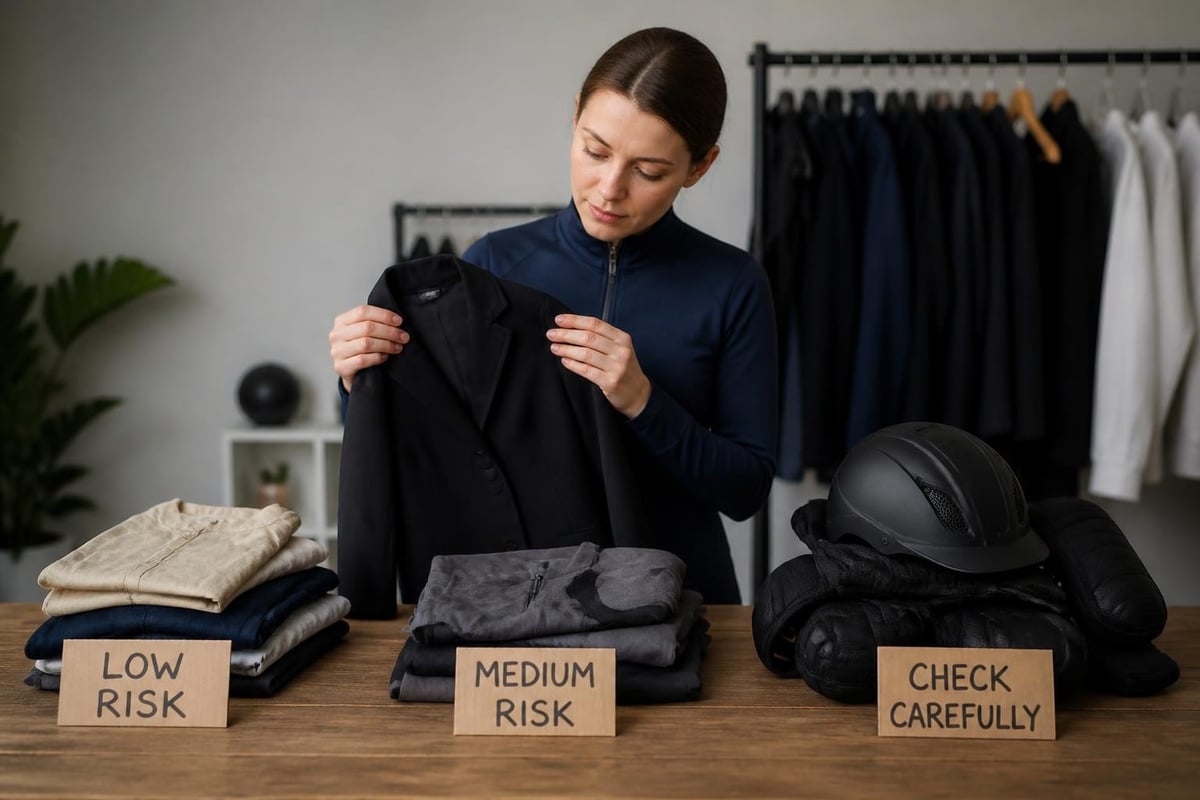
| Item Category | Risk Level | Key Inspection Points |
|---|---|---|
| Breeches | Low-Medium | Grip patches, elastic, seam integrity |
| Jackets | Low | Zips, waterproofing, lining condition |
| Shirts | Low | Fabric wear, staining, buttons |
| Boots | Medium | Sole wear, leather condition, zip function |
| Gloves | Low | Grip material, stitching, leather suppleness |
Tack and Equipment
Saddles represent the largest potential savings in used horseback riding gear. A quality saddle properly cared for can serve multiple generations of riders. However, buying a used saddle online requires expertise and thorough examination. The tree (internal structure) must be sound, leather should remain supple, and stitching needs to be secure throughout.
Bridles, reins, and stirrup leathers can be excellent secondhand purchases. Examine all stitching carefully, particularly where leather layers join. Check for dry rot by bending leather sections. Cracking or flaking indicates compromised integrity.
Saddle pads and numnahs purchased used require only cleanliness verification. Most can be thoroughly washed and sanitised. Inspect for compressed padding that no longer provides adequate cushioning.
What to Avoid Buying Used
Safety helmets top the list of items to purchase new exclusively. Impact protection degrades with age and invisible damage from previous falls renders helmets unreliable. Buying second-hand horse riding gear safely means understanding which items compromise safety when pre-owned.
Body protectors similarly should come new. The foam materials break down over time and previous impacts reduce effectiveness. These aren't areas to economise.
Bits present hygiene concerns and potential mouth damage from worn metal. The savings rarely justify the risks. Similarly, girths and cinches bear enormous strain. Weakened materials can fail catastrophically.
Stirrups, particularly safety stirrups with release mechanisms, must function perfectly. Used examples might have compromised springs or bent components that prevent proper release during falls.
Where to Find Quality Used Gear
Tack shops often maintain consignment sections with inspected equipment. Staff can answer questions about condition and history. These vetted items typically cost more than private sales but offer peace of mind.
Online marketplaces expand your options considerably. Specialist equestrian platforms attract serious riders selling quality gear. General sites like Facebook Marketplace and local classifieds yield bargains but demand greater caution. When buying secondhand equestrian kit, apply the same scrutiny online as you would in person.
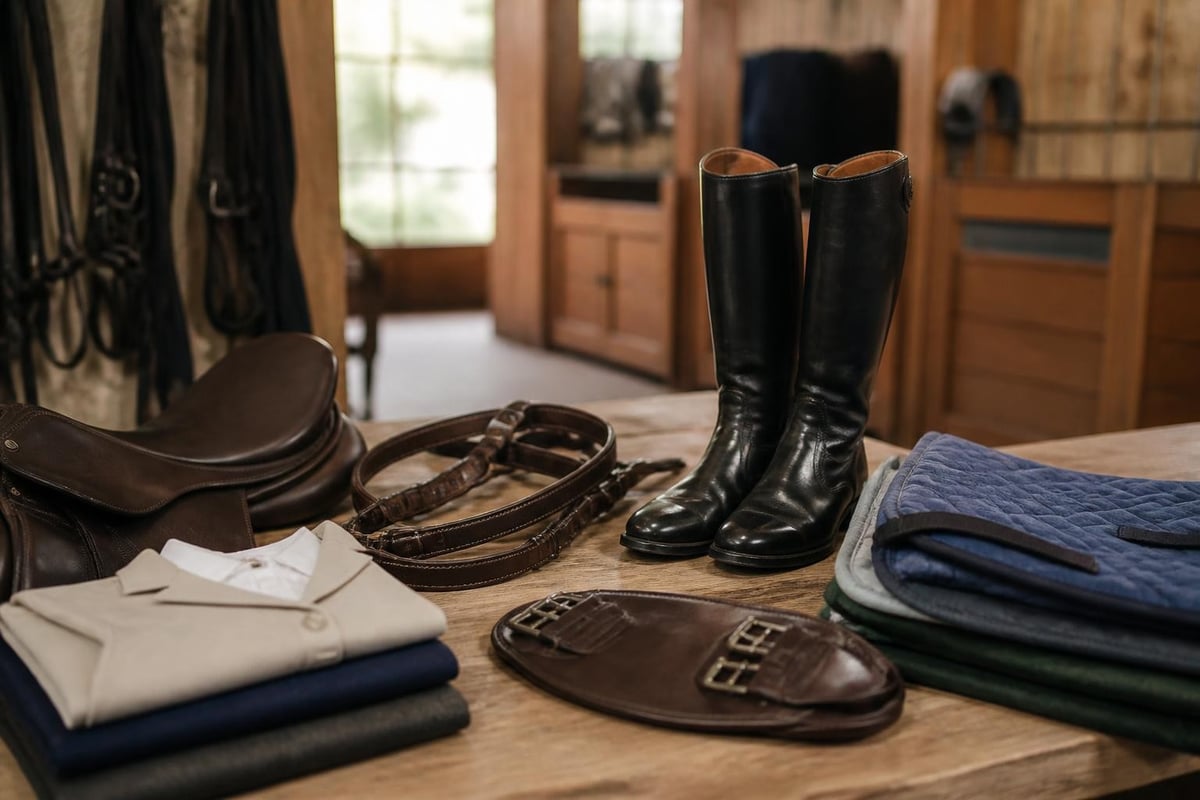
Estate sales and barn cleanouts occasionally surface exceptional finds. Entire collections from retiring riders might include barely-used premium items. These opportunities require flexibility and quick decision-making.
Riding club notice boards and word-of-mouth networks within stables often yield quality gear from trusted sources. Fellow riders understand condition standards and price equipment fairly. Building relationships within your local equestrian community opens these channels.
Inspecting Before You Buy
Physical inspection separates smart purchases from costly mistakes with used horseback riding gear. Approach each item systematically rather than relying on cursory glances.
Leather Goods Assessment
Bend leather sections gently. Quality leather flexes smoothly without cracking. Dry, stiff leather indicates neglect or age beyond serviceable life. Check for dark water stains that suggest mould growth. Smell the leather. Musty or sour odours point to mildew damage.
Run your fingers along all stitching. Loose threads, gaps in seam lines, or pulled stitches compromise structural integrity. Pay special attention to stress points where straps attach or buckles mount.
Examine buckles, rings, and hardware for corrosion or bending. Rusty fixtures can stain leather and may fail under load. Test all moving parts. Buckles should click securely and release smoothly.
Textile and Fabric Evaluation
Hold clothing items to light. Thin patches indicate excessive wear. Check seams by gently pulling fabric apart. Strong stitching holds firm while weak seams show gaps or thread breakage.
Test waterproof garments by sprinkling water on the outer shell. Proper treatment causes water to bead and roll off. If fabric absorbs moisture, waterproofing has failed. Some items can be retreated, others cannot.
Inspect elastic components thoroughly. Waistbands, ankle cuffs, and adjustment straps should maintain tension. Stretched-out elastic won't perform properly and replacement often costs more than the savings justify.
Zips deserve particular attention. Run them up and down several times. They should glide smoothly without catching or separating behind the pull. Broken zips often render otherwise excellent garments unusable.
Negotiating Fair Prices
Research current retail prices before shopping used horseback riding gear. Quality items typically sell for 40-70% of new pricing depending on age and condition. Anything approaching 80% of retail should be nearly new.
Factor in any needed repairs or cleaning when making offers. Leather conditioning, zip replacement, or professional cleaning add to your total cost. Adjust your bid accordingly.
Sellers often price optimistically initially. Polite negotiation based on specific condition issues usually succeeds. Point out wear patterns, needed maintenance, or comparable listings. Most sellers respond to informed buyers who've clearly examined their items.
Bulk purchases provide leverage. If a seller has multiple items you want, propose a package price. Moving several pieces at once often motivates sellers to reduce per-item costs.
Don't rush. Used markets constantly refresh. If a price seems too high or condition questionable, walk away. Another opportunity will surface. Patience prevents overpaying or acquiring problematic gear.
Cleaning and Restoring Secondhand Purchases
Most used horseback riding gear benefits from thorough cleaning immediately after purchase. Leather items need conditioning with quality products. Apply leather cleaner to remove dirt and old conditioner buildup. Follow with conditioner appropriate to the leather type. This restores suppleness and protects against cracking.
Textile items should be washed according to manufacturer specifications. Many technical fabrics require specific detergents that maintain waterproofing and breathability. Avoid fabric softeners which can damage technical treatments.
Metal components might need polishing. Tarnished brass or stainless steel cleans up beautifully with appropriate metal polish. This improves appearance and helps identify any corrosion requiring attention.
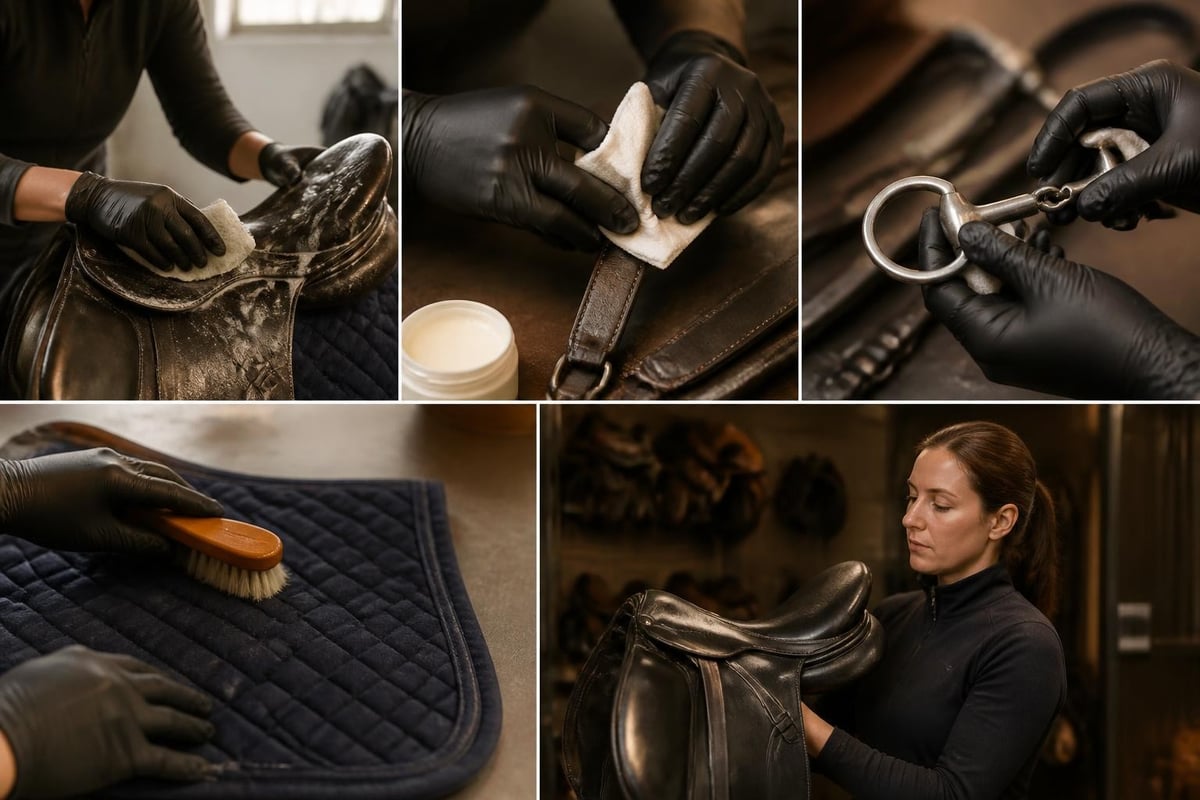
Professional services handle jobs beyond DIY capability. Saddle fitters can assess tree integrity and flocking condition. Cobblers repair boot damage and replace zips. These services extend gear lifespan considerably, making quality secondhand purchases even better value.
Building a Secondhand Wardrobe Strategically
Start with basics that see frequent replacement. Schooling breeches, everyday shirts, and practice gloves wear out regularly. Buying these used makes financial sense since they'll eventually need replacing regardless.
Invest in new safety items exclusively. Helmets and body protectors must be current and undamaged. These aren't negotiable.
Add premium pieces gradually through secondhand channels. That competition jacket or those dress boots can wait for the right opportunity. Patient buyers find exceptional deals on high-end gear.
Mix new and used thoughtfully. Perhaps new breeches from Gallant Equestrian paired with a quality secondhand jacket creates a professional appearance within budget. Understanding where to allocate your budget maximises both style and value.
Consider resale value when purchasing. Quality brands and classic styles retain value. You might use an item for several years then recoup significant cost by selling it on. This circular approach makes premium gear more accessible.
Seasonal Opportunities and Timing
Shopping patterns affect availability and pricing in the used market. Spring brings riders upgrading gear for the competition season. They often sell winter items and previous year's equipment. Excellent time for finding technical outerwear and cold-weather kit.
Autumn sees summer gear hit the market. Lightweight jackets, mesh competition shirts, and warm-weather breeches appear frequently. Prices often drop as sellers clear space for winter wardrobes.
Post-holiday periods in January and February yield bargains. People liquidate unwanted gifts or fund new purchases with gift cards. Less competition among buyers creates negotiating opportunities.
Year-end stable cleanouts produce varied inventory. Riders retiring, downsizing, or switching disciplines often sell entire collections. These situations reward buyers who can act quickly and purchase multiple items.
Red Flags and Warning Signs
Unusually low prices on premium brands suggest problems. Counterfeit goods occasionally surface, particularly in popular makes. If pricing seems too good, scrutinise authenticity carefully.
Sellers unwilling to provide additional photos or answer specific questions raise suspicion. Legitimate sellers understand buyers need information. Evasiveness suggests hidden issues.
"Sold as is" without description or photos often means significant problems exist. Unless you can inspect in person before committing, these listings rarely prove worthwhile.
Descriptions that focus on brand prestige rather than condition indicate sellers hoping name recognition compensates for wear. "Vintage Hermès saddle" means nothing if the tree is broken and leather cracked.
Multiple negative reviews or reports on a seller warrant caution. Check feedback carefully on marketplace platforms. Patterns of complaints about misrepresented condition or difficult returns signal trouble ahead.
Understanding Fit and Sizing
Used horseback riding gear offers no exchanges or returns typically. Getting sizing right becomes critical. European brands often run differently than American or Australian makers. Research specific manufacturers' sizing charts before purchasing.
Request exact measurements rather than relying on stated sizes. Waist measurements, inseam length, jacket shoulder width, and sleeve length should all be verified. A stated "medium" varies considerably across brands.
Boots present particular challenges. Foot length, calf circumference, and height all matter. Even within brands, different models fit differently. If possible, try the same model new in a shop to confirm sizing before buying used.
Some adjustment exists in certain items. Belt loops and adjustable waistbands provide flexibility in breeches. Jacket sleeves can sometimes be altered. Factor alteration costs into total price.
Consider your own measurements carefully. Bodies change. That jacket that fit perfectly three years ago might not suit current proportions. Honest self-assessment prevents disappointing purchases.
The Long-Term Value Perspective
Quality used horseback riding gear often outperforms cheap new alternatives. A well-made secondhand jacket from a premium manufacturer typically outlasts a budget new jacket by years. The better construction, materials, and design prove themselves through extended service.
This applies particularly to traditional leather goods. A used English saddle from a respected maker, properly maintained, serves decades. A cheap new saddle might need replacing within five years. The initial savings evaporate when replacement costs are factored.
Developing relationships with sellers creates ongoing opportunities. Regular buyers who pay promptly and treat sellers fairly often get first refusal on new inventory. These connections prove valuable over years of riding.
Learning to assess condition builds expertise applicable beyond equestrian gear. The principles transfer to other sporting equipment, clothing, and goods. These skills serve you well across many purchasing decisions throughout life.
Shopping secondhand requires knowledge and patience, but the rewards extend well beyond cost savings. You'll build a functional, quality wardrobe while developing valuable assessment skills that serve you throughout your riding journey. When you're ready to invest in new pieces that deliver performance and style ride after ride, Gallant Equestrian creates riding clothing built to last, designed for men who appreciate quality kit that works as hard as they do. Look the Part. Enjoy the Ride.

