

White Jodhpurs: A Guide for Men Who Ride with Style
Jul 16, 2026
White jodhpurs remain one of the most iconic garments in equestrian sport. They carry centuries of tradition whilst still commanding attention in modern competition arenas. For men who ride, these distinctive trousers represent more than just riding attire - they embody a legacy of horsemanship, precision, and understated elegance. Understanding their history, styling potential, and practical care requirements helps you make informed choices about when and how to wear them confidently.
The Heritage Behind White Jodhpurs
The story of white breeches and jodhpurs traces back to British colonial India, where British polo players adapted traditional Indian riding trousers for their sport. Named after the Indian city of Jodhpur, these garments featured a distinctive balloon-like fullness through the thighs that allowed freedom of movement whilst maintaining a sleek appearance below the knee.
White became the colour of choice for several practical and symbolic reasons. In hot climates, white fabric reflected heat rather than absorbing it, keeping riders cooler during long matches. The colour also showed dirt and wear immediately, which meant riders needed to maintain high standards of cleanliness - a mark of discipline and professionalism that became deeply embedded in equestrian culture.
From Polo to Dressage
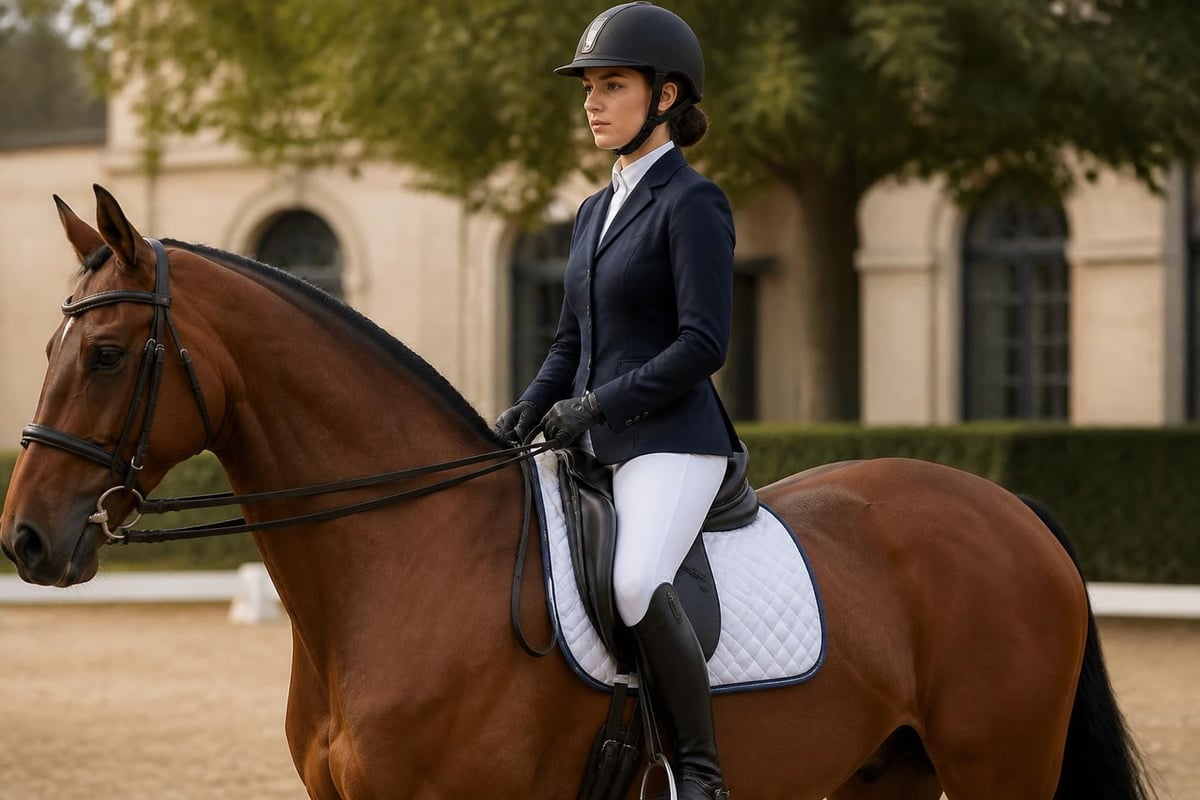
White jodhpurs spread from polo into fox hunting, show jumping, and dressage throughout the 20th century. Each discipline adopted them differently, but the underlying message remained consistent - these garments represented tradition, formality, and respect for the sport.
In dressage specifically, white jodhpurs or breeches became mandatory for upper-level competition. The clean lines emphasise the rider's position and aid application, allowing judges to assess technique with clarity. This tradition continues today, making white jodhpurs essential kit for any serious competitive rider.
The garment's design evolved over decades. Modern white jodhpurs incorporate technical fabrics that wick moisture, provide stretch, and resist staining far better than their cotton predecessors. Yet they retain the classic silhouette that distinguishes them from everyday riding breeches.
Choosing the Right White Jodhpurs
Selecting white jodhpurs requires attention to fit, fabric, and intended use. Not all white jodhpurs serve the same purpose, and understanding these differences helps you invest wisely.
Fabric Technology Matters
Modern white jodhpurs typically feature technical blends rather than pure cotton. Look for fabrics that combine:
Stretch content - usually 15-20% elastane or spandex - allows the garment to move with you whilst maintaining shape throughout long riding sessions. This prevents sagging or bagging at the knee, which compromises both appearance and comfort.
Moisture-wicking properties keep you dry during intense training or competition. This proves particularly valuable in warmer climates or when riding multiple horses in succession.
Stain-resistant treatments significantly reduce the effort required to maintain that pristine white appearance. Not all jodhpurs offer this feature, but those that do save considerable time and frustration over the garment's lifespan.
Fit Considerations for Men
Men's white jodhpurs should accommodate the male physique without compromise. Traditional women's designs often feature higher waists and different hip-to-thigh ratios that simply don't work for male riders.
Rise - the distance from crotch to waistband - significantly affects comfort. Men typically need a lower rise than women, particularly when riding for extended periods. A proper rise prevents the waistband from sitting too high whilst ensuring adequate coverage when mounted.
Thigh and seat dimensions should allow full range of motion without excess fabric. The balloon cut characteristic of true jodhpurs provides this freedom through the upper leg whilst tapering below the knee for a clean line.
Inseam length matters more with jodhpurs than regular breeches because they're designed to tuck into tall boots. Ensure sufficient length to prevent riding up whilst mounted, but not so much that bunching occurs inside your boots.
Styling White Jodhpurs Beyond Competition
Whilst white jodhpurs originated in competitive settings, they can serve broader purposes in your riding wardrobe. Understanding when and how to wear them demonstrates both knowledge and confidence.
Competition Requirements
Different disciplines enforce varying rules about white jodhpurs. Dressage competitions at FEI levels mandate white or light-coloured breeches, making them non-negotiable. Show jumping and eventing competitions typically allow more flexibility, though white remains traditional for formal classes.
Before purchasing, verify your specific discipline's requirements. This ensures your investment serves its intended purpose without surprises at the show ground.
Training and Everyday Wear
Many riders reserve white jodhpurs exclusively for competition, preferring darker colours for daily training. This approach makes sense from a maintenance perspective, but needn't be absolute.
Practice sessions before shows benefit from wearing your competition kit. This identifies any fit issues or discomfort whilst there's still time to address them. It also acclimatises you to the feeling of showing, reducing one variable on competition day.
Schooling at home in white jodhpurs occasionally keeps them in rotation and prevents them languishing unused between shows. However, this works best when you've invested in stain-resistant fabrics that withstand regular wear.
The key lies in treating white jodhpurs as special-purpose garments rather than everyday kit. This mindset helps maintain their condition whilst ensuring they're available when needed.
Maintaining Pristine White Jodhpurs
Keeping white jodhpurs genuinely white requires specific techniques and consistent effort. The good news: modern fabrics make this considerably easier than it was for previous generations of riders.
Washing Techniques That Work
Pre-treat stains immediately after riding. Grass, manure, and mud all contain compounds that set permanently if left untreated. Keep a stain remover stick in your tack room and address marks before they dry.
Wash white jodhpurs separately from coloured garments to prevent dye transfer. Even supposedly colourfast items can leach small amounts of colour that accumulate over multiple washes.
Use appropriate temperature settings based on fabric content. Most technical blends perform best in cool to warm water (30-40°C), which protects elasticity whilst still achieving thorough cleaning.
Specific washing strategies include adding white vinegar to rinse cycles, which brightens fabric without harsh chemicals. Oxygen-based bleaches work better than chlorine versions for maintaining fabric integrity whilst removing stubborn stains.
Storage and Long-Term Care
Hang white jodhpurs rather than folding them when possible. This prevents creases from setting and allows air circulation that reduces musty odours.
Avoid direct sunlight during storage, as UV exposure can yellow white fabrics over time. A dark wardrobe or garment bag provides better protection.
Inspect regularly for developing stains or damage. Small issues addressed promptly rarely become major problems, whilst neglected ones often prove irreversible.
Consider having two pairs of white jodhpurs if you compete regularly. This allows proper recovery time between wears and ensures you always have a pristine pair ready for important shows.
Understanding Jodhpur Variations and Alternatives
The term "jodhpurs" encompasses several related garment types, each with distinct characteristics and appropriate uses.
Traditional Jodhpurs vs Modern Breeches
Traditional jodhpurs feature the balloon-style fullness through the thigh and extend to the ankle, designed for wear with short paddock boots. These maintain historical accuracy and work well for specific disciplines like polo or certain showing classes.
Modern riding breeches borrowed the jodhpur name but evolved into a sleeker silhouette. They fit close to the leg throughout and typically end mid-calf, designed for tall riding boots. When people reference white jodhpurs today, they often mean white breeches in this contemporary style.
Both serve legitimate purposes depending on your discipline and preference. Understanding the distinction helps when shopping and ensures you select the right garment for your needs.
Full-Seat vs Knee-Patch Designs
Full-seat white jodhpurs feature grip material extending from knee to knee across the seat. This provides maximum security in the saddle, particularly valuable for dressage or jumping where precise position matters.
Knee-patch designs offer grip only at the knee area, providing a lighter, cooler option that still prevents slipping. These suit riders who prefer minimal bulk or those riding in warmer conditions.
Plain white jodhpurs without any grip material represent the traditional choice. They rely entirely on fabric friction and rider skill for security. Whilst less common now, they remain appropriate for certain showing disciplines where tradition outweighs technical advantage.
Completing Your Look with White Jodhpurs
White jodhpurs anchor a complete competitive outfit that includes several coordinating elements. Getting these combinations right demonstrates attention to detail and respect for tradition.
Coordination with Jackets and Shirts
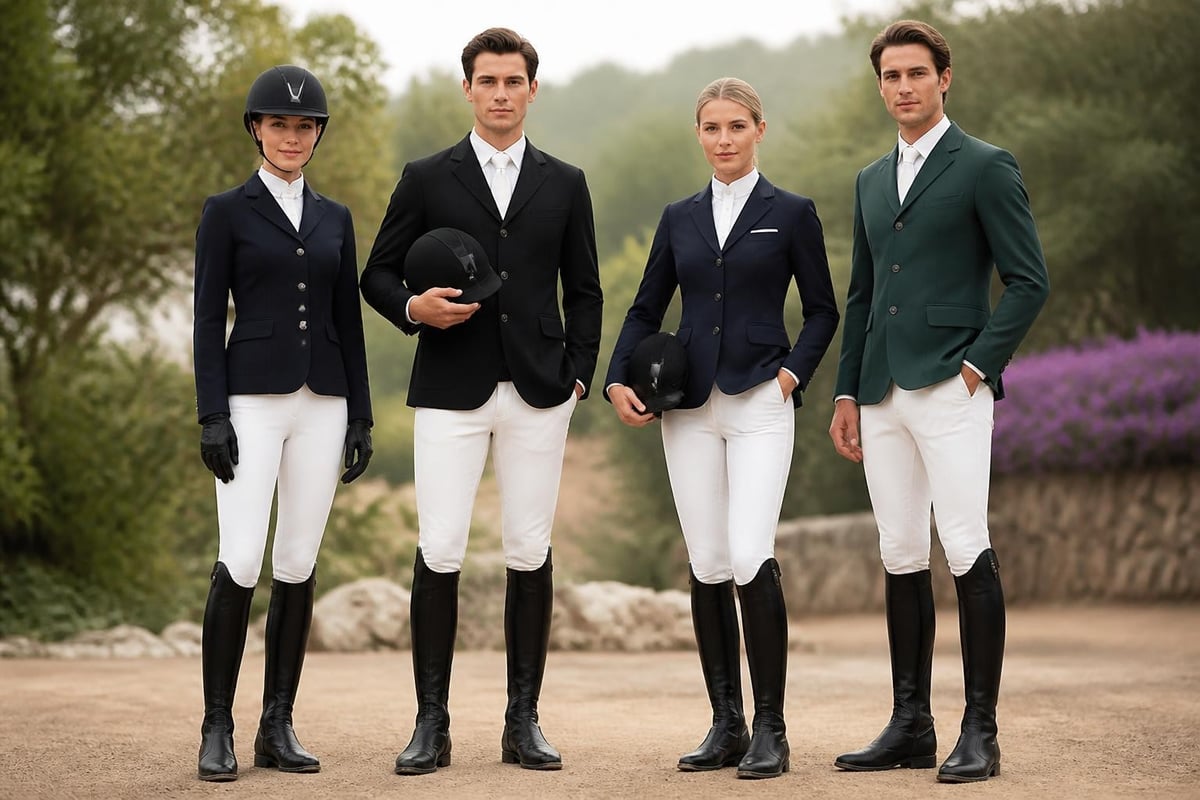
Show jackets in dark colours - navy, black, or dark grey - create classic contrast with white jodhpurs. This combination appears in virtually every equestrian discipline and never looks outdated.
Competition shirts should complement without competing. White shirts work beautifully for maximum formality, whilst pale blue or subtle patterns add personality within acceptable bounds. Ensure collars sit properly and sleeves extend to the correct length beneath your jacket.
Ties or stocks complete the formal appearance for upper-level competition. Choose colours that coordinate with your jacket whilst maintaining conservative elegance. Navy, burgundy, or subtle patterns work reliably.
Footwear Considerations
Tall boots in black or brown leather provide the traditional pairing with white jodhpurs. Ensure boots fit properly and maintain their polish - scuffed boots undermine even the most immaculate jodhpurs.
Boot colour choice depends partly on discipline. Dressage typically requires black boots, whilst show jumping allows more flexibility. When in doubt, black boots represent the safer choice.
Paddock boots with gaiters offer an alternative for traditional jodhpur styles. This combination appears more commonly in specific showing classes or polo rather than mainstream dressage or jumping.
Performance Features in Modern White Jodhpurs
Contemporary white jodhpurs incorporate technologies that would astound riders from previous generations. These features enhance both performance and practicality.
Compression and Support
Graduated compression in the lower leg promotes circulation during long competition days. This reduces fatigue and helps maintain consistent performance across multiple rides.
Strategic reinforcement at stress points prevents premature wear whilst maintaining flexibility where needed. Look for double-stitched seams and reinforced inner legs that resist saddle friction.
Climate Adaptation
Breathable fabrics with mesh panels promote airflow in warm conditions. These typically appear along the lower leg or inner thigh where they won't compromise appearance.
UPF protection in the fabric helps prevent sunburn during outdoor competitions. This proves particularly valuable for riders with fair skin who spend hours mounted in direct sunlight.
Quick-dry properties allow white jodhpurs to dry rapidly between rides or after washing. This convenience factor makes them more practical for regular use rather than special occasions only.
Investment Value and Longevity
Quality white jodhpurs represent a significant investment, but proper selection and care extend their useful life considerably.
Cost Versus Quality Considerations
Premium white jodhpurs typically cost substantially more than basic versions. This price difference reflects superior fabrics, construction quality, and attention to fit. For serious competitors, this investment proves worthwhile through better performance and longer lifespan.
Budget options serve riders adequately for occasional use or those just entering competitive levels. However, expect more frequent replacement and potentially more challenging maintenance.
Mid-range jodhpurs often provide the best value, combining quality construction with reasonable pricing. These suit most riders who compete regularly but don't require absolute top-tier performance.
When Replacement Becomes Necessary
Fabric thinning at the inner leg or seat indicates approaching end-of-life, even if staining remains manageable. Thin fabric compromises both appearance and modesty.
Permanent staining that resists all cleaning attempts eventually renders white jodhpurs unsuitable for competition, though they may still serve for training.
Lost elasticity manifests as sagging or bagging that develops during wear. Once stretch panels no longer recover their shape, replacement becomes necessary regardless of other condition factors.
Tracking these indicators helps you plan purchases strategically rather than scrambling for new jodhpurs immediately before important competitions.
Practical Tips for First-Time White Jodhpur Buyers
If you're purchasing white jodhpurs for the first time, several considerations help ensure satisfaction with your selection.
Try before buying whenever possible. White jodhpurs must fit precisely to look their best, and online sizing often proves unreliable. If ordering remotely, verify return policies before purchasing.
Start with one quality pair rather than multiple budget options. This allows you to learn maintenance requirements and confirm white jodhpurs suit your needs before expanding your collection.
Consider your complete men's riding wardrobe when selecting white jodhpurs. They should coordinate with jackets, boots, and other kit you already own or plan to acquire.
Read care instructions thoroughly before first wear. Some white jodhpurs require specific handling that differs from standard laundry practices.
Practice wearing them before competition day. This identifies any comfort issues whilst building confidence in how they look and feel.
The Modern Perspective on White Jodhpurs
Equestrian fashion evolves continuously, yet white jodhpurs retain their position as essential competitive kit. Understanding this balance between tradition and innovation helps modern riders make informed choices.
Contemporary riders increasingly value performance-driven clothing that functions beautifully whilst looking sharp. White jodhpurs exemplify this philosophy when designed with modern fabrics and thoughtful construction. They honour tradition without sacrificing the technical advantages that improve riding experience.
Authenticity matters more than slavish adherence to outdated practices. Choose white jodhpurs that suit your discipline, body type, and riding style rather than pursuing some idealised traditional version that serves you poorly.
Confidence comes from preparation. When your white jodhpurs fit properly, look immaculate, and feel comfortable, they enhance rather than distract from your performance. This psychological advantage proves as valuable as any technical feature.
The goal isn't perfection but rather presenting yourself as a serious, prepared rider who respects both horse and sport. White jodhpurs, properly selected and maintained, communicate exactly that message.
White jodhpurs combine centuries of equestrian tradition with modern performance technology, creating garments that serve both practical and symbolic purposes. Whether you're preparing for your first dressage test or refining your competitive wardrobe, understanding their history, selection criteria, and care requirements ensures you make choices that serve you well. For performance-driven riding clothing designed specifically for men who value both function and style, explore the Gallant Equestrian collection - where traditional elegance meets contemporary craftsmanship. Look the Part. Enjoy the Ride.

