

Black Equestrian: Heritage, Style & Modern Riding
Aug 07, 2026
The black equestrian community has shaped horse culture for centuries, yet their contributions often remain overlooked. From the pioneering jockeys who dominated early racing to the modern riders preserving Western heritage, Black horsemen have left an indelible mark on the sport. Today's black equestrian movement combines rich tradition with contemporary style, creating a vibrant community that's reclaiming its rightful place in the saddle. Understanding this heritage matters for every rider who values authenticity and excellence in the arena.
The Historical Legacy of Black Equestrian Excellence
Black riders weren't just present in early horse racing - they dominated it. Black jockeys won 15 of the first 28 Kentucky Derbies, with names like Isaac Murphy and Jimmy Winkfield becoming legends of the track. Murphy's three Derby wins stood as a record for decades, whilst Winkfield went on to international success after facing discrimination at home.
The black equestrian tradition extended far beyond racing circuits. Cowboys of African descent played crucial roles in cattle drives across the American West, with historians estimating that one in four cowboys was Black. These horsemen developed techniques and traditions that defined Western riding culture, yet their stories were systematically erased from popular narratives.
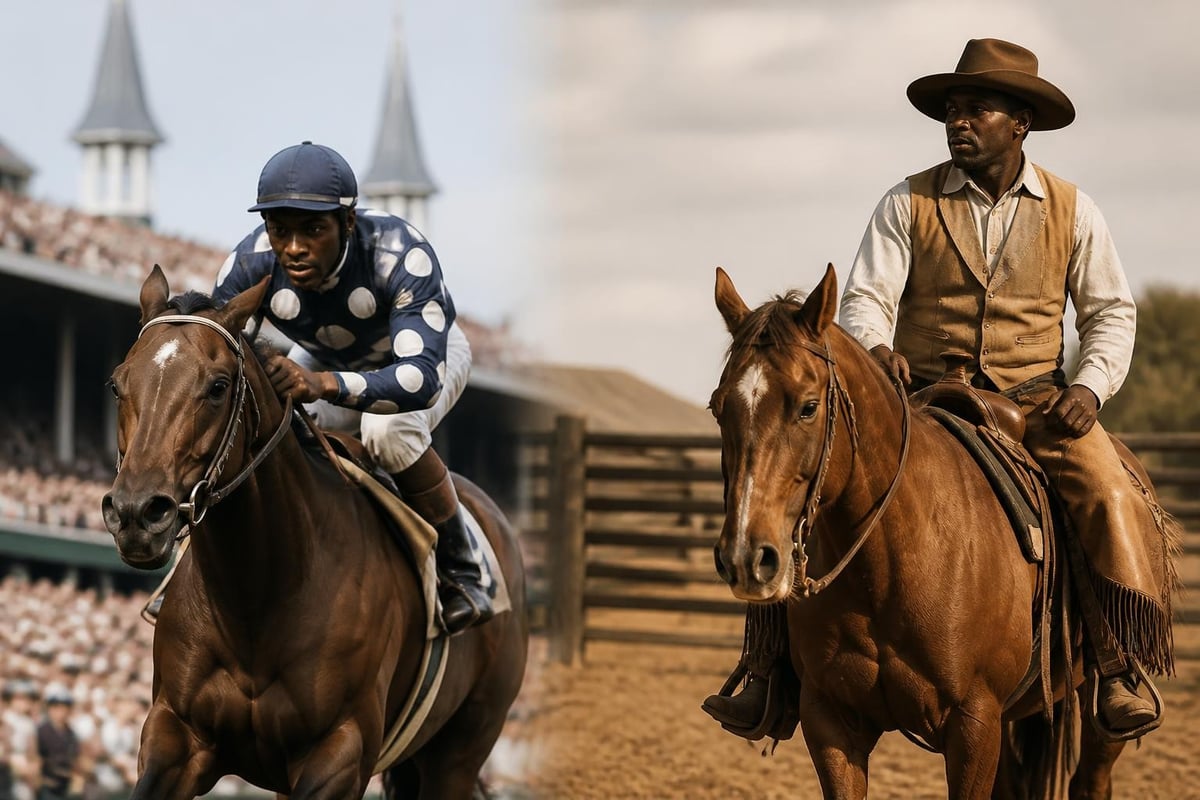
This historical erasure continues to impact modern equestrian spaces. Research into Black equestrian history reveals how intentional exclusion shaped the sport's demographics well into the 21st century. Understanding this context helps today's riding community build a more inclusive future whilst honouring the past.
The technical skills these early riders developed still influence modern horsemanship. Their approach to training, handling, and partnership with horses set standards that remain relevant today. Whether you're competing in dressage or working cattle, you're building on foundations laid by these pioneering horsemen.
Modern Black Equestrian Organizations and Community
Today's black equestrian community is thriving through dedicated organizations that preserve heritage whilst creating opportunities for new riders. Strides for Equality Equestrians leads efforts to promote diversity and inclusion across all disciplines, from hunters to eventing. Their work ensures that talent, not background, determines who succeeds in the saddle.
The Loyalty Riderz, founded in 2019, celebrates Black cowboy and cowgirl culture through community rides and educational programmes. They're not just preserving history - they're creating it, bringing together riders who share a commitment to excellence and authenticity.
Regional organizations like Wiltown Riders combine horseback riding with agricultural education, ensuring younger generations understand the full scope of Black contributions to equestrian life. Their programmes teach proper horsemanship whilst instilling pride in cultural heritage.
The Prairie View Trail Ride Association maintains Western traditions through their annual rides and community events. These gatherings showcase riding skills whilst strengthening bonds within the black equestrian community. They prove that tradition and progress aren't opposites - they're partners.
Financial barriers have historically limited access to equestrian sports. Solid Strides tackles this challenge directly by reducing economic obstacles and creating pathways for aspiring riders. Their approach recognises that talent exists everywhere, but opportunity doesn't.
High-profile support matters too. BeyGOOD's Black Equestrian Program provides grants to Black cowboys, cowgirls, farmers, and ranchers. This investment supports established riders whilst encouraging newcomers to take up the reins.
Style and Performance in Black Equestrian Culture
Black equestrian style merges function with distinctive flair. This isn't about superficial appearance - it's about expressing identity through purposeful choices. The best riders know that looking sharp in the saddle starts with quality kit that performs under pressure.
Proper riding gear serves practical needs first. Quality breeches provide the grip and flexibility required for effective riding whilst maintaining a refined appearance. The cut, fabric, and construction all matter when you're spending hours in the saddle.
Western riders often favour traditional pearl-snap shirts and well-fitted jeans or chaps, but modern interpretations bring fresh perspective to classic looks. English riders in the black equestrian community typically choose tailored jackets and well-cut breeches that honour tradition whilst allowing personal expression.
| Riding Style | Essential Pieces | Key Considerations |
|---|---|---|
| Western | Pearl-snap shirts, jeans, chaps, boots | Durability for ranch work, authentic details |
| English | Breeches, polo shirts, riding jackets | Proper fit for competition, breathable fabrics |
| Trail | Technical shirts, riding tights, boots | Weather protection, comfort over distance |
Outerwear makes or breaks your riding experience in challenging conditions. A proper waterproof riding jacket keeps you dry without restricting movement, essential whether you're schooling in drizzle or competing in uncertain weather.
The transition from stable to street matters for riders who integrate equestrian life into their daily routine. Modern riding wear handles this seamlessly, combining technical performance with versatile styling that works beyond the arena.
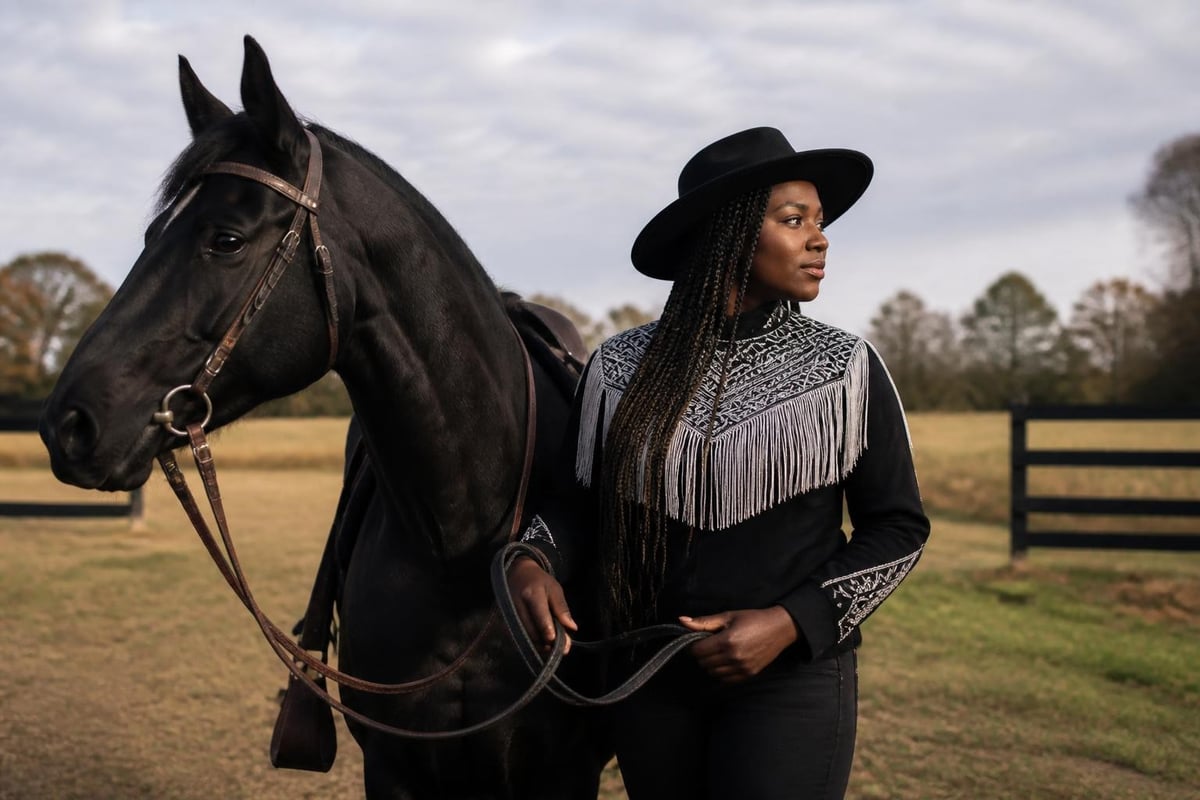
Colour choices often carry cultural significance within the black equestrian community. Bold colours and distinctive patterns celebrate heritage whilst making a statement in traditionally conservative show rings. This confident approach to style reflects broader cultural values of authenticity and self-expression.
Building Visibility and Breaking Barriers in 2026
The inaugural Kinship Conference represents a watershed moment for black equestrian visibility. This groundbreaking event brings together riders, trainers, and industry professionals to celebrate excellence whilst building professional networks. Such gatherings create opportunities that traditional channels often overlook.
Social media has transformed how black equestrian communities connect and share their experiences. Riders document their journeys, from morning stable routines to competition successes, creating visible proof of Black excellence in the saddle. This visibility matters for the next generation considering equestrian sports.
Young riders need role models who look like them. When they see successful black equestrian competitors and professionals, it expands their sense of possibility. Representation isn't just symbolic - it's practical, showing clear pathways into the sport.
Practical Steps for Supporting Black Equestrian Communities
Supporting these communities requires more than good intentions. It demands concrete action from riders, stables, and industry brands. Here's what actually makes a difference:
Examine your own stable's culture. Does everyone feel welcome? Are there unspoken barriers to entry? Sometimes the most significant obstacles are the informal networks and assumptions that exclude newcomers.
Partner with local black equestrian organizations for clinics, shows, or trail rides. These partnerships create genuine connection whilst demonstrating commitment to inclusion.
Support Black-owned equestrian businesses, from trainers to tack shops. Economic support strengthens the entire community and ensures diverse perspectives shape the industry's future.
| Action | Impact | Timeline |
|---|---|---|
| Sponsor riders facing financial barriers | Direct access improvement | Immediate |
| Host inclusive clinics and events | Community building | Quarterly |
| Feature diverse riders in marketing | Visibility and representation | Ongoing |
| Mentor aspiring professionals | Career pathway development | Long-term |
Mentorship programmes pair experienced riders with newcomers, transferring knowledge whilst building relationships. This personal connection often determines whether someone persists through the inevitable challenges of equestrian life.
Competition formats can either welcome or exclude. Show organizers who consider accessibility, judging bias, and cultural sensitivity create environments where all riders can excel on merit.
The Technical Excellence of Black Horsemanship
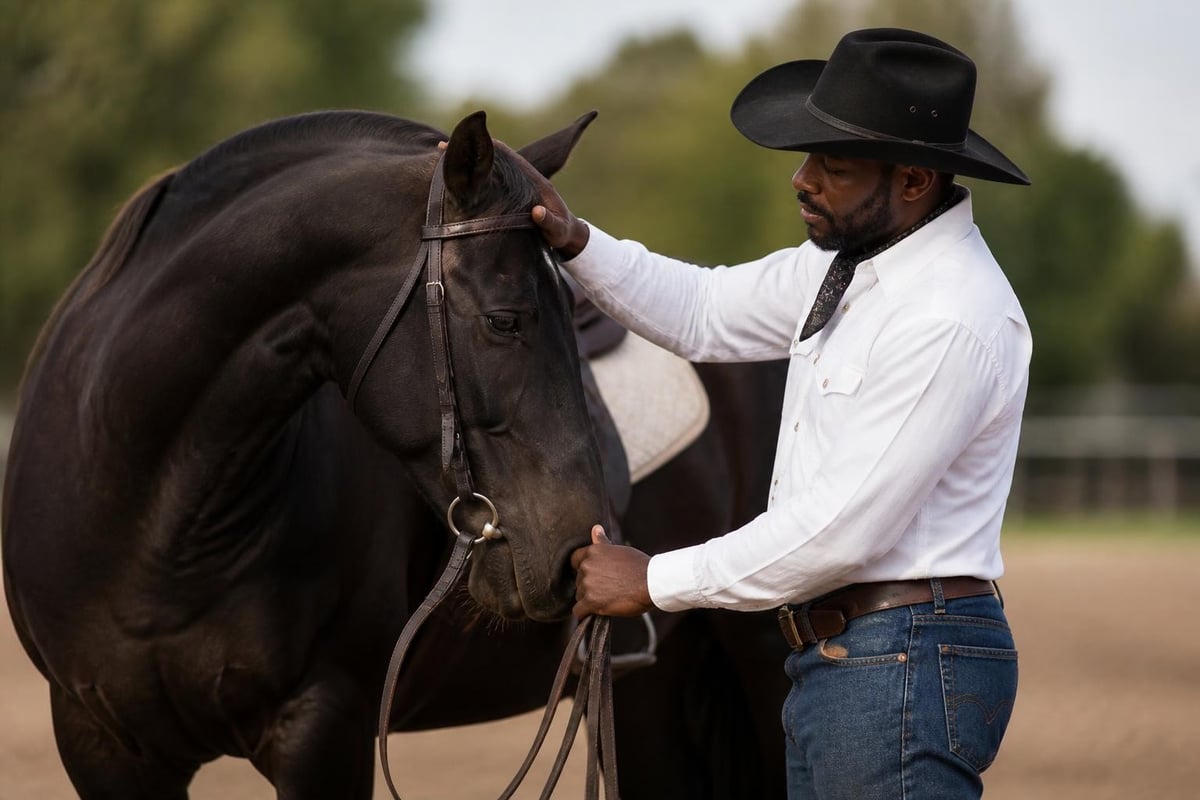
Black equestrian traditions emphasize deep partnership between horse and rider. This approach prioritizes understanding and communication over force, creating more responsive and willing mounts. The techniques developed through generations of Black horsemanship remain relevant across all riding disciplines.
Training philosophy within many black equestrian communities stresses patience and consistency. Horses respond to clear, calm direction, not aggression. This methodology produces better results whether you're breaking colts or refining a Grand Prix dressage test.
Natural horsemanship techniques, now widely adopted, have roots in traditions preserved by Black cowboys and trainers. These methods recognize horses as thinking partners, not mere tools. The result is safer, more effective riding for everyone.
Physical fitness matters for serious riding. Core strength, balance, and flexibility determine your effectiveness in the saddle. Black equestrian athletes often incorporate cross-training to maintain the conditioning required for top performance.
Clothing choices impact your riding ability directly. Well-fitted riding pants allow proper leg position and effective aids whilst preventing chafing during long sessions. Cheap kit compromises both comfort and communication with your horse.
Equipment Selection and Care
Quality tack represents an investment in both performance and horse welfare. Black equestrian traditions often emphasize proper maintenance and long-term care of equipment. A well-maintained saddle can serve multiple horses across decades.
Boot selection varies by discipline, but all good riding boots share common features: proper heel height to prevent foot slipping through stirrups, adequate ankle support, and soles that provide grip without excessive tread. These technical requirements matter more than brand names.
Grooming routines within many black equestrian communities serve dual purposes - they maintain horse health whilst building the bond between rider and mount. This time spent with your horse isn't wasted; it's foundational to effective riding.
Safety equipment has evolved considerably. Modern helmets offer superior protection without sacrificing style or comfort. There's no excuse for skipping proper head protection, regardless of discipline or experience level.
Weather-appropriate gear keeps you riding when others quit. Layering systems allow adjustment as conditions change throughout a day. Technical fabrics wick moisture whilst providing warmth, maintaining comfort from dawn feed through evening turnout.
Competitive Success and Professional Pathways
Black equestrian competitors continue making their mark across all disciplines in 2026. From reining to show jumping, talented riders are proving that excellence knows no colour barrier. Their success opens doors whilst inspiring the next generation.
Professional opportunities extend beyond competitive riding. Training, stable management, farrier work, and veterinary care all need skilled practitioners. Black equestrian professionals bring valuable perspectives to these roles whilst building sustainable careers.
The business side of horses offers additional pathways. Breeding operations, equipment sales, and event management all require expertise and dedication. Entrepreneurs within the black equestrian community are creating businesses that serve riders whilst building wealth.
Judging and officiating positions have historically lacked diversity. Efforts to recruit and train Black judges and stewards improve fairness whilst ensuring varied perspectives shape competition standards.
Media and content creation represent growing opportunities. Photographers, videographers, writers, and social media specialists who understand equestrian culture from Black perspectives fill important niches. Their work shapes how the broader public perceives the sport.
Educational programmes prepare young people for equestrian careers. Partnerships between riding programs and agricultural colleges create clear pathways from stable hand to professional horseman. These structured approaches remove guesswork from career development.
Cultural Impact and Future Directions
The black equestrian movement influences broader equestrian culture in meaningful ways. Fashion choices that originated in Black riding communities now appear across disciplines. Training methods developed through Black horsemanship traditions inform modern natural horsemanship approaches.
Music and horses have long connections within Black Western culture. Trail rides and gatherings often feature soundtracks that reflect cultural heritage, creating distinctive atmospheres that celebrate community alongside riding.
Storytelling preserves history whilst inspiring future generations. Films, books, and documentaries highlighting black equestrian achievements ensure these contributions receive proper recognition. Supporting these creative works strengthens the entire community.
Youth engagement determines the sport's future diversity. Programmes that introduce young people to horses whilst teaching broader life skills create lasting impact. Many successful riders trace their start to community riding programmes that welcomed them regardless of background.
Advocacy work continues pushing for systemic change within equestrian organizations. From competition rules to stable policies, activists within the black equestrian community work to eliminate barriers and create genuinely inclusive spaces.
The economic impact of Black equestrian communities extends throughout rural areas. Ranches, stables, and riding schools owned by Black horsemen provide employment whilst preserving land for agricultural use. This economic presence matters for both community resilience and broader horse culture.
Technology adoption within black equestrian communities mirrors broader trends whilst adding unique applications. Virtual clinics connect riders across distances, whilst apps help manage stable operations more efficiently. These tools democratize access to expertise and resources.
The black equestrian tradition combines centuries of excellence with modern innovation, creating a vibrant community that enriches horse culture for everyone. As this movement gains visibility and support, it opens opportunities whilst preserving valuable heritage that benefits all riders. Whether you're drawn to Western traditions or English disciplines, Gallant Equestrian provides the performance-driven kit you need to ride with confidence and style, honouring tradition whilst pushing your riding forward.

