

Equine Breeches: The Essential Guide for Male Riders
Aug 06, 2026
When you're in the saddle, your clothing either works with you or against you. Equine breeches sit at the core of every rider's wardrobe because they're designed specifically for the demands of riding: movement, grip, comfort over long hours, and durability that stands up to daily use. For men especially, finding the right pair means understanding what makes them different from standard riding trousers and why those differences matter.
The right equine breeches aren't just about looking the part. They're about feeling secure in the saddle, maintaining proper position, and having the confidence that your kit won't let you down whether you're schooling at home or competing at a show. Let's break down what you need to know.
What Makes Equine Breeches Different
Equine breeches evolved from military cavalry uniforms, and their history reflects centuries of refinement focused on rider performance. Unlike regular trousers, they're cut to follow the natural line of your leg when mounted, not when standing. That means a slightly different fit through the thigh and knee.
The seat and inner leg use stretchable, reinforced panels. These areas take the most wear and provide crucial grip. Modern equine breeches incorporate technical fabrics that wick moisture, resist wear, and move with you. They're designed to prevent bunching, rubbing, and the discomfort that comes from fabric fighting against your position.
Most designs extend below the knee, sitting inside your boots without creating pressure points or excess bulk. The cut allows freedom of movement whilst maintaining contact with your horse. This isn't about fashion - it's functional design honed over generations of riders.
Key Construction Elements
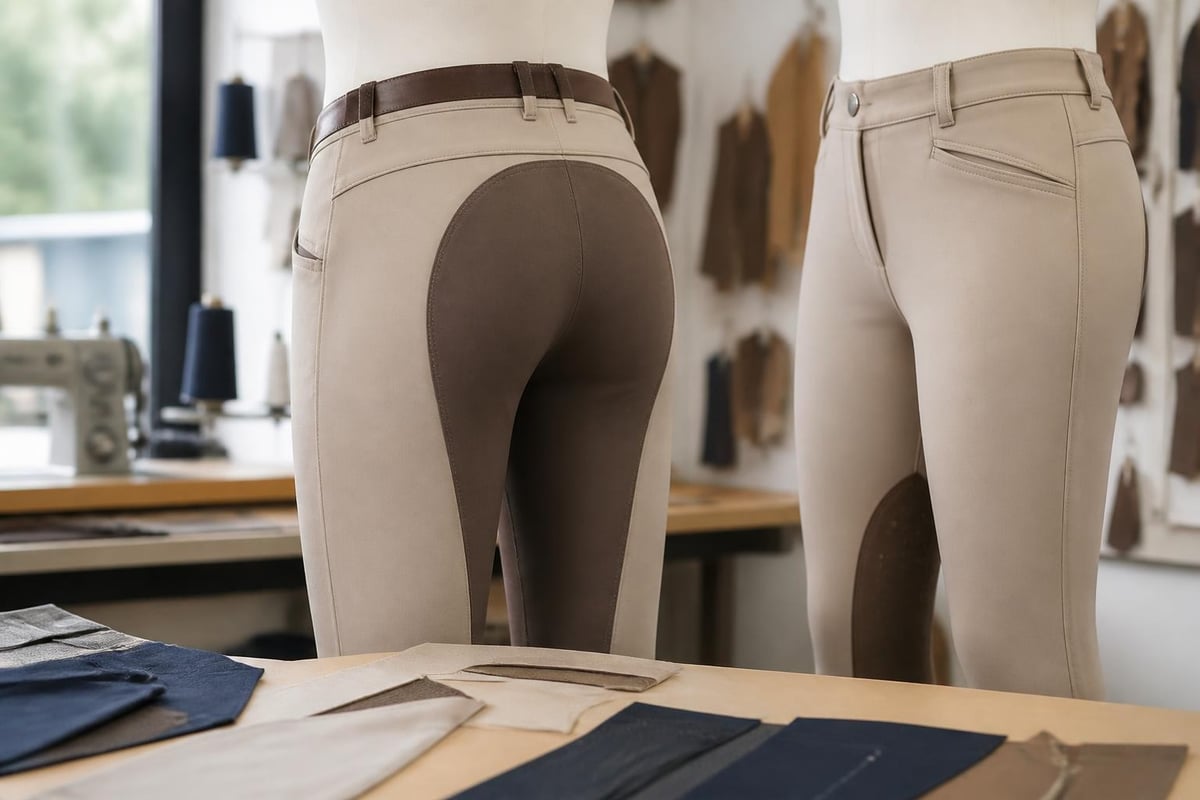
Every pair of quality equine breeches shares several construction features. The waistband sits at your natural waist, higher than casual trousers, preventing the fabric from pulling down when you ride. Belt loops are standard, though some riders prefer styles with adjustable waist tabs.
The seat panel uses stretch fabric or suede-like material that grips your saddle. This keeps you stable without restricting movement. Inner leg seams sit flat or are eliminated entirely to prevent chafing during long rides. Knee patches or full-seat panels add grip where you need it most.
Pockets are positioned carefully. Front pockets angle to remain accessible when mounted. Some designs skip back pockets entirely to prevent bulk under your seat. Others use zippered options that keep contents secure without creating uncomfortable pressure points.
Choosing the Right Fit and Style
Fit determines everything. Equine breeches should feel snug but not restrictive when you're standing. When mounted, they'll settle into the right position. Too loose and they'll bunch; too tight and they'll restrict your leg position and become uncomfortable after twenty minutes.
Start by measuring your waist at its natural point, typically just above your hip bones. This differs from where you wear casual trousers. Most quality breeches use European sizing, which runs smaller than American or UK sizes. Check the manufacturer's size chart carefully - proper sizing guidance makes the difference between a good fit and a perfect one.
The inseam length matters more than you might think. Equine breeches should reach to mid-calf, sitting comfortably inside your boots without excess fabric gathering at the ankle. Some brands offer regular and long inseam options. If you're over six feet, you'll likely need the longer cut.
Fabric and Performance
| Fabric Type | Benefits | Best For |
|---|---|---|
| Technical synthetic blends | Moisture-wicking, quick-drying, four-way stretch | Daily training, hot weather |
| Cotton-blend | Breathable, comfortable, traditional feel | Schooling, moderate conditions |
| Winter-weight | Thermal properties, wind resistance | Cold weather riding |
| Competition-grade | Professional appearance, structured fit | Shows, formal riding |
Modern equine breeches use fabrics that perform across different conditions. Technical synthetics wick sweat away from your skin, dry quickly, and maintain their shape ride after ride. These work brilliantly for daily training when you're putting in serious saddle time.
Cotton blends offer a more traditional feel. They breathe well and suit moderate weather, though they take longer to dry if you're caught in rain. Winter-weight options add thermal properties without bulk, keeping you comfortable during cold-weather rides.
Competition fabrics prioritize appearance and structure. They hold their shape, resist wrinkles, and maintain a polished look under scrutiny. The trade-off is usually less stretch and breathability compared to training fabrics.
Full Seat vs Knee Patch: Making the Choice
This decision comes down to riding discipline and personal preference. Knee patch equine breeches place grip material only at the knee, giving you stability over jumps and when riding forward. They're traditional for show jumping and eventing, offering a classic look with targeted performance.
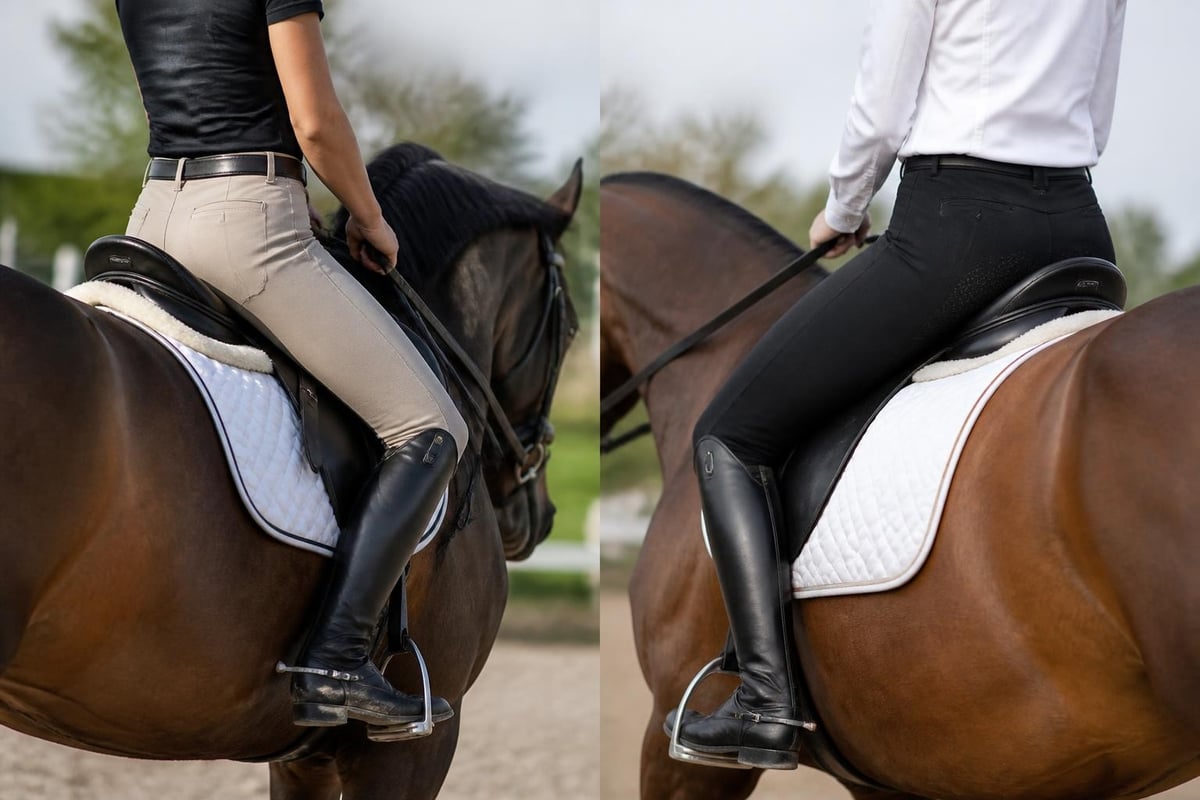
Full-seat breeches extend grip material across the entire seat and inner thigh. This provides maximum stability for dressage, flat work, and any discipline where you're sitting deep in the saddle. The increased contact helps maintain position during lateral movements and collected work.
Neither option is objectively better. Consider what you're doing most often. If you split time between disciplines, you might want both. Many riders keep knee patch breeches for jumping sessions and full-seat options for flat work. The investment makes sense when you're riding regularly.
Grip Materials and Technology
Silicon or synthetic suede provides grip without excessive stickiness. Quality grip materials enhance rider stability and comfort whilst allowing subtle position adjustments. Poor-quality grip can feel either too slick or create uncomfortable friction.
The pattern matters too. Dots, stripes, or textured surfaces each perform differently. Some riders prefer minimal grip for jumping, where you're moving with your horse. Others want maximum grip for precision flat work. Try different options to find what suits your riding style.
Caring for Your Breeches Properly
Good equine breeches represent an investment. Proper care extends their lifespan significantly. Washing and caring for equestrian apparel requires attention to detail, but it's not complicated.
Turn them inside out before washing. This protects the outer fabric and grip panels from abrasion. Use cold water and a gentle cycle. Hot water breaks down elastic fibers and can damage technical fabrics over time.
Skip the fabric softener entirely. It coats fibers, reducing moisture-wicking properties and making grip materials less effective. Use a sport-specific detergent designed for technical fabrics if you're washing frequently.
Drying and Storage
Air drying preserves shape and fabric integrity better than tumble drying. Hang your equine breeches by the waistband in a well-ventilated area. Direct sunlight can fade colors, so choose a shaded spot. If you must use a dryer, choose the lowest heat setting and remove them whilst still slightly damp.
Store them folded or hung properly. Avoid cramming them into overstuffed drawers where they'll develop permanent creases. If you're storing them between seasons, make sure they're completely clean first. Sweat and dirt left in fabric attracts pests and can cause deterioration.
Check detailed care instructions specific to your fabric type. Competition breeches often require more careful handling than daily training pairs. Some materials need special treatment to maintain their technical properties.
Seasonal Considerations for Male Riders
Summer riding demands breathable equine breeches that won't leave you overheated after a schooling session. Look for lightweight fabrics with mesh panels or perforations. These details increase airflow without compromising structure or appearance.
Winter presents different challenges. Layering under breeches creates bulk and restricts movement. Instead, choose winter-weight equine breeches designed with thermal properties. These maintain the close fit you need whilst providing insulation. Some designs incorporate windproof panels at the thighs and seat.
Spring and autumn require versatility. Mid-weight fabrics handle temperature fluctuations better than seasonal extremes. You'll appreciate options that work under waterproof riding jackets when weather turns unpredictable.
Building Your Breeches Wardrobe
| Purpose | Number Needed | Priority |
|---|---|---|
| Daily training | 2-3 pairs | Essential |
| Competition/shows | 1-2 pairs | High |
| Winter riding | 1-2 pairs | Seasonal |
| Backup/travel | 1 pair | Moderate |
Most serious riders settle into a rotation of three to four pairs for regular use. This allows proper drying time between rides and reduces wear on any single pair. Competition breeches get reserved for shows, maintaining their appearance longer.
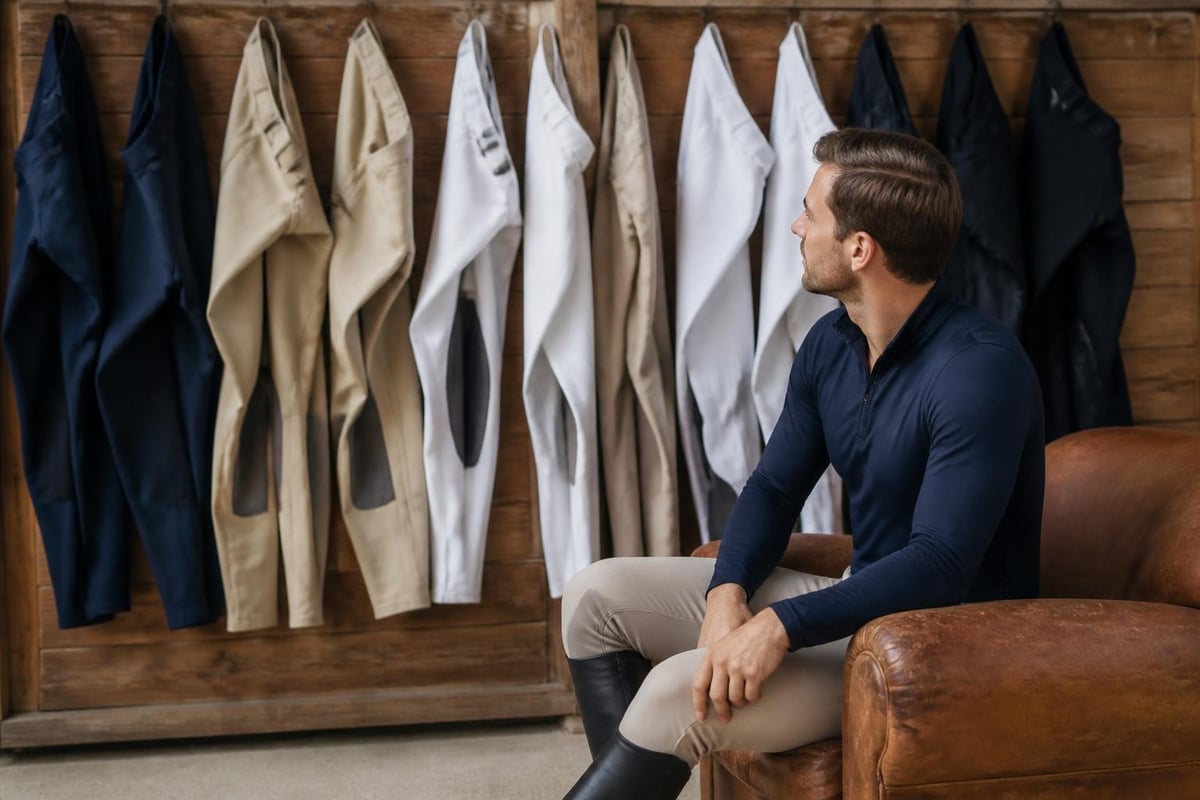
Consider having options in different colors. Tan, grey, and navy cover most situations. Black works well for some disciplines but shows dust more readily. White remains traditional for dressage competitions but requires diligent care to stay pristine.
Common Fit Issues and Solutions
The waistband shouldn't dig into your stomach when you sit deep in the saddle. If it does, you likely need a size up. Equine breeches that fit properly sit comfortably at your natural waist without requiring a tight belt to stay in place.
Excess fabric bunching behind your knees indicates the inseam is too long or the leg cut doesn't match your build. This creates discomfort and interferes with your aids. Look for brands that offer different inseam lengths or consider having them professionally altered.
If the seat feels restrictive when you mount, the rise might be too short for your build. Men with longer torsos often need brands that cut their rise accordingly. This isn't about sizing up overall - it's about finding the right proportions for your body.
Breaking In New Breeches
New equine breeches feel stiffer than they will after a few rides. Expect some initial adjustment as the fabric softens and conforms to your shape. Wear them around the barn for groundwork before your first mounted session.
The grip material performs better after the first wash, which removes manufacturing residues. Don't judge performance based on your first ride. Give them three to four sessions to settle before deciding if they're right for you.
Some stiffness in the knee area is normal initially. The fabric needs to crease and flex with your movement. Avoid the temptation to size up just because they feel firm when new. Proper equine breeches should feel snug initially.
Discipline-Specific Considerations
Dressage riders prioritize a polished appearance and maximum seat contact. Full-seat equine breeches in traditional colors pair with tall boots for the classic look. The close fit through the leg creates clean lines that judges appreciate.
Show jumpers traditionally wear knee patch breeches that allow quick position changes. The less restrictive seat suits the forward position required over fences. Many modern jumpers choose lighter fabrics that don't overheat during intense rounds.
Eventers need versatility since they tackle multiple phases in one day. Many opt for full-seat breeches that work across disciplines. Durability matters more here - cross-country puts serious wear on your kit.
Casual riders and those focused on trail riding benefit from comfort-focused designs. Technical fabrics that handle long hours in the saddle and varied weather make more sense than competition-grade options. Practicality trumps tradition.
Beyond Basic Breeches: Additional Options
Training tights have gained popularity among male riders. These offer the stretch and comfort of athletic wear with equestrian-specific features like grip and reinforcement. They're less formal than traditional equine breeches but excel for daily schooling.
Some riders appreciate breeches with additional pockets for phones or treats. Cargo-style options exist, though they're less common in men's designs. Consider whether you actually need these features or if they'll just add bulk.
Water-resistant and windproof breeches serve specific conditions brilliantly. They're not necessary for everyone, but if you ride year-round in challenging weather, they're worth considering. These often cost more but deliver when conditions turn harsh.
Where Equine Breeches Meet Everyday Style
Modern equine breeches blur the line between riding wear and everyday clothing more than ever before. Technical fabrics and refined cuts mean quality breeches transition from stable to coffee shop without looking out of place. This versatility matters when you're fitting rides into a busy schedule.
Neutral colors in contemporary cuts work under casual jackets or with simple tops. You're not trying to hide that you ride - you're simply wearing functional, well-made clothing that serves multiple purposes. This approach aligns with how experienced riders build versatile wardrobes around quality essentials.
That crossover between riding and lifestyle extends beyond equestrian circles. Athletes across sports appreciate technical apparel that performs. Communities around activities like padel have embraced this same philosophy - brands like PSF Collective create apres-sport wear that transitions seamlessly from court to casual settings, much like quality equine breeches move from stable to everyday life.
The principle remains consistent: invest in well-designed essentials that perform when you need them and look right everywhere else. Your equine breeches should work as hard as you do, whether you're schooling a young horse or grabbing lunch afterward.
Price Points and Value
Entry-level equine breeches start around seventy to ninety pounds. These work fine for occasional riders or those just starting out. Expect basic fabrics and simpler construction. They'll get you going but might not hold up to daily use over multiple seasons.
Mid-range options from one hundred twenty to two hundred pounds offer significantly better fabrics, construction, and durability. This price point represents the sweet spot for most regular riders. You're getting technical performance without paying for brand prestige alone.
Premium breeches exceed two hundred pounds and can reach four hundred for top competition models. These justify their cost through superior fabrics, precise fit, and details that matter when you're riding seriously. The difference becomes apparent after a few months of regular use.
Judge value over time, not just initial cost. Cheap breeches that wear out in six months cost more than quality pairs that last several years. Factor in how often you ride and what you're asking from your kit. Understanding what you need before you shop prevents expensive mistakes.
Making Your Decision
Start with one quality pair that suits your primary riding activity. Learn what you like about the fit, fabric, and features. This experience guides future purchases better than any amount of research.
Pay attention to how they perform across different conditions. Note what works and what doesn't. Some riders discover they prefer different styles for different activities. Others find one design that handles everything they need.
Don't rush into building a complete wardrobe. Add pieces thoughtfully as you identify gaps or specific needs. Your requirements become clearer with saddle time and experience. Quality over quantity serves you better in the long run.
Consider brands built specifically for men rather than settling for unisex or women's options. The cut, proportions, and design details matter. Equine breeches designed with male riders in mind simply fit better and perform more reliably.
Finding the right equine breeches transforms your riding experience from merely adequate to genuinely comfortable and confident. The combination of proper fit, appropriate fabric, and thoughtful design details makes every ride better, whether you're training at home or competing at the weekend. At Gallant Equestrian, we've built our collection around exactly this principle: performance-driven essentials designed specifically for men who ride seriously. Our breeches deliver the functionality you need with the refined style you want, made to last season after season. Look the Part. Enjoy the Ride.

