

Discount Riding Apparel: Quality Gear Without Compromise
Sep 28, 2026
Every rider knows the financial reality of equestrian sport. Between livery costs, training fees, and tack maintenance, your clothing budget can feel like an afterthought. Yet what you wear matters profoundly to your performance, comfort, and confidence in the saddle. Finding discount riding apparel that actually delivers on quality requires more than simply hunting for the lowest price tag. It demands a strategic approach to building a wardrobe that serves you well, lasts years, and doesn't compromise your riding experience.
Understanding True Value in Equestrian Clothing
The concept of discount riding apparel often gets misunderstood. We're not talking about cheap knock-offs that fall apart after three washes or breeches that lose their shape after a fortnight. Real value emerges when performance-driven design meets accessible pricing. This happens through end-of-season sales, direct-to-consumer brands eliminating retail markup, or manufacturers who prioritize longevity over fleeting trends.
Quality construction matters more than initial cost. A properly designed pair of men's breeches with reinforced stitching and technical fabrics will outlast three cheaper alternatives, making the per-wear cost substantially lower. The mathematics of value become clear when you calculate lifespan against purchase price.
The Cost-Per-Wear Calculation
Smart riders think in cost-per-wear rather than sticker price. Consider a £180 riding jacket worn three times weekly for two years versus a £60 jacket lasting six months under the same conditions. The premium option costs approximately 58 pence per wear, while the budget version runs 77 pence per wear, assuming you replace it four times across the same period.
This calculation transforms how you evaluate discount riding apparel. Durability, fabric performance, and construction quality become your primary metrics, not the discount percentage advertised.
Strategic Timing for Discount Purchases
End-of-Season Opportunities
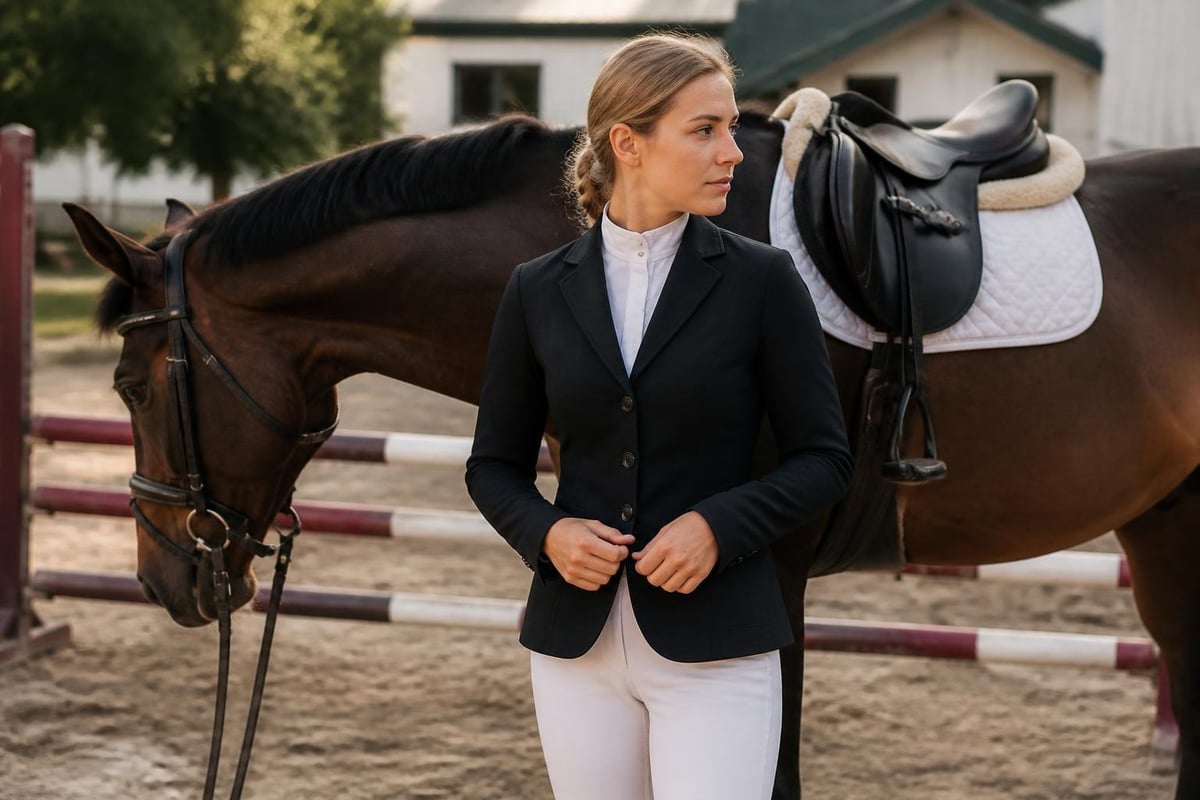
Retailers clear inventory as seasons change, creating predictable windows for finding discount riding apparel. February and March bring winter clearances on jackets and thermal layers. August and September see summer competition wear marked down significantly. These transitions offer genuine savings on full-specification gear rather than compromised quality.
The key is purchasing for next season rather than immediate need. Buying your winter riding jacket in March for the following November requires planning, but the savings often reach 30-50% off retail pricing.
Sample Sales and Factory Outlets
Direct-from-manufacturer purchasing eliminates intermediary markup. Brands built around direct-to-consumer models can offer premium quality at accessible pricing by cutting out traditional retail channels. Factory outlets occasionally stock previous season colors or styles with minor cosmetic variations at substantial discounts, though core performance remains identical.
Sample sales present another avenue, though they require flexibility in sizing and color preferences. These events typically happen twice yearly and may offer current-season gear at 40-60% reductions.
Building a Functional Wardrobe Efficiently
Core Essentials First
When seeking discount riding apparel, prioritize foundational pieces that receive daily use. Your investment hierarchy should begin with breeches, followed by base layers, then outerwear, and finally specialty competition wear. This approach ensures your most-worn items deliver maximum comfort and performance.
Two or three quality pairs of breeches in neutral colors form the wardrobe foundation. Navy, black, and stone shades work across disciplines and settings. Once these essentials are secured, you can expand selectively based on your specific riding schedule and requirements.
The Versatility Factor
Premium discount riding apparel should transition seamlessly between stable work, lessons, and everyday wear. Technical fabrics that resist odor and moisture while maintaining professional appearance multiply the value of each piece. A well-designed polo shirt or hoodie that looks appropriate for both post-ride errands and casual social settings effectively serves double duty in your wardrobe.
This versatility matters particularly for items purchased at discount prices. When a piece works across multiple contexts, the effective cost-per-wear drops dramatically compared to single-purpose garments gathering dust between shows.
Fabric Technology and Long-Term Performance
| Fabric Feature | Performance Benefit | Longevity Impact |
|---|---|---|
| Four-way stretch | Freedom of movement | Maintains shape over time |
| Moisture-wicking | Temperature regulation | Prevents fabric breakdown |
| Reinforced stitching | Durability under stress | Extends usable life 2-3x |
| UV resistance | Color retention | Prevents fading and degradation |
| Anti-microbial treatment | Odor control | Reduces washing frequency |
Understanding fabric technology helps you identify legitimate discount riding apparel versus false economy. Technical fabrics cost more to produce but deliver exponentially better performance and durability. When these advanced materials appear at reduced prices through seasonal sales or direct brands, you've found genuine value.
Material Durability Indicators
Examine fabric weight and construction density. Quality riding apparel typically uses 200-250 gsm (grams per square meter) for breeches and 280-320 gsm for outerwear. These specifications indicate substance without excessive bulk. Lower weights may reduce initial cost but compromise longevity and performance.
Seam construction reveals manufacturing quality. Flatlock seams prevent chafing while distributing stress evenly across the garment. Reinforced stress points at knees, seat, and waistband separate workmanship-focused brands from those prioritizing appearance over function.
Avoiding False Economy Purchases
Red Flags in Budget Apparel
Not all discount riding apparel represents genuine value. Certain warning signs indicate compromised quality that will cost more in replacements and frustration. Excessively low pricing compared to market standards often signals substandard materials or poor construction. A £25 pair of breeches from an unknown brand lacks the technical fabrics and engineering required for serious riding.
Vague sizing information creates another concern. Reputable manufacturers provide detailed measurements and fit guidance. Generic size charts suggesting one size fits multiple body types rarely deliver satisfactory results for men's equestrian clothing, which requires precise tailoring through the seat, thigh, and calf.
Brand Heritage and Reputation
Established brands with riding heritage understand the demands placed on equestrian clothing. Their discount offerings through seasonal sales or outlet channels maintain the same construction standards as full-price items. Color variations, previous season cuts, or overstock situations create these opportunities without quality compromise.
Newer direct-to-consumer brands can also deliver exceptional value when they focus on functionality and rider feedback rather than marketing hype. Research company backgrounds, read detailed reviews from actual riders, and verify return policies before committing to unfamiliar brands.
Secondhand and Vintage Considerations
The secondhand market offers another avenue for finding discount riding apparel, though it requires careful evaluation. Quality men's riding clothing often appears in excellent condition from riders who've changed sizes or disciplines. Competition breeches and technical jackets particularly hold value when properly maintained.
Assessing Used Condition
Inspect seams for separation or excessive wear. Check zippers for smooth operation and intact teeth. Examine fabric for pilling, thinning, or permanent staining. Premium materials age gracefully when cared for properly, making secondhand purchases from quality brands often superior to new budget alternatives.
Breeches deserve particular scrutiny in the seat and inner leg where friction and stress concentrate. Slight fading is acceptable; structural wear is not. Elastic components in waistbands should retain tension without excessive looseness.
Seasonal Layering Strategy
| Season | Core Layer | Mid Layer | Outer Layer | Budget Priority |
|---|---|---|---|---|
| Winter | Thermal base | Fleece or wool | Waterproof jacket | Outer layer quality |
| Spring | Moisture-wicking tee | Light jumper | Wind-resistant shell | Versatile mid-layer |
| Summer | Breathable polo | Optional | UV-protective shirt | Base layer performance |
| Autumn | Long-sleeve base | Insulated vest | Water-resistant jacket | Layering flexibility |
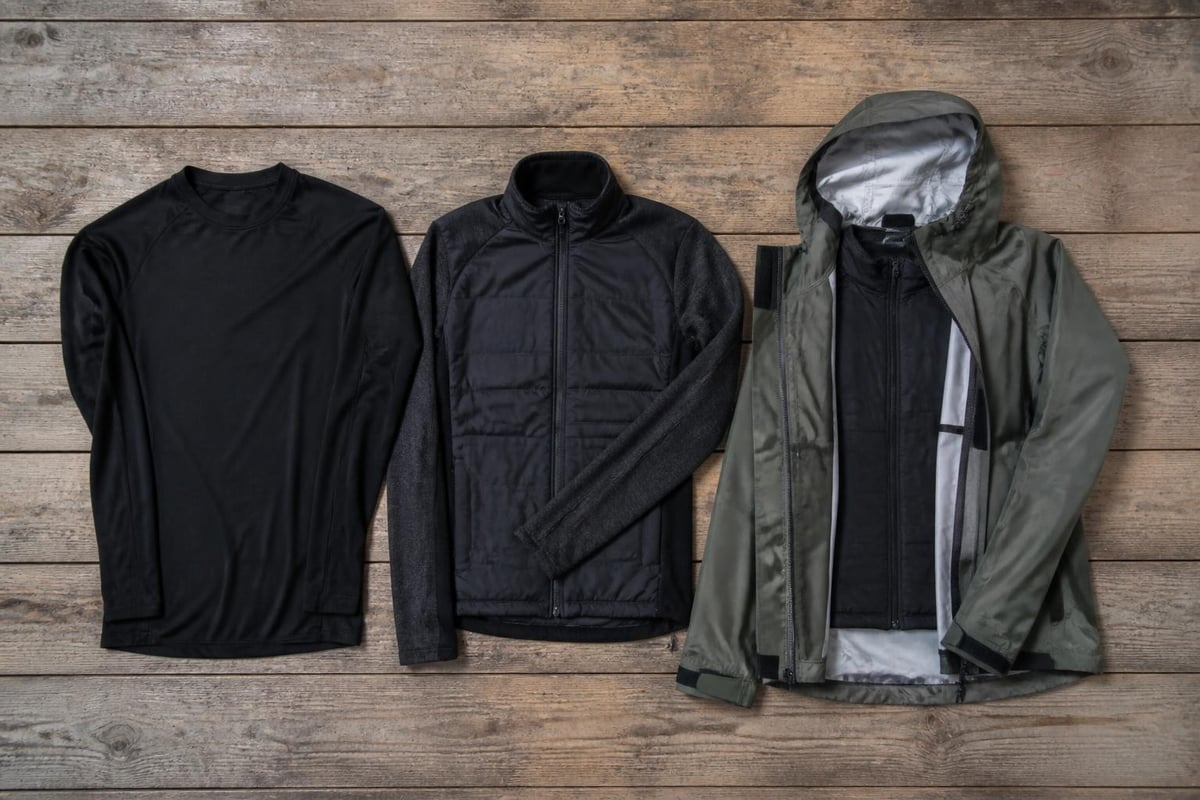
Building a discount riding apparel wardrobe around layering principles maximizes versatility while controlling costs. One quality waterproof outer layer serves across three seasons when paired with appropriate underlayers. This approach requires fewer specialized pieces while maintaining comfort across weather conditions.
Temperature Regulation Through Layers
Technical base layers manage moisture and temperature regulation most effectively. Investing here pays dividends in comfort during intense riding sessions. Mid-layers provide insulation and can transition to standalone tops for stable work or casual wear. Outer layers protect against wind and precipitation, making weather-appropriate fabric selection critical.
When seeking discount riding apparel, prioritize base and outer layers for quality investment. Mid-layers offer more flexibility for budget-conscious purchases as they face less direct performance demands.
Maintenance for Maximum Lifespan
The true cost of discount riding apparel extends beyond purchase price to include care requirements. Proper maintenance dramatically extends garment lifespan, improving overall value. Technical fabrics require specific care protocols to maintain performance properties.
Washing frequency impacts longevity significantly. Modern moisture-wicking and anti-microbial treatments mean quality riding clothes need less frequent washing than traditional cotton garments. Spot-cleaning and airing between uses reduces fabric stress and preserves technical properties.
Care Best Practices
Cold water washing protects fabric integrity and prevents color fading. Technical fabrics respond poorly to heat, which can damage moisture-wicking treatments and elastic components. Skip fabric softeners entirely as they coat fibers and reduce breathability and moisture management.
Air drying preserves elasticity and prevents heat-related shrinkage. Tumble drying ages technical fabrics prematurely, creating false economy from discount purchases. Investment in quality hangers and drying space pays returns through extended garment life.
Storage matters too. Clean garments stored in climate-controlled spaces away from direct sunlight maintain their properties far longer than those left in damp tack rooms or hot car boots.
Direct-to-Consumer Advantages
Traditional retail markup often doubles wholesale pricing, creating substantial room for discount riding apparel through direct purchasing models. Brands manufacturing in-house and selling directly to riders eliminate intermediary costs while maintaining quality control throughout production.
This business model allows premium materials and construction at accessible pricing. Without retail partnerships to maintain, direct brands can offer better value while building customer relationships through responsive service and rider-focused design iteration.
Quality Control Benefits
Direct manufacturing enables rigorous quality standards without price pressure from retail margins. Brands stake their reputation on each piece shipped, knowing dissatisfied customers communicate directly rather than through retailer filters. This accountability often results in superior product consistency compared to mass-market alternatives.
When evaluating equestrian clothing options, consider how purchasing directly from manufacturers affects both pricing and product quality. The savings aren't merely discounts but fundamental business model efficiencies passed to riders.
Fit Precision and Sizing Confidence
Discount riding apparel loses value rapidly when sizing proves incorrect. Men's riding clothing requires specific tailoring through seat, thigh, and rise that differs substantially from casual wear. Understanding your measurements and how they translate to each brand's sizing prevents costly mistakes.
Quality brands provide detailed sizing charts with multiple measurement points. Compare your actual measurements rather than relying on standard clothing sizes. Breeches particularly demand precision as improper fit creates discomfort and restricts movement in the saddle.
Return Policy Importance
Generous return policies signal brand confidence in their products while protecting your investment in discount riding apparel purchases. Verify return windows and condition requirements before ordering. Some brands offer free returns or exchanges, effectively eliminating risk from online purchasing.
First-time purchases from new brands benefit from ordering two sizes when uncertain. The slight inconvenience of returning one option costs less than keeping ill-fitting gear or paying return shipping multiple times to find proper fit.
Competition Wear Considerations
Competition breeches and show shirts command premium pricing due to specialized styling and fabric requirements. Finding these items as discount riding apparel requires patience and strategic timing. End-of-season sales, discontinued colors, or overstock situations create opportunities for significant savings on competition-quality gear.
Show wear sees intermittent use compared to daily riding clothes, making condition and longevity somewhat less critical. However, competition environments demand polished appearance and reliable performance under pressure. Balance savings against the confidence that comes from knowing your kit performs flawlessly when it matters most.
Show Season Planning
Purchase competition wear well ahead of show season to capitalize on off-season pricing. January through March typically offers best selection and pricing for summer competition gear. This forward planning ensures proper fit verification and any needed alterations happen without time pressure.
Consider neutral colors in competition wear as they maintain relevance across seasons and trends. Navy, black, and white competition breeches pair with any coat color and remain show-appropriate regardless of fashion shifts.
Building Long-Term Value
Discount riding apparel purchases should contribute to a coherent wardrobe strategy rather than opportunistic bargain-hunting. Each addition should fill a genuine need or replace worn items. Buying simply because something is on sale leads to closets full of rarely-worn pieces that deliver poor value regardless of discount percentage.
Assess your riding schedule honestly. Daily riders require more base layer rotation and durable breeches. Weekend riders might prioritize versatile pieces that work for both riding and casual wear. Competition-focused riders need specialized show wear alongside training clothes.
This strategic approach ensures discount purchases actually enhance your riding experience rather than creating clutter and buyer's remorse. Quality pieces bought intentionally at good prices outperform random bargains every time.
Finding genuine value in riding apparel comes down to understanding quality construction, strategic timing, and honest assessment of your riding needs. The best discount riding apparel balances performance, durability, and style without compromise. When you're ready to build a wardrobe that performs in the saddle and transitions seamlessly to everyday life, Gallant Equestrian offers precisely that balance: performance-driven design, premium materials, and honest pricing built for riders who refuse to choose between function and style. Look the Part. Enjoy the Ride.

