

Equestrian Outfitter: Guide for Modern Riders (2026)
Sep 08, 2026
Finding the right equestrian outfitter changes everything about how you ride. Whether you're competing at dressage shows, hacking through countryside trails, or managing a busy yard, the clothing and gear you choose directly impacts comfort, performance, and confidence. A good equestrian outfitter doesn't just sell riding clothes; they understand the specific demands of men's equestrian wear, from tailored breeches that move with you in the saddle to jackets that look sharp at the stables and beyond. In 2026, riders expect more than basic functionality. They want gear that performs under pressure, fits properly, and transitions seamlessly from arena to everyday life.
What Defines a Quality Equestrian Outfitter
The best equestrian outfitter combines deep riding knowledge with practical product selection. They know that men's riding wear requires different cuts, proportions, and features compared to women's apparel. A quality outfitter stocks garments designed specifically for male riders, with attention to shoulder width, torso length, and movement patterns that matter in the saddle.
Material selection separates exceptional outfitters from average ones. Look for fabrics that combine stretch, breathability, and durability. Modern technical textiles should wick moisture during intense riding sessions, resist wear in high-friction zones, and maintain their shape after countless washes. Performance materials continue evolving, with recycled synthetics and responsibly sourced natural fibers becoming standard in premium riding wear.
Service quality matters just as much as product quality. A knowledgeable equestrian outfitter helps riders understand fit, care instructions, and the right gear for specific disciplines. They answer questions about competition requirements, official USEF rulebook specifications, and practical considerations like layering for changing weather conditions.
Essential Gear Every Rider Needs
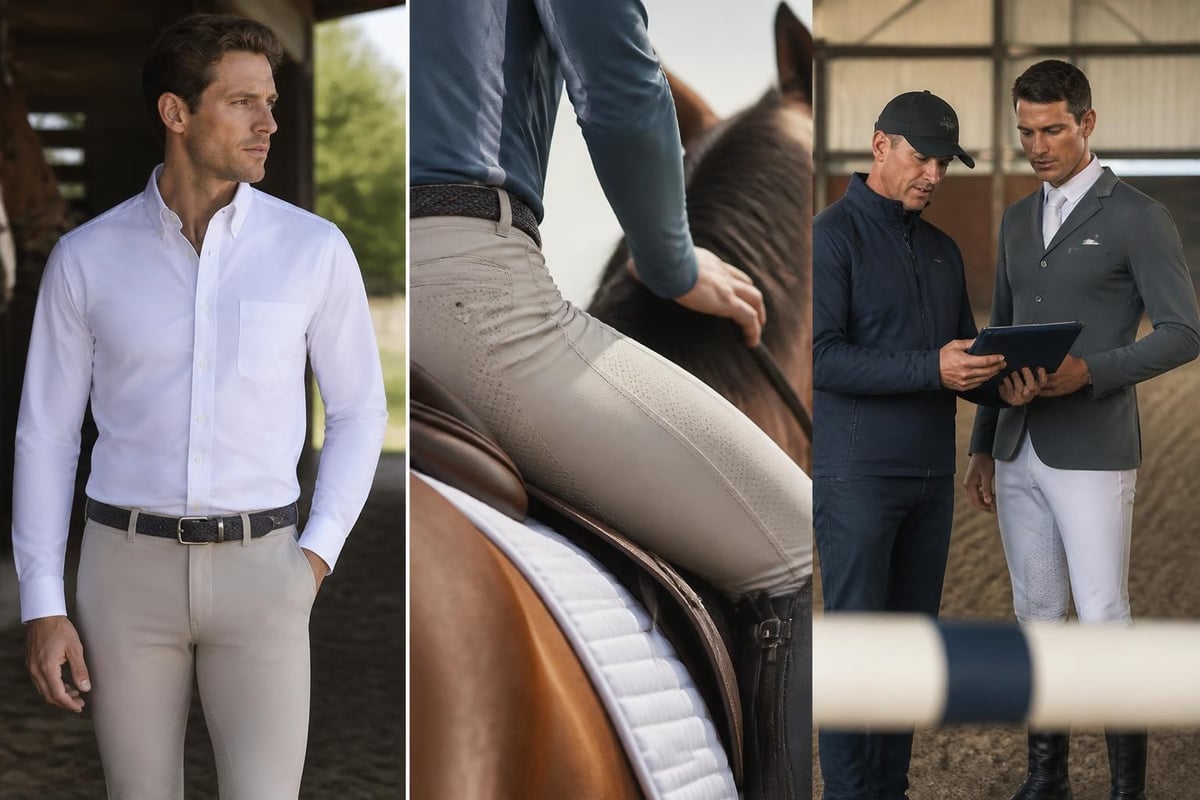
Building a functional riding wardrobe starts with core pieces that work across multiple settings. Quality breeches form the foundation. They should offer four-way stretch, reinforced inner legs, and a comfortable mid-rise waist that stays in place during posting trot or extended canters. Knee-patch or full-seat grip variations depend on your discipline and preference.
Competition Essentials
Show requirements vary by discipline, but certain standards remain consistent. Competition shirts need structured collars, breathable fabrics, and a tailored fit that looks professional under a jacket. Show shirts in white or subtle patterns meet most dress codes, while darker options work for specific divisions.
Competition breeches demand higher standards than everyday riding pants. Look for designs with full-seat grip for dressage or knee-only options for jumping disciplines. The right competition tie completes the formal appearance required in many divisions.
Training and Everyday Riding
Daily yard work and training sessions require different priorities. Comfort, durability, and easy care become paramount when you're riding multiple horses or working long days. Polo shirts offer a smart-casual option that transitions well from stable to pub, whilst short-sleeve technical tees keep you cool during intensive schooling sessions.
Layering pieces extend your riding season. A quality sweatshirt provides warmth without bulk, whilst a rain jacket protects against unpredictable weather. These items should move freely with your riding position and resist the wear that comes from daily stable tasks.
| Garment Type | Competition Use | Training Use | Key Features |
|---|---|---|---|
| Breeches | Full-seat grip, tailored fit | Durable stretch, reinforced panels | Four-way stretch, mid-rise waist |
| Shirts | Structured collar, white/subtle | Moisture-wicking, easy care | Breathable, allows full range of motion |
| Jackets | Formal show coat (discipline-specific) | Weather-resistant, layerable | Shoulder mobility, durable construction |
| Base Layers | Competition whites, seamless | Quick-dry, temperature regulation | Flatlock seams, anti-odor treatment |
How Outfitters Support Different Disciplines
Each riding discipline brings specific gear requirements. A specialized equestrian outfitter understands these nuances and stocks appropriate options for various riding styles. Dressage riders need formal attire that meets FEI competition standards, including white or light-colored breeches for certain levels and properly fitted show coats.
Eventers require versatile wardrobes that cover dressage, show jumping, and cross-country phases. This means owning competition whites for dressage tests, protective body protectors for cross-country, and gear that transitions quickly between phases. The best outfitters help riders plan complete competition outfits that meet safety standards without compromising on fit or style.
Show jumpers often enjoy more flexibility in competition wear, but quality remains essential. Breeches must allow deep positions and quick transitions, whilst jackets need shoulder mobility for following hand positions over fences. Many riders prefer darker colors that hide arena dust and require less frequent washing between classes.
Safety Gear Considerations
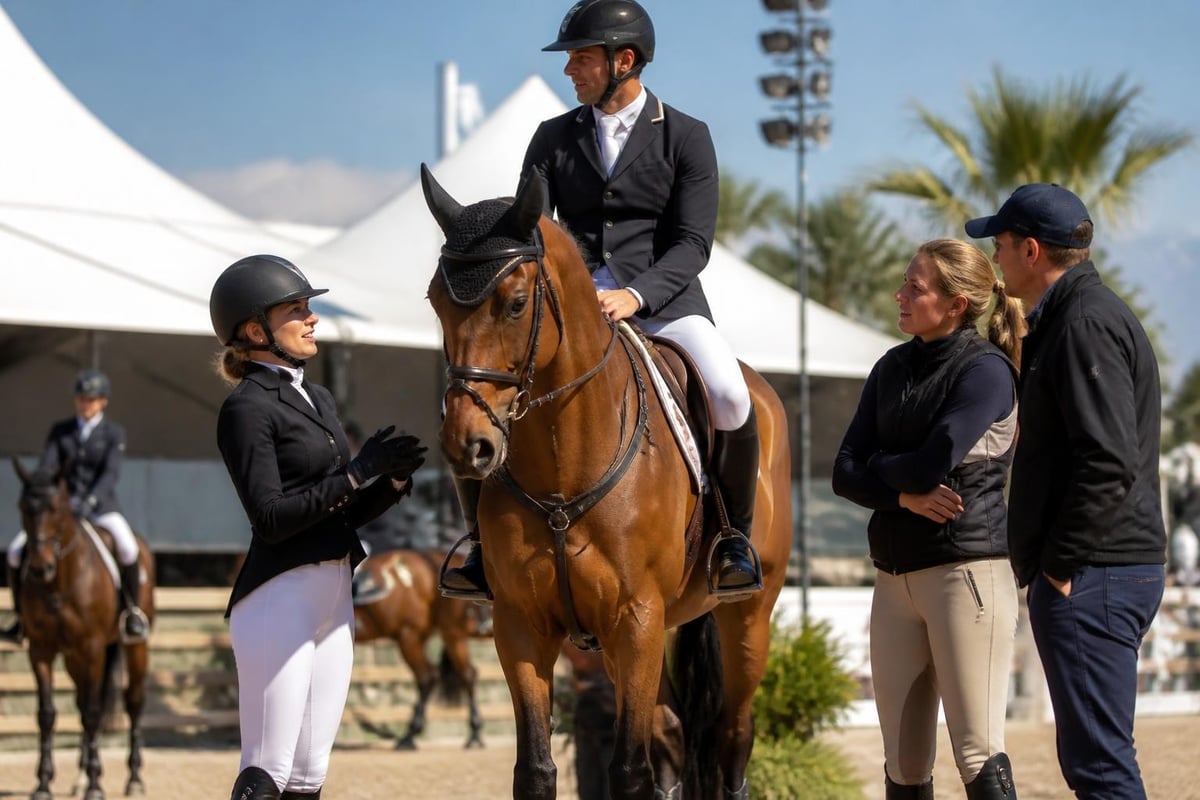
Safety equipment represents a critical area where outfitter expertise proves invaluable. Whilst body protectors and helmets fall outside typical clothing categories, a comprehensive equestrian outfitter provides guidance on ASTM safety standards and proper fitting procedures. Many riders underestimate how much protective gear fit affects both safety and comfort.
The British Horse Society's practical guidance emphasizes that proper clothing contributes directly to rider safety. Long trousers prevent chafing and protect legs from stirrup leathers, whilst appropriate footwear with defined heels prevents feet slipping through stirrups. A good outfitter reinforces these fundamentals whilst helping riders choose gear that meets both safety and style expectations.
Building a Complete Riding Wardrobe
Smart riders approach their wardrobe systematically rather than accumulating random pieces. Start with core essentials that cover your primary riding activities, then expand based on specific needs. An everyday foundation might include two pairs of quality breeches, several technical shirts, and weather-appropriate outerwear.
Consider how pieces work together. Curated kits that bundle complementary items save time and ensure coordinated looks. A neutral color palette built around navy, black, bone, and olive provides maximum versatility whilst maintaining a refined appearance.
Seasonal Planning
Your equestrian outfitter should help plan seasonal transitions. Winter requires thermal base layers, insulated but mobile outerwear, and breeches that accommodate extra layers without restricting movement. Winter riding collections focus on warmth without bulk, using technical insulation that breathes during active riding.
Summer demands moisture management and UV protection. Light-colored fabrics reflect heat, whilst technical weaves promote airflow. Quick-dry materials become essential when you're riding multiple horses in warm conditions. Don't overlook the value of quality polo shirts that look professional whilst keeping you comfortable in rising temperatures.
Wet weather gear deserves special attention. A proper rain jacket should be waterproof yet breathable, with enough length to cover your seat in the saddle. Look for designs with adjustable cuffs, storm flaps, and packable construction that allows you to keep protective layers on hand.
The Business Side of Equestrian Outfitting
For those considering entering the equestrian retail market, understanding the business fundamentals proves essential. The Small Business Administration's launch guidance provides frameworks for starting retail operations, from business planning to licensing requirements. The equestrian market represents a substantial opportunity, with industry data showing consistent growth in participation and spending.
Successful equestrian outfitters identify specific niches rather than attempting to serve all riders equally. Focusing on men's riding wear, for instance, addresses an underserved segment within a broader market. This specialization allows deeper product development, better fit standards, and more targeted marketing that resonates with specific rider needs.
Location strategy varies depending on your business model. Traditional brick-and-mortar shops benefit from proximity to riding centers, competition venues, and affluent equestrian communities. Direct-to-consumer online businesses prioritize exceptional product photography, detailed sizing guides, and responsive customer service that builds confidence in remote purchases.
Sourcing and Quality Standards
Product sourcing separates exceptional outfitters from mediocre ones. Direct relationships with manufacturers who understand riding demands ensure better quality control and design input. New Zealand, known for its agricultural heritage and outdoor lifestyle brands, has emerged as a source for durable, well-designed equestrian wear that balances functionality with contemporary style.
Quality standards must be non-negotiable. Every garment should undergo rigorous testing for colorfastness, seam strength, and dimensional stability. Grip materials need proper adhesion and durability testing. Zippers, buttons, and closures should withstand hundreds of cycles without failure. These standards protect both your reputation and your customers' investment.
| Business Aspect | Key Consideration | Success Factor |
|---|---|---|
| Product Selection | Curated range vs. broad inventory | Deep expertise in chosen niche |
| Pricing Strategy | Premium positioning vs. volume sales | Value alignment with quality delivered |
| Customer Service | Fit advice and returns policy | Knowledgeable staff, generous guarantees |
| Marketing Channels | Trade shows, social media, partnerships | Authentic content, rider testimonials |
Sustainability in Modern Equestrian Outfitting
Today's riders increasingly prioritize environmental responsibility. A forward-thinking equestrian outfitter addresses sustainability through material choices, production methods, and product longevity. Durable garments that last years rather than seasons reduce overall environmental impact whilst providing better value.
Material innovation drives sustainable improvements. Recycled polyester and nylon perform identically to virgin synthetics whilst reducing petroleum consumption. Responsible wool and cotton sourcing ensures animal welfare and fair labor practices. Transparent supply chains allow riders to understand exactly where their gear comes from and how it's made.
Longevity represents the most overlooked sustainability factor. A garment worn two hundred times has far less environmental impact than one discarded after twenty wears. Quality construction, timeless design, and proper care instructions all contribute to extended product life. An equestrian outfitter who emphasizes care and repair over constant replacement demonstrates genuine commitment to sustainability.
Fit and Sizing Guidance
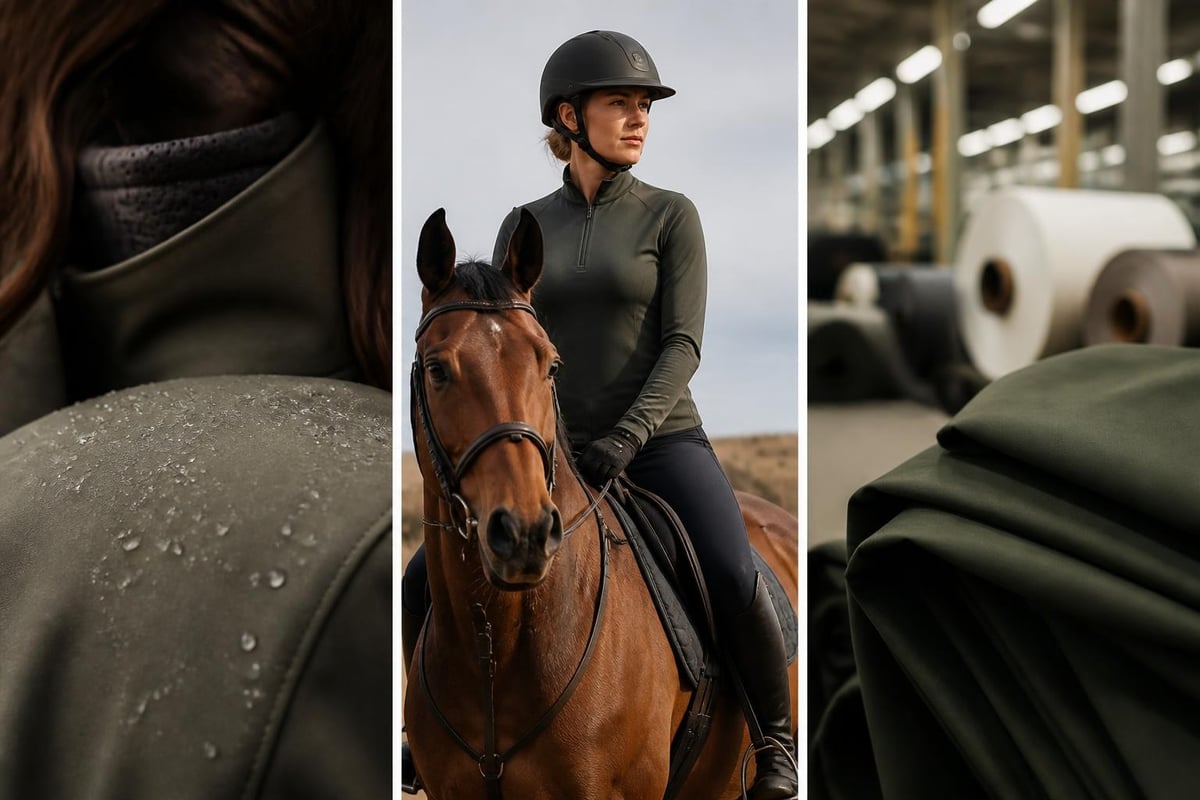
Proper fit transforms riding comfort and performance. Men's equestrian wear requires different proportions than women's clothing, with attention to shoulder width, torso length, and seat construction. A quality equestrian outfitter provides detailed size charts, fit descriptions, and guidance that helps riders select appropriate sizes on first attempt.
Breeches fit proves particularly critical. The waist should sit comfortably at your natural waistline without requiring a belt to stay in place. The seat should provide coverage when mounted without excess fabric bunching. Leg length should reach the top of your boot without riding up during sitting trot. Knee patches or full seats should align with your actual knee position and contact points.
Shirts and jackets need adequate shoulder mobility. Reach forward as though shortening reins; the fabric should move with you without pulling across your back or restricting arm extension. Sleeve length should allow full range of motion whilst covering wrists when arms are extended. Competition jackets require professional tailoring standards, with clean lines that maintain appearance throughout long competition days.
Care and Maintenance Standards
Proper garment care extends the life of quality riding wear significantly. Your equestrian outfitter should provide specific care instructions that preserve technical fabrics and specialized features. Most technical riding clothes perform best with cold water washing and air drying, avoiding heat that can degrade stretch fibers and grip materials.
Pre-treat stains from mud, manure, and sweat before washing. Sport-specific detergents designed for technical fabrics remove odors and oils more effectively than standard laundry products. Avoid fabric softeners, which coat moisture-wicking fibers and reduce their performance. Turn garments inside out to protect outer surfaces and grip panels during washing.
Storage matters more than many riders realize. Hanging breeches by the waistband prevents knee-patch distortion. Competition shirts need proper hangers that maintain collar shape. Keep riding gear separate from stable work clothes to prevent unnecessary exposure to dust and contaminants. Proper storage between uses maintains that fresh-from-the-outfitter appearance season after season.
The Future of Equestrian Retail
The equestrian outfitter landscape continues evolving. Direct-to-consumer brands challenge traditional retail models by controlling the entire customer experience from design through delivery. This approach allows faster response to rider feedback, better value through eliminated wholesale markups, and closer relationships with customers.
Technology integration improves the shopping experience. Virtual fit tools, augmented reality try-ons, and AI-powered size recommendations help online shoppers select appropriate sizes confidently. Detailed product videos showing fabrics, construction, and fit on actual riders provide information that static images cannot convey.
Community building separates memorable brands from forgettable vendors. The best equestrian outfitters create spaces, whether physical or digital, where riders connect, share experiences, and learn from each other. Educational content about riding techniques, horse care, and competition preparation adds value beyond simple product sales. This approach builds loyalty that survives temporary stock shortages or pricing pressures.
Customization options appeal to riders seeking personal expression. Monogramming, custom color combinations, and made-to-measure services allow individual style within professional appearance standards. These services command premium pricing whilst creating distinctive products that strengthen brand relationships.
Choosing the right equestrian outfitter shapes your entire riding experience, from daily comfort to competition confidence. Quality gear designed specifically for men's riding positions and proportions makes every moment in the saddle more enjoyable. Gallant Equestrian creates performance-driven riding wear that works as hard as you do, with New Zealand-designed pieces built to last through countless rides. From arena work to countryside hacking, find gear that moves with you and looks the part wherever your riding takes you. Look the Part. Enjoy the Ride.

