

Equestrian Show Shirts: The Modern Rider's Guide
Mar 21, 2026
Stepping into the show ring demands more than skill and precision. Your appearance speaks before you even enter the arena, and the right shirt can make the difference between blending in and standing out. Equestrian show shirts have evolved significantly over recent years, moving beyond basic white button-downs to incorporate technical fabrics, modern cuts, and designs that actually work with your body during competition. Understanding what makes a quality show shirt, how to choose the right one for your discipline, and how to maintain that crisp appearance throughout a long competition day isn't just about following rules. It's about presenting yourself with confidence and riding at your best.
What Defines a Quality Show Shirt
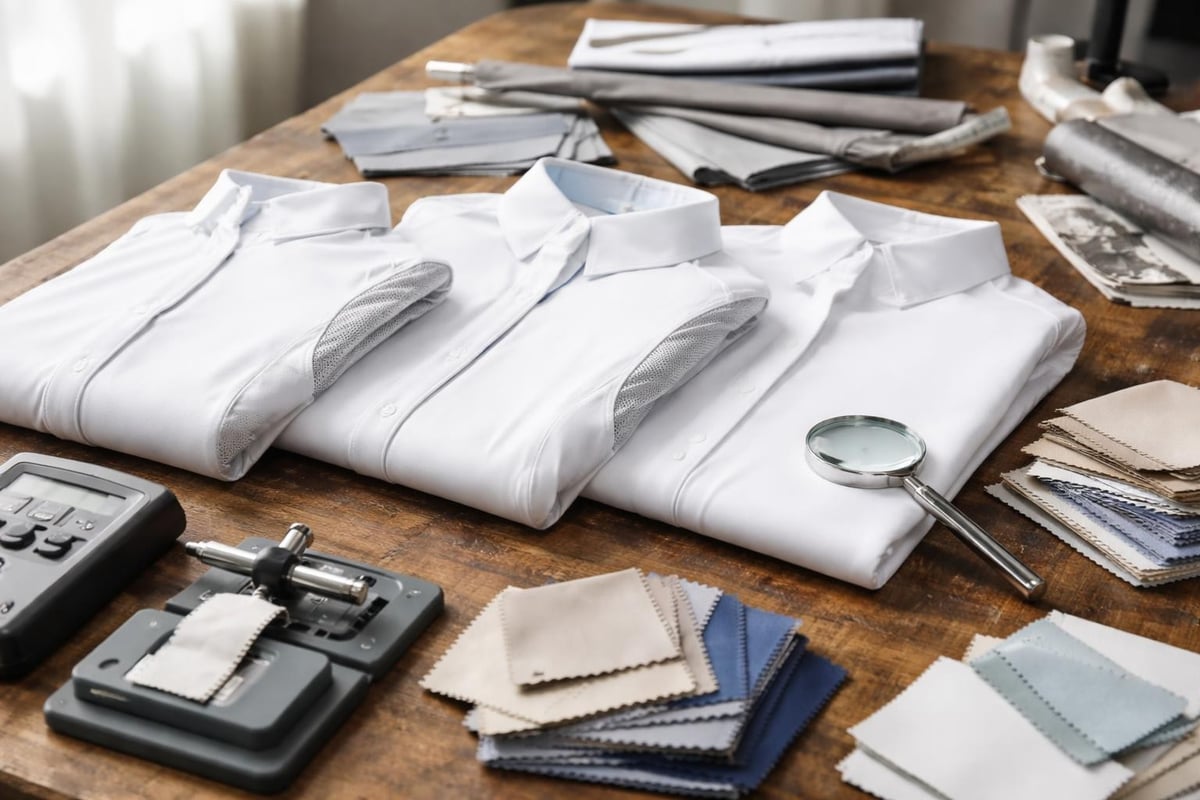
The foundation of any good equestrian show shirt starts with fabric selection. Modern performance materials have revolutionised what riders can expect from their competition wear. Moisture-wicking properties keep you dry during warm-up classes, while four-way stretch ensures full range of motion through your shoulders and arms.
Traditional cotton shirts still have their place, particularly in disciplines with strict dress codes. However, the shift toward technical fabrics reflects what riders actually need in the arena. Breathability matters when you're warming up in full sun before an afternoon class. Quick-dry capabilities mean you won't feel clammy between rounds.
Construction quality separates shirts that last one season from those that endure years of competition. Reinforced seams at stress points prevent tearing during mounting or intense riding. Collar stiffness maintains its shape after dozens of washes, keeping that professional appearance intact.
The fit through the shoulders and chest affects both comfort and presentation. Too tight restricts movement during posting or reaching forward in jumping position. Too loose creates unwanted bulk under your jacket, disrupting your silhouette. Modern competition wear addresses these concerns through anatomical pattern cutting designed specifically for riders.
Choosing the Right Style for Your Discipline
Dressage requires a different approach than show jumping or eventing. Understanding these distinctions helps you make informed choices that align with competition standards while expressing your personal style.
Dressage riders typically favour long sleeves with understated details. Subtle patterns or textured fabrics add visual interest without breaking traditional guidelines. Stock ties remain standard, requiring shirts designed with appropriate collar structures to accommodate them properly. The emphasis falls on clean lines and classic presentation that won't distract judges from your riding.
Show jumping allows more flexibility in design and colour. Short sleeves appear frequently in warmer climates, paired with ratcatcher collars that create a smart, functional look. Some competitions permit subtle patterns or contrasting details on collars and cuffs. This latitude lets riders incorporate current equestrian fashion trends while maintaining appropriate formality.
Eventing presents unique challenges across its three phases. Many riders select versatile shirts that transition between dressage and show jumping, prioritising durability for cross-country warm-ups. Practical features like reinforced elbows and antimicrobial treatments make sense for the demands of a long competition day.
Western disciplines follow entirely different conventions. Show shirts in these areas feature snap closures, yoke details, and longer tails designed to stay tucked during riding. Fabric choices lean toward structured materials that maintain crisp appearance despite heat and activity.
Polo combines athletic performance with traditional style elements. Shirts need exceptional mobility through the shoulders and torso while maintaining neat appearance. The 2026 color trend influences how modern polo players approach their competition wardrobe.
Fit Specifications That Matter
Getting the right fit in equestrian show shirts requires understanding how different areas of the garment function during riding. Standard menswear sizing often falls short of what riders actually need.
Sleeve length affects both appearance and comfort. When mounted, your arms reach forward, pulling sleeves up the forearm. Shirts designed for riding account for this with slightly longer sleeve measurements. Cuffs should sit at your wrist bone when your arms are in riding position, not when they hang at your sides.
Shoulder seams positioned correctly allow unrestricted movement through the full range of motion required for different riding styles. Raglan constructions or gusseted shoulders provide this mobility without creating excess fabric. Traditional set-in sleeves work fine if patterns are cut with sufficient ease through the upper back.
Torso length prevents the frustrating experience of shirts pulling untucked during posting or two-point position. Longer back hems stay secure, while front lengths avoid bunching under your belt line. Curved hem designs provide extra length where needed without adding unnecessary fabric elsewhere.
Collar proportions impact overall presentation, particularly in disciplines requiring stock ties. Collar points that are too short create an unbalanced look. Points extending too far risk peeking out inappropriately. Quality manufacturers consider these details in their pattern development.
Body shape varies significantly among riders. Athletic builds require different proportions than broader or slimmer frames. Exploring options from multiple brands, including Gallant Equestrian's collections, helps identify which manufacturers cut patterns that work best for your physique.
Modern Fabric Technology
The intersection of performance textiles and traditional equestrian style has produced remarkable advances in how equestrian show shirts function. These innovations address practical concerns without sacrificing appearance.
Moisture management systems work through strategic fabric engineering. Hydrophobic fibres move perspiration away from your skin to outer fabric layers where it evaporates quickly. This process maintains comfort and prevents that soaked feeling during intense competition sessions.
Antimicrobial treatments inhibit bacterial growth that causes odours. Particularly valuable for multi-day competitions or when travelling with limited wardrobe options, these treatments keep shirts fresh between washes.
UV protection built into fabric weaves shields your skin during outdoor competitions. This feature matters for riders spending hours in direct sunlight at summer shows. Protection ratings vary, with higher UPF numbers indicating greater sun protection.
Temperature regulation through phase-change materials or specialized weave patterns adapts to your body's needs. Fabrics warm up slightly when you're cool and promote cooling when you heat up during exercise.
Wrinkle resistance simplifies competition preparation. Shirts that maintain crisp appearance after being packed in garment bags save time and stress during show weekends. Some fabrics recover from creasing simply by hanging, eliminating ironing requirements.
Colour and Pattern Considerations
While white remains the default for many disciplines, expanding your colour palette strategically adds versatility to your competition wardrobe. Understanding which colours work within your discipline's guidelines prevents awkward surprises at competitions.
Pale blue presents as a safe alternative to white in many rule books. The subtle colour adds visual interest while maintaining traditional formality. Light blues complement most complexions and work well under dark jackets.
Cream and ivory tones offer another classic option. These colours can be more forgiving of dirt and sweat marks compared to stark white, though they still maintain appropriate formality for most competition environments.
Patterns must be evaluated carefully against competition rules. Thin pinstripes or subtle checks sometimes receive approval where bolder patterns wouldn't. Always verify current rules for your specific discipline and level before investing in patterned shirts.
Spring summer colour trends influence what manufacturers offer each season. However, classic colours maintain their value across years, making them smarter investments for most riders.
Coordinating your shirt colour with your jacket, breeches, and other elements creates a cohesive appearance. Navy jackets pair beautifully with white or pale blue shirts. Black jackets work with a broader range including whites, creams, and certain pale colours.
Maintenance and Longevity
Proper care extends the life of equestrian show shirts significantly. These garments represent meaningful investments, and treating them correctly protects that investment.
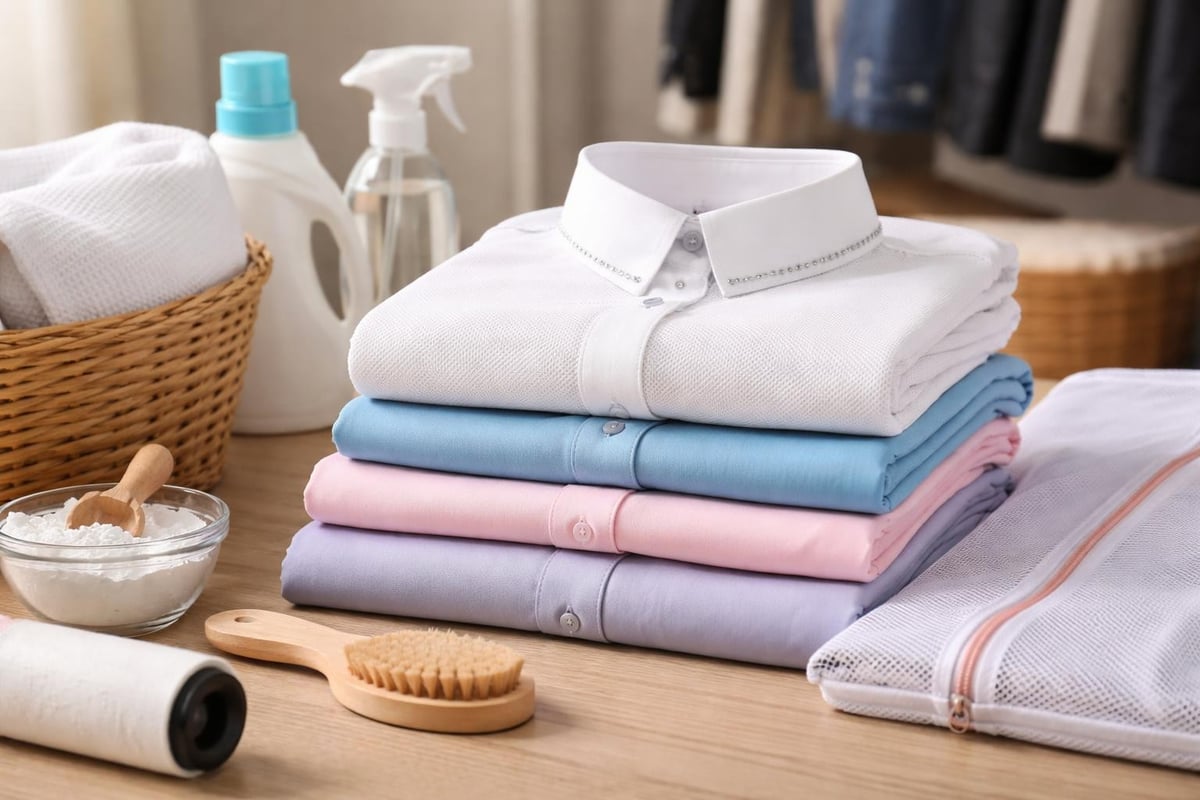
Pre-treating collars and cuffs before washing prevents yellowing and staining. Apply a small amount of specialized stain remover to these high-contact areas, allowing it to work for several minutes before washing. This simple step maintains the crisp white appearance that defines quality presentation.
Washing in cold water preserves both colour and fabric integrity. Hot water can degrade elastic fibres in technical fabrics and cause colours to fade prematurely. Cold water cleans effectively while protecting your garments.
Avoid fabric softeners with performance fabrics. These products coat fibres and interfere with moisture-wicking properties. If you prefer softer feel, use dryer balls instead, which fluff fabrics mechanically without chemical residue.
Air drying extends fabric life compared to machine drying. Heat from dryers breaks down elastic components and can cause shrinkage in certain materials. Hanging shirts to dry takes minimal extra effort and provides significant benefits.
Proper storage between competitions prevents unnecessary wrinkling and damage. Hanging shirts on proper hangers maintains shoulder shape. Garment bags protect against dust and light exposure that can cause fading over time.
Button all buttons before washing and storage. This maintains collar and placket shape, preventing distortion that occurs when these elements move freely during washing or hanging. Small details like this preserve professional appearance season after season.
Customization Options
Personalizing your equestrian show shirts allows subtle expression within competition guidelines. Understanding available options helps you make choices that enhance rather than detract from professional presentation.
Monogramming adds a refined personal touch. Placement on cuffs, collar points, or shirt tails keeps personalization visible without being ostentatious. Thread colour selection matters as much as font choice. Classic styles in matching or subtly contrasting colours work best.
Custom collar styles provide another avenue for personalization. Some manufacturers offer choices between traditional point collars, button-down styles, or modified spreads. Your discipline and personal preference guide these selections.
Contrast stitching on button plackets or collar edges adds visual interest while remaining appropriate for most competition environments. This detail creates distinction without crossing into overly casual territory.
Made-to-measure services address fit challenges that off-the-rack garments can't solve. For riders with proportions that don't match standard sizing, custom construction ensures proper fit through shoulders, sleeves, and torso. This investment makes sense for serious competitors who spend significant time in competition attire.
The style and customization focus in modern competition shirts reflects evolving attitudes toward personal expression within traditional frameworks. Finding the right balance creates distinctive appearance while respecting competition standards.
Technology Integration
Forward-thinking manufacturers are incorporating subtle technological features into equestrian show shirts. These innovations enhance functionality without obvious visual markers.
Compression zones in strategic areas provide muscle support during riding. Light compression through the core can reduce fatigue during long competition days. This technology works invisibly, integrated into the fabric construction itself.
Seamless construction eliminates potential chafing points. Particularly valuable in shirts worn under jackets for extended periods, this manufacturing technique creates smooth surfaces against skin. Laser-cut edges replace traditional seams in some high-end options.
Smart fabrics with embedded sensors remain largely experimental but point toward future possibilities. Imagine shirts that monitor heart rate or core temperature, providing data to optimize performance. While not yet common in competition environments, these technologies are in development.
Reflective elements for safety during early morning or evening riding appear in some training-focused designs. While not appropriate for show rings, these features add value to versatile pieces that serve multiple purposes.
The 2025 technological advancements in equestrian apparel continue pushing boundaries of what performance wear can achieve. Staying informed about these developments helps riders make educated choices as new options become available.
Building a Versatile Wardrobe
Strategic selection of equestrian show shirts creates a versatile competition wardrobe without excessive expense. Thinking systematically about your needs produces better results than impulse purchases.
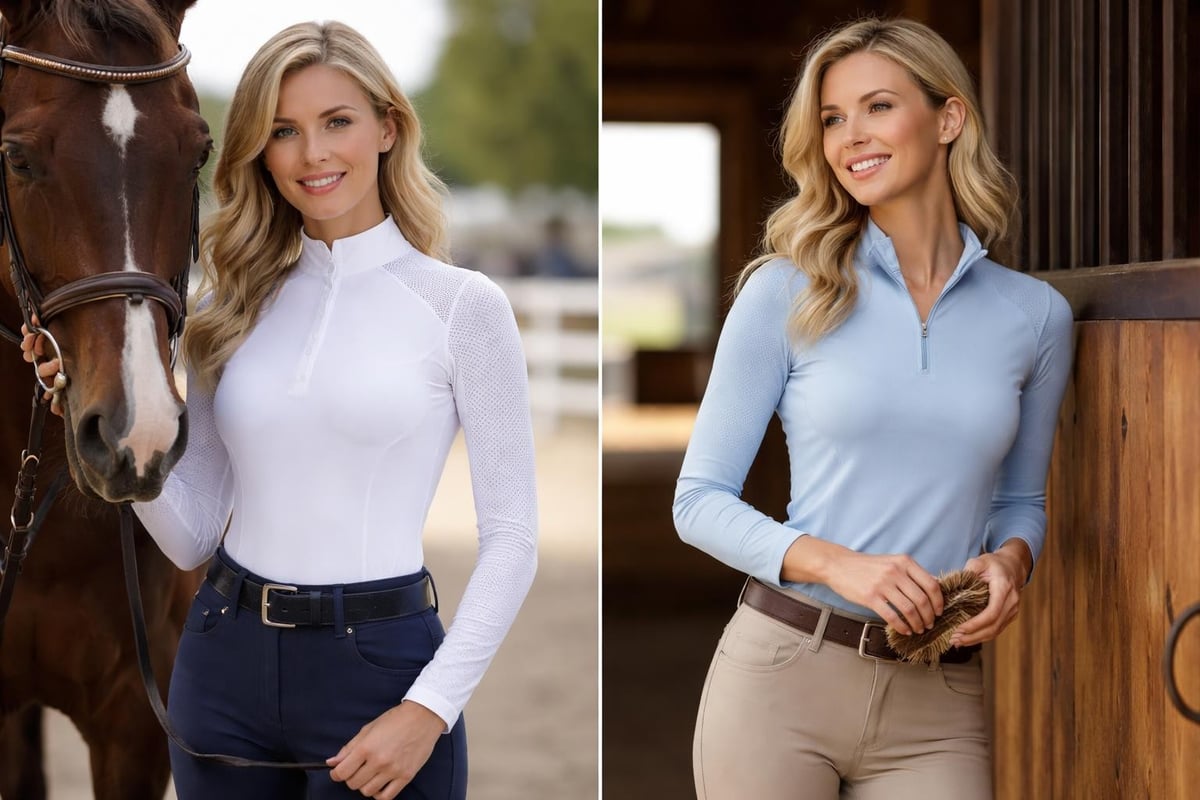
Start with two quality white shirts in your best fit. White works across all disciplines and levels, making it the foundation of any competition wardrobe. Having two allows one to be in the wash while the other remains ready for unexpected competitions.
Add one alternative colour that works within your discipline's rules. Light blue or cream provides variety while maintaining appropriate formality. This third shirt prevents monotony and gives you options when packing for multi-day shows.
Consider sleeve lengths based on your climate and competition schedule. If you ride primarily in warm conditions, short-sleeve options make sense. Cooler climates or winter competitions justify long-sleeve investments. Many riders find one of each provides ideal flexibility.
Special occasion shirts deserve consideration for championship events. These pieces might feature subtle details or premium fabrics that elevate your presentation for important competitions. They're not for everyday use but provide that extra confidence boost when it matters most.
Quality over quantity produces better long-term value. Three exceptional shirts that fit perfectly and last for years serve you better than six mediocre ones that pill, fade, or lose shape after one season.
Understanding how pieces from different categories work together streamlines your approach. Tees and polo shirts suitable for training complement your show wardrobe by providing consistent quality across different riding activities.
Seasonal Considerations
Competition calendars span diverse weather conditions, requiring thoughtful approach to equestrian show shirts across seasons. Your wardrobe should account for these variations.
Summer competitions demand maximum breathability and moisture management. Lightweight technical fabrics excel in hot, humid conditions. Short sleeves provide comfort during warm-up sessions, though discipline rules may require long sleeves in actual competition.
Winter shows in indoor arenas create different challenges. Warm-up areas can be cold, while arena lights and riding activity generate heat. Layering becomes important, with show shirts serving as a breathable base under jackets. Long sleeves provide necessary coverage without overheating.
Transitional seasons require the most versatility. Spring and autumn competitions might experience dramatic temperature swings throughout a single day. Shirts that regulate temperature effectively prove invaluable during these periods.
Travel considerations influence seasonal choices. Flying to competitions in different climates requires compact packing solutions. Wrinkle-resistant fabrics simplify preparation when arriving at destinations. Understanding fabric performance helps you pack appropriately for varying conditions.
Regional climate patterns affect which shirts see the most use in your rotation. Riders in consistently warm areas invest differently than those in temperate or cool regions. Align your purchases with the actual conditions you face most frequently.
Investment vs Budget Options
Price ranges for equestrian show shirts span from affordable basics to premium investment pieces. Understanding what drives these differences helps you allocate your budget effectively.
Entry-level options typically use simpler fabric constructions and standard fits. These shirts serve riders adequately, particularly those competing occasionally or at lower levels. They won't have advanced performance features or specialized cuts, but they meet basic requirements.
Mid-range selections often provide the best value for regular competitors. These shirts incorporate quality technical fabrics and improved fit details without luxury pricing. Durability improves noticeably compared to budget options, justifying the moderate price increase.
Premium shirts justify their cost through exceptional fabrics, precise construction, and design details that enhance both appearance and performance. For riders competing frequently at higher levels, these investments make sense. The longevity and performance benefits offset initial expense over time.
Brand reputation correlates somewhat with quality, though excellent value exists across price points. Research specific products rather than assuming price automatically indicates superiority. Reviews from other riders provide valuable insight into real-world performance.
Sales and end-of-season clearances offer opportunities to acquire quality pieces at reduced prices. Being flexible about colour or specific style details allows you to capitalize on these opportunities. Classic white shirts rarely see dramatic discounts but alternative colours often do.
The Role of Personal Style
Within the structure of competition requirements, space exists for expressing personal style through your choice of equestrian show shirts. Finding this balance creates distinctive appearance while respecting tradition.
Subtle details differentiate riders who thoughtfully curate their competition wardrobe from those who simply comply with rules. Collar styles, button choices, and fabric textures all contribute to overall impression without breaking guidelines.
Consistency in your presentation develops recognition. Judges and fellow competitors begin associating your polished appearance with your riding, creating positive overall impression. This consistency doesn't require wearing identical items but maintaining consistent quality and attention to detail.
Understanding your body type and colouring helps select shirts that enhance your natural appearance. Certain collar styles complement different face shapes. Colours that work well with your skin tone create healthier, more vibrant appearance.
Confidence stems partly from knowing you look appropriate and polished. When your shirt fits properly, feels comfortable, and meets competition standards, you can focus entirely on riding rather than worrying about appearance.
Personal style evolves with experience and exposure to different approaches. Observing successful riders' choices, experimenting within guidelines, and refining your preferences over time develops authentic style that reflects who you are as a rider.
Selecting the right equestrian show shirts transforms competition preparation from a source of stress into an element of confidence. The combination of proper fit, quality fabrics, and attention to detail ensures you present your best self every time you enter the arena. Gallant Equestrian creates performance-driven clothing designed specifically for men who ride, offering pieces that work as hard as you do while maintaining the refined appearance competition demands. Explore the collection and discover how the right gear elevates every ride.

