

Horse Riding Clothes NZ: Performance Gear for Men
Sep 20, 2026
Finding the right horse riding clothes in NZ means balancing performance, safety, and style in one of the world's most variable climates. For men who ride seriously, whether competing in the show ring or working on rural properties, your clothing needs to work as hard as you do. New Zealand's riding community demands gear that handles wet mornings, intense UV exposure, and the physical demands of time in the saddle. This guide breaks down what actually matters when building a riding wardrobe that performs across every discipline and transitions seamlessly from stable to everyday life.
The Foundation: Breeches and Riding Trousers
Your choice of breeches defines your comfort and effectiveness in the saddle. Modern horse riding clothes NZ riders rely on have evolved significantly beyond the stiff, uncomfortable options of decades past.
Full-seat breeches offer maximum grip and security, particularly valuable for dressage riders and those spending long hours training. The suede or silicone seat extends from waist to knee, providing consistent contact with the saddle. Knee-patch designs suit jumping disciplines and general riding, offering freedom of movement whilst maintaining essential grip where it counts.
Fabric technology matters more than most riders initially realize. Four-way stretch materials move with you rather than against you, reducing fatigue during extended rides. Moisture-wicking properties become critical during New Zealand summers or intense training sessions. Look for flatlock seams that prevent chafing and reinforced inner legs that withstand daily wear.
Fit and Practicality
Mid-rise and regular-rise cuts work best for men, avoiding the discomfort of low-rise designs when mounted. Ankle-length breeches pair cleanly with tall boots, whilst knee-length options suit paddock boots and half chaps. The right pair of breeches transforms your riding experience from tolerable to genuinely comfortable.
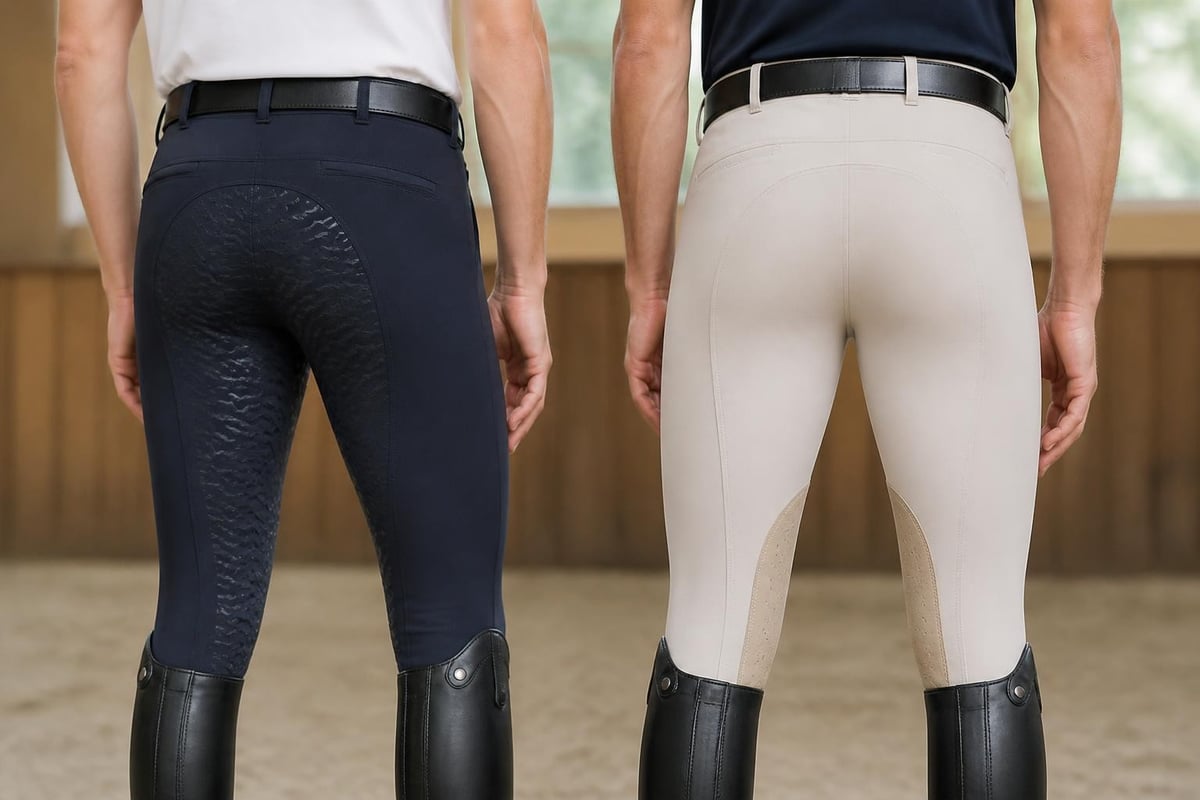
Waistband construction deserves attention. Wide, elasticated waistbands distribute pressure evenly and stay put without constant adjustment. Belt loops allow you to fine-tune the fit, essential as breeches break in and conform to your shape. Front pockets should sit flat to avoid bulges under your saddle, whilst rear pockets need secure closures to prevent losing essentials during active riding.
Weather-Ready Outerwear
New Zealand's climate demands versatile outerwear. Morning fog, midday sun, and afternoon rain can all occur within a single ride. Quality horse riding clothes NZ equestrians choose layer effectively to handle these rapid changes.
Technical Riding Jackets
Softshell jackets balance weather resistance with breathability. They shed light rain and block wind without the rustling stiffness of traditional waterproofs. Four-way stretch panels at shoulders and elbows allow full range of motion for controlling your horse. Look for designs cut longer in the back to prevent riding up when mounted, with articulated sleeves that follow the natural riding position.
Insulated jackets suit winter riding but avoid excessive bulk. Lightweight synthetic or down insulation provides warmth without restricting movement. Adjustable hems and cuffs seal out cold without feeling constrictive. Reflective details matter for early morning or evening rides on shared tracks and roads.
| Jacket Type | Best For | Key Features | Limitations |
|---|---|---|---|
| Softshell | Spring/Autumn, active riding | Stretch, breathable, wind-resistant | Not fully waterproof |
| Insulated | Winter, cold mornings | Warmth without bulk, packable | Can overheat quickly |
| Waterproof | Heavy rain, all seasons | Fully sealed seams, durable | Less breathable, can feel stiff |
Rain jackets require proper equestrian design. Generic outdoor jackets restrict shoulder movement and bunch awkwardly in the saddle. Purpose-built riding rainwear features split tails or longer backs, stretch zones, and secure pocket closures. Pit zips provide ventilation during intense work. Choose quiet fabrics that won't spook sensitive horses with excessive noise.
Base Layers and Shirts
What you wear under your jacket directly impacts comfort and performance. Technical base layers regulate temperature and manage moisture far better than cotton.
Merino wool works brilliantly for New Zealand conditions. It insulates when wet, naturally resists odour, and feels comfortable against skin across a wide temperature range. Long-sleeve merino tops layer easily under shirts or jackets, providing adaptable warmth you can fine-tune throughout the day.
Synthetic technical fabrics dry faster and often cost less than merino. They wick moisture aggressively, preventing the clammy feeling that develops during strenuous riding. Avoid overly tight compression fits unless specifically training; you need freedom to breathe and move naturally in the saddle.
Performance Polo Shirts
Polo shirts bridge the gap between technical performance and presentable style. Modern equestrian polos use moisture-wicking piqué or jersey fabrics with added stretch. They look sharp enough for casual competitions or lessons whilst remaining entirely functional for hard work. Collar designs stay neat without restricting neck movement or irritating skin over extended wear.
Long-sleeve polos extend sun protection and add versatility to your wardrobe. Roll the sleeves when temperatures rise, or layer under a vest for variable weather days. Quality construction means reinforced seams that survive repeated washing without pilling or losing shape.
Traditional riding shirts suit formal competitions and showing. Tailored cuts look professional whilst allowing full range of motion. Stretch cotton blends or technical fabrics outperform pure cotton for comfort and care. Removable collar stays maintain crisp lines throughout long competition days.
Safety Standards and Protective Gear
Safety considerations form a non-negotiable foundation for horse riding clothes NZ riders select. Equestrian Sports New Zealand helmet standards outline specific requirements for competition helmets, but safe riding starts with proper protective equipment every time you mount.
Helmets represent your primary safety investment. Modern designs combine impact protection with ventilation and comfort. Replace helmets after any significant impact or every five years, even without visible damage. The internal foam degrades over time, reducing protective capability.
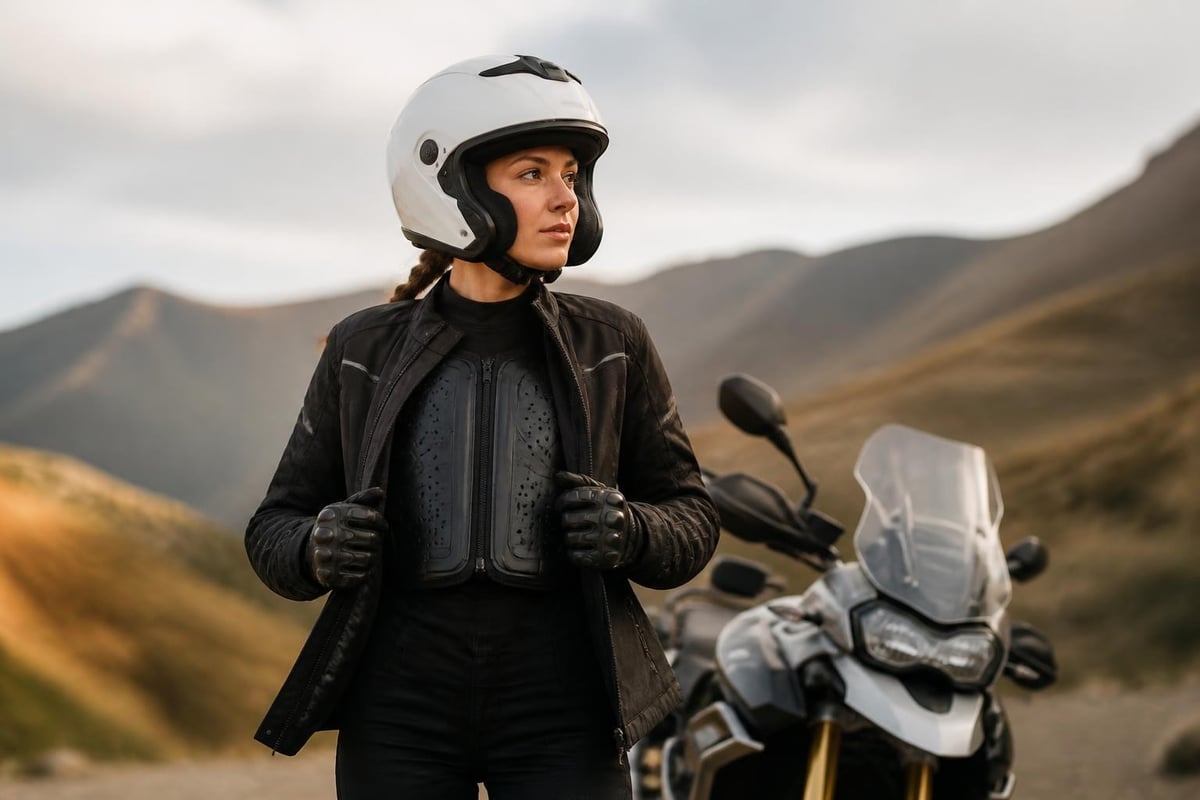
Body protectors suit riders in higher-risk disciplines like eventing, show jumping, or breaking young horses. WorkSafe NZ guidance on protective clothing emphasizes selecting appropriate protection for your specific activity level and risk exposure. Modern vests use flexible, lightweight materials that move with you rather than restricting natural position.
Footwear Fundamentals
Boots provide ankle support, protect feet from crushing, and deliver essential heel definition to prevent your foot sliding through stirrups. Tall riding boots offer maximum protection and a traditional appearance. Paddock boots paired with half chaps provide similar coverage with easier on-off convenience and lower initial cost.
Rubber riding boots suit wet New Zealand conditions brilliantly. They clean easily, dry quickly, and handle mud without damage. Modern designs offer proper arch support and cushioning rather than the flat, uncomfortable soles of older styles. Keep them for yard work and trail riding, whilst reserving leather boots for competition and formal occasions.
Steel-toe work boots don't belong in riding. The steel cap can trap and crush toes if caught in a stirrup during a fall. Purpose-built riding footwear incorporates smooth soles that release from stirrups when needed, with reinforcement placed strategically rather than across the toe box.
Sun Protection and UV Considerations
New Zealand's intense UV levels demand serious sun protection. The country consistently ranks among the highest globally for UV exposure, and riders spend extensive time outdoors with minimal shade. Understanding horse riding clothes NZ sun safety goes beyond applying sunscreen.
SunSmart New Zealand recommends UPF-rated clothing as your first defense against harmful radiation. UPF 50+ fabrics block over 98% of UV rays, providing far more reliable protection than sunscreen alone, particularly during long rides when reapplication proves difficult.
Long-sleeve shirts and full-length breeches create physical barriers against sun damage. Light colours reflect heat whilst maintaining protection. Technical fabrics designed for sun protection often incorporate cooling technologies that prevent overheating despite full coverage.
Neck protection deserves particular attention. Riding positions expose your neck to extended sun exposure. Shirts with collar stands or separate sun shields protect this vulnerable area. Wide-brimmed helmets or helmet-compatible sun visors add facial protection without compromising safety equipment.
Gloves protect hands from reins, weather, and UV exposure. Thin, breathable riding gloves maintain tactile feel whilst preventing blisters and burns. Synthetic leather palms grip effectively in wet conditions, whilst mesh backs provide ventilation. Replace gloves regularly as worn palms compromise control.
Building a Functional Wardrobe
Smart horse riding clothes NZ selection focuses on versatile pieces that layer effectively and transition across activities. A capsule wardrobe approach emphasizes quality over quantity, building around neutral colours that coordinate easily.
Start with two to three pairs of breeches in different weights. One lightweight summer pair, one mid-weight all-season option, and potentially thermal winter breeches cover most conditions. Neutral tones like navy, charcoal, or tan work across all disciplines and hide dirt better than pale colours.
Three to four base layers provide enough rotation to handle regular washing without running short. Include both long-sleeve and short-sleeve options in merino or technical synthetics. Add two polo shirts for lessons and casual riding, plus one formal shirt if you compete.
Layering Strategy
| Layer Purpose | Summer | Winter | Wet Weather |
|---|---|---|---|
| Base | Short-sleeve technical tee | Long-sleeve merino | Moisture-wicking long-sleeve |
| Mid | Polo shirt or light shirt | Insulating fleece or vest | Technical polo under jacket |
| Outer | UV-protective shirt or vest | Insulated jacket | Waterproof riding jacket |
Outerwear selection depends on your local climate and riding schedule. One quality softshell jacket handles most conditions. Add a packable rain jacket and potentially an insulated layer for winter. Men's equestrian clothing designed specifically for riding fits better and lasts longer than adapted outdoor gear.
Invest progressively rather than all at once. Start with essential safety gear and one quality pair of breeches. Add pieces as you identify specific needs through regular riding. Quality construction pays off through extended wear and maintained performance.
Care and Maintenance
Proper care extends the life of technical horse riding clothes NZ conditions put through serious testing. Mud, sweat, and stable dust create harsh cleaning demands.
Wash breeches inside-out in cold water to protect technical fabrics and grip materials. Avoid fabric softener, which coats fibers and reduces moisture-wicking properties. Line dry when possible, as excessive heat degrades elastane and synthetic materials.
Technical fabrics often require specific care. Check labels carefully before washing. Some waterproof materials need periodic reproofing treatments to maintain water-repellent properties. Others require low-temperature washing to preserve membrane integrity.
Store riding clothes properly between uses. Hang jackets and shirts to maintain shape and prevent creasing. Fold breeches carefully to avoid permanent creases that weaken fabric over time. Keep boots on shapers or stuff with newspaper to maintain form and aid drying.

Address stains and damage promptly. Mud brushes off more easily when dry rather than wet. Treat protein-based stains like blood or sweat with cold water immediately. Small tears in technical fabrics often respond to specialized repair patches designed for outdoor gear.
Transitioning Between Stable and Street
Modern horse riding clothes NZ brands design increasingly blur the line between stable wear and everyday clothing. Quality riding gear looks sharp enough for casual town wear whilst performing in the saddle.
Dark breeches paired with clean boots and a fitted polo shirt work for quick errands after riding. Add a casual jacket and you're presentable for lunch or shopping. This versatility matters when riding forms part of a busy day with multiple commitments.
Performance fabrics resist odours better than cotton, staying fresh through extended wear. Quick-dry properties mean clothes worn during morning rides dry and air out during the day. Strategic design elements like discreet pockets and clean lines maintain style without screaming "equestrian."
Equestrian style increasingly influences mainstream menswear. Tailored fits, quality materials, and practical details appeal beyond the riding community. Invest in pieces versatile enough to earn regular wear, maximizing value from quality purchases.
Discipline-Specific Considerations
Different riding disciplines emphasize particular aspects of horse riding clothes NZ riders need to understand. Show jumping prioritizes freedom of movement and durability. Dressage values presentation and a polished appearance. Eventing demands versatility across all three phases plus practical utility.
Polo requires whites or team colours, with reinforced areas to handle mallet work and aggressive riding. Western disciplines follow entirely different aesthetic traditions whilst sharing core practical requirements. Trail riding emphasizes comfort, weather protection, and durability over appearance.
Most riders benefit from building a core wardrobe suitable for general riding, then adding discipline-specific pieces as competition or specialization demands. Basics like quality breeches, protective gear, and weather-appropriate outerwear serve across nearly all riding contexts.
Understanding what to wear in the competition arena helps avoid costly mistakes when entering formal competition. Rule books specify required attire, and showing up improperly dressed creates unnecessary stress and potential elimination.
Seasonal Adjustments
New Zealand's regional climate variations mean horse riding clothes NZ riders choose differ significantly between locations. Northland summers require completely different strategies than Canterbury winters.
Summer riding demands maximum ventilation and UV protection. Lightweight, light-coloured breeches and moisture-wicking shirts form your foundation. Early morning and late evening rides avoid peak heat whilst maintaining training schedules. Keep water easily accessible and recognize heat stress signs in both yourself and your horse.
Winter layering prevents both overheating during active riding and dangerous chilling during ground work or stationary periods. Start with a quality base layer, add an insulating mid-layer, and top with weather protection as needed. Extremities need attention as cold fingers and toes compromise control and comfort.
Autumn and spring create the most variable conditions. Morning frosts give way to warm afternoons. Layering systems that adjust easily make these transitional seasons manageable. Packable pieces that compress small when removed prove invaluable.
Wet conditions demand waterproof gear that actually works. New Zealand's high injury rates from horse-related incidents emphasize the importance of maintaining control and awareness regardless of weather. Proper gear keeps you comfortable and focused rather than distracted by discomfort.
Building the right collection of horse riding clothes in NZ comes down to understanding your specific needs and investing in quality pieces that perform across changing conditions. From properly fitted breeches to weather-ready outerwear, each element contributes to comfort, safety, and effectiveness in the saddle. Gallant Equestrian designs performance-driven menswear built specifically for New Zealand riders, combining technical functionality with refined style that transitions seamlessly from stable to street. Look the Part. Enjoy the Ride.

