

Horse Riding Gear NZ: Essential Kit for Men in 2026
Oct 12, 2026
Finding the right horse riding gear NZ riders can trust means balancing safety standards, weather performance, and the kind of style that works from the yard to the pub. New Zealand's unique riding conditions - changeable weather, diverse terrain, and strict safety regulations - demand kit that performs without compromise. Whether you're hacking out on a North Island farm, competing at A&P shows, or spending long days in the saddle across Canterbury high country, your gear needs to earn its place. This guide walks through what matters most when building a reliable riding wardrobe in 2026.
Understanding NZ Safety Standards for Riding Gear
New Zealand takes rider safety seriously, and the regulations reflect it. Equestrian Sports New Zealand (ESNZ) helmet standards set the benchmark for competition, but these standards offer valuable guidance even for recreational riders. The yellow-tag system identifies helmets that meet approved standards (PAS015, VG1, ASTM F1163, AS/NZS 3838), and while you might not need certification for every farm ride, understanding these marks helps you choose gear that genuinely protects.
WorkSafe New Zealand also provides clear guidance on riding horses on farms, highlighting helmets and proper footwear as essential protective equipment. This isn't just box-ticking. ACC statistics on horse-related injuries show concussion and falls remain significant risks, making quality protective gear a practical investment rather than an optional extra.
When selecting horse riding gear NZ standards recognise, check for certification marks, proper fit, and replacement schedules. Helmets should be replaced every five years or after any significant impact, regardless of visible damage.
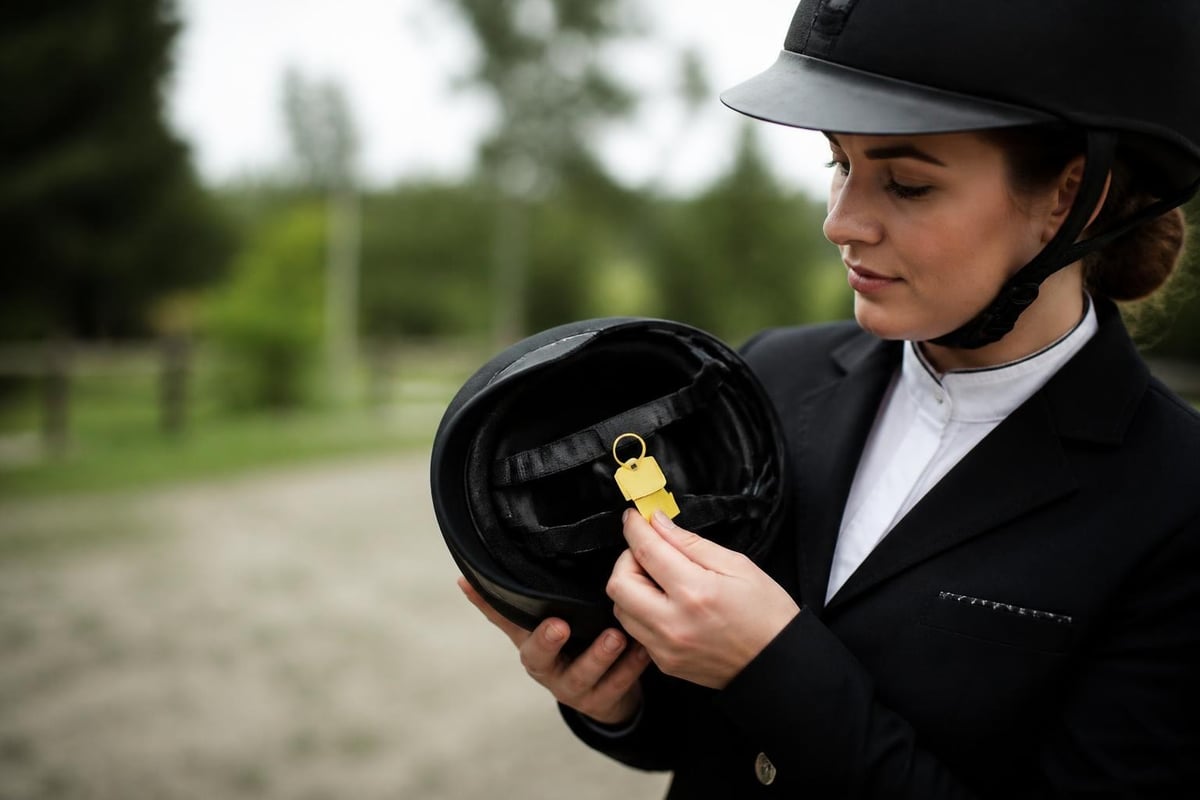
Core Protection: Helmets, Vests, and Footwear
Helmets form your first line of defence. Modern designs balance ventilation with impact protection, crucial for New Zealand's summer heat and winter chill. Look for adjustable retention systems that keep the helmet stable without pressure points during long rides. Fit matters more than brand - a helmet that shifts or sits too high won't protect properly, regardless of certification.
Body protectors add another layer for cross-country, young horses, or high-risk situations. While not mandatory for all disciplines, they're worth considering if your riding involves jumping, unpredictable horses, or challenging terrain. The ESNZ safety resources offer guidance on when body protectors make sense and which standards to look for (BETA Level 3 remains the gold standard).
Footwear deserves careful attention. Paddock boots or tall boots with a defined heel prevent your foot slipping through the stirrup, a potentially fatal risk. Steel or composite toe caps aren't necessary for riding but can protect against crushing injuries around the yard. Waterproof leather or treated materials handle New Zealand's wet conditions better than synthetic alternatives, though they require regular maintenance.
Sole grip matters too. Tread patterns that shed mud keep you secure in the stirrup without being so aggressive they catch on metal. When choosing horse riding gear NZ weather conditions demand, remember your boots will see rain, mud, and hard yards - literally.
Performance Clothing for New Zealand Conditions
New Zealand's climate doesn't do predictable. Morning frost, midday sun, and evening drizzle can all feature in a single ride, making layering essential. Performance horse riding gear NZ riders rely on needs to handle temperature swings without bulk or restriction.
Base layers manage moisture and regulate temperature. Merino wool offers natural odour resistance and warmth without weight, ideal for our conditions. Synthetic technical fabrics dry faster and often cost less, though they can feel clammy during low-intensity work. Choose based on your typical riding intensity and personal comfort - there's no single right answer.
Breeches represent where performance meets everyday wearability. Modern technical fabrics offer four-way stretch, moisture wicking, and durability that handles hours in the saddle. Knee-patch or full-seat options provide grip without stiffness, while neutral colours transition easily from stable to street. When selecting horse riding gear NZ lifestyles demand, breeches that look sharp enough for lunch after a morning ride make practical sense.
Fit matters enormously here. Too tight restricts movement and creates pressure points. Too loose bunches uncomfortably and wears faster. Waistbands should sit comfortably without a belt, and leg length should allow boots to slide on easily while avoiding excess fabric at the ankle.
Shirts and polos suitable for riding need length in the body (nothing worse than your shirt riding up when you post), shaped shoulders that don't bind, and fabrics that breathe. Performance polos work well for competition and casual riding alike. For training and everyday wear, consider shirts with subtle stretch and soil-resistant finishes.
Outerwear That Actually Works
New Zealand's weather makes or breaks your riding day, and choosing the right waterproof jacket transforms miserable rides into manageable ones. Generic outdoor jackets often fall short - they're cut wrong for riding position, lack the length to cover your lower back in the saddle, and feature hoods that block peripheral vision.
Purpose-built riding jackets address these issues with longer backs, articulated shoulders, and either removable hoods or collar designs that don't interfere with helmet straps. Breathability matters as much as waterproofing when you're working hard. Look for pit zips, mesh-lined pockets, and technical membranes (Gore-Tex, eVent, or quality proprietary alternatives) rather than simple coated fabrics.
Weight and packability play roles too. A jacket you can stuff in a saddle bag gets used. A heavy coat that stays in the tack room doesn't protect you when weather turns. Adjustable cuffs prevent rain running down your arms when you're working reins, and two-way zips make mounting and dismounting less awkward.
Softshell jackets fill the gap between fleeces and waterproofs. They handle light rain and wind while offering better breathability than hard shells. For New Zealand's changeable spring and autumn weather, a good softshell often sees more use than full waterproofs. Many riders keep both in their tack room, choosing based on the forecast and planned ride intensity.
Winter riding jackets for men need insulation without bulk. Synthetic fills pack smaller and handle moisture better than down, though premium down jackets with water-resistant treatments perform well in dry cold. Either way, ensure enough room over base layers without excess fabric that catches on saddle or reins.
Technical Fabrics and Material Selection
Understanding fabric technology helps you choose horse riding gear NZ conditions actually suit. Marketing terms like "technical" and "performance" get thrown around liberally, but specific characteristics matter more than buzzwords.
Moisture management involves wicking sweat away from skin and allowing it to evaporate. This keeps you comfortable during intense work and prevents chilling when you cool down. Synthetic polyesters excel here, though merino wool achieves similar results through different mechanisms. Cotton, despite feeling nice initially, absorbs moisture and stays wet - fine for casual wear, poor for sustained riding.
Stretch and recovery determine how well fabric moves with you and returns to shape. Four-way stretch (lengthwise and crosswise) offers maximum freedom, essential in breeches and fitted layers. Recovery prevents bagging at knees and seat. Quality fabrics bounce back ride after ride. Cheaper alternatives develop permanent stretch marks quickly.
Durability encompasses abrasion resistance, colour fastness, and structural integrity. Horse riding is hard on clothing. Stirrup leathers wear fabric, horses grab shirts, mud and sweat stain everything. Tightly woven fabrics with reinforced stress points last longer. Colour-fast dyes maintain appearance despite repeated washing. Bar-tack stitching at pockets and seams prevents early failure.
Weather resistance ranges from water-repellent finishes (DWR coatings that bead light rain) to fully waterproof membranes. Understanding the difference prevents disappointment. DWR treatments wear off and need reapplication. Waterproof membranes (when properly sealed at seams) keep you dry in sustained rain but require care to maintain breathability.
When comparing horse riding gear NZ shops stock, check fabric specifications rather than just price tags. A $200 jacket that lasts five years costs less than three $80 jackets that fail after eighteen months each.
Fit, Sizing, and Comfort Considerations
Proper fit transforms adequate gear into kit you'll actually use. Too many riders compromise comfort because they've never experienced genuinely well-fitted riding clothes. This matters particularly for men, as much equestrian gear defaults to unisex or women's cuts that don't account for male proportions.
Breeches and riding tights should allow full range of motion in the saddle without pulling tight across thighs or bunching at the knee. The rise (crotch-to-waist measurement) needs enough length to sit comfortably when mounted without excess fabric when standing. Many brands run small in the waist or short in the rise for male riders. Checking size guides before ordering saves frustration and return shipping.
Shirts and jackets need shoulder width that accommodates your frame without excess fabric through the body. Sleeve length should allow full arm extension (reaching forward for a horse's mouth or back for adjustment) without pulling across shoulders or riding up to expose wrists. Hem length matters in the saddle - too short creates gaps at your lower back, too long bunches uncomfortably.
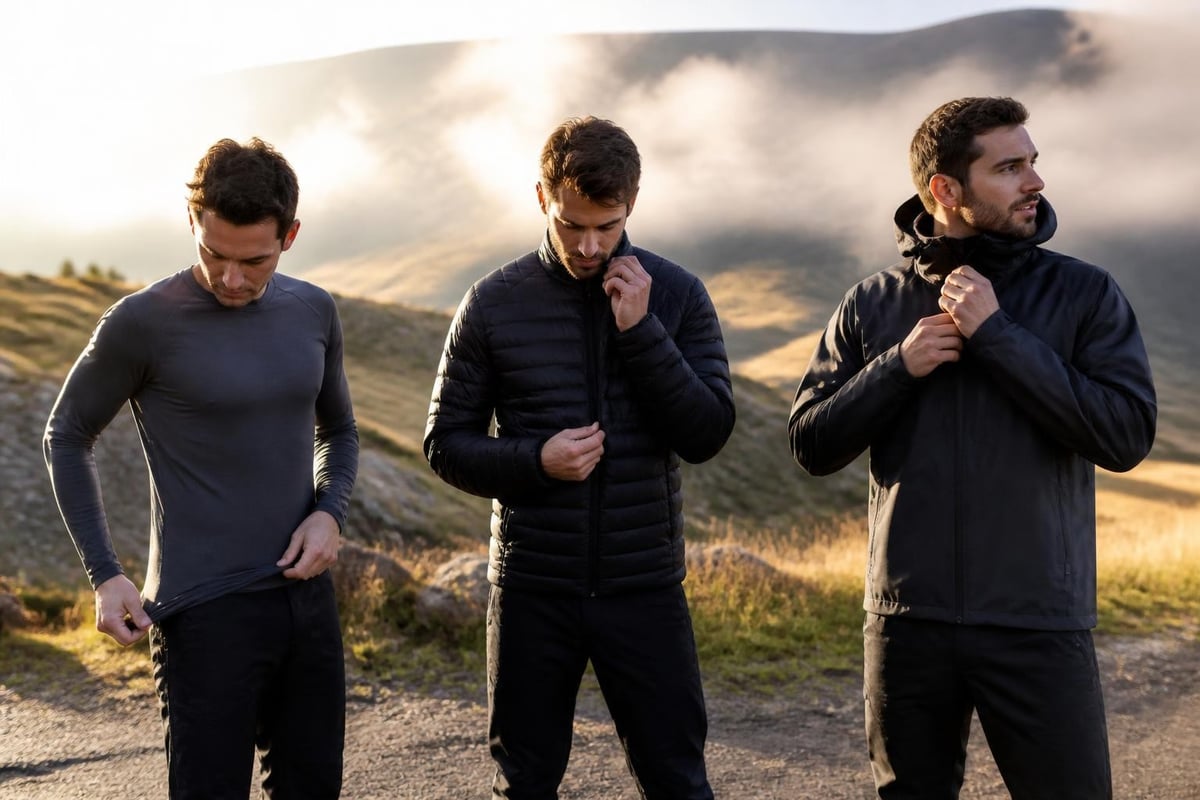
Layering systems only work when each piece fits properly over the previous one. Your base layer should be close-fitting without restriction. Mid-layers add slight ease. Outer shells need room for everything underneath without feeling baggy. This requires trying combinations, not just individual pieces.
Room for movement differs from excess fabric. Articulated knees in breeches, gusseted crotches, and action backs in shirts all provide mobility without bulk. These design features cost more to manufacture but deliver measurably better comfort and longevity.
Visibility and Road Safety Kit
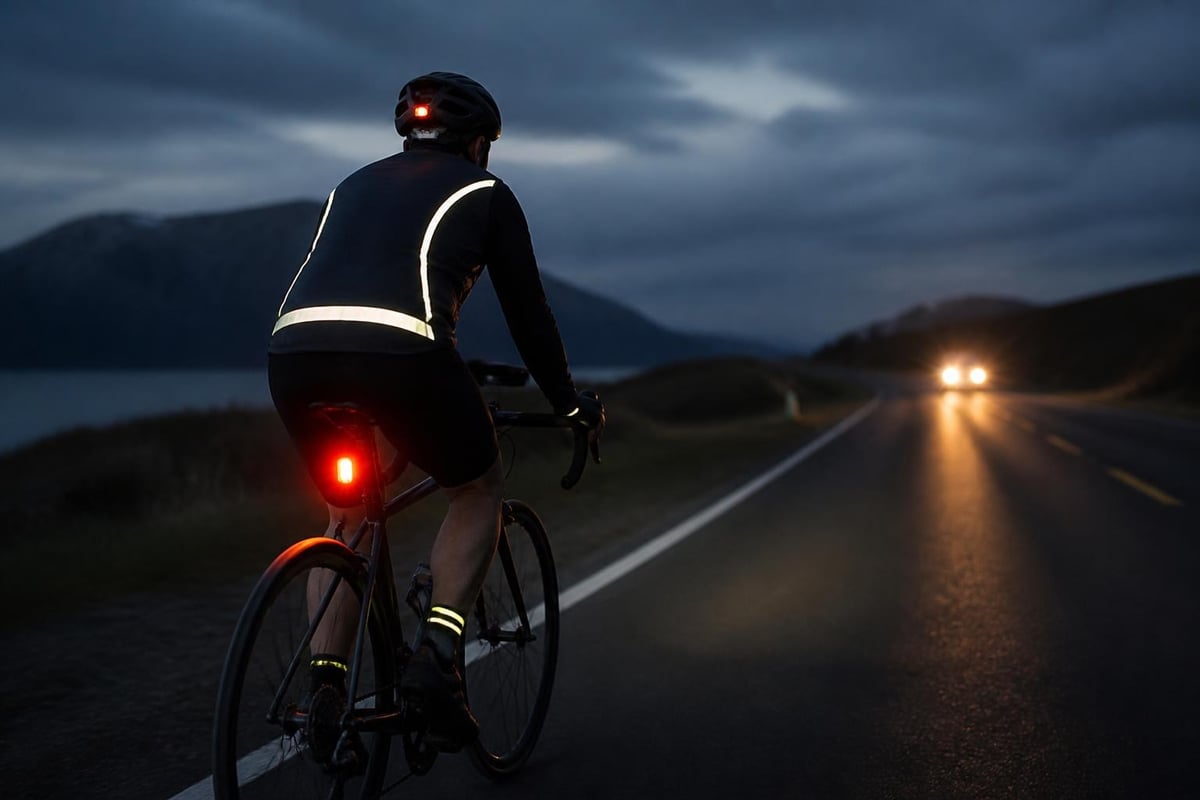
Riding on New Zealand roads brings specific safety requirements. Waka Kotahi guidance on sharing roads with horse riders recommends reflective and high-visibility clothing, particularly in low light. This applies whether you're hacking down rural lanes or crossing highways to access trails.
High-vis gear doesn't need to mean cheap polyester vests. Modern riding clothing integrates reflective elements into tailored designs - jackets with reflective piping, shirts with subtle panels, even breeches with reflective ankle details. These work with your regular kit rather than over it.
Reflective bands and accessories add visibility for occasional road work without requiring dedicated clothing. Ankle bands, helmet covers, and stirrup reflectors provide eye-catching movement that helps drivers judge distance and speed. Keep a set in your tack room for unexpected road rides.
LED lights designed for riders clip to helmets, belts, or boots. Battery-powered options offer brighter visibility than passive reflectives, particularly valuable in fog or dawn/dusk conditions. They're inexpensive insurance for regular road riding.
When selecting horse riding gear NZ road conditions require, think about driver sight lines. Reflective materials at your extremities (ankles, wrists, helmet) create a clear human-on-horse profile. This helps drivers process what they're seeing faster, giving them more time to react safely.
Maintenance and Care for Longevity
Quality horse riding gear NZ riders invest in deserves proper care. Well-maintained kit lasts years. Neglected gear fails prematurely, regardless of initial quality.
Washing protocols vary by fabric. Technical synthetics generally handle machine washing on gentle cycles with technical wash products. These cleaners remove oils and dirt without damaging DWR coatings or fabric structure. Regular detergents can leave residues that reduce breathability and water resistance. Merino wool needs cool water and wool-specific products to prevent shrinkage and maintain natural properties.
Frequency matters too. Wash when actually dirty rather than after every ride. Over-washing degrades fabrics faster than wear. Spot-clean minor marks. Air dry between uses to prevent odour without full washing.
Waterproof garments require DWR reapplication as coatings wear. When water stops beading and starts soaking into the face fabric, treat with spray-on or wash-in DWR products. This restores water repellency and improves breathability. Some garments need periodic professional re-proofing for membrane-level waterproofing, though quality items typically only need face-fabric treatment.
Leather boots demand regular cleaning and conditioning. Remove mud after each ride. Apply leather conditioner monthly or whenever boots look dry. Use proper boot trees or stuff with newspaper to maintain shape while drying. This prevents cracking and extends boot life significantly.
Storage affects longevity too. Hang jackets and shirts rather than folding. Store boots upright with trees. Keep breeches flat or rolled loosely. Ensure everything's fully dry before storage to prevent mildew. UV exposure fades colours, so keep gear away from direct sunlight when not in use.
Building Your Kit Strategically
You don't need everything immediately. Building a functional horse riding gear NZ collection works better as a strategic process than a single shopping spree.
Start with safety essentials: certified helmet, proper boots, and gloves. These non-negotiables protect you from day one. Invest in quality here. Your helmet could save your life. Your boots prevent serious foot injuries. These aren't areas to compromise.
Add core riding clothes: one or two pairs of good breeches, a couple of riding shirts, and a versatile jacket. This covers most riding situations and allows for laundry rotation. Choose neutral colours that work together and suit your typical riding environment.
Expand based on riding style: competition riders need show-specific kit. Trail riders benefit from technical outerwear and packable layers. Farm riders might prioritise durability and weather protection over show-ring polish. Match purchases to how you actually ride rather than aspirational scenarios.
Replace strategically: worn breeches that bag at the knees undermine comfort and confidence. Faded shirts look tired. Boots that leak make cold-weather riding miserable. Replace individual pieces as they wear rather than waiting for wholesale wardrobe updates.
Quality pieces from dedicated equestrian brands typically cost more initially but deliver better value long-term. A well-constructed jacket that lasts five years and maintains performance costs less per wear than cheap replacements every season. This applies particularly to items that affect safety and comfort directly.
Seasonal considerations matter in New Zealand. Summer kit needs UV protection and breathability. Winter demands insulation and waterproofing. Rather than buying everything in one season, add pieces as weather changes and you identify gaps in your current kit.
Consider how your gear transitions off the horse too. Performance riding products that work for stable, street, and socialising offer better value than single-purpose items. Breeches that pass for technical casual trousers, jackets that suit weekend wear, shirts that work for coffee after riding - these pieces earn their place by doing double duty.
Where Performance Meets Style
Horse riding gear NZ riders choose increasingly reflects a shift from purely functional toward clothing that performs technically while looking sharp. This matters particularly for men, who've historically had limited options beyond traditional hunt-seat styling or generic agricultural workwear.
Modern performance fabrics enable this evolution. Technical breeches offer the grip, stretch, and durability serious riders need while cutting cleanly enough for post-ride errands. Well-designed riding shirts incorporate moisture management and freedom of movement without looking overtly sporty. Jackets that handle Canterbury nor'westers while maintaining clean lines work across riding contexts and casual wear.
This isn't about fashion over function. It's about refusing to choose between them. Quality gear performs first and looks good doing it. The styling serves the riding - clean lines don't catch on tack, subtle details maintain professional appearance, versatile colours suit multiple horses and contexts.
Colour psychology plays a role too. Neutrals (navy, charcoal, khaki, black) work universally, hide dirt reasonably well, and transition easily from yard to other settings. They also tend to age better than fashion colours that date quickly. This doesn't mean everything must be black, but building around a neutral core with occasional accent pieces creates a cohesive, practical wardrobe.
Details distinguish average kit from excellent gear. Reinforced seams where they matter. Zipper pulls you can operate with gloves. Pockets positioned so they're accessible mounted. These elements cost more to engineer and manufacture but transform daily riding experience. When evaluating horse riding gear NZ brands offer, examine construction details alongside headline features.
The goal is clothing you trust completely. Gear that performs when weather turns, protects if things go wrong, and maintains your confidence in any riding situation. When you're not thinking about your kit - not adjusting, not uncomfortable, not concerned - it's doing its job properly.
Getting your horse riding gear NZ right comes down to understanding what you actually need, choosing quality that lasts, and refusing to compromise on safety or performance. Whether you're building your first proper kit or upgrading pieces that have earned retirement, focus on gear that works hard and looks the part doing it. Gallant Equestrian creates performance-driven riding clothing for men that handles New Zealand conditions without compromise - kit designed here, built to last, and ready for whatever your riding demands. Look the Part. Enjoy the Ride.

