

Horse Riding Pants Jodhpurs: A Complete Guide for Men
Apr 05, 2026
For over a century, horse riding pants jodhpurs have defined equestrian style. Originally designed for Indian polo players, these distinctive trousers combine heritage with function in a way few garments can match. Today's jodhpurs blend that classic silhouette with modern fabrics and construction methods that actually improve your riding. Whether you're competing, training, or simply want proper kit that works, understanding jodhpurs helps you make smarter choices about what you wear in the saddle.
What Makes Horse Riding Pants Jodhpurs Different
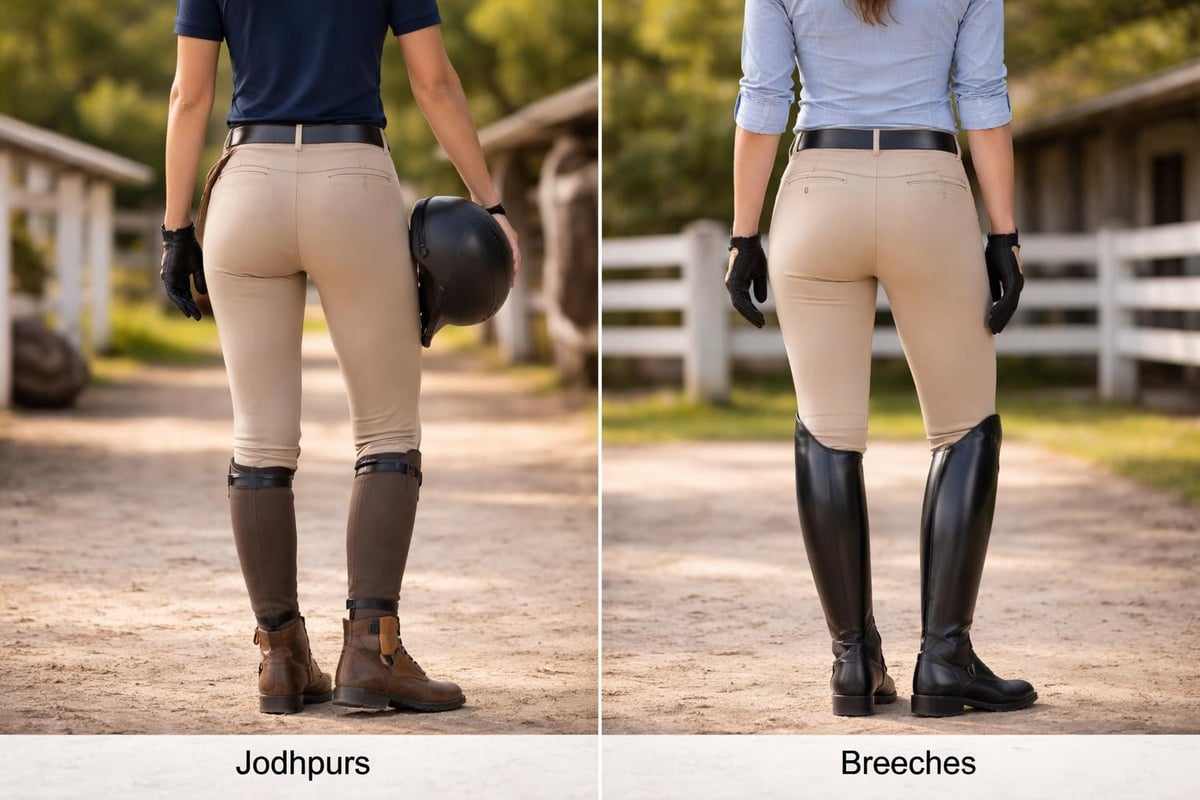
Horse riding pants jodhpurs stand apart from standard breeches through their distinctive full-length design and ankle reinforcements. Unlike breeches that stop at the calf and require tall boots, jodhpurs as classic riding trousers extend to the ankle and pair with short paddock boots or jodhpur boots.
The design features flared hips that taper dramatically from thigh to ankle. This isn't just aesthetics. The close fit through the lower leg eliminates fabric bunching between your leg and the saddle. That direct contact improves your aids and seat position. The ankle area typically includes reinforced panels or straps that prevent the fabric from riding up inside your boot.
Traditional jodhpurs used buttons or laces at the ankle. Modern versions often incorporate elastic inserts or stirrup straps that keep everything secure without the fuss. The result is cleaner lines and easier boot fitting.
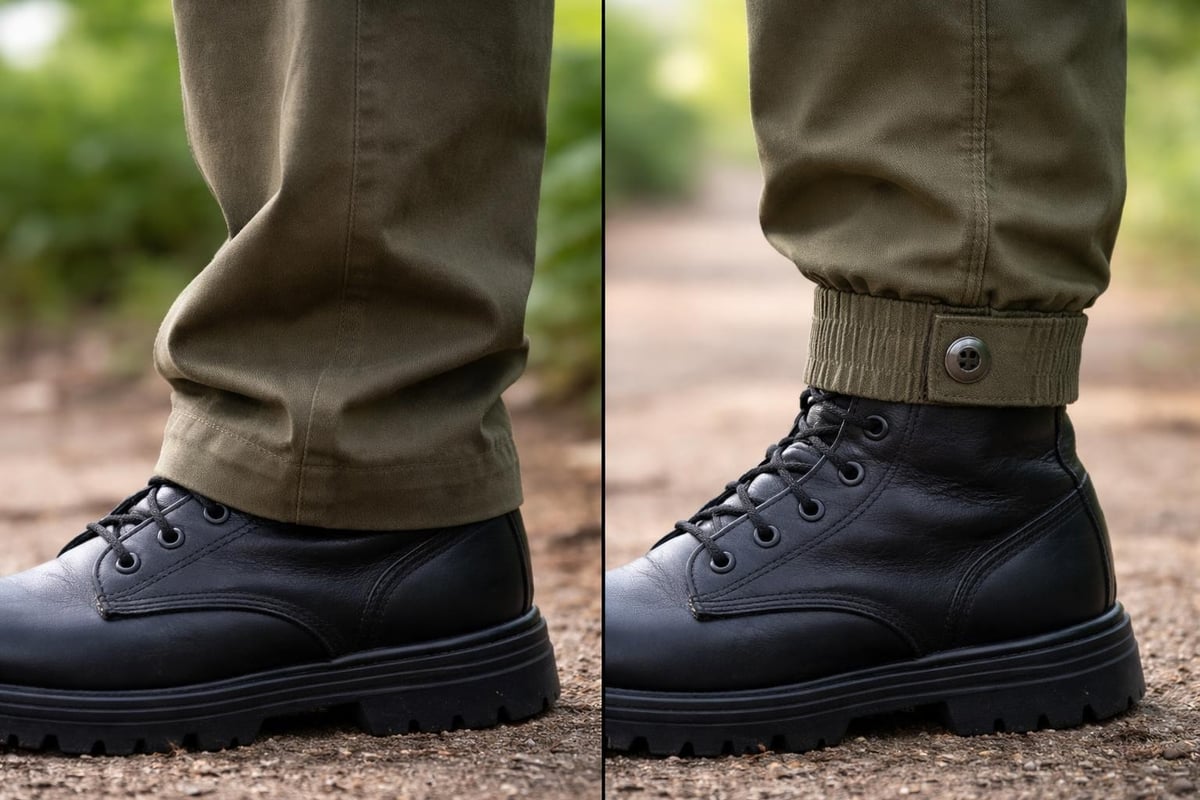
Most quality jodhpurs include full seat or knee patches for grip. The material here (usually suede, synthetic suede, or silicone) keeps you planted during posting trot or when your horse spooks at that plastic bag. The placement varies by discipline, but the principle remains constant: secure contact means better control.
The Heritage Behind Jodhpurs
The history of jodhpurs traces back to Jodhpur, India, where Maharaja Pratap Singh modified traditional Indian trousers for polo in the 1890s. British cavalry officers stationed in India noticed how well the design worked and brought the concept back to England.
By the early 20th century, jodhpurs had become standard military riding dress. The practical advantages were obvious: better movement than rigid military trousers, protection from saddle chafing, and a professional appearance that matched military standards.
Between the world wars, jodhpurs crossed from military to civilian riding. Polo players, eventers, and general riders adopted them. The style evolved slightly, with European tailors refining the cut and introducing different fabrics. What didn't change was the fundamental design: close-fitting below the knee, reinforced at pressure points, built for performance.
That military heritage still influences modern jodhpurs. The emphasis on durability, proper fit, and function over fashion alone comes directly from those early cavalry requirements. When you wear well-made jodhpurs today, you're benefiting from over a century of practical refinement.
Modern Technical Advantages
Contemporary horse riding pants jodhpurs incorporate fabrics our predecessors couldn't imagine. Four-way stretch materials move with you rather than restricting your seat. Moisture-wicking fibres keep you dry during summer schooling sessions or intense competition rounds.
Technical jodhpurs often feature flatlock seams that eliminate the chafing traditional stitching can cause. The seams sit flat against your skin rather than creating pressure ridges. Combined with strategic paneling that follows your leg's movement patterns, modern construction makes hours in the saddle more comfortable.
Many current designs include compression elements borrowed from sports science. Graduated compression through the calf can reduce fatigue on long rides. The support helps maintain leg position without conscious effort, particularly useful when you're focusing on complex movements or challenging terrain.
Breathability has improved dramatically. Mesh panels in strategic locations (behind the knee, along the inner thigh) allow heat to escape while maintaining the structure you need everywhere else. This targeted ventilation keeps you cooler without compromising the garment's performance where it matters most.
Choosing Between Jodhpurs and Breeches
The choice between horse riding pants jodhpurs and breeches depends largely on your riding situation and preferences. Understanding the differences between riding tights and jodhpurs helps clarify your options, though the jodhpur-versus-breeches decision follows similar logic.
Jodhpurs work brilliantly for riders who prefer paddock boots. They're practical for lesson programs where you might not own tall boots yet. They're also excellent for hot climates where full leather boots would be uncomfortable. The ankle reinforcement protects against stirrup leather rub without requiring boot height.
Breeches paired with tall boots offer more traditional competition appearance in disciplines like dressage or show jumping. The boot protection extends higher up your calf. Some riders find the tall boot gives slightly better leg stability, though this varies individually.
For everyday riding and training, jodhpurs often prove more versatile. You can slip them on with paddock boots in minutes. They work well for yard work before or after riding. The less formal appearance doesn't matter in training contexts, and the performance characteristics remain excellent.
Price considerations matter too. Quality paddock boots cost less than custom tall boots. If you're building your riding wardrobe or your feet are still growing, jodhpurs make financial sense. You get proper riding trousers without the boot investment.
Fit and Sizing Considerations
Proper fit determines whether horse riding pants jodhpurs perform or simply look the part. Start with accurate measurements: waist, hip, inseam, and thigh circumference. Most quality manufacturers provide detailed sizing charts, and checking proper size guides before ordering saves frustration.
The waistband should sit comfortably at your natural waist without digging in when mounted. Remember you'll be in various positions: standing, sitting deep in the saddle, posting. The waist needs enough room for all those positions without gapping when standing.
Through the seat and thigh, you want close fit without restriction. Fabric should lie smooth against your skin with minimal bunching. When you lift your knee as if mounting, there shouldn't be painful pulling or fabric strain. Quality stretch fabrics accommodate movement, but the base size still needs to be correct.
The lower leg should be genuinely close-fitting. Excess fabric here defeats the jodhpur's purpose. You're looking for light compression that stays in place, not restrictive tightness that cuts circulation. When you slide your paddock boot on, the jodhpur fabric should sit smoothly inside without rumpling.
Ankle reinforcements need to align with your actual ankle bone. If they sit too high or low, they won't do their job properly. This is where trying on matters. Even with perfect measurements, individual leg shapes vary enough that physical fitting helps confirm the right choice.
Fabric Technology That Matters
Modern horse riding pants jodhpurs use technical fabrics that fundamentally improve the riding experience. Understanding what you're getting helps separate marketing hype from genuine performance benefits.
Four-way stretch remains the foundation of quality riding trousers. This means the fabric stretches both horizontally and vertically, following your movement in any direction. Two-way stretch (usually just horizontal) can't match the freedom of movement four-way provides. In the saddle, where you're constantly adjusting position, that multidirectional give matters.
Moisture management involves more than "breathable" fabric. Look for actual wicking properties that move sweat away from your skin to the garment's outer surface where it can evaporate. This active moisture transport keeps you drier than fabrics that simply allow some air movement.
UV protection has become standard in quality riding wear. UPF ratings indicate how much ultraviolet radiation the fabric blocks. For long days outdoors, UPF 50+ fabrics reduce sun exposure significantly. This protection doesn't wash out like sunscreen applied to skin.
Antibacterial treatments help manage odour during intense riding or multi-day events. Silver ion technology or similar treatments inhibit bacterial growth that causes smell. This isn't about covering up poor hygiene but rather extending how long your jodhpurs stay fresh between washes.
Durability comes from fabric weight and construction method. Heavier fabrics (usually measured in grams per square metre) resist abrasion better but may sacrifice comfort in warm weather. The best jodhpurs balance weight with performance, using heavier fabric in high-wear areas and lighter material where breathability matters most.
Discipline-Specific Design Choices
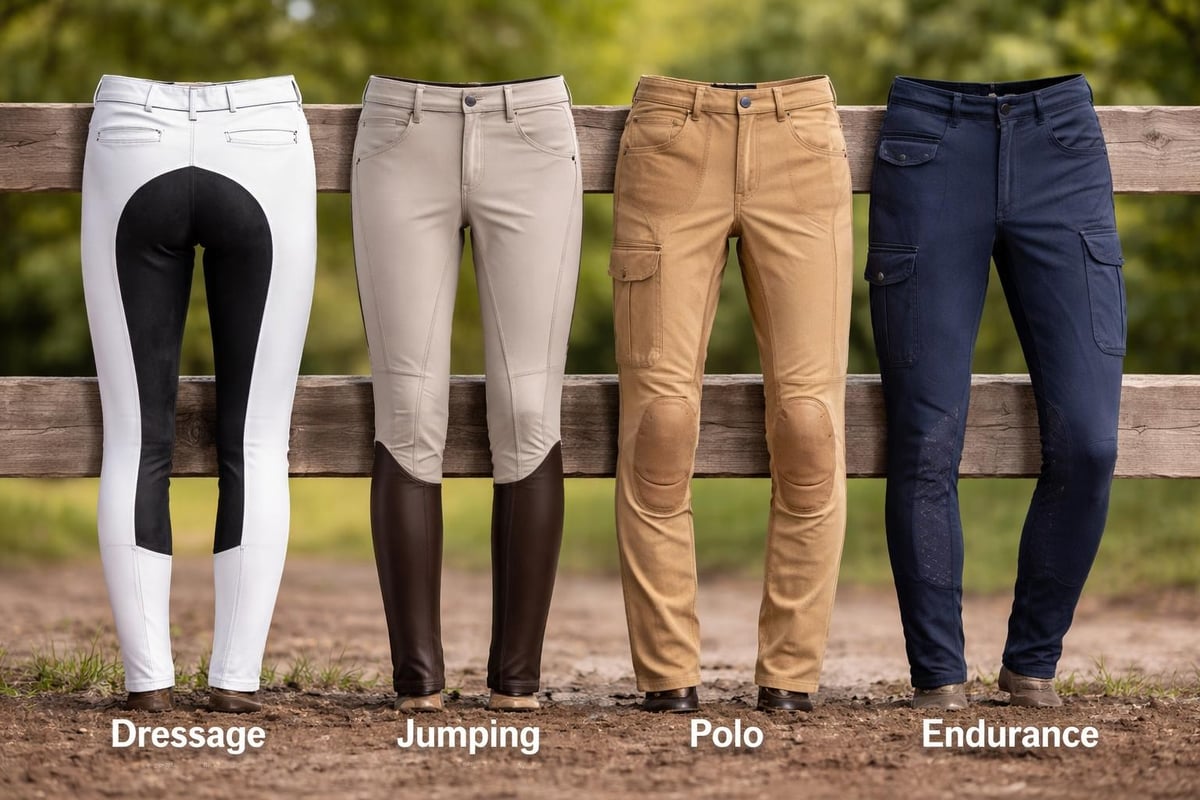
Different riding disciplines place different demands on horse riding pants jodhpurs. The jodhpurs that work brilliantly for dressage might prove less ideal for cross-country or polo.
Dressage jodhpurs prioritize a clean line and secure seat. Full seat grip (covering the entire seat area) helps maintain position during collected movements and extended gaits. The aesthetic tends toward understated elegance: solid colors, minimal visible branding, classic styling. Many dressage riders choose competition wear that meets strict show requirements while delivering technical performance.
Jumping disciplines often favour knee patch jodhpurs rather than full seat. The grip concentrates where you need it most when in two-point position. Some cross-country riders prefer slightly heavier fabric for additional protection against brush and branches. Water-resistant treatments help during wet conditions.
Polo demands incredible durability given the sport's physical nature. Reinforced inner legs withstand constant saddle contact during aggressive riding. The fabric needs to survive frequent washing without losing shape or performance. Many polo players prefer traditional styling that nods to the sport's heritage while incorporating modern technical features.
Endurance riding requires maximum comfort over hours in the saddle. Seamless construction, targeted compression, and advanced moisture management become crucial. Weight becomes a consideration too. Lighter jodhpurs reduce overall fatigue on 50 or 100-mile rides.
Maintaining Your Investment
Quality horse riding pants jodhpurs represent a genuine investment. Proper care extends their lifespan and maintains their performance characteristics.
Washing frequency depends on use intensity, but over-washing deteriorates fabrics faster than necessary. After light riding in cool weather, airing jodhpurs thoroughly between uses can extend time between washes. After heavy work or hot conditions, washing becomes essential.
Turn jodhpurs inside out before washing. This protects grip patches and outer fabric from abrasion. Use cold or warm water, never hot. Hot water breaks down elastic fibres and can damage technical fabrics. Choose detergents formulated for technical wear or at minimum avoid fabric softeners, which coat fibres and reduce moisture-wicking properties.
Front-loading washing machines prove gentler than top-loaders. The tumbling action causes less stress than agitator-based washing. If you only have access to a top-loader, use a mesh laundry bag for additional protection.
Air drying preserves fabric integrity better than machine drying. Hang jodhpurs by the waistband in a well-ventilated area away from direct sunlight. UV exposure can fade colors and degrade some synthetic fibres over time. Never tumble dry quality riding trousers. The heat damages elastic components and can shrink or warp the fabric.
Storage matters more than many riders realize. Fold jodhpurs neatly or hang them properly rather than stuffing them in a bag or leaving them crumpled. Proper storage prevents permanent creasing and fabric stress. Keep them in a cool, dry place away from direct heat sources.
Seasonal Considerations
Horse riding pants jodhpurs work year-round with the right fabric choices and layering strategies. Understanding seasonal needs helps you build a functional riding wardrobe.
Summer jodhpurs prioritize breathability and moisture management. Lighter fabric weights (160-220 gsm) provide coverage without excessive heat retention. Mesh panels become particularly valuable. Colors matter too: lighter shades reflect rather than absorb heat, though they show dirt more readily.
Winter riding doesn't necessarily require different jodhpurs if you layer properly. Base layers beneath your jodhpurs provide insulation while maintaining the correct outer fit. Thermal base layers wick moisture while trapping warmth. This approach proves more versatile than owning separate winter jodhpurs.
Some riders do prefer heavier jodhpurs (260+ gsm) for cold weather. These provide additional wind resistance and inherent warmth. The trade-off comes in reduced breathability, which matters if you're working hard enough to generate significant heat despite cold ambient temperatures.
Transitional seasons require the most thought. Spring and autumn temperatures swing wildly. Starting a ride in cool morning air, you might finish in warm afternoon sun. Moderate-weight jodhpurs (220-260 gsm) with good moisture management handle these conditions well. They provide enough warmth early without becoming uncomfortable as temperatures rise.
Rain resistance varies by fabric treatment. Some jodhpurs include DWR (durable water repellent) coatings that shed light rain. These don't make jodhpurs waterproof but do provide protection during brief showers or misty conditions. For serious rain, waterproof overtrousers protect your jodhpurs while keeping you dry.
Style Integration Beyond the Arena
Modern horse riding pants jodhpurs transition surprisingly well from stable to street. The key lies in choosing designs with clean lines and restrained details, then pairing them thoughtfully with other pieces.
Solid colors work best for dual-purpose wear. Navy, black, grey, and earth tones blend into casual wardrobes easily. Equestrian fashion trends increasingly embrace this crossover between riding wear and everyday style, making it easier to invest in pieces that work in multiple contexts.
Footwear choice determines whether jodhpurs read as riding gear or stylish casual trousers. Paddock boots obviously signal equestrian use. Desert boots, Chelsea boots, or sleek trainers shift the context entirely. The jodhpur's slim lower leg works well with these options.
Top layers matter equally. A technical riding shirt clearly places you in equestrian territory. Swap it for a casual button-down, quality tee, or merino jumper, and the jodhpurs become part of a cohesive casual outfit. The key is ensuring everything fits well and looks intentional rather than accidental.
This versatility offers practical advantages beyond aesthetics. You can handle yard work, grab lunch, or run errands without changing. For riders who train early or late around work schedules, this convenience matters. You look put-together whether you're schooling lateral movements or meeting friends afterward.
The Performance Return on Investment
Quality horse riding pants jodhpurs cost more than basic riding trousers. Understanding what you're paying for helps justify the investment and sets appropriate expectations.
Superior fabrics maintain their performance characteristics through hundreds of rides and washing cycles. Cheap jodhpurs might feel acceptable initially but often stretch out, fade, or lose their grip after limited use. The cost-per-wear calculation favors quality gear that lasts multiple seasons over budget options requiring frequent replacement.
Construction quality determines longevity. Reinforced stress points, quality stitching, and proper pattern design mean jodhpurs hold their shape and function. Poorly constructed alternatives develop saggy seats, stretched knees, or separated seams relatively quickly. These failures don't just look bad; they compromise performance.
Comfort directly affects riding quality. Jodhpurs that chafe, restrict movement, or require constant adjustment distract from your riding. You can't focus properly on your position or your horse's feedback when you're uncomfortable. Quality jodhpurs become effectively invisible, allowing complete attention to riding.
The performance advantage shows most clearly during long rides or challenging conditions. Adequate jodhpurs suffice for occasional 30-minute lessons. Serious training, competition, or extended riding exposes the differences between acceptable and excellent gear. Heat management, moisture control, and sustained comfort separate quality from mediocrity.
Brand reputation matters, but not solely for status reasons. Established equestrian brands understand riding demands because they've been addressing them for years or decades. They know where reinforcement belongs, how fabric needs to move, and what features actually improve riding versus what simply adds cost. Men in jodhpurs benefit from brands that genuinely understand male rider needs rather than adapting women's designs.
Building a Functional Jodhpur Wardrobe
Rather than accumulating random pieces, strategic wardrobe building ensures you're properly equipped without excessive spending. Consider how many times weekly you ride and in what contexts.
Start with one pair of quality all-purpose horse riding pants jodhpurs in a versatile color. Navy or charcoal grey works for most situations. These become your primary riding trousers, handling everything from casual lessons to low-key competitions. Invest properly here because you'll wear them frequently.
Add a second pair in a different neutral once the first proves its worth. Black, grey, or tan expands your options without straying into difficult-to-match territory. Two quality pairs rotated regularly last longer than one pair worn constantly because fabric recovers between uses.
Discipline-specific competition jodhpurs come third if your riding demands them. These might be white for dressage or breeches in required colors for your sport. Because competition wear sees less frequent use, proper care makes a single pair sufficient until your competitive schedule intensifies.
Consider seasonal needs based on your climate. If you ride year-round in variable conditions, lightweight summer jodhpurs or heavier winter options might justify the investment. Riders in moderate climates often find mid-weight jodhpurs with appropriate layering handle everything adequately.
Avoid buying multiples until you've confirmed fit and performance with actual riding. Photos and reviews help, but your body and your riding style determine what works best. One perfect pair beats three adequate ones.
Common Fitting Mistakes to Avoid
Even experienced riders sometimes misjudge jodhpur fit, leading to performance issues and premature wear. Recognizing these mistakes helps you make better choices.
Sizing up for comfort typically backfires. Loose jodhpurs bunch between your leg and saddle, exactly what proper fit should prevent. The extra fabric creates friction and interferes with leg aids. Modern stretch fabrics provide comfort through movement rather than excess room.
Ignoring the rise (distance from crotch to waistband) causes persistent fit problems. Low-rise jodhpurs might feel modern but can gap at the back when mounted or dig uncomfortably in front. Mid-rise designs typically work best for riding, accommodating the varied positions without exposure or discomfort.
Choosing fashion over function rarely ends well. Jodhpurs with excessive zippers, decorative stitching, or non-functional details might look interesting off the horse but often cause pressure points or snagging issues when riding. Simplicity usually serves better.
Neglecting to account for shrinkage affects budget fabrics particularly. Quality jodhpurs undergo sanforization or similar treatments to minimize shrinkage, but cheaper alternatives often shrink noticeably after first washing. If fit is marginal initially, it becomes inadequate after laundering.
Assuming all brands fit similarly leads to ordering mistakes. Cut and sizing vary significantly between manufacturers. What works in one brand might not translate to another. Checking specific size charts and reading reviews about fit tendencies helps reduce returns and frustration.
Horse riding pants jodhpurs have evolved from military necessity to technical performance wear that serves modern riders brilliantly. The right pair improves your riding comfort, supports proper position, and lasts through countless hours in the saddle. Whether you're training daily or competing at higher levels, quality jodhpurs prove their worth every ride. Gallant Equestrian creates performance-driven jodhpurs and breeches specifically designed for men who ride seriously, combining New Zealand craftsmanship with technical fabrics that work as hard as you do. Look the Part. Enjoy the Ride.

