

Horse Breeches: The Complete Guide for Male Riders
Apr 06, 2026
Horse breeches remain the foundation of every male rider's wardrobe. These purpose-built trousers have evolved significantly from their military origins, yet they maintain the same core function: providing comfort, mobility, and grip during long hours in the saddle. Whether you're schooling young horses, competing at shows, or simply enjoying a hack through the countryside, understanding what makes quality breeches can transform your riding experience. The right pair doesn't just improve your position, they become second skin, moving with you rather than against you.
What Makes Horse Breeches Different
Traditional riding trousers weren't designed for fashion. They solved practical problems that regular trousers couldn't address. Horse breeches feature a distinct cut that extends below the knee, creating a snug fit designed to work seamlessly with tall riding boots. This close fit prevents bunching and rubbing that can cause discomfort during extended riding sessions.
The fabric composition separates proper riding breeches from regular athletic wear. Modern technical fabrics combine stretch with durability, typically using a blend that includes spandex or elastane. This four-way stretch allows complete freedom of movement while maintaining structure. The fabric needs to breathe during intense work yet provide enough weight to drape properly without excess bulk.
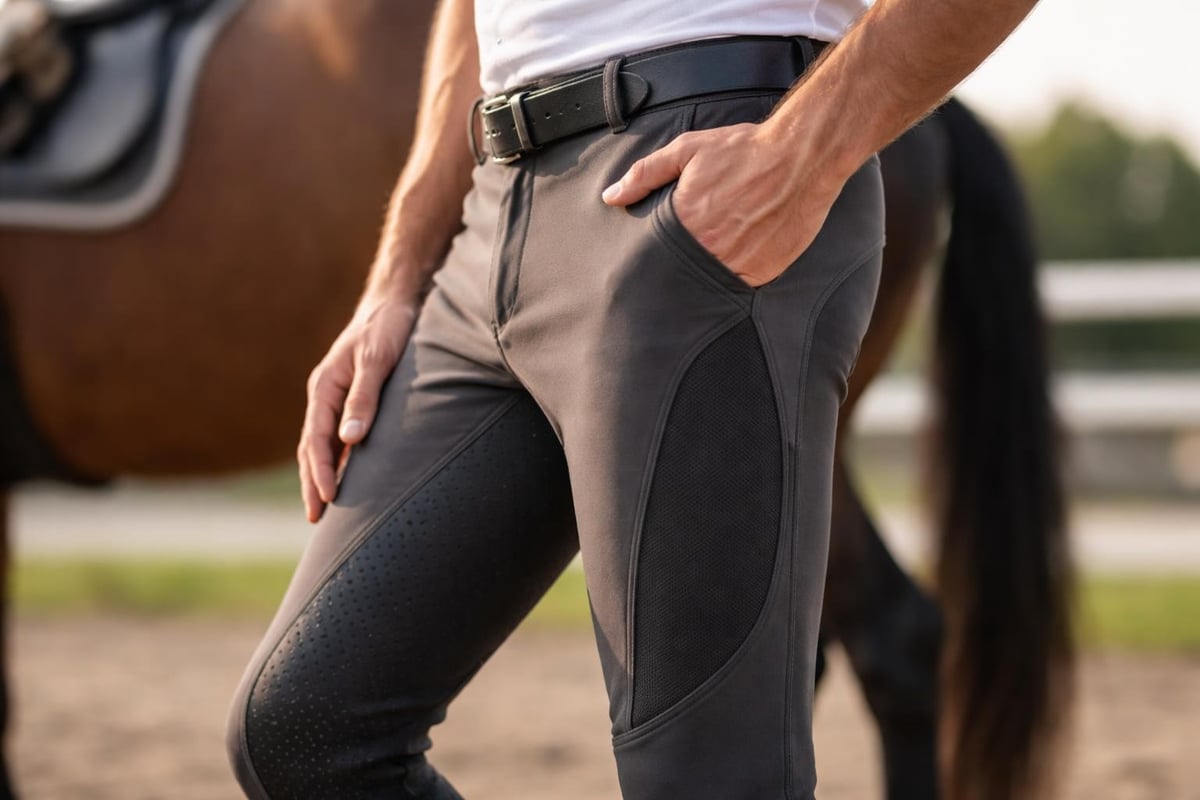
Seam placement follows anatomical lines rather than traditional tailoring. Flat-lock stitching reduces pressure points and irritation. Internal seams often feature additional reinforcement in high-stress areas like the inner leg and seat. These details might seem minor until you've spent six hours training, when every stitch matters.
Choosing the Right Fit
Sizing horse breeches properly requires a different approach than buying regular trousers. They should feel snug without restricting movement. Stand in your riding position when trying them on. Squat, lift your leg as if mounting, and move through your typical range of motion. The waistband should sit comfortably at your natural waist without digging in or requiring a belt to stay up.
The seat area deserves particular attention. Whether you choose full seat or knee patch varieties, the grip material must align properly with your saddle position. Full seat breeches offer maximum traction across the entire riding surface, whilst knee patch designs provide targeted grip where your leg makes primary contact. Both styles work, but full seat options typically deliver more security for jumping or working with green horses.
Leg length varies by style and preference. Some riders prefer the traditional approach where breeches end just below the knee, tucking smoothly into tall boots. Others opt for modern cuts that extend further down the calf. Neither is inherently better. Your choice depends on your riding discipline and boot style. The crucial factor is ensuring no excess fabric bunches inside your boots.
Full Seat Versus Knee Patch Designs
The debate between full seat and knee patch horse breeches continues among riders. Full seat models feature grip material extending across the entire seat and inner thigh area. This extensive coverage provides maximum security in the saddle, particularly valuable during fast work or when riding challenging horses. The increased contact area helps maintain your position during sudden movements or over fences.
| Feature | Full Seat | Knee Patch |
|---|---|---|
| Grip Coverage | Entire seat and inner thigh | Knee area only |
| Security | Maximum | Moderate |
| Warmth | Higher | Standard |
| Versatility | Discipline-specific | Multi-discipline |
| Price Point | Generally higher | Generally lower |
Knee patch breeches offer a more traditional aesthetic with targeted grip placement. The evolution of silicone grip technology has made modern knee patches remarkably effective. They work especially well for dressage and general riding where your leg position remains relatively consistent. The reduced grip coverage also means less warmth, making knee patch styles preferable for summer riding.
Your riding discipline often determines the best choice. Show jumpers and eventers typically prefer full seat designs for their superior security over fences. Dressage riders might choose either, depending on personal preference and how much movement they have in the saddle. For everyday riding and training, both options perform admirably.
Fabric Technology and Performance
Modern horse breeches incorporate fabric technologies that would have seemed impossible a generation ago. Moisture-wicking capabilities draw sweat away from your skin, keeping you comfortable during intense sessions. This isn't just about comfort. Dry fabric reduces friction and prevents chafing that can sideline you from riding.
Four-way stretch fabric moves with your body in all directions. This elasticity allows your breeches to accommodate the dynamic movements of riding without binding or restricting. Quality fabrics return to their original shape after stretching, maintaining their fit ride after ride. Cheaper alternatives often bag out at the knees and seat after minimal use.
UV protection has become standard in premium breeches designed for outdoor riding. Fabrics with built-in sun protection help prevent long-term skin damage during summer months. This feature matters most for riders in countries with intense sun exposure, but it benefits everyone who spends significant time outdoors.
Compression elements in some models provide muscle support during long rides. These garments apply gentle, consistent pressure that can reduce fatigue and aid recovery. The compression shouldn't feel restrictive. Rather, it should provide subtle support that you notice most after dismounting.
Care and Maintenance Standards
Proper care extends the life of your horse breeches significantly. Most modern technical fabrics require gentle handling despite their durable construction. Turn your breeches inside out before washing to protect grip materials and reduce pilling on the outer surface. Detailed care instructions emphasize using cold water and avoiding harsh detergents that can break down technical fabrics.
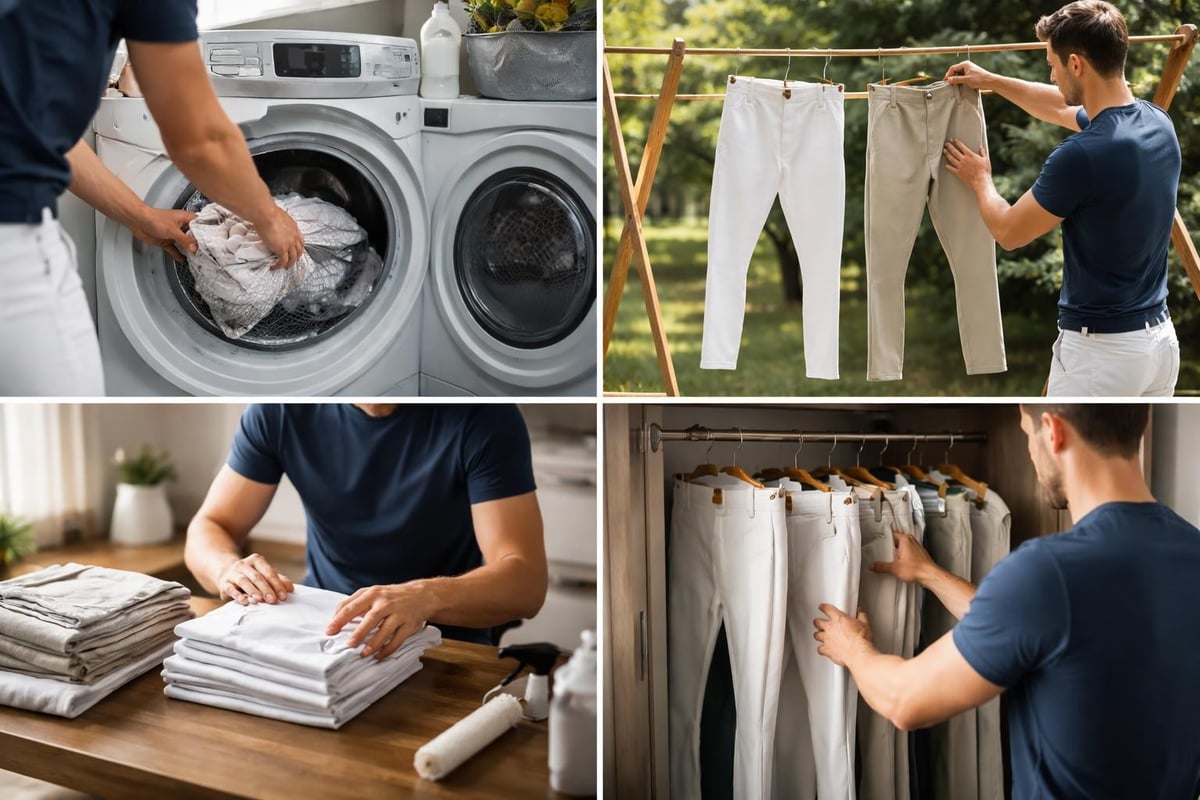
Avoid fabric softeners entirely when washing riding gear. These products coat fibres, reducing the effectiveness of moisture-wicking properties and degrading grip materials over time. A gentle, sports-specific detergent works best. Wash your breeches after every few rides, or immediately if they've been exposed to significant sweat or dirt.
Air drying preserves fabric integrity better than machine drying. Hang your breeches by the waistband in a well-ventilated area away from direct sunlight. High heat from dryers can damage elastic fibres and cause shrinkage. If you must use a dryer, select the lowest heat setting and remove the breeches while still slightly damp.
Storage matters more than most riders realize. Fold breeches rather than hanging them by belt loops, which can stretch the waistband. Keep them in a cool, dry place away from direct sunlight. Proper storage between rides maintains their shape and prevents premature wear.
Colour and Style Considerations
Black and navy remain the standard colours for horse breeches, particularly in competition settings. These classic shades work with any jacket or shirt colour whilst maintaining a professional appearance. Tan and beige options suit everyday riding and certain disciplines where lighter colours are traditional. The Gallant Equestrian collection offers versatile colours that transition seamlessly from arena to casual settings.
White breeches hold a special place in dressage and show jumping, though they demand meticulous maintenance. The pristine appearance required for competition means white pairs often serve as show-specific garments rather than everyday training wear. Many riders keep multiple pairs: working breeches for daily riding and competition breeches for shows.
Detailing on breeches has become increasingly subtle in men's equestrian wear. Contrast stitching, branded belt loops, and minimal logos create visual interest without overwhelming the clean lines that define quality riding wear. Some manufacturers offer customization options, allowing you to select specific details that match your aesthetic preferences.
Pocket placement varies between brands and styles. Functional pockets need to sit flush without creating bulk under your jacket. Many modern designs incorporate zippered security pockets for essentials like keys or phone. Traditional styles may omit pockets entirely, maintaining completely clean lines. Choose based on your practical needs and the formality of your riding context.
Seasonal Variations
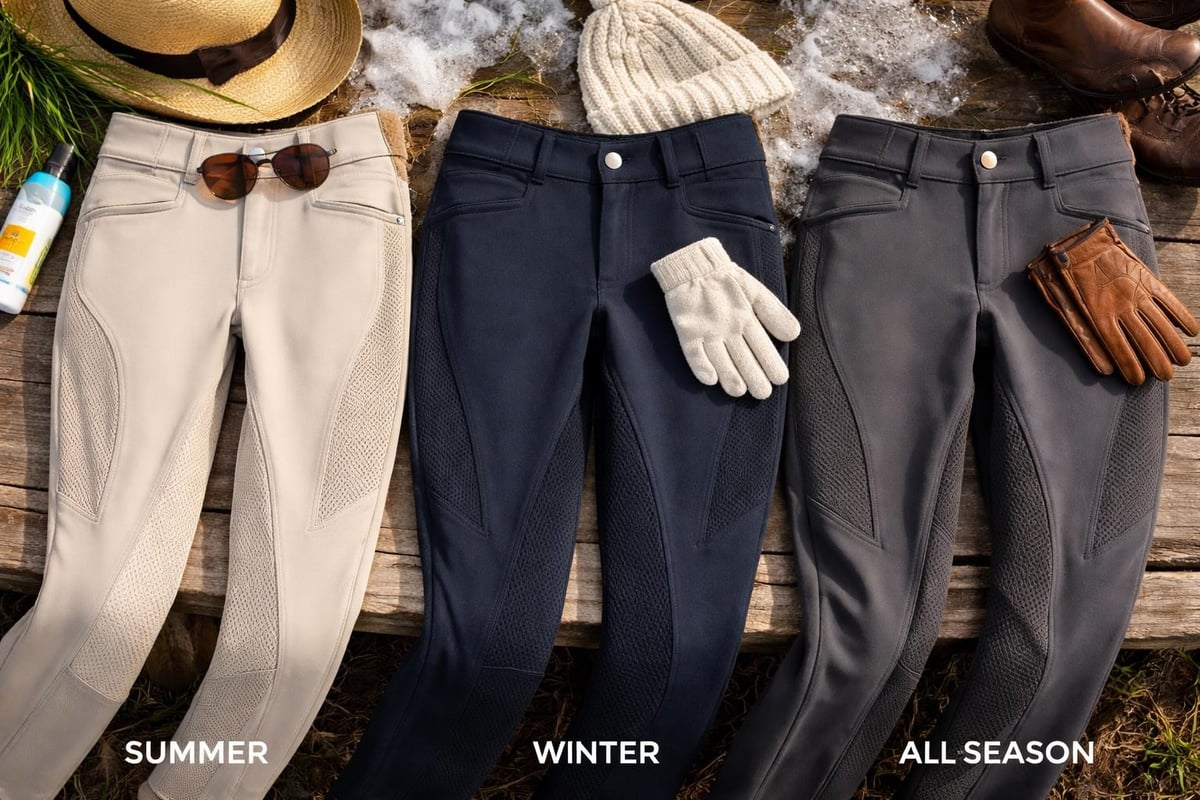
Summer horse breeches prioritize breathability and lightweight construction. Thinner technical fabrics with enhanced moisture management keep you comfortable during hot weather riding. Some summer models incorporate mesh panels in strategic locations for additional ventilation. These panels sit in areas that don't contact the saddle, maintaining grip and structure where needed.
Winter breeches feature heavier fabrics with thermal properties. Fleece-lined options provide warmth without excessive bulk. The challenge lies in finding breeches warm enough for cold days yet breathable enough to prevent overheating during active riding. Quality winter models achieve this balance through advanced fabric engineering.
| Season | Fabric Weight | Key Features | Best Use |
|---|---|---|---|
| Summer | Lightweight (180-220g) | Moisture-wicking, UV protection | Hot weather, intense training |
| Winter | Heavyweight (280-320g) | Thermal lining, wind resistance | Cold weather, outdoor riding |
| All-Season | Midweight (240-260g) | Versatile, moderate insulation | Year-round, variable conditions |
All-season breeches offer versatility for riders who prefer fewer wardrobe changes throughout the year. These mid-weight options work across a broad temperature range. Proper care and maintenance ensures your all-season breeches perform consistently regardless of weather conditions. Layering with appropriate base layers extends their usefulness into colder months.
Price Points and Value Assessment
Entry-level horse breeches typically start around £60-£80. These basic models provide adequate performance for occasional riders or those just starting in the sport. The fabrics may lack advanced technical properties, and construction quality varies significantly at this price point. Expect shorter lifespans and reduced comfort during extended riding sessions.
Mid-range options from £100-£180 represent the sweet spot for serious amateur riders. These breeches incorporate quality technical fabrics, proper grip materials, and construction that withstands regular use. Most established equestrian brands operate in this segment, offering proven designs refined through years of rider feedback.
Premium horse breeches exceeding £200 target competitive riders and professionals who demand maximum performance. Advanced fabric technologies, superior construction techniques, and attention to every detail justify the higher investment. These breeches often last significantly longer than cheaper alternatives, making their cost per wear competitive with mid-range options.
Value extends beyond initial purchase price. A £150 pair that lasts three years with proper care delivers better value than a £70 pair requiring replacement annually. Guidelines for proper washing and care help maximize your investment regardless of price point. Consider your riding frequency, discipline demands, and budget when selecting your ideal breeches.
Competition Requirements
Show regulations often dictate specific breech colours and styles. Dressage competitions traditionally require white or light-coloured breeches at higher levels, whilst show jumping allows more flexibility in colour choice. Understanding your discipline's standards prevents last-minute purchases before important competitions.
Fit becomes even more critical in the show ring. Breeches that perform adequately during training may reveal issues under competition scrutiny. Judges notice bunching fabric, poor position maintenance, and overall presentation. Your breeches should enhance your riding position, not distract from it. Competition wear collections often feature specific details that meet show ring standards.
Multiple pairs ensure you always have clean, pressed breeches ready for competition. Most serious competitors maintain at least two show-quality pairs, allowing for proper cleaning and rest between wears. This rotation extends the life of each pair whilst ensuring you always look your best.
Travelling to competitions requires careful packing to prevent wrinkles and damage. Roll breeches rather than folding them when possible, as this technique reduces creasing. Use garment bags for protection, and unpack immediately upon arrival to allow any wrinkles to drop out naturally.
Transitioning Between Disciplines
Different riding disciplines place varying demands on your breeches. Eventers need versatility, as their sport encompasses dressage, cross-country, and show jumping phases. Cross-country riding particularly challenges breeches through extended galloping, water jumps, and variable terrain. Full seat designs typically work best for eventing's diverse requirements.
Western riders occasionally incorporate breeches for specific activities, though traditional Western attire favours jeans. English riders switching to Western disciplines often continue wearing breeches during training before transitioning to appropriate Western show attire. The reverse also occurs, with Western riders discovering breeches' advantages for certain training scenarios.
Polo players require breeches that withstand extreme demands. The sport's fast pace, frequent mounting and dismounting, and close contact with other horses and players necessitates exceptional durability. Reinforced seams and heavy-duty fabrics become essential rather than optional features.
Casual riders benefit from breeches that transition smoothly to non-riding contexts. Modern designs increasingly blur the line between technical riding wear and lifestyle clothing. Pairing quality breeches with appropriate footwear creates acceptable casual outfits for stable errands or post-ride activities.
Breaking In New Breeches
New horse breeches rarely feel perfect immediately. Technical fabrics need several wears to fully conform to your body shape. The initial fit should feel snug but not restrictive. Fabrics will relax slightly with use, typically within the first 3-5 rides. Avoid sizing up to compensate for initial stiffness, as this often results in breeches that become too loose after breaking in.
Wash new breeches before first wear to remove manufacturing residues and soften the fabric. This initial wash also preshrinks the material, ensuring the fit remains consistent through subsequent cleanings. Follow the manufacturer's specific care instructions from the start to establish proper maintenance habits.
Some riders experience minor chafing during the break-in period as grip materials settle into place. This typically resolves within a few rides as both the breeches and your skin adjust. Wearing appropriate undergarments designed for athletic activity can minimize discomfort during this transition phase.
Grip materials like silicone or leather require special attention during break-in. Avoid sitting on rough surfaces that might damage these elements before they've properly bonded to the base fabric. Once fully broken in, quality grip materials become remarkably durable and resistant to normal wear.
Investment Strategy for Your Wardrobe
Building a functional breeches collection requires strategic planning rather than impulse purchases. Start with two quality pairs in neutral colours that work for both training and showing. This baseline ensures you always have clean breeches available whilst allowing proper rotation between wears.
Add specialized pairs as your riding evolves. Competition-specific breeches, seasonal variations, and discipline-appropriate styles expand your options without creating unnecessary redundancy. Each addition should serve a distinct purpose within your overall wardrobe strategy.
Quality over quantity applies particularly to horse breeches. Three well-made pairs that last years outperform ten cheap pairs requiring constant replacement. The initial investment seems higher, but the long-term value becomes apparent through extended wear and consistent performance. Exploring equestrian fashion trends helps identify timeless designs that won't feel dated after one season.
Sales and end-of-season clearances offer opportunities to acquire premium breeches at reduced prices. Many retailers discount current stock when introducing new collections. Buying winter breeches in spring or summer styles in autumn can yield significant savings without compromising quality.
Horse breeches represent far more than simple riding trousers. They're precision tools that directly impact your comfort, position, and performance in the saddle. Understanding fit, fabric, and care requirements helps you make informed decisions that enhance your riding experience whilst maximizing your investment. Gallant Equestrian designs breeches specifically for male riders who demand performance without sacrificing style. Our New Zealand-crafted collection delivers the quality, durability, and refined aesthetic that serious riders expect. Look the Part. Enjoy the Ride.

