

Mens Breeches: The Essential Riding Trouser Guide
Mar 15, 2026
The right pair of riding trousers makes all the difference between an uncomfortable hack and a confident, composed ride. For centuries, mens breeches have served as the foundation of proper equestrian attire, evolving from courtly fashion to purpose-built performance wear. Today's designs blend that rich heritage with technical fabrics and modern cuts that actually work for the demands of riding. Whether you're schooling, competing, or simply enjoying time in the saddle, understanding what makes quality mens breeches worth the investment helps you make smarter choices that improve your riding experience.
The Heritage Behind Modern Riding Trousers
Mens breeches trace their lineage back several centuries, when breeches were everyday wear for European men across all social classes. Originally designed to end just below the knee with stockings completing the leg coverage, these garments evolved through distinct regional variations. The Spanish breeches of the 16th century featured shorter, baggier cuts, whilst the elaborate rhinegraves of the mid-17th century introduced voluminous styling that briefly dominated courtly fashion.
The transition from fashion statement to functional riding wear happened gradually as equestrian pursuits became more formalized. Early riders recognized that close-fitting trousers extending to the knee offered superior comfort and grip compared to loose alternatives. The leather breeches of the 18th and 19th centuries became particularly associated with hunting and military cavalry, where durability mattered as much as appearance.
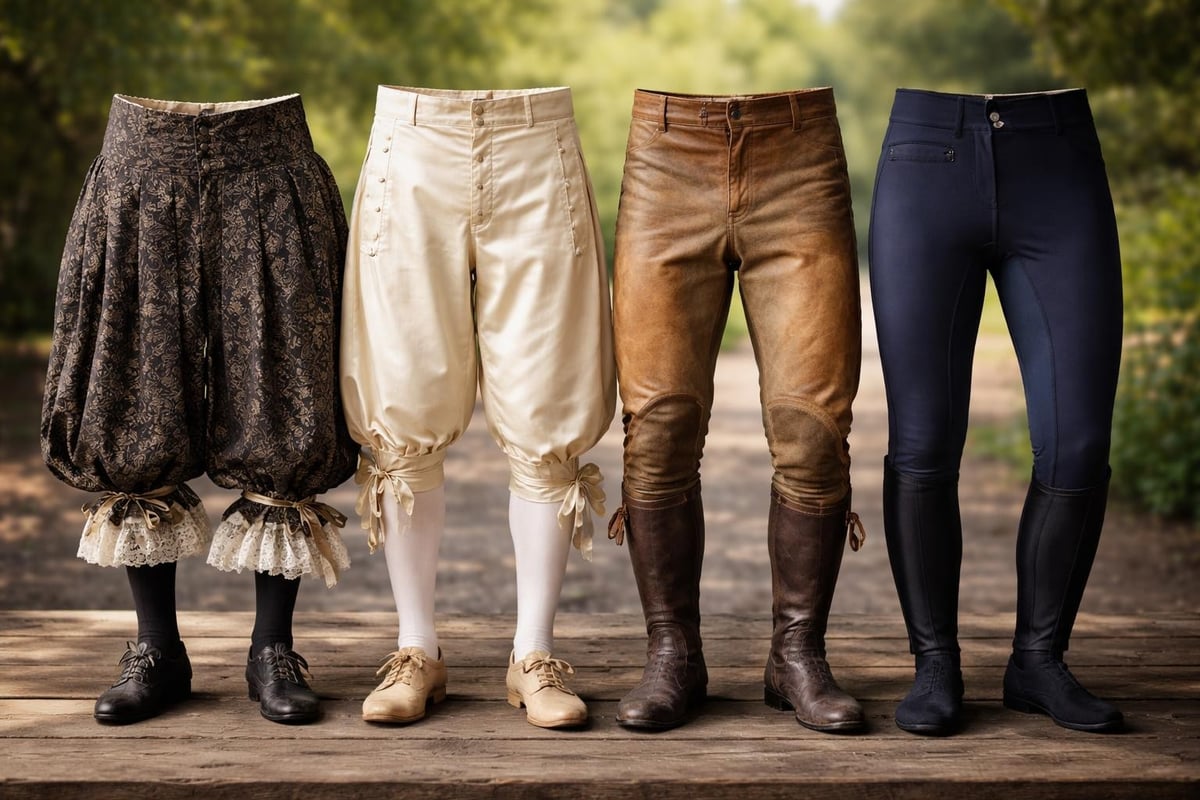
By the early 20th century, knickerbockers introduced a baggier silhouette that gained temporary popularity, but serious riders returned to fitted designs that provided better saddle contact. This evolution mirrors broader trends in slim-fit pants throughout fashion history, where form follows function.
What Defines Proper Mens Breeches Today
Modern mens breeches distinguish themselves through specific design elements that address the unique demands of riding. The cut extends to just below the knee, creating a fitted silhouette from waist to calf that eliminates excess fabric bunching beneath boots. This isn't merely aesthetic. Reducing bulk between rider and saddle improves communication with your horse whilst preventing the chafing that loose trousers inevitably cause.
The seat and inner leg areas typically feature reinforced panels made from synthetic suede, leather, or silicone grip materials. These panels serve dual purposes: protecting high-wear zones from saddle friction whilst providing the tacky surface needed for secure positioning. Different disciplines favor different grip patterns, with dressage riders often preferring full-seat coverage and jumpers sometimes opting for knee patches alone.
Fabric technology has transformed performance dramatically over recent decades. Premium mens breeches now incorporate four-way stretch materials that move with your body whilst maintaining their shape ride after ride. Moisture-wicking properties keep you comfortable during intense work, whilst reinforced stitching in stress zones ensures longevity that justifies the initial investment.
The waistband construction matters more than many riders realize. Mid-rise designs that sit comfortably at your natural waist provide coverage when leaning forward without gapping at the back. Quality closures, whether traditional buttons, hooks, or modern zip systems, should lie flat without creating pressure points. Belt loops remain standard, though some contemporary designs incorporate elasticated panels or adjustable tabs that eliminate the need for belts entirely.
Performance Features That Actually Matter
When evaluating mens breeches, certain features separate exceptional designs from mediocre ones. The pocket configuration deserves careful consideration. Traditional front pockets often prove impractical for riding, creating uncomfortable bulk beneath your thigh. Better designs relocate pockets to the rear or incorporate slim side pockets positioned high enough that they don't interfere with your seat.
| Feature | Purpose | What to Look For |
|---|---|---|
| Grip Material | Stability in saddle | Full-seat for dressage, knee-patch for jumping, quality silicone or leather |
| Fabric Stretch | Movement freedom | Four-way stretch, minimum 15% elastane content |
| Waistband | Comfort and coverage | Mid-rise, lies flat, no gapping when mounted |
| Ankle Closure | Boot compatibility | Elastic cuffs, zip closures, or stretchy fabric that stays in place |
The ankle closure system significantly impacts how mens breeches work with riding boots. Elastic stirrup straps that loop under your foot prevent the leg from riding up, though modern stretch fabrics often eliminate this need entirely. Some designs incorporate ankle zips that make pulling on tall boots easier, whilst others use shaped, stretchy cuffs that simply stay put through natural compression.
Seam placement reveals quality construction. Flat-locked or strategically positioned seams prevent chafing during extended sessions. The inner leg seam particularly deserves attention, as poorly placed stitching here creates discomfort that builds over hours. Premium manufacturers position this seam slightly forward, reducing contact with sensitive areas whilst maintaining the trouser's structure.
Breathability becomes crucial during warmer months or intensive training. Mesh panels behind the knees or along the calves enhance airflow without compromising the fitted silhouette. Some technical mens breeches incorporate perforated synthetic suede in the seat area, balancing grip with ventilation that prevents the sticky discomfort of solid panels on hot days.
Selecting the Right Cut and Fit
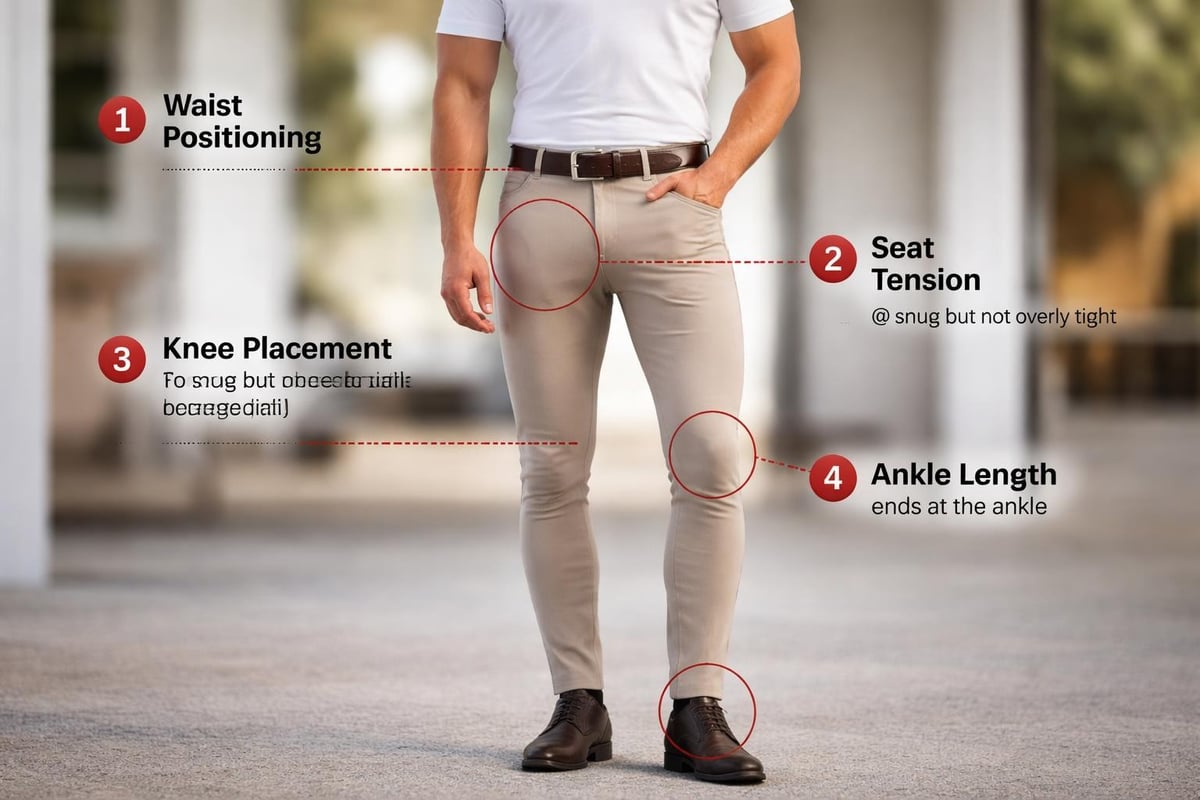
Proper fit transforms adequate mens breeches into exceptional ones. Unlike casual trousers where a slightly loose fit might prove comfortable, riding demands precision. The seat should fit snugly without pulling or creating excess fabric. When you sit in the saddle, the material should smooth across your thighs and seat without bunching at the crotch or gapping at the waist.
The rise, or distance from crotch to waistband, affects both comfort and appearance. Mid-rise designs work well for most body types, providing coverage when leaning forward without the dated look of high-waisted styles. Low-rise cuts might seem modern but often expose your back when mounted, creating discomfort and an unprofessional appearance.
Thigh circumference varies considerably between brands and styles. Athletic builds require generously cut thighs that don't constrict movement, whilst slimmer frames need tapered legs that don't create excess material. Quality breeches collections offer multiple fits within the same style, acknowledging that riders' bodies differ as much as their preferences.
Length proves trickier than many realize. Mens breeches should end just below the knee, with the bottom hem sitting approximately mid-calf when you're standing. Too short and they'll ride up uncomfortably when mounted. Too long and they'll bunch inside your boots, creating pressure points that become painful during longer rides. Most manufacturers provide specific inseam measurements rather than generic small/medium/large sizing, allowing more precise selection.
The fabric weight affects seasonal appropriateness and overall performance. Lightweight summer designs (typically 200-250 gsm) offer maximum breathability for warm weather, whilst winter weights (300-350 gsm) provide insulation without excessive bulk. Year-round riders often maintain separate seasonal wardrobes rather than compromising with medium-weight designs that never quite excel in either extreme.
Care and Maintenance for Longevity
Quality mens breeches represent a significant investment that proper care extends considerably. Understanding how to clean and store them preserves both performance and appearance across hundreds of rides. The synthetic suede or silicone grip panels require particular attention, as aggressive washing can damage these surfaces and reduce their effectiveness.
Most modern riding trousers tolerate machine washing on gentle cycles using cold water and mild detergent. Turn them inside out before washing to protect grip surfaces and minimize pilling on outer fabrics. Avoid fabric softeners entirely, as these coat technical fibers and reduce moisture-wicking properties whilst degrading grip materials over time.
Air drying proves vastly superior to tumble drying for maintaining fabric elasticity and shape. Hang mens breeches from the waistband rather than the cuffs, allowing gravity to gently stretch the fabric as it dries. Direct sunlight can fade darker colors, so indoor drying or shaded outdoor spaces work best. Never iron grip panels or technical fabrics, as heat damages synthetic materials irreversibly.
Between wears, inspect seams and stress points for early signs of wear. Loose stitching caught early prevents larger repairs later. Small holes or separation along the inner leg seam can often be repaired professionally before they enlarge into ride-ending failures. Regular inspection also helps identify when grip panels have worn smooth and replacement becomes necessary.
Storage matters more than most riders realize. Folding creates permanent creases that weaken fabrics over time. Instead, hang mens breeches from proper trouser hangers that support the entire waistband. Ensure adequate spacing between garments to allow air circulation, preventing musty odors in humid climates. During extended off-seasons, clean thoroughly before storing to prevent set-in stains or fabric degradation from dried sweat and dirt.
Competition Versus Training Designs
The distinction between competition and training mens breeches extends beyond color and styling. Competition designs prioritize polished appearance and discipline-specific requirements, typically featuring neutral colors (white, beige, navy) and minimal visible branding. The fabrics tend toward slightly heavier weights that photograph well whilst maintaining crisp lines under scrutiny.
Training breeches embrace practicality and durability over pure aesthetics. Darker colors (navy, charcoal, black) hide arena dust and daily wear, whilst reinforced knee and seat panels withstand the repetitive friction of regular schooling. Many riders appreciate the wider color selection available in training designs, allowing personal expression that competition rules might restrict.
| Context | Ideal Features | Typical Colors | Priorities |
|---|---|---|---|
| Competition | Clean lines, minimal branding, traditional cuts | White, beige, navy, grey | Presentation, rule compliance |
| Training | Durability, practical colors, functional pockets | Navy, black, charcoal, earth tones | Longevity, comfort, value |
| Leisure | Relaxed fit, casual styling, versatile use | Full range including patterns | Comfort, style, transition to casual wear |
Some manufacturers design mens breeches that successfully bridge contexts, offering neutral colors with understated details that work for both training and lower-level competition. These versatile options suit riders who compete occasionally but don't require separate wardrobes for different contexts. Examining competition wear collections alongside training options helps identify where compromise serves your needs versus where specialized designs prove worthwhile.
The grip material selection often differs between competition and training breeches. Competition designs frequently feature traditional leather or subtle synthetic suede that presents well without overwhelming the overall aesthetic. Training versions might incorporate more aggressive silicone patterns that maximize security during challenging schooling sessions, even if they appear more obviously technical.
Modern Innovations Worth Considering
Recent developments in fabric technology and construction techniques have elevated mens breeches significantly beyond traditional designs. Seamless knitting technology eliminates bulky seams entirely in some premium models, creating truly friction-free surfaces against your skin. The construction process integrates different stretch zones and densities within a single garment, providing targeted support where needed whilst maintaining overall flexibility.
Temperature regulation fabrics respond to your body heat, increasing or decreasing insulation as conditions change. These phase-change materials prove particularly valuable for riders who school intensively then spend extended periods standing around between sessions. The fabrics actively work to maintain comfortable skin temperature rather than simply wicking moisture passively.
Integrated compression elements support key muscle groups without the restriction of traditional compression wear. Strategic placement around the thigh and calf muscles reduces fatigue during long rides whilst improving recovery between sessions. The compression remains graduated rather than uniform, avoiding the tourniquet effect that poorly designed compression garments create.
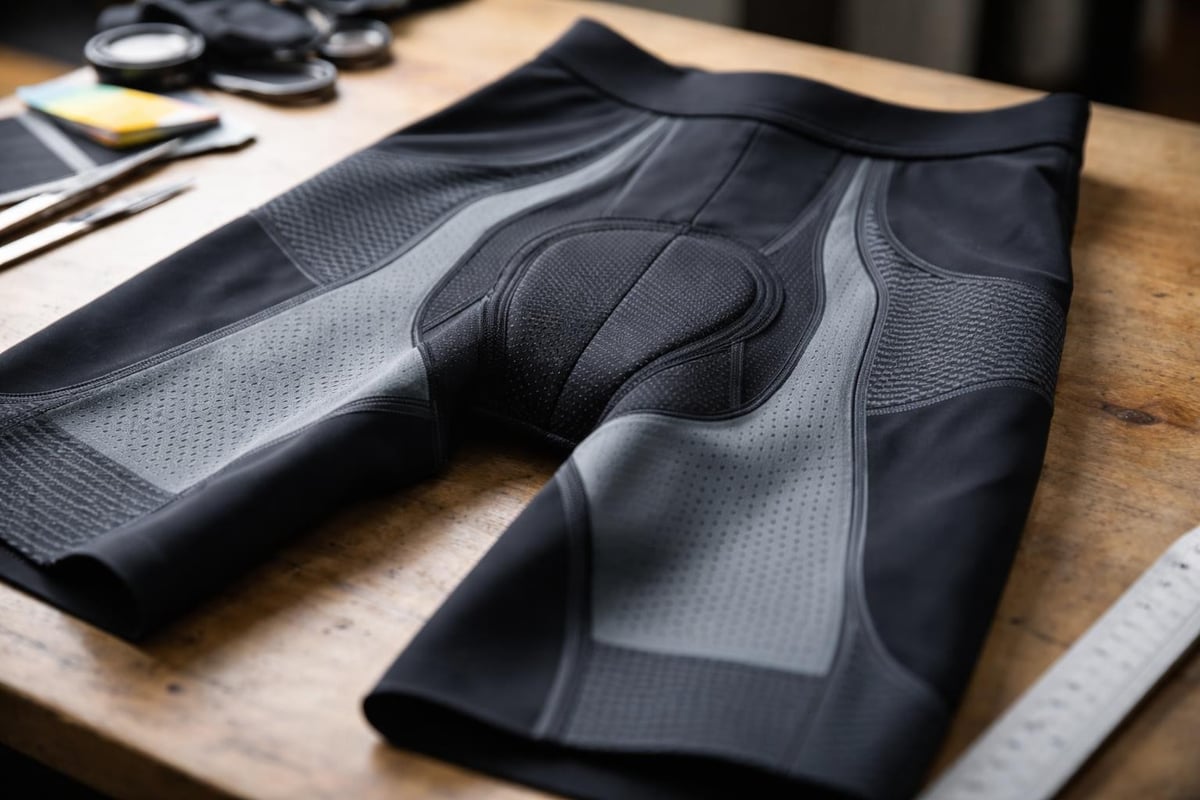
UV protection built into fabrics shields exposed skin during outdoor riding, particularly valuable in climates with intense sun exposure. UPF ratings of 50+ effectively block harmful rays without requiring additional sunscreen application beneath your breeches. This protection doesn't wash out over time, as it's integrated into the fiber structure rather than applied as a coating.
Antimicrobial treatments reduce odor development between washes, allowing you to wear mens breeches multiple times before laundering becomes necessary. This extends garment lifespan by reducing wash frequency whilst maintaining freshness even during multi-day competitions or training camps. Silver-ion and similar technologies prove most effective, though they do gradually diminish with repeated washing.
Transitioning Beyond the Arena
Modern mens breeches increasingly blur the line between specialized riding wear and everyday casual trousers. The evolution toward sleeker silhouettes and neutral colors means quality designs work perfectly well for stable chores, ranch work, or even casual social situations where traditional jeans might feel too rigid or uncomfortable.
This versatility matters for riders whose lives extend beyond structured riding sessions. Running errands between morning schooling and afternoon lessons becomes simpler when you needn't change trousers. The performance fabrics that keep you comfortable in the saddle work equally well during active days that don't involve horses at all.
Pairing mens breeches appropriately with other garments determines whether they read as riding-specific or general casual wear. Tall boots obviously signal equestrian context, but switching to casual trainers or leather boots transforms the aesthetic entirely. Combining breeches with quality polo shirts, casual button-downs, or relaxed sweaters creates polished casual outfits that transition seamlessly from stable to pub.
The fashion-forward approach to equestrian wear recognizes that riders don't compartmentalize their wardrobes as strictly as previous generations did. Quality pieces that perform brilliantly in their primary context whilst adapting to broader use represent better value and more sustainable consumption than garments worn exclusively for one narrow purpose.
Color selection significantly impacts versatility. Navy and charcoal mens breeches pair effortlessly with a wider range of tops and footwear than traditional tan or white competition colors. Earth tones like olive, brown, and deep grey offer similar flexibility whilst remaining appropriate for most training environments. Bold colors or patterns make stronger statements but limit outfit combinations and situations where they feel appropriate.
Understanding Value Versus Price
The spectrum of mens breeches pricing spans from budget options under fifty pounds to premium designs exceeding three hundred. Understanding what drives these differences helps you invest wisely rather than simply choosing the cheapest or most expensive options available. Price alone doesn't guarantee quality, but certain features and construction methods inevitably cost more to produce.
Fabric quality represents the single largest cost variable. Premium four-way stretch materials with advanced moisture management cost considerably more per meter than basic cotton blends or low-grade synthetics. The difference becomes apparent within weeks, as superior fabrics maintain their shape and performance whilst cheaper alternatives pill, sag, or lose elasticity rapidly.
Construction methods separate good breeches from exceptional ones. Flat-locked seams, reinforced stress points, and precisely positioned panels require skilled pattern-making and careful assembly that budget manufacturers skip. The initial savings evaporate when poorly constructed garments fail prematurely or prove uncomfortable enough that you avoid wearing them.
Brand reputation correlates somewhat with quality, though paying for heritage labels doesn't always deliver proportionate performance improvements. Established manufacturers typically maintain rigorous quality control and stand behind their products with meaningful warranties. Newer brands sometimes offer exceptional value as they build reputation, though vetting reviews and construction details becomes more important.
Purchasing decisions should weigh cost per wear rather than absolute price. Mens breeches worn three times weekly for two years deliver dramatically better value than cheaper alternatives that wear out within six months or prove uncomfortable enough that they languish unworn. Calculate roughly how many rides you expect from a garment, then divide the purchase price by that number to understand true cost per use.
Seasonal Considerations and Layering
Year-round riding demands adapting your mens breeches to changing weather whilst maintaining performance. Understanding seasonal fabrics and layering strategies keeps you comfortable without compromising the close fit that effective riding requires. Summer heat and winter cold present opposite challenges that different fabric technologies address.
Warm weather calls for maximum breathability and moisture management. Lightweight fabrics (200-250 gsm) with mesh panels or perforated grip materials allow air circulation whilst wicking sweat away from skin. Lighter colors reflect rather than absorb heat, though they show dirt more readily during dusty summer sessions. Some riders maintain dedicated summer breeches in white or pale grey specifically for hot months.
Cold weather introduces the layering challenge. Bulky thermal underlayers defeat the purpose of fitted riding trousers, creating bunching and reducing saddle feel. Instead, look for mens breeches with brushed interior fleece or integrated thermal properties that provide warmth without external layering. These winter-weight designs maintain the sleek exterior whilst trapping body heat against your skin.
Base layer technology offers another approach for extreme cold. Thin, technical underlayers made from merino wool or advanced synthetics provide surprising warmth without bulk. They should fit absolutely skin-tight, eliminating any possibility of movement against your riding breeches. Quality base layers wick moisture whilst insulating, preventing the clammy cold that develops when sweat accumulates against skin.
Transitional seasons demand versatility. Autumn and spring mornings start cold but warm considerably by midday, making single-layer solutions tricky. Medium-weight mens breeches (275-300 gsm) bridge temperature ranges reasonably well, though you might still add or remove base layers as conditions shift. Some riders prefer lightweight summer designs with base layers they can remove, finding this more adaptable than medium weights that prove too warm or too cool depending on conditions.
Building a Practical Rotation
Most serious riders benefit from owning multiple pairs of mens breeches rather than relying on a single favorite pair. A proper rotation extends garment lifespan whilst ensuring you always have clean, ready options available. The specific number depends on riding frequency, laundry access, and budget, but certain principles guide building an effective collection.
Start with foundational pieces in neutral colors suitable for both training and competition. Two pairs of navy or charcoal mens breeches form a solid base for riders training three to five times weekly. Add one pair in a competition-appropriate color (white, beige, or grey) if you compete regularly. This three-pair minimum ensures you can always ride whilst others are in the wash.
Expand thoughtfully based on actual needs rather than aspirational desires. If you rarely compete, investing heavily in white competition breeches makes little sense. If you ride daily in varied conditions, seasonal options (summer lightweight and winter thermal) prove far more valuable than multiple identical mid-weight pairs. Assess your genuine riding patterns over several months before expanding beyond basics.
Consider specialized options for specific contexts. Full-seat grip proves ideal for dressage work but might feel excessive for jumping sessions. Knee-patch designs offer freedom for two-point position whilst maintaining security on the flat. Some riders maintain different styles for different disciplines rather than compromising with universal designs that excel at nothing.
Quality matters more than quantity. Three exceptional pairs that last years represent better investment than six budget pairs requiring replacement within months. The best-selling designs often achieve that status because they genuinely perform well across diverse conditions and body types, making them safe foundation pieces when building your rotation.
Storage and care become simpler with dedicated systems. Designate specific hangers for riding trousers rather than mixing them with casual wear. Rotate which pair you ride in next rather than defaulting to favorites, distributing wear evenly across your collection. This discipline extends the lifespan of every garment whilst preventing the frustration of discovering your preferred breeches are still damp from yesterday's ride when you're ready to head to the yard.
Quality mens breeches combine heritage design with modern performance, creating riding trousers that genuinely enhance your time in the saddle whilst lasting through countless sessions. The right pair becomes nearly invisible once you're mounted, allowing you to focus entirely on your horse rather than adjusting uncomfortable clothing. When you're ready to invest in mens breeches that deliver both performance and style, Gallant Equestrian offers purpose-built designs that work as hard as you do. Look the Part. Enjoy the Ride.

