

Equine Hoodie: Performance & Style for Riders
Mar 16, 2026
The right clothing transforms your riding experience. While breeches and jackets get most of the attention, there's one piece that quietly anchors every rider's wardrobe: the equine hoodie. It's the layer you reach for on brisk mornings at the stables, the piece that travels from tack room to town without missing a beat. For men who ride, finding a hoodie that balances performance with refined style isn't just convenient - it's essential. This guide explores what makes an equine hoodie work, how to choose one that performs, and why this versatile piece deserves a place in your rotation.
What Defines an Equine Hoodie
An equine hoodie isn't simply standard leisurewear with a horse graphic. It's purpose-built for the demands of riding life.
The construction differs from typical casual hoodies in meaningful ways. Fabric weight matters more than you'd think. Too heavy, and you're restricted when moving bales or grooming. Too light, and it won't hold up to the abrasion of stable work or provide adequate warmth during early morning rides. Quality equine hoodies typically use mid-weight fabrics that balance durability with breathability.
Movement is where equestrian-specific design shows its value. Raglan sleeves or articulated cuts allow full range of motion when you're lifting, reaching, or working around horses. Standard hoodies often bind at the shoulders or chest. The difference becomes obvious the moment you raise your arms to bridle a tall horse or reach overhead in the tack room.
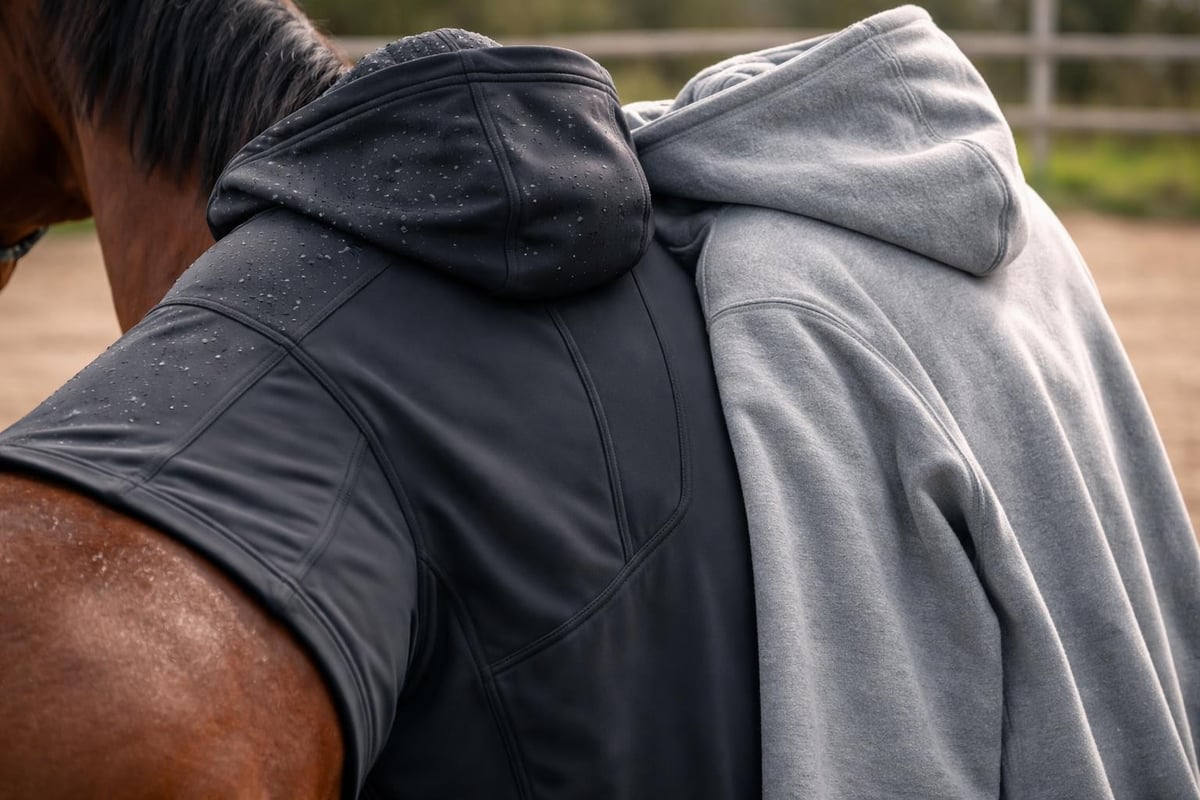
Weather resistance separates functional pieces from decorative ones. A proper equine hoodie handles light moisture without becoming a soggy mess. Many incorporate water-repellent finishes or tightly woven fabrics that shed drizzle and resist wind penetration. This isn't about replacing your proper riding jacket - it's about having a reliable layer for unpredictable conditions.
Fabric Technology That Performs
Modern equine hoodies leverage fabric innovation that would have seemed excessive a decade ago. Now it's standard.
Cotton blends remain popular for good reason. A 60/40 or 80/20 cotton-poly blend provides the soft feel riders want against skin while introducing enough synthetic fiber to improve durability and reduce shrinkage. Pure cotton feels luxurious initially but loses shape after repeated washing. The blend maintains structure season after season.
Technical synthetics have earned their place in serious riding apparel. Polyester-based fabrics wick moisture efficiently, dry quickly, and resist fading even with constant sun exposure at outdoor arenas. Some riders initially resist synthetic materials as "less natural," but performance tells the story. When you're working hard - grooming, mucking, training - moisture management keeps you comfortable.
Merino wool blends represent the premium end of equine hoodie construction. These pieces cost more but deliver exceptional temperature regulation. Merino naturally resists odour, wicks moisture, and provides warmth even when damp. For riders in variable climates, a merino-blend hoodie handles morning frost and afternoon warmth without requiring constant layering adjustments. The sweatshirts and hoodies collection often features these advanced fabric combinations.
Fleece linings add another dimension. Interior brushed fleece creates a soft microclimate next to skin while the outer face resists weather. The CT Equine Collection showcases several fleece-lined options that excel in colder months without bulk.
Design Elements That Matter
The details distinguish a proper equine hoodie from basic casualwear with horse imagery.
Pocket placement and design deserve consideration. Standard kangaroo pockets work fine for casual wear but can interfere when wearing a riding belt or body protector. Some equestrian-specific designs move pockets slightly higher or add zippered closures to secure essentials. Side-entry hand pockets prevent items from falling out when you bend to pick hooves or lean over fences.
Hood construction affects functionality more than most riders realize. An oversized hood that falls forward into your eyes serves no purpose. Well-designed equine hoodies feature adjustable drawstrings and moderate sizing that stays in place without restricting peripheral vision. Some include subtle reinforcement at stress points where drawstrings exit the fabric, preventing the common failure point of torn eyelets.
Cuff and hem design impacts both fit and durability. Ribbed cuffs with slight stretch maintain shape while allowing easy push-up when you need hands free for detailed work. Longer back hems provide coverage when bending or reaching without excessive front length that bunches when sitting. These proportional adjustments seem minor but compound into genuine usability improvements.
Zipper quality matters enormously in pieces that see daily use. A full-zip equine hoodie offers versatility that pullovers can't match - easy on and off without disturbing caps or protective headgear, quick temperature adjustment, and layering flexibility. Premium YKK zippers or equivalent resist corrosion from sweat and weather while operating smoothly through thousands of cycles. Cheap zippers fail within months of regular stable use.
Versatility Beyond the Stables
The best equine hoodie transitions seamlessly from barn to everyday life without screaming "horse person" to everyone you encounter.
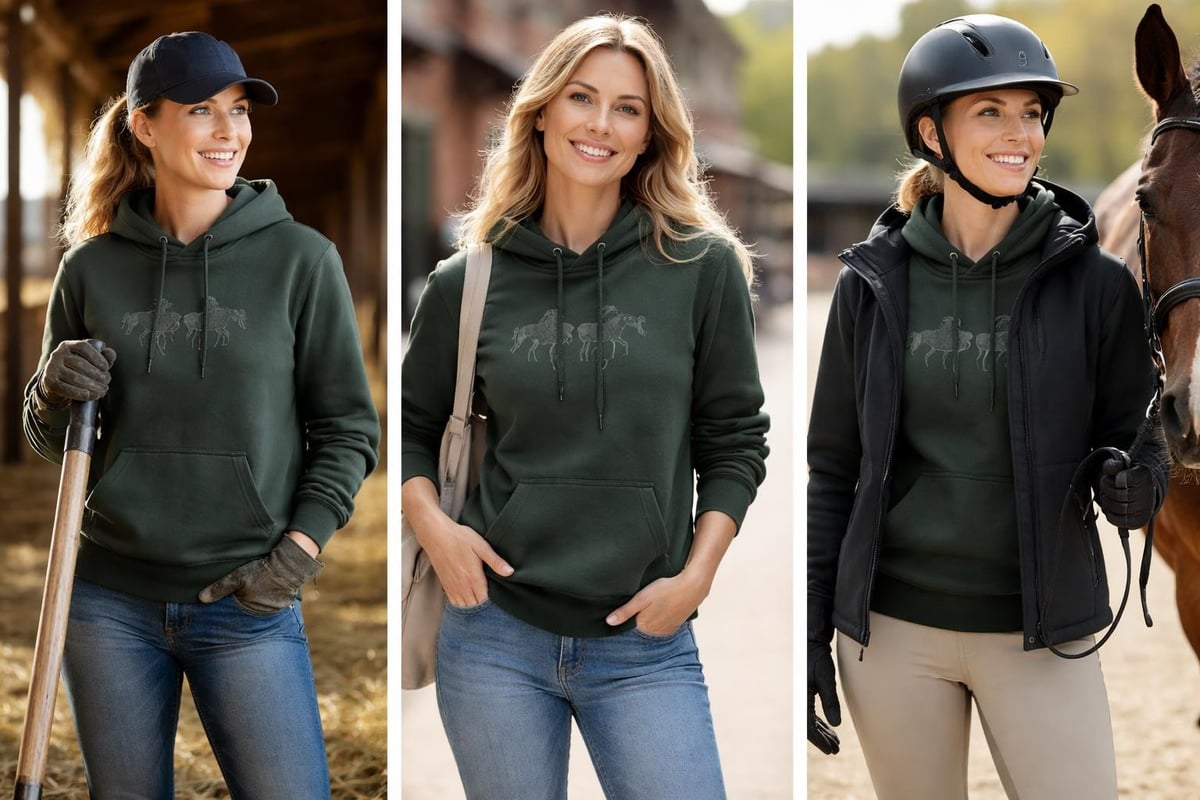
Subtle branding and design allow you to move through different contexts comfortably. While there's nothing wrong with bold equestrian graphics if that's your style, many riders prefer understated pieces that work in town, at the gym, or meeting friends. A well-cut hoodie in navy, charcoal, or olive needs minimal embellishment to look refined. Quality speaks through fit and fabric rather than obvious decoration.
Layering capability extends the usefulness of any hoodie. Under a riding jacket, a fitted equine hoodie provides insulation without bulk. Over a technical base layer, it becomes your outer shell for moderate weather. This versatility means one well-chosen piece covers multiple scenarios rather than requiring separate specialized items for each situation. The essentials collection philosophy centers on this multi-purpose approach.
Travel-friendly characteristics make certain equine hoodies invaluable for riders who compete or ride at multiple locations. Fabrics that resist wrinkling, pack compactly, and dry quickly overnight simplify logistics. When you're traveling light to a competition, a hoodie that performs in the warm-up arena, looks presentable for walk-through viewing, and serves as casual evening wear reduces what you need to pack. If you're interested in custom horse riding hoodies, personalization options let you add event-specific details while maintaining everyday wearability.
Selecting Your Equine Hoodie
Choosing the right piece requires matching design to your specific riding context and climate.
Climate consideration comes first. Coastal riders face different demands than those in continental climates. Consistent moisture and moderate temperatures favor lighter-weight, quick-drying fabrics with weather-resistant finishes. Cold, dry climates call for thicker materials with superior insulation properties. Variable conditions require adaptable mid-weight options that layer effectively. Understanding your typical riding environment prevents buying a hoodie that sits unused because it's perpetually too warm or insufficient for actual conditions.
Activity level influences fabric choice significantly. Casual riders who spend most stable time on ground care can prioritize comfort and durability over technical performance. Active competitors and trainers who work intensively need moisture-wicking and temperature regulation that keeps pace with physical demands. Your body generates substantial heat during vigorous riding or training sessions. A hoodie that can't manage that moisture becomes uncomfortable quickly.
Fit preferences vary among riders, but equestrian activities reward certain proportions. Too loose creates safety concerns around horses and equipment. Excessively tight restricts movement and feels uncomfortable during extended wear. The ideal fit allows a base layer underneath without excessive fabric bunching at elbows or waist. Sleeves should reach wrist bones when arms hang naturally but not extend over hands when arms bend. The breeches you wear influence preferred hoodie length - longer tops pair better with lower-rise breeches while shorter cuts suit higher-waisted styles.
Quality indicators help distinguish lasting investments from disposable pieces. Examine stitching density and straightness. Double or triple stitching at stress points suggests construction meant to endure. Check fabric hand - does it feel substantial or flimsy? Quality fabrics have pleasant weight and drape. Review care instructions. Pieces requiring delicate handling won't survive the washing frequency that stable life demands. Look for reinforced seams, bar-tack reinforcement at pocket corners, and quality hardware on zippers and adjusters.
Caring for Your Equine Hoodie
Proper maintenance extends the life of quality pieces and maintains their performance characteristics.
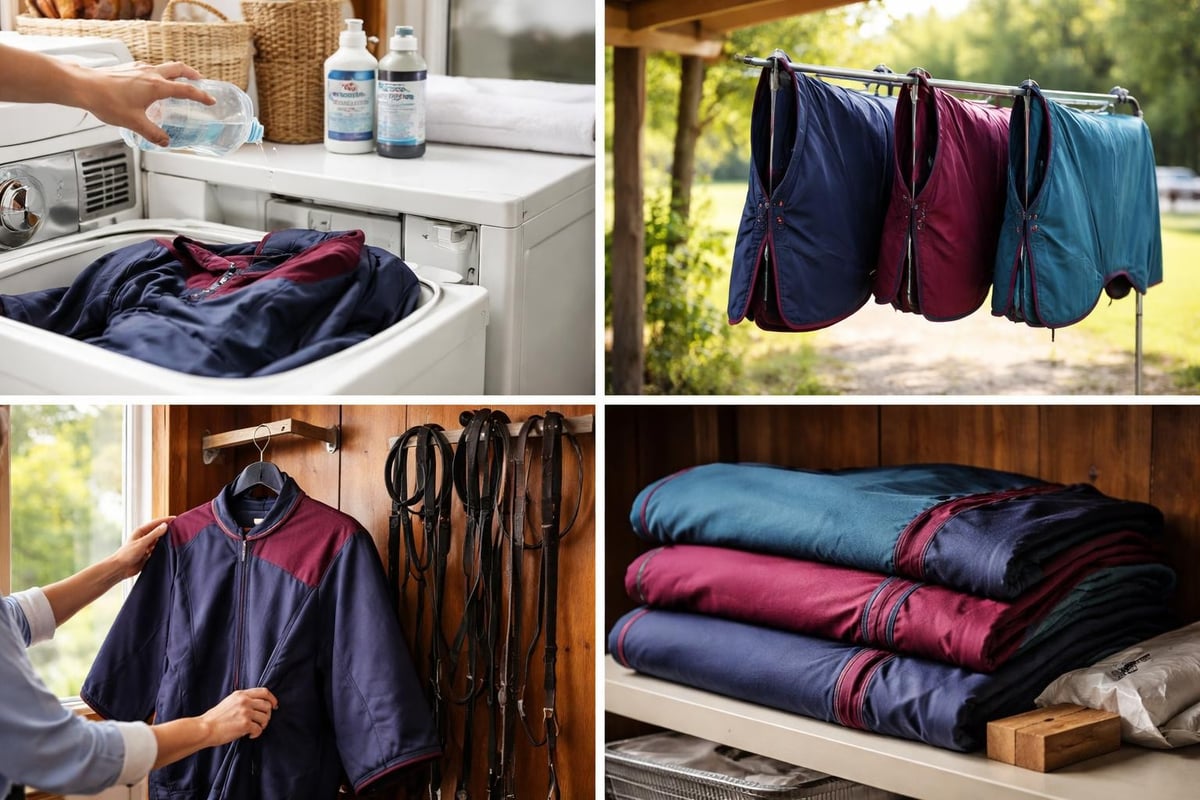
Washing frequency requires balance. Over-washing degrades fabrics prematurely. Under-washing allows odours and stains to set permanently. Most equine hoodies benefit from washing after three to four wears unless visibly soiled or sweaty. Technical fabrics often specify cold water to preserve moisture-wicking properties and prevent shrinkage. Turn hoodies inside out before washing to protect outer finishes and reduce pilling on exterior surfaces.
Detergent selection matters more for performance fabrics than cotton blends. Standard detergents leave residues that clog technical fabric pores, reducing breathability and moisture management. Sport-specific or technical fabric detergents clean effectively without these issues. Avoid fabric softeners entirely with moisture-wicking materials - they coat fibers and destroy wicking capability. Your hoodie won't dry as quickly or feel as comfortable after softener exposure.
Drying method impacts longevity significantly. High heat shrinks natural fibers, damages elastic components, and breaks down technical fabric treatments. Air drying preserves fabric integrity best but isn't always practical. If machine drying, use low heat and remove the hoodie while slightly damp. Finish air drying to prevent over-exposure to heat. This hybrid approach balances convenience with fabric care.
Storage practices prevent unnecessary wear. Hanging hoodies long-term stretches shoulders and distorts shape. Folding and storing on shelves maintains structure better. Keep equine hoodies away from direct sunlight when stored to prevent fading. If you rotate multiple hoodies seasonally, storing off-season pieces in breathable garment bags protects from dust and stable debris while allowing air circulation that prevents musty odours.
The Broader Equine Hoodie Landscape
Understanding what's available helps you make informed choices beyond single brands.
Style diversity spans from technical performance pieces to fashion-forward designs. Companies like Karoo Equine offer zip-up styles that emphasize functionality. Others focus on pullover designs with bold graphics appealing to riders who enjoy making statements. The Equestrianlifestyle.ca hoodies collection demonstrates the range available when you explore beyond mainstream outlets. Some riders appreciate having both types - technical pieces for actual riding work and more relaxed designs for casual wear.
Material innovation continues advancing. Bamboo-blend fabrics offer natural antimicrobial properties and exceptional softness. Recycled polyester provides performance characteristics while addressing environmental concerns. Hemp blends bring durability and sustainability together. These alternatives to traditional cotton or synthetic fabrics give riders more choices aligned with personal values without sacrificing performance. The Alliance Equine Bane Hoodie showcases cotton-spandex blends that deliver stretch and breathability.
Price points vary dramatically across the equine hoodie market. Budget options start around thirty pounds, mid-range pieces typically cost fifty to eighty pounds, and premium technical hoodies exceed one hundred pounds. Price doesn't always equal quality, but extremely cheap hoodies often use inferior fabrics and construction that fail quickly under demanding use. Mid-range options frequently deliver excellent value, combining decent materials with solid construction. Premium prices usually reflect advanced fabrics, superior cuts, or specialized features that benefit serious riders.
Customization options let you create personalized pieces for teams, stables, or individual preference. Many suppliers offer embroidery or printing services. Collections like Colt and Filly hoodies cater to specific tastes within the broader riding community. Custom pieces work particularly well for riding programs, competitive teams, or as memorable gifts for fellow riders.
Equine Hoodies for Different Disciplines
Riding disciplines influence hoodie requirements in subtle but meaningful ways.
Dressage riders often prefer refined, understated designs that reflect the discipline's emphasis on elegance. Neutral colours, minimal graphics, and tailored fits align with dressage aesthetics. These riders typically want pieces that look appropriate when worn trackside during training or at shows. Technical fabrics still matter for performance, but visual presentation carries equal weight.
Show jumping and eventing riders lean toward functionality and durability. These disciplines involve more physical activity and exposure to varied conditions. Hoodies need to withstand weather changes, provide freedom of movement, and handle the grime accumulated during cross-country schooling or course walking. Practical features like reinforced elbows or water-resistant treatments prove particularly valuable. The jackets collection philosophy of combining style with serious weather protection extends to hoodie selection for these riders.
Western riders bring different style sensibilities to equine hoodie choices. While performance requirements remain similar, design aesthetics often incorporate different colour palettes and graphics. Western riders might prefer earth tones, southwestern patterns, or ranch-inspired designs that align with their discipline's visual culture. Functionality still dominates - these hoodies need to perform during long days working cattle or training reining horses.
Casual and trail riders prioritize comfort and versatility above all. Without competition standards to consider, these riders select hoodies purely based on personal preference and practical needs. This freedom allows exploring the full range of designs, from technical performance pieces to relaxed cotton blends prioritizing comfort over advanced features.
Building Your Rotation
Most riders benefit from owning multiple hoodies rather than relying on a single piece.
A three-hoodie approach covers most situations effectively. Start with one technical performance hoodie for active riding and training. This becomes your workhorse piece - moisture-wicking fabric, excellent fit, durable construction. Choose a versatile colour that pairs with your typical riding attire and looks appropriate for your primary discipline. This piece should justify premium pricing through features and construction quality.
Add a casual everyday hoodie that handles stable chores and general wear. This doesn't need advanced technical features but should offer comfort and reasonable durability. Mid-weight cotton blends work well here. This becomes the piece you don't worry about getting dirty during mucking or general barn work. It's also what you wear running errands after riding without feeling either overdressed or inappropriately casual. The best sellers often include versatile pieces that excel in this role.
Round out your collection with a weather-specific option. In colder climates, this means a heavier fleece-lined hoodie for winter riding. In variable conditions, consider a lighter technical piece optimized for layering. This third hoodie addresses gaps left by your first two, extending the conditions and situations where you're properly equipped.
Seasonal rotation keeps your equine hoodies in better condition. Actively using three pieces rather than wearing one constantly distributes wear more evenly. Each hoodie gets adequate recovery time between uses, allowing fabrics to fully dry and regain shape. This approach extends overall lifespan while ensuring you always have clean, appropriate options available.
Performance Features Worth Seeking
Certain characteristics consistently prove valuable across different riding contexts and preferences.
Thumb holes in cuffs seem minor but provide genuine utility. They prevent sleeves from riding up when pulling on jackets or working with your hands extended. Thumb holes also add slight warmth to hands during cool weather without the bulk of gloves. Not every rider wants this feature, but those who use it appreciate having it.
Reflective elements enhance safety during early morning or evening riding. Subtle reflective piping or logos increase visibility without looking overly technical. If you frequently ride during low-light conditions or walk horses along roads, reflective details provide practical benefits beyond style considerations.
Strategic ventilation improves comfort during active use. Mesh panels under arms or along sides allow heat to escape while maintaining core warmth. Vented designs work particularly well for riders in moderate climates who want year-round hoodie options. Without ventilation, even technical fabrics can feel stifling during vigorous activity.
Articulated or gusseted underarms provide movement freedom that standard raglan sleeves can't match. This construction detail matters most for riders who spend significant time with arms extended or raised. The difference becomes apparent when grooming tall horses, working overhead in tack rooms, or performing pre-ride stretching.
Interior media pockets with cable routing allow secure phone or music player storage without external bulk. A discrete interior pocket keeps devices protected and accessible while the cable pass-through prevents tangled wires. This feature appeals particularly to riders who listen to music while training or want phones accessible without obvious exterior pockets.
The Style Equation
Looking good matters, even when the primary focus is function and performance.
Colour selection influences versatility significantly. Navy, charcoal, and black remain perpetually useful, pairing easily with any breeches or jacket colour. They hide minor dirt and staining better than lighter shades. However, don't dismiss lighter options entirely. Bone, sage, or grey can look exceptionally sharp and provide visual variety in your rotation. The key is choosing colours you'll actually wear rather than purchasing something that sits unused because it doesn't match your existing wardrobe. Browse the fashion equestrian perspective for insights on colour coordination.
Fit modern enough to look current but not so trendy it dates quickly proves most versatile. Extremely oversized or ultra-fitted styles might feel fashionable now but look dated within a season or two. Clean, slightly tailored cuts maintain relevance across multiple years. Remember you're investing in pieces meant to last, not disposable fast fashion.
Graphics and branding require personal judgment. Subtle embroidered logos or tone-on-tone designs maintain sophistication while identifying quality brands. Large graphics or slogans make bolder statements that some riders embrace and others avoid. Neither approach is wrong, but consider where and how you'll wear the hoodie beyond stable contexts. A piece covered in obvious horse imagery might feel awkward in non-equestrian settings.
Proportion relative to your build and typical riding attire ensures cohesive appearance. Tall riders can carry longer cuts that would overwhelm shorter frames. Athletic builds suit fitted styles while relaxed cuts flatter different body types. Try hoodies with your usual breeches and boots to see how proportions work together. A hoodie might look perfect on its own but awkward when paired with riding-specific items.
The equine hoodie bridges the gap between serious riding gear and everyday comfort, serving as that reliable layer that works as hard as you do. Whether you're selecting your first quality piece or expanding an existing rotation, focusing on fit, fabric performance, and versatile design ensures choices that deliver value for years. Gallant Equestrian creates performance-driven pieces that transition effortlessly from stables to street, combining New Zealand craftsmanship with the refined functionality riders demand. Look the Part. Enjoy the Ride.

