

Riding Clothes: Performance & Style Guide for Men
Mar 14, 2026
Getting your riding clothes right matters more than most people think. The right gear keeps you comfortable, safe, and confident in the saddle while looking sharp enough for anywhere your day takes you. For men who ride, the challenge isn't just finding clothes that work, it's finding pieces that perform without sacrificing style. Whether you're schooling in the arena, competing at shows, or simply enjoying a weekend hack, what you wear directly impacts how you ride.
The Foundation of Functional Riding Clothes
Quality riding clothes serve a purpose beyond appearance. They're engineered to move with you, protect you, and endure the rigors of regular riding. Unlike generic athletic wear, proper equestrian gear addresses the specific demands of being in the saddle: grip where you need it, flexibility through your range of motion, and durability in high-stress areas.
The foundation starts with breeches. These aren't just tight trousers, they're precision-cut garments designed around the riding position. A well-made pair eliminates bulk at the inner leg, prevents chafing, and provides strategic grip through knee patches or full seats. The fabric needs to stretch in four directions while maintaining its shape after countless hours of use.
Technical fabrics have transformed modern riding clothes. Moisture-wicking materials keep you dry during intense sessions, while breathable panels prevent overheating. Four-way stretch ensures freedom of movement whether you're posting to the trot or shifting your weight for a jump. The best pieces combine these performance features with a clean aesthetic that works beyond the barn.
Choosing the Right Fit
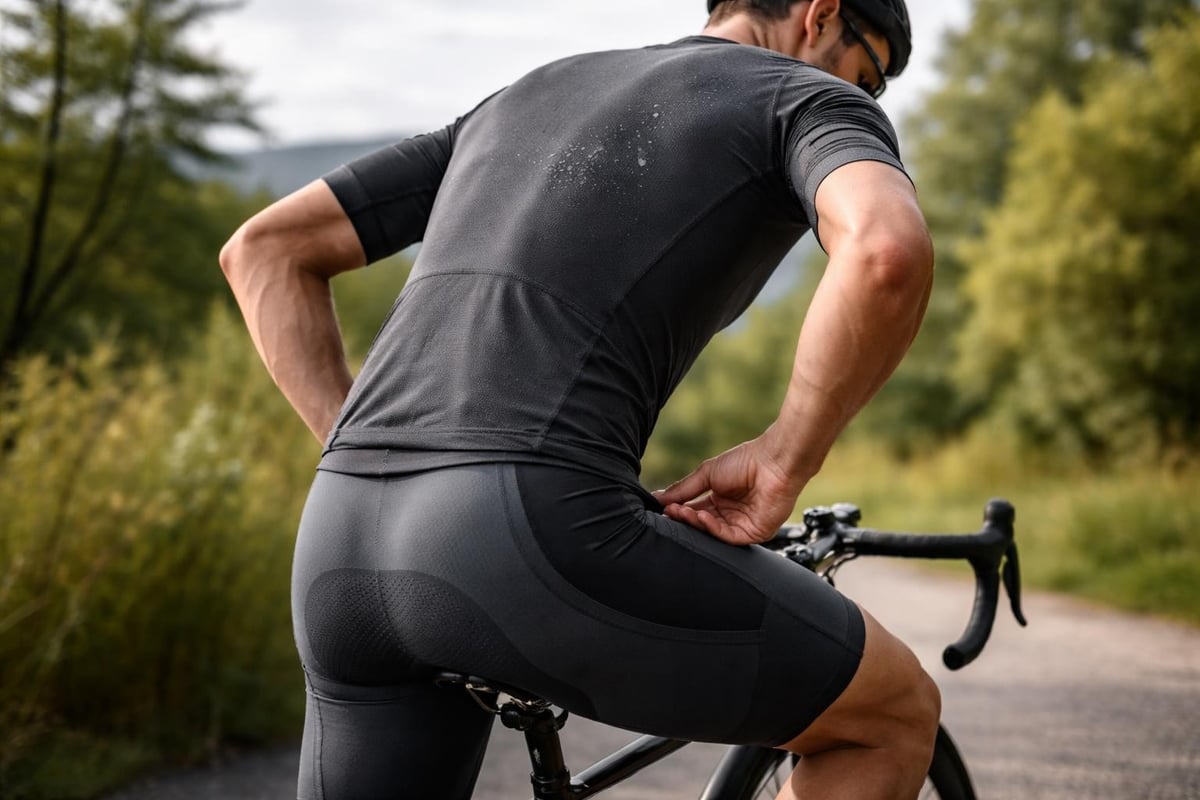
Fit separates adequate riding clothes from exceptional ones. Breeches should sit at your natural waist, not your hips, providing proper coverage when you're seated in the saddle. The leg length needs careful consideration: too long and you'll have bunching at the ankle, too short and they'll ride up uncomfortably.
Modern cuts offer more options than ever. Euro-seat designs provide a closer, more tailored fit that many competitive riders prefer. Traditional cuts offer slightly more room through the seat and thigh. Neither is inherently better, it depends on your build and riding discipline. Understanding proper breeches fit helps you make informed choices.
Shirts and jackets require similar attention. Competition jackets need enough room through the shoulders and chest to avoid restricting your upper body movement. Everyday riding shirts should allow you to raise your arms comfortably and move freely without pulling or gaping. Always consider how the garment functions when mounted, not just how it looks standing in front of a mirror.
Discipline-Specific Requirements
Different riding disciplines demand specific attire, particularly for competition. Dressage, show jumping, and eventing each have distinct expectations that blend tradition with modern safety standards. Understanding these requirements prevents last-minute scrambling before your first show.
Dressage traditionally calls for formal attire: white or light-colored breeches, a show shirt with stock tie or collar, and a dark jacket. At higher levels, a tailcoat replaces the standard jacket. Proper dressage attire guidelines outline the specifics, though lower-level competitions often permit more relaxed options like polo shirts instead of formal show shirts.
Show jumping offers more flexibility in color and style, though the core elements remain consistent: breeches, show shirt or polo, and a jacket for recognized competitions. Many riders appreciate this discipline's slightly more relaxed approach to formality while maintaining a professional appearance.
Competition Standards vs Daily Riding
Competition riding clothes follow established standards for good reason. Safety requirements like approved helmet standards protect riders regardless of discipline. Organizations like The British Horse Society maintain detailed guidance ensuring riders meet appropriate safety and presentation standards.
Daily riding allows more personal expression. You're not bound by show ring conventions, which opens opportunities for practical choices that match your routine. That might mean technical riding tights instead of breeches, quarter-zip pullovers rather than show shirts, or breathable riding shorts for summer schooling sessions.
The key is balancing comfort with functionality. Your everyday riding clothes should still provide proper grip, avoid excess bulk, and use fabrics that handle sweat and movement. Just because you're not showing doesn't mean you should compromise on performance.
Layering for All Conditions
Successful riding requires adapting to changing weather without losing functionality. Proper layering keeps you comfortable across seasons while maintaining the close contact necessary for effective riding. The approach differs from typical outdoor activities because bulk under your seat interferes with communication with your horse.
Start with a base layer that manages moisture directly against your skin. Merino wool or high-quality synthetics work well year-round. These should fit close without compression, moving seamlessly under your breeches and shirt. Avoid cotton, which retains moisture and leads to chilling.
Mid-layers add warmth without bulk. Fitted gilets work excellently, providing core warmth while keeping your arms free for precise rein control. Lightweight fleeces or technical pullovers offer warmth for cooler days without the restriction of a full jacket. Look for pieces with longer backs that stay put when you're in the saddle.
Weather-Ready Outerwear
Outer layers need special consideration. Waterproof riding jackets must shed rain while allowing enough movement for active riding. The best designs incorporate riding-specific features: extended backs for coverage in the saddle, stretch panels through the shoulders and arms, and secure pockets that won't dump their contents when you lean forward.
Winter riding demands strategic warmth. Heavy, puffy jackets restrict movement and create too much bulk. Instead, opt for streamlined technical jackets with high warmth-to-weight ratios. Softshell materials offer excellent protection from wind and light precipitation while maintaining flexibility.
Summer presents different challenges. Breathable, moisture-wicking shirts become essential. Look for fabrics with UV protection and mesh panels that enhance airflow. Light colors reflect heat better than dark ones, though functionality trumps fashion when the temperature climbs.
Transitioning Beyond the Barn
Modern riding clothes increasingly blur the line between equestrian wear and everyday style. The same pieces that perform in the saddle now work for casual settings, extending their value beyond riding hours. This versatility makes quality pieces an even better investment.
Well-designed breeches with minimal branding can pair with boots and a jacket for a polished casual look. Technical riding shirts work for everything from errands to informal gatherings. The key is choosing pieces with clean lines and neutral colors that don't scream "stable wear" when you're away from horses.
Building a capsule wardrobe around versatile riding clothes simplifies your life. Instead of separate wardrobes for riding and everything else, strategic pieces serve multiple purposes. This approach reduces clutter while ensuring you're always appropriately dressed.
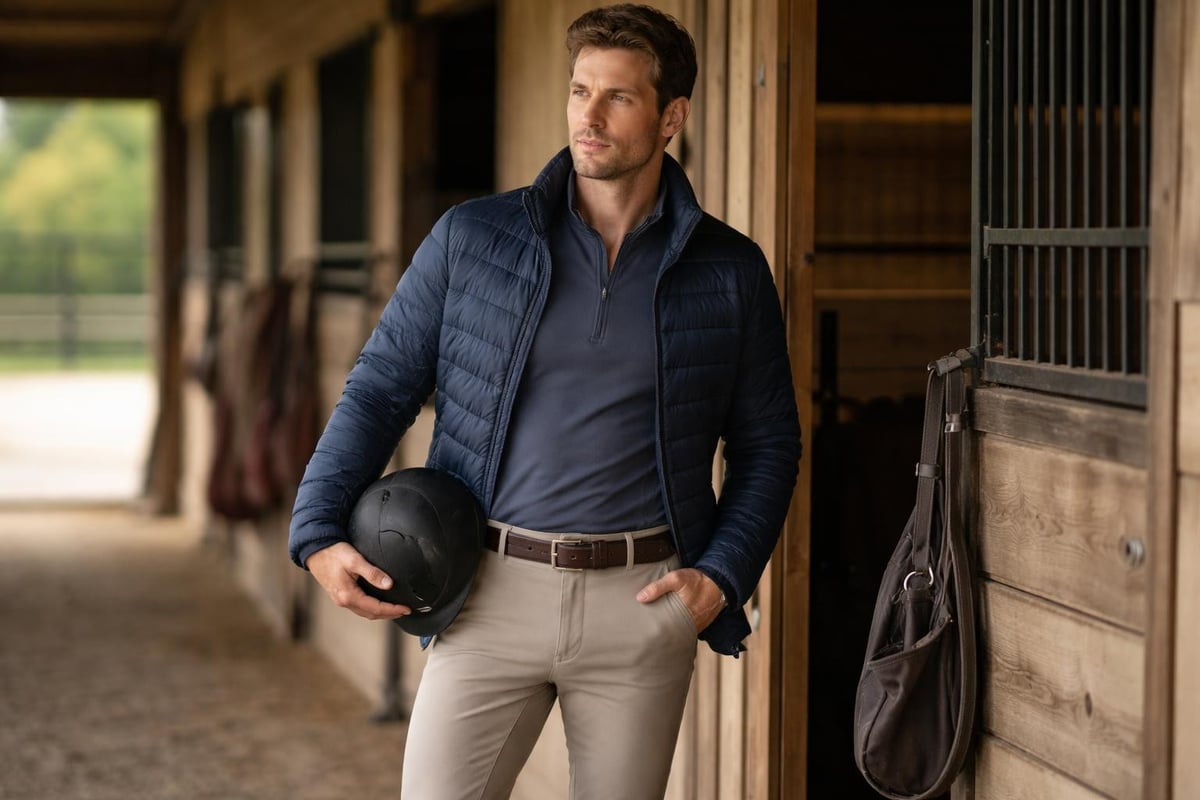
Quality riding jackets exemplify this versatility. Designed to perform during rides, they're equally suitable for casual dining, travel, or weekend activities. Look for styles that balance equestrian functionality with broader appeal: clean designs, quality construction, and features that work in multiple contexts.
Material Quality and Construction
Understanding what makes quality riding clothes helps you invest wisely. Construction details reveal whether a garment will perform long-term or fail after a few rides. Examining these elements before purchasing saves frustration and money.
| Quality Indicator | What to Look For | Why It Matters |
|---|---|---|
| Seam Construction | Flat-felled or reinforced seams | Prevents chafing and increases durability |
| Fabric Weight | 230-280 GSM for breeches | Balances durability with comfort |
| Stretch Retention | Returns to shape after stretching | Prevents sagging and maintains fit |
| Panel Integration | Seamless or minimal seams at contact points | Reduces pressure points and wear |
| Hardware Quality | Metal or reinforced plastic closures | Ensures long-term functionality |
Premium riding clothes use technical fabrics engineered for performance. These materials cost more than basic alternatives but deliver measurable benefits: superior moisture management, better shape retention, enhanced durability, and improved comfort during extended wear. The difference becomes obvious after a few months of regular use.
Construction techniques matter equally. Reinforced stress points prevent premature failure at knees, inner legs, and pocket openings. Quality brands incorporate ergonomic design principles, cutting patterns specifically for the riding position rather than adapting standard trouser patterns. These details define how garments perform when it matters most.
Investment vs Budget Options
Riding clothes span a wide price range. Understanding where to invest and where you can economize helps build a functional wardrobe without overspending. Some pieces justify premium pricing through performance and longevity, while others work perfectly well at mid-range price points.
Breeches deserve investment. You wear them every ride, they take significant abuse, and quality directly impacts comfort. Choosing the right breeches means considering them a long-term investment rather than a consumable item. Well-made pairs last years with proper care, making their per-wear cost remarkably reasonable.
Base layers and shirts offer more flexibility. Quality matters, but you can find excellent performance at various price points. Focus on fabric composition and construction over brand names. A well-made technical shirt from a lesser-known brand often outperforms a mediocre piece from a prestige label.
Care and Maintenance Essentials
Proper care extends the life of riding clothes significantly. These garments face challenging conditions: sweat, dirt, friction, and frequent washing. Treating them correctly maintains their performance characteristics and appearance.
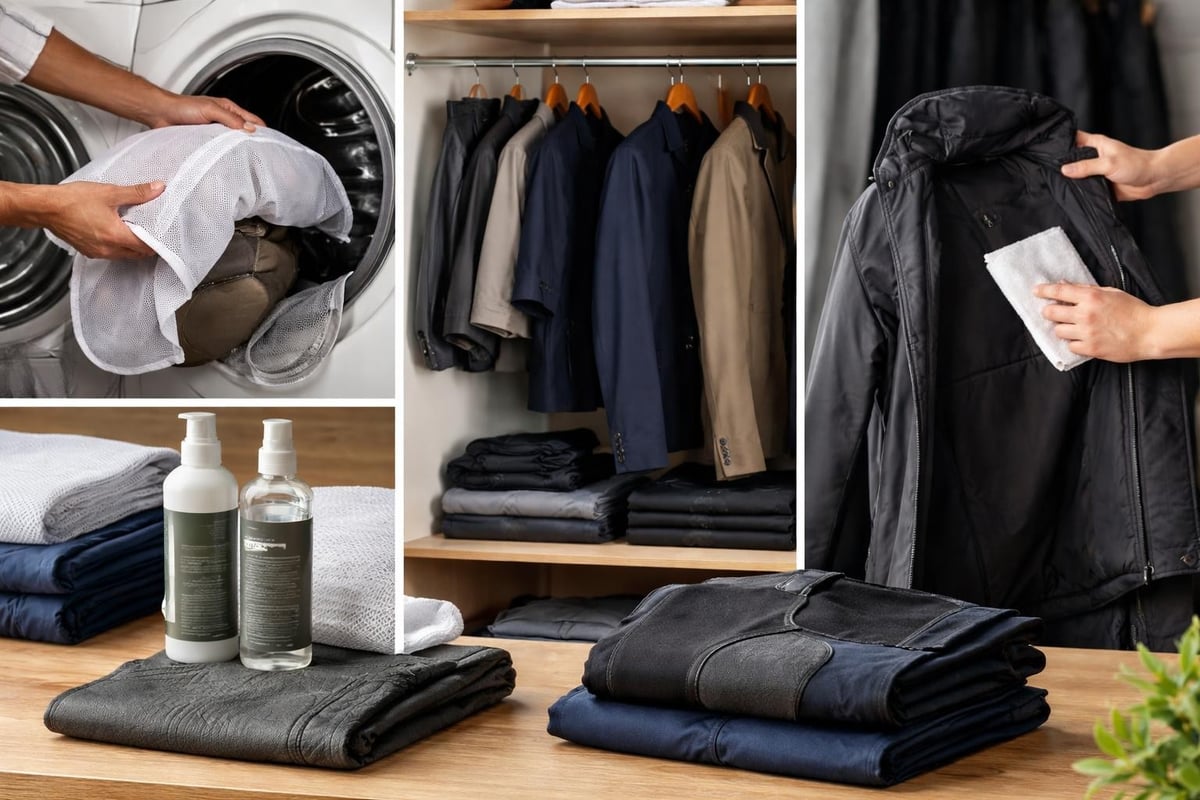
Always follow manufacturer care instructions, but general principles apply across most riding clothes. Turn garments inside out before washing to protect outer surfaces and any grip elements. Use cool or warm water rather than hot, which can degrade elastic and technical fabrics. Skip fabric softener, it coats fibers and reduces moisture-wicking performance.
Technical fabrics benefit from specialized detergents designed for performance wear. These clean effectively without leaving residues that compromise breathability or moisture management. Standard detergents work acceptably but avoid those with heavy fragrances or additives.
Storage and Organization
How you store riding clothes affects their condition. Hanging breeches prevents creasing and maintains their shape better than folding. Use clip or clamp hangers rather than those with bars that can create permanent creases. Jackets need proper hangers that support the shoulders without stretching them.
Keep riding clothes separate from barn storage. The stable environment, while necessary for gear and tack, isn't ideal for your riding wardrobe. Moisture, dust, and temperature fluctuations degrade fabrics faster. A dedicated space in your home maintains garments in better condition.
Regular inspection catches small issues before they become major problems. Check for loose threads, small tears, or weakening fabric at stress points. Addressing these promptly with simple repairs prevents them from expanding into irreparable damage.
Building Your Core Wardrobe
Starting with riding clothes can feel overwhelming given the options available. A strategic approach builds a functional wardrobe without unnecessary pieces or missing essentials. Focus on versatile items that work across situations before adding specialized pieces.
Begin with two pairs of quality breeches in neutral colors: tan and navy or grey cover most situations. This allows you to alternate between rides while one pair is being washed. Add a third pair once you're riding consistently several times per week.
Three riding shirts provide adequate rotation: two technical polos and one show shirt if you're competing. Choose colors that coordinate with your breeches. White and light blue work universally, while navy or subtle patterns add variety without limiting combinations.
One well-chosen jacket serves multiple purposes. For competition riders, this should meet show requirements for your discipline. If you're not showing, prioritize functionality: weather protection, freedom of movement, and versatility for wearing beyond the barn. Understanding men's riding jackets helps identify features that matter most for your needs.
Seasonal Additions
Once your core wardrobe functions well, add seasonal pieces that enhance comfort throughout the year. Winter needs include a technical base layer, mid-weight fleece or gilet, and potentially insulated breeches for particularly cold climates. Summer additions might include a second set of lightweight shirts and breathable riding tights.
Rain gear becomes essential depending on your climate and riding schedule. A quality waterproof jacket designed for riding pays dividends if you ride frequently in wet conditions. Cheaper alternatives might work initially but rarely offer the durability or functionality needed for regular use.
Don't overlook accessories. Gloves protect your hands and improve grip year-round. Competition standards often specify appropriate colors and styles, but daily riding allows more flexibility. Quality riding socks prevent blisters and manage moisture better than regular athletic socks.
Modern Style Meets Traditional Function
Contemporary riding clothes for men reflect evolving attitudes about equestrian style. The staid, conservative aesthetic that dominated for decades now shares space with pieces that acknowledge men want to look current while maintaining the functionality that makes riding clothes work.
This shift doesn't mean abandoning tradition or adopting trendy elements that compromise performance. Rather, it represents thoughtful design that respects equestrian heritage while embracing modern materials, cuts, and aesthetics. The result is riding clothes that feel appropriate in the arena without looking dated everywhere else.
Color palettes have expanded beyond traditional tans, blacks, and greys. Subtle patterns, textured fabrics, and contemporary color combinations appear in pieces designed specifically for men who ride. These options maintain professionalism while allowing personal expression through your riding clothes.
Fit has evolved significantly. Where equestrian wear once favored looser, more forgiving cuts, modern designs embrace tailored fits that flatter without restricting. This doesn't mean uncomfortably tight, rather, precisely cut pieces that follow your body's lines while providing necessary stretch and movement. Contemporary equestrian style balances these elements effectively.
Quality riding clothes form the foundation of every successful ride, combining technical performance with the style that takes you confidently from saddle to street. Getting these fundamentals right means investing in pieces engineered specifically for men who ride: proper fits, performance fabrics, and designs that work as hard as you do. Gallant Equestrian creates exactly this, performance-driven essentials built in New Zealand that deliver in the saddle and beyond. Look the Part. Enjoy the Ride.

