

Jodhpur Clothing: A Rider's Guide to Style & Function
Apr 08, 2026
Jodhpur clothing represents one of the most enduring contributions from equestrian tradition to men's wardrobes worldwide. Named after the royal city in Rajasthan, India, these distinctive riding trousers have evolved from practical military wear into refined equestrian essentials that blend performance with unmistakable style. Whether you're new to riding or refining your stable wardrobe, understanding jodhpur clothing helps you make informed choices that serve both in the saddle and beyond.
The Heritage Behind Jodhpur Clothing
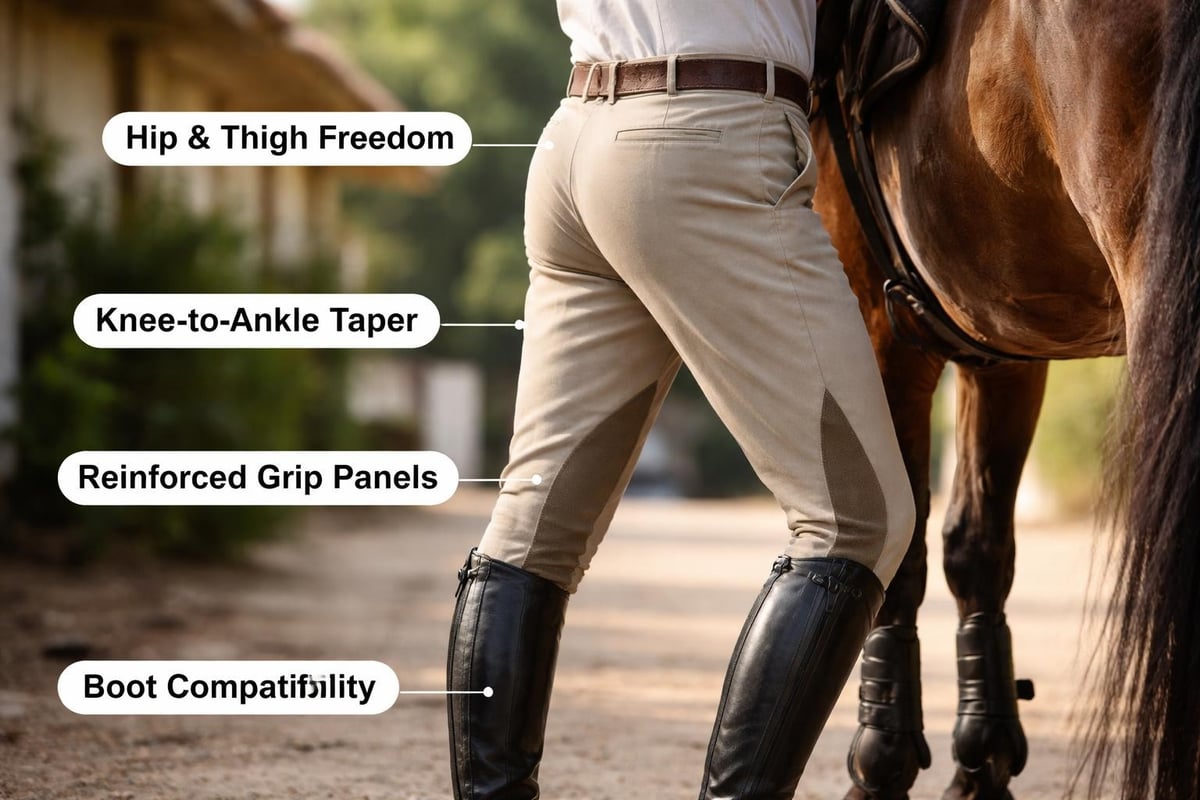
The story of jodhpur clothing begins in the late 19th century when Maharaja Pratap Singh of Jodhpur commissioned modified riding trousers for his polo team. These early jodhpurs featured a unique design: wide through the hips and thighs, tapering dramatically from knee to ankle, with reinforced inner leg panels for grip.
British military officers stationed in India recognized the practical advantages immediately. The design allowed freedom of movement whilst riding, eliminated excess fabric that could bunch uncomfortably, and worked perfectly with tall boots. By the early 1900s, jodhpur clothing had become standard issue for cavalry units across the British Empire.
What made these garments revolutionary was their balance of function and form. The wider upper portion accommodated the riding position without restriction, whilst the snug lower leg prevented fabric from catching on tack or rubbing against the saddle. This thoughtful design continues to influence modern equestrian breeches today.
Modern Jodhpur Clothing for Riders
Contemporary jodhpur clothing maintains the core design principles whilst incorporating performance fabrics and refined tailoring. Today's versions serve different disciplines and preferences, from traditional riding to everyday wear.
Traditional Riding Jodhpurs
Classic jodhpur clothing typically features a high waist, button or zip fly, and that characteristic flare through the thigh. These are cut to sit at the natural waist, providing support and coverage whilst mounted. The ankle band often includes elastic or adjustable straps to ensure a smooth fit inside boots.
Most traditional jodhpurs use cotton twill or cavalry twill fabric. These natural fibres offer breathability and durability, though they require proper care and pressing to maintain their shape. For riders who prefer heritage aesthetics, this construction delivers authentic character.
Performance-Oriented Options
Modern performance jodhpur clothing integrates stretch fabrics like elastane or spandex blended with technical synthetics. These materials wick moisture, resist wrinkles, and move with your body during active riding. Contemporary breeches often include features like silicone knee patches, compression panels, and reinforced seams.
The fit has evolved as well. Many current designs sit slightly lower on the waist whilst maintaining that essential tapered leg. Some versions eliminate the traditional ankle strap entirely, relying instead on engineered compression to keep the fabric smooth inside boots.
Choosing the Right Jodhpur Clothing
Selecting appropriate jodhpur clothing depends on several factors: your riding discipline, climate, personal build, and how you'll wear them beyond the stable.
Fabric Considerations
Consider where and when you'll ride most often. Heavy cotton twill works beautifully in cooler months and provides excellent durability. However, these fabrics can feel restrictive in heat and take longer to dry if they get wet from rain or sweat.
Technical blends offer year-round versatility. Look for fabrics with at least 5% stretch content for ease of movement. Four-way stretch materials move in all directions, particularly useful for active disciplines like jumping or eventing. Moisture-wicking properties become essential if you ride in warm weather or during intensive training sessions.
Fit and Sizing
Proper fit separates functional jodhpur clothing from frustrating purchases. The waist should sit comfortably without requiring a belt to stay in place, though most jodhpurs include belt loops for those who prefer the additional security. Through the seat and thigh, you want enough room to sit comfortably in the saddle without excess fabric bunching.
The knee area requires particular attention. Too tight, and you'll restrict movement. Too loose, and fabric will bunch behind the knee, causing discomfort during extended riding. The lower leg should taper smoothly without cutting off circulation, allowing boots to slide on easily whilst preventing bunching at the ankle.
| Feature | Traditional Cut | Performance Cut |
|---|---|---|
| Waist Position | Natural/High | Mid to Natural |
| Thigh Room | Generous | Tailored with Stretch |
| Knee Design | Standard Fabric | Often Reinforced/Padded |
| Lower Leg | Ankle Strap Common | Compression Fit |
| Primary Fabric | Cotton Twill | Technical Blend |
Color Selection
Jodhpur clothing traditionally comes in neutral tones: tan, beige, white, navy, and black. These colours align with equestrian fashion conventions and pair easily with riding jackets, boots, and shirts.
Lighter colours show dirt quickly but work well for competition settings where presentation matters. Darker options hide stains better during daily training. Navy and black jodhpur clothing transitions smoothly from stable to casual settings when paired with appropriate tops and footwear.
Wearing Jodhpur Clothing Beyond the Stable
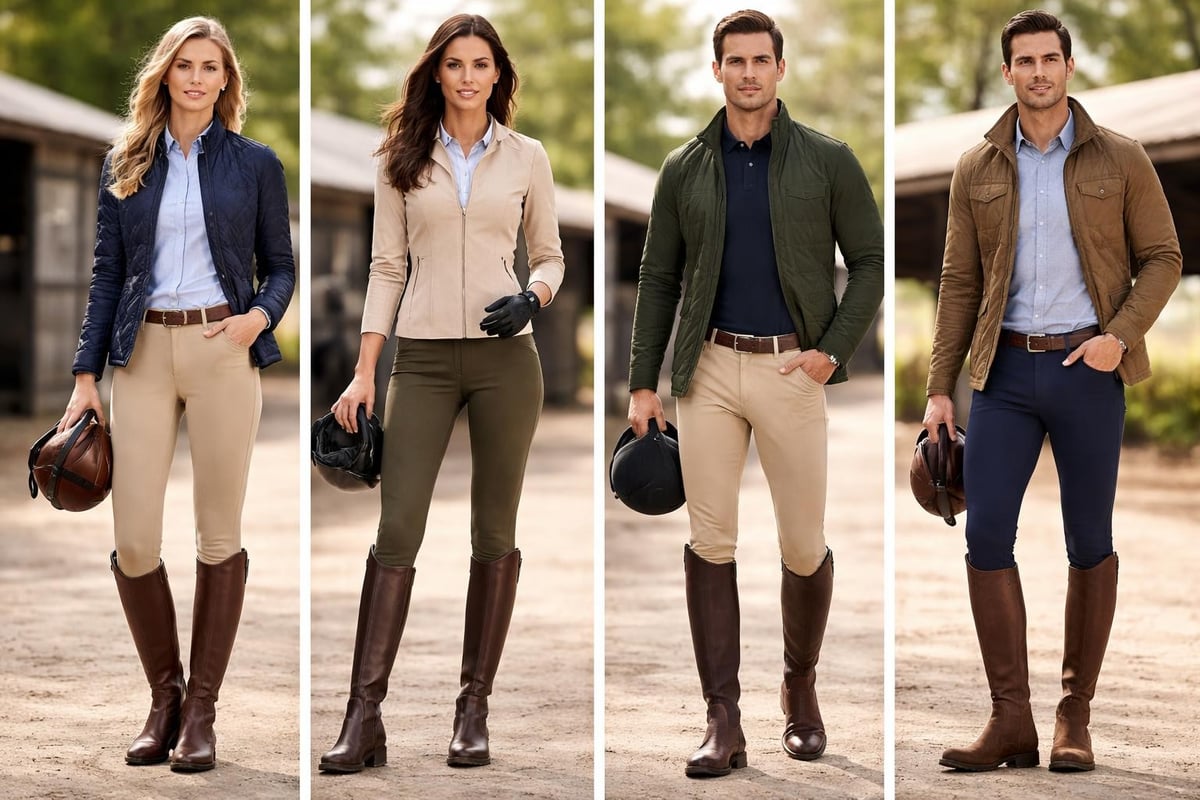
One advantage of well-made jodhpur clothing is its versatility. The clean lines and tailored fit translate well to casual settings when styled thoughtfully.
Pairing with Footwear
Whilst jodhpur clothing was designed for tall riding boots, they work with various footwear. Jodhpur boots (short ankle boots with a strap) are the traditional casual option, creating a clean line from waist to toe. Chelsea boots offer a modern alternative with similar silhouette benefits.
For truly casual wear, clean leather trainers or desert boots can work with darker jodhpur clothing, particularly styles that lean more toward slim-fit trousers than traditional riding cuts. The key is maintaining proportional balance between the tapered leg and your footwear choice.
Top and Jacket Options
Simple shirts work best with jodhpur clothing. Fitted button-downs, polo shirts, and quality t-shirts all pair well, allowing the distinctive trouser silhouette to remain the focal point. Avoid overly loose or boxy tops, which create visual imbalance with the tapered leg.
Structured jackets complement the refined nature of jodhpur clothing. Blazers, field jackets, and bomber jackets all work, depending on the occasion. For cooler weather, a quality jumper or vest layers smoothly over a shirt without adding bulk through the waist and hips.
Caring for Your Jodhpur Clothing
Proper maintenance extends the life of quality jodhpur clothing considerably. Unlike disposable fast fashion, well-made riding trousers improve with proper care.
Washing and Drying
Always check care labels, but most jodhpur clothing benefits from gentle washing in cool water. Turn garments inside out to protect outer fabrics and any grip patches. Use mild detergent without optical brighteners, which can break down technical fabrics over time.
Avoid high-heat drying, which degrades elastic fibres and can cause shrinkage in natural fabrics. Air drying maintains shape and extends fabric life. If you must use a dryer, select low heat and remove items whilst still slightly damp.
Storage and Maintenance
Hang jodhpur clothing rather than folding when possible. This prevents creasing through the knee area and maintains the tailored line through the leg. Use trouser hangers that clip at the ankle, allowing gravity to work in your favour.
Address small issues promptly. Loose stitching, minor tears, or failing elastic are easier to repair early than after they've worsened. Quality jodhpur clothing justifies the cost of professional alterations when needed to maintain proper fit as your build changes.
Understanding Quality Indicators
Not all jodhpur clothing offers equal value. Knowing what separates well-constructed pieces from mediocre options helps you invest wisely.
Construction Details
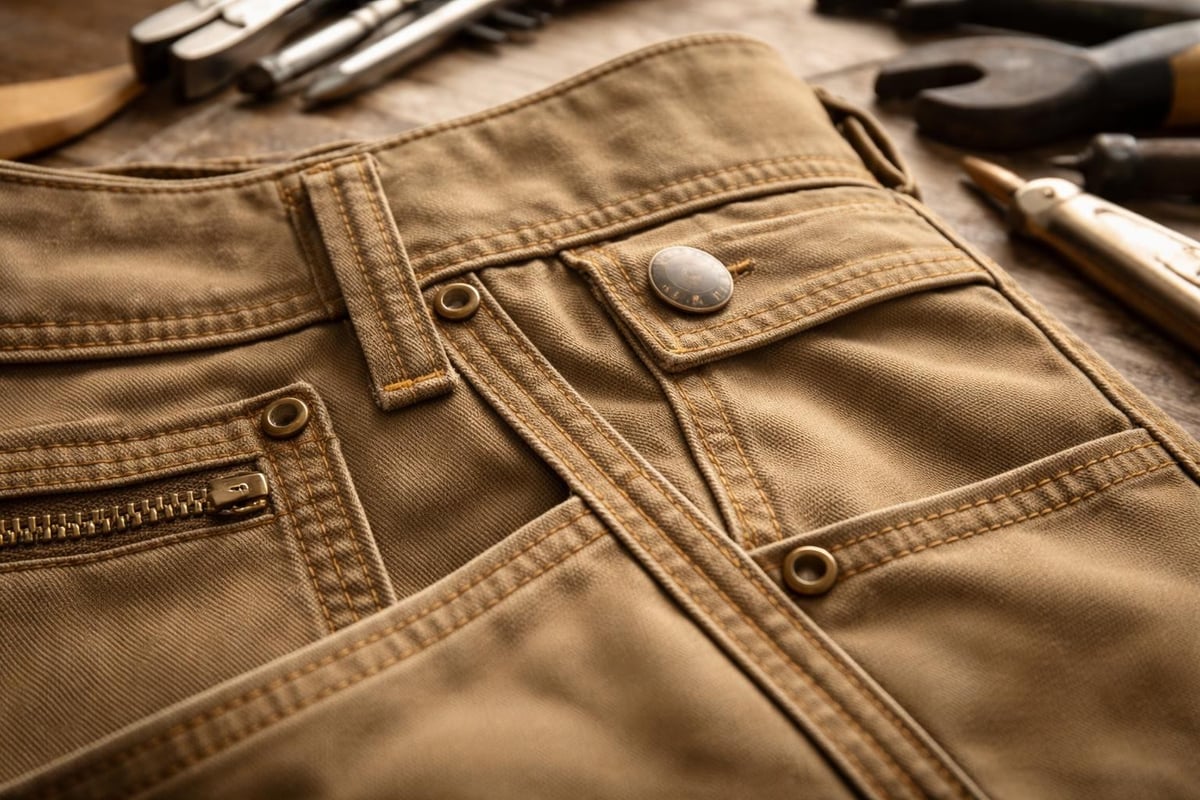
Examine seam construction. Double-stitched or reinforced seams, particularly through high-stress areas like the seat and inner leg, indicate attention to durability. Flatlock seams reduce bulk and friction points, increasing comfort during long rides.
Check pocket construction if the design includes them. Well-made pockets lie flat without gaping and feature reinforced edges that won't tear loose with regular use. Zip quality matters as well. Metal zips typically outlast plastic, and branded hardware often performs better than generic components.
Fabric Quality
Quality fabrics feel substantial without excessive weight. They should recover well from stretching, returning to their original shape rather than bagging out. Hold fabric up to light: consistent weave density without thin spots indicates proper manufacturing.
Technical fabrics should feel smooth against skin, not scratchy or rough. Some pilling occurs with any fabric over time, but quality materials resist this longer and pill less noticeably.
| Quality Indicator | What to Look For | Why It Matters |
|---|---|---|
| Seam Construction | Double-stitched, Reinforced | Durability Under Stress |
| Fabric Recovery | Returns to Shape After Stretching | Maintains Fit Over Time |
| Hardware | Metal Zips, Quality Buttons | Functional Longevity |
| Finish Quality | Clean Hems, Even Topstitching | Overall Craftsmanship |
| Grip Material | Secure Attachment, Even Coverage | Performance and Durability |
Jodhpur Clothing Across Disciplines
Different riding styles influence jodhpur clothing preferences, though the fundamental design remains consistent.
Dressage and Show Jumping
Competition riders in these disciplines often choose white or light-colored jodhpur clothing for lower-level shows, though full-seat breeches have largely replaced traditional jodhpurs at higher levels. The cleaner line and modern performance fabrics suit the precision these disciplines demand.
When jodhpur clothing appears in these settings, it typically features minimal embellishment, focusing on impeccable fit and presentation. The classic silhouette projects traditional elegance that complements formal riding attire.
Polo and Cross-Country
These active disciplines benefit from jodhpur clothing's original design advantages. The wider thigh accommodates athletic movement whilst the tapered lower leg prevents snagging. Many polo players still prefer traditional jodhpur clothing for practice sessions, appreciating the heritage connection to the garment's origins.
Durability becomes paramount in these settings. Look for reinforced knees, robust fabrics, and secure stitching that withstand the physical demands of fast-paced riding.
Casual Riding and Hacking
For everyday riding and stable work, practical jodhpur clothing in darker colors serves well. These situations don't require competition-level presentation, allowing you to prioritize comfort and functionality. Technical fabrics that resist staining and dry quickly prove valuable during routine care and training.
The Cultural Influence of Jodhpur Clothing
Beyond pure function, jodhpur clothing carries cultural weight that extends into fashion and style. Their distinctive silhouette influenced menswear throughout the 20th century, appearing in military dress uniforms, aviation attire, and high fashion.
This heritage adds character to modern interpretations. When you wear well-made jodhpur clothing, you're connecting with a tradition that spans continents and centuries. That connection resonates whether you're riding or simply appreciating quality menswear with distinctive history.
Understanding this context enriches your appreciation of the garment. The royal heritage from Jodhpur's palaces, the practical evolution through military use, and the ongoing refinement by contemporary makers all contribute to what makes these trousers special.
Investing in Quality Jodhpur Clothing
Quality jodhpur clothing represents a worthwhile investment for serious riders. Unlike disposable alternatives that require frequent replacement, well-made pieces serve reliably for years.
Cost Versus Value
Initial price doesn't tell the complete story. Inexpensive jodhpur clothing might seem attractive, but poor construction, inferior fabrics, and inadequate fit often mean replacing them within months. Quality pieces cost more upfront but provide better performance and longer service life.
Calculate cost per wear rather than focusing solely on purchase price. Jodhpur clothing you wear multiple times weekly for several years delivers exceptional value compared to cheaper options needing replacement every season.
Building a Practical Wardrobe
Most riders need fewer pieces than they might think. Two or three pairs of quality jodhpur clothing in complementary colors cover most situations. One pair for competition or special occasions, one for regular riding, and one for stable work provides practical rotation whilst allowing proper care between uses.
Choose versatile colors that coordinate with your existing wardrobe. Navy pairs with nearly everything. Tan or beige offers traditional appeal. Black works for both riding and casual wear. This approach maximizes utility whilst maintaining style consistency.
Jodhpur clothing combines heritage craftsmanship with functional design that serves riders across disciplines and situations. Understanding fit, fabric, and construction helps you choose pieces that perform reliably whilst maintaining the refined aesthetic this garment deserves. Whether you're competing, training, or simply appreciating quality equestrian wear, the right jodhpur clothing enhances your experience in and out of the saddle. Gallant Equestrian specializes in performance-driven menswear designed for riders who demand both function and style, offering breeches and riding essentials built in New Zealand to last through countless rides whilst transitioning seamlessly to everyday wear. Look the Part. Enjoy the Ride.

