

Male Equestrian Outfit Guide: Style & Performance (2026)
Sep 12, 2026
Getting your riding kit right isn't about following fashion. It's about finding gear that performs when you're in the saddle and looks sharp when you're not. A well-chosen male equestrian outfit combines technical performance with clean lines, whether you're schooling at home, competing at the weekend, or heading straight from the yard to lunch. The challenge lies in balancing tradition with modern materials, and knowing which pieces earn their place in your wardrobe through function rather than trends.
The Foundation: Understanding Male Equestrian Outfit Essentials
Building a proper riding wardrobe starts with the basics, and every male equestrian outfit requires three core components that work together: breeches that move with you, shirts that breathe, and outerwear that protects without restricting. These aren't interchangeable pieces. Each serves a specific purpose, and understanding their roles helps you invest wisely rather than accumulate gear you'll rarely wear.
Breeches: Your Most Important Investment
Your breeches define how well you ride, plain and simple. The right pair disappears once you're in the saddle, whilst poor-quality alternatives bunch, slip, and distract. Modern breeches use performance fabrics that wick moisture whilst maintaining shape, even after hours of riding and repeated washing. Four-way stretch has become standard in quality designs, allowing freedom of movement without sagging at the knees.
The seat material matters more than many riders realize. Full leather seats provide maximum grip for dressage or intensive schooling, whilst knee patches suit jumping disciplines and general riding. Silicone alternatives have improved dramatically, offering similar grip at lower weight. Your choice should reflect your primary discipline, but versatility often wins over specialization for riders who switch between activities.
| Feature | Full Seat | Knee Patch | Plain |
|---|---|---|---|
| Best for | Dressage, deep seats | Jumping, general | Light hacking |
| Grip level | Maximum | Moderate | Minimal |
| Versatility | Medium | High | Medium |
| Price point | Higher | Moderate | Lower |
Fit separates acceptable from excellent. Breeches should sit at your natural waist without a belt, though most modern designs include belt loops for competitions requiring traditional turnout. The inseam must be long enough to prevent riding up but not so generous that fabric pools at your ankles. Quality manufacturers provide detailed sizing guides, and taking five minutes to measure properly saves returns and disappointment.
Technical Shirts and Base Layers
The shirt beneath your jacket works harder than you think. Modern technical fabrics regulate temperature, manage moisture, and resist odours across long days at the yard. Cotton might feel traditional, but performance blends derived from advanced textile research outperform natural fibres in virtually every measurable category for active use.
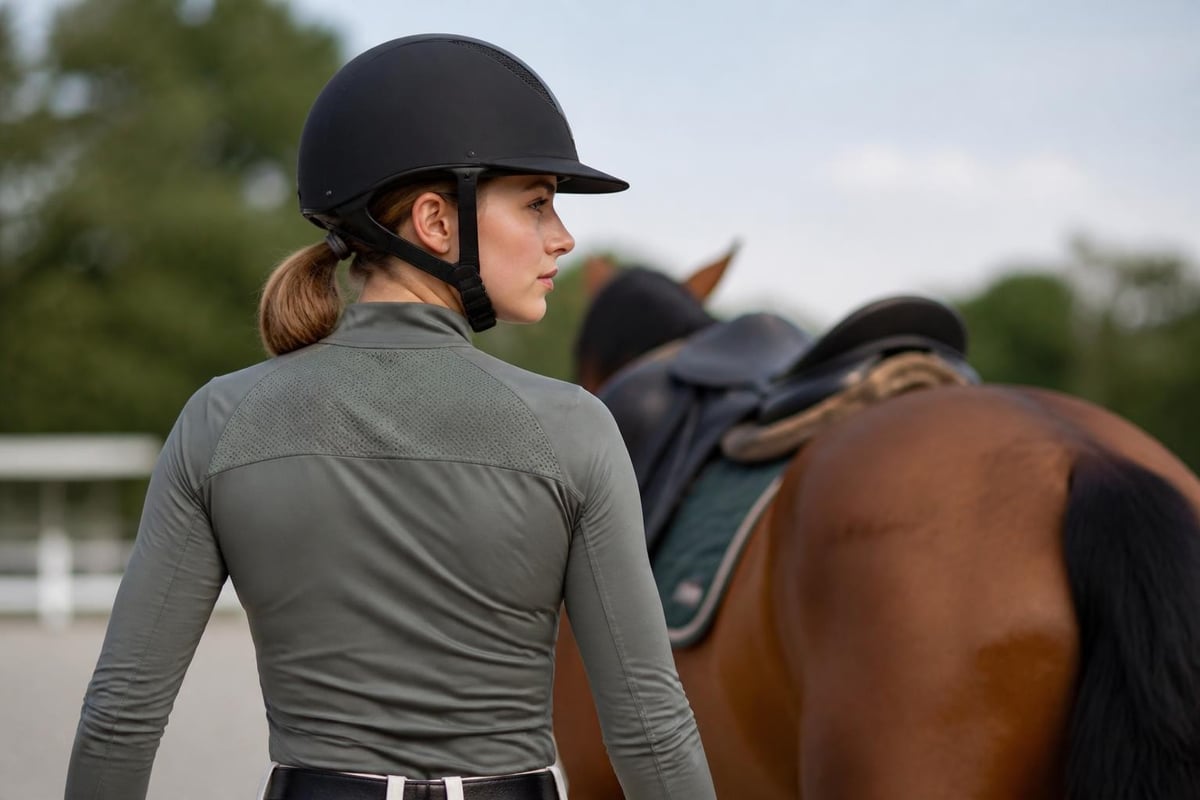
Base layers deserve attention year-round, not just in winter. Summer weights keep you cool and dry when schooling in heat, whilst thermal options layer invisibly beneath show shirts for early-morning competitions. The key is selecting garments with flat seams that won't chafe under saddle and sufficient length to stay tucked throughout your ride.
Polo shirts bridge the gap between base layers and outerwear for casual riding and yard work. Choose technical polo shirts with moisture management over traditional cotton piqué. The difference becomes obvious after an hour's riding on a warm day. Collars should hold their shape after washing, and any branding should be subtle enough for versatility.
Competition Standards and Show Ring Requirements
Show jumping, dressage, and eventing each impose their own standards, and understanding these requirements prevents last-minute scrambles before competitions. The USEF rulebook provides comprehensive guidance for American competitors, whilst riders under British governance should reference the British Equestrian rulebook for current expectations. Rules evolve, so checking the most recent versions matters more than relying on what worked last season.
Dressage Attire Specifics
Dressage maintains the most formal standards, and your male equestrian outfit for competition must reflect this tradition. Dark coats-black, navy, or dark grey-remain required at recognized shows, with shadbelly coats reserved for upper-level tests. The USDF visual guide offers clear illustrations of acceptable variations and helps riders navigate the fine details of collar styles, button configurations, and permitted shirt colours.
White or light-coloured shirts with stock ties create the traditional look, though some organizations now permit white technical shirts with integrated collars at lower levels. Black or brown tall boots must be clean and well-maintained, with matching gloves completing the outfit. Spurs and whips carry length restrictions depending on your test level, so verify these details well before your ride time.
Jumping and Eventing Options
Show jumping offers more flexibility, particularly regarding coat colours and styles. Navy blazers work for most competitions, whilst tweed and subtle patterns gain acceptance outside championship events. The key is maintaining a neat, professional appearance rather than strict adherence to a single colour scheme.
Competition wear for eventing spans the spectrum from dressage formality to cross-country practicality. Your show jumping phase typically requires the same standards as pure show jumping competitions, whilst cross-country demands safety-focused gear: body protectors, secure headgear, and gloves that won't slip when wet. Medical armbands and safety technology continue advancing, and staying current on permitted equipment protects both safety and eligibility.
Seasonal Considerations and Layering Systems
British weather demands versatility, and a thoughtful layering system extends your riding season whilst keeping you comfortable through unpredictable conditions. The concept is simple: multiple thin layers outperform single heavy garments by trapping air and allowing you to adjust as conditions and activity levels change.
Summer Riding Solutions
Hot weather presents its own challenges, particularly during intensive training or multi-day competitions. Lightweight, loose-fitting shirts in technical fabrics keep you cooler than tight cotton alternatives. Light colours reflect heat better than dark shades, though this must balance against show requirements if you're competing.
Sun protection extends beyond comfort into health, especially for riders spending hours outdoors. Long-sleeved technical shirts provide UPF protection whilst remaining cooler than you'd expect, and many incorporate thumbholes that keep sleeves positioned and protect the backs of your hands. Ventilated gloves prevent sweaty palms without sacrificing grip, and breathable caps worn under helmets reduce sweat buildup.
Winter Warmth Without Bulk
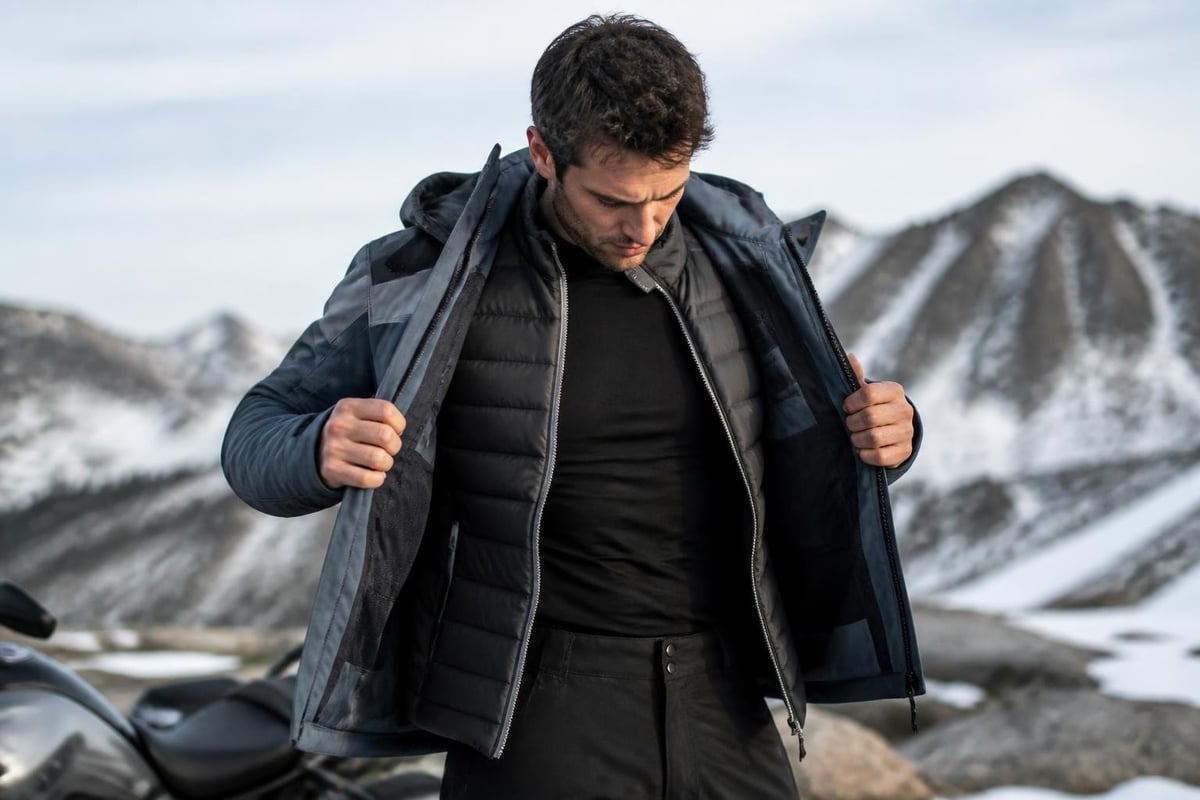
Winter riding requires warmth that doesn't restrict movement or add bulk under your jacket. Thermal base layers create the foundation, with merino wool blends offering natural temperature regulation and odour resistance across multiple wears. Mid-layers should incorporate breathable insulation, whether fleece, synthetic down, or modern hybrid designs that place warmth exactly where you need it.
Jackets and outerwear for yard work differ from riding-specific designs. Water-resistant or waterproof shells protect against British drizzle, whilst genuine riding jackets must allow shoulder movement for rein contact and balance. Softshell materials often strike the best balance, combining weather protection with stretch and breathability.
Fabric Technology and Performance Materials
Understanding modern fabrics transforms how you select and care for your riding wardrobe. The evolution from traditional cotton and wool to engineered performance materials has genuinely improved comfort, durability, and practicality. This isn't marketing speak. The difference is measurable and noticeable.
Moisture Management and Breathability
Four-way stretch fabrics dominate modern breeches because they move with you rather than against you. These materials typically combine nylon or polyester with elastane, creating fabrics that recover their shape ride after ride. The best versions incorporate moisture-wicking treatments that pull perspiration away from your skin and spread it across the fabric's surface for faster evaporation.
Breathability matters more than waterproofing for most riding contexts. Truly waterproof fabrics trap moisture from the inside, leaving you clammy and uncomfortable during active riding. Water-resistant treatments that shed light rain whilst allowing vapour transmission work better for all but the wettest conditions. This is why you'll see experienced riders choose softshells over hardshells for most yard work.
| Fabric Type | Stretch | Breathability | Durability | Best Use |
|---|---|---|---|---|
| Cotton blend | Limited | Moderate | Good | Casual wear |
| Performance synthetic | Excellent | High | Very good | Active riding |
| Merino blend | Good | Excellent | Moderate | Base layers |
| Technical cotton | Moderate | Good | Excellent | Show shirts |
Durability and Care Requirements
Quality fabrics last longer when cared for properly, and riding gear faces particular challenges from sweat, dirt, and friction. Most performance materials tolerate frequent washing better than traditional fabrics, but high temperatures and aggressive detergents degrade technical treatments over time. Cool washes preserve fabric performance, whilst line drying maintains shape better than tumble drying.
Leather components require different attention. Boots, belts, and leather-seat breeches benefit from regular cleaning and conditioning, preventing the cracking and stiffening that comes from neglect. The National Park Service guidance on leather care offers museum-quality advice that applies equally to preserving your riding boots. Proper maintenance extends the life of expensive pieces and maintains their professional appearance.
Building a Versatile Male Equestrian Outfit Wardrobe
Smart riders build wardrobes around versatile core pieces rather than accumulating specialized items for every scenario. Start with essentials that work across multiple contexts, then add specific items as your needs clarify. This approach reduces both cost and clutter whilst ensuring you've always got appropriate kit ready.
The Essential Starting Collection
Your first priority should be two pairs of quality breeches: one in a neutral colour for showing and training, another in navy or black for competitions. This gives you a clean pair ready whilst the other's in the wash, preventing last-minute laundry panics. Add three technical shirts-two for training, one specifically for shows-and you've covered your base requirements.
Competition wear should include one well-fitted show jacket in navy or black. This single jacket serves multiple disciplines if chosen carefully, though riders competing seriously in dressage will eventually need a dressage-specific coat. Boots represent your largest single investment, but quality pairs last years when maintained properly, making the initial cost worthwhile.
Support pieces round out the foundation: gloves for different weather conditions, appropriate socks that don't bunch in boots, and a well-fitted helmet that meets current safety standards. The BHS handbook details the latest safety equipment standards, helping you select gear that provides genuine protection rather than just meeting minimum requirements.
Expanding for Specific Needs
Once your basics are sorted, additions should address specific gaps rather than general accumulation. Riders focusing on dressage might invest in a shadbelly coat and white breeches for upper-level tests. Show jumpers could add a tweed jacket for breed shows or hunter classes. Evening riders need proper body protection and medical technology that current regulations require.
Yard work and stable management demand different kit entirely. Sweatshirts and hoodies provide warmth during morning feeds and tack cleaning without restricting movement. Waterproof trousers over your breeches keep you dry during turnout in wet weather, whilst dedicated yard boots save your expensive riding boots from unnecessary wear.
Transitioning from Stable to Street
One significant advantage of modern male equestrian outfit design is how easily pieces transition beyond the yard. Quality riding wear no longer looks exclusively equestrian, allowing you to move from schooling to errands without changing completely. This versatility reflects both improved design and a broader acceptance of athletic wear in casual contexts.
Technical breeches in neutral colours pair with casual shirts and trainers for a clean, put-together look that works for coffee or shopping after riding. The key is keeping them clean and reserving specific pairs for dual use rather than wearing your muddiest yard breeches to the supermarket. This isn't about vanity-it's about respecting both contexts and maintaining your gear properly.
Show shirts and polos designed for riding work equally well in other settings. The structured collars and quality fabrics suit business-casual environments, whilst the performance properties manage moisture during active days. Selecting pieces in classic colours rather than obviously equestrian patterns increases versatility without requiring compromise on function.
Jackets bridge both worlds most successfully. A well-cut riding jacket in navy or charcoal grey serves for competitions, client meetings, and evening events. The cut differs slightly from fashion blazers-more room through the shoulders, shorter in front-but not so obviously that anyone outside equestrian circles would notice. This multi-purpose approach makes the investment easier to justify and ensures you get genuine wear from quality pieces.
Fit, Alterations, and Getting It Right
Even the finest fabrics and construction won't perform if the fit is wrong. Equestrian wear demands more precise fitting than casual clothing because poor fit affects your riding, not just your appearance. Breeches that slip distract you from your horse. Jackets that restrict shoulder movement limit your rein contact. Boots that pinch or gap cause blisters and instability.
Most quality manufacturers provide detailed size guides, and taking accurate measurements makes online ordering viable. You'll need your waist, inseam, chest, arm length, and sometimes thigh measurements depending on the garment. Measure in the morning before you've eaten, and have someone help you for accuracy. Five minutes measuring properly beats the hassle of returns.
Many pieces benefit from minor alterations, particularly jackets and breeches. Sleeves shortened by a centimetre or waists taken in slightly transform off-the-rack into custom-fitted. Find a tailor familiar with technical fabrics who won't destroy stretch properties or waterproof treatments. The cost is modest compared to the improvement in comfort and appearance, and truly well-fitted gear simply performs better.
Practical Maintenance and Long-Term Care
Your male equestrian outfit represents significant investment, and proper care extends its useful life considerably. This doesn't require elaborate routines-just consistent attention to a few key practices that prevent damage and maintain performance.
Wash riding clothes promptly after use, particularly in summer when sweat can degrade fabrics and treatments. Turn garments inside out to protect outer surfaces and closures. Use technical sport detergents rather than standard powder, as these clean effectively without leaving residues that reduce breathability. Avoid fabric softeners entirely-they coat fibres and destroy moisture-wicking properties.
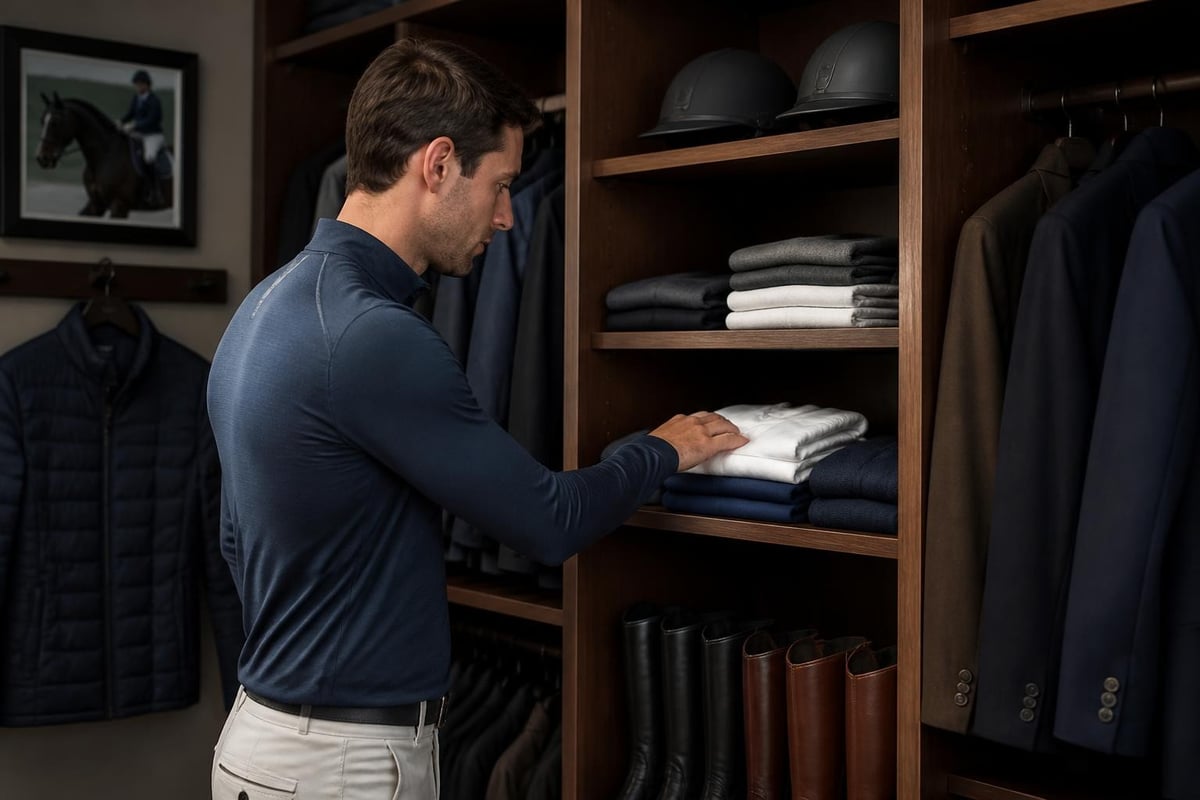
Storage matters more than many riders realize. Breeches should be folded or hung to maintain their shape, never wadded into gym bags between uses. Jackets need proper hangers that support the shoulders. Boots require boot trees or stuffing to maintain their shape and encourage drying. Leather items stored damp develop mould and deterioration, whilst those left to dry too quickly in direct heat crack and stiffen.
Regular inspection catches small issues before they become large problems. Check seams for loose threads, examine high-wear areas for thinning, and ensure closures still function smoothly. Most repairs cost little when addressed early but become expensive or impossible once damage progresses. Quality gear deserves this basic maintenance, and the time invested pays back through extended usability.
A well-considered male equestrian outfit combines performance, tradition, and versatility, supporting your riding whilst looking sharp both in and out of the saddle. Whether you're building your first competition wardrobe or refining your existing collection, choosing quality pieces that work together creates a kit you'll rely on for years. Gallant Equestrian designs performance-driven riding wear specifically for men, combining New Zealand craftsmanship with technical fabrics that transition seamlessly from training to competition to everyday wear. Look the Part. Enjoy the Ride.

