

Mens Horse Riding Trousers: The 2026 Complete Guide
Apr 18, 2026
Finding the right mens horse riding trousers changes everything. Whether you're schooling at home, competing, or handling stable work, proper riding trousers deliver comfort where it matters and performance when you need it. The challenge isn't just finding something that fits. It's selecting trousers that work as hard as you do whilst maintaining the refined appearance expected in equestrian circles. Modern riding trousers blend traditional design with technical innovation, creating garments that transition seamlessly from saddle to daily life without compromising either function or style.
What Makes Mens Horse Riding Trousers Different
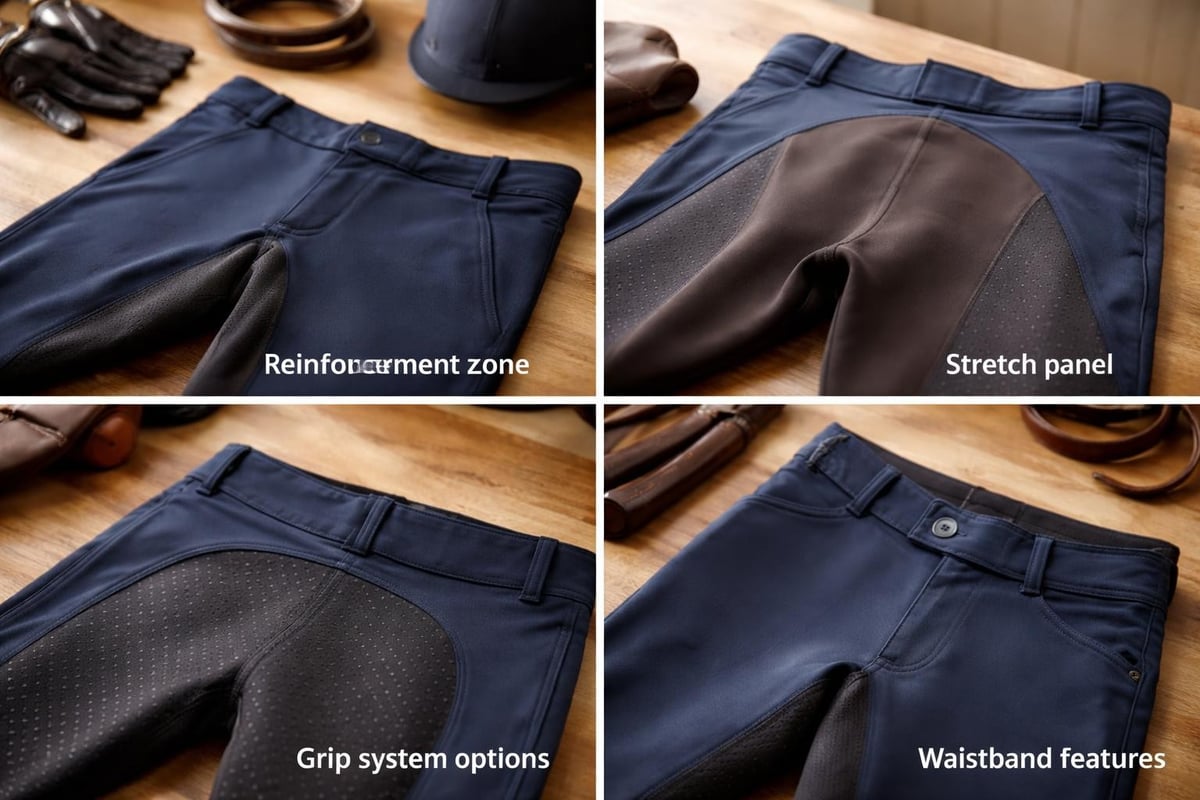
Standard trousers weren't designed for eight hours in the saddle. Riding trousers feature specific construction details that address the demands of equestrian activity. Reinforced inner legs prevent excessive wear from stirrup leathers and saddle contact. Strategic stretch panels allow for deep seats and dynamic movement patterns. Many designs incorporate grip systems, either full seat or knee patch, which enhance security without restricting motion.
The cut differs significantly from casual wear. A mid-rise waist prevents gaping when mounted whilst sitting comfortably when standing. Tapered legs from knee to ankle eliminate bulk inside tall boots. Some modern designs feature ankle zips for easier boot changes, whilst others opt for stirrup foot straps that keep everything in place. Understanding these differences helps when evaluating options, as the best mens riding trousers combine multiple features that support proper position and lasting comfort.
Fabric selection separates adequate trousers from exceptional ones. Performance materials manage moisture, regulate temperature, and provide four-way stretch without losing shape. Cotton blends offer breathability for summer sessions. Technical synthetics dry quickly after wet weather rides. Premium options incorporate antibacterial treatments that keep trousers fresh between washes, particularly valuable during competition schedules or extended riding days.
Choosing Between Full Seat and Knee Patch Designs
The grip system question matters more than many riders realise. Full seat trousers feature silicone or leather coverage across the entire seat and inner thigh area. This design maximises stability, particularly beneficial for dressage work or riders developing their seat. The complete coverage creates consistent contact with the saddle, reducing fatigue during extended sessions. Products like the X-Grip Full Grip Dressage Riding Breeches showcase how modern materials create effective grip without excessive bulk.
Knee patch designs concentrate grip material at strategic contact points. These trousers typically feel lighter and cooler, making them popular for jumping disciplines or warmer climates. The reduced coverage allows greater freedom of movement whilst maintaining security through turns and over fences. Many riders prefer knee patches for everyday schooling, reserving full seat options for competition or intensive flatwork.
Personal preference plays a significant role. Some riders find full seat designs restrictive initially, requiring an adjustment period. Others appreciate the immediate confidence boost that comprehensive grip provides. Testing both styles helps determine which suits your riding discipline and comfort expectations. The decision often reflects your primary activities, with many serious riders maintaining both options for different situations. Our guide on choosing between full seat and knee grip offers deeper insights into this common dilemma.
Performance Fabrics and Technical Features
Material technology has transformed mens horse riding trousers dramatically over recent years. High-performance fabrics now combine multiple properties that seemed incompatible a decade ago. Four-way stretch allows unrestricted movement whilst maintaining structural integrity through thousands of wear cycles. Moisture-wicking systems pull sweat away from skin, preventing the discomfort that undermines focus during demanding sessions.
Temperature regulation separates premium trousers from basic options. Advanced weaves create natural ventilation, allowing heat to escape whilst blocking wind penetration. This balance proves essential when transitioning from active riding to stationary stable work. Some designs incorporate strategically placed mesh panels that enhance airflow without compromising durability. Winter-weight versions add brushed linings or wind-resistant outer layers whilst preserving the stretch and fit required for proper position.
Water resistance matters more than riders often anticipate. Even if you avoid riding in heavy rain, morning dew on tack, muddy stable yards, and unexpected weather changes make water-resistant treatments valuable. Technologies borrowed from cycling apparel, like those detailed in reviews of waterproof cycling trousers, demonstrate how breathable waterproofing enhances versatility without adding significant weight or bulk. Modern treatments repel moisture whilst allowing perspiration to escape, creating trousers that perform across varied conditions.
Durability considerations extend beyond simple fabric strength. Flatlock seams prevent chafing during extended wear. Reinforced stitching at stress points, particularly where grip materials attach, ensures longevity. Quality trousers feature bar-tack reinforcement at pocket corners and belt loops, addressing common failure points. These details separate garments that last multiple seasons from those requiring replacement after months of regular use.
Style Versatility and Modern Design
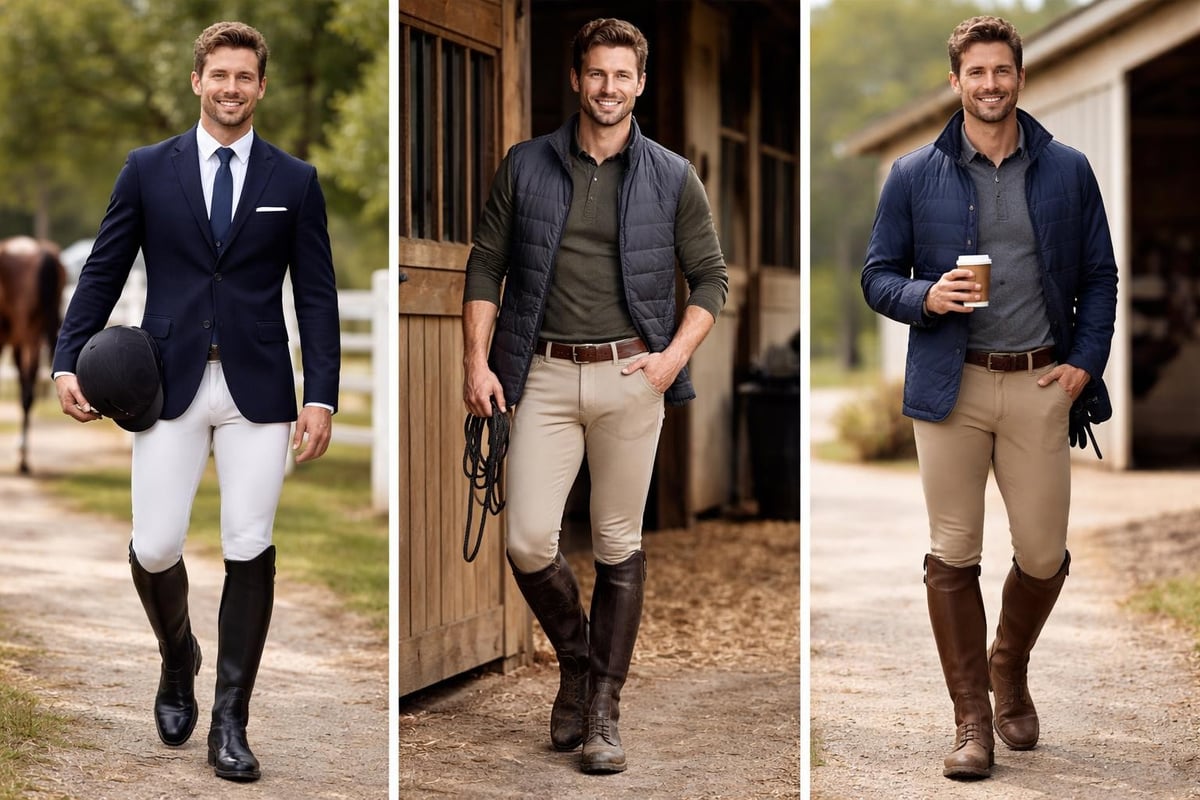
Contemporary mens horse riding trousers challenge the traditional separation between riding wear and everyday clothing. Thoughtful design creates trousers that function perfectly in the saddle whilst appearing refined enough for post-ride commitments. Neutral colours like navy, charcoal, and black transition easily across settings. Streamlined silhouettes eliminate the obviously technical appearance that marks older riding trouser designs.
Pocket placement reflects this dual-purpose thinking. Traditional designs either omitted pockets entirely or positioned them poorly for practical use. Modern versions incorporate sleek pockets that hold essentials without creating bulk against the saddle. Some feature zippered security pockets suitable for phones or keys, addressing contemporary needs without compromising the clean lines expected in equestrian attire.
The rise of technical casual wear has normalized performance fabrics in daily wardrobes, making it easier to wear riding trousers beyond the stable. A well-fitted pair in quality fabric looks intentional rather than utilitarian. This versatility proves particularly valuable for riders managing tight schedules, eliminating the need for complete outfit changes between riding sessions and other commitments. Understanding current trends in equestrian style helps identify designs that balance technical performance with contemporary aesthetics.
Fit Considerations and Sizing Guidance
Proper fit transforms average trousers into exceptional ones. Mens horse riding trousers should sit comfortably at the natural waist without requiring a belt for support, though belt loops accommodate personal preference. The rise should provide coverage when mounted without excess fabric bunching when standing. This balance requires careful attention to manufacturer sizing charts, as equestrian brands often size differently than standard menswear.
Thigh fit affects both comfort and appearance. Too tight restricts movement and creates unsightly pulling. Too loose allows excess fabric to bunch beneath the leg, creating friction points and disrupting the clean line inside tall boots. Quality designs account for athletic builds common among active riders, providing adequate room through the seat and thigh whilst maintaining a tapered lower leg. Collections from brands like Equiline demonstrate how proper pattern cutting accommodates athletic proportions.
Lower leg design determines boot compatibility. Trousers intended for tall boots feature a slim ankle that slides easily into boot shafts without bunching. Stirrup foot straps keep everything in position, preventing ride-up during mounting or active work. Some riders prefer ankle zip designs that simplify boot changes, particularly valuable when switching between schooling and competition footwear. Understanding your primary boot style helps select the most practical lower leg configuration.
Stretch recovery matters more than initial stretch. Fabrics that lose shape after several hours of wear create an increasingly uncomfortable fit as sessions progress. Premium materials maintain their form, providing consistent compression and support throughout the day. This characteristic proves particularly important for riders spending extended periods mounted, as sagging fabric undermines both comfort and the refined appearance expected in equestrian clothing.
Seasonal Adaptations and Weather Considerations
Climate variations demand different trouser weights and features. Summer riding requires maximum breathability and moisture management. Lightweight fabrics with high cotton content or advanced synthetic weaves keep you comfortable during hot weather sessions. Lighter colours reflect heat, though they require more frequent washing to maintain appearance. Mesh details at strategic points enhance ventilation without compromising the structure needed for proper position.
Winter trousers balance warmth with flexibility. Brushed interior finishes trap heat whilst maintaining the stretch essential for deep seats and dynamic movement. Wind-resistant outer layers protect during outdoor sessions without creating the bulk that interferes with stirrup leathers or saddle contact. Thermal options work best layered under waterproof overtrousers during particularly harsh conditions, maintaining core temperature without sacrificing the precise fit required for effective riding.
Transitional seasons present the greatest challenge. Spring and autumn weather varies dramatically throughout single days, requiring trousers that adapt to changing conditions. Mid-weight options with moisture-wicking properties and moderate wind resistance handle the broadest range of scenarios. Many riders maintain seasonal wardrobes, rotating between weights as temperatures shift, ensuring optimal comfort regardless of conditions.
All-weather versatility increasingly influences design decisions. Water-resistant treatments and quick-drying fabrics create single pairs suitable across varied conditions, reducing the number of trousers required for comprehensive coverage. This practicality appeals to riders with limited storage or those who prefer minimalist wardrobes focused on quality over quantity. Exploring options at retailers like Equiluxe Tack reveals how modern materials deliver year-round functionality.
Competition Standards and Show Ring Requirements
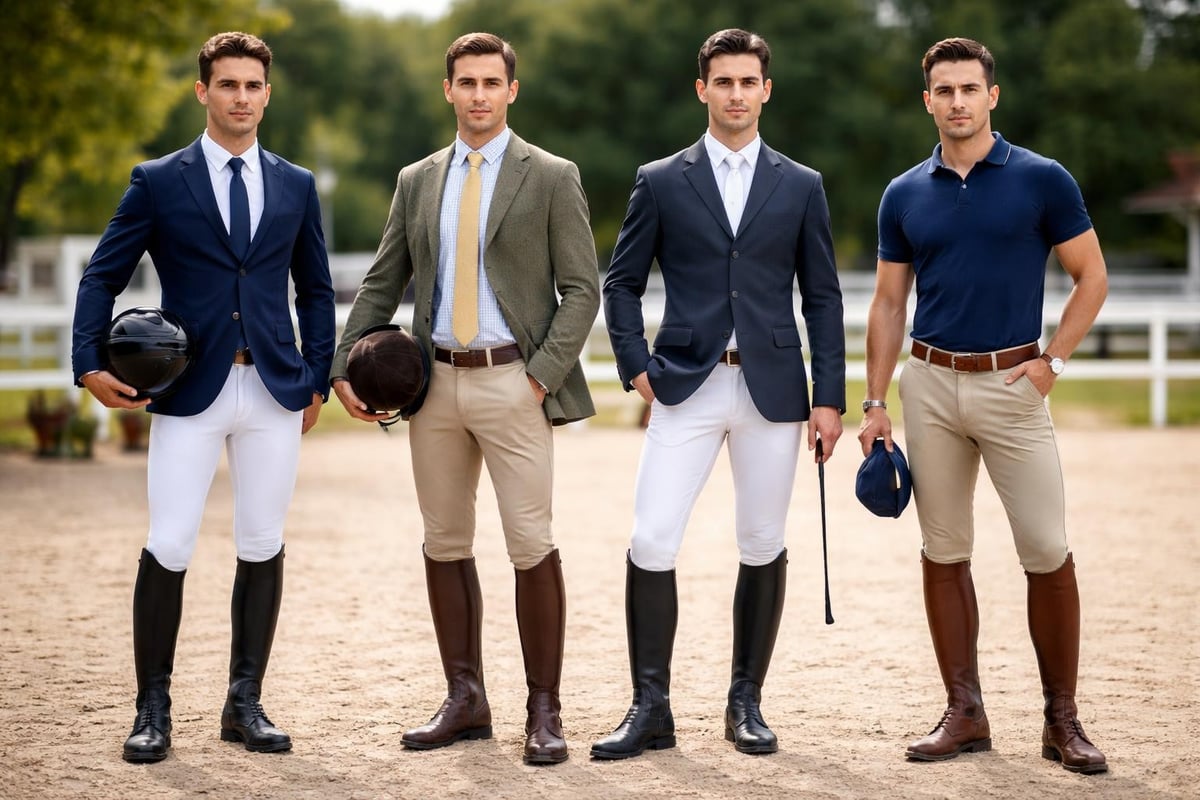
Show environments impose specific expectations regarding horse riding show clothes. Traditional disciplines require conservative colours, typically beige, grey, or white for lower-level competitions, with darker options acceptable in some contexts. Understanding your discipline's specific regulations prevents costly mistakes. Dressage competitions often mandate white or light-coloured breeches below certain levels, whilst show jumping allows greater flexibility in colour selection.
Fit standards in competition differ slightly from everyday schooling. Show ring appearance demands particularly clean lines and precise tailoring. Fabrics should drape smoothly without wrinkles or bunching. Grip systems must provide function without obvious visual impact, leading many competitors towards subtle full seat designs in matching colours. Seams should lie flat, and any decorative elements must align with discipline traditions.
Quality becomes non-negotiable in competition settings. Judges notice poor fit, fabric pilling, and faded colours, all of which detract from overall presentation. Investment in premium competition trousers pays dividends through enhanced confidence and professional appearance. Many riders maintain dedicated show trousers, preserving their condition by limiting use to competitions and important lessons. This approach extends garment life whilst ensuring optimal presentation when it matters most.
Care and Maintenance for Longevity
Proper care extends trouser life significantly whilst maintaining performance characteristics. Most technical fabrics require gentle washing to preserve stretch and moisture-wicking properties. Cold water cycles with sport-specific detergents clean effectively without damaging fibres. Avoiding fabric softeners prevents buildup that compromises moisture management and can degrade grip materials over time.
Silicone grip systems require particular attention. Excessive heat damages synthetic grip materials, making air-drying essential for full seat designs. Turning trousers inside out before washing protects grip surfaces from abrasion against other garments or washing machine drums. This simple step prevents premature wear on the very features that justify premium pricing.
Storage practices matter more than many riders realise. Folding trousers at natural creases maintains their shape better than hanging, which can stretch waistbands over time. Avoiding prolonged exposure to direct sunlight prevents colour fading, particularly important for show trousers requiring consistent appearance. Clean storage away from stable dust and moisture prevents degradation during off-seasons or between uses.
Addressing minor issues promptly prevents major problems. Loose threads should be trimmed rather than pulled. Small tears in grip material can be reinforced with specialized adhesives designed for technical fabrics. Replacing buttons or repairing zips extends overall garment life, making these small investments worthwhile for quality trousers. Regular inspection after washing identifies emerging issues before they compromise function or appearance. Resources at Breeches.com often include care instructions specific to technical riding wear.
Investment Considerations and Value Assessment
Price ranges for mens horse riding trousers span from budget basics to premium performance pieces. Understanding what drives cost helps evaluate value appropriately. Entry-level options typically feature simpler fabrics with limited technical properties. Mid-range trousers incorporate better materials and construction details that enhance comfort and durability. Premium designs combine the finest fabrics, sophisticated grip systems, and exceptional fit through advanced pattern cutting.
Value extends beyond initial purchase price. A quality pair worn three times weekly for two years costs less per wear than cheap alternatives requiring replacement every six months. Durability calculations should factor cleaning frequency, expected usage patterns, and specific riding demands. Intensive riding schedules justify premium investment more readily than occasional recreational use. Reviewing collections at The Lexington Horse demonstrates how different price points reflect varied feature sets and quality levels.
Building a functional wardrobe typically requires multiple pairs across different weights and styles. This investment develops gradually for most riders, starting with versatile everyday options before adding specialized competition or seasonal pieces. Prioritizing quality in frequently worn basics whilst accepting simpler options for occasional use creates balanced spending that maximizes overall satisfaction.
Brand reputation influences both initial cost and long-term value. Established equestrian brands maintain quality standards that justify premium pricing through consistent performance and durability. Newer brands sometimes offer competitive pricing whilst developing market presence, though less proven track records carry additional risk. Reading reviews and seeking recommendations from experienced riders helps identify reliable options across price ranges, ensuring investment decisions reflect actual performance rather than marketing alone.
Modern Innovations Shaping Future Designs
Technical advancement continues reshaping what riders expect from mens horse riding trousers. Seamless construction techniques eliminate chafing whilst reducing weight and bulk. Laser-cut ventilation provides targeted cooling without compromising fabric integrity. Advanced grip materials offer superior security with reduced thickness, maintaining sleek profiles whilst enhancing stability.
Sustainability considerations increasingly influence design and production choices. Recycled technical fabrics deliver performance comparable to virgin materials whilst reducing environmental impact. Responsible manufacturing processes appeal to environmentally conscious riders without requiring compromises in quality or function. These developments align with broader movements towards thoughtful consumption in equestrian fashion.
Smart fabric integration represents the frontier of riding wear innovation. Temperature-regulating materials respond to body heat, providing warmth when needed and cooling when activity levels rise. Antimicrobial treatments prevent odour development during extended wear. These technologies, once exclusive to elite athletic wear, increasingly appear in equestrian contexts as production costs decrease and rider expectations evolve.
Customization options expand as production technology advances. Some brands now offer made-to-measure services that create perfectly fitted trousers accommodating individual proportions. Digital sizing tools improve accuracy when ordering online, reducing return rates whilst enhancing customer satisfaction. These developments particularly benefit riders with non-standard builds who previously struggled finding proper fits in standard sizing.
Building Your Riding Trouser Collection
Strategic acquisition creates functional wardrobes without unnecessary redundancy. Start with one premium pair in a neutral colour suitable for both everyday riding and lower-level competition. This versatile foundation handles most situations whilst you determine specific additional needs. Charcoal or navy options transition easily across contexts, providing maximum utility from single investment.
Add seasonal variations as budget permits. A lighter summer weight pair addresses warm weather comfort. Winter options extend riding comfort during colder months. This gradual expansion lets you identify which features matter most for your specific riding style and climate conditions before committing to multiple specialized pairs.
Competition requirements may demand dedicated show trousers. White or beige pairs reserved for shows maintain pristine appearance whilst everyday trousers handle training wear. This separation proves economical long-term, as show trousers last multiple seasons with careful use whilst training pairs absorb regular wear without affecting competition presentation.
Specialized discipline needs emerge with riding progression. Jumping riders might add knee patch options for training whilst maintaining full seat designs for flatwork. Dressage specialists might invest in multiple full seat pairs optimized for different saddles or competition levels. Understanding your trajectory helps prioritize acquisitions, building collections that support development rather than creating closets full of rarely worn alternatives. Exploring diverse options from brands like Equieire reveals how different designs serve specific purposes.
Practical Considerations for Daily Use
Real-world functionality extends beyond technical specifications. Pocket security matters when handling horses, carrying phones, or managing stable keys. Zippered options prevent item loss during active work. Internal pockets keep essential items secure without creating obvious bulk. These practical details enhance daily convenience without compromising the refined appearance expected in quality mens breeches.
Ease of care influences actual wearing frequency. Trousers requiring special handling often stay in wardrobes whilst simpler options see regular use. Machine-washable designs with quick-dry properties integrate more readily into active lifestyles, getting worn more frequently because they're ready when needed. This practicality proves particularly valuable for riders managing full schedules beyond equestrian activities.
Transition capability determines true versatility. Trousers that function well in the saddle but require complete outfit changes for post-ride commitments offer limited practical value. Designs that pair naturally with casual shirts or smart jackets extend utility significantly, reducing wardrobe complexity whilst maintaining appropriate presentation across varied contexts. This functionality aligns with modern approaches to equestrian style and fashion.
Compatibility with existing gear prevents isolated purchases. New trousers should work with current boots, belts, and jackets, creating cohesive outfits without requiring complete wardrobe overhauls. Considering colour coordination and style consistency during selection ensures new pieces integrate smoothly rather than sitting unused because they don't match anything else. This holistic approach creates functional wardrobes rather than collections of individually impressive but practically incompatible pieces.
Selecting mens horse riding trousers involves balancing performance requirements with personal style preferences and practical considerations. The right pair enhances both riding effectiveness and daily confidence, proving their worth through consistent comfort and lasting durability. At Gallant Equestrian, we've built our reputation creating performance-driven riding wear that serves serious riders without compromise. Our New Zealand-designed collection delivers the technical features you need with the refined style you expect, creating trousers that work as hard as you do whilst looking sharp doing it.

