

Riding Fashion: Style & Performance for Modern Riders
Oct 07, 2026
Riding fashion has evolved far beyond jodhpurs and tweed jackets. Today's equestrian wardrobe balances tradition with innovation, combining performance fabrics with refined style. For men who ride, the challenge isn't just looking sharp in the saddle. It's finding clothing that performs under pressure, transitions seamlessly off the horse, and reflects your approach to the sport. Whether you're schooling in the arena, competing at county level, or simply enjoying a weekend hack, what you wear matters as much as how you ride.
The Foundation: Understanding Modern Riding Fashion
Riding fashion in 2026 sits at an interesting crossroads. Traditional silhouettes remain relevant, particularly in competitive settings where dress codes still apply. Yet technical innovation has transformed how these garments perform. The British Horse Society's guidance on what to wear emphasizes both safety and practicality, principles that underpin all good riding attire.
What sets contemporary riding fashion apart is its versatility. Modern pieces work across multiple contexts. Your breeches should handle a morning lesson, an afternoon ride, and perhaps even a casual pub visit afterward. This shift toward multi-functional design reflects how most riders actually live. We don't have separate wardrobes for separate equestrian activities.
Performance Meets Style
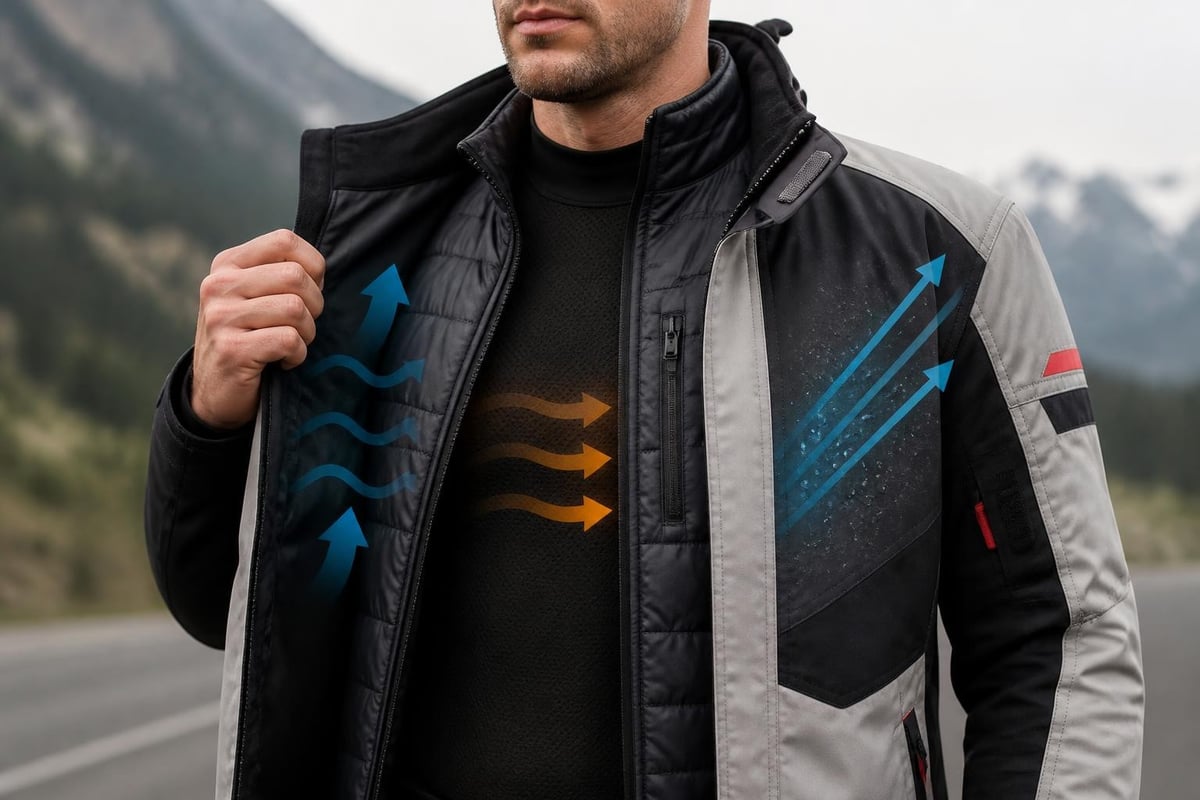
The technical revolution in riding fashion centers on fabric innovation. Modern technical fabrics in riding clothing deliver moisture management, four-way stretch, and durability without sacrificing appearance. These materials respond to your body's demands. They breathe when you're working hard, wick away perspiration, and maintain their shape ride after ride.
Consider breeches. Traditional cotton or cotton-blend breeches served riders well for decades, but they had limitations. Modern performance breeches use engineered knits that offer targeted compression, strategic ventilation, and reinforcement exactly where you need it. The silicone grip patterns have evolved too, providing stability without bulk. This is choosing the right pair of breeches made practical through design.
Building Your Riding Wardrobe
Essential Pieces That Work
Your core riding wardrobe starts with versatile fundamentals. Quality breeches form the foundation. You'll want at least two pairs in neutral tones (navy, charcoal, or tan) that work across different riding contexts. Full-seat breeches with silicone or leather grips offer maximum security in the saddle, particularly valuable during intense schooling sessions or when riding unfamiliar horses.
| Garment Type | Primary Function | Key Features | Versatility Rating |
|---|---|---|---|
| Performance Breeches | Riding foundation | Grip, stretch, moisture-wicking | High (stable to casual) |
| Technical Shirt | Base/mid layer | Breathability, UV protection | Very High (all contexts) |
| Riding Jacket | Protection, presentation | Weather resistance, mobility | Medium (riding-focused) |
| Polo Shirt | Casual riding | Comfort, style | Very High (any setting) |
Technical shirts deserve equal attention. A well-designed riding shirt manages temperature, moves with you, and maintains a polished appearance throughout the day. Long sleeves offer UV protection during summer rides, while horseback riding polo shirts provide a refined alternative for warmer conditions. The best options incorporate subtle design details that elevate the overall look without compromising function.
Outerwear That Performs
British weather demands outerwear that adapts. Winter riding jackets for men need to handle rain, wind, and cold while allowing unrestricted movement. Look for features like articulated sleeves, longer backs for saddle coverage, and ventilation systems that prevent overheating during active riding.
A quality waterproof riding jacket serves multiple purposes. Beyond weather protection, it should layer effectively over shirts or mid-weight fleeces. Adjustable cuffs, storm flaps, and reinforced shoulders all contribute to practical performance. The cut matters too. Jackets designed specifically for riding accommodate the forward position without riding up or restricting arm movement.
Mid-layer options bridge the gap between base layers and outerwear. Technical fleeces, soft-shells, and insulated vests all have their place. The key is choosing pieces that work independently and layer seamlessly. A lightweight soft-shell might be all you need for a crisp autumn morning. That same piece becomes your mid-layer when temperatures drop further.
Competition and Formal Riding Fashion
Understanding Dress Codes
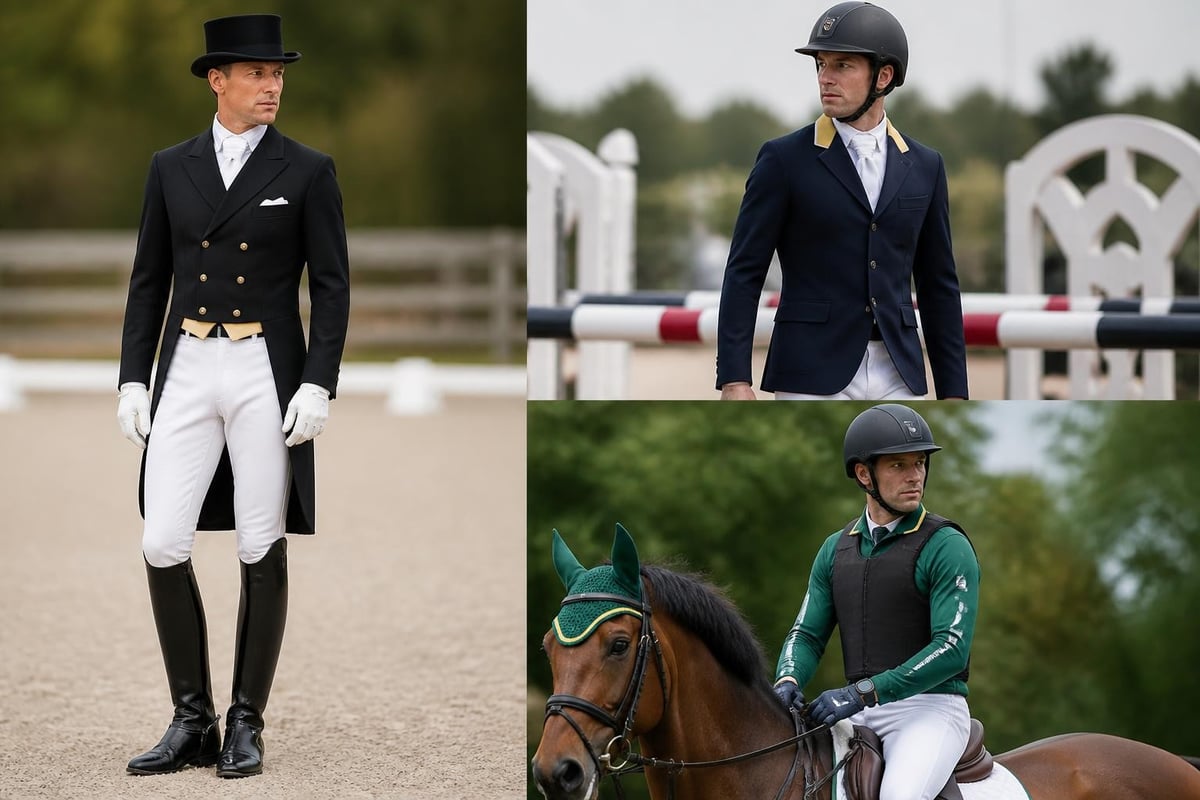
Competition riding fashion operates within specific parameters. The FEI Dressage Rules outline precise requirements for international competition, though most riders encounter these standards at national and regional levels as well. Understanding what's required helps you prepare appropriately.
White or light-colored breeches remain standard for dressage and show jumping. Dark jackets in navy, black, or charcoal dominate formal competitions. These traditional choices aren't arbitrary. They create visual consistency that allows judges to focus on the horse and rider's performance rather than distracting apparel choices. What to wear in the competition arena provides detailed guidance for men navigating these requirements.
Safety Standards in Competition
Protective headgear requirements have evolved significantly. The FEI's list of applicable testing standards for protective headgear reflects ongoing improvements in helmet technology and safety research. Modern competition helmets balance protection with comfort and appearance, incorporating ventilation systems and refined fits that previous generations lacked.
Body protection continues advancing as well. Research on airbag vests in equestrian sport demonstrates how technology can enhance rider safety. While not universally required across all disciplines, these protective systems represent the cutting edge of riding fashion's safety evolution. The British Horseracing Authority's announcement on raising minimum standards illustrates how governing bodies continually reassess and improve requirements.
Casual Riding Fashion: Beyond the Arena
Everyday Riding Style
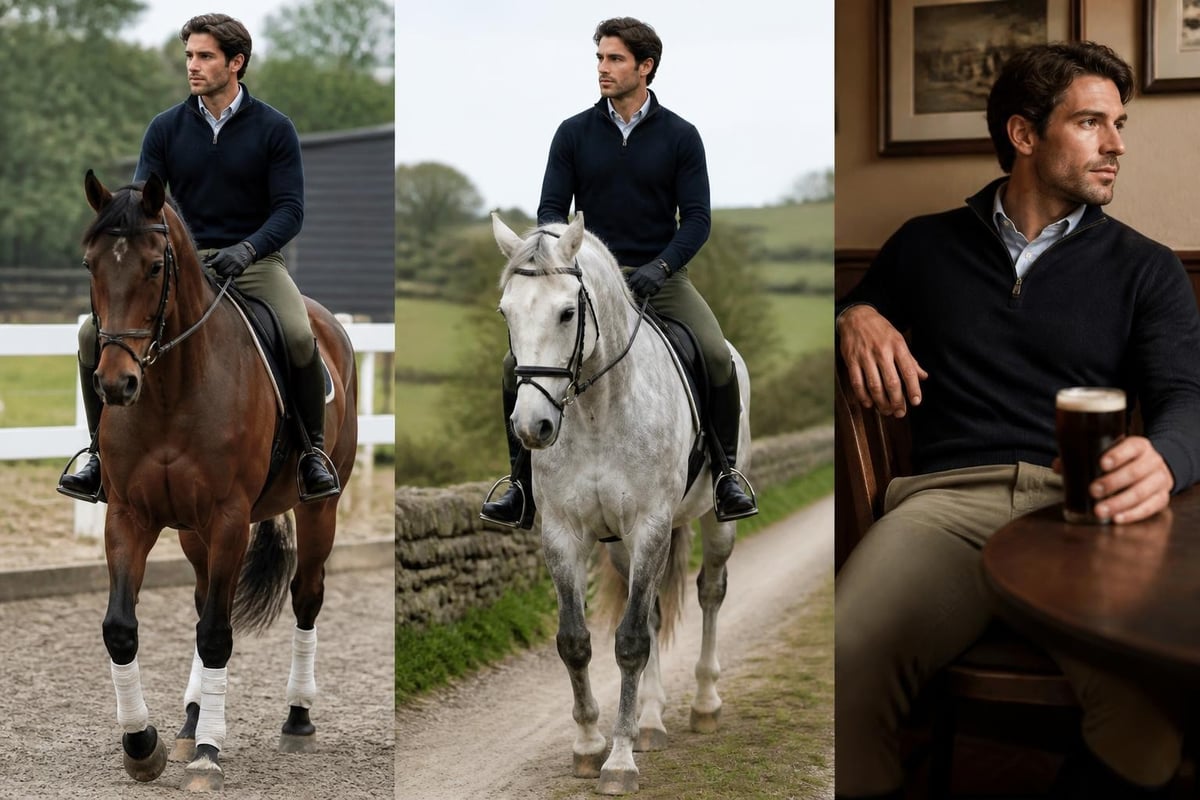
Most riding happens outside competition settings. Weekend hacks, schooling sessions, and general stable work require casual horse riding clothes that prioritize comfort and practicality. This context allows more personal expression while maintaining functionality.
Casual breeches in khaki, olive, or earth tones offer alternatives to traditional competition colors. Paired with a quality polo or technical tee, they create a relaxed yet put-together appearance. The same principles apply here as in competition wear. Fit matters. Fabrics should perform. Details should enhance rather than hinder movement.
| Context | Appropriate Choices | Style Notes |
|---|---|---|
| Schooling/Lessons | Performance breeches, technical shirt, boots | Focus on function and safety |
| Casual Hacking | Casual breeches, polo/tee, riding boots | Comfort with style |
| Stable Management | Durable trousers, casual shirt, boots | Practical and hard-wearing |
| Post-Ride Social | Same breeches, fresh polo/shirt | Polished casual transition |
The ability to transition from stable to social settings defines modern riding fashion's versatility. Clothes for horse riding should never limit your day. Quality pieces maintain their appearance through hours of activity, allowing you to move confidently from one context to another without requiring a complete wardrobe change.
Building a Capsule Riding Wardrobe
Why every rider needs a capsule wardrobe becomes clear when you consider how most riders actually dress. A focused collection of versatile, high-quality pieces serves you better than a sprawling wardrobe of specialized items. Choose garments that work together, creating multiple outfit combinations from fewer individual pieces.
Start with neutral foundations. Two or three pairs of quality breeches in complementary colors give you flexibility. Add four or five shirts (mix of polos and technical long-sleeves) that coordinate across all your breeches. Include one quality jacket suitable for multiple weather conditions. This focused approach ensures you're always properly dressed without decision fatigue.
The Broader Style Context
Riding Fashion's Cultural Moment
Riding fashion's influence extends beyond equestrian circles. Vogue's coverage of the riding aesthetic in mainstream fashion highlights renewed interest in equestrian-inspired style. Riding boots, structured jackets, and tailored breeches have found new audiences among non-riders drawn to the refined, purposeful aesthetic.
This cultural crossover works both ways. Riders benefit from increased attention to men's equestrian apparel design and quality. Brands now invest more heavily in developing performance-oriented pieces that don't sacrifice style. The result is better options across all price points and riding disciplines.
Practical Style Principles
Good riding fashion follows consistent principles regardless of context or price point. Fit comes first. Garments should allow full range of motion without excess fabric creating bulk or safety hazards. Seams should sit where they won't cause irritation during extended riding. Closures and adjustments should operate easily, even while wearing gloves.
Durability matters equally. Quality construction ensures your investment lasts through regular use and frequent washing. Reinforced stress points, robust stitching, and fade-resistant fabrics all contribute to longevity. The best horse riding products justify their cost through extended service life and consistent performance.
Color and Pattern Choices
While traditional riding fashion favors conservative colors, casual contexts offer more freedom. Navy, black, charcoal, and earth tones form a reliable foundation. These neutrals work across settings and coordinate effortlessly. Introduce subtle variation through texture and tone rather than bold patterns.
When you do incorporate color, do so intentionally. A quality polo in burgundy or forest green adds visual interest without crossing into flashy territory. Stick to solid colors or subtle patterns. Save the bold graphics and loud prints for non-riding occasions. The goal is refined understatement, not attention-seeking.
Practical Considerations for Modern Riders
Care and Maintenance
Riding fashion's longevity depends partly on proper care. Technical fabrics require specific handling to maintain their performance properties. Most riding apparel benefits from cold-water washing and air drying. High heat can degrade elastic components and damage moisture-wicking treatments.
Follow manufacturer care instructions closely. Turn garments inside out before washing to reduce pilling and surface wear. Avoid fabric softeners with technical pieces as they can compromise moisture management. Store properly folded or hung to prevent creasing and maintain shape. These simple practices extend your wardrobe's functional life significantly.
Investment vs. Budget Choices
Not every piece requires maximum investment. Prioritize spending on items that directly impact comfort and safety. Quality breeches and boots earn their premium prices through superior materials and construction. Shirts and casual pieces offer more flexibility across price ranges.
Consider cost per wear when evaluating purchases. An expensive jacket that serves you through five seasons costs less per use than a cheap alternative requiring annual replacement. This calculation guides smart wardrobe building. Men's equestrian apparel from established brands often provides better long-term value despite higher initial outlay.
Seasonal Adaptations
British riding requires year-round adaptability. Summer demands lightweight, breathable fabrics with UV protection. Winter calls for insulated layers and weather-resistant outerwear. Spring and autumn need versatile pieces that handle variable conditions.
| Season | Essential Features | Recommended Layers |
|---|---|---|
| Summer | UV protection, moisture-wicking, ventilation | Technical tee, lightweight breeches |
| Autumn | Adaptable layering, light weather resistance | Long-sleeve base, soft-shell, gilet |
| Winter | Insulation, wind/waterproofing, thermal base | Thermal base, fleece, insulated jacket |
| Spring | Versatility, quick-dry, packable outer | Technical shirt, light jacket, gilet option |
Layering systems give you control over comfort across changing conditions. Base layers manage moisture. Mid-layers provide insulation. Outer layers protect against weather. Each component should work independently and combine effectively with others. This modular approach handles British weather's unpredictability.
The Fit Question
Proper fit transforms good riding fashion into great riding fashion. Breeches should sit at your natural waist without gapping or pinching. The rise should accommodate mounted position without restricting movement. Legs should follow your natural contours without excess fabric bunching behind knees.
Shirts need room through shoulders and chest for comfortable arm movement. Sleeves should allow full extension without riding up. Torso length should provide adequate coverage when reaching forward in riding position. Try garments in your typical riding posture, not just standing relaxed.
Jackets present the most fitting challenges. They must accommodate layering while maintaining clean lines. Shoulder articulation prevents restriction during active riding. Check that collar closures don't chafe. Verify that hem length provides saddle coverage without excessive bulk. Small fitting details create significant comfort differences over extended wear.
Moving Forward with Riding Fashion
Personal Style Development
Your riding fashion evolves with experience. Early in your riding journey, focus on foundational pieces that meet basic requirements. As you develop preferences and understanding, refine your wardrobe toward items that truly serve your specific needs and contexts.
Pay attention to what works. If certain breeches consistently perform better, invest in additional pairs from that line. When a jacket proves invaluable across multiple conditions, that's your template for future purchases. Let practical experience guide your choices rather than trends or marketing.
Staying Current Without Chasing Trends
Riding fashion moves slower than mainstream fashion, and that's appropriate. Classic silhouettes and proven designs persist because they work. Incorporate innovation where it genuinely improves performance or comfort. Ignore changes that prioritize novelty over function.
Technical improvements warrant attention. New fabric technologies that enhance breathability or durability deserve consideration. Updated safety standards require compliance. But aesthetic trends come and go. Build your wardrobe around timeless pieces that will serve you for years, updated strategically as genuine innovations emerge.
Modern riding fashion balances tradition, performance, and personal style in ways previous generations couldn't access. The pieces you choose should support your riding while reflecting your approach to the sport. Whether you're competing at championship level or enjoying weekend hacks, quality apparel makes every ride better. Gallant Equestrian designs exactly this kind of clothing. Performance-driven pieces built in New Zealand to handle serious riding while transitioning seamlessly into everyday life. Look the Part. Enjoy the Ride.

