

Black Breeches: The Essential Guide for Male Riders
Jul 07, 2026
Every rider knows that certain pieces become non-negotiable in your wardrobe. Black breeches sit firmly in that category. They're the quiet achievers: appropriate for nearly every discipline, flattering on most body types, and capable of transitioning from the showring to the pub without missing a beat. For men who take their riding seriously but don't want their kit to shout about it, black breeches offer the perfect balance of tradition and versatility. This isn't about following trends. It's about understanding why this particular piece has remained essential across generations of horsemen.
The Timeless Appeal of Black in the Saddle
Black has dominated equestrian attire for centuries, and for good reason. The colour's roots in riding apparel trace back to military uniforms, where dark colours conveyed authority and concealed the inevitable dirt and wear that came with mounted service. That practicality hasn't diminished. Today's black breeches carry the same functional advantages whilst looking sharp from first light to evening stables.
Why Black Works Across Disciplines
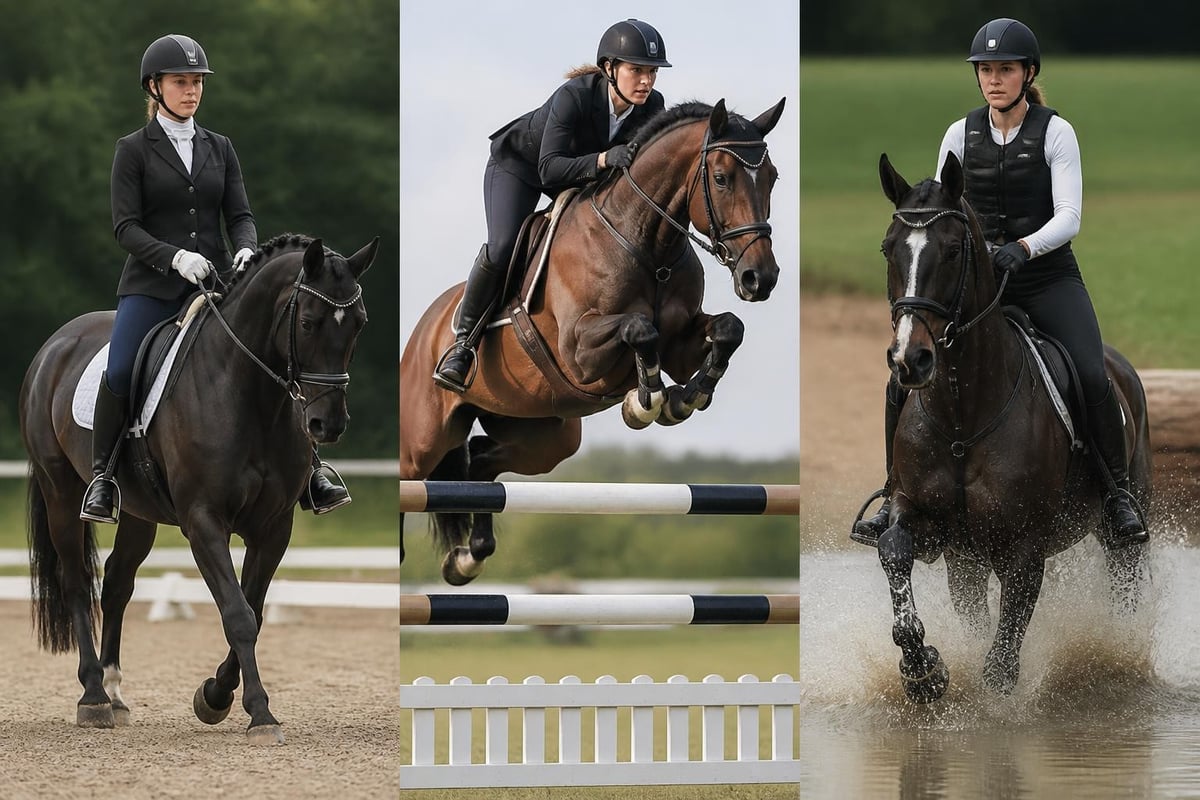
Dressage riders appreciate the formal aesthetic. Show jumpers value the clean lines. Eventers respect the versatility. Black breeches don't demand attention, yet they anchor an outfit with quiet confidence. The colour flatters through its vertical emphasis, and it photographs exceptionally well under arena lights.
Recent rule changes have only reinforced black's position. The British Riding Clubs now permit dark-coloured breeches in competitions, acknowledging what riders have known for years: black performs brilliantly in competitive settings. This shift towards practical elegance means your black breeches work harder than ever before.
Performance Features That Actually Matter
The best black breeches aren't simply trousers dyed dark. They're engineered for hours in the saddle, with details that make the difference between adequate and excellent. Understanding these features helps you choose pairs that'll serve you well beyond their first season.
Fabric Technology and Comfort
Modern technical fabrics have transformed what black breeches can achieve. Four-way stretch allows natural movement without binding. Moisture-wicking properties keep you comfortable during intense training sessions. The fabric weight matters too: lighter materials for summer, slightly heavier options for winter riding. Quality black breeches maintain their colour through countless washes without fading to that tired grey.
Compression elements provide muscle support during long rides. Flatlock seams reduce chafing. These aren't luxury additions, they're fundamental performance features that distinguish professional-grade breeches from amateur efforts. When you're spending significant time in the saddle, these details compound into genuine comfort advantages.
Knee Patches and Grip Systems
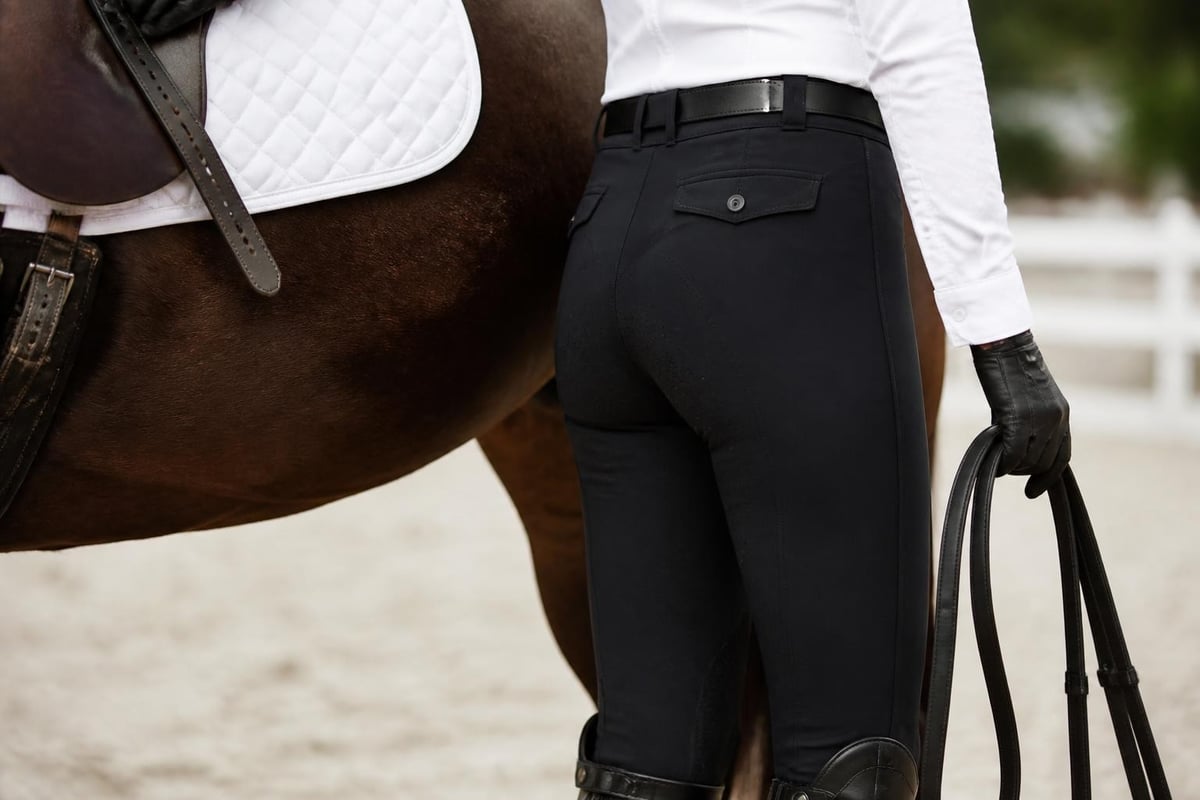
Full-seat or knee patch? The debate continues, but for black breeches, knee patches often provide the sweet spot between grip and versatility. They offer security where you need it without the full-seat look that can appear overly formal for everyday riding. Silicone patterns have evolved considerably. Modern grip systems provide traction without the sticky feel that characterised earlier generations.
The patch colour influences the overall aesthetic. Tone-on-tone black maintains sleek uniformity. Subtle grey or charcoal adds visual interest whilst remaining understated. Consider how your patches interact with your saddle leather. Darker patches on black breeches create less contrast than lighter options, which suits riders preferring a unified appearance.
Styling Black Breeches Beyond the Arena
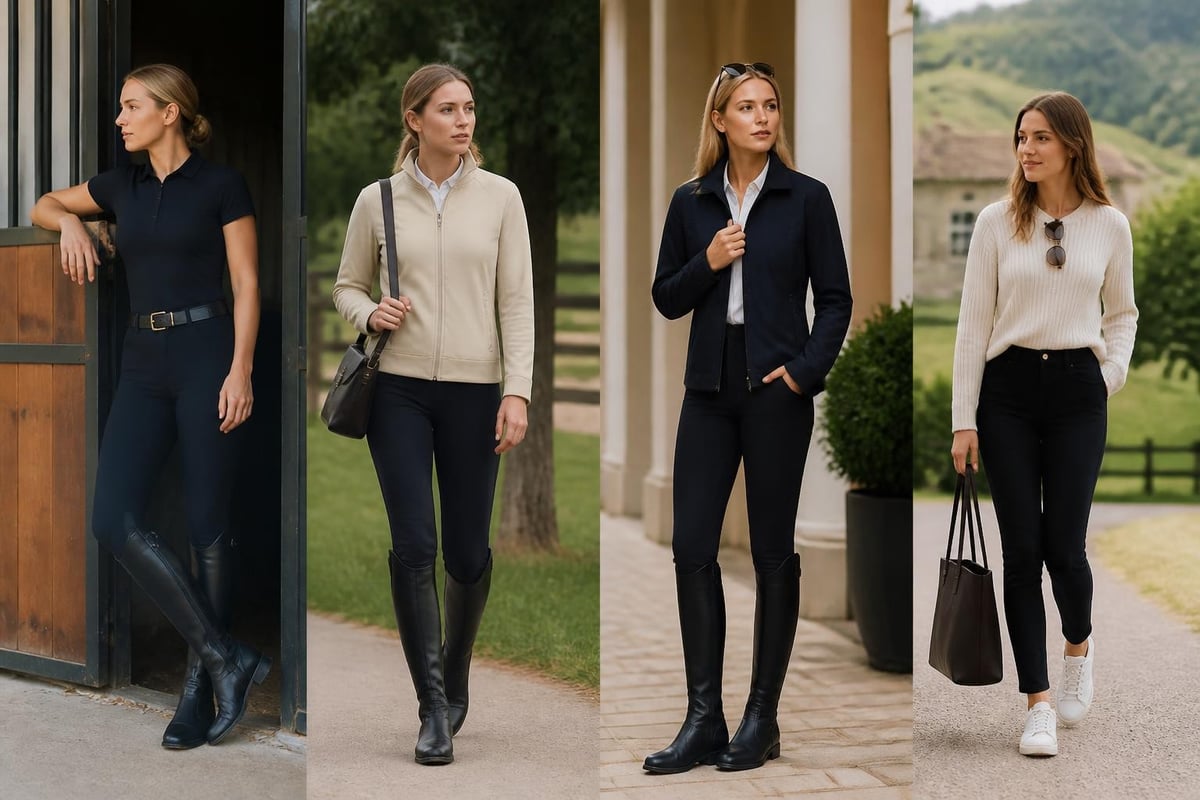
One significant advantage of black breeches lies in their transition capability. Contemporary equestrian fashion increasingly embraces stable-to-street versatility, and black breeches lead this movement. They're no longer confined to riding contexts. With thoughtful styling, they function as genuinely wearable everyday trousers.
Building Versatile Outfits
Pair black breeches with a quality polo shirt for relaxed weekend wear. Add a tailored jacket for smarter occasions. The key sits in treating them as fitted trousers rather than specialised riding kit. Boots obviously work, but clean trainers or leather shoes broaden your options considerably. This approach aligns with equestrian-inspired fashion that honours the sport's heritage whilst adapting it for modern lifestyles.
Layering becomes straightforward with black as your foundation. Earth tones, navies, and greys all complement black breeches naturally. Avoid overthinking colour coordination. The neutrality of black means most combinations work instinctively. Focus instead on fit and fabric quality, which elevate the overall impression far more than elaborate styling tricks.
Fit Considerations for Male Riders
Generic sizing rarely serves male riders well. Bodies vary, and equestrian activity demands specific fit characteristics that differ from standard trousers. Black breeches should feel supportive without restriction, fitted without tightness. Achieving this requires understanding how proper riding breeches should sit.
Waist and Rise
The waistband should sit comfortably at your natural waist, higher than typical jeans. This prevents gaping when mounted and ensures the seat stays positioned correctly. Many riders initially find this feel unusual, particularly if they're accustomed to lower-rise casual trousers. Persist through the adjustment period. The higher rise proves its worth during extended riding sessions.
Rise depth affects overall comfort significantly. Insufficient rise creates uncomfortable pulling when your hips flex in the saddle. Excessive rise bunches fabric and creates bulk. Quality manufacturers design specifically for men's equestrian clothing needs, accounting for male proportions rather than adapting women's patterns.
Leg Length and Taper
Black breeches should extend to your ankle bone, accounting for the slight rise when you pull on riding boots. Too short and they'll ride up uncomfortably. Too long and excess fabric bunches inside your boots. The leg taper influences both aesthetics and function. A moderate taper creates clean lines without the extreme skinny fit that restricts movement.
Calf width deserves attention, particularly if you have athletic legs or wear thicker socks. Overly tight calves impede circulation during long rides. Conversely, excessive fabric creates wrinkles and pressure points inside boots. The Goldilocks zone offers enough room for comfort whilst maintaining the streamlined appearance that suits black breeches.
Care and Maintenance for Longevity
Black breeches demand specific care to maintain their appearance. Proper maintenance extends their lifespan considerably whilst preserving the deep black colour that makes them so versatile. These aren't complicated procedures, just consistent habits that protect your investment.
Washing Best Practices
Turn black breeches inside out before washing. This simple step reduces colour fading and protects exterior features like grip patches. Cold water washing preserves both colour and elasticity. Hot water accelerates fading and can degrade technical fabrics over time. Use detergent formulated for dark colours, which contains fewer optical brighteners that lighten black fabrics.
Avoid fabric softener entirely. It coats technical fibres, reducing their moisture-wicking capabilities and degrading stretch properties. If you want softer fabric, tumble dry on low heat briefly then air dry. This achieves softness without compromising performance features. Always separate black breeches from lighter garments. Colour transfer ruins both the breeches and whatever they've bled onto.
Storage and Repair
Hang black breeches rather than folding them. Hanging prevents creases and allows fabrics to recover their shape between wears. Avoid direct sunlight during storage, as UV exposure fades black fabric gradually. Address minor damage promptly. Small tears in seams can be repaired easily before they expand into major problems requiring professional intervention.
Check grip patches regularly for separation or wear. Early detection allows simple reattachment before complete replacement becomes necessary. Similarly, inspect stitching around stress points like the inner thighs and seat. Reinforcing these areas preemptively prevents blowouts during rides. Quality black breeches justify this maintenance attention through years of reliable service.
Competition Standards and Regulations
Understanding competition requirements helps you select black breeches that'll serve across multiple contexts. Rules vary by discipline and level, but black breeches generally meet requirements universally. This makes them the safest choice when you're uncertain about specific regulations or competing across multiple disciplines.
Discipline-Specific Considerations
Dressage maintains traditional standards, with black breeches considered entirely appropriate at all levels. Show jumping permits more flexibility, though black remains the default professional choice. Eventing's three phases each have distinct requirements, but black breeches typically satisfy all of them. This universality reduces the number of breeches you need in rotation.
Check your specific governing body's rules before major competitions. Whilst black is widely accepted, details around patches, logos, and trims can vary. Some organisations restrict patch colours or positioning. Others limit brand visibility. Investing in black breeches with minimal external branding provides maximum flexibility across different competitive contexts.
Seasonal Adaptation Strategies
Black breeches work year-round, but seasonal variations optimise comfort across changing conditions. Summer and winter riding present different challenges, which smart fabric selection and layering strategies can address effectively. You needn't maintain entirely separate wardrobes, but understanding seasonal considerations helps you choose versatile options.
Summer Riding Solutions
Lightweight black breeches use thinner technical fabrics that breathe effectively during warm weather. Look for materials with enhanced ventilation properties. Some designs incorporate mesh panels in strategic locations, though these can compromise the clean aesthetic that makes black breeches so appealing. Balance breathability against appearance based on your priorities.
Despite concerns about heat absorption, black breeches remain viable for summer riding. Quality moisture-wicking fabrics move perspiration away from your skin efficiently. The key sits in choosing appropriate weights rather than avoiding black entirely. Early morning and evening rides further mitigate any temperature concerns whilst maintaining your preferred aesthetic.
Winter Weather Adaptation
Heavier-weight black breeches provide welcome warmth during cold months. Some riders layer thermal tights underneath, though this adds bulk that can affect saddle feel and boot fit. Fleece-lined options exist, offering insulation without additional layers. These work brilliantly for general riding but may prove too warm for intensive training sessions.
Consider wind resistance when selecting winter black breeches. Wind-blocking fabrics maintain warmth more effectively than standard materials. However, they often sacrifice breathability, creating a trade-off between temperature regulation and moisture management. Your local climate and riding intensity determine which characteristics matter most.
Investment Value and Price Considerations
Black breeches span considerable price ranges. Understanding what drives these differences helps you allocate your budget effectively. The cheapest options rarely prove economical long-term, whilst the most expensive don't always deliver proportional value. Finding the sweet spot requires evaluating specific features against your riding frequency and requirements.
Quality Indicators Worth Paying For
Premium fabrics justify higher prices through superior performance and durability. They maintain shape, resist pilling, and preserve colour through hundreds of wears and washes. Construction quality matters equally. Reinforced seams, quality hardware, and attention to finishing details extend lifespan considerably. Examine stitching density and neatness. Rushed manufacturing shows immediately in sloppy seams and loose threads.
Grip systems vary in quality and longevity. Silicone patterns should be precisely applied without gaps or bubbles. Test the grip's adhesion by attempting to lift an edge. It should resist firmly. Poor-quality grip patches separate quickly, often within weeks of regular use. This renders the breeches effectively useless for serious riding, regardless of other qualities.
Building a Practical Rotation
Most riders need at least two pairs of black breeches in active rotation. This allows one to be washed whilst the other remains ready. Three pairs provides comfortable flexibility, preventing wear concentration that shortens lifespan. Consider varying your pairs slightly: perhaps one full-seat and one knee-patch, or different fabric weights for seasonal adaptation.
Buying identical pairs simplifies decisions but limits versatility. Mixing features expands your options without requiring extensive wardrobes. This approach particularly suits riders competing across multiple disciplines or those whose riding encompasses both intensive training and casual hacking. Your complete breeches collection benefits from strategic diversity within a cohesive black foundation.
The Psychology of Wearing Black
Colour psychology extends into equestrian contexts. Black conveys competence and seriousness. Research suggests that dark colours influence how others perceive your physical presence, often creating impressions of strength and authority. For male riders navigating a sport with complex social dynamics, these subtle advantages compound over time.
Confidence and Presentation
Well-fitted black breeches create clean, professional appearances that influence how others respond to you. This matters during lessons, at competitions, and in general yard interactions. Looking the part isn't vanity. It's understanding that presentation affects perception, which influences opportunities and experiences within the sport.
Black's neutrality also removes decision fatigue. When your foundation piece remains constant, building outfits becomes straightforward. This efficiency appeals to riders who prefer focusing on horsemanship rather than wardrobe coordination. Your riding should dominate your mental bandwidth, not clothing choices.
Future Trends in Black Breech Design
Innovation continues despite black breeches' traditional role. Manufacturers experiment with sustainable fabrics, enhanced grip technologies, and improved fit systems. Understanding emerging trends helps you make informed decisions about when to embrace new developments versus sticking with proven designs.
Sustainable Manufacturing Approaches
Eco-conscious production increasingly influences equestrian apparel. Recycled polyester, organic cotton blends, and reduced water consumption during manufacturing appeal to environmentally aware riders. These advances needn't compromise performance. Modern sustainable fabrics often match or exceed traditional materials in durability and comfort.
Black dyes present specific environmental challenges due to the chemicals required for deep, lasting colour. Manufacturers developing cleaner dyeing processes deserve support, even when their products command premium prices. The investment supports better practices whilst delivering breeches that perform excellently. This aligns with broader movements toward responsible consumption within equestrian communities.
Technical Innovations on the Horizon
Smart fabrics incorporating biometric monitoring seem inevitable, though their practical equestrian applications remain unclear. More immediately useful innovations include adaptive compression systems that respond to movement intensity and temperature-regulating materials that maintain optimal comfort across varying conditions. These developments will likely appear in black breeches first, given their popularity ensures sufficient market demand.
Enhanced durability through advanced fibre engineering promises breeches that genuinely last years rather than seasons. This shifts the cost-per-wear equation significantly, making higher initial investments increasingly logical. Watch for materials boasting improved abrasion resistance and shape retention. These characteristics determine long-term satisfaction far more than short-lived comfort features.
Black breeches remain fundamental to men's equestrian wardrobes for compelling reasons: they're versatile, practical, and timelessly appropriate across disciplines and contexts. Whether you're competing at county level or enjoying weekend hacks, quality black breeches deliver consistent performance and understated style. Gallant Equestrian creates precisely these essentials: performance-driven pieces designed specifically for male riders who value both function and appearance. Our New Zealand-designed collection ensures you're properly equipped for every ride, from stable work to competition rings. Look the Part. Enjoy the Ride.

