

Equestrian Pants: A Complete Guide for Male Riders
Apr 17, 2026
Choosing the right equestrian pants transforms your riding experience from merely functional to genuinely comfortable. Whether you're schooling dressage, navigating cross-country terrain, or spending hours in the saddle, your riding trousers need to work as hard as you do. The right pair supports proper position, prevents chafing, and maintains their shape through countless rides. Understanding what separates exceptional riding wear from basic alternatives helps you invest wisely in pieces that perform season after season.
What Makes Equestrian Pants Different
Traditional trousers weren't designed for the saddle. Equestrian pants address specific challenges riders face: maintaining close contact with the horse, preventing friction, and allowing unrestricted movement. The construction starts with strategic seam placement that eliminates pressure points where your leg contacts the saddle.
Performance equestrian pants incorporate stretchy, moisture-wicking fabrics that move with your body rather than restricting it. Technical materials have revolutionized riding wear, with innovations in riding breeches materials and technology creating garments that feel like a second skin whilst providing exceptional durability.
The cut differs significantly from everyday trousers. Riding pants feature a deeper seat and pre-shaped knees that match your position in the saddle. This anatomical design means they might look slightly unusual when standing, but they're perfectly shaped for mounted work. The fabric stretches in four directions, accommodating the constant subtle movements required for effective riding.
Key Features That Define Quality
Grip Technology
Modern equestrian pants use two primary grip systems. Full-seat designs feature silicone or synthetic suede covering the entire seat and inner thigh, providing maximum stability for dressage and flatwork. Knee-patch styles offer targeted grip where your leg rests against the saddle, preferred by jumping riders who need freedom of movement. Understanding whether full-seat or knee-grip options suit your riding style helps you select the right configuration.
Fabric Composition
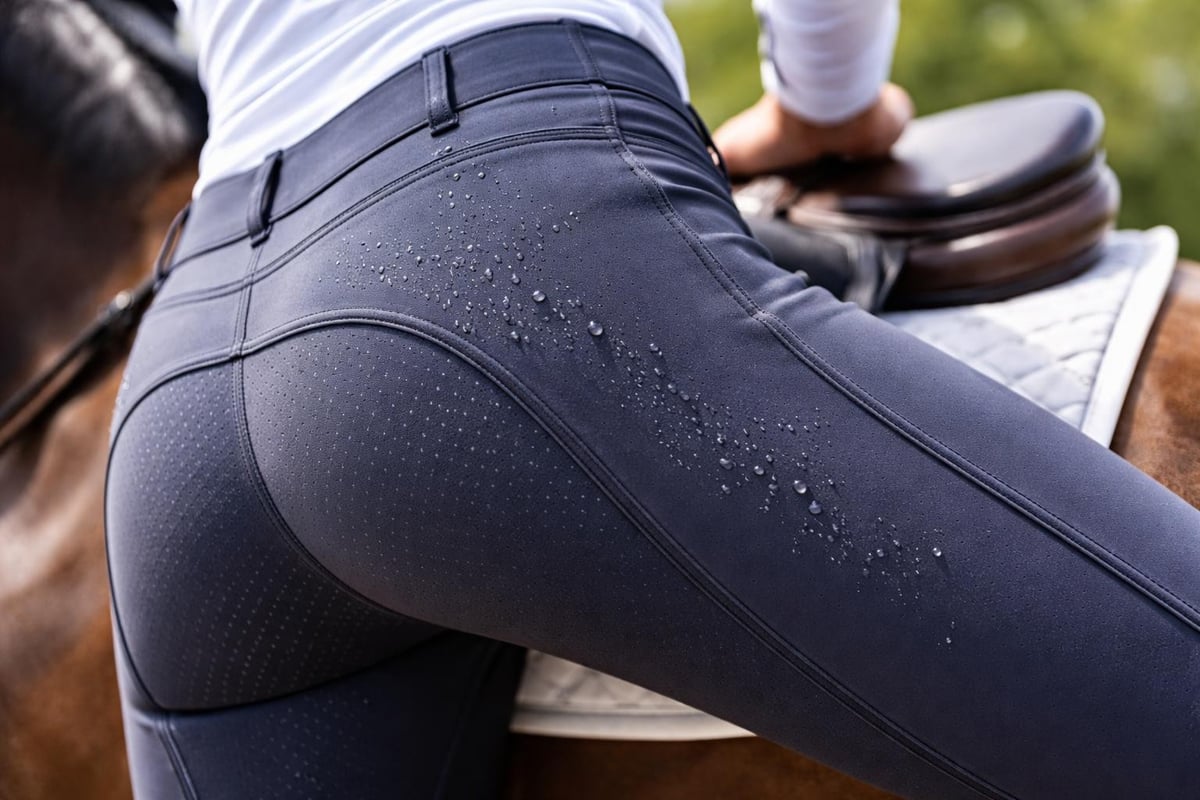
Premium riding trousers combine synthetic and natural fibres for optimal performance. Polyester and elastane blends offer superior stretch and recovery, whilst cotton additions provide breathability. The ideal fabric weight balances warmth for winter riding with cooling properties for summer sessions. Treated fabrics resist water, repel dirt, and dry quickly after washing.
Construction Details
Flat-lock seams prevent rubbing during extended rides. Reinforced stitching at stress points ensures longevity. Ankle closures vary between traditional buttons, modern zips, or elastic cuffs depending on boot preference. Quality construction means your riding trousers maintain their shape through dozens of washes and hundreds of rides.
Styles and Variations
Traditional Breeches
Classic riding breeches remain the gold standard for English disciplines. These men's riding breeches end just below the knee with adjustable closures designed to fit smoothly inside tall boots. The streamlined silhouette creates an elegant line whilst eliminating bulk around the lower leg.
Traditional designs emphasize clean lines and conservative colours. Navy, black, white, and beige dominate competition wear, whilst schooling allows broader colour choices. The fitted style might feel unfamiliar initially, but proper fit ensures comfort and function. Breeches that are too loose bunch and create friction; overly tight pairs restrict blood flow and movement.
Full-Length Riding Trousers
Jodhpur-style trousers extend to the ankle, designed for paddock boots or casual riding. These equestrian pants offer versatility for riders who prefer lower boots or need clothing that transitions from stable to street. The ankle fit accommodates different footwear whilst maintaining riding-specific features like grip panels and strategic stretch.
Modern interpretations blend riding functionality with everyday style. Technical riding jeans combine denim aesthetics with performance features, creating trousers suitable for both mounted work and post-ride activities. This crossover category addresses the growing demand for horseback riding pants that work beyond the arena.
Competition Requirements
Show environments demand specific standards. Dressage competitions typically require white or light-coloured breeches paired with dark jackets. Show jumping allows more flexibility, with navy and darker tones accepted at most levels. Horse & Hound's coverage of equestrian sports provides detailed insights into discipline-specific attire requirements that vary by organization and competition level.
Understanding these expectations helps you build a wardrobe that covers training and competition needs. Many riders maintain separate schooling and show sets, preserving pristine white breeches for competition whilst using darker training pairs for daily work.
Sizing and Fit Considerations
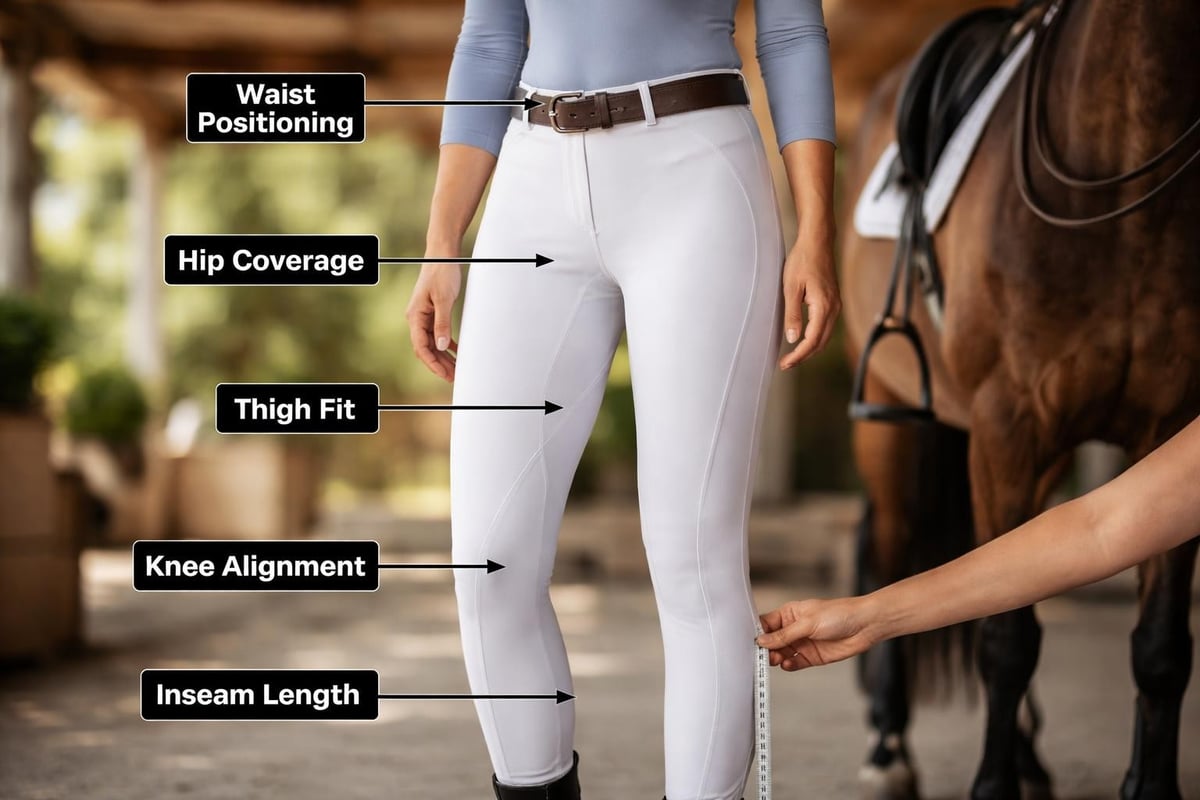
Proper fit determines comfort and performance. Equestrian pants should fit snugly without restricting movement or creating pressure points. The waistband sits comfortably at your natural waist without requiring a belt to stay in place, though belt loops accommodate personal preference.
| Size Indicator | Measurement Location | Fit Checkpoint |
|---|---|---|
| Waist | Natural waistline | Should sit flat without gapping |
| Hip | Fullest part | Smooth without pulling |
| Thigh | Mid-thigh | Close but not restrictive |
| Knee | Kneecap centre | Pre-shaped bend aligns naturally |
| Inseam | Inside leg | Reaches ankle bone or boot top |
The seat should provide coverage when mounted without excess fabric that bunches. In the saddle, fabric shouldn't pull tight across the buttocks or create uncomfortable tension. Standing up, slight gathering at the knee indicates proper pre-shaping for riding position.
Different brands use varying size systems. European manufacturers often use centimetre-based sizing, whilst others follow traditional small-medium-large conventions. Consulting detailed size guides prevents ordering errors and ensures optimal fit from the start.
Material Stretch and Recovery
Quality equestrian pants stretch during riding and return to their original shape afterward. Inferior fabrics develop saggy seats and stretched knees after limited use. Testing fabric recovery before purchase helps predict longevity. Premium materials maintain their structure through extensive wear and regular washing.
Four-way stretch accommodates movement in all directions. This flexibility proves essential when mounting, posting at trot, or assuming jumping position. Fabric that stretches only in one or two directions restricts natural movement and causes premature wear at stress points.
Care and Maintenance
Proper care extends the life of quality riding trousers significantly. Modern technical fabrics require specific treatment to maintain their performance characteristics. Understanding these requirements protects your investment and ensures consistent performance.
Washing Guidelines
Pre-Treatment Steps
Turn breeches inside out before washing to protect grip surfaces and exterior fabric. Close all zips and fasten velcro closures to prevent snagging. Remove excess dirt and mud with a soft brush before machine washing. Heavily soiled areas benefit from spot treatment with gentle detergent.
Machine Settings
Cold water washing preserves fabric elasticity and prevents colour fading. Select gentle cycles that minimize agitation. Avoid fabric softeners, which coat technical fibres and reduce moisture-wicking properties. Front-loading machines treat riding wear more gently than top-loaders with agitators.
Drying Methods
Air drying maintains fabric structure better than machine drying. Hang breeches by the waistband in a well-ventilated area away from direct sunlight. High heat damages elastic fibres and can melt synthetic grip materials. If machine drying becomes necessary, use the lowest heat setting and remove promptly to prevent wrinkles.
Storage Practices
Store clean, dry equestrian pants folded or hung to prevent creasing. Dedicated trouser hangers with clips maintain proper shape without creating pressure marks. Avoid overstuffing drawers or storage bins, which compress fabric and create persistent wrinkles.
Seasonal storage requires consideration. Before storing riding wear long-term, ensure garments are completely clean and dry. Residual sweat or moisture encourages mildew growth. Cedar blocks or lavender sachets deter moths whilst maintaining freshness.
Market Trends and Innovation
The equestrian apparel industry continues evolving, with market analysis showing consistent growth driven by increasing participation and demand for technical performance wear. Male riders now enjoy unprecedented variety in styles and features designed specifically for their needs.
Technology Integration
Smart fabrics represent the latest frontier in riding wear. Temperature-regulating materials actively respond to body heat, cooling riders during intense work and providing insulation during winter sessions. Antimicrobial treatments prevent odour buildup, particularly valuable for riders who spend entire days at competitions or events.
Research into Human Activity Recognition principles applied to equestrian activities influences how manufacturers design riding wear. Understanding precise movement patterns helps engineers create garments that support rather than restrict natural riding mechanics.
Sustainability Considerations
Environmental consciousness shapes modern manufacturing. Brands increasingly use recycled polyester and responsibly sourced materials. Water-efficient dyeing processes and reduced chemical treatments appeal to environmentally aware riders. Durability itself represents sustainability, as long-lasting garments reduce replacement frequency and overall consumption.
The U.S. equestrian apparel market dynamics reflect shifting consumer priorities toward quality over quantity. Riders invest in fewer, better pieces rather than maintaining extensive wardrobes of lower-quality alternatives.
Building Your Riding Wardrobe
Strategic selection creates a versatile collection that covers all riding situations without unnecessary duplication. Starting with essential pieces and expanding based on actual needs prevents wasteful spending whilst ensuring you're properly equipped.
Essential Foundation
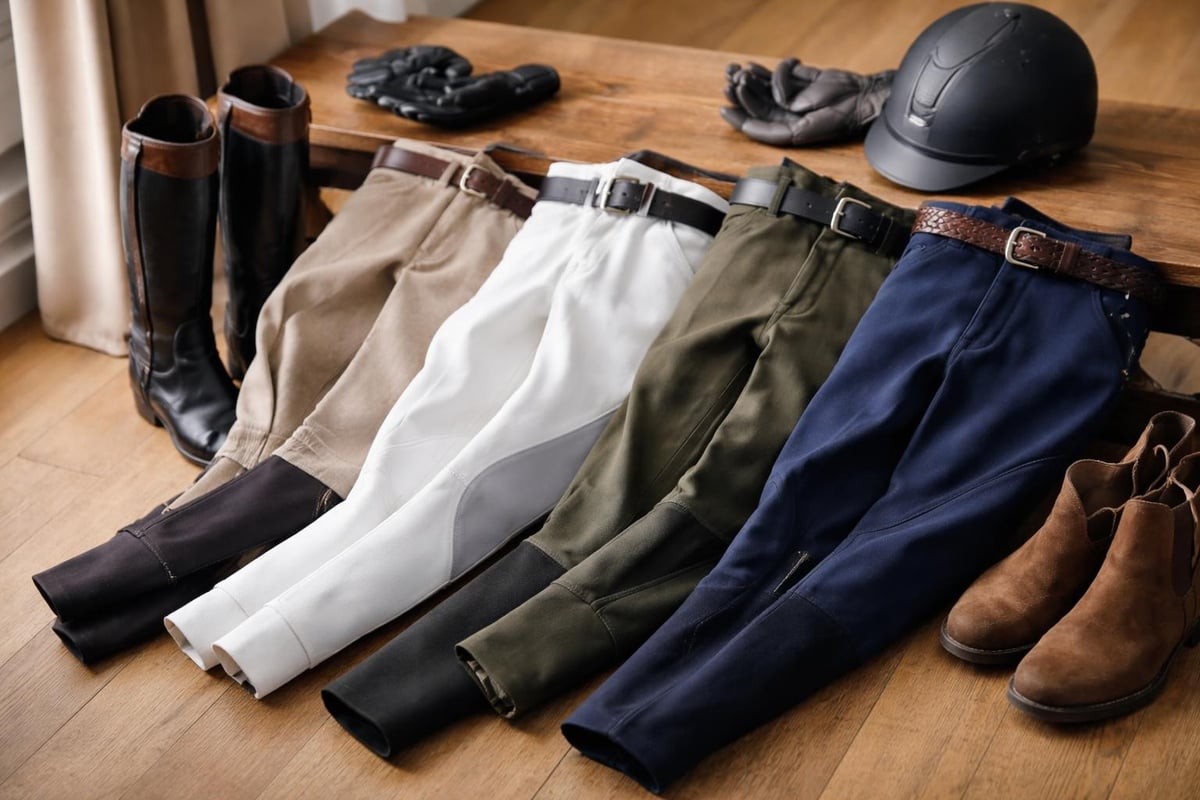
Every male rider needs quality schooling breeches in a neutral colour that conceals dirt whilst looking presentable. Navy or charcoal serve this purpose admirably. Add lighter-coloured competition breeches if you participate in shows requiring them. This two-pair foundation handles most riding scenarios.
Consider seasonal requirements. Summer riding demands lightweight, breathable fabrics, whilst winter sessions need thermal options. Some riders maintain separate warm and cool weather wardrobes; others prefer mid-weight all-season breeches supplemented with base layers during cold months.
Expanding Your Collection
Training Versus Competition
Separate schooling and show wear extends the life of competition pieces. Training breeches endure barn work, grooming sessions, and general stable activities without concern. Show breeches remain pristine for competition environments. This division proves particularly valuable for riders competing regularly.
Style Versatility
Modern men's equestrian breeches bridge riding and casual wear more effectively than traditional options. Technical riding jeans and styled jodhpurs transition seamlessly from saddle to post-ride activities. This versatility suits riders who integrate equestrian activities into broader daily schedules.
| Garment Type | Primary Use | Quantity Needed | Investment Level |
|---|---|---|---|
| Schooling Breeches | Daily training | 2-3 pairs | Moderate to High |
| Show Breeches | Competition | 1-2 pairs | High |
| Summer Weight | Warm weather | 1-2 pairs | Moderate |
| Winter/Thermal | Cold weather | 1-2 pairs | Moderate |
| Casual Riding Trousers | Leisure riding | Optional | Variable |
Coordinating with Other Riding Wear
Equestrian pants form part of a complete riding outfit. They coordinate with boots, shirts, and jackets to create cohesive ensembles. Understanding how pieces work together streamlines getting dressed and ensures appropriate presentation for different riding contexts.
Neutral trouser colours offer maximum versatility. Navy breeches pair equally well with white competition shirts, casual training tops, or technical performance layers. This flexibility means fewer pieces create more outfit combinations.
Performance Across Disciplines
Different riding styles place varying demands on equestrian pants. Understanding these requirements helps you select appropriate features for your primary discipline whilst maintaining versatility for occasional crossover activities.
Dressage Requirements
Dressage emphasizes close contact and subtle aids. Full-seat breeches provide maximum grip and stability, supporting proper position through extended sitting work. The fitted silhouette creates clean lines judges appreciate. White or very light colours remain traditional for upper-level competition, though training allows darker alternatives.
Fabric weight matters in dressage contexts. Heavier materials offer more substantial grip and create a polished appearance. Premium options combine weight with stretch, avoiding the stiff, restrictive feel of older designs.
Jumping Disciplines
Show jumping and eventing require freedom of movement. Knee-patch breeches allow the hip flexibility needed for jumping position whilst providing grip where it matters most. Many jumping riders prefer slightly looser fits that accommodate dynamic movement without restriction.
Durability proves essential for jumping disciplines. Falls, fence brushes, and general arena wear test fabric strength. Reinforced knee areas and abrasion-resistant materials withstand the demands of jumping training and competition.
Western Crossover
Some riders work across both English and Western styles. While Western riding traditionally uses denim jeans, riders transitioning between disciplines appreciate the performance benefits equestrian pants provide. Technical riding jeans offer this crossover functionality, combining Western aesthetics with English performance features.
Understanding these discipline-specific needs helps you select appropriate features without limiting versatility. Many riders discover that quality equestrian pants designed for one discipline work adequately across others, particularly during training.
Investment Considerations
Quality equestrian pants represent significant investment. Understanding what justifies premium pricing versus when economy options serve adequately helps you allocate budgets effectively. The relationship between cost and performance isn't always linear, but clear patterns emerge.
Premium breeches use superior fabrics that last longer and perform better. They maintain their shape, grip, and appearance through extensive use. Mid-range options often provide excellent value, delivering solid performance at accessible prices. Budget alternatives work for occasional riders or those new to the sport, though frequent riders quickly outgrow their limitations.
Cost Per Wear Analysis
Expensive breeches that last five years and maintain performance throughout cost less per ride than cheap alternatives replaced annually. Calculate cost per wear by dividing purchase price by estimated number of uses. Quality breeches worn twice weekly for three years (over 300 rides) cost mere pounds per use despite higher initial outlay.
This analysis justifies investing in quality pieces for frequent use whilst accepting economy options for specialized or occasional needs. Your primary schooling breeches deserve premium investment; specialized competition colours you wear quarterly might not.
Value Indicators
Construction Quality
Examine seam finishing, fabric hand, and hardware quality. Premium breeches feature covered elastic, reinforced stress points, and smooth, flat seams. Zip quality indicates overall construction standards. Metal zips last longer than plastic alternatives.
Brand Reputation
Established manufacturers maintain consistent quality standards. Gallant Equestrian builds reputation through reliable performance and durability. New or unknown brands might offer value but carry risk of inconsistent quality or fit.
Warranty and Return Policies
Companies confident in their products offer generous return periods and warranty coverage. These policies protect your investment and indicate manufacturer confidence in quality and durability.
Selecting proper equestrian pants elevates your riding through improved comfort, performance, and confidence. Understanding features, fit requirements, and care practices ensures your investment serves you well for years. Whether you need competition whites, everyday schooling breeches, or versatile pieces that work across contexts, focusing on quality construction and appropriate features delivers results. Explore Gallant Equestrian's collection of performance-driven riding wear designed specifically for men who demand both function and style from their riding wardrobe.

