

Equestrian Pants Men: A Complete Rider's Guide
Mar 20, 2026
Finding the right riding trousers shouldn't be complicated, but walk into any tack shop and you'll face a wall of options. Equestrian pants men wear today blend centuries of riding tradition with modern performance fabrics that actually work. Whether you're schooling in the arena, competing at the weekend, or simply want trousers that transition from stable to street without looking out of place, understanding what makes quality riding pants worth the investment matters. This guide cuts through the noise to help you choose wisely.
Understanding Equestrian Pants Men Actually Need
Not all riding trousers are created equal, and the difference becomes obvious after your first hour in the saddle. Traditional breeches evolved specifically for mounted work, with features designed to prevent chafing, provide grip, and allow full range of motion. Modern equestrian pants men choose today build on these foundations while incorporating technical fabrics that manage moisture, stretch without losing shape, and withstand daily wear.
The key distinction lies in understanding your riding style and frequency. A weekend rider needs different features than someone who spends five days a week training horses. Competition requirements add another layer, with specific regulations varying by discipline. The Western Dressage Association's equipment guide outlines accepted attire standards that help inform choices even for non-competitive riders.
Discipline-Specific Considerations
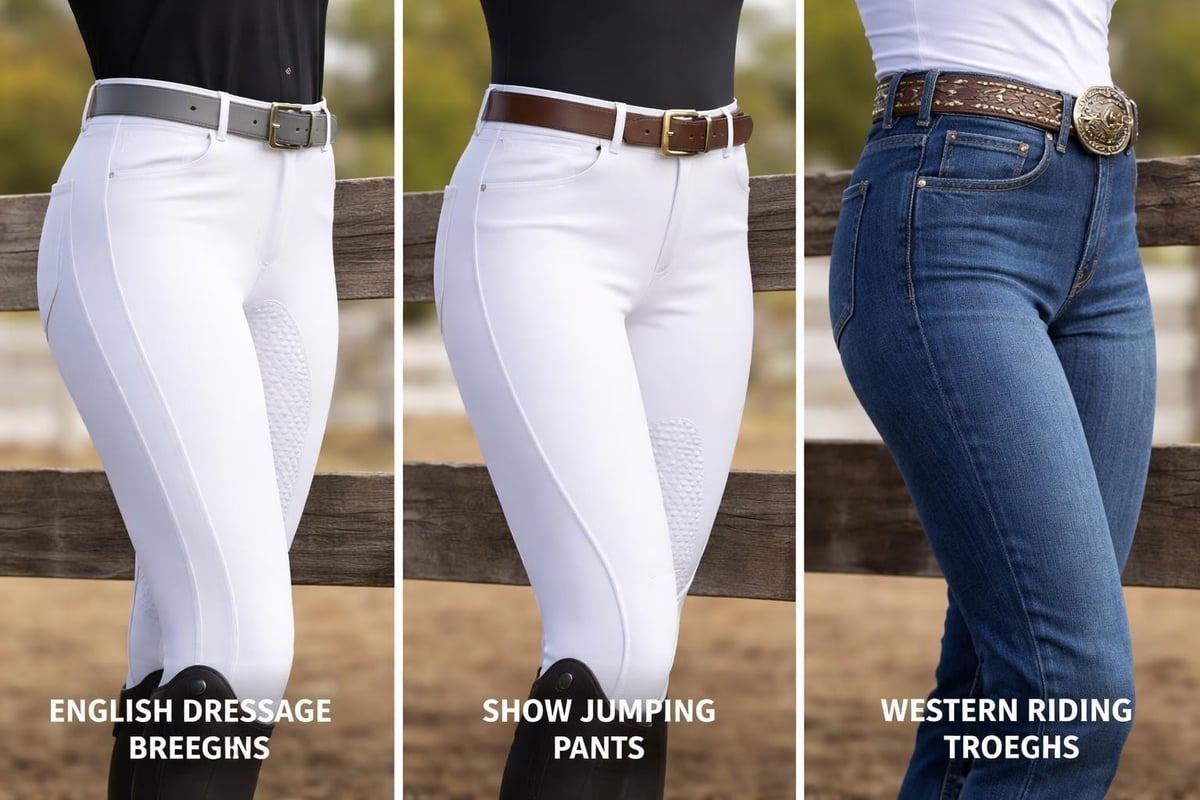
English riding disciplines typically demand close-fitting breeches with either full-seat or knee-patch grip. Show jumping favours flexibility and freedom, whilst dressage requires elegant lines that don't bunch or wrinkle. Western riders often opt for jeans or more relaxed cuts, though modern western riders increasingly choose technical trousers that offer better performance without sacrificing the aesthetic.
Each discipline's demands shape the design. English breeches sit inside tall boots, requiring slim ankles and reinforced inner legs. Western styles work with shorter boots, allowing more room through the lower leg. Understanding these distinctions helps you avoid buying trousers that won't suit your actual riding needs.
Essential Features That Define Quality
Quality equestrian pants men rely on share certain non-negotiable features. Four-way stretch fabric matters more than you might think. Your hips, knees, and seat need to move independently whilst maintaining contact with your horse. Fabric that stretches in only one direction restricts movement and creates uncomfortable pressure points during extended rides.
Reinforcement in high-wear areas extends trouser life significantly. Inner legs take constant friction from the saddle and stirrup leathers. Quality designs use double-layer construction or tougher materials in these zones. Check the stitching as well, flat seams prevent chafing better than traditional raised seams that dig into skin over time.
Grip systems range from full-seat silicone to knee patches, each offering distinct advantages. Full-seat grip provides maximum security, particularly useful for jumping or young horses. Knee patches offer targeted grip whilst keeping the seat area cooler, a consideration for warm climates or intense training sessions. Horse Pilot's technical breeches demonstrate how modern grip placement enhances performance without compromising comfort.
Fabric Technology Worth Knowing
Modern performance fabrics have transformed what equestrian pants men can expect. Moisture-wicking properties keep you comfortable during summer rides or demanding training sessions. Quick-drying materials mean trousers can be washed frequently without lengthy drying times, essential when you ride daily.
Water-resistant treatments add versatility, allowing trousers to handle light rain or early morning dew without soaking through. UV protection becomes relevant for outdoor riding in strong sun, preventing both discomfort and long-term skin damage. These aren't marketing gimmicks when properly implemented, they're functional benefits that improve your riding experience.
Breathability paired with stretch creates the ideal combination. Your trousers should regulate temperature naturally, releasing heat during exertion whilst providing enough coverage to prevent saddle rubs. The best fabrics achieve this balance without adding bulk or weight.
Getting the Fit Right
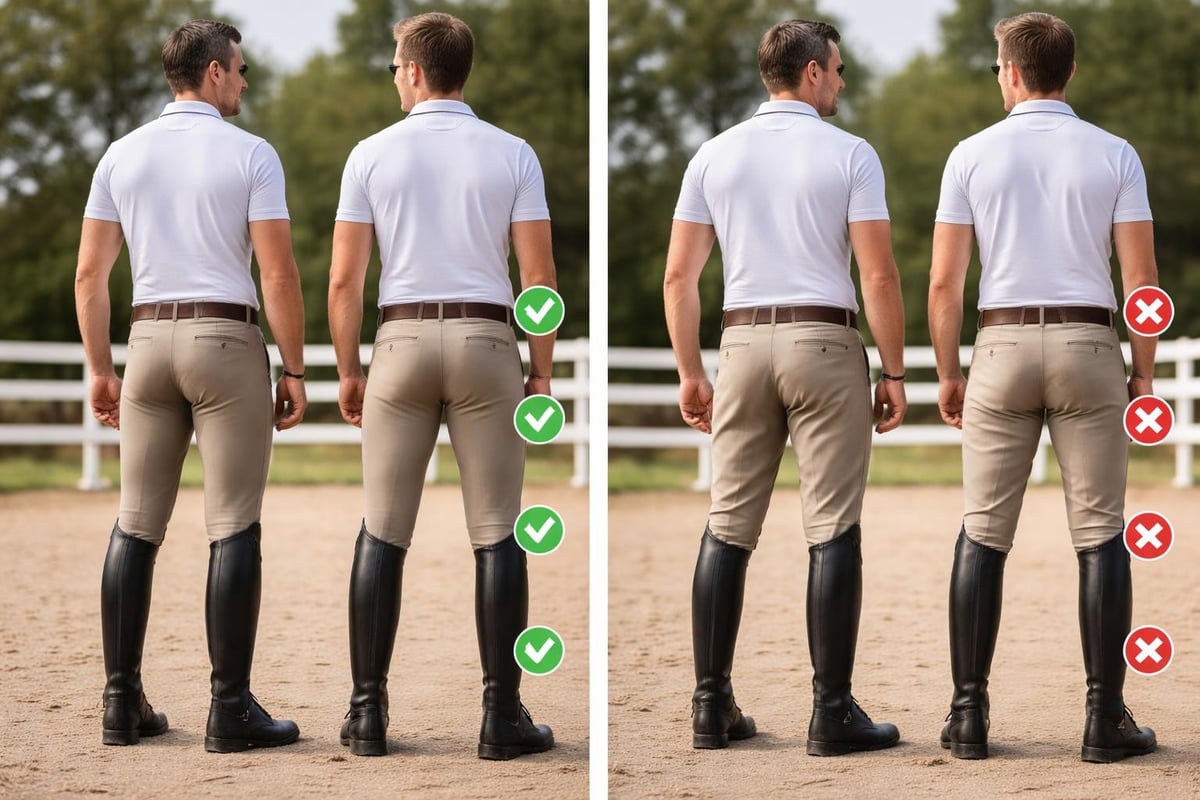
Proper fit transforms average trousers into exceptional ones. Equestrian pants men choose should fit snugly without restriction, sitting at your natural waist or just below depending on the style. Loose fabric bunches under you, creating uncomfortable pressure points and reducing your connection with the horse. Too tight restricts blood flow and movement, leading to cramping during longer rides.
The seat should contour to your shape without sagging or pulling. When you mount, the fabric should move with you rather than fighting your position. Knees need enough room to bend fully without the material pulling tight across the kneecap. This becomes particularly important for disciplines requiring deep knee bend like jumping or cross-country.
Leg length matters more than many riders realize. For boot-cut styles, the hem should sit at your heel when standing, preventing it from riding up whilst mounted. Breeches designed for tall boots need the right ankle fit, snug enough to slide into boots smoothly but not so tight they cut off circulation. Selecting men's equestrian pants requires attention to these details for optimal performance.
Sizing Across Brands
Different manufacturers use varying size charts, making consistency between brands unreliable. Always check specific measurements rather than assuming your usual size translates directly. European cuts often run slimmer than American sizes, whilst New Zealand brands like those from Gallant Equestrian design with athletic builds in mind.
Most quality brands provide detailed measurement guides showing where to measure waist, hips, and inseam. Take these measurements wearing the underwear you'll ride in, as this affects the final fit. When between sizes, consider how the fabric behaves: non-stretch materials warrant sizing up, whilst high-stretch fabrics often work better in the smaller size.
Climate and Seasonal Choices
Your riding environment significantly impacts which equestrian pants men should invest in. Summer riding demands lightweight, breathable fabrics that won't overheat you during intense work. Look for mesh panels in less visible areas, lighter colours that reflect rather than absorb heat, and fabrics with active cooling properties.
Winter riding requires a different approach entirely. Thicker fabrics provide insulation, whilst maintaining enough stretch for movement. Some riders layer thermal tights under regular breeches, others invest in purpose-built winter riding trousers with fleece lining or wind-resistant outer layers. The choice depends on your climate and how much time you spend outdoors versus in covered arenas.
Wet weather introduces another consideration. Water-resistant breeches handle light precipitation, but serious rain demands truly waterproof options or over-trousers. Quick-drying fabrics become essential, nobody wants to ride in soggy trousers that stay wet for hours. Technical fabrics that repel water whilst remaining breathable prevent the clammy feeling cheaper waterproof materials create.
Building a Practical Rotation
Most serious riders need at least three pairs of breeches to maintain a practical rotation. This allows for washing without constantly waiting for trousers to dry. Competition riders often keep show breeches separate from schooling pairs, extending the life of more expensive competition wear.
Consider mixing weights and styles based on your typical riding week. Training breeches can be more durable and forgiving, whilst competition pairs focus on appearance and precision fit. Having climate-appropriate options means you're prepared regardless of weather, rather than forcing yourself into unsuitable trousers because nothing else is clean.
Quality over quantity makes economic sense long-term. Three pairs of well-made trousers that last several years outperform six cheap pairs that deteriorate within months. Calculate cost per wear rather than initial purchase price when making decisions.
Care and Maintenance That Extends Life
Proper care dramatically extends how long equestrian pants men own remain serviceable. Most technical riding trousers require cold water washing to preserve elastic fibres and grip materials. Hot water breaks down silicone grips and degrades stretch fabrics faster than anything else you might do.
Turn trousers inside out before washing to protect grip surfaces and reduce pilling on outer fabrics. Avoid fabric softener entirely, it coats technical fibres and reduces both moisture-wicking properties and breathability. A dedicated sports detergent works better than standard laundry products for performance fabrics.
Air drying preserves shape and elasticity far better than tumble drying. High heat damages elastic components and can melt silicone grips. If you must use a dryer, choose the coolest setting available. Most quality breeches dry quickly when hung properly, making machine drying unnecessary anyway.
Storage Between Seasons
Proper storage between seasons prevents unnecessary damage. Clean trousers thoroughly before storing, as dirt and sweat attract pests and can cause fabric degradation over time. Store in a cool, dry place away from direct sunlight, which fades colours and weakens fibres.
Avoid hanging heavy breeches by the waistband for extended periods, as this can stretch the waist elastic. Folding or using trouser hangers that support the full leg distributes weight more evenly. Cedar blocks help deter moths without the harsh chemicals found in mothballs that can damage modern technical fabrics.
Check stored trousers periodically for any signs of pest damage or mildew, particularly in humid climates. Catching problems early prevents them from spreading to your entire wardrobe.
Style Considerations for Modern Riders
Equestrian pants men wear today extend beyond traditional riding contexts. Modern designs work equally well for stable chores, casual wear, or even smart-casual settings when paired appropriately. Neutral colours like navy, black, olive, and bone integrate seamlessly into broader wardrobes.
Fashion-forward equestrian style doesn't mean sacrificing function. Well-cut breeches in quality fabrics simply look better, whether you're riding or running errands afterward. The key lies in choosing designs that don't scream "riding clothes" through excessive branding or overly technical appearance.
Details matter for versatility. Breeches with minimal external branding transition more easily to non-riding contexts. Subtle grip patterns and streamlined pockets maintain clean lines that work beyond the stable. Quality construction shows in how trousers hold their shape throughout the day, never looking baggy or worn.
Coordinating Your Riding Wardrobe
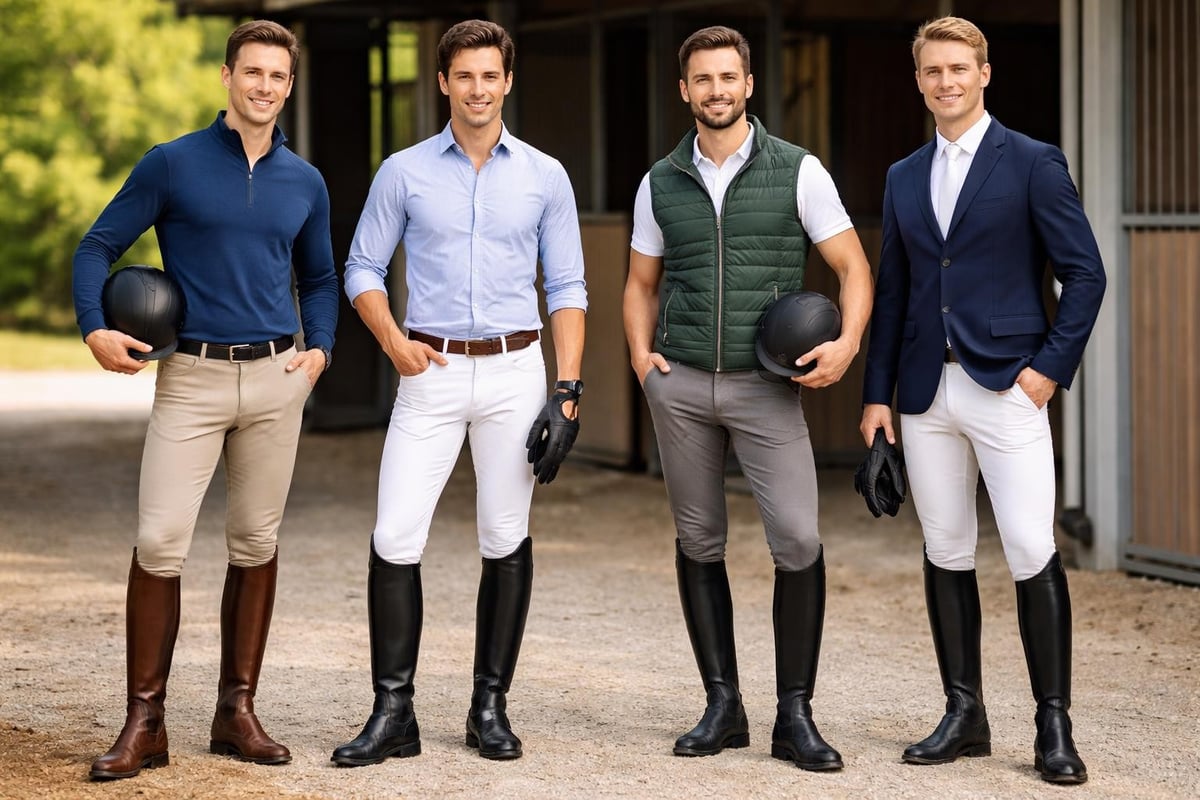
Building a cohesive riding wardrobe means choosing breeches that coordinate with your existing pieces. If you primarily wear navy breeches, your shirts and jackets should complement this foundation. Olive options offer versatility for riders wanting to expand beyond traditional colours.
Competition wear requires extra consideration. Show breeches typically stick to conservative colours and minimal detailing, meeting competition regulations whilst maintaining professional appearance. Schooling breeches allow more flexibility, where personal preference guides choices more than formal rules.
Investment Pieces Versus Daily Workhorse Trousers
Understanding when to invest heavily versus choosing practical options helps build a functional wardrobe without overspending. Competition breeches justify higher investment through specialized features, superior fit, and appearance that meets show ring standards. These are pieces you'll wear less frequently but need to perform flawlessly when it matters.
Daily schooling breeches need durability above all else. They'll face constant washing, extended wear, and tougher conditions than competition gear. Mid-range options from established brands often provide the best value here, offering solid performance without the premium commanded by top-tier competition lines. Horse Pilot's range demonstrates this tiered approach effectively.
Budget breeches have their place for absolute beginners or occasional riders, but quality differences become apparent quickly. Poor fabric recovery means they lose shape after a few wears. Inadequate reinforcement leads to rapid wear in high-friction areas. For anyone riding more than occasionally, skipping the bottom tier makes financial sense.
Recognizing Quality Markers
Certain details indicate superior construction worth paying for. Examine stitching density and consistency, quality manufacturers use tight, even stitching throughout. Check how grip material is attached, heat-bonded silicone lasts longer than glued-on alternatives that peel away after repeated washing.
Fabric weight and hand-feel tell you much about longevity. Quality technical fabrics feel substantial without being heavy, recovering immediately when stretched. Cheaper materials stay stretched out or feel flimsy, lacking the structure needed for riding use.
Brand reputation matters, but newer brands sometimes offer excellent value whilst established names coast on recognition. Read reviews from actual riders in your discipline, they'll highlight real-world performance beyond marketing claims.
Matching Pants to Your Riding Goals
Your riding objectives should guide trouser choices significantly. Casual recreational riders need comfortable, durable breeches that handle occasional use without requiring extensive care. Weekend competitors want reliable performance and appearance that meets show standards without excessive cost.
Serious competitors invest in specialized breeches engineered for their specific discipline. Dressage riders prioritize elegant lines and subtle grip that won't distract judges. Show jumpers need flexibility and security during athletic efforts. Eventers require versatility across three distinct phases, often meaning multiple trouser types.
Professional riders and trainers face the highest demands, wearing breeches for extended periods daily. For them, comfort becomes paramount alongside durability. Multiple pairs in rotation prevent wear-out, whilst technical features that enhance performance justify premium pricing through improved riding capability.
Planning Purchases Strategically
Strategic purchasing means buying what you actually need rather than accumulating excess. Assess your current riding schedule honestly. Riding three times weekly requires fewer pairs than riding daily. Consider your discipline's requirements, some demand specific styles that limit choices.
Seasonal sales offer opportunities, but only for pieces you genuinely need. Buying summer breeches on clearance in autumn makes sense if you'll use them next season. Grabbing random bargains because they're cheap clutters your wardrobe without adding real value.
Quality basics form the foundation. Invest properly in neutral colours and classic styles that won't date, then experiment with trendier options if desired. This approach builds a practical core whilst allowing personal expression.
Technical Innovations Worth Considering
Recent innovations in equestrian pants men can choose from offer genuine performance improvements. Anti-microbial treatments reduce odour during intense riding sessions, keeping trousers fresher between washes. This matters particularly for riders training multiple horses daily or in hot climates.
Compression fabrics support muscles during extended riding, potentially reducing fatigue. While not necessary for casual riding, serious competitors find measurable benefits from graduated compression in the right areas. The science supports improved blood flow and reduced muscle oscillation during repetitive movements.
Seamless construction eliminates traditional stitched seams in critical areas, preventing chafing entirely rather than simply minimizing it. This technology costs more but transforms comfort for riders prone to irritation. Similarly, laser-cut hems replace bulky stitched finishes, creating cleaner lines under boots.
Future-Focused Fabric Development
Sustainable fabric production increasingly influences quality brands. Recycled polyester and organic cotton reduce environmental impact without compromising performance. For riders concerned about sustainability, these options align values with practical needs.
Temperature-regulating fabrics adjust to conditions, cooling when you're warm and insulating when temperatures drop. While this sounds like science fiction, phase-change materials genuinely deliver measurable benefits. The technology has moved beyond experimental stages into practical everyday use.
Stain-resistant treatments help trousers maintain appearance despite the inherently dirty nature of stable work. Modern treatments work at the molecular level, repelling dirt rather than coating fabrics in ways that reduce breathability.
Troubleshooting Common Fit Problems
Even quality breeches sometimes present fit challenges. Gaping waistbands occur when hip and waist measurements don't match a brand's standard proportions. Tailoring can resolve this, taking in the waist whilst leaving hips unchanged. Alternatively, trying different brands with varying fit models often reveals better matches.
Tight calves restrict movement and cause discomfort, particularly in breeches designed for tall boots. If calves measure larger proportionally, look specifically for brands offering different leg cuts within the same waist size. Some manufacturers provide athletic fits acknowledging that riders build muscle through regular work.
Short rises feel uncomfortable when mounted, pulling tight across the seat and lower back. Longer rises suit taller torsos or riders who prefer higher waist positioning. This varies significantly between brands, making trying before buying worthwhile when possible.
Alteration Possibilities and Limitations
Professional alterations can salvage almost-right trousers, but some modifications work better than others. Hemming represents the simplest alteration, easily adjusted by any competent tailor. Taking in waists or seats is possible but requires understanding of how grip placement and seam positioning affect the final result.
Letting out trousers rarely works well, as there's typically insufficient seam allowance for meaningful increases. Lengthening is similarly challenging unless significant hem allowance exists. These limitations mean getting the right size initially matters more than hoping alterations will fix major discrepancies.
Complex alterations often cost enough that buying correctly sized breeches from the start makes more financial sense. Reserve alterations for minor tweaks that perfect otherwise well-fitting trousers.
Quality equestrian pants men choose directly impact riding performance and comfort, making informed decisions worthwhile. Understanding fit requirements, technical features, and care practices ensures you invest wisely in trousers that enhance rather than hinder your riding. Whether you're building your first riding wardrobe or upgrading worn basics, prioritizing function alongside style delivers lasting value. Gallant Equestrian creates performance-driven breeches designed specifically for men who ride, combining New Zealand craftsmanship with technical fabrics that work as hard as you do. Look the Part. Enjoy the Ride.

