

Horse Racing Clothing Men: Style Guide for 2026
Jul 18, 2026
Whether you're heading to Royal Ascot, a local race meet, or simply want versatile clothing that works from the stables to the stands, understanding horse racing clothing men need makes all the difference. The right approach combines traditional race day standards with practical equestrian pieces that serve you well beyond a single event. It's about building a wardrobe that respects racing's heritage whilst fitting your actual riding life.
Understanding Race Day Dress Codes
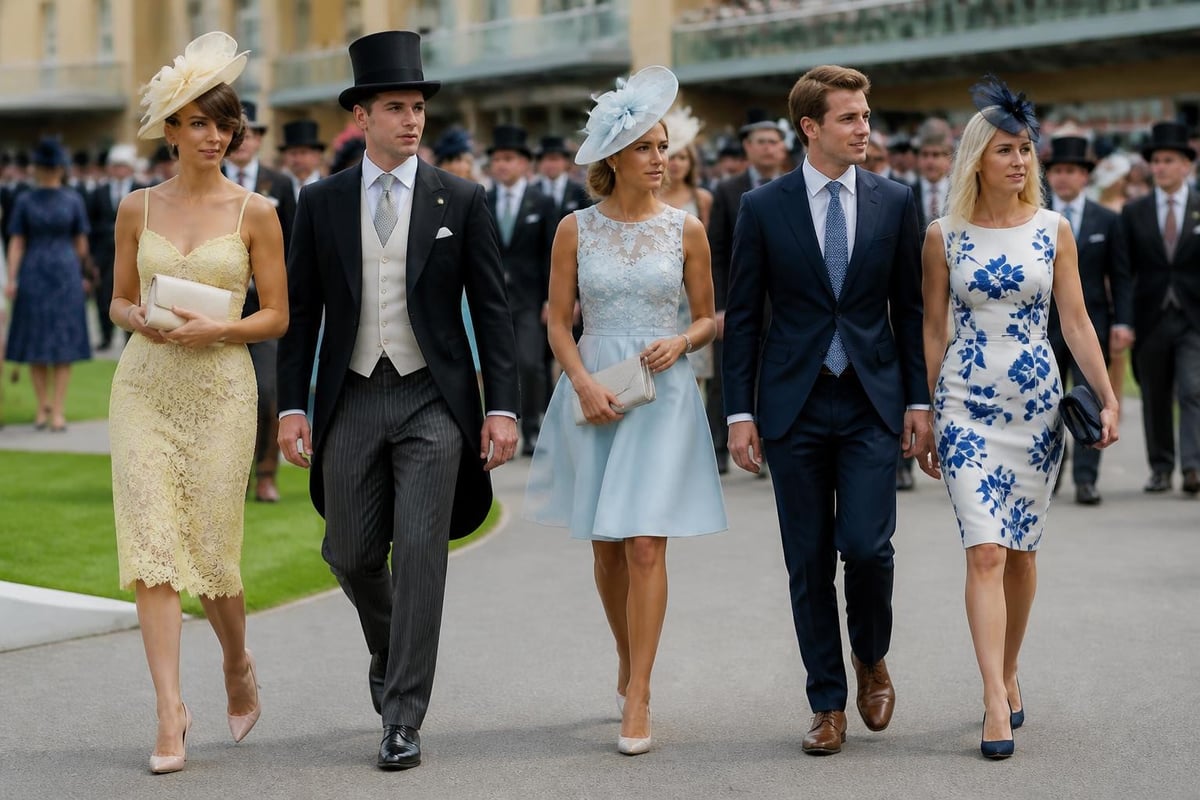
Different racing venues maintain different standards. The Royal Enclosure demands morning suits and top hats. The Grandstand allows smart suits with ties. County tracks often welcome smart casual attire with tailored trousers and blazers.
Racing Post's comprehensive guide breaks down specific requirements across British racing venues, helping you avoid any awkward surprises at the gate. The key is checking your specific venue's policy before you travel.
Most riders find that investing in quality core pieces serves them across multiple occasions. A well-cut navy blazer works for race days, dinner events, and even smarter stable visits. Tailored trousers in neutral tones transition easily. The trick is choosing horse racing clothing men can actually wear regularly, not garments gathering dust eleven months a year.
Smart Casual Foundations That Work Everywhere
Tailored Trousers
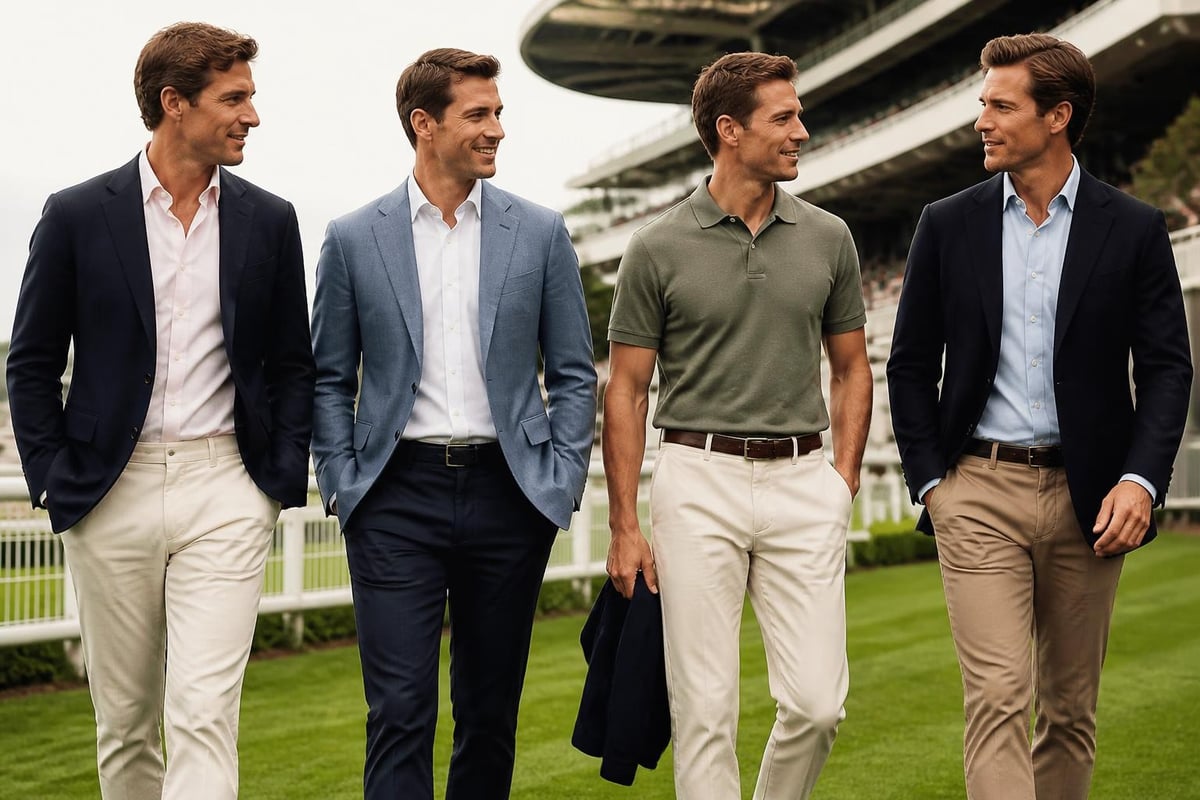
Start with two pairs of well-fitted trousers in navy and stone. These form the foundation of countless outfits. Avoid overly tight cuts that restrict movement. You want comfort whether you're walking the parade ring or checking on your horse beforehand.
Quality matters here. Look for fabrics that resist creasing and maintain their shape through a full day. Cotton-blend chinos work brilliantly for most race meets outside premium enclosures. Wool-blend dress trousers elevate the look for formal occasions.
The Versatile Blazer
A navy blazer remains the single most useful piece in any rider's wardrobe. Choose one with enough shoulder room for layering, particularly if you're coming from morning stable work. Unstructured or half-lined blazers offer better temperature regulation than heavily structured alternatives.
Your blazer should button comfortably when standing but not pull across the chest when seated. This matters during long race days. Racing Club's detailed men's style guide emphasizes fit over fashion, which aligns perfectly with how riders actually dress.
Shirts and Polos
White dress shirts suit formal enclosures. Light blue or pink broadcloth shirts work for less formal settings. Polo shirts in classic colours bridge the gap between casual and smart brilliantly.
The benefit of quality polo shirts extends beyond race days. They're equally appropriate for training sessions, casual stable visits, and weekend wear. Choose fabrics that wick moisture and resist odours. Performance materials designed for riding naturally suit long days at the races.
Performance Pieces That Cross Over
Many riders now incorporate proper equestrian clothing into their race day wardrobes. This makes perfect sense if you're riding in the morning then heading straight to the afternoon races.
Technical Outerwear
Waterproof riding jackets designed for equestrian use offer advantages over traditional raincoats. They're cut for movement, resist wind better, and typically feature longer backs that provide better coverage. In unpredictable British weather, this functionality matters enormously.
Choose neutral colours like navy, black, or stone that complement both riding attire and smart casual race day outfits. Removable hoods add versatility. Packable designs let you carry them easily when the weather clears.
Modern Breeches
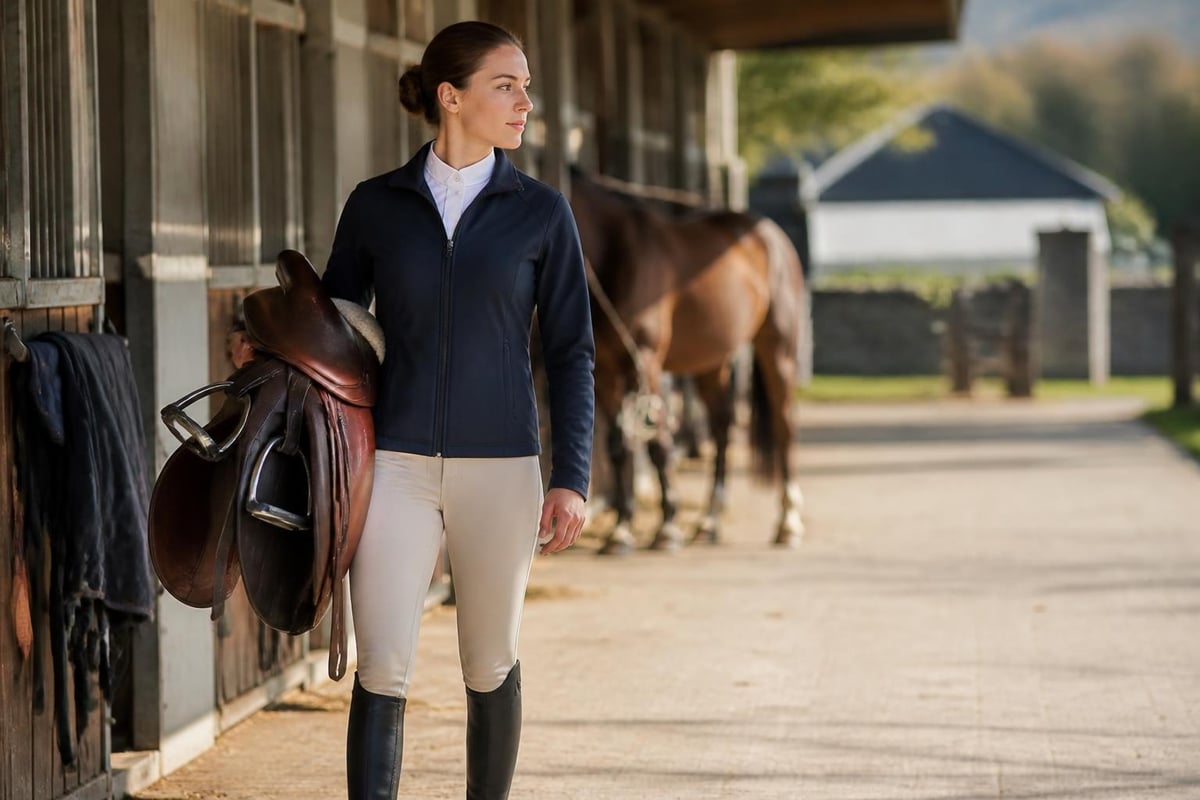
Whilst you won't wear breeches to formal race enclosures, they're perfectly acceptable for casual race meets, particularly point-to-points and hunter chases. Paired with tall boots and a blazer, they signal your serious involvement with horses.
Contemporary breeches in neutral tones look far more refined than traditional beige jodhpurs. Black or navy options work especially well. The key is ensuring they're spotlessly clean and paired with polished boots.
Footwear Choices for Different Venues
| Venue Type | Appropriate Footwear | Avoid |
|---|---|---|
| Royal Enclosure | Black Oxford shoes, polished | Brown shoes, loafers |
| Grandstand | Oxford or Derby shoes, polished leather | Trainers, canvas shoes |
| County Tracks | Smart leather shoes, Chelsea boots | Sports shoes, flip-flops |
| Point-to-Points | Tall riding boots, country boots | Formal city shoes |
Your footwear needs to handle potentially muddy conditions whilst looking appropriate. Leather soles struggle on wet grass. Rubber-soled dress shoes or quality country boots with Goodyear welted construction offer better grip and durability.
Tall riding boots work perfectly for casual race meets and point-to-points. Keep them immaculately polished. Scuffed or muddy boots undermine an otherwise smart outfit instantly.
Seasonal Considerations
Summer Racing (May - September)
Lightweight fabrics become essential. Linen-blend trousers breathe better than heavy cotton. Unlined blazers prevent overheating in packed grandstands. Short-sleeved polo shirts under blazers work when ties aren't required.
Always check specific dress codes. Some venues maintain strict standards regardless of temperature. Marks & Spencer's race day guide offers excellent seasonal advice for balancing comfort and appropriateness.
Winter Racing (October - April)
Layering becomes crucial. Start with a quality base layer if you're coming from morning rides. Add a dress shirt, possibly a thin jumper or sweatshirt, then your blazer or suit jacket.
Overcoats need to be long enough to cover your blazer completely. Navy or charcoal wool coats work across most occasions. Avoid overly casual puffer jackets unless the venue explicitly allows them.
Consider a quality hoodie in neutral tones for casual race meets. Modern performance hoodies designed for equestrian use offer warmth without bulk and look significantly more refined than typical sportswear.
Building a Practical Race Day Wardrobe
Rather than buying specific "race day only" clothing, focus on pieces that work across your riding life. This approach delivers better value and ensures you actually wear what you buy.
Core Wardrobe (Six Pieces)
- Navy blazer (unstructured, breathable fabric)
- Stone chinos (tailored fit, wrinkle-resistant)
- Navy dress trousers (wool-blend, year-round weight)
- White dress shirt (easy-care cotton)
- Navy polo shirt (performance fabric)
- Brown leather belt (matches your shoes)
These six pieces create multiple outfits suitable for everything from county race meets to smarter occasions. Add seasonal layers as needed.
Extended Wardrobe (Additional Six Pieces)
- Light blue dress shirt
- Stone polo shirt
- Navy performance jacket
- Grey wool trousers
- Black leather belt
- Tan suede desert boots (for casual venues)
This twelve-piece foundation handles virtually any British race meet you'll attend. Everything works together. Nothing sits unused.
Color Coordination Strategy
| Base Color | Pairs With | Creates Look |
|---|---|---|
| Navy blazer | Stone chinos, white shirt | Classic smart casual |
| Navy blazer | Navy trousers, blue shirt | Tonal sophistication |
| Stone chinos | Navy polo, brown belt | Refined weekend style |
| Navy trousers | Navy polo, navy jacket | Monochrome elegance |
Sticking to navy, stone, white, and light blue simplifies getting dressed whilst maintaining a polished appearance. These colours work across seasons and never look dated.
Accessories That Complete the Look
Ties and Pocket Squares
Silk ties in classic patterns suit formal enclosures. Regimental stripes, simple geometrics, and solid colours work reliably. Avoid novelty patterns or anything too bold.
Pocket squares add polish without fuss. A white linen square folded simply complements any tie. Match metals in your watch, belt buckle, and any other accessories. Silver with black shoes, gold with brown.
Watches and Belts
Your watch communicates as much as your clothing. Classic leather strap watches suit formal settings better than sports watches. Save your riding watch for actual riding.
Quality leather belts in black and brown cover all situations. Match your belt to your shoes. This detail matters at traditional racing venues where standards remain high.
Hats
Formal race meetings may require specific headwear. Top hats suit morning suits. Fedoras or trilbies work with smart suits. Flat caps suit country race meets and point-to-points perfectly.
Many riders skip hats entirely at casual venues. If unsure, Racing TV's dress code guide clarifies expectations across different British racecourses.
Transitioning from Stables to Stands
Early race days often mean riding in the morning then attending races in the afternoon. Plan this transition carefully.
Keep your race day outfit in the vehicle. Change completely rather than trying to smarten up riding clothes. Even the cleanest riding attire carries stable smells that become obvious in close quarters.
Packable clothing helps enormously. Show shirts designed for competition travel well and resist creasing. Performance polos maintain their shape better than traditional cotton alternatives.
A small grooming kit ensures you look fresh. Include a clothes brush for removing any stray horse hairs, a lint roller, and spare collar stiffeners. These details separate riders who simply change clothes from those who genuinely look polished.
Climate and Terrain Realities
British race meets happen in all weathers. Ascot in June might be scorching. Cheltenham in March often brings horizontal rain. Your horse racing clothing men select must handle actual conditions, not idealized scenarios.
Waterproof layers matter more than any other consideration. Even on clear mornings, afternoon showers can drench exposed grandstands. A packable rain jacket in your bag saves the day repeatedly.
Muddy conditions affect footwear choices significantly. Wearing your best Oxford shoes to a soggy February race meet ruins them quickly. Quality country boots or rubber-soled dress shoes make more sense. Some riders keep wellington boots in the vehicle for particularly grim conditions, changing before entering smarter areas.
The Modern Rider's Approach
Horse racing clothing men need in 2026 differs from previous generations. Traditional standards remain at premium venues, but practical considerations increasingly influence what riders actually wear.
Quality equestrian brands now produce pieces that work equally well for riding and race day attendance. This crossover functionality makes sense economically and practically. Gallant Equestrian exemplifies this approach, creating performance-driven pieces refined enough for diverse settings.
The shift towards versatile, well-made basics reflects broader changes in men's style. Riders want clothing that performs properly rather than items that simply look appropriate. Fabrics that wick moisture, resist odours, and maintain their shape through long days deliver tangible benefits.
Investment Pieces Worth Considering
Certain items justify higher investment because they serve you across years and multiple occasions.
Tailored Blazer
A properly fitted blazer from a quality manufacturer lasts decades with basic care. Choose classic styling over trends. Navy remains the most versatile colour. Ensure the shoulders fit properly. Everything else can be adjusted.
Budget £300-600 for something genuinely good. This seems substantial but calculates to perhaps £30 annually over a blazer's typical lifespan. Compare this to buying cheaper alternatives every few years.
Quality Footwear
Well-constructed leather shoes improve with age when properly maintained. Goodyear welted construction allows multiple resoles, extending life significantly. Black Oxfords and brown Derby shoes cover most racing occasions.
Expect £200-400 for shoes that genuinely last. Cheaper alternatives rarely survive more than a season of regular wear. The mathematics strongly favor buying quality initially.
Performance Outerwear
Technical jackets designed for equestrian use cost more than fashion pieces but deliver superior weather protection and durability. Look for taped seams, robust zippers, and breathable waterproof fabrics.
A jacket costing £200-350 that performs reliably for five-plus years represents better value than replacing inadequate alternatives annually. Factor in the misery of being cold and wet at a race meet. Proper protection matters.
Regional Variations
British race meets vary enormously by region and type. Point-to-point meetings in the West Country welcome country attire that would seem too casual at Newmarket. Understanding these nuances helps you pitch your outfit appropriately.
Northern tracks often maintain slightly more relaxed standards than southern venues. Scottish race meets blend traditional formality with practical considerations for changeable weather. Always research your specific venue beforehand.
Jumps racing typically allows more casual attire than flat racing, particularly at smaller tracks. A quality polo shirt and tailored chinos work perfectly for many jumps fixtures. Reserve your suit for major festivals.
Practical Maintenance
Looking polished requires basic garment care. Most riders struggle with this because stable life is inherently messy. Separate your race day clothing completely from your riding kit.
Keep blazers and dress trousers in garment bags. This prevents dust accumulation and reduces pressing needs. Steam rather than iron when possible. This refreshes fabrics without the shine that aggressive ironing can create.
Quality leather responds well to regular conditioning. Clean and condition shoes after each wear. This extends their life enormously. Store with shoe trees to maintain shape. Polish the night before race days, never the morning of. This allows polish to properly cure.
Final Thoughts on Style and Substance
The best horse racing clothing men invest in serves dual purposes. It meets venue expectations whilst reflecting your genuine involvement with horses. This authenticity matters more than perfect adherence to arbitrary fashion rules.
Build your wardrobe around pieces you'll genuinely wear. Choose quality over quantity. Focus on fit above all else. Well-fitted basics from Gallant Equestrian outperform expensive designer pieces that don't suit your frame or lifestyle.
Racing fashion has evolved significantly, particularly for men actively involved with horses. The days of purely decorative clothing have passed. Modern riders demand performance, durability, and versatility. The brands that understand this reality create clothing worth owning.
Getting your race day wardrobe right means investing in versatile, well-made pieces that serve you from morning rides through afternoon racing and beyond. When you need horse racing clothing men can trust across all settings, Gallant Equestrian delivers performance-driven pieces that transition seamlessly from stables to stands. Explore the full collection at Gallant Equestrian and build a wardrobe that works as hard as you do. Look the Part. Enjoy the Ride.

