

Horse Rider Jacket: Style Meets Performance for Men
May 25, 2026
The right horse rider jacket does more than keep you warm. It's your first line of defence against unpredictable weather, a safety barrier when things go sideways, and the piece that sets the tone for your entire riding kit. Whether you're hacking out on a crisp morning or schooling in the arena, your jacket needs to work as hard as you do whilst looking the part.
Finding that balance between protection, performance, and style isn't always straightforward. Too many jackets prioritise one aspect whilst compromising the others. The best examples merge all three seamlessly, giving you confidence in the saddle and versatility beyond the yard.
Understanding What Makes a Quality Horse Rider Jacket
A proper horse rider jacket isn't just outerwear borrowed from other sports. The demands of riding require specific features that general athletic wear simply can't deliver.
The Foundation of Performance Fabrics
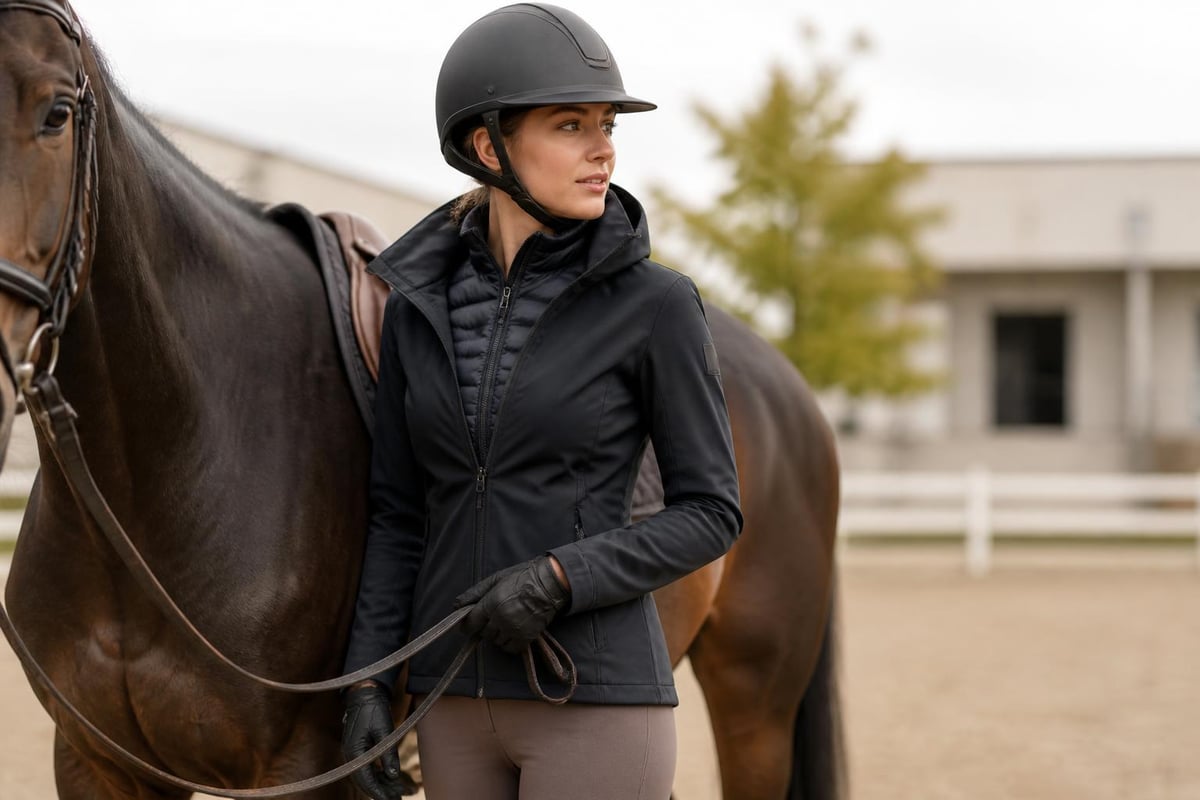
Modern technical fabrics have transformed what we expect from riding jackets. Breathable membranes allow moisture to escape whilst blocking wind and rain, keeping you comfortable during intense schooling sessions. Four-way stretch materials move with your body rather than restricting your position in the saddle.
The best fabrics combine durability with flexibility. You need material that withstands constant movement, rubbing against the saddle, and regular washing without losing shape or performance. Natural fibres like wool blends offer warmth and moisture management, whilst synthetic options excel in weather resistance and quick drying.
Weight matters more than many riders realise. A heavy jacket restricts movement and creates bulk that interferes with your riding position. Premium lightweight fabrics deliver protection without the extra kilos.
Safety Standards and Protection Features
Safety isn't negotiable when it comes to riding attire. Understanding the standards that govern protective jackets helps you make informed decisions about what you're actually buying.
European Safety Standards for Riding Jackets
The EN 13158:2018 standard specifies requirements for protective jackets and body protectors used in equestrian activities. This standard ensures jackets meet minimum impact protection levels across key areas. When you see this certification, you know the jacket has undergone rigorous testing for shock absorption and impact resistance.
Not every horse rider jacket needs to meet these protective standards. Everyday riding jackets focus on weather protection and mobility, whilst protective jackets incorporate foam or specialised materials designed to absorb impact. Understanding riding safety equipment helps clarify which type suits your riding discipline and risk profile.
When Protection Becomes Priority
Certain riding situations demand certified protective jackets. Cross-country work, breaking young horses, or riding particularly green animals all increase risk levels. In these scenarios, a standard weather jacket simply isn't enough.
The British Horse Society provides comprehensive guidance on body protectors that many riders find invaluable. These can be worn under your regular horse rider jacket for maximum protection without sacrificing style.
| Jacket Type | Primary Function | Best Used For | Safety Rating |
|---|---|---|---|
| Weather Jacket | Climate protection | Hacking, casual riding | None required |
| Softshell | Wind/light rain protection | Arena work, mild conditions | None required |
| Protective Jacket | Impact absorption | Cross-country, young horses | EN 13158:2018 |
| Competition Jacket | Show presentation | Dressage, showing | None required |
Style That Transitions Beyond the Stables
The evolution of equestrian fashion demonstrates how riding attire influences broader style trends. Your horse rider jacket should feel equally appropriate at the yard and the pub.
Classic Design Principles That Endure
Traditional riding jackets drew from military tailoring, emphasising clean lines, structured shoulders, and practical details like storm flaps and reinforced elbows. These elements persist in modern designs because they work both functionally and aesthetically.
Contemporary horse rider jackets often reference these heritage details whilst incorporating modern fabrics and cuts. A well-designed jacket features subtle equestrian touches rather than obvious branding or excessive styling. Think quality zips, understated colour blocking, and practical pockets positioned where you actually need them.
The evolution of equestrian fashion shows how riding attire has consistently balanced tradition with innovation. Modern riders benefit from this history, accessing jackets that honour classical style whilst delivering current performance standards.
Versatility in Modern Riding Wardrobes
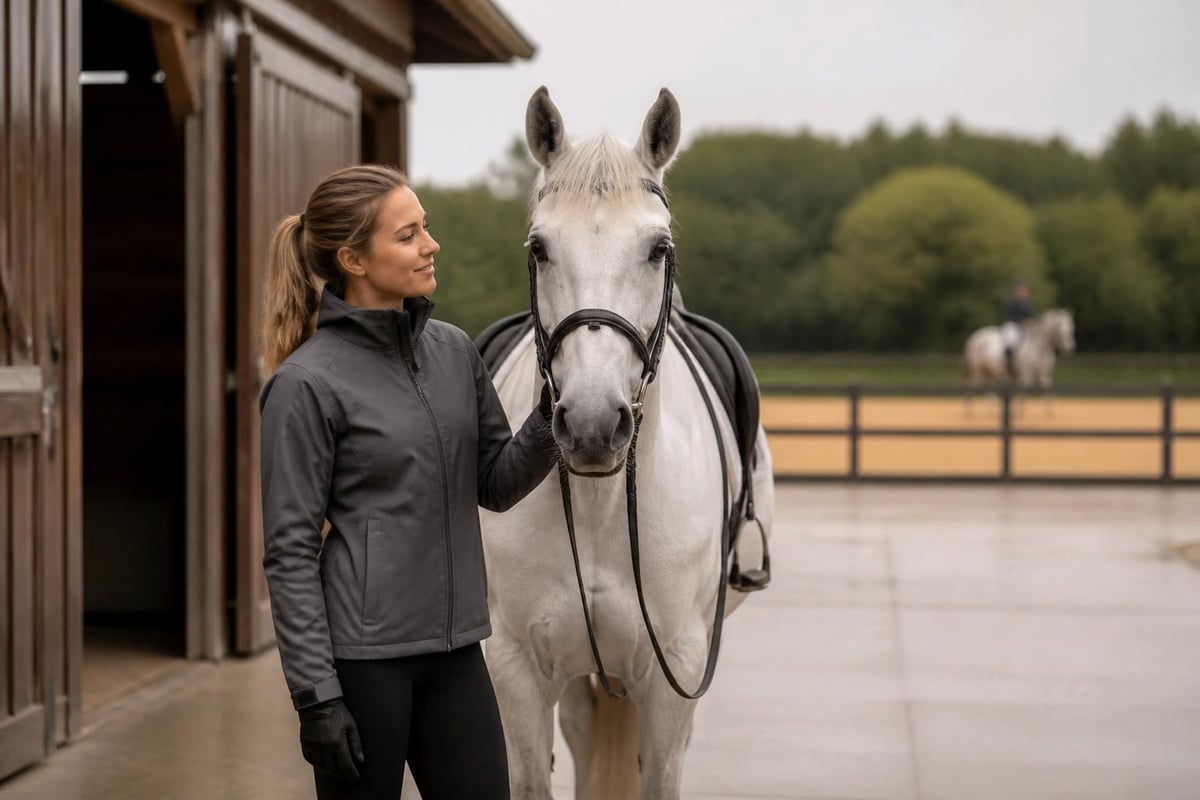
Your jacket needs to work across multiple scenarios. Morning stable duties require weather protection and freedom of movement. Arena sessions demand breathability and stretch. Evening hacks might call for visibility features and wind resistance.
The best approach involves selecting jackets that handle these varied demands without requiring a different piece for each activity. A quality softshell jacket with strategic ventilation works equally well for mucking out and schooling. A well-designed rain jacket protects during downpours whilst packing small enough to tie behind your saddle.
Key Features That Separate Good From Great
Certain details elevate a decent horse rider jacket into something exceptional. Understanding these features helps you evaluate options more effectively.
Strategic Ventilation and Temperature Management
Your body temperature fluctuates dramatically during riding. A brisk hack generates heat, whilst standing around between exercises lets you cool rapidly. Effective ventilation systems manage these swings without requiring constant adjustment.
Look for underarm gussets, back vents, or chest zips that open for airflow when needed. These features work quietly in the background, preventing overheating during intense work whilst maintaining warmth when you're static. The best designs let you adjust ventilation single-handedly, keeping your other hand on the reins.
Mesh linings enhance breathability without compromising weather protection. They create airflow channels against your skin, wicking moisture away whilst the outer layer blocks wind and rain. This layered approach delivers comfort across wider temperature ranges than single-layer construction.
Articulated Design for Riding Position
Standard jackets aren't cut for riding position. When you're in the saddle, your arms reach forward, your torso leans slightly, and your shoulders need unrestricted movement. Jackets designed for walking or general outdoor activities restrict these positions.
Articulated sleeves curve naturally forward, matching your arm position when holding reins. Gusseted underarms provide expansion room when you reach forward or stretch your position. Longer backs ensure coverage when you're leaning over your horse's neck, whilst shorter fronts prevent bunching when seated.
Pre-curved elbows reduce fabric tension at these critical flex points. This seemingly minor detail significantly impacts comfort during long rides, preventing that familiar restriction when you adjust your rein contact or reach for a water bottle.
Seasonal Considerations for Year-Round Riding
British weather demands adaptable outerwear. Your summer horse rider jacket differs fundamentally from winter requirements, yet both need to deliver reliable performance.
Lightweight Options for Warmer Months
Summer riding still requires protection from wind, unexpected showers, and early morning chill. Lightweight softshell jackets pack the most versatility into minimal weight. They block wind effectively whilst allowing excellent breathability, making them ideal for changeable conditions.
Water-resistant treatments on lighter fabrics handle brief showers without the bulk of waterproof construction. These treatments let the fabric breathe more effectively than waterproof membranes, preventing that clammy feeling during warm weather riding.
Consider packability when selecting lighter jackets. The ability to roll your jacket into a small bundle and stash it in your saddle bag transforms its utility. You're far more likely to carry weather protection if it doesn't require extra bulk.
Winter Performance Requirements
Cold weather riding demands serious insulation without restricting movement. Synthetic insulation offers excellent warmth-to-weight ratios whilst maintaining performance when damp. Modern synthetic fills rival down for warmth whilst continuing to insulate even when wet.
Windproofing becomes critical in winter. Wind chill drops effective temperatures dramatically, making a jacket that blocks wind far warmer than thicker but less wind-resistant options. Look for tightly woven outer fabrics or dedicated windproof membranes.
Layering compatibility matters throughout winter. Your jacket needs to accommodate base layers and mid-layers without becoming restrictive. Slightly roomier cuts in winter-specific designs account for this layering whilst maintaining clean lines.
| Season | Primary Challenge | Ideal Fabric | Key Feature |
|---|---|---|---|
| Spring | Variable weather | Softshell | Packability |
| Summer | Breathability | Lightweight synthetic | Ventilation |
| Autumn | Light rain | Water-resistant | Quick-dry |
| Winter | Wind/cold | Insulated softshell | Windproofing |
Practical Details That Matter Daily
Small details separate jackets you'll reach for constantly from those that languish in the tack room. These practical elements influence your daily riding experience more than headline features.
Pocket Placement and Functionality
Pockets on riding jackets need to work whilst mounted. Standard jacket pockets sit at hand height when standing, becoming awkwardly positioned when seated in the saddle. Riding-specific designs place pockets slightly higher, ensuring easy access without contortion.
Secure closures prevent items falling out during mounted work. Zip pockets keep phones, keys, and treats safe during active riding. Interior pockets provide secure storage for valuables whilst exterior pockets handle gloves, hoof picks, and other frequently accessed items.
Consider what you actually carry whilst riding. If you regularly need your phone for timing exercises or checking messages, an interior chest pocket keeps it secure and prevents screen damage. If you carry treats for your horse, an easily accessed exterior pocket saves fumbling.
Cuffs and Closures That Work With Gloves
Adjustable cuffs accommodate gloved hands whilst preventing sleeves riding up your arms. Velcro closures let you adjust fit single-handedly, whilst elastic inner cuffs seal against cold wind without bulk. The combination delivers flexibility for varying glove thickness across seasons.
Storm flaps over front zips prevent wind-driven rain penetrating through the closure. This traditional detail remains relevant because it works, keeping your core dry when weather turns serious. Quality zips with substantial pullers let you operate them whilst wearing winter gloves.
High collars protect your neck without interfering with helmet position. Some designs incorporate fleece or soft fabrics against your skin, preventing chafing during long rides. Collar height needs to balance protection with comfort, avoiding that stifled feeling.
Maintaining Your Investment
A quality horse rider jacket represents significant investment. Proper care extends its lifespan whilst maintaining performance characteristics that make it effective.
Cleaning Without Compromising Performance
Technical fabrics require specific care to maintain their properties. Harsh detergents damage water-resistant treatments and breathable membranes. Use technical garment wash designed for performance fabrics, following manufacturer guidelines for temperature and cycle selection.
Avoid fabric softeners entirely. They coat fibres, reducing breathability and compromising water-resistant treatments. Your jacket might feel softer initially, but performance suffers significantly. If you want softer fabric, tumble drying on low heat often achieves this whilst maintaining technical properties.
Regular cleaning prevents dirt and sweat building up in fabric fibres. These contaminants reduce breathability and accelerate wear. Clean your jacket after particularly muddy or sweaty rides rather than waiting for visible dirt accumulation.
Restoring Water Resistance
Water-resistant treatments diminish over time and through washing. When you notice water soaking into fabric rather than beading on the surface, it's time to restore protection. Spray-on treatments work well for spot refreshing, whilst wash-in products provide even coverage.
Apply treatments to clean, dry fabric for best results. Heat activation helps many products bond effectively, so tumble drying or ironing on low heat after application enhances performance. Check manufacturer recommendations before applying heat to avoid damage.
Store your horse rider jacket properly between uses. Hanging in a well-ventilated area allows moisture to evaporate naturally, preventing musty odours and mildew. Avoid compressed storage that damages insulation or creases technical fabrics permanently.
Making the Right Choice for Your Riding
Selecting the ideal horse rider jacket depends on your specific riding style, climate, and preferences. Generic recommendations rarely account for individual needs.
Assessing Your Primary Riding Activities
Arena riders need different features than those regularly hacking across open countryside. Dressage work might prioritise unrestricted shoulder movement and breathability, whilst cross-country riders require robust weather protection and potentially impact resistance.
Consider your typical riding duration and intensity. Longer rides demand excellent breathability and comfort features. Shorter, more intense sessions might tolerate less ventilation if other aspects like freedom of movement excel. Hour-long hacks need different features than twenty-minute schooling sessions.
Your climate significantly influences requirements. Riders in consistently wet regions prioritise waterproofing over those in drier areas. Wind exposure, temperature ranges, and seasonal variation all impact which features matter most for your situation.
Balancing Budget With Quality
Premium horse rider jackets cost more upfront but typically deliver better value long-term. Quality construction, superior fabrics, and thoughtful design create garments that perform reliably for years. Cheap alternatives might save money initially but often require replacement within a season or two.
Consider cost per wear when evaluating options. A jacket you'll reach for constantly justifies higher investment than one that sits unused. If you ride daily throughout the year, spending more on a versatile, durable jacket makes financial sense.
That said, you don't always need the most expensive option. Identify which features truly matter for your riding, then find jackets delivering those specific elements. Paying for features you won't use doesn't represent good value regardless of overall quality.
Understanding how different styles work helps refine your selection. An equestrian riding jacket article exploring various designs and their applications can clarify which type best suits your needs.
Building a Complete Riding Wardrobe
Your horse rider jacket doesn't exist in isolation. It forms part of a coordinated system that works together across varying conditions.
Layering Strategies for Maximum Versatility
Smart layering extends your jacket's effectiveness across wider temperature ranges. Base layers manage moisture next to your skin, mid-layers provide insulation, and your jacket delivers weather protection. This system adapts more flexibly than relying on a single heavy jacket.
Quality breeches complement your jacket choice, creating a complete riding outfit that performs cohesively. Coordinating colours and styles presents a polished appearance whilst ensuring all pieces work together functionally.
Base layers in merino wool or technical synthetics wick sweat effectively whilst providing light insulation. They maintain comfort during temperature swings, preventing that clammy feeling when you transition from active riding to static periods. Choose fitted styles that layer smoothly under your jacket without bulk.
Mid-layers like fleeces or insulated gilets add warmth without restricting movement. These pieces often get more wear than you'd expect, handling marginal weather where a full jacket feels excessive. A quality mid-layer paired with a lighter shell jacket covers more situations than a single heavy jacket.
Coordinating Your Complete Kit
Consider how your jacket integrates with other riding essentials. Helmets, gloves, and boots all influence your overall comfort and appearance. Colours and styles that complement each other create a cohesive look that speaks to attention to detail.
Gallant Equestrian offers curated collections designed to work together seamlessly. Their approach eliminates guesswork, ensuring each piece complements the others whilst delivering individual performance.
Think beyond the arena when building your wardrobe. Jackets that transition from riding to everyday wear extend their utility significantly. A well-chosen horse rider jacket becomes a staple piece you'll wear constantly, not just specialist riding attire.
Choosing the right horse rider jacket comes down to understanding your specific needs and finding designs that deliver performance without compromise. The best jackets blend protection, comfort, and style into pieces you'll rely on season after season. Gallant Equestrian creates exactly these kinds of essentials, designing performance-driven riding wear for men who refuse to settle for mediocrity in the saddle or beyond. Look the Part. Enjoy the Ride.

