

Male Horse Riding: Technique, Style & Essential Gear
Jul 28, 2026
Male horse riding has evolved significantly over the past decade, yet the fundamentals remain unchanged. Whether you're starting your equestrian journey or refining your skills after years in the saddle, understanding the unique considerations for male riders makes all the difference. From proper technique and physical comfort to selecting the right riding attire, male horse riding requires attention to detail that sets you up for success every time you mount.
Understanding the Fundamentals of Male Horse Riding
The foundation of successful male horse riding starts with understanding basic horsemanship principles that apply regardless of discipline. Your connection with the horse begins the moment you approach, halter, and lead your mount. These initial interactions establish trust and respect that carry through your entire riding session.
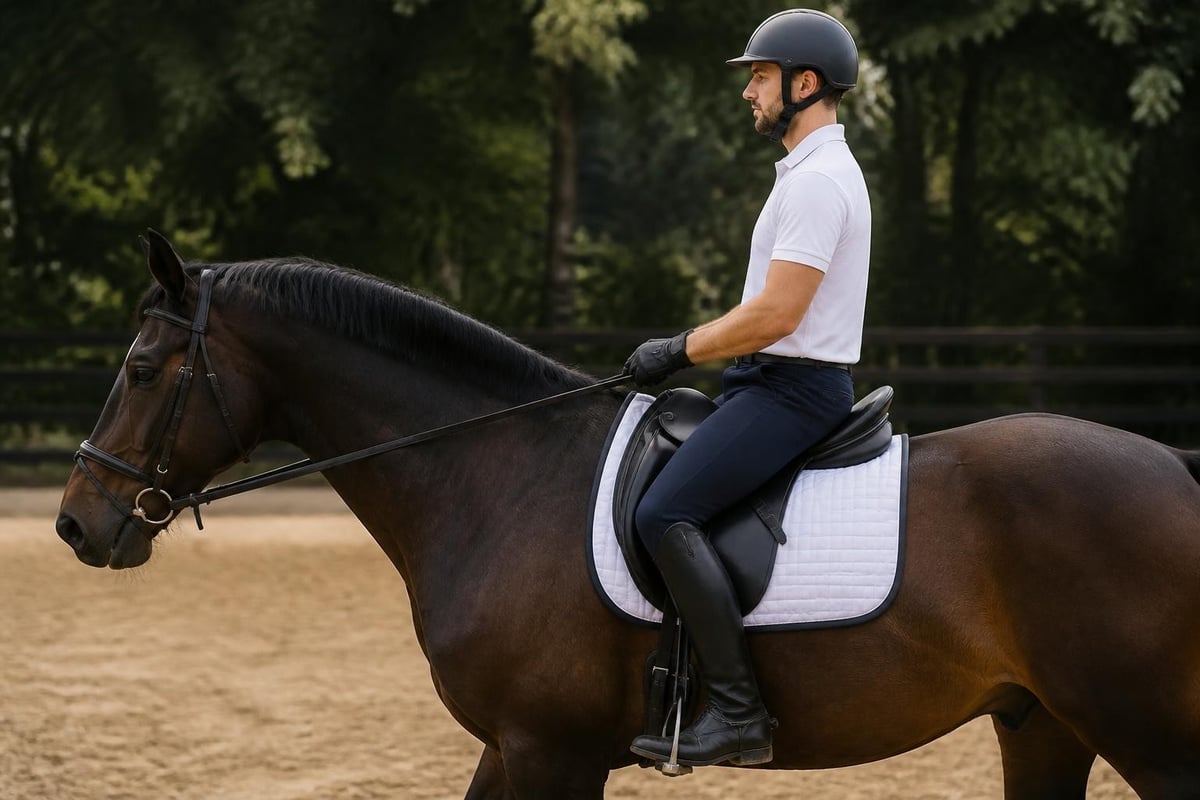
Posture plays a crucial role in effective male horse riding. Your seat position, leg placement, and upper body alignment all contribute to clear communication with your horse. A balanced seat allows you to move with the horse rather than against it, reducing fatigue for both rider and mount.
Physical Preparation and Comfort
Male riders face specific comfort considerations that shouldn't be ignored. Protective measures and proper riding attire make extended sessions in the saddle significantly more comfortable. Quality breeches designed specifically for men provide the support and protection necessary for hours of riding.
Flexibility and core strength directly impact your riding performance. Regular stretching, particularly in the hips and lower back, improves your ability to move with your horse. A strong core helps you maintain proper posture without tension, allowing subtle aids to communicate clearly.
Essential Techniques Every Male Rider Should Master
Developing solid riding techniques separates competent riders from exceptional ones. Male horse riding requires understanding how your body weight, leg pressure, and rein contact work together to guide your horse effectively.
Mounting and Dismounting
Proper mounting technique protects both your horse's back and your own body. Approach from the left side, check your girth tension, and use a mounting block whenever possible. This reduces strain on your horse and allows for a smoother start to your ride.
When dismounting, remove both feet from the stirrups, swing your right leg over the horse's hindquarters, and slide down gently. Landing with bent knees absorbs the impact and maintains your balance.
Mastering the Gaits
Understanding each gait transforms your riding experience. The walk provides opportunity to establish rhythm and relaxation. Your seat should follow the gentle swaying motion naturally, without forcing movement.
The trot challenges balance and coordination. Rising trot, or posting, reduces impact on both rider and horse. Sitting trot requires a supple lower back and engaged core to absorb the horse's movement smoothly.
Learning how to canter represents a significant milestone in male horse riding. The three-beat gait feels powerful yet rhythmic when executed correctly. Your seat should move with the rocking motion, maintaining light contact with the saddle.
| Gait | Beats | Best Practice | Common Challenge |
|---|---|---|---|
| Walk | Four | Maintain relaxed contact | Rushing the horse |
| Trot | Two | Post on correct diagonal | Tension in lower back |
| Canter | Three | Sit deep and follow motion | Leaning forward |
| Gallop | Four | Stay balanced over centre | Loss of control |
Developing Effective Communication
Controlling your horse involves far more than pulling reins and kicking sides. Male horse riding at its finest uses subtle, coordinated aids that feel almost invisible to observers.
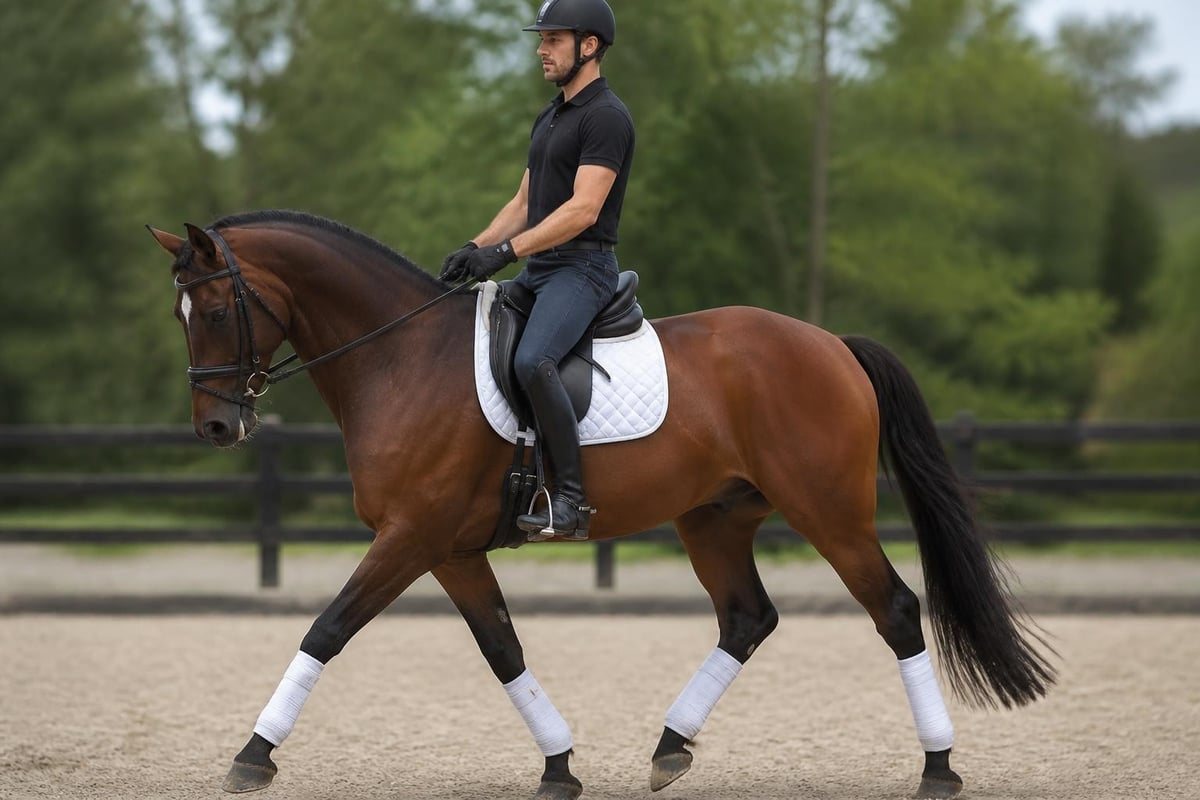
Your hands, legs, and seat work as a unified system. Light rein contact provides connection without restriction. Your legs ask for forward movement, direction changes, and speed adjustments. Your seat influences balance, rhythm, and collection.
Rein Management Mastery
Proper rein handling prevents common issues like heavy hands or inconsistent contact. Hold the reins with relaxed fingers, maintaining a straight line from elbow through hand to the horse's mouth. Your wrists should remain supple, absorbing movement rather than resisting it.
Rein length adjusts based on discipline and situation. Shorter contact suits dressage and collected work, whilst longer reins allow freedom for jumping and trail riding. Consistency matters more than specific length.
Leg and Seat Aids
Your legs provide the primary driving force in male horse riding. Position them slightly behind the girth for forward movement, further back for lateral work. Pressure should pulse rather than grip constantly, allowing your horse to respond and relax.
Seat aids become more refined as you progress. Weight shifts guide turns and transitions. Deepening your seat asks for collection. Lightening it encourages forward movement. This sophisticated communication develops through thousands of hours in the saddle.
Refining Your Riding Technique
Correct riding techniques elevate your partnership with your horse from functional to exceptional. Male horse riding at advanced levels requires continuous refinement and honest self-assessment.
Position and Alignment
Your ear, shoulder, hip, and heel should align vertically when viewed from the side. This classical position provides maximum effectiveness with minimum effort. Any deviation creates tension that restricts both you and your horse.
Common position faults include:
Gripping with knees forces your lower leg forward and creates tension throughout your body. Instead, allow your leg to drape naturally from a relaxed hip, with weight dropping into your heel.
Leaning forward compromises balance and limits your ability to use seat aids effectively. Imagine a string pulling the crown of your head upward, lengthening your spine naturally.
Stiff arms prevent elastic rein contact and reduce sensitivity. Keep elbows bent and close to your body, allowing your arms to follow your horse's head movement naturally.
Transitions and Precision
Smooth transitions demonstrate rider competence and horse responsiveness. Prepare your horse with subtle half-halts that alert them to upcoming changes. Apply aids clearly but briefly, then allow your horse to respond.
Upward transitions require coordinated leg and seat aids whilst maintaining steady rein contact. Downward transitions need rebalancing with your seat before restricting with reins. The horse should respond promptly yet calmly to each request.
Clothing Considerations for Male Riders
Appropriate riding attire for men directly impacts comfort and performance. Male horse riding demands clothing that moves with you whilst providing necessary support and protection.
Quality breeches represent the most critical investment. They should fit snugly without restricting movement, with proper grip placement to prevent sliding. Four-way stretch fabric accommodates the wide range of motion required in the saddle.
Layering for Variable Conditions
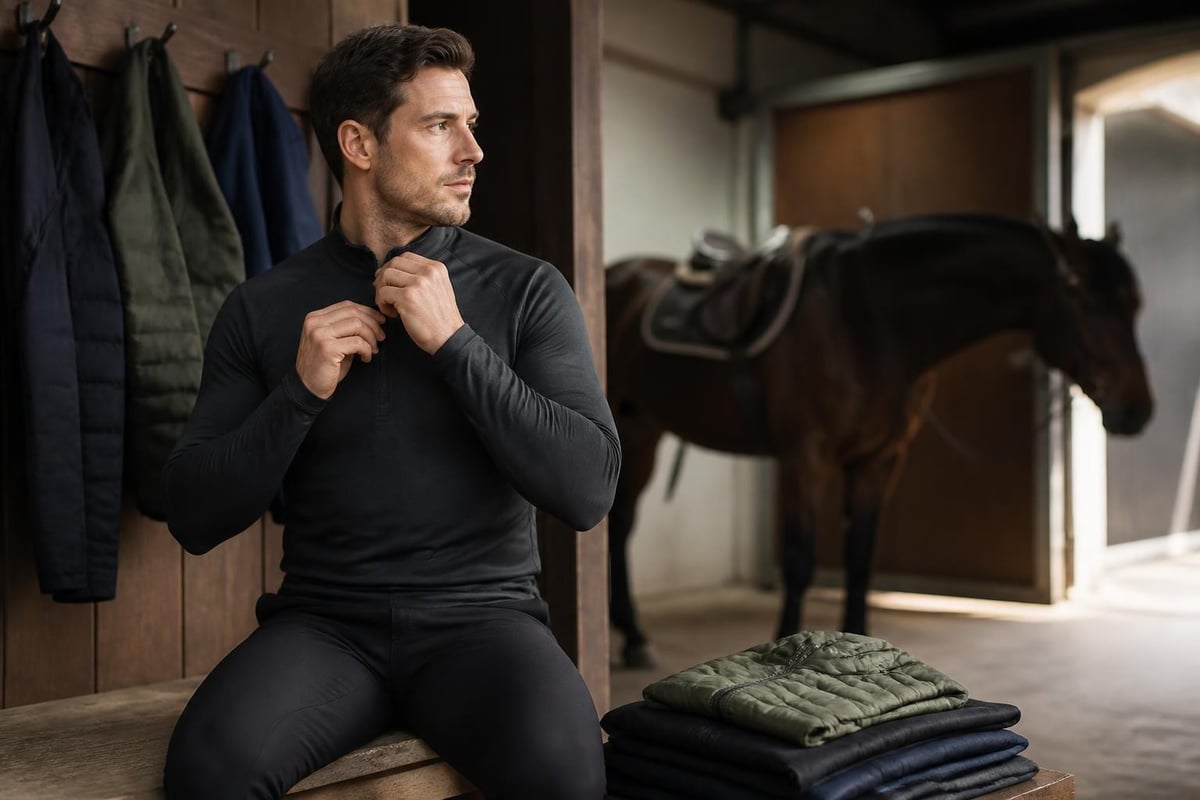
British weather demands versatile layering systems. Base layers wick moisture away from skin, maintaining comfort during intense sessions. Mid-layers provide insulation without bulk, allowing freedom of movement.
Waterproof riding jackets protect against sudden downpours whilst remaining breathable enough for active riding. Look for designs that won't ride up in the saddle or restrict arm movement.
| Layer Type | Purpose | Key Features |
|---|---|---|
| Base Layer | Moisture management | Breathable, form-fitting, quick-dry |
| Mid Layer | Insulation | Lightweight, flexible, easy on/off |
| Outer Layer | Weather protection | Waterproof, breathable, riding-specific cut |
| Competition Wear | Professional appearance | Tailored fit, traditional styling |
Functional Details Matter
Seam placement prevents chafing during extended rides. Flat-lock stitching and strategic panelling reduce friction points. Deep pockets allow you to carry essentials without bulk that interferes with your position.
Colours and styling have traditionally been conservative in male horse riding, but modern options offer subtle personality whilst maintaining professionalism. Navy, black, and neutral tones provide versatility across disciplines and occasions.
Building Confidence in the Saddle
Confidence develops gradually through consistent practice and positive experiences. Male horse riding rewards patience and persistence more than natural athleticism or strength.
Progressive Skill Development
Start with controlled environments and experienced horses. Master basic skills thoroughly before advancing to more challenging situations. Rushing progression often creates gaps in foundation that resurface later.
Regular lessons with qualified instructors accelerate improvement and prevent bad habits from forming. Video analysis reveals position issues you cannot feel, providing objective feedback for refinement.
Mental Preparation
Visualisation techniques improve performance and reduce anxiety. Picture yourself executing movements correctly, feeling the rhythm and balance. This mental rehearsal strengthens neural pathways used during actual riding.
Breathing awareness prevents tension from building unconsciously. Steady, deep breaths relax your body and calm your mind, allowing clearer communication with your horse.
Discipline-Specific Considerations
Different equestrian disciplines emphasise various aspects of male horse riding technique. Understanding these nuances helps you focus training appropriately.
Dressage Precision
Dressage demands exceptional body control and subtlety. Your aids should be nearly invisible whilst producing precise responses. Deep, secure seats and independent hands distinguish competent dressage riders.
Proper equestrian fashion for dressage traditionally includes white breeches, black boots, and tailored jackets for competitions. Daily training allows more relaxed attire whilst maintaining professional standards.
Jumping Dynamics
Show jumping and cross-country require a forward seat position that shifts your weight off the horse's back during flight. Shorter stirrups, stronger leg position, and following hands allow your horse maximum freedom over fences.
Safety becomes paramount when jumping. Properly fitted helmets, body protectors, and secure footwear prevent serious injuries during inevitable falls.
Western Riding Style
Western disciplines use different tack and techniques but share fundamental principles with English riding. Neck reining, deeper seats, and specific cues distinguish Western male horse riding from English styles.
Comfort receives particular emphasis in Western riding due to extended trail rides and ranch work. Durability and functionality take precedence over fashion, though quality gear serves both purposes admirably.
Maintenance and Ongoing Development
Male horse riding skills require continuous maintenance and refinement. Even experienced riders benefit from regular instruction, fitness training, and honest evaluation.
Physical Fitness for Riders
Riding-specific fitness improves performance and reduces injury risk. Core strength, hip flexibility, and cardiovascular endurance all contribute to better riding.
Regular gym sessions should include planks, bridges, and rotational exercises for core stability. Yoga and stretching maintain the flexibility necessary for proper position and effective aids.
Equipment Care and Selection
Quality tack and clothing last years when properly maintained. Clean and condition leather regularly, store textiles properly, and replace worn items before they compromise safety or performance.
Investing in fewer, better-quality pieces proves more economical than frequently replacing cheap alternatives. Well-made breeches, boots, and jackets withstand daily use whilst maintaining appearance and function.
The Journey of Continuous Improvement
Male horse riding offers lifelong learning opportunities. Each horse teaches different lessons. Every ride presents chances to refine technique and deepen understanding.
Setting specific goals maintains motivation and provides direction for training. Whether preparing for competition, mastering a new discipline, or simply becoming a more effective partner for your horse, clear objectives focus your efforts productively.
Recording your progress through journals, videos, or riding logs reveals patterns and progress that daily increments obscure. Reviewing past performances highlights improvement and identifies areas needing attention.
Finding community among fellow male riders provides support, knowledge sharing, and camaraderie. Riding clubs, online forums, and local yards connect you with others who share your passion and understand the unique joys and challenges of male horse riding.
Success in male horse riding stems from dedication to fundamental principles, appropriate gear that supports performance, and willingness to learn continuously. The partnership between horse and rider develops through countless hours together, building mutual understanding and respect that transcends mere technique.
Male horse riding combines technical skill, physical fitness, and mental focus into a rewarding partnership with remarkable animals. Whether you're just beginning your equestrian journey or refining advanced techniques, proper instruction and appropriate gear make every ride more enjoyable and effective. Gallant Equestrian provides performance-driven clothing designed specifically for male riders who demand both functionality and style, ensuring you look and feel confident from stable to saddle. Look the Part. Enjoy the Ride.

